
Belgium travel guides
3 guides to Belgium, written by the Adventure Knit editorial team.
Belgium guides
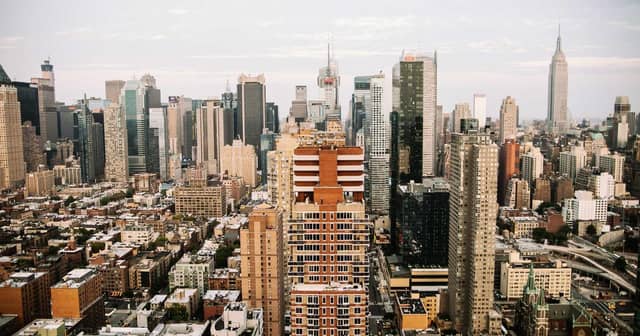
Antwerp Belgium: Ultimate Diamond City Travel Guide
Complete Antwerp travel guide covering Historic Center, Diamond District, Belgian cuisine, and Flemish culture. Expert tips for your perfect Belgian adventure.
May 20, 2026 • 22 min read
Brussels Belgium: Ultimate European Capital Travel Guide
Complete Brussels travel guide covering Grand Place, Manneken Pis, Belgian waffles, and EU institutions. Expert tips for your perfect Belgian adventure.
May 20, 2026 • 22 min read
Ghent Belgium: Ultimate Medieval Jewel Travel Guide
Complete Ghent travel guide covering Gravensteen Castle, medieval old town, Belgian cuisine, and Flemish culture. Expert tips for your perfect Belgian adventure.
May 20, 2026 • 22 min read
Belgium travel FAQs
April to June and September to October are the best months for Belgium, with mild weather and the cultural season in full swing in Brussels, Antwerp, and Ghent. Summer brings festivals and cafe terraces but bigger crowds, while December is popular for Christmas markets on the Grand Place and across the cities. Brussels also hosts the Flower Carpet on the Grand Place in August of every even year.
Four to five days covers Brussels well, and because the country is compact many travelers base themselves in one city for a week and day-trip everywhere: Ghent and Antwerp are each about 40 minutes from Brussels by train, and Bruges roughly an hour, with round-trip fares of about 10 to 25 euros. Daily budgets in Brussels, Antwerp, and Ghent all run around 70 to 220 euros.
Trains are the backbone of Belgian travel, linking Brussels, Ghent, Antwerp, and Bruges in 30 to 90 minutes for modest fares. Within the cities, historic centers are very walkable, Brussels adds a metro and trams at about 2.10 euros a ride, and Antwerp and Ghent run De Lijn trams at 3 euros; a reloadable MOBIB card makes fares cheaper. Waterloo, Mechelen, and even Rotterdam in the Netherlands work as easy rail day trips.
Belgium's cities are very safe, and walking alone at night is fine in most areas of Brussels, Antwerp, and Ghent. The main nuisances are pickpocketing around busy tourist spots such as the Grand Place and Antwerp's Grote Markt, and overpriced tourist restaurants near the main squares. The European emergency number 112 covers ambulances, and tap water is excellent everywhere.
Belgium is famous for beer, chocolate, waffles, and frites: the country brews more than 1,500 beer varieties including Trappist ales, and tasting flights, historic beer cafes, and chocolatiers like Neuhaus and Pierre Marcolini are attractions in themselves. Its medieval cores are equally compelling, from Brussels' Grand Place and Ghent's 12th-century Gravensteen castle to Antwerp's Gothic cathedral and diamond district. Art Nouveau architecture by Victor Horta and the Tintin-and-Smurfs comic heritage round out a distinctly Belgian mix.