
Brazil travel guides
4 guides to Brazil, written by the Adventure Knit editorial team.
Brazil guides
Amazon Rainforest Expedition 2024: Wildlife, Culture & River Adventures
Ultimate guide to Amazon rainforest expedition. Pink dolphins, jaguars, indigenous cultures, river cruises, and jungle adventures for 2024.
May 20, 2026 • 22 min read
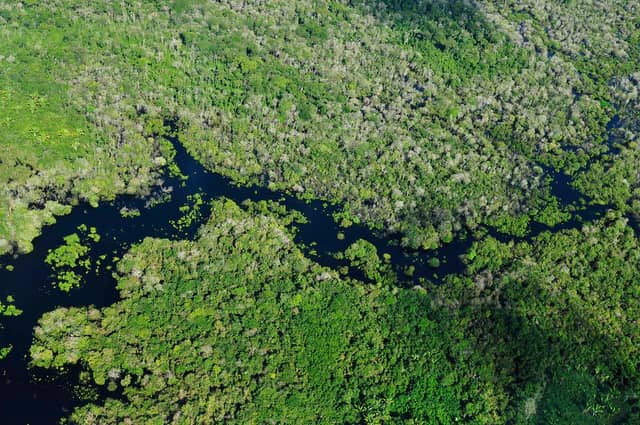
Skydiving Brazil Amazon Rainforest: Ultimate Jungle Canopy Freefall Experience
Experience the thrill of skydiving over Brazil's Amazon rainforest. Spectacular tandem jumps with views of endless green canopy, the Amazon River, and pristine wilderness. Complete guide to locations, costs, and preparation for the world's largest rainforest adventure.
May 20, 2026 • 8 min read

Packrafting Amazon Rainforest: Ultimate River Adventure
Complete guide to packrafting the Amazon rainforest rivers. Navigate pristine waterways, remote tributaries, and incredible wildlife. Expert tips, gear, safety, and expedition planning.
May 20, 2026 • 13 min read

Rio de Janeiro Brazil: Ultimate Marvelous City Travel Guide
Complete Rio travel guide covering Christ the Redeemer, Sugarloaf Mountain, Copacabana Beach, and Brazilian cuisine. Expert tips for your perfect South American adventure.
May 20, 2026 • 22 min read
Brazil travel FAQs
The answer depends on the region: Rio de Janeiro peaks from December to March for beach season and Carnival, with April to May offering pleasant weather and fewer crowds. The Amazon is best from June to October, the drier low-water season, when trails open up, insects thin out, and wildlife is easier to spot along riverbanks. High water from roughly December to May floods the forest and favors canoe access instead.
Rio de Janeiro merits 5 to 7 days minimum, while a comprehensive Amazon expedition runs 10 to 14 days and shorter river-focused trips take about a week. The Amazon is reached through Manaus, which has its own international airport, so many itineraries combine a city stay in Rio with a fly-in jungle leg. From Rio, popular add-ons include Ilha Grande, an hour away by ferry, and the colonial town of Paraty.
Rio's tourist areas in the Zona Sul are generally safe during the day, but visitors are advised to use Uber or taxis at night, avoid walking in Centro and Lapa after dark, and never bring valuables to the beach. In the Amazon, safety is about preparation rather than crime: a yellow fever vaccination is required, malaria prophylaxis may be recommended, guides are essential in remote wilderness, and only purified or bottled water should be drunk. Tap water is not safe to drink in Rio either.
In Rio, the metro and BRT buses cover the city cheaply, with Uber widely used and recommended over walking at night. The Amazon works differently: rivers are the highways, so travel is by riverboat, speedboat transfer, or small aircraft to remote lodges, with transfers of 1 to 6 hours from Manaus being normal. Domestic flights connect Rio and Manaus to the rest of the country.
Brazil's headline adventure is the Amazon, where travelers swim near pink river dolphins, track jaguars, climb canopy towers, and even packraft remote blackwater tributaries on multi-day expeditions costing roughly 2,500 to 7,000 dollars. Rio adds urban adventure with hiking in Tijuca National Park, the largest urban rainforest in the world, plus surfing at Arpoador, Barra da Tijuca, and Prainha. The combination of megadiverse jungle and beach-city energy is hard to match anywhere else.