
Israel travel guides
3 guides to Israel, written by the Adventure Knit editorial team.
Israel guides
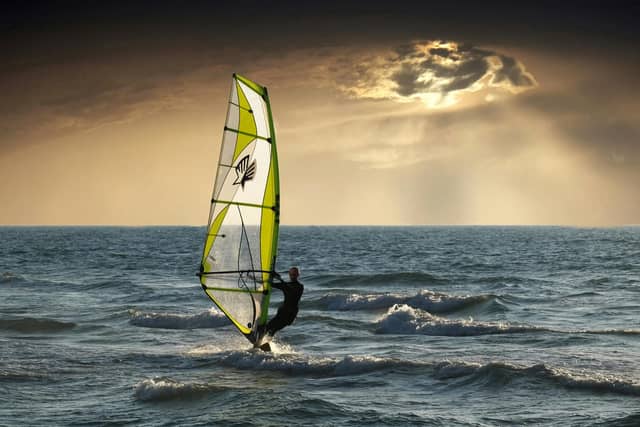
Extreme Windsurfing Jaffa: The Ultimate Mediterranean Wind Adventure
Expert guide to extreme windsurfing in Jaffa, Israel. Master the powerful Mediterranean offshore winds, wave riding techniques, and advanced freestyle maneuvers at this historic coastal destination.
May 20, 2026 • 9 min read
Jerusalem Israel: Ultimate Holy City Travel Guide
Complete Jerusalem travel guide covering Old City, Western Wall, Church of the Holy Sepulchre, and Israeli cuisine. Expert tips for your perfect Holy Land adventure.
May 20, 2026 • 22 min read
Tel Aviv Israel: Ultimate Mediterranean Metropolis Travel Guide
Complete Tel Aviv travel guide covering Old Jaffa, Carmel Market, Bauhaus architecture, and Israeli cuisine. Expert tips for your perfect Middle Eastern adventure.
May 20, 2026 • 22 min read
Israel travel FAQs
Spring, from around March to May, and autumn, from September to November, offer the most comfortable weather in both Jerusalem and Tel Aviv, and the July-August heat is best avoided. Jerusalem sits at 754 meters, so it is cooler and drier than humid coastal Tel Aviv. For windsurfing on the Mediterranean coast, the shoulder seasons of May-June and September-October bring the most consistent wind conditions.
A well-rounded trip pairs about 4-5 days in Tel Aviv with 5-7 days in Jerusalem, which are only around an hour apart by train or car. From either city, popular day trips include the Dead Sea and Masada, Bethlehem, Caesarea, and Haifa. Travelers short on time can base themselves in one city and visit the other as a day trip.
Tel Aviv is described as a very safe city and Jerusalem as generally safe, though visitors should stay security-conscious: security checks at public places are routine and cooperating with security personnel is expected. The political situation around Jerusalem can be sensitive, and modest dress is required at religious sites. Ordinary precautions against overpriced tourist restaurants apply, and tap water is excellent.
Jerusalem has a light rail and an extensive Egged bus network, while Tel Aviv relies on Dan buses, sherut shared taxis, and the Tel-O-Fun bike system; the reloadable Rav-Kav card makes fares cheaper in both cities. Trains connect Tel Aviv with Jerusalem, Haifa, and other coastal cities. Note that public transport stops for Shabbat, from Friday sunset to Saturday night, when taxis and sheruts become the main options.
Israel combines world-class historical sites, such as Jerusalem's Old City with the Western Wall, Church of the Holy Sepulchre, and Dome of the Rock, with a lively Mediterranean beach scene in Tel Aviv and the UNESCO-listed Bauhaus White City. For water-sports enthusiasts, the coast at Jaffa is a celebrated extreme windsurfing spot, with afternoon offshore winds of 20-35 knots against a 4,000-year-old port skyline. Day trips add floating in the Dead Sea, the Masada fortress, and Red Sea snorkeling at Eilat.