
Spain travel guides
10 guides to Spain, written by the Adventure Knit editorial team.
Spain guides
Barcelona Spain: Ultimate Mediterranean City Travel Guide
Complete Barcelona travel guide covering Sagrada Família, Park Güell, Gothic Quarter, and Catalan cuisine. Expert tips for your perfect Spanish adventure.
May 20, 2026 • 22 min read
Bilbao Spain: Ultimate Basque Country Travel Guide
Complete Bilbao travel guide covering Guggenheim Museum, Casco Viejo, Basque cuisine, and Basque culture. Expert tips for your perfect Spanish adventure.
May 20, 2026 • 22 min read

Córdoba Spain: Ultimate Andalusian Jewel Travel Guide
Complete Córdoba travel guide covering Mezquita, Jewish Quarter, Alcazar, and Andalusian cuisine. Expert tips for your perfect Spanish adventure.
May 20, 2026 • 22 min read

Granada Spain: Ultimate Moorish Jewel Travel Guide
Complete Granada travel guide covering Alhambra, Albaicín, Generalife, and Andalusian culture. Expert tips for your perfect Spanish adventure.
May 20, 2026 • 22 min read
Madrid Spain: Ultimate Imperial Capital Travel Guide
Complete Madrid travel guide covering Royal Palace, Prado Museum, Retiro Park, and Spanish cuisine. Expert tips for your perfect Spanish adventure.
May 20, 2026 • 22 min read
Malaga Spain: Ultimate Costa del Sol Travel Guide
Complete Malaga travel guide covering Alcazaba, Picasso Museum, Costa del Sol beaches, and Andalusian cuisine. Expert tips for your perfect Spanish adventure.
May 20, 2026 • 22 min read
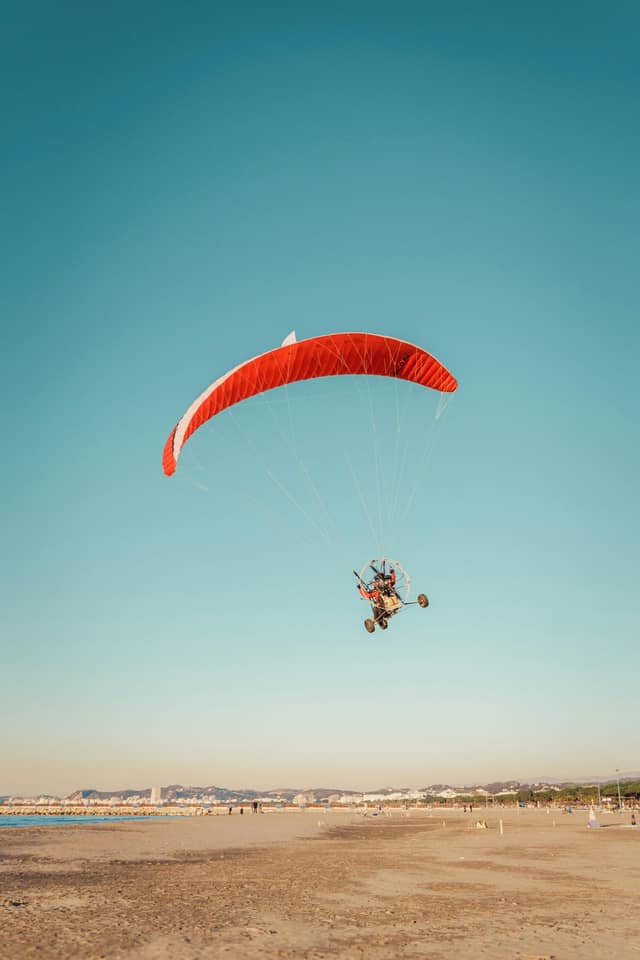
Skydiving Spain Ibiza Beaches: Ultimate Mediterranean Paradise Freefall
Experience the thrill of skydiving over Spain's iconic Ibiza beaches. Spectacular tandem jumps with views of turquoise Mediterranean waters, Balearic Islands, and stunning coastal beauty. Complete guide to locations, costs, and preparation for Ibiza's Mediterranean paradise adventure.
May 20, 2026 • 7 min read
San Sebastian Spain: Ultimate Basque Coast Travel Guide
Complete San Sebastian travel guide covering La Concha Beach, Old Town, Basque cuisine, and pintxos. Expert tips for your perfect Spanish Basque adventure.
May 20, 2026 • 22 min read
Valencia Spain: Ultimate Mediterranean City Travel Guide
Complete Valencia travel guide covering City of Arts and Sciences, Paella, Barrio del Carmen, and Spanish cuisine. Expert tips for your perfect Spanish adventure.
May 20, 2026 • 22 min read

Zaragoza Spain: Ultimate Aragon Capital Travel Guide
Complete Zaragoza travel guide covering Basilica of Our Lady of the Pillar, Aljafería Palace, Roman ruins, and Aragonese cuisine. Expert tips for your perfect Spanish adventure.
May 20, 2026 • 22 min read
Spain travel FAQs
April to October offers the mildest weather across Spain, with September and October standing out for fewer crowds in Madrid and Barcelona. Madrid summers can be very hot, reaching 25-40 degrees Celsius, so spring and autumn are more comfortable for sightseeing. In the north, Bilbao and the Basque coast are best from May to September under a milder oceanic climate.
Spain packs three very different world-class city experiences into one country. Barcelona is defined by Gaudi's UNESCO-listed architecture, from the Sagrada Familia to Park Guell, plus Mediterranean city beaches; Madrid holds the Prado, Reina Sofia, and Thyssen museums alongside the Royal Palace; and Bilbao pairs Frank Gehry's titanium Guggenheim with Basque pintxos culture. Tapas, flamenco, late dining, and high-speed rail day trips round out the appeal.
Plan roughly 4-5 days each for Madrid and Barcelona and 3-4 days for Bilbao. High-speed AVE trains make combinations easy: Madrid to Barcelona takes about 3 hours, Madrid to Seville about 2.5 hours, and Valencia is 2-3 hours from either. From Bilbao, San Sebastian is about an hour away and the Rioja wine region around 2 hours, making the north a natural add-on.
Spanish city centers are very walkable, and each major city has an efficient metro: Madrid's 12-line network costs about 1.50-2 euros per ride, Barcelona's TMB metro about 2.40 euros, and Bilbao's metro about 1.50 euros with the Barik card. Between cities, the high-speed AVE rail network is the fastest option, with taxis, Uber, and Bolt available for short hops. Reusable transport cards in each city are cheaper than single tickets.
Spain's major cities are considered very safe, with walkable streets at night in most areas and excellent tap water and healthcare. The main issue is pickpocketing in busy tourist zones such as La Rambla and the Gothic Quarter in Barcelona and around major squares, so keep valuables secure. The Europe-wide emergency number 112 covers police and ambulance services.