
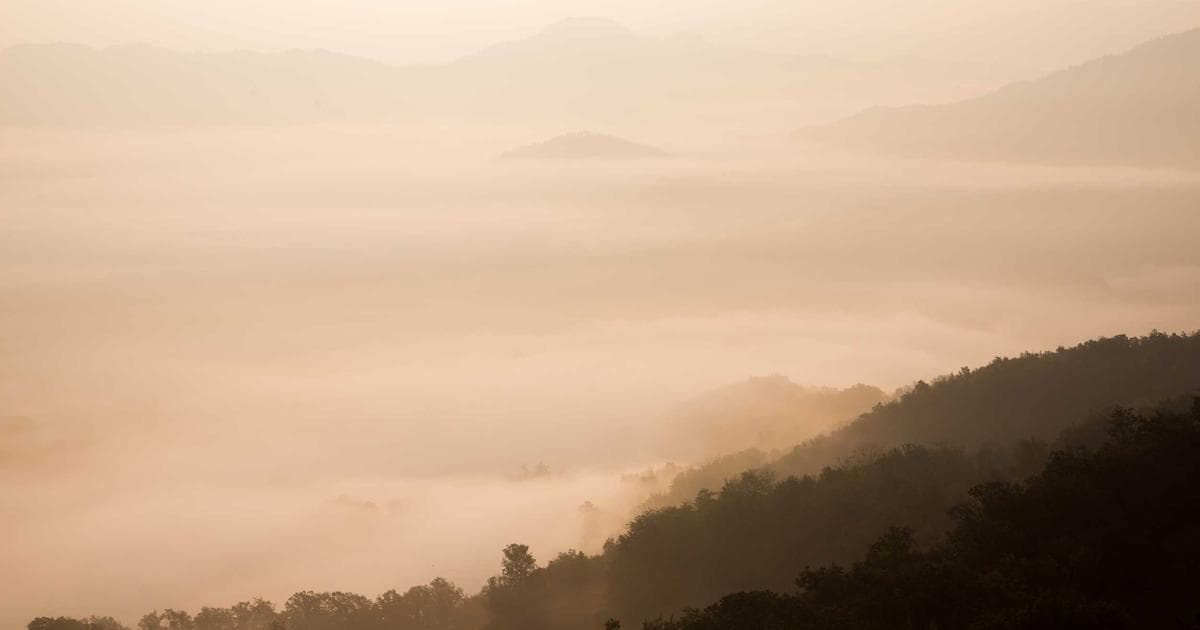
Ladakh: India's High-Altitude Himalayan Adventure & Monastery Trail
Categories
Tags
Ladakh: India's High-Altitude Himalayan Adventure & Monastery Trail
Cresting Khardung La at 5,359 meters, prayer flags snapping violently in the thin Himalayan wind, the world drops away in every direction — snow-capped peaks pierce a sky so blue it seems impossible, the winding road you've just conquered snakes below like a thread, and ahead lies the vast Nubra Valley where double-humped Bactrian camels walk across sand dunes at the foot of glaciers. This is Ladakh — India's Land of High Passes — and after 15 years guiding expeditions through this extraordinary region, I can tell you that no photograph, no story, and no amount of preparation can truly capture what it feels like to stand at the roof of the world.
Quick Facts at a Glance
- Location: Ladakh Union Territory, Northern India (34°N 77°E)
- Capital: Leh (3,524m / 11,562ft above sea level)
- Highest Point: Khardung La Pass at 5,359m (17,582ft)
- Best Months: June-September (summer — roads open, weather stable)
- Duration: 8-12 days for comprehensive experience
- Difficulty: Challenging (extreme altitude, remote terrain)
- Average Cost: $1,500-$4,000 per person
- Temperature: -5°C to 25°C depending on altitude and time
- Unique Feature: One of the highest inhabited regions on Earth with 1,000-year-old Buddhist monasteries
Why Visit Ladakh?
Ladakh exists at the intersection of the impossible — where the Indian subcontinent collides with the Tibetan Plateau, creating a landscape of surreal beauty and extreme elevation. Buddhist monasteries cling to cliff faces at altitudes where most people struggle to breathe, turquoise lakes stretch between barren mountain ranges at 4,350 meters, and some of the world's highest motorable roads wind through passes that touch 5,600 meters.
What Makes Ladakh Extraordinary:
- Highest Motorable Roads: Khardung La (5,359m), Chang La (5,360m), Umlingla (5,798m — world's highest)
- Pangong Tso Lake: 134km-long lake at 4,350m that changes from blue to turquoise to green through the day
- Ancient Monasteries: 1,000-year-old Buddhist gompas perched on impossible cliff faces
- Nubra Valley: Sand dunes at 3,048m with Bactrian camels — surreal Himalayan desert
- Magnetic Hill: Optical illusion where vehicles appear to roll uphill
- Confluence of Rivers: Indus and Zanskar rivers meeting in spectacular turquoise-emerald contrast
- Motorcycle Paradise: The ultimate road trip destination for riders worldwide
- Living Buddhism: Vibrant Tibetan Buddhist culture with festivals, prayer wheels, and chanting
Understanding Ladakh's Seasons
Summer Season (June-September) — The Open Window
What to Expect
- All roads and passes open (Manali-Leh and Srinagar-Leh highways)
- Temperatures in Leh: 10-25°C during day, 5-10°C at night
- Higher passes still cold: -5°C to 5°C
- Clear blue skies with occasional afternoon thunderstorms
- Peak trekking, biking, and touring season
- Tourist season — book accommodation well in advance
Prem's Tip: "July and August see the most visitors. If you want fewer crowds and stable weather, come in late June or September. The passes are open but the tourist rush hasn't peaked."
Winter Season (November-March) — Frozen Ladakh
What to Expect
- Leh-Manali and Leh-Srinagar roads closed (snow)
- Access only by flight to Leh
- Temperatures: -15°C to -25°C at night
- Chadar Trek — famous frozen river trek on the Zanskar River
- Spectacular snow-covered monastery views
- Very few tourists — authentic local experience
Prem's Tip: "Winter Ladakh is for experienced adventurers only. The Chadar Trek is a once-in-a-lifetime experience — walking on a frozen river through a narrow canyon — but it demands serious preparation and fitness."
Perfect 10-Day Ladakh Adventure
Day 1: Arrival in Leh & Acclimatization
Morning: Flight to Leh
- Fly into Kushok Bakula Rimpochee Airport (IXL) from Delhi, Mumbai, or Srinagar
- The flight approach over the Himalayas is among the world's most scenic
- Landing at 3,524m — altitude hits immediately
- Transfer to hotel — move slowly, breathe deeply
Afternoon: Gentle Acclimatization
- REST is essential on Day 1 — do not exert yourself
- Short gentle walk through Leh's old town bazaar
- Visit Leh Main Market for warm clothing and supplies
- Drink plenty of water (3-4 liters per day)
- Light meals — avoid heavy food while acclimatizing
Evening: Leh Palace Sunset
- Gentle walk to Leh Palace (if feeling well) — 17th-century royal palace
- Sunset views over the Indus Valley and Stok Kangri range
- Return to hotel for early rest
- Herbal tea and light dinner
- Sleep with an extra pillow (elevated head helps at altitude)
Prem's Tip: "The most common mistake visitors make is doing too much on Day 1. I've seen fit athletes collapse because they ran up stairs. Spend the first day reading, sipping water, and walking gently. Your body needs 24-48 hours to begin adjusting."
Stay: Hotel in Leh Highlight: The jaw-dropping flight approach through the Himalayas
Day 2: Leh Monasteries & Acclimatization Day 2
Morning: Shanti Stupa
- Visit Shanti Stupa — white-domed Buddhist stupa built by Japanese monks
- Panoramic 360° views of the Leh valley
- Sunrise photography opportunity
- Buddhist relics and prayer wheels
- Acclimatization walk (gentle gradient)
Mid-Morning: Leh Old Town
- Walk through Leh's ancient alleyways
- Visit the Jama Masjid — 17th-century mosque
- Explore traditional Ladakhi houses with carved wooden balconies
- Local shops selling Pashmina shawls, thangka paintings, and prayer wheels
- Tea at a Ladakhi café — butter tea (po cha) or ginger-lemon-honey
Afternoon: Hemis Monastery
- Drive to Hemis Monastery (45km from Leh) — Ladakh's wealthiest and largest monastery
- Founded in 1630, home to the Hemis Festival (June/July)
- Museum with incredible collection of thangka paintings, gold statues, and sacred texts
- Watch monks in prayer — chanting, horns, and cymbals
- Photography of the monastery against dramatic mountain backdrop
Evening: Confluence Viewpoint
- Visit the Indus-Zanskar confluence — two rivers of different colors meeting
- Turquoise Indus meets emerald Zanskar in a stunning visual contrast
- Sunset photography at the confluence
- Return to Leh for dinner
- Ladakhi thukpa (noodle soup) — perfect comfort food at altitude
Stay: Hotel in Leh Highlight: The surreal color contrast at the Indus-Zanskar confluence
Day 3: Thiksey & Stakna Monasteries
Morning: Thiksey Monastery
- Drive to Thiksey Gompa (19km from Leh)
- Attend the 6:30 AM morning prayer ceremony — deeply moving experience
- 12-story monastery built in the style of Potala Palace (Lhasa)
- 15-meter Maitreya Buddha statue — largest in Ladakh
- Spectacular location on a hilltop overlooking the Indus Valley
- Photography of the monastery in morning light
Mid-Morning: Stakna Monastery
- Visit Stakna Monastery — perched on a hill above the Indus River
- 16th-century Drugpa sect monastery
- Small but atmospheric with excellent views
- Fewer tourists than Thiksey — more intimate experience
- Ancient murals and prayer halls
Afternoon: Stok Palace Museum
- Visit the Stok Palace — former royal residence of the Ladakhi kings
- Museum with royal regalia, thangka paintings, and ceremonial items
- Crown jewels including a stunning 400-year-old perak (turquoise headdress)
- Learn about Ladakh's royal history and Namgyal dynasty
- Views of Stok Kangri (6,153m) — Ladakh's most popular trekking peak
Evening: Cooking Class
- Traditional Ladakhi cooking class
- Learn to make momos (dumplings), thukpa (noodle soup), and skyu (pasta stew)
- Prepare butter tea — the Ladakhi staple beverage
- Dinner featuring your own cooking
- Early rest for tomorrow's high-altitude adventure
Stay: Hotel in Leh Highlight: Morning prayer at Thiksey Monastery — monks chanting as dawn light floods the prayer hall
Day 4: Khardung La Pass & Nubra Valley
Early Morning: Drive to Khardung La
- Depart Leh at 6 AM for the drive to Khardung La Pass (5,359m)
- 39km drive climbing 1,835m in elevation
- Stop at South Pullu checkpoint (permit check)
- Arrive at Khardung La — one of the world's highest motorable passes
- Prayer flags, military post, and breathtaking panoramic views
- Quick photography stop — don't linger (altitude!)
Prem's Tip: "At Khardung La, you have about 50% of sea-level oxygen. Spend no more than 15-20 minutes at the top. Take photos, drink water, and descend. I've evacuated too many people who stayed too long."
Mid-Morning: Descent to Nubra Valley
- Wind down the spectacular north face toward Nubra Valley
- Landscape transforms from barren peaks to surprisingly green valley
- Stop at Khardung village for tea and snacks
- Continue to Diskit — the capital of Nubra Valley
Afternoon: Diskit Monastery & Maitreya Statue
- Visit Diskit Monastery — 14th-century gompa perched above the valley
- 32-meter Maitreya Buddha statue overlooking the Shyok River
- Spectacular views of the valley and surrounding peaks
- Explore the monastery's ancient prayer halls and murals
Evening: Hunder Sand Dunes & Bactrian Camels
- Visit the surreal Hunder Sand Dunes — desert at 3,048m altitude
- Ride double-humped Bactrian camels across the dunes
- These rare camels are descendants of Silk Road trade caravans
- Photography of camels against snow-capped Karakoram peaks
- Sunset over the sand dunes — one of Ladakh's most surreal sights
Stay: Camp or guesthouse in Hunder/Diskit Highlight: Bactrian camels walking across sand dunes with Himalayan glaciers behind them
Day 5: Nubra Valley to Pangong Lake via Shyok Route
Morning: Nubra Valley Exploration
- Morning walk through apricot orchards in Hunder
- Visit Sumur Monastery and surrounding villages
- Interact with local Balti and Ladakhi communities
- Purchase dried apricots and apricot oil — local specialties
- Prepare for the drive to Pangong Lake
Full Day: Shyok Route to Pangong
- Drive the dramatic Shyok Route (approximately 6-7 hours)
- Follow the Shyok River through narrow gorges
- Cross the Shyok River at several points
- Landscape shifts from green valley to barren moonscapes
- Ascend to Chang La Pass (5,360m) — another world-highest-road contender
- Descend toward the shimmering blue of Pangong Tso
Evening: Pangong Lake Arrival
- First glimpse of Pangong Lake — 134km long, extending into China
- The lake changes color throughout the day — deep blue, turquoise, green, grey
- Watch sunset paint the water and surrounding mountains in golden light
- Dinner at lakeside camp — simple but magical setting
- Stargazing at 4,350m — extraordinary clarity
Stay: Lakeside camp at Pangong (tented accommodation) Highlight: First sight of Pangong Lake — the color is literally unbelievable
Day 6: Pangong Lake & Return to Leh
Sunrise: Pangong Lake Photography
- Wake for sunrise at Pangong — the lake at its most vibrant
- Morning light creates the famous turquoise-to-blue color spectrum
- Walk along the lakeshore
- Photography session — this is one of the most photographed sites in India
- Breakfast at lakeside camp
Morning: Pangong Exploration
- Drive along the southern shore of the lake
- Visit Merak and Chushul villages — remote Changpa nomad communities
- Learn about Changpa nomadic herders who produce Pashmina wool
- See yaks, Pashmina goats, and wild kiang (Tibetan wild ass)
- Photography of lake from different angles — color changes constantly
Afternoon: Return to Leh
- Drive back to Leh via Chang La Pass (5-6 hours)
- Stop at Chang La for final high-altitude photography
- Pass through Tangtse village
- Arrival in Leh by evening
- Celebratory dinner at a Leh restaurant
Stay: Hotel in Leh Highlight: Sunrise at Pangong Lake — turquoise water stretching to infinity
Day 7: Lamayuru Moonland & Western Ladakh
Morning: Drive to Lamayuru
- Depart Leh on the Srinagar-Leh Highway
- Pass through the Magnetic Hill — witness the optical illusion
- Visit the Gurudwara Pathar Sahib — Sikh shrine along the highway
- Continue through dramatic gorges along the Indus River
- Views of the Zanskar Range
Midday: Lamayuru Monastery
- Arrive at Lamayuru — Ladakh's oldest monastery (11th century)
- Founded by the Indian scholar Naropa
- Ancient meditation caves and prayer halls
- Spectacular location amid "moonland" erosion formations
- The surrounding landscape looks genuinely lunar — barren, eroded, otherworldly
Afternoon: Moonland Exploration
- Trek through the Lamayuru Moonland formations
- Wind-eroded clay and sandstone creating alien landscape
- Photography of one of Ladakh's most surreal geological features
- Visit surrounding villages with traditional Ladakhi architecture
- Return drive to Leh (or continue to Alchi)
Evening: Alchi Monastery (Optional Extension)
- Visit Alchi — home to the finest Indo-Tibetan art in Ladakh
- 11th-century frescoes and wood carvings
- UNESCO tentative list site
- Unique for Ladakh — built on flat ground, not a hilltop
- Return to Leh for dinner
Stay: Hotel in Leh Highlight: Lamayuru Moonland — a landscape from another planet
Day 8: Tso Moriri Lake Expedition
Early Morning: Departure for Tso Moriri
- Drive south from Leh toward Tso Moriri Lake (7-8 hours)
- Cross the Taglang La Pass (5,328m)
- Pass through Chumur and Puga geothermal springs
- Vast, empty high-altitude plateau — Changthang Wildlife Sanctuary
Afternoon: Tso Moriri Lake
- Arrive at Tso Moriri — Ladakh's most beautiful and least visited lake
- 28km long at 4,522m elevation
- Fewer tourists than Pangong — more pristine and peaceful
- Spot black-necked cranes, bar-headed geese, and Brahmin ducks
- Visit Korzok Monastery — the highest monastery on the lake shore
- Interact with Changpa nomads and their Pashmina goat herds
Evening: Lakeside Camp
- Camp beside Tso Moriri — profound silence and beauty
- Sunset photography as the lake turns from blue to gold to purple
- Traditional Ladakhi dinner prepared by local cook
- Stargazing at 4,522m — among the finest on Earth
- Temperature drops sharply — warm sleeping bag essential
Stay: Tented camp at Tso Moriri Highlight: Tso Moriri at sunset — the most peaceful place in Ladakh
Day 9: Return to Leh & Rafting
Morning: Tso Moriri Sunrise
- Final sunrise at Tso Moriri
- Morning birdwatching — black-necked cranes and bar-headed geese
- Pack camp and begin return journey to Leh
- Stop at Tso Kar — a smaller salt lake with wild kiang herds
Afternoon: Indus River Rafting
- Arrive in the Leh area for a river rafting experience
- White water rafting on the Indus River (Grade II-IV rapids)
- 14km stretch from Phey to Nimmo
- Duration: 1.5-2 hours on the water
- Spectacular canyon scenery while rafting
- Suitable for beginners with experienced guides
Evening: Farewell Dinner
- Traditional Ladakhi farewell dinner
- Exchange stories with fellow travelers
- Visit Leh's night market for final souvenirs
- Rest and prepare for departure
Stay: Hotel in Leh Highlight: White water rafting through the Indus River canyon
Day 10: Departure from Ladakh
Morning: Final Leh Exploration
- Visit any monasteries or sites you missed
- Final shopping — Pashmina shawls, thangka paintings, prayer wheels
- Ladakhi apricot products — jams, oils, dried fruit
- Final cup of butter tea
Midday: Departure
- Transfer to Leh Airport
- Flight to Delhi, Mumbai, or Srinagar
- Alternatively, begin the 2-day drive to Manali via epic Leh-Manali Highway
- Farewell to the Land of High Passes
Departure: Flight from Leh Memories: Monasteries in the clouds, passes touching the sky, lakes of impossible color Achievement: Experienced one of the world's highest inhabited regions and its ancient Buddhist culture
Ladakh Food Guide: Himalayan Cuisine
Traditional Ladakhi Dishes
- Thukpa: Hearty noodle soup with vegetables and/or meat — Ladakh's comfort food
- Momos: Steamed or fried dumplings filled with meat or vegetables
- Skyu: Traditional Ladakhi pasta stew with root vegetables
- Butter Tea (Po Cha): Salted tea churned with yak butter — an acquired taste!
- Tsampa: Roasted barley flour — staple Ladakhi/Tibetan food
Where to Eat in Leh
- Gesmo Restaurant: Legendary traveler café with Ladakhi and continental food
- Tibetan Kitchen: Authentic momos and thukpa
- Bon Appetit: Best coffee in Leh with panoramic terrace views
- Lamayuru Restaurant: Traditional Ladakhi cuisine
- The Chopsticks Noodle Bar: Asian fusion in a cozy setting
Budget Breakdown: Ladakh Adventure
Budget Option ($1,500-$2,000)
- Accommodation: Budget guesthouses and homestays
- Transportation: Shared taxis and public buses
- Activities: Self-guided monastery visits, basic treks
- Food: Local restaurants and guesthouses
- Best For: Budget travelers comfortable with basic amenities
Mid-Range Option ($2,000-$3,000)
- Accommodation: Mid-range hotels and comfortable camps
- Transportation: Private 4x4 vehicle with driver
- Activities: Guided tours, camel ride, rafting
- Food: Hotel restaurants and local favorites
- Best For: Most travelers — comfort with authentic experience
Luxury Option ($3,000-$4,500+)
- Accommodation: Premium hotels (The Grand Dragon, Stok Palace Heritage)
- Transportation: Private luxury 4x4 with experienced driver-guide
- Activities: Private guided expeditions, helicopter tours
- Food: Best restaurants and private dining experiences
- Best For: Those wanting premium comfort at extreme altitude
Cost-Saving Tips
- Shared Taxis: Leh to Nubra or Pangong shared taxis are very affordable
- Homestays: Ladakhi homestays are cheap, authentic, and heartwarming
- Pack Snacks: Food options are limited and expensive on remote routes
- Travel in Groups: Share vehicle costs for the expensive multi-day circuits
- Off-Peak: Early June and late September offer lower prices
- Inner Line Permits: Get them in Leh (free for Indians, small fee for foreigners via registered agent)
- Motorcycle Rental: Renting a Royal Enfield is cheaper than a 4x4 (experienced riders only)
Health & Safety at Extreme Altitude
Altitude Sickness Prevention — Critical
Acclimatization Protocol
- Day 1-2 in Leh: REST — no physical exertion above walking pace
- Drink 3-4 liters of water daily
- Avoid alcohol completely for the first 48 hours
- Eat light, carbohydrate-rich meals
- Sleep with head elevated
- Take acetazolamide (Diamox) if prescribed by your doctor
Warning Signs — Seek Medical Help Immediately
- Severe persistent headache not relieved by painkillers
- Confusion, disorientation, loss of coordination
- Persistent vomiting
- Breathlessness at rest
- Fluid in lungs (crackling sound when breathing)
- These are signs of HACE (High Altitude Cerebral Edema) or HAPE (High Altitude Pulmonary Edema) — both life-threatening
Prem's Tip: "I carry supplemental oxygen on every expedition. If a client shows any HACE or HAPE symptoms, we descend immediately. The only cure for serious altitude sickness is descent. Never push through symptoms — they can become fatal within hours."
Final Thoughts
Ladakh is not a destination for everyone, and it doesn't pretend to be. It demands physical resilience, mental adaptability, and a willingness to embrace discomfort in exchange for transcendence. The altitude will test your body, the remoteness will test your patience, and the raw beauty will break open something inside you that you didn't know was closed.
But if you come with respect — for the altitude, for the culture, for the fragile environment — Ladakh gives back far more than it asks. It gives you monasteries where monks have chanted the same prayers for a thousand years, lakes whose colors have no name in any language, roads that wind through landscapes so vast they make you understand how small you are, and a sky so close you feel you could touch the stars.
After 15 years in these mountains, what stays with me isn't the highest passes or the most dramatic views. It's the smaller moments — sharing butter tea with a monk at 4,000 meters, watching a Changpa grandmother spin Pashmina wool while her grandchild plays with a baby yak, the sound of prayer wheels turning in the wind. These are the moments that make Ladakh not just a place to visit, but a place that visits you — and stays.
Ready to explore the roof of the world? Explore our Ladakh adventure expedition packages or contact us for personalized advice from our Himalayan adventure specialists.
Adventure Knit Editorial
Destination research compiled and fact-checked by the Adventure Knit editorial team from published sources, operator itineraries, and official tourism boards. Spot something out of date? Tell us at hello@adventureknit.com.
Related Stories
 Nepal
NepalEverest Base Camp Trek: Complete Insider Guide
Expert guide to EBC trek with 15+ years experience. Detailed itinerary, altitude tips, costs, and local insights for your adventure.
 India
IndiaTaj Mahal & Agra India: Complete Wonder Guide
Ultimate Taj Mahal guide covering best visiting times, photography tips, Golden Triangle tour, and avoiding scams. Expert local insights.
 Tajikistan
Pamir Highway Adventure: Central Asia's Ultimate Road Trip
Complete guide to the Pamir Highway - the world's second highest road. Expert itinerary, mountain passes, Silk Road culture, and adventure planning for Central Asia's greatest journey.
Enjoyed this article?
Explore more stories from our adventures around the world