
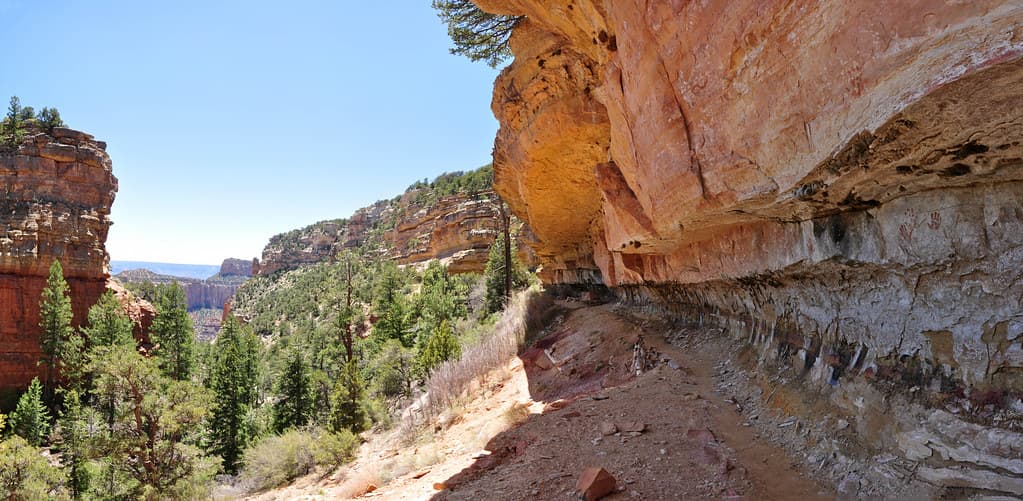
Base Jumping Grand Canyon USA: The Ultimate Canyon Freefall Experience
Categories
Tags
Base Jumping Grand Canyon USA: The Ultimate Canyon Freefall Experience
Standing on the rim of the Grand Canyon, gazing into one of Earth's greatest natural wonders, you feel the raw power of millions of years of geological history. Base jumping from this iconic location offers an unparalleled adventure that combines extreme sports with one of the world's most breathtaking landscapes.
Quick Facts at a Glance
| Detail | Information |
|---|---|
| Jump Height | 1,600-2,400 meters (5,250-7,800 feet) |
| Jump Duration | 30-45 seconds freefall |
| Best Season | April-May, September-October |
| Difficulty Level | Expert |
| Jump Types | Slider-up, Tracking, Wingsuit |
| Cost Range | $3,000-$5,000 (including gear) |
| Required Experience | 300+ BASE jumps minimum |
Important Legal Considerations
⚠️ CRITICAL NOTICE: Base jumping within Grand Canyon National Park is strictly prohibited and illegal under federal law (36 CFR 7.4(b)(9)). Violators face federal charges, heavy fines ($5,000+), confiscation of equipment, and possible imprisonment.
Legal Alternatives:
- Authorized base jumping events in surrounding areas
- Private land base jumping sites near Grand Canyon
- Other spectacular but legal canyon jumping locations in the Southwest
This blog focuses on the educational and inspirational aspects of canyon base jumping, directing enthusiasts to legal alternatives while providing comprehensive information about this extreme sport.
Why Experience Canyon Base Jumping?
Canyon base jumping offers unique challenges and rewards that set it apart from other forms of BASE jumping.
What Makes Canyon Jumping Extraordinary:
- Vertical Walled Environment: Unlike mountains, canyons offer straight vertical drops
- Complex Airflow: Canyon winds create unique flying challenges
- Spectacular Geology: Jumping through millions of years of rock layers
- Diverse Launch Points: Multiple rim locations with different approaches
- Technical Complexity: Requires understanding of canyon-specific airflow patterns
Understanding Canyon Base Jumping Locations
While the Grand Canyon itself is off-limits, other Southwest canyons offer similar experiences:
Zion National Park (Authorized Events)
Occasionally hosts permitted base jumping events with strict safety protocols.
- Jump Height: 1,200-1,500 meters
- Legal Status: Permitted events only
- Best For: Experienced canyon jumpers
- Access: Requires special permits
Navajo Nation Canyon Lands
Private canyon lands offer legal base jumping opportunities.
- Jump Height: 900-1,200 meters
- Legal Status: Permitted with tribal approval
- Best For: Intermediate-advanced jumpers
- Access: Requires guide and permission
Moab Area Canyons
Various slot canyons in Utah's adventure capital.
- Jump Height: 600-1,000 meters
- Legal Status: Private land jumps only
- Best For: Experienced canyon specialists
- Access: Professional guides required
Perfect 3-Day Canyon Base Jumping Adventure
Day 1: Site Assessment and Training
Morning: Orientation and Site Briefing
- Meet with canyon base jumping specialists
- Review legal requirements and permits
- Site-specific airflow patterns discussion
- Equipment check and canyon-specific modifications
Mid-Morning: Canyon Wind Workshop
- Learn canyon thermodynamics and wind patterns
- Practice airflow assessment techniques
- Emergency landing zone identification
- Radio communication protocols
Afternoon: First Jumps (Authorized Location)
- Execute initial canyon jump with instructor supervision
- Practice canyon navigation and tracking
- Review footage and performance feedback
- Additional jumps if conditions permit
Evening: Debrief and Planning
- Review day's performance
- Plan next day's jumps
- Equipment maintenance
- Weather forecast analysis
Day 2: Advanced Canyon Techniques
Morning: Advanced Navigation Jumps
- Execute multiple jumps at different canyon locations
- Practice complex canyon airflow navigation
- Work on precision landings in canyon floors
- Practice emergency procedures
Afternoon: Wingsuit Canyon Flying
- Wingsuit jumps through canyon corridors
- Advanced proximity flying techniques
- Canyon-specific wingsuit maneuvers
- Photography and video capture
Evening: Advanced Training
- Canyon emergency scenarios
- Weather pattern recognition
- Equipment troubleshooting
- Group debrief and planning
Day 3: Final Jumps and Celebration
Morning: Final Canyon Jumps
- Execute planned jump sequence
- Focus on perfecting techniques
- Capture final photography and video
- Equipment recovery and inspection
Afternoon: Canyon Exploration
- Hiking and scenic canyon exploration
- Geological education and photography
- Adventure activities (rock climbing, canyoneering)
- Final celebration dinner
Evening: Certificate Presentation
- Review of entire experience
- Certificate of completion
- Future canyon jumping opportunities
- Departure planning
Essential Canyon Base Jumping Equipment
Required Personal Gear
Main Canopy
- Canyon-specific canopy design (7-cell or 9-cell)
- Optimized for vertical canyon walls
- Quick-opening characteristics
- Appropriate wing loading for canyon conditions
Reserve Canopy
- Certified canyon reserve system
- Quick deployment in confined spaces
- Emergency landing capability in canyon floor
- Professional repacking every 6 months
Helmet and Protection
- Full-face helmet with canyon-specific features
- Impact-resistant chin guard
- Camera mount compatible
- Communication system integration
Altimeter Suite
- Digital altimeter with canyon mode
- Audible altitude warnings
- Backup analog altimeter
- GPS tracking with canyon floor mapping
Canyon-Specific Equipment
Navigation Systems
- GPS with detailed canyon topography
- Laser rangefinder for wall distances
- Digital compass with declination correction
- Mapping tablet with aerial imagery
Communication Gear
- Two-way radio system with canyon penetration
- Emergency beacon device (PLB)
- Satellite phone for remote areas
- Air horn for signaling
Canyon Survival Kit
- First aid kit designed for canyon rescue
- Emergency shelter materials
- Water purification system
- Flashlight and headlamp with extra batteries
Canyon Base Jumping Safety
Canyon-Specific Hazards
Airflow Patterns
- Canyon winds can be unpredictable and change rapidly
- Updrafts and downdrafts create complex flying conditions
- Thermal activity varies by time of day and season
- Corner eddies and turbulence near canyon walls
Environmental Factors
- Extreme temperatures (hot days, cold nights)
- Rapid weather changes in desert environment
- Flash flood potential during monsoon season
- Dehydration and heat exhaustion risks
Technical Challenges
- Precise exit points on narrow canyon rims
- Limited landing zone options
- Difficult recovery operations in canyon floors
- Complex emergency extraction procedures
Safety Protocols
Pre-Jump Assessment
- Thorough weather and wind analysis
- Canyon airflow pattern evaluation
- Landing zone inspection from above
- Emergency landing zone identification
Jump Planning
- Detailed flight path planning
- Altitude management strategy
- Emergency procedure review
- Communication plan with ground team
Post-Jump Procedures
- Canyon floor landing protocols
- Equipment inspection and maintenance
- Performance review with instructor
- Documentation of jump conditions
Cost Breakdown: Canyon Base Jumping Experience
Required Equipment Investment
| Item | Cost Range | Notes |
|---|---|---|
| Main Canopy (Canyon-Specific) | $2,200-$3,800 | Optimized for vertical walls |
| Reserve Canopy | $900-$1,500 | Canyon emergency deployment |
| Helmet & Altimeter Suite | $400-$700 | Canyon-rated equipment |
| Canyon Survival Kit | $300-$500 | Emergency essentials |
| Total Gear Investment | $3,800-$6,500 | One-time cost |
Canyon Jump Session Costs
| Item | Cost Range | Notes |
|---|---|---|
| Site Permits & Permissions | $200-$500 | Per day/location |
| Guide Services | $400-$700 | Canyon specialist required |
| Transportation | $200-$400 | Remote access costs |
| Accommodation | $150-$300 | Per night local lodging |
| Food & Supplies | $75-$150 | Per day desert needs |
| Total Session Cost | $1,025-$2,050 | Excluding gear |
Additional Costs
- Helicopter Extraction (if needed): $5,000-$10,000
- Insurance: $300-$600 per trip
- Photography Services: $500-$1,000
- Emergency Fund: $2,000-$5,000 recommended
Photography and GoPro Tips for Canyons
Best Photo Opportunities
Launch Points
- Rim-edge shots with canyon backdrop
- Launch moment from multiple angles
- Canyon wall descent sequences
In-Canyon Flight
- Wing suit proximity flying footage
- Canyon corridor navigation shots
- Freefall over geological formations
Landing Areas
- Canyon floor landing sequences
- Equipment recovery documentation
- Geological feature close-ups
GoPro Settings for Canyons
Optimal Configuration
- Resolution: 4K at 60fps or 1080p at 240fps
- Field of View: Wide (for canyon scale)
- Stabilization: High (due to airflow turbulence)
- Protune: Custom settings for high-contrast canyon lighting
Mounting Options
- Helmet mount for stable footage
- Chest mount for body-relative perspective
- Hand mount for flexibility
- Consider 360-degree camera for immersive canyon experience
Best Time for Canyon Base Jumping
Peak Season (April-May, September-October) ⭐⭐⭐⭐⭐
- Conditions: Most stable weather, moderate temperatures
- Pros: Ideal wind patterns, good visibility, comfortable temperatures
- Cons: Higher costs, more jumpers
- Recommendation: Best overall conditions
Shoulder Season (March, June, November) ⭐⭐⭐⭐
- Conditions: Variable weather, potential for excellent days
- Pros: Lower costs, fewer crowds
- Cons: Unpredictable weather, shorter daylight
- Recommendation: Good for experienced jumpers with flexibility
Off-Season (December-February, July-August) ⭐⭐
- Conditions: Extreme weather conditions
- Pros: Minimal crowds
- Cons: Dangerous temperatures, unpredictable winds, monsoon risks
- Recommendation: Only for expert desert jumpers
Physical and Mental Preparation
Fitness Requirements
Cardiovascular Endurance
- Hiking with full gear to canyon rims (1-3 hours)
- High-altitude fitness for canyon elevations
- Desert heat tolerance and hydration management
Strength and Agility
- Core stability for canyon exits
- Upper body strength for equipment handling
- Flexibility for wingsuit control
Mental Preparation
- Ability to handle extreme heights and exposure
- Decision-making under pressure
- Focus and concentration in complex environments
- Stress management for emergency situations
Training Timeline
3 Months Prior
- Begin desert acclimatization if possible
- Increase jump frequency at legal sites
- Start canyon-specific training modules
- Fitness and conditioning program
1 Month Prior
- Practice canyon airflow assessment techniques
- Review canyon emergency procedures
- Equipment maintenance and inspection
- Weather pattern recognition training
1 Week Prior
- Final gear inspection and testing
- Weather monitoring and planning
- Travel preparation and logistics
- Mental preparation and visualization
Canyon Geography and Geology
Understanding Canyon Formation
Grand Canyon History
- Carved by the Colorado River over 6 million years
- Exposes nearly 2 billion years of Earth's geological history
- Maximum depth: 1,857 meters (6,093 feet)
- Width: ranges from 6.4 to 29 kilometers
Layered Rock Strata
- Kaibab Formation (Top layer): 270 million years old
- Coconino Sandstone: 275 million years old
- Hermit Shale: 280 million years old
- Redwall Limestone: 340 million years old
- Supai Group: 300-315 million years old
Canyon Weather Patterns
Temperature Variations
- Rim temperatures: 15-30°C (summer), -5 to 15°C (winter)
- Canyon floor temperatures: 35-45°C (summer), 10-20°C (winter)
- Daily temperature swings: 15-25°C
Wind Patterns
- Canyon updrafts: Typically mid-morning
- Canyon downdrafts: Late afternoon to evening
- Rim winds: Variable, often stronger than canyon floor
- Monsoon winds: July-August with thunderstorms
Responsible Adventure Practices
Environmental Conservation
Leave No Trace Principles
- Pack out all waste and equipment
- Minimize impact on fragile desert ecosystems
- Respect wildlife and natural habitats
- Avoid disturbing archaeological sites
Cultural Respect
- Honor Native American sacred sites
- Respect tribal lands and permissions
- Learn about local indigenous cultures
- Support local communities responsibly
Safety Ethics
- Never jump alone: Always have a team and support
- Know your limits: Don't exceed experience level
- Respect regulations: Follow all legal requirements
- Plan for emergencies: Always have extraction options
- Maintain communication: Keep in touch with ground team
Final Thoughts & Planning Tips
Why Canyon Base Jumping Changes You
Canyon base jumping offers a unique perspective on geological time and natural forces. Flying through millions of years of rock layers creates a profound connection to Earth's history and an appreciation for the scale of natural wonders.
Best Planning Tips
- Research Legal Alternatives: Focus on authorized locations and permitted events
- Work with Canyon Specialists: Guides with canyon-specific experience are essential
- Understand Airflow: Canyon winds are complex and require specialized knowledge
- Prepare for Heat: Desert conditions require specific hydration and sun protection
- Have Extraction Plans: Canyon rescue is expensive and challenging
- Respect the Environment: Canyon ecosystems are fragile and protected
- Plan Weather Windows: Desert weather can change rapidly
When to Book
- Peak Season: 4-6 months in advance for authorized events
- Shoulder Season: 2-3 months in advance
- Private Land Jumps: Contact tribal authorities 6+ months ahead
Making the Most of Your Experience
- Combine with other desert adventures (rock climbing, canyoneering)
- Take time to appreciate the geology and natural beauty
- Document your experience responsibly
- Connect with the canyon base jumping community
- Support conservation efforts in canyon areas
Conclusion
Canyon base jumping represents one of the most spectacular and technically challenging forms of extreme sports. While the Grand Canyon itself is protected and off-limits to jumpers, other Southwest canyons offer similar experiences for those willing to pursue legal alternatives.
The combination of geological wonder, complex airflow dynamics, and technical requirements makes canyon jumping an adventure like no other. With proper preparation, experienced guidance, and respect for safety and regulations, canyon base jumping provides an unforgettable experience that connects you with Earth's most dramatic landscapes.
Whether you're an experienced base jumper seeking new challenges or an extreme sports enthusiast inspired by the beauty of canyons, remember to pursue this adventure responsibly, legally, and with the utmost respect for these magnificent natural treasures.
Note: This blog focuses on educational and inspirational content about base jumping. Always pursue base jumping activities legally, with proper permits, and at authorized locations. Violating protected area regulations is dangerous, illegal, and harms conservation efforts.
Adventure Knit Editorial
Destination research compiled and fact-checked by the Adventure Knit editorial team from published sources, operator itineraries, and official tourism boards. Spot something out of date? Tell us at hello@adventureknit.com.
Related Stories
 Norway
Base Jumping Kjerag Norway: The Ultimate Fjord Freefall Experience
Experience the thrill of base jumping from Kjeragbolten, Norway's most iconic cliff overlooking the stunning Lysefjord
 Venezuela
Base Jumping Angel Falls Venezuela: World's Highest Waterfall Jump
Experience the ultimate thrill of base jumping from Angel Falls, the world's highest waterfall - an extreme adventure in Venezuela's spectacular Canaima National Park
 France
Base Jumping Mont Blanc France: Europe's Highest Alpine Jump
Experience the ultimate thrill of base jumping from Mont Blanc, the highest peak in the Alps - an extreme adventure for experienced jumpers seeking Europe's most spectacular freefall
Enjoyed this article?
Explore more stories from our adventures around the world