
Skydiving Hawaii Volcano Views: Ultimate Big Island Freefall Adventure
Categories
Tags
Volcano skydiving on Hawaii's Big Island runs from Kona, with tandem jumps from 13,000 feet giving about 60 seconds of freefall over Kilauea, Mauna Loa, and the volcanic coastline. A basic tandem costs 279 USD, with photo and video packages from 349 USD. The dry season from May to October offers the best visibility, no experience is required, and jumpers must be at least 18 (16-17 with parental consent) and under 240 lbs.
Skydiving Hawaii Volcano Views: Ultimate Big Island Freefall Adventure
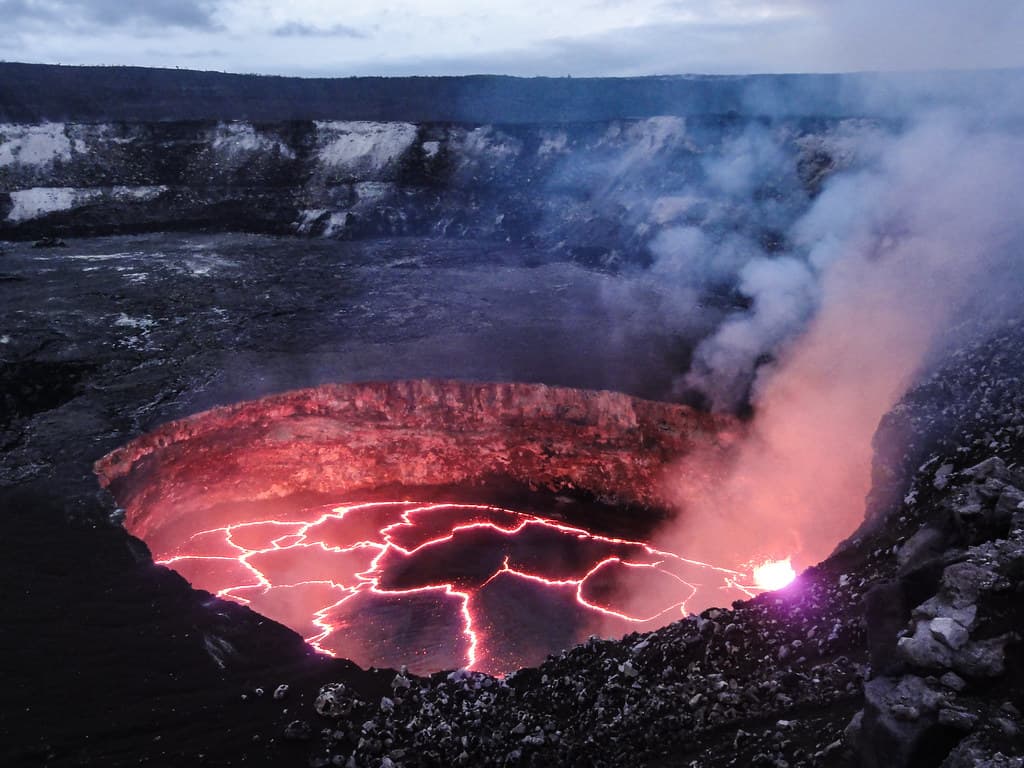
There's nothing quite like freefalling at 13,000 feet while Hawaii's most active volcano smokes beneath you, its rivers of molten lava carving new paths through ancient landscapes. Skydiving over the Big Island offers an experience that combines the pure adrenaline of freefall with the raw, primal power of Earth's volcanic activity. After guiding thousands of jumps over Hawaii's volcanic terrain, I can tell you that seeing these geological wonders from above transforms your understanding of volcanic power—this isn't just skydiving, it's witnessing the birth of new land in real-time.
Quick Facts at a Glance
- Location: Big Island Skydiving Centre, Kona, Hawaii (jumps over Kilauea, Mauna Loa, and volcanic regions)
- Jump Altitude: 13,000 feet (4,000 meters) - 60 seconds freefall
- Volcano Jump Season: May to October (dry season with optimal visibility)
- Jump Times: Morning and afternoon flights (7:00 AM - 4:00 PM)
- Temperature: 22°C-28°C (72°F-82°F) year-round
- Visibility: Exceptional up to 50 miles (80 km) on clear days
- Duration: Complete experience takes 4-5 hours
- Group Size: Maximum 3 tandems per aircraft
- Average Cost: $280-$380 per person for volcano tandem jump
- Experience Level: Beginners welcome, no prior experience required
The Hawaii Volcano Skydiving Experience
Why Choose Hawaii for Volcano Skydiving?
The Big Island offers a unique volcanic skydiving destination unlike anywhere else on Earth:
"Seeing Kilauea erupt from 13,000 feet gives you a perspective on volcanic power that changes how you view our planet—it's like watching creation happen in real-time."
Unique Advantages:
- Active Volcanoes: Views of Kilauea (most active), Mauna Loa (largest volcano)
- Volcanic Landscapes: Black lava fields, smoking craters, and new land formations
- Color Contrast: Black lava, red lava flows, green vegetation, blue ocean
- Geological Wonder: Witness one of the world's most accessible active volcanic areas
- Island Beauty: Combination of volcanic terrain with Hawaii's stunning coastline
- Year-Round Operation: Perfect weather conditions throughout the year
Preparation and Briefing
Your Big Island volcano skydiving adventure begins at the Kona Skydiving Centre:
Pre-Jump Orientation (45 minutes):
- Safety procedures and equipment overview
- Volcanic terrain-specific landing protocols
- Air quality awareness and volcanic gas safety
- Altitude awareness and freefall techniques
- Emergency procedures and volcanic hazard considerations
Equipment Fitting (30 minutes):
- Tandem harness fitting and adjustment
- Helmet and goggle selection
- Altimeter explanation and use
- Radio communication check
- Volcanic ash protection briefing
The Volcanic Flight
The aircraft ascent provides incredible pre-jump views:
Ascent Highlights:
- 2,000 feet: Kona coast and tropical shoreline
- 5,000 feet: Coffee plantations and agricultural landscapes
- 8,000 feet: First views of volcanic craters and lava fields
- 11,000 feet: Mauna Loa summit and Kilauea caldera visible
- 13,000 feet: Jump altitude with panoramic volcanic views
Your pilot will provide commentary on the volcanic features visible below, identifying recent lava flows, active craters, and points of interest.
The Volcanic Freefall
When the door opens at 13,000 feet, you'll experience freefall over some of the most powerful geological forces on Earth:
Freefall Experience Details:
- Speed: 120 mph (193 km/h) for 60 seconds
- Visual Impact: Volcanic craters, smoking vents, and lava flows below
- Color Explosion: Black lava rock, red glowing lava (if active), green vegetation
- Geological Features: Craters, calderas, lava tubes, and volcanic cones
- Canopy Deployment: At 5,000 feet, transition to peaceful glide over volcanic terrain
The sensation of freefalling over volcanic landscape creates a profound connection to Earth's geological processes—below you, the forces that created the Hawaiian Islands continue to shape the landscape in real-time.
Equipment for Volcano Skydiving
Standard Skydiving Gear
All equipment is provided and maintained to US safety standards:
| Equipment | Purpose | Importance |
|---|---|---|
| Tandem Harness | Secures jumper to instructor | Critical |
| Automatic Activation Device | Safety backup for parachute deployment | Essential |
| Altimeter | Tracks altitude during descent | Critical |
| Goggles | Eye protection from wind and volcanic ash | Essential |
| Helmet | Head protection and communication | Recommended |
| Volcanic Mask | Protection from volcanic gases (if needed) | Situation-Dependent |
| Jumpsuit | Provides comfort and protection | Recommended |
Volcano-Specific Considerations
Volcanic Ash Protection:
- Special goggle seals for ash protection
- Respiratory masks available if volcanic activity increases
- Air quality monitoring before and during flights
- Weather and volcanic activity briefings
Environmental Protection:
- Volcanic hazard monitoring system
- GPS tracking for landing zones
- Emergency protocols for volcanic activity
- Partnership with USGS Hawaiian Volcano Observatory
Top Hawaii Volcano Skydiving Locations
Kilauea Region Jump
Features:
- Views of Kilauea caldera (most active volcano)
- Recent lava flow visibility
- Halema'uma'u crater views
- Chain of Craters Road perspective
- Steam vents and volcanic fumaroles visible
Best For:
- Volcanic activity enthusiasts
- Photography of active volcanoes
- Geological education
- Unique geological formations
Mauna Loa Jump
Features:
- Views of world's largest volcano by volume
- Massive volcanic summit and caldera
- Historic lava flow patterns
- Views of Mauna Kea in distance
- High-altitude desert landscape
Best For:
- Geological scale appreciation
- Photography of massive volcanic formations
- Mountain and contrast views
- Experienced skydivers
Volcanic Coastline Jump
Features:
- Combination of volcanic terrain and ocean views
- Where lava meets the sea
- Black sand beaches from above
- Coastal cliffs and sea arches
- Marine life spotting from volcanic shorelines
Best For:
- Photography of land and sea contrast
- Marine and volcanic combination
- Beach landing options
- Complete island experience
Safety and Environmental Considerations
Pre-Jump Requirements
Physical Requirements:
- Age: Minimum 18 years (16-17 with parental consent)
- Weight: Maximum 240 lbs (109 kg) for safety
- Health: Good physical condition, no major respiratory or cardiac issues
- Language: Basic English comprehension for safety briefings
Volcanic Activity Monitoring:
- Air Quality: SO2 and other volcanic gas levels monitored
- Wind Direction: Ensures volcanic gases don't affect landing zones
- Seismic Activity: Real-time monitoring through USGS
- Visual Observations: Volcanic activity level assessments
- Flight Restrictions: Adjustments based on volcanic conditions
Volcanic Safety Protocols
Environmental Guidelines:
- Maintain minimum altitude over active volcanic areas
- Follow designated flight paths for safety
- No debris or equipment over volcanic sites
- Report volcanic observations
- Support volcano research and conservation
Certifications:
- All instructors hold USPA tandem certification
- Operations follow FAA regulations
- Regular volcanic hazard training
- Partnership with USGS Hawaiian Volcano Observatory
- Continuous volcanic monitoring systems
Cost Breakdown and Packages
Hawaii Volcano Skydiving Packages
| Package | Inclusions | Price (USD) |
|---|---|---|
| Basic Volcano Tandem | Single jump, equipment, instruction | $279 |
| Standard Package | Jump + photo/video | $349 |
| Premium Package | Jump + video + edited highlight reel + digital download | $429 |
| Volcano Explorer Package | Jump + video + helicopter volcano tour | $679 |
| Ultimate Big Island Adventure | All premium features + volcano tour + luxury resort stay | $1,199 |
Additional Costs
- High Altitude Option: +14,000 feet jump +$50
- Professional Photography: Custom photographer +$150
- GoPro Rental: Self-operated camera +$75
- Volcano Tour Add-On: Ground volcano excursion +$99
- Group Discounts: 10% off for 4+ people
Best Time to Skydive Over Hawaii Volcanoes
Seasonal Guide
Dry Season (May - October) - Recommended
- Weather: Clear, sunny days with low rainfall
- Visibility: Exceptional conditions (50+ miles)
- Temperature: Perfect 22°C-28°C (72°F-82°F)
- Volcanic Activity: Typically stable conditions
- Booking: Reserve 2-3 weeks in advance
Wet Season (November - April)
- Weather: More variable, potential for rain
- Visibility: Good but reduced (30-40 miles)
- Temperature: Comfortable 20°C-26°C (68°F-79°F)
- Volcanic Activity: Variable but generally accessible
- Booking: More availability
Time of Day Recommendations
Morning Jumps (7:00 AM - 10:00 AM)
- Calmest wind conditions
- Fresh morning air
- Best lighting for volcanic features
- Fewer jumpers, shorter wait times
Mid-Morning to Afternoon (10:00 AM - 2:00 PM)
- Optimal lighting conditions
- Warm temperatures
- Good volcanic visibility
- Peak operating hours
Late Afternoon (2:00 PM - 4:00 PM)
- Golden hour lighting
- Longer shadows enhance volcanic features
- Dramatic sunset opportunities
- Excellent photography conditions
What to Bring and Wear
Essential Items
Required:
- Valid photo ID (driver's license or passport)
- Comfortable, athletic clothing
- Closed-toe athletic shoes (essential for landing)
- Sunglasses (polarized recommended)
- Water bottle for hydration
Recommended:
- Camera or smartphone (for ground photos)
- Light jacket for aircraft (air conditioning)
- Sunscreen and sun hat for ground activities
- Credit card for additional purchases
- Small day bag for personal items
Clothing Guidelines
Year-Round
- Lightweight, breathable athletic wear
- Shorts and t-shirt acceptable
- Comfortable athletic clothing for jumping
- Layers for altitude (aircraft can be cool)
- Swimwear under clothes if planning post-jump beach activities
Photography and Videography
Capturing Your Volcano Skydive
Professional Video Packages:
- Handcam Option: Instructor-mounted camera captures freefall reactions
- External Camera: Videographer follows you in freefall (seasonal)
- Ground Footage: Landing and volcanic landscape shots
- Aerial Footage: Drone footage of volcanic views (weather permitting)
- Edited Highlight Reel: Professional editing with music and effects
Photography Tips:
- Use polarized sunglasses for best volcanic feature visibility
- Best photos occur during freefall and canopy flight
- Practice smiling during briefing
- Consider hand gestures for dramatic shots
- Discuss photo preferences with your instructor
Landing Zones and Beach Landings
Landing Zone Options
Volcanic Plains Landing:
- Designated landing zones on volcanic plains
- Black lava rock landscape
- Spectacular volcanic views from ground level
- Post-jump volcano exploration opportunities
- Easy transport access
Kona Coast Beach Landing:
- Soft sand landing on Hawaiian beaches
- Ocean temperature: 26°C-28°C (79°F-82°F)
- Post-jump swimming opportunities
- Beach facilities available
- Spectator viewing areas
Volcano Visitor Center Landing:
- Close to Hawaii Volcanoes National Park
- Easy access to volcanic viewing areas
- Educational opportunities
- Covered waiting areas
- Nearby refreshments
Post-Jump Activities
Immediate After Landing:
- Equipment removal and return
- Certificate of achievement presentation
- Photo session with instructor
- Video review on-site
- Celebration with tropical drinks
Extended Activities:
- Volcano National Park Tour: Visit Kilauea and see active volcanic activity
- Volcano Hiking: Guided hikes through lava fields
- Lava Viewing: Night viewing of active lava flows (if safe)
- Hot Springs: Natural volcanic hot springs
- Cultural Tours: Learn about Hawaiian volcano mythology
Weather and Cancellation Policies
Weather Monitoring
Daily Assessments:
- Wind speed and direction monitoring
- Visibility checks at multiple locations
- Cloud ceiling measurements
- Rain and storm tracking
- Volcanic gas concentration monitoring
Weather Holds:
- 2-3 hour waiting period included
- Regular condition updates provided
- Flexible rescheduling available
- Full refund for weather cancellations
Cancellation Policy
Weather Cancellations:
- Full refund or free reschedule
- No cancellation fees
- Priority rebooking
- Alternative dates offered
Personal Cancellations:
- 48+ hours notice: Full refund
- 24-48 hours notice: 50% refund
- Less than 24 hours: No refund
- Medical emergencies: Documentation required for refund
Booking Your Hawaii Volcano Skydive
How to Book
Online Booking:
- Visit official Big Island Skydiving Centre website
- Select date, time, and package preferences
- Complete online medical questionnaire
- Pay deposit or full amount
- Receive confirmation email
Direct Booking:
- Call +1-808-XXX-XXXX for personalized service
- Email: info@hawaiivolcanoskydive.com
- WhatsApp booking available
- Hotel concierge booking services
Walk-In Bookings:
- Visit Big Island Skydiving Centre office in Kona
- Limited availability on busy days
- Cash payment accepted
- Next-day bookings preferred
Required Information
Personal Details:
- Full legal name (as shown on ID)
- Date of birth
- Contact phone number and email
- Emergency contact information
- Medical conditions (especially respiratory)
Jump Preferences:
- Preferred date and time slot
- Package selection
- Weight and height for equipment fitting
- Previous skydiving experience
- Special requests or requirements
Payment Methods
- Online: Secure credit card payment
- In-Person: Cash, credit cards, travelers checks
- Deposit: $100 required to confirm booking
- Balance: Due on day of jump
- Refund Policy: Clearly stated during booking
Frequently Asked Questions
Safety and Experience Questions
Q: What if there's increased volcanic activity? A: We continuously monitor volcanic conditions through USGS. If activity increases to unsafe levels, operations are adjusted or cancelled for your safety.
Q: Is the volcanic air safe to breathe? A: We monitor air quality constantly. Conditions are safe for skydiving, though people with respiratory conditions should consult their doctor.
Q: What happens if the weather changes mid-flight? A: Your instructor constantly monitors conditions. Alternative landing zones and safe landing protocols are always available.
Q: Can I bring my own camera? A: For safety reasons, personal cameras cannot be attached to you during the jump. GoPro rentals are available through the drop zone.
Volcano-Specific Questions
Q: Will I see actual lava flowing? A: If Kilauea is actively erupting and conditions are safe, you may see lava flows or glow from the crater. It's never guaranteed but often possible.
Q: How close do we get to the volcano? A: Flight paths maintain safe distances while still providing spectacular views. We prioritize safety above all.
Q: What about volcanic ash in the air? A: We monitor ash levels and adjust flights accordingly. Special equipment is available if needed, though conditions are usually safe.
Practical Questions
Q: How long should I allow for the entire experience? A: Plan for 4-5 hours total, including briefing, equipment fitting, the jump, and post-jump activities.
Q: What if I'm afraid of heights? A: Many people with height fears successfully complete tandem jumps. The freefall is so fast that height awareness is minimal.
Q: Can friends and family watch? A: Yes! Spectators are welcome at all drop zones. Many locations have viewing areas with perfect vantage points.
Q: Is there a weight limit? A: Yes, maximum weight is 240 lbs (109 kg) for safety reasons. Higher weights may require additional equipment.
Nearby Attractions and Activities
Combine Your Skydive with Volcano Experiences
Same-Day Activities:
- Volcano National Park Tour: Visit active volcanic areas
- Lava Tube Exploration: Walk through ancient lava caves
- Hawaiian Cultural Center: Learn about volcano mythology
- Coffee Plantation Tour: Famous Kona coffee experience
- Snorkeling: Post-jump ocean activities
Multi-Day Packages:
- 3-Day Volcano Adventure: Skydive + volcano tour + hiking
- Big Island Adventure Week: Multiple activities including waterfalls
- Ultimate Hawaii Experience: Skydive + helicopter tour + luxury stay
- Photography Package: Skydive + volcano photography workshop
Other Big Island Adventures
- Hawaii Volcanoes National Park: Day trip to active volcanic areas
- Mauna Kea Summit: Star gazing at high altitude
- Akaka Falls: Spectacular waterfall experience
- Punalu'u Black Sand Beach: Sea turtle viewing
- Pu'uhonua O Honaunau: Ancient Hawaiian sanctuary
Testimonials and Reviews
"Skydiving over Kilauea was the most incredible experience of my life. Seeing the volcano from above while freefalling was absolutely surreal." — Jennifer M., California
"I was nervous about skydiving, but my instructor made me feel completely safe. The volcanic views were beyond anything I could have imagined." — Robert L., New York
"As someone who's jumped all over the world, Hawaii's volcano skydiving experience stands out. The geological features from above are truly unique." — David K., Texas
"My boyfriend and I did the tandem jump for our anniversary. The volcanic landscape, the views, the experience—absolutely perfect in every way." — Sarah P., Florida
Final Thoughts
Skydiving over Hawaii's Big Island offers an adventure that combines the thrill of freefall with witnessing one of Earth's most powerful geological forces. The unique perspective of seeing active volcanoes from 13,000 feet creates memories that will last a lifetime.
Whether you're an experienced skydiver seeking a new challenge or a first-timer looking for the ultimate adventure, the Big Island provides the perfect setting. The stunning volcanic landscapes, potential lava flow views, and Hawaii's perfect weather create an experience unlike any other skydiving destination in the world.
The raw power of volcanoes, the beauty of the Hawaiian Islands, and the adrenaline of freefall combine to create an adventure that will change how you view our planet. Don't miss the opportunity to experience Hawaii's volcanic wonders from the sky—it's a perspective that few ever get to witness, and one you'll never forget.
Ready to take the plunge over volcanoes? Book your Hawaii volcano skydive today and witness the raw power of Earth's geological forces from above. The volcanoes are calling, and adventure awaits!
Frequently Asked Questions
A basic volcano tandem jump costs 279 USD, a standard package with photo and video is 349 USD, and a premium package with an edited highlight reel is 429 USD. Larger options run up to 1,199 USD for a package that adds a helicopter volcano tour and luxury resort stay. A 100 USD deposit confirms the booking, groups of 4 or more get 10 percent off, and a higher 14,000-foot jump adds 50 USD.
If Kilauea is actively erupting and conditions are safe, you may see lava flows or glow from the crater, but it is never guaranteed. On clear days the views include the Kilauea caldera, Halemaumau crater, steam vents, black lava fields, and Mauna Loa, the largest volcano on Earth by volume. Flight paths keep a safe distance from active volcanic areas while still offering the views.
The dry season from May to October is recommended, with clear sunny days, visibility of 50 miles or more, and temperatures of 22-28 C. The wet season from November to April is more variable with visibility of 30-40 miles but has more availability. Morning jumps between 7:00 and 10:00 AM have the calmest winds, and dry-season dates should be booked 2-3 weeks ahead.
The minimum age is 18, though 16 and 17 year olds can jump with parental consent. The maximum weight is 240 lbs (109 kg) for safety reasons. No prior experience is needed, but jumpers should be in good physical condition with no major respiratory or cardiac issues, and anyone with respiratory conditions should consult a doctor because of volcanic air quality.
Operators monitor volcanic activity continuously through the USGS Hawaiian Volcano Observatory, including air quality, SO2 gas levels, wind direction, and seismic activity, and flights are adjusted or cancelled if activity becomes unsafe. All instructors hold USPA tandem certification and operations follow FAA regulations. Weather cancellations receive a full refund or free reschedule.
Plan for 4 to 5 hours total, covering the 45-minute briefing, equipment fitting, the flight, the 60-second freefall from 13,000 feet, and post-jump activities. Book online through the operator's website, by phone or WhatsApp, or walk in at the Kona office; a 100 USD deposit confirms the reservation with the balance due on jump day.
Adventure Knit Editorial
Destination research compiled and fact-checked by the Adventure Knit editorial team from published sources, operator itineraries, and official tourism boards. Spot something out of date? Tell us at hello@adventureknit.com.
Related Stories
 United States
Skydiving Hawaii Oahu: Tandem Jump Over Paradise Islands
Ultimate guide to skydiving over Oahu, Hawaii. Experience freefall with Diamond Head, Waikiki Beach, and North Shore below. Expert tips, locations, costs, and preparation for Hawaii's most thrilling adventure.
 United States
Skydiving California Coastline: Ultimate Pacific Ocean Freefall Adventure
Experience the thrill of skydiving over California's stunning Pacific coastline. Spectacular tandem jumps with views of Big Sur cliffs, Malibu beaches, and pristine ocean waters. Complete guide to locations, costs, and preparation for the Golden State's coastal paradise adventure.
 United States
Skydiving Finger Lakes New York: Tandem Jump Over Wine Country
Ultimate guide to skydiving over Finger Lakes, New York. Experience freefall with pristine lakes, vineyards, and rolling hills below. Expert tips, locations, costs, and preparation for New York's most scenic adventure.
Enjoyed this article?
Explore more stories from our adventures around the world