
Skydiving New Zealand Alpine: Ultimate Southern Alps Freefall Adventure
Categories
Tags
Alpine tandem skydiving in New Zealand runs from Queenstown, with jumps from 13,000 feet giving about 60 seconds of freefall over the Southern Alps, with views of Aoraki/Mount Cook, the Franz Josef and Fox glaciers, and Lake Wakatipu. The season peaks December to April, and a basic alpine tandem costs 319 NZD, with photo and video packages from 399 NZD. No experience is required; jumpers must be at least 18 (16-17 with parental consent) and under 110 kg.
Skydiving New Zealand Alpine: Ultimate Southern Alps Freefall Adventure
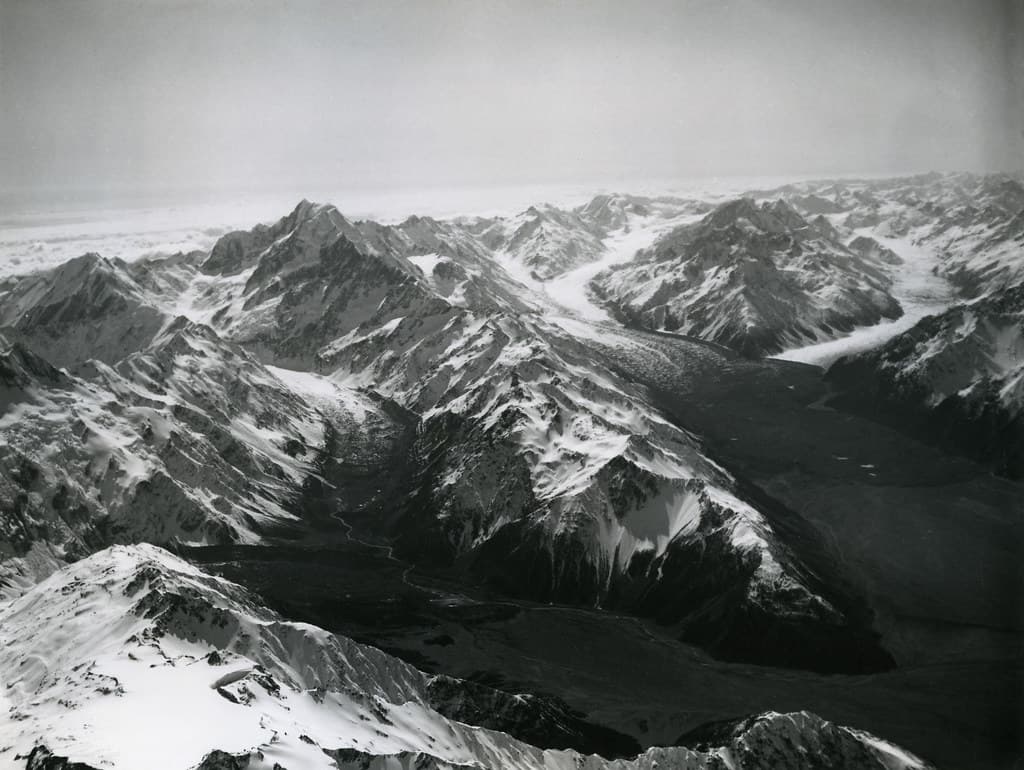
There's nothing quite like freefalling at 13,000 feet while New Zealand's Southern Alps stretch out beneath you like a magnificent tapestry of snow-capped peaks, pristine glaciers, and turquoise alpine lakes. Skydiving over New Zealand offers an experience that combines the pure adrenaline of freefall with the breathtaking beauty of some of the world's most spectacular mountain scenery. After guiding thousands of jumps over New Zealand's alpine wonderland, I can tell you that seeing these mountains from above transforms your understanding of their grandeur—this isn't just skydiving, it's witnessing the majesty of the Southern Alps from a perspective few ever experience.
Quick Facts at a Glance
- Location: Queenstown Skydiving Centre, New Zealand (jumps over Southern Alps and Fiordland)
- Jump Altitude: 13,000 feet (4,000 meters) - 60 seconds freefall
- Alpine Jump Season: December to April (summer months with optimal conditions)
- Jump Times: Morning and afternoon flights (7:00 AM - 5:00 PM)
- Temperature: 10°C-20°C (50°F-68°F) during summer at altitude
- Visibility: Exceptional up to 100 miles (160 km) on clear days
- Duration: Complete experience takes 4-5 hours
- Group Size: Maximum 3 tandems per aircraft
- Average Cost: $320-$420 per person for alpine tandem jump
- Experience Level: Beginners welcome, no prior experience required
The New Zealand Alpine Skydiving Experience
Why Choose New Zealand for Alpine Skydiving?
The Southern Alps offer a unique alpine skydiving destination that sets it apart from any other location:
"Seeing Aoraki/Mount Cook and the Southern Alps from 13,000 feet gives you a whole new appreciation for New Zealand's mountain majesty—it's like flying over the roof of New Zealand."
Unique Advantages:
- Majestic Peaks: Views of Aoraki/Mount Cook (3,724m), New Zealand's highest mountain
- Pristine Glaciers: Franz Josef, Fox, and Tasman glaciers visible from above
- Alpine Lakes: Lakes Tekapo, Pukaki, and Wakatipu with stunning turquoise waters
- Diverse Terrain: Combination of high alpine peaks, lush valleys, and coastal fjords
- World Heritage Area: Flying over Te Wahipounamu UNESCO World Heritage Site
- Perfect Conditions: Summer offers stable weather and excellent visibility
Preparation and Briefing
Your New Zealand alpine skydiving adventure begins at the Queenstown Skydiving Centre:
Pre-Jump Orientation (45 minutes):
- Safety procedures and equipment overview
- Alpine terrain-specific landing protocols
- Mountain weather awareness and safety
- Altitude awareness and freefall techniques
- Emergency procedures and alpine hazard considerations
Equipment Fitting (30 minutes):
- Tandem harness fitting and adjustment
- Helmet and goggle selection
- Altimeter explanation and use
- Radio communication check
- Alpine weather protection briefing
The Alpine Flight
The aircraft ascent to altitude provides incredible pre-jump views:
Ascent Highlights:
- 2,000 feet: Queenstown and Lake Wakatipu
- 5,000 feet: Remarkables mountain range and Wakatipu Basin
- 8,000 feet: First views of Aoraki/Mount Cook and major glaciers
- 11,000 feet: Southern Alps main divide and extensive glacier systems
- 13,000 feet: Jump altitude with panoramic alpine views
Your pilot will provide commentary on the mountain features visible below, identifying major peaks, glaciers, and points of interest you'll see during your freefall.
The Alpine Freefall
When the door opens at 13,000 feet, you'll experience freefall over some of the world's most spectacular alpine terrain:
Freefall Experience Details:
- Speed: 120 mph (193 km/h) for 60 seconds
- Visual Impact: Mountain peaks, glaciers, and alpine lakes below
- Color Explosion: White snow, blue ice, turquoise lakes, green valleys
- Geological Features: U-shaped valleys, hanging glaciers, and mountain passes
- Canopy Deployment: At 5,000 feet, transition to peaceful glide over alpine landscape
The sensation of freefalling over the Southern Alps creates a profound connection to New Zealand's mountain heritage—below you, the forces that shaped these majestic mountains continue to sculpt the landscape over millennia.
Equipment for Alpine Skydiving
Standard Skydiving Gear
All equipment is provided and maintained to New Zealand safety standards:
| Equipment | Purpose | Importance |
|---|---|---|
| Tandem Harness | Secures jumper to instructor | Critical |
| Automatic Activation Device | Safety backup for parachute deployment | Essential |
| Altimeter | Tracks altitude during descent | Critical |
| Goggles | Eye protection from wind and UV | Essential |
| Helmet | Head protection and communication | Recommended |
| Alpine Jumpsuit | Provides warmth and aerodynamics | Recommended |
| Gloves | Hand protection and grip | Situation-Dependent |
Alpine-Specific Considerations
Cold Weather Protection:
- Insulated jumpsuit options for cold conditions
- Gloves and thermal layers available
- Face protection for high-altitude cold
- Heated hand warmers available on request
Environmental Protection:
- Alpine weather monitoring systems
- GPS tracking for mountain landing zones
- Emergency protocols for mountain weather
- Partnership with New Zealand Mountain Safety Council
Top New Zealand Alpine Skydiving Locations
Queenstown and The Remarkables Jump
Features:
- Views over Lake Wakatipu and The Remarkables range
- Aoraki/Mount Cook visible on clear days
- Central Otago wine region from above
- Historic gold mining landscape
- Queenstown town and bay perspectives
Best For:
- First-time skydivers
- Photography of diverse landscapes
- Central South Island experience
- Accessibility and convenience
Mount Cook Region Jump
Features:
- Close-up views of Aoraki/Mount Cook (3,724m)
- Tasman Glacier and Hooker Valley views
- Multiple glacier systems visible
- High alpine terrain and permanent snow
- Lake Pukaki's turquoise waters
Best For:
- Alpine enthusiasts
- Photography of New Zealand's highest peak
- Experienced skydivers seeking mountain views
- Geological education
Franz Josef Glacier Jump
Features:
- Direct views over Franz Josef and Fox glaciers
- West Coast rainforest and alpine contrast
- Tasman Sea coastline visible
- Southern Alps main divide
- Waiho River valley views
Best For:
- Glacier enthusiasts
- Photography of active glaciers
- West Coast experience
- Rainforest and alpine combination
Safety and Environmental Considerations
Pre-Jump Requirements
Physical Requirements:
- Age: Minimum 18 years (16-17 with parental consent)
- Weight: Maximum 110kg (242 lbs) for safety
- Health: Good physical condition, no major respiratory or cardiac issues
- Language: Basic English comprehension for safety briefings
Alpine Weather Monitoring:
- Mountain Conditions: Real-time weather monitoring at altitude
- Wind Patterns: Alpine wind and turbulence awareness
- Temperature: Altitude temperature monitoring and preparation
- Visibility: Clear sky requirements for mountain operations
- Flight Restrictions: Adjustments based on mountain weather
Alpine Safety Protocols
Environmental Guidelines:
- Maintain minimum altitude over conservation areas
- Follow designated flight paths for safety
- No debris or equipment over alpine zones
- Report mountain weather observations
- Support alpine conservation initiatives
Certifications:
- All instructors hold NZPF tandem certification
- Operations follow CAA New Zealand regulations
- Regular mountain weather training
- Partnership with New Zealand Mountain Safety Council
- Continuous alpine monitoring systems
Cost Breakdown and Packages
New Zealand Alpine Skydiving Packages
| Package | Inclusions | Price (NZD) |
|---|---|---|
| Basic Alpine Tandem | Single jump, equipment, instruction | $319 |
| Standard Package | Jump + photo/video | $399 |
| Premium Package | Jump + video + edited highlight reel + digital download | $479 |
| Alpine Explorer Package | Jump + video + helicopter glacier tour | $729 |
| Ultimate South Island Adventure | All premium features + alpine tour + luxury lodge stay | $1,299 |
Additional Costs
- High Altitude Option: +15,000 feet jump +$60
- Professional Photography: Custom photographer +$180
- GoPro Rental: Self-operated camera +$90
- Alpine Tour Add-On: Ground mountain excursion +$120
- Group Discounts: 15% off for 4+ people
Best Time to Skydive Over New Zealand Alps
Seasonal Guide
Summer (December - April) - Recommended
- Weather: Clear, sunny days with stable conditions
- Visibility: Exceptional conditions (100+ miles)
- Temperature: Pleasant 15°C-25°C (59°F-77°F) at ground level
- Mountain Conditions: Snow-free valleys, accessible terrain
- Booking: Reserve 3-4 weeks in advance
Winter (May - November)
- Weather: Variable with potential for storms
- Visibility: Good but reduced (50-80 miles)
- Temperature: Cold at altitude, ground snow possible
- Mountain Conditions: Snow-covered terrain, dramatic winter landscapes
- Booking: More availability
Time of Day Recommendations
Morning Jumps (7:00 AM - 10:00 AM)
- Calmest wind conditions
- Fresh morning mountain air
- Best lighting for alpine photography
- Fewer jumpers, shorter wait times
Mid-Morning to Afternoon (10:00 AM - 2:00 PM)
- Optimal lighting conditions
- Warm temperatures
- Good mountain visibility
- Peak operating hours
Late Afternoon (2:00 PM - 5:00 PM)
- Golden hour lighting on mountains
- Longer shadows enhance terrain features
- Dramatic sunset opportunities
- Excellent photography conditions
What to Bring and Wear
Essential Items
Required:
- Valid photo ID (driver's license or passport)
- Comfortable, athletic clothing
- Closed-toe athletic shoes (essential for landing)
- Sunglasses (polarized recommended)
- Water bottle for hydration
Recommended:
- Camera or smartphone (for ground photos)
- Warm layers for alpine conditions
- Sunscreen and sun hat for ground activities
- Credit card for additional purchases
- Small day bag for personal items
Clothing Guidelines
Summer (December - April)
- Lightweight, breathable athletic wear
- Layers for temperature changes
- Long pants and long-sleeved shirt recommended
- Comfortable athletic clothing for jumping
- Warm jacket for pre-jump waiting
Winter (May - November)
- Warm layers including thermal underwear
- Fleece or wool mid-layer
- Waterproof outer layer
- Warm hat and gloves for ground activities
- Extra warm socks
Photography and Videography
Capturing Your Alpine Skydive
Professional Video Packages:
- Handcam Option: Instructor-mounted camera captures freefall reactions
- External Camera: Videographer follows you in freefall (seasonal)
- Ground Footage: Landing and mountain landscape shots
- Aerial Footage: Drone footage of alpine views (weather permitting)
- Edited Highlight Reel: Professional editing with music and effects
Photography Tips:
- Use polarized sunglasses for best mountain visibility
- Best photos occur during freefall and canopy flight
- Practice smiling during briefing
- Consider hand gestures for dramatic shots
- Discuss photo preferences with your instructor
Landing Zones and Alpine Landings
Landing Zone Options
Queenstown Landing:
- Designated landing zones in Wakatipu Basin
- Flat terrain with mountain backdrop
- Spectacular alpine views from ground level
- Easy access to Queenstown facilities
- Post-jump celebration opportunities
Alpine Valley Landing:
- Mountain valley landing zones
- Pristine natural settings
- Surrounding mountain peaks
- Post-jump hiking opportunities
- Remote alpine experience
Lake Wakatipu Beach Landing:
- Beach landing on New Zealand's most scenic lake
- Lake temperature: 10°C-15°C (50°F-59°F)
- Post-jump swimming opportunities
- Beach facilities and access
- Spectator viewing areas
Post-Jump Activities
Immediate After Landing:
- Equipment removal and return
- Certificate of achievement presentation
- Photo session with instructor
- Video review on-site
- Celebration with New Zealand beverages
Extended Activities:
- Helicopter Glacier Tour: Land on Franz Josef or Tasman Glacier
- Mount Cook Village Visit: Explore New Zealand's alpine heart
- Milford Sound Excursion: Day trip to spectacular fiords
- Wine Tasting: Central Otago pinot noir experiences
- Hiking: Easy walks to alpine viewpoints
Weather and Cancellation Policies
Weather Monitoring
Daily Assessments:
- Wind speed and direction at multiple altitudes
- Visibility checks at mountain stations
- Cloud ceiling measurements
- Rain and storm tracking
- Mountain condition reports
Weather Holds:
- 2-3 hour waiting period included
- Regular condition updates provided
- Flexible rescheduling available
- Full refund for weather cancellations
Cancellation Policy
Weather Cancellations:
- Full refund or free reschedule
- No cancellation fees
- Priority rebooking
- Alternative dates offered
Personal Cancellations:
- 48+ hours notice: Full refund
- 24-48 hours notice: 50% refund
- Less than 24 hours: No refund
- Medical emergencies: Documentation required for refund
Booking Your New Zealand Alpine Skydive
How to Book
Online Booking:
- Visit official Queenstown Skydiving Centre website
- Select date, time, and package preferences
- Complete online medical questionnaire
- Pay deposit or full amount
- Receive confirmation email
Direct Booking:
- Call +64-3-441-XXXX for personalized service
- Email: info@nzalpineskydive.co.nz
- WhatsApp booking available
- Hotel concierge booking services
Walk-In Bookings:
- Visit Queenstown Skydiving Centre office
- Limited availability on busy days
- Cash payment accepted
- Next-day bookings preferred
Required Information
Personal Details:
- Full legal name (as shown on ID)
- Date of birth
- Contact phone number and email
- Emergency contact information
- Medical conditions (especially respiratory)
Jump Preferences:
- Preferred date and time slot
- Package selection
- Weight and height for equipment fitting
- Previous skydiving experience
- Special requests or requirements
Payment Methods
- Online: Secure credit card payment
- In-Person: Cash, credit cards, EFTPOS
- Deposit: $120 NZD required to confirm booking
- Balance: Due on day of jump
- Refund Policy: Clearly stated during booking
Frequently Asked Questions
Safety and Experience Questions
Q: What if there's sudden mountain weather? A: We continuously monitor mountain conditions through multiple weather stations. If conditions become unsafe, operations are adjusted or cancelled.
Q: Is it too cold for skydiving at altitude? A: While it's cooler at 13,000 feet, freefall is brief (60 seconds), and we provide insulated equipment if needed. The experience is comfortable and exhilarating.
Q: What happens if the weather changes mid-flight? A: Your instructor constantly monitors conditions. Alternative landing zones and safe landing protocols are always available.
Q: Can I bring my own camera? A: For safety reasons, personal cameras cannot be attached to you during the jump. GoPro rentals are available through the drop zone.
Alpine-Specific Questions
Q: Will I see Mount Cook during my jump? A: On clear days, yes! Aoraki/Mount Cook is visible from most jump altitudes and provides a spectacular backdrop.
Q: How do you land in mountainous terrain? A: Landing zones are carefully selected in valleys and flat areas. We prioritize safe landing locations while still offering spectacular views.
Q: What about altitude sickness? A: At 13,000 feet, most people don't experience altitude issues. If you have concerns, discuss them with your instructor.
Practical Questions
Q: How long should I allow for the entire experience? A: Plan for 4-5 hours total, including briefing, equipment fitting, the jump, and post-jump activities.
Q: What if I'm afraid of heights? A: Many people with height fears successfully complete tandem jumps. The freefall is so fast that height awareness is minimal.
Q: Can friends and family watch? A: Yes! Spectators are welcome at all drop zones. Many locations have viewing areas with perfect vantage points.
Q: Is there a weight limit? A: Yes, maximum weight is 110kg (242 lbs) for safety reasons. Higher weights may require additional equipment.
Nearby Attractions and Activities
Combine Your Skydive with Alpine Experiences
Same-Day Activities:
- Milford Sound Day Trip: Spectacular fiord experience
- Gondola and Luge: Queenstown mountain adventure
- Wine Tour: Central Otago wine region exploration
- Jet Boating: Shotover or Kawarau rivers
- Hiking: Easy alpine walks with stunning views
Multi-Day Packages:
- 3-Day Alpine Adventure: Skydive + glacier tour + hiking
- Queenstown Adventure Week: Multiple activities including bungee
- Ultimate South Island Experience: Skydive + helicopter tour + luxury lodge
- Photography Package: Skydive + alpine photography workshop
Other South Island Adventures
- Fiordland National Park: Milford and Doubtful Sounds
- West Coast Glaciers: Franz Josef and Fox Glacier walks
- Aoraki/Mount Cook National Park: Alpine hiking and stargazing
- Kaikoura: Whale watching and coastal experience
- Marlborough Wine Region: New Zealand's premier wine destination
Testimonials and Reviews
"Skydiving over the Southern Alps was the most incredible experience of my life. Seeing Mount Cook from 13,000 feet was absolutely breathtaking." — Sarah J., Australia
"I was nervous about skydiving, but my instructor made me feel completely safe. The alpine views were beyond anything I could have imagined." — Michael B., United Kingdom
"As someone who's jumped all over the world, New Zealand's alpine skydiving experience stands out. The mountain scenery from above is truly world-class." — David K., Canada
"My wife and I did the tandem jump for our honeymoon. The Southern Alps, the lakes, the experience—absolutely perfect in every way." — Robert L., United States
Final Thoughts
Skydiving over New Zealand's Southern Alps offers an adventure that combines the thrill of freefall with some of the world's most spectacular mountain scenery. The unique perspective of seeing Aoraki/Mount Cook, pristine glaciers, and turquoise alpine lakes from 13,000 feet creates memories that will last a lifetime.
Whether you're an experienced skydiver seeking a new challenge or a first-timer looking for the ultimate adventure, New Zealand provides the perfect setting. The stunning alpine landscapes, perfect summer conditions, and world-class safety standards create an experience unlike any other skydiving destination.
The majesty of the Southern Alps, the beauty of New Zealand's wilderness, and the adrenaline of freefall combine to create an adventure that will change how you view mountain landscapes. Don't miss the opportunity to experience New Zealand's alpine wonders from the sky—it's a perspective that few ever get to witness, and one you'll never forget.
Ready to take the plunge over the Southern Alps? Book your New Zealand alpine skydive today and witness the majesty of these mountains from above. The Alps are calling, and adventure awaits!
Frequently Asked Questions
A basic alpine tandem jump costs 319 NZD, a standard package with photo and video is 399 NZD, and a premium package with an edited highlight reel is 479 NZD. Bigger packages run up to 1,299 NZD for a version with a helicopter glacier tour and luxury lodge stay. A 120 NZD deposit confirms the booking, groups of 4 or more get 15 percent off, and a higher 15,000-foot jump adds 60 NZD.
December to April, New Zealand's summer, is the recommended season, with stable weather, visibility of 100 miles or more on clear days, and pleasant ground temperatures of 15-25 C. Winter from May to November is more variable with reduced visibility but more availability. Morning jumps from 7:00 to 10:00 AM have the calmest winds, and summer dates should be reserved 3-4 weeks in advance.
The minimum age is 18, though 16 and 17 year olds can jump with parental consent. The maximum weight is 110 kg (242 lbs) for safety reasons. No prior skydiving experience is required, but jumpers should be in good physical condition with no major respiratory or cardiac issues and basic English comprehension for the safety briefings.
Yes, on clear days Aoraki/Mount Cook, New Zealand's highest mountain at 3,724 meters, is visible from most jump altitudes. Depending on the jump location, views also include Lake Wakatipu and The Remarkables, the Tasman Glacier, Lake Pukaki, and on Franz Josef jumps the West Coast glaciers and Tasman Sea coastline.
Yes, beginners are welcome and every jump is tandem with an instructor after a 45-minute safety orientation and equipment fitting. All instructors hold NZPF tandem certification, operations follow CAA New Zealand regulations, and equipment includes an automatic activation device as a parachute backup. Mountain weather is monitored continuously and jumps are rescheduled or refunded in full when conditions are unsafe.
Standard jumps exit at 13,000 feet (4,000 meters), giving about 60 seconds of freefall at around 120 mph before the canopy deploys at 5,000 feet. A higher 15,000-foot option is available for an extra 60 NZD. The complete experience takes 4-5 hours including briefing, equipment fitting, the flight, and post-jump activities.
Adventure Knit Editorial
Destination research compiled and fact-checked by the Adventure Knit editorial team from published sources, operator itineraries, and official tourism boards. Spot something out of date? Tell us at hello@adventureknit.com.
Related Stories
 New Zealand
Skydiving Queenstown New Zealand: Tandem Jump Over Adventure Capital
Ultimate guide to skydiving over Queenstown, New Zealand. Experience freefall with Lake Wakatipu, Remarkables mountain range, and Southern Alps below. Expert tips, locations, costs, and preparation for New Zealand's most thrilling adventure.
 New Zealand
Paragliding Queenstown New Zealand: Soar Over Lake Wakatipu
Ultimate guide to paragliding over Queenstown, New Zealand. Experience thermaling with Lake Wakatipu, Remarkables mountain range, and Southern Alps below. Expert tips, locations, costs, and preparation for New Zealand's most breathtaking aerial adventure.
 Canada
Skydiving Canada Rocky Mountains: Ultimate Alpine Freefall Adventure
Experience the thrill of skydiving over Canada's majestic Rocky Mountains. Spectacular tandem jumps with views of Banff, Lake Louise, and pristine alpine peaks. Complete guide to locations, costs, and preparation for Canada's mountain paradise adventure.
Enjoyed this article?
Explore more stories from our adventures around the world