
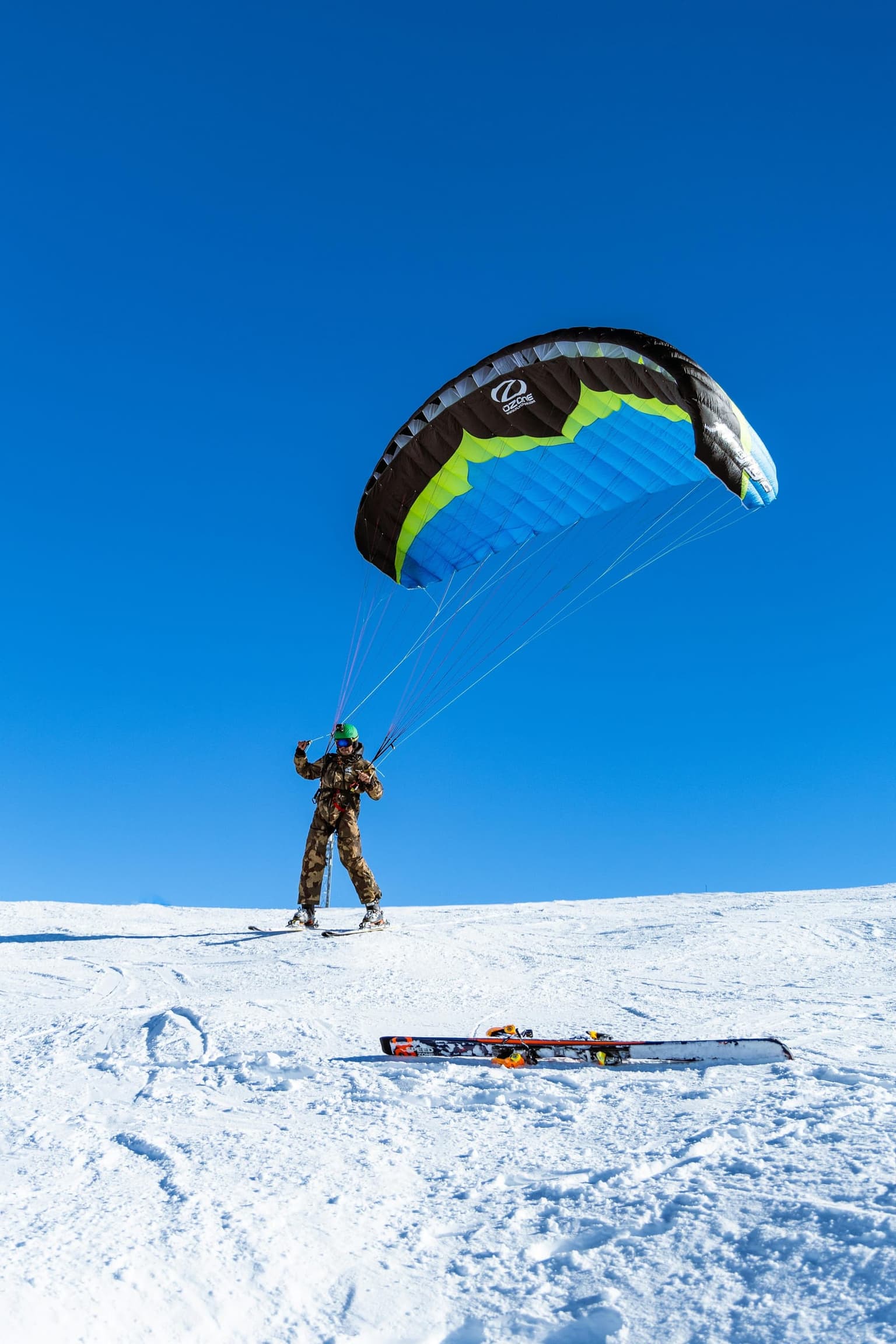
Snowkiting Norway: Ultimate Arctic Kiting Adventure Guide
Categories
Tags
Snowkiting in Norway runs from December to April across frozen lakes, fjords, and mountain plateaus, with the main regions being Hardangervidda, Europe's largest mountain plateau at 8,000 square kilometers, the Lofoten Islands, and Tromso in the Arctic. A 5-day all-inclusive guided package costs NOK 25,000 to 35,000, roughly 2,300 to 3,200 dollars, covering guide, equipment, accommodation, transfers, and meals. Intermediate kiteboarding skills are recommended, though beginner lessons are available, and riding under the Northern Lights is possible from September to March.
Snowkiting Norway: Ultimate Arctic Kiting Adventure Guide
Imagine skimming across a frozen Norwegian lake at 50 km/h, powered only by the wind, with the Northern Lights dancing above you and dramatic Arctic mountains silhouetted against the dark winter sky. Snowkiting in Norway isn't just a sport—it's the ultimate expression of freedom in one of Earth's most spectacular winter landscapes. After 12 years riding Norway's frozen wilderness and competing in snowkiting championships worldwide, I can tell you that Norway offers snowkiting experiences found nowhere else on the planet. The combination of reliable winds, vast frozen terrain, and breathtaking scenery makes Norway the undisputed snowkiting capital of Europe.
Quick Facts at a Glance
- Location: Northern Norway (Tromsø, Lofoten, Hardangervidda)
- Terrain Types: Frozen lakes, fjords, mountain plateaus, coastal plains
- Season: December to April (peak: January-March)
- Wind Conditions: 8-25 knots ideal for most riders
- Temperature: -15°C to -5°C (5°F to 23°F) typical
- Average Speed: 30-60 km/h (19-37 mph) depending on conditions
- Board/Ski Types: Snowkite-specific skis or snowboards
- Kite Sizes: 6-15m² depending on rider weight and conditions
- Best Locations: Hardangervidda (largest plateau), Lofoten (scenic coastal), Tromsø (Arctic adventures)
- Northern Lights Season: September to March (optimal December-February)
- Experience Required: Intermediate kiteboarding skills recommended, beginner lessons available
- Average Cost: $1,500-3,500 for 5-day adventure
Why Snowkite in Norway?
Norway's unique geography creates perfect snowkiting conditions that attract riders from around the world. The country features vast highland plateaus, coastal fjords, and mountain valleys that freeze solid in winter, creating extensive, obstacle-free terrain perfect for kite-powered riding. The combination of consistent Arctic winds, deep powder snow, and dramatic scenery makes Norway's snowkiting experience unmatched anywhere else. Plus, riding under the Northern Lights adds a magical dimension to the sport found only in Arctic regions.
What Makes Norway's Snowkiting Extraordinary:
- Vast Frozen Terrain: Hardangervidda alone offers 8,000 km² of riding area
- Reliable Arctic Winds: Consistent winter wind patterns ideal for kiting
- Northern Lights Experience: Ride under Aurora Borealis in dark winter months
- Diverse Terrain Types: Lakes, plateaus, mountains, and coastal areas
- Snow Quality: Consistent powder conditions throughout the season
- Low Crowds: Vast areas mean you'll rarely see other riders
- Arctic Wilderness: Experience true wilderness adventures
- International Community: Snowkiters from 30+ countries visit annually
Understanding Norway's Snowkiting Regions
Hardangervidda (Most Popular)
Location: Central Norway, 3 hours from Oslo Terrain: Europe's largest mountain plateau (8,000 km²) Best For: All skill levels, long-distance riding, speed runs Access: Via Geilo or Voss, requires transport to plateau Wind: Consistent 10-20 knots from southwest/northwest Season: December to April Highlights: Endless riding terrain, dramatic scenery, reliable conditions
Lofoten Islands (Scenic Coastal)
Location: Arctic Norway, above the Arctic Circle Terrain: Coastal mountains, frozen fjords, island passes Best For: Advanced riders, spectacular scenery, small groups Access: Via Svolvær, local guides recommended Wind: Variable coastal winds, 12-25 knots Season: January to March Highlights: Northern Lights, dramatic coastal mountains, fishing villages
Tromsø (Arctic Adventures)
Location: Northern Norway, 350 km north of Arctic Circle Terrain: Arctic wilderness, frozen lakes, mountain passes Best For: Arctic adventures, extreme conditions, wildlife viewing Access: Via Tromsø, local guides essential Wind: Strong Arctic winds, 15-30 knots Season: December to March Highlights: Polar night, Arctic wildlife, extreme riding conditions
Finse (High Mountain)
Location: Hardangervidda, altitude 1,222m Terrain: High mountain plateau, glacier-adjacent terrain Best For: Experienced riders, extreme conditions Access: Via train (Finse Station), transport to plateau Wind: Strong mountain winds, 18-35 knots Season: February to April Highlights: High-altitude riding, extreme conditions, glacier views
Perfect 5-Day Norway Snowkiting Adventure
Day 1: Arrival, Orientation, and First Session
Morning (10:00 AM): Arrive in Geilo (Hardangervidda access point) from Oslo (3-hour drive or train). Check into your accommodation—Geilo offers everything from budget hotels ($80-150/night) to mountain lodges ($200-350/night).
Mid-Morning (11:30 AM): Meet your guide and team at the snowkiting center. Comprehensive orientation covering:
- Equipment introduction and fitting
- Snowkiting safety protocols
- Weather and wind assessment
- Emergency procedures
- Norway-specific conditions and challenges
Afternoon (1:00 PM): Transfer to Hardangervidda plateau (45-minute drive). First snowkiting session at beginner-friendly area:
- Practice kite setup and launching
- Work on basic kite control
- Practice riding techniques with instructor
- Learn proper body positioning for wind conditions
Evening (6:00 PM): Return to Geilo, dinner at local restaurant. Evening briefing on Day 2's adventure and weather forecast. Optional Northern Lights viewing if conditions permit (Geilo is south of Arctic Circle, but clear nights can reveal Aurora Borealis).
Total Riding Time: 3-4 hours Difficulty: Beginner to Intermediate
Day 2: Exploring Hardangervidda Plateau
Early Morning (8:00 AM): Depart for full day on the plateau. Breakfast packed for the trail. Transfer to remote location on Hardangervidda.
Morning (9:30 AM): Warm-up session on familiar terrain, then progress to more advanced techniques:
- Practice transitions and turns
- Work on upwind riding skills
- Learn speed control techniques
- Practice emergency stops and recoveries
Mid-Morning (11:00 AM): Long-distance ride across the plateau, exploring new terrain. Navigate frozen lakes and rolling hills while maintaining wind awareness. This is where Norway's vast terrain shines—hours of riding without hitting obstacles.
Lunch (12:30 PM): Break at scenic mountain hut or remote location. Quick lunch while discussing morning progress. Time for photos of the dramatic Arctic landscape.
Afternoon (1:30 PM): Advanced techniques session:
- Learn jumping and air tricks (for experienced riders)
- Practice kite transitions without stopping
- Work on riding in variable wind conditions
- Explore new areas of the plateau
Late Afternoon (4:00 PM): Begin return journey to Geilo. Final riding session on favorite terrain. Pack up equipment and return to base.
Evening (6:30 PM): Debrief with guide, review GoPro footage, and discuss progress. Dinner at mountain restaurant. Evening: Northern Lights hunt if conditions are clear (Geilo can have visible Aurora on clear nights).
Total Riding Time: 5-6 hours Distance Covered: 40-60 km
Day 3: Advanced Techniques & Mountain Riding
Early Morning (7:30 AM): Depart for mountain terrain area. Transfer to higher elevation plateau for more challenging conditions.
Morning (9:00 AM): Technical riding session focusing on:
- Riding in variable mountain winds
- Navigating mountain terrain and obstacles
- Advanced kite control in gusty conditions
- Route planning and assessment
Mid-Morning (10:30 AM): Mountain pass riding—navigate through valleys and across ridges. This is where snowkiting in Norway truly shines—using wind to access terrain impossible to reach otherwise.
Lunch (12:00 PM): Mountain hut lunch with panoramic views of Norwegian peaks. Time for photos and discussion about morning's riding.
Afternoon (1:30 PM): Speed and endurance session:
- Attempt speed runs on frozen lakes (safest for high speed)
- Practice efficient kite handling for long distance
- Work on riding in stronger wind conditions (15-25 knots)
- Explore remote areas requiring advanced navigation
Late Afternoon (4:00 PM): Return journey, practicing route planning and navigation. Final techniques session and equipment maintenance.
Evening (6:30 PM): Review day's accomplishments, video analysis, and prepare for Day 4's adventure. Optional night riding session if weather permits and group is experienced (Northern Lights riding!).
Total Riding Time: 5-6 hours Difficulty: Advanced
Day 4: Expedition Day - Remote Wilderness Adventure
Early Morning (7:00 AM): Early departure for expedition day. This is the highlight—a journey to remote parts of Hardangervidda rarely visited by snowkiters.
Morning (8:30 AM): Begin the expedition ride with full support team. Today's goal: reach remote mountain lake 30 km from civilization, ride it, and return. This requires planning, navigation, and endurance.
Mid-Morning (10:00 AM): Navigate through varied terrain—frozen lakes, rolling hills, and mountain passes. Experience the true wilderness of Norway's interior. The silence and vastness are overwhelming.
Noon (12:00 PM): Reach remote destination. Break for lunch and exploration of the area. This is where you realize how few people have ever stood here—the ultimate wilderness experience.
Afternoon (1:00 PM): Return journey, riding different routes to explore more terrain. Practice advanced navigation using GPS and natural landmarks. Experience the joy of riding back with the wind, covering large distances quickly.
Late Afternoon (4:30 PM): Return to plateau edge, pack up, and transfer to Geilo. Today was an expedition—testing endurance, planning, and riding skills in true wilderness.
Evening (7:00 PM): Expedition celebration dinner. Certificate presentation for completion of remote wilderness adventure. Share stories and photos from the day. This is when you realize what you've accomplished—riding through areas only accessible by snowkiting.
Total Riding Time: 5-7 hours Distance Covered: 50-70 km
Day 5: Final Challenges & Departure
Early Morning (8:00 AM): Final day on the plateau. Choose your focus based on progress and interests:
- Practice your favorite technique
- Attempt that trick or challenge you've been working toward
- Ride with different kite sizes and conditions
- Explore one last area of the plateau
Morning (9:30 AM): Technical refinement session. Work on any areas from the week that need improvement. Your guide provides personalized tips and feedback.
Late Morning (11:00 AM): Free riding session—explore at your own pace, enjoy the scenery, and absorb the Norwegian wilderness experience. This is about savoring the last hours on the snow.
Lunch (12:30 PM): Final plateau lunch. Group photos with Norway's stunning backdrop. Time to reflect on the week's adventures and accomplishments.
Afternoon (1:30 PM): Return to Geilo, pack up equipment, and final debriefing. Your guide provides:
- Personal feedback and progress report
- Recommendations for future snowkiting destinations
- Contact information for Norway's snowkiting community
- Certificate of completion
Late Afternoon (3:00 PM): Depart Geilo or extend your stay. Options include:
- Travel to Lofoten for coastal snowkiting
- Visit Tromsø for Arctic adventures
- Explore more of Norway's winter wonderland
- Return to Oslo or international departure
Total Riding Time: 3-4 hours
Snowkiting Techniques & Skills
Essential Skills for Norway
Kite Control:
- Proper setup and launching in cold conditions
- Flying the kite in stable wind patterns
- Understanding wind windows and power zones
- Smooth transitions between power zones
Riding Techniques:
- Edging and body positioning for efficient riding
- Riding upwind and downwind effectively
- Transitioning between directions without stopping
- Speed control and energy conservation
Advanced Skills:
- Jumping and landing techniques
- Riding in gusty conditions
- Long-distance endurance riding
- Route planning and navigation
Kite Selection for Norway Conditions
Light Wind (8-12 knots):
- Larger kites (13-15m²)
- For lighter riders or calm days
- More power but less responsive
Medium Wind (13-20 knots):
- Medium kites (9-12m²)
- Ideal conditions for most riders
- Good balance of power and control
Strong Wind (21-30 knots):
- Smaller kites (6-9m²)
- For experienced riders
- Fast and responsive but powerful
Essential Snowkiting Equipment
Kites and Bars
Snowkite-Specific Kites:
- Depowerable foil or inflatable kites
- Sizes: 6m² to 15m² depending on conditions
- Quick-release safety systems essential
- Multiple kite options for varying conditions
Control Bar:
- 4-line or 5-line setup
- Quick-release chicken loop
- Depower system functional in cold conditions
- Bar length: 45-55cm depending on kite size
Boards and Skis
Snowkite-Specific Boards:
- Twin-tip design (120-150cm)
- Wider stance for stability
- Stiff flex for speed
- Insert pattern for bindings
Alternative - Snowkite Skis:
- All-mountain skis (100-120cm)
- Wider tips and tails
- Good for powder and variable conditions
- Preferred by former skiers
Harness and Safety
Harness:
- Waist or seat harness (seat preferred for freeride)
- Multiple attachment points
- Quick-release systems
- Comfortable for long rides
Safety Equipment:
- Helmet (certified for winter sports)
- Impact vest or back protector
- Kite knife for emergency line cutting
- Whistle and signaling devices
- Satellite communicator (Garmin inReach) for remote areas
Clothing and Protection
Layered System:
- Base layer: Merino wool or synthetic thermal
- Mid layer: Insulating fleece or down jacket
- Outer layer: Waterproof, windproof jacket and pants
- Face protection: Balaclava or neck gaiter
- Eye protection: Goggles with clear or low-light lenses
- Gloves: Waterproof, insulated (multiple pairs recommended)
Additional Gear:
- Avalanche transceiver (for mountain riding)
- Shovel and probe (for avalanche-prone areas)
- First aid kit (winter-specific)
- Emergency bivy or space blanket
- GPS device with offline maps
- Headlamp with extra batteries
Weather & Conditions Guide
Wind Conditions
Ideal Wind:
- Direction: Side-shore or cross-shore
- Speed: 10-25 knots
- Consistency: Steady with minimal gusts
- Duration: Several hours of rideable wind
Wind to Avoid:
- Offshore winds (blowing you inland)
- Gusts exceeding 15 knots above base speed
- Thunderstorm conditions
- Whiteout conditions (no visibility)
Snow Conditions
Ideal Snow:
- Depth: 20-50 cm of powder
- Consistency: Dry, light powder
- Surface: Packed powder or groomed
- Temperature: -10°C to -5°C (optimal)
Challenging Conditions:
- Ice or hard-packed snow
- Deep snow (over 1 meter) difficult for beginners
- Crusty or wind-packed surfaces
- Heavy, wet snow (spring conditions)
Arctic Conditions
Daylight Hours:
- December: 4-5 hours daylight (polar night north of Arctic Circle)
- January: 5-6 hours daylight
- February: 7-8 hours daylight
- March: 10-12 hours daylight
- April: 14-16 hours daylight
Northern Lights Season:
- Best viewing: September to March
- Peak months: December to February
- Darker nights in Arctic regions provide better viewing
- Clear skies and solar activity required
Temperature Guide
Comfortable Conditions: -10°C to -5°C (14°F to 23°F) Challenging Conditions: -20°C to -10°C (-4°F to 14°F) Extreme Conditions: -30°C to -20°C (-22°F to -4°F) - requires additional preparation
Safety Guidelines & Best Practices
Essential Safety Protocols
Pre-Ride Checklist:
- Check weather forecast and conditions
- Inspect all equipment thoroughly
- Verify kite and safety systems are functional
- Pack emergency kit and communication devices
- Inform someone of your intended route and return time
- Check avalanche conditions for mountain riding
On-the-Snow Safety:
- Always ride with a partner or group
- Maintain awareness of wind and weather changes
- Know your limits and don't push beyond them
- Carry emergency equipment and know how to use it
- Have an evacuation plan and emergency contacts ready
Avalanche Awareness
Critical for Mountain Riding:
- Check daily avalanche forecast (varsom.no)
- Carry and know how to use avalanche safety gear
- Avoid steep slopes after fresh snowfall
- Ride with experienced guides in avalanche terrain
- Take avalanche safety course before mountain snowkiting
Cold Weather Safety
Hypothermia Prevention:
- Wear proper layered clothing system
- Stay hydrated (drink 2-3 liters water daily)
- Eat high-energy foods regularly
- Recognize early signs of hypothermia (shivering, confusion)
- Have emergency shelter available
Frostbite Prevention:
- Cover all exposed skin
- Use face protection and warm gloves
- Monitor extremities for numbness
- Take warm-up breaks regularly
- Know frostbite signs and treatment
Wind Safety
Wind-Related Hazards:
- Gusts can suddenly change kite power
- Offshore winds blow you into dangerous areas
- Storm fronts bring unpredictable conditions
- Whiteout conditions make navigation impossible
- Always have an evacuation route
Snowkiting Locations in Norway
Hardangervidda (Central Norway)
Location: 3 hours from Oslo/Voss Terrain: Europe's largest mountain plateau (8,000 km²) Access: Via Geilo, Voss, or Finse Station Best For: All skill levels, long-distance riding Wind: Consistent 10-20 knots SW/NW Season: December to April Highlights: Endless terrain, dramatic scenery, reliable conditions
Lofoten Islands (Arctic Coast)
Location: Above Arctic Circle, accessible via Svolvær Terrain: Coastal mountains, frozen fjords, island chains Access: Flight to Svolvær + local transport Best For: Advanced riders, scenic rides Wind: Variable coastal winds 12-25 knots Season: January to March Highlights: Northern Lights, dramatic coastal mountains, fishing villages
Tromsø (Arctic Adventures)
Location: 350 km north of Arctic Circle Terrain: Arctic wilderness, frozen lakes, mountain passes Access: Flight to Tromsø + local guides Best For: Arctic adventures, extreme conditions Wind: Strong Arctic winds 15-30 knots Season: December to March Highlights: Polar night, Arctic wildlife, extreme riding
Finse (High Mountain)
Location: Hardangervidda at 1,222m elevation Terrain: High mountain plateau, glacier-adjacent Access: Train to Finse Station + transport Best For: Experienced riders, extreme conditions Wind: Strong mountain winds 18-35 knots Season: February to April Highlights: High-altitude riding, extreme conditions, glacier views
Other Notable Areas
- Geilo: Easy access, beginner-friendly
- Voss: Adventure sports hub with good access
- Stryn: Mountain riding with dramatic scenery
- Dovrefjell: High mountain plateau, remote wilderness
- Røros: Historic mining town with good riding nearby
Costs & Budget Breakdown
5-Day Snowkiting Adventure Package
All-Inclusive Package: NOK 25,000-35,000 ($2,300-3,200)
- Professional snowkite instructor/guide
- Equipment rental (kites, boards, harness, safety gear)
- 5 days of guided riding
- Accommodation (4 nights)
- Transfers to riding locations
- Meals (breakfast, trail lunch, dinner)
- Safety equipment and communication devices
- Emergency support and evacuation plan
Independent Snowkiting Trip
Weekly Costs:
- Accommodation: NOK 5,000-8,000 ($460-730)
- Equipment Rental: NOK 3,000-5,000 ($280-460)
- Transportation: NOK 2,000-3,000 ($180-280)
- Meals: NOK 2,000-3,000 ($180-280)
- Guide Services (if hiring): NOK 10,000-15,000 ($920-1,380)
- Total: NOK 22,000-34,000 ($2,000-3,100) per week
Equipment Investment
Complete Snowkite Setup: NOK 40,000-60,000 ($3,700-5,500)
- Kites (2-3 sizes): NOK 15,000-25,000
- Control bars: NOK 3,000-5,000
- Snowkite board or skis: NOK 5,000-8,000
- Bindings: NOK 2,000-3,000
- Harness: NOK 2,000-3,000
- Safety equipment: NOK 2,000-4,000
- Clothing system: NOK 5,000-8,000
- Accessories: NOK 4,000-6,000
Photography Tips: Capturing Norway's Snowkiting
Best Photo Opportunities
Action Shots:
- Rider at full power, kite fully extended
- Jump sequences against dramatic mountain backdrops
- Speed runs across frozen lakes
- Low-angle shots from the snow
Landscape Photography:
- Dramatic mountain peaks and plateaus
- Northern Lights with rider silhouette
- Frozen lakes and snow-covered valleys
- Mountain huts and remote wilderness
Cultural Shots:
- Riding near traditional Norwegian structures
- Interactions with local communities
- Traditional Norwegian winter activities
- Spectacular sunrises and sunsets
Camera Equipment
Recommended Setup:
- Action camera (GoPro Hero11/12) for POV and action shots
- DSLR/Mirrorless for high-quality landscape and action photos
- Wide-angle lens (16-35mm) for dramatic landscapes
- Telephoto lens (70-200mm) for compressed perspective
- Drone (where legal) for aerial perspectives
Cold Weather Considerations:
- Extra batteries (cold drains battery quickly)
- Keep equipment warm when not in use
- Use weather-sealed gear
- Consider waterproof housing for cameras
- Bring lens cleaning supplies for snow spray
Best Times for Photography
Light:
- Golden hour (sunrise/sunset) for dramatic lighting
- Mid-day light (December-January) for softer shadows
- Clear nights for Northern Lights photography (September-March)
Weather:
- Clear skies for landscape shots
- Light snowfall for atmospheric conditions
- Windy days for action shots of powered riding
Cultural & Local Information
Norwegian Winter Culture
Winter Traditions:
- Friluftsliv (open-air living) - outdoor living philosophy
- Après-ski culture in mountain towns
- Traditional winter sports and activities
- Emphasis on enjoying winter landscapes
Snowkiting Community:
- Small but passionate community across Norway
- Regular meet-ups and events
- Welcoming to international riders
- Strong safety and environmental ethics
Local Regulations
Access and Permits:
- Most public land accessible for snowkiting
- Respect private property and closed areas
- Some protected areas have restrictions
- Always check local regulations before riding
Environmental Protection:
- Leave No Trace principles strictly followed
- Respect wildlife and their habitats
- Stay on frozen water surfaces (don't disturb vegetation)
- Pack out all trash and waste
Language and Communication
- Norwegian is primary language (English widely spoken)
- Learn basic Norwegian phrases for appreciation
- Emergency number: 112 (universal European emergency)
- Local guides invaluable for cultural insights
Getting to Norway's Snowkiting Destinations
International Arrival
Fly to Oslo (OSL):
- Major international hub with connections worldwide
- Drive or train to snowkiting locations (3-5 hours)
- Year-round access
Fly to Bergen (BGO):
- Good access to western Norway
- Drive to Hardangervidda or Voss (2-3 hours)
- Direct flights from European cities
Fly to Tromsø (TOS):
- Arctic gateway for northern adventures
- Local guides and transfers available
- Limited winter flight schedules
Domestic Transportation
Train:
- Oslo to Voss (3 hours, scenic route)
- Oslo to Geilo (2.5 hours)
- Voss to Finse (seasonal)
Car Rental:
- Recommended for accessing remote locations
- All-wheel drive vehicles preferred
- Winter tires required by law
- Chains recommended for mountain areas
Best Time to Visit
Peak Season (January-March)
Pros:
- Best snow conditions
- Reliable winter weather
- Long days in March
- Northern Lights peak season
Cons:
- Higher prices
- More crowded areas
- Advance booking required
Shoulder Season (December, April)
Pros:
- Fewer crowds
- Lower prices
- Unique conditions (polar night in December, spring in April)
- Northern opportunities in December
Cons:
- Variable weather
- Limited daylight in December
- Snow conditions less reliable in April
Final Thoughts & Planning Tips
Snowkiting in Norway represents the ultimate winter adventure experience—combining the freedom of kite-powered riding with the spectacular beauty of Arctic wilderness. The vast frozen plateaus, reliable winds, and dramatic scenery create conditions found nowhere else on Earth.
Why Norway Changes You
Every snowkiter experiences Norway differently, but common themes emerge:
- Deepened respect for Arctic wilderness
- Mastery of challenging conditions
- Connection with Norwegian outdoor culture
- Stories that will last a lifetime
- Appreciation for the power of wind and snow
Best Planning Tips
- Book Early: Guides and accommodations fill quickly during peak season
- Come Prepared: Ensure adequate fitness and previous kiting experience
- Respect the Elements: Norway's weather changes rapidly—always have backup plans
- Hire Local Guides: Their knowledge is invaluable for safe adventures
- Pack Properly: Cold weather conditions require serious preparation
- Stay Flexible: Weather may require schedule changes—embrace the adventure
- Document Experience: Capture Norway's stunning landscapes and your rides
- Support Local Communities: Use local guides, stay in local accommodations
When to Book
- Peak Season (Jan-Mar): 3-6 months in advance
- Shoulder Season (Dec, Apr): 2-3 months in advance
- Last Minute: Limited availability but sometimes possible
Making the Most of Your Experience
The best snowkiting experiences come from thorough preparation, respect for the environment, and appreciation of Norway's unique winter landscape. Whether you're riding across vast frozen plateaus under the Northern Lights or exploring remote mountain valleys, Norway delivers an adventure that will redefine your understanding of winter sports.
Take your time, progress safely, and savor every moment in Norway's Arctic wonderland. The wind, snow, and wilderness are waiting—and the experience will stay with you forever.
Conclusion
Snowkiting in Norway is more than just an extreme sport—it's a transformative experience that combines the ultimate test of skill with some of Earth's most spectacular winter landscapes. Whether you're cruising across frozen lakes on Hardangervidda, exploring coastal mountains in Lofoten, or riding through Arctic wilderness near Tromsø, Norway delivers snowkiting adventures unmatched anywhere else on the planet.
The combination of vast terrain, reliable winds, Northern Lights, and dramatic scenery creates the perfect environment for snowkiting. By following proper safety protocols, respecting the environment, and progressing at your own pace, you'll discover why Norway is considered the snowkiting capital of Europe.
Take flight on the frozen plateau and experience the freedom that only snowkiting in Norway can provide. The Arctic winds are calling.
Frequently Asked Questions
A 5-day all-inclusive snowkiting package costs NOK 25,000 to 35,000, about 2,300 to 3,200 dollars, including a professional guide, equipment rental, 4 nights accommodation, transfers, meals, and safety gear. An independent week runs NOK 22,000 to 34,000 covering accommodation, rentals, transport, and food, with guide services an extra NOK 10,000 to 15,000. Buying a complete personal setup costs NOK 40,000 to 60,000.
The season runs December to April, with January to March the peak for snow quality, reliable winter weather, and Northern Lights viewing. March offers 10 to 12 hours of daylight compared with only 4 to 5 hours in December. Book 3 to 6 months in advance for peak season, or 2 to 3 months ahead for the December and April shoulder months.
Hardangervidda, about 3 hours from Oslo via Geilo, is the most popular area, offering 8,000 square kilometers of plateau terrain for all skill levels with consistent 10 to 20 knot winds. The Lofoten Islands above the Arctic Circle suit advanced riders seeking coastal mountains and frozen fjords from January to March, while Tromso delivers extreme Arctic conditions with 15 to 30 knot winds. Finse, at 1,222 meters on Hardangervidda, serves experienced riders from February to April.
Intermediate kiteboarding skills are recommended, but beginner lessons are available and guided trips start with kite setup, launching, and basic control on beginner-friendly terrain. Avalanche safety training and gear are needed for mountain riding, and local guides are considered essential in areas like Tromso and Lofoten.
Yes. The Northern Lights season runs September to March with peak viewing December to February, and Arctic locations such as Lofoten and Tromso offer the darkest skies. Some guided trips include optional night riding sessions for experienced groups when weather permits, and even Geilo, south of the Arctic Circle, can reveal the aurora on clear nights.
Ideal wind is 8 to 25 knots depending on rider ability, with kite sizes of 6 to 15 square meters matched to conditions. Typical temperatures range from minus 15 to minus 5 degrees Celsius, requiring a full layered clothing system with face protection and insulated gloves. Riders check the daily avalanche forecast at varsom.no before mountain sessions and carry transceiver, shovel, and probe in avalanche terrain.
Adventure Knit Editorial
Destination research compiled and fact-checked by the Adventure Knit editorial team from published sources, operator itineraries, and official tourism boards. Spot something out of date? Tell us at hello@adventureknit.com.
Related Stories
 Norway
Lofoten Islands Norway: Ultimate Arctic Peaks & Midnight Sun Guide
Expert guide to Lofoten Islands Norway. Dramatic granite peaks, traditional fishing villages, midnight sun, northern lights, and Arctic Norway's spectacular archipelago adventure.
 Norway
Lofoten Islands: Norway's Arctic Surfing & Midnight Sun Adventure
Complete guide to Lofoten Islands Norway. Arctic surfing, midnight sun hikes, dramatic fjords, fishing villages, northern lights, and Viking history.
 Norway
Skydiving Norway Midnight Sun: Ultimate Arctic Circle Freefall Adventure
Experience the thrill of skydiving under Norway's magical midnight sun. Spectacular tandem jumps in arctic light that never sets. Complete guide to locations, costs, and preparation for Norway's unique 24-hour daylight adventure.
Enjoyed this article?
Explore more stories from our adventures around the world