
Wingsuit Flying Dolomites: The Ultimate Human Flight Adventure Guide
Categories
Tags
Wingsuit flying in Italy's Dolomites uses more than 15 approved launch sites around Cortina d'Ampezzo, with the Cinque Torri exit at 2,400 meters the most popular. Flights last 2 to 8 minutes at speeds of 100 to 200 km/h, and the season runs June to September. It is strictly an expert sport requiring at least 200 BASE jumps plus advanced wingsuit certification, and a 5-day guided experience budgets out at roughly 5,250 to 7,850 euros.
Wingsuit Flying Dolomites: The Ultimate Human Flight Adventure Guide
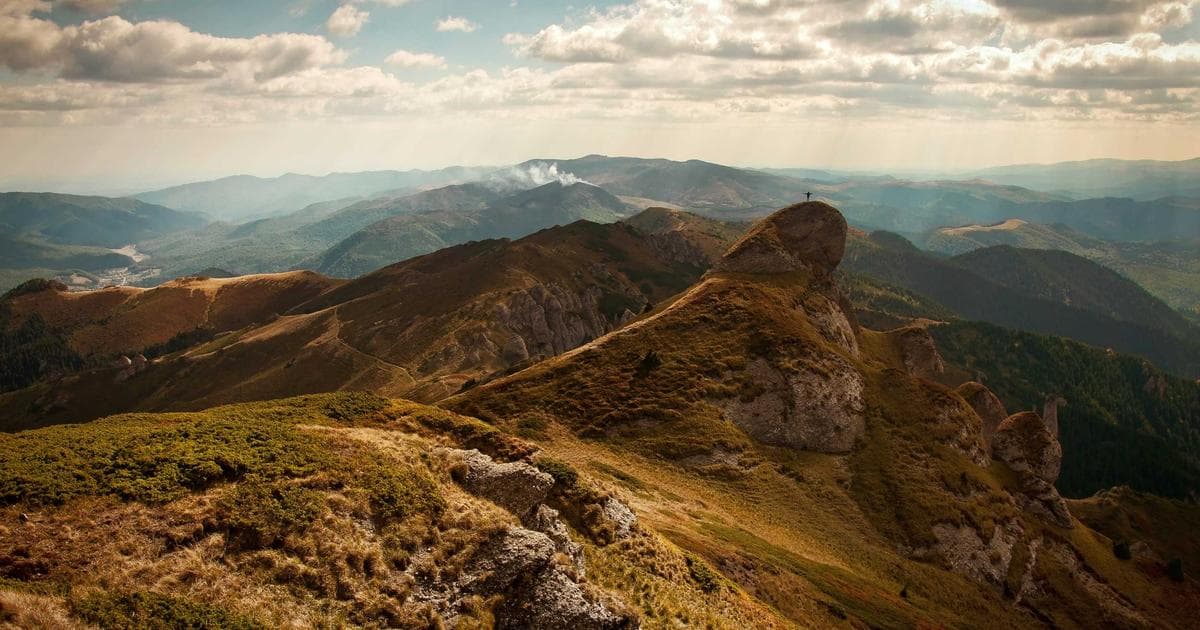
Stepping off a 3,000-meter cliff in the Dolomites, your wingsuit deploying as you catch the mountain's updrafts, transforming from falling into soaring—is there any sensation more primal than human flight? The Dolomites offer one of the world's most spectacular wingsuit flying playgrounds, where dramatic limestone peaks, deep valleys, and reliable thermal conditions create the perfect environment for the closest humans can come to true flight. After 500+ flights over these mountains and teaching countless students the art of wingsuit flying, I can tell you that the Dolomites don't just offer an adventure—they offer a complete transformation of how you experience the natural world. Welcome to the ultimate human flight experience.
Quick Facts at a Glance
- Location: Dolomites, Italy (Cortina d'Ampezzo base)
- Primary Launch Sites: 15+ approved exit points across the Dolomites
- Most Popular Jump: Cinque Torri (Five Towers) exit at 2,400 meters
- Flight Duration: 2-8 minutes (depending on conditions)
- Glide Ratio: 3:1 to 4:1 (travel 3-4 meters horizontally for every meter of descent)
- Flight Speed: 100-200 km/h (62-124 mph)
- Best Season: June-September (optimal conditions)
- Air Temperature: 5°C-20°C (41°F-68°F)
- Required Experience: 200+ BASE jumps, advanced wingsuit training
- Altitude Range: 2,000-3,000 meters (6,500-9,800 feet) above sea level
Why Experience Wingsuit Flying in the Dolomites?
The Dolomites' unique combination of dramatic verticality, reliable thermals, and stunning scenery creates the world's premier wingsuit flying destination. Unlike many other wingsuit locations, the Dolomites offer multiple launch sites with varying difficulty levels, allowing progression from intermediate to expert flights while experiencing some of Europe's most spectacular alpine scenery.
What Makes This Experience Extraordinary:
- Dramatic Geology: UNESCO World Heritage Site with iconic limestone formations
- Reliable Thermals: Consistent updrafts extend flight times dramatically
- Multiple Exit Options: 15+ launch sites with varying challenges
- Spectacular Views: Fly over dramatic peaks, deep valleys, and alpine lakes
- European Infrastructure: Excellent access, accommodation, and support services
- Professional Community: Strong Italian wingsuit flying community with safety culture
- Cultural Richness: Combine extreme adventure with Italian alpine culture
Understanding the Dolomites' Wingsuit Flying Regions
Cortina d'Ampezzo Region (Primary Hub)
Cortina serves as the main base for Dolomites wingsuit flying, offering access to multiple launch sites and excellent infrastructure. The region contains the most famous and accessible wingsuit flying locations in the Dolomites.
Key Launch Sites:
- Cinque Torri (Five Towers): Most popular launch at 2,400 meters
- Tofana di Mezzo: Technical exit with 2,500-meter launch
- Faloria: Intermediate launch at 2,100 meters
- Lagazuoi: Advanced technical exit with complex terrain
Val di Fassa Region (East Dolomites)
This region offers more remote and challenging launch sites with spectacular views over the Marmolada Glacier. The area is less crowded but requires more experience.
Key Characteristics:
- Higher Altitudes: Launches up to 3,000 meters
- More Remote: Fewer crowds, challenging access
- Glacier Views: Spectacular flights over Marmolada Glacier
- Technical Exits: Require advanced flying skills
Seceda Region (West Dolomites)
The Seceda region offers dramatic flying over some of the Dolomites' most photographed peaks. The area provides both intermediate and advanced launch sites.
Key Features:
- Iconic Peaks: Fly over the famous Seceda ridgeline
- Photographic Opportunities: Stunning aerial photography possibilities
- Varied Terrain: Mix of valleys and peaks
- Good Thermals: Reliable updrafts in summer months
Perfect 5-Day Wingsuit Flying Adventure Itinerary
Day 1: Arrival & Orientation
Arrive in Cortina d'Ampezzo and complete comprehensive safety briefing. Equipment inspection and familiarization with Dolomites launch sites. Review weather patterns and thermal conditions. Evening dinner with local wingsuit flying community and flight planning for the week.
Day 2: Intermediate Launches
Morning departure to Cinque Torri for first flights. Begin with intermediate launches to evaluate flying skills and adapt to Dolomites conditions. Focus on thermal reading and flight path planning. 3-4 flights with video analysis between jumps. Evening review of footage and technique refinement.
Day 3: Advanced Technical Exits
Progress to more technical launch sites (Tofana or Faloria). Focus on precision flying and terrain navigation. Practice thermal riding and extended flight times. 4-5 flights exploring different routes and approaches. Evening advanced flying techniques workshop.
Day 4: Cross-Country Flying
Extended cross-country flights utilizing Dolomites' thermals for maximum flight times. Navigate between peaks and valleys, exploring different flight paths. Possibility of 8+ minute flights with proper conditions. Evening celebration dinner and story sharing.
Day 5: Final Challenges & Departure
Morning flights focusing on favorite sites or new challenges. Final technical exits or cross-country flights depending on conditions. Comprehensive skills review and feedback. Equipment return and departure preparation.
Essential Wingsuit Flying Equipment
Provided by Flying Schools
- Wingsuits: Modern, properly fitted wingsuits (expert and technical options)
- Helmets: Full-face helmets with integrated communication systems
- Altimeters: Digital altimeters with visual and audio warnings
- GPS Trackers: Flight tracking and logging equipment
- Parachutes: High-performance reserve parachutes with appropriate canopy size
- Emergency Equipment: Oxygen systems, emergency beacons, first aid kits
Personal Equipment Requirements
- Boots: Lightweight, comfortable approach boots for mountain access
- Gloves: High-quality flight gloves for thermal protection
- Goggles/Sunglasses: Eye protection with UV protection
- Clothing: Layered system for variable alpine conditions
- Communication: Two-way radios for team coordination
- Action Camera: GoPro or similar for flight documentation
- Hydration: Water bottle or hydration system
Advanced Wingsuit Flying Techniques
Thermal Riding
The Dolomites' reliable thermals allow for extended flight times when properly utilized:
- Thermal Detection: Watch for birds, dust, and cloud formations
- Entry Technique: Bank gently into thermal core, maintain airspeed
- Center Maintenance: Make small adjustments to stay in strongest lift
- Exit Strategy: Plan exit before entering thermal to maintain momentum
Terrain Flying
Navigating close to terrain requires advanced skills:
- Line Selection: Choose flight paths that maximize lift and minimize risk
- Speed Management: Maintain appropriate airspeed for terrain proximity
- Visual References: Use terrain features for precise navigation
- Escape Routes: Always have multiple exit options in case of problems
Precision Flying
Technical launches and landings require precision:
- Exit Timing: Launch when thermals are strongest
- Flight Path Control: Precise inputs for desired trajectory
- Landing Setup: Final approach well before landing zone
- Flare Timing: Proper flare for soft, controlled landings
Safety Protocols & Emergency Procedures
Pre-Flight Safety Checklist
- Verify all equipment is in excellent condition
- Complete comprehensive weather and wind assessment
- Review exit point and landing zone details
- Confirm communication protocols with support team
- Check parachute deployment and reserve systems
- Verify GPS and tracking systems are operational
Weather Monitoring
- Wind Conditions: Launch only in acceptable wind ranges
- Thermal Forecasts: Understand thermal patterns for extended flights
- Storm Warnings: Never fly with approaching storms
- Visibility: Maintain visual contact with landing zones
- Temperature Awareness: Hypothermia risk at altitude
Emergency Procedures
- Canopy Failure: Immediate reserve deployment, maintain control
- Equipment Malfunction: Deploy reserve, activate emergency beacon
- In-Flight Emergency: Immediate landing if possible, deploy reserve
- Medical Emergency: Activate emergency beacon, guide team response
- Lost Pilot: GPS tracking, coordinated search protocols
Training & Experience Requirements
Experience Prerequisites
- Minimum 200 BASE jumps: Before attempting wingsuit flying
- Advanced Wingsuit Certification: From recognized training organization
- Excellent Parachute Control: Demonstrated in multiple jump scenarios
- Physical Fitness: High level of cardiovascular and muscular endurance
- Mental Preparation: Comfort with extreme exposure and decision-making
Physical Preparation
- Core Strength: For body position control and stability
- Upper Body: For maintaining wingsuit configuration
- Cardiovascular Endurance: For extended flights and mountain access
- Flexibility: For proper body position and movement
- Mental Training: Visualization and decision-making under stress
Progression Path
- Student Wingsuit: Beginning with basic, stable wingsuits
- Intermediate Wingsuit: Progressing to more advanced designs
- Advanced Wingsuit: High-performance suits with greater glide ratios
- Technical Wingsuit: Specialized suits for specific terrain types
- Expert Wingsuit: Customized suits for maximum performance
Costs & Budget Breakdown
Guided Wingsuit Flying Experience (5 Days)
- Training Package: €3,500-€5,000
- Includes: Professional instruction, equipment rental, mountain access, safety support
- Equipment Rental: €300-€500 (if not owning equipment)
- Accommodation: €100-€200 per night (Cortina area)
- Meals: €50-€100 per day
- Transportation: €50-€150 (within Dolomites region)
- Total Budget: €5,250-€7,850
Equipment Purchase (if buying)
- Wingsuit: €1,500-€3,000
- Parachute System: €2,000-€4,000
- Helmet & Altimeter: €400-€800
- Flight Suit & Accessories: €300-€600
- Total Investment: €4,200-€8,400
Additional Costs
- Travel Insurance: €100-€200 (must cover extreme sports)
- Flights: €100-€500 (to Venice or Innsbruck)
- Training Certifications: €500-€1,500 (if not already qualified)
- Photography Package: €200-€400 (professional flight documentation)
Photography & Filming Tips
Best Camera Angles
- Aerial Perspective: Follow shots from formation flying
- Ground Angles: Dramatic shots from valley floor or peaks
- Formation Flying: Multi-pilot formation shots for scale
- Terrain Interaction: Flying close to dramatic formations
- Sunset/Sunrise: Golden hour flights for spectacular lighting
GoPro Settings for Wingsuit Flying
- Resolution: 4K at 60fps for smooth action
- Frame Rate: Higher frame rates for slow-motion effects
- Mounting: Helmet mount for primary perspective, chest mount for backup
- Field of View: Wide for immersive experience
- Protune: Flat color profile for post-processing flexibility
Photography Tips
- Light: Early morning and late evening provide best conditions
- Formation: Multiple pilots in frame for dramatic effect
- Scale: Include terrain to show flight perspective
- Action: Capture launches, flying, and landings
- Technical Details: Close-ups of equipment and technique
Best Time to Visit
Peak Season (July-August)
Advantages:
- Most consistent thermal conditions
- Longest daylight hours (14-16 hours)
- Stable weather patterns
- Peak flying community activity
Disadvantages:
- Higher crowds at popular launch sites
- Increased competition for launches
- Higher accommodation costs
Shoulder Season (June, September)
Advantages:
- Good thermal conditions with fewer crowds
- More flexible scheduling
- Lower costs for accommodation
- Comfortable temperatures
Disadvantages:
- Shorter daylight hours
- Slightly less predictable weather
- Some sites may have reduced access
Off-Season (October-May)
Disadvantages:
- Limited thermal activity
- Cold conditions at altitude
- Snow and ice on launch sites
- Most operators closed
Environmental & Cultural Considerations
Leave No Trace
- Minimal Impact: Avoid disturbing wildlife and alpine vegetation
- No Littering: Remove all waste from launch and landing zones
- Respect Protected Areas: Stay within designated flying zones
- Wildlife Awareness: Avoid disturbing nesting birds or animals
Italian Alpine Culture
- Respect Local Communities: Be courteous to mountain communities
- Cultural Awareness: Learn about local alpine traditions
- Support Local Businesses: Use local guides, accommodations, and services
- Community Integration: Engage with local flying community
Future of Wingsuit Flying in the Dolomites
The Dolomites continue to evolve as a premier wingsuit flying destination, with ongoing infrastructure improvements, safety innovations, and sustainable development practices. The region's commitment to preserving natural environment while promoting extreme adventure creates a model for responsible wingsuit flying tourism.
Sustainability Initiatives
- Access Management: Controlled access to sensitive areas
- Environmental Impact Studies: Ongoing research on flight impacts
- Community Engagement: Working with local communities on shared goals
- Safety Innovation: Continuous improvement of safety protocols
Common Mistakes to Avoid
Equipment Errors
- Poorly Fitted Suits: Incorrect fit affects performance and safety
- Inadequate Reserve Parachutes: Insufficient reserve capacity
- Neglected Maintenance: Failing to maintain equipment properly
- Inappropriate Gear: Using unsuitable equipment for conditions
Judgment Errors
- Overestimating Skills: Attempting flights beyond ability level
- Ignoring Weather: Flying in marginal or dangerous conditions
- Poor Exit Selection: Choosing inappropriate launch sites
- Inadequate Planning: Insufficient preparation for flights
Physical Errors
- Poor Physical Condition: Insufficient fitness for demanding flights
- Fatigue Management: Flying when tired or exhausted
- Hydration: Failing to stay properly hydrated
- Cold Exposure: Inadequate protection for alpine conditions
Final Thoughts & Planning Tips
Why Wingsuit Flying in the Dolomites Changes You
Soaring over the dramatic peaks of the Dolomites, riding thermals like a bird, transforms your perspective on human potential and our relationship with the natural world. The combination of technical skill, physical challenge, and pure joy of flight creates an experience that fundamentally changes how you view adventure and possibility.
Best Planning Tips
- Book 6-12 Months in Advance: Peak season requires early booking
- Choose Experienced Instructors: Select certified professionals with Dolomites experience
- Prepare Extensively: Train physically and mentally before arrival
- Understand Conditions: Study Dolomites weather and thermal patterns
- Invest in Equipment: Quality equipment is essential for safety and performance
When to Book
Peak season (July-August) requires booking 8-12 months in advance for experienced instructors. Shoulder season may have availability 4-6 months ahead. Popular launch sites and instructors have limited capacity.
Making the Most of Your Experience
- Invest in Training: Proper preparation directly impacts safety and enjoyment
- Document Your Flights: Photos and videos create lasting memories
- Connect with Community: Learn from experienced pilots
- Respect the Environment: The Dolomites are a precious natural resource
- Stay Humble: Nature demands respect; never overestimate your abilities
Conclusion
Wingsuit flying in the Dolomites represents the pinnacle of human flight experiences. The combination of dramatic alpine scenery, reliable thermals, and world-class infrastructure creates an adventure destination that challenges and rewards wingsuit pilots of all abilities. Whether you're experiencing your first extended thermal flight or pushing the limits of advanced terrain navigation, the Dolomites offer wingsuit flying experiences found nowhere else on Earth.
As you plan your Dolomites wingsuit flying adventure, remember that proper preparation, professional guidance, and unwavering respect for both the mountains and the sport are essential. The peaks of the Dolomites await—ready to provide you with the closest humans can come to true flight.
The sensation of soaring over these ancient limestone formations, catching updrafts and extending your flight beyond what you thought possible, will stay with you forever. Wingsuit flying in the Dolomites isn't just an adventure—it's a transformation that changes how you experience the world.
Frequently Asked Questions
Pilots need a minimum of 200 BASE jumps before attempting wingsuit flying, plus an advanced wingsuit certification from a recognized training organization. Demonstrated parachute control across multiple jump scenarios, high cardiovascular fitness, and comfort with extreme exposure are also required. There is no tandem or beginner option for this sport.
A 5-day guided training package costs 3,500 to 5,000 euros including instruction, equipment rental, mountain access, and safety support. With accommodation at 100 to 200 euros per night, meals, and local transport, the total budget runs 5,250 to 7,850 euros. Buying your own complete setup costs 4,200 to 8,400 euros, and travel insurance covering extreme sports adds 100 to 200 euros.
June to September offers optimal conditions, with July and August delivering the most consistent thermals, the longest daylight hours of 14 to 16 hours, and stable weather. June and September have good thermals with fewer crowds and lower costs. From October to May, cold, snow, and limited thermal activity keep most operators closed.
Cortina d'Ampezzo is the main hub, with Cinque Torri at 2,400 meters as the most popular launch, plus Tofana di Mezzo at 2,500 meters, Faloria at 2,100 meters, and the technically demanding Lagazuoi. The Val di Fassa region offers remote launches up to 3,000 meters with Marmolada Glacier views, and the Seceda region covers the west Dolomites.
Typical flights last 2 to 8 minutes depending on conditions, at speeds of 100 to 200 km/h with a glide ratio of 3:1 to 4:1, meaning 3 to 4 meters of horizontal travel per meter of descent. The Dolomites' reliable summer thermals can extend cross-country flights beyond 8 minutes when ridden skillfully.
Peak season in July and August requires booking 8 to 12 months in advance for experienced instructors, since popular launch sites and instructors have limited capacity. Shoulder season may have availability 4 to 6 months ahead. The nearest airports are Venice and Innsbruck, with flights costing roughly 100 to 500 euros.
Adventure Knit Editorial
Destination research compiled and fact-checked by the Adventure Knit editorial team from published sources, operator itineraries, and official tourism boards. Spot something out of date? Tell us at hello@adventureknit.com.
Related Stories
 Switzerland
BASE Jumping Lauterbrunnen Switzerland: The Ultimate Freefall Guide
Expert guide to BASE jumping in Lauterbrunnen Valley, Switzerland. The world's most scenic BASE jumping destination with 200+ jump sites, professional tips, safety protocols, and equipment guide.
 Italy
ItalyWingsuit Flying Dolomites Italy: Soar Over UNESCO Peaks
Ultimate guide to wingsuit flying in the Dolomites, Italy. Experience flying over UNESCO World Heritage peaks with spectacular alpine views. Expert tips, locations, costs, and preparation for Europe's most thrilling aerial adventure.
 Italy
ItalyVia Ferrata Dolomites Italy: Ultimate Iron Path Adventure Guide
Complete guide to via ferrata climbing in the Italian Dolomites. Experience the iron paths of the Alps with expert tips, equipment lists, route descriptions, and safety protocols.
Enjoyed this article?
Explore more stories from our adventures around the world