
Canyoneering Utah: The Ultimate Slot Canyon Adventure Guide
Categories
Tags
Canyoneering Utah: The Ultimate Slot Canyon Adventure Guide
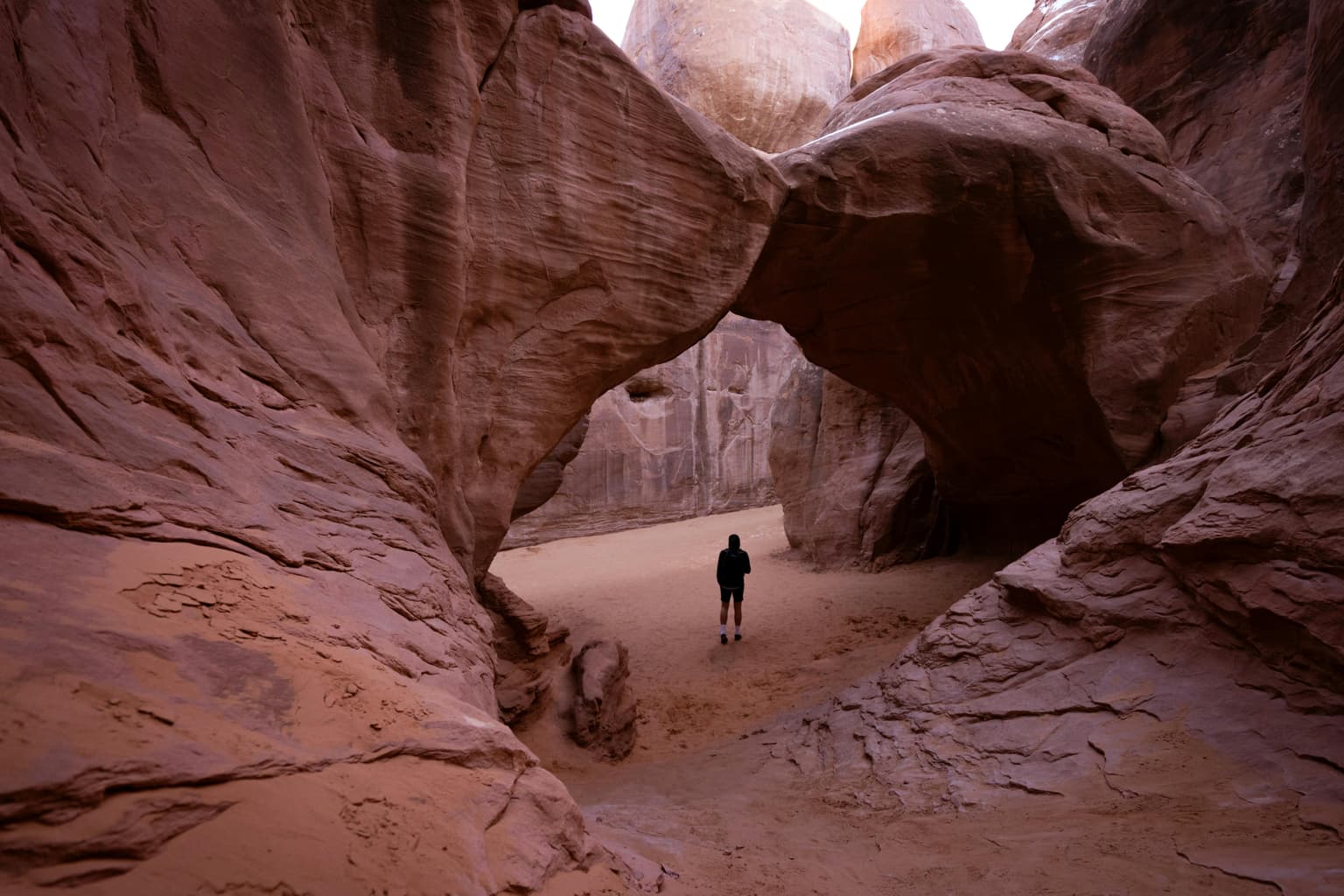
Standing at the rim of The Narrows in Zion National Park, peering down into a canyon so narrow you can touch both walls simultaneously, you realize this isn't just hiking—it's an adventure that combines rappelling, swimming, scrambling, and problem-solving through some of Earth's most dramatic geological formations. Utah's slot canyons, carved over millions of years by water and time, offer canyoneering experiences found nowhere else on the planet.
Quick Facts at a Glance
- Location: Zion National Park, Grand Staircase-Escalante, Canyonlands
- Most Popular Canyon: The Narrows (Zion) - 16 miles of slot canyon
- Canyon Types: Technical (rappelling required) vs. Non-technical
- Difficulty Range: Easy (hiking) to Extreme (multi-stage rappels, pothole escapes)
- Best Season: Spring (April-May) and Fall (September-October)
- Water Temperature: 40°F-60°F (4°C-16°C) year-round
- Average Descent Time: 4-12 hours depending on canyon length and difficulty
- Maximum Rappel: 500+ feet (152 meters) in extreme canyons
- Required Skills: Basic (non-technical) to Advanced (technical rescue)
- Equipment Weight: 15-35 pounds (7-16 kg) depending on canyon
Why Experience Canyoneering in Utah?
Utah possesses the world's highest concentration of slot canyons, creating a canyoneering paradise that attracts adventurers from across the globe. The unique combination of Navajo sandstone, monsoon rains, and geological time has produced narrow, winding canyons with dramatic lighting, sculpted walls, and challenging technical obstacles that define the ultimate canyoneering experience.
What Makes Utah Canyoneering Extraordinary:
- Narrows Cathedral: Experience canyons so tight you must remove your backpack
- Light Phenomena: Spectacular light beams penetrating narrow canyon openings
- Technical Challenges: Rappels, downclimbs, swimming, and pothole escapes
- Geological Wonders: Ancient rock formations dating back 200+ million years
- Hidden Waterfalls: Discover waterfalls and pools hidden within slot canyons
- Remote Wilderness: Access areas seen by fewer than 1% of park visitors
- Diverse Canyon Types: From technical rappels to scenic hiking narrows
Understanding Utah's Canyon Regions
Zion National Park: The Crown Jewel
Zion contains Utah's most famous and accessible canyoneering routes. The park offers everything from the world-renowned Narrows hike to technical descents like Heaps Canyon and the Subway.
Key Canyons:
- The Narrows: 16 miles, non-technical, river hiking
- The Subway: Top-down route, 9 miles, multiple rappels up to 40 feet
- Heaps Canyon: Extreme technical descent, 6-8 hours, multiple 100+ foot rappels
- Keyhole Canyon: Beginner-friendly technical canyon, 2-3 hours
Grand Staircase-Escalante: The Secret Canyon Capital
This remote region contains hundreds of slot canyons, many of which have only been explored in recent decades. The area offers pristine canyons with minimal crowds and exceptional beauty.
Key Canyons:
- Coyote Gulch: Semi-technical, excellent for beginners
- Bull Valley Gorge: Technical descent with spectacular arches
- Zebra & Tunnel Slot: Short but stunning narrows
- Egypt 3: Technical descent with unique rock formations
Canyonlands National Park: The Maze District
The most remote and challenging canyoneering region in Utah, The Maze contains extensive canyon systems requiring extensive planning and self-sufficiency.
Key Canyons:
- The Fins: Technical descent through dramatic rock formations
- The Chocolate Drops: Complex canyon system with multiple routes
- Water Canyon: Remote desert canyon with challenging navigation
Perfect 2-Day Canyoneering Adventure Itinerary
Day 1: The Subway (Zion)
Early Morning: Arrive at Zion Canyon Visitor Center for permit verification (permits required for Subway). Equipment check and final safety briefing at 6:00 AM. Begin approach hike to left fork trailhead (3 miles).
Late Morning: Enter the Subway canyon system. First rappel (25 feet) into canyon proper. Navigate through stunning rock formations and cascades. Complete technical section with multiple rappels and downclimings.
Afternoon: Continue through the narrows to the famous Subway formation with its tubular rock feature and waterfall. Swim through cold pools and scramble over obstacles. Exit canyon at trailhead (4-mile exit hike). Return to Springdale for equipment maintenance and rest.
Day 2: Echo Canyon (Zion)
Morning: Equipment check and approach to Echo Canyon via Observation Point (3.5 miles). Enter narrow slot canyon immediately. Technical descent with multiple rappels up to 90 feet.
Afternoon: Navigate through dramatic canyon sections with exposed scrambles and stunning narrows. Exit via Weeping Rock trail. Comprehensive debriefing and canyoneering skills review. Departure or continuation to additional canyons.
Essential Canyoneering Equipment
Technical Equipment
- Rope: 60-70m static rope (low stretch) for rappelling
- Harness: Canyoneering-specific harness with gear loops
- Descenders: Figure 8 or auto-locking descender
- Webbing & Carabiners: 20-30 feet of webbing, multiple locking carabiners
- Rappel Gloves: Leather gloves for rope handling
- Canyoneering Shoes: Sticky rubber approach shoes with excellent grip
Water Equipment
- Wetsuit: 5mm full wetsuit (essential for cold canyon water)
- Dry Bag: Waterproof bag for keeping gear dry
- Water Shoes: Neoprene boots for cold water
- Pack: Canyoneering-specific pack with drain holes
- Hydration System: CamelBak or similar for water storage
Safety & Navigation
- Helmet: Certified climbing helmet for rockfall protection
- First Aid Kit: Comprehensive wilderness first aid supplies
- Navigation: Map, compass, GPS backup
- Communication: Satellite phone or PLB for emergency contact
- Emergency Kit: Flashlight, whistle, emergency blanket
Technical Skills Required
Rappelling
- Basic Rappel: Controlled descent using figure 8 or mechanical descender
- Extended Rappel: Techniques for rappelling with packs through narrow passages
- Anchor Assessment: Ability to evaluate natural anchors (logs, rocks, webbing)
- Rappel Backup: Safety techniques for emergency situations
Water Skills
- Swimming: Comfortable swimming in cold water with wetsuit
- Pothole Escaping: Techniques for exiting water-filled potholes
- Water Currents: Understanding and managing swift water in canyons
- Cold Water Management: Strategies for hypothermia prevention
Canyon Navigation
- Route Finding: Ability to follow canyon routes and identify exit points
- Scrambling: Technical scrambling over obstacles without ropes
- Downclimbing: Controlled descent without full rappels
- Slot Passage: Techniques for navigating extremely narrow canyon sections
Safety Protocols & Emergency Procedures
Pre-Canyon Safety Checklist
- Verify canyon conditions and recent weather (flash flood potential)
- Check all equipment for wear and damage
- Complete thorough gear inspection
- Review rappel and anchor techniques
- Establish emergency communication plan
- Inform someone of your canyon plans and expected return
Flash Flood Safety
- Weather Monitoring: Check forecasts before entering canyon
- Exit Strategy: Know the quickest exit route from canyon
- High Ground: Immediately move to high ground during rain
- Never Enter: Canyon if rain is forecast upstream
- Emergency Signals: Know distress signals for canyon rescue
Emergency Procedures
- Rope Entanglement: Use backup rope or ascending techniques
- Equipment Failure: Implement redundant systems, retreat if necessary
- Injury: Stabilize patient, activate emergency beacon, await rescue
- Lost Party: Return to last known position, establish communication
- Flash Flood: Move to highest ground immediately
Costs & Budget Breakdown
Guided Canyoneering Experience (2 Days)
- Guide Services: $600-$1,200 per day
- Includes: Professional guide, group equipment, permits
- Equipment Rental: $100-$200 (if needed)
- National Park Fees: $35 entrance fee (7-day pass)
- Canyon Permits: $5-$20 (for technical canyons)
- Accommodation: $100-$200 per night (Springdale area)
- Food & Supplies: $50-$100 per day
- Total Budget: $1,790-$2,920
Independent Canyoneering (2 Days)
- Park Fees: $35 entrance fee
- Canyon Permits: $10-$40 (multiple canyons)
- Food & Supplies: $100-$150
- Gas & Transportation: $100-$200
- Total Budget: $245-$425 (excluding equipment investment)
Equipment Purchase (if needed)
- Complete Setup: $1,500-$3,000
- Rope: $300-$500
- Harness: $100-$200
- Descenders & Hardware: $200-$400
- Wetsuit: $200-$400
- Pack & Accessories: $200-$400
- Miscellaneous: $500-$800
Photography & Filming Tips
Best Canyon Photography Opportunities
- Narrow Canyon Sections: Dramatic lighting through slot openings
- Rappel Action Shots: Capture descending through canyon narrows
- Water Features: Waterfalls, pools, and reflections in canyon walls
- Light Beams: Spectacular light shafts penetrating narrow openings
- Geological Details: Rock formations, sculpted walls, and textures
Camera Settings for Canyon Photography
- Aperture: f/8-f/16 for depth of field in narrow canyons
- Shutter Speed: 1/125-1/250 for action, 1-10 seconds for waterfalls
- ISO: 100-400 for most canyon conditions
- White Balance: Auto or cloudy for balanced color temperature
- Focus: Manual focus for precise control in low light
GoPro Settings for Canyoneering
- Resolution: 4K at 30fps for general footage
- Frame Rate: 60fps for smooth motion during rappels
- Field of View: Medium for balanced perspective
- Protune: Flat color profile for post-processing
- Mounting: Chest harness for rappel footage, head mount for POV
Best Time to Visit
Peak Season (April-May, September-October)
Advantages:
- Ideal water temperature levels
- Lower flash flood risk
- Comfortable hiking temperatures
- Excellent canyon conditions
Disadvantages:
- Higher crowds at popular canyons
- Permit requirements stricter
- Higher accommodation costs
Summer Season (June-August)
Advantages:
- Longest daylight hours
- Warmest canyon water temperatures
Disadvantages:
- Extreme heat in canyon approaches
- Highest flash flood risk
- Crowds at popular canyons
- Possible afternoon thunderstorms
Winter Season (November-March)
Advantages:
- Fewer crowds at popular canyons
- Unique ice formations
- Lower costs
Disadvantages:
- Extreme cold conditions
- Snow and ice in canyons
- Short daylight hours
- Limited canyon access
Environmental Responsibility
Utah's slot canyons are fragile ecosystems that must be protected:
- Leave No Trace: Remove all waste, including human waste (WAG bags)
- Respect Rock Art: Do not touch or disturb ancient petroglyphs
- Minimize Impact: Stay on established routes to prevent erosion
- Protect Wildlife: Observe canyon wildlife from a distance
- Leave What You Find: Don't take rocks, fossils, or artifacts
- Proper Waste Disposal: Pack out all human waste
Future of Canyoneering in Utah
The growing popularity of canyoneering has led to increased environmental impact and safety concerns. Park services are implementing stricter permit systems, access restrictions, and conservation measures. Responsible canyoneers play a crucial role in protecting these fragile ecosystems for future generations.
Final Thoughts & Planning Tips
Why Canyoneering in Utah Changes You
Descending into a slot canyon is like entering another world. The silence, the dramatic light, the feeling of being deep within the Earth—all combine to create an experience that is both humbling and exhilarating. The technical challenges, physical demands, and emotional rewards transform you in ways that only extreme adventure can.
Best Planning Tips
- Obtain Permits Early: Technical canyons require advance reservation
- Choose Appropriate Canyons: Match your skills to canyon difficulty
- Hire a Guide: For your first technical canyon descent
- Monitor Weather: Flash flood awareness is essential
- Prepare Physically: Canyoneering is physically demanding
- Respect the Environment: These canyons are fragile treasures
When to Book
Permits for popular technical canyons should be secured 3-6 months in advance. Non-technical canyon permits may be available with shorter notice. Guided trips should be booked 4-8 weeks ahead for peak season.
Making the Most of Your Experience
- Invest in quality equipment—safety and comfort depend on it
- Learn technical skills before attempting advanced canyons
- Bring appropriate clothing for changing conditions
- Document your canyoneering adventures with photos and journals
- Connect with the local canyoneering community for insights and tips
- Always prioritize safety over reaching any objective
Conclusion
Canyoneering in Utah offers one of the most complete adventure experiences available—combining technical skills, natural beauty, physical challenge, and the unique satisfaction of navigating through Earth's dramatic geological formations. Whether you're experiencing the world-famous Narrows for the first time or pushing your limits in extreme technical descents, Utah's slot canyons provide adventure opportunities that create lifelong memories.
The combination of stunning red rock cathedrals, challenging technical obstacles, and the pristine wilderness of canyon environments makes Utah the world's premier canyoneering destination. As you plan your canyoneering adventure, remember that these slot canyons are fragile treasures requiring respect, preparation, and responsible stewardship. The red rock canyons of Utah await—descend into adventure.
Adventure Knit Editorial
Destination research compiled and fact-checked by the Adventure Knit editorial team from published sources, operator itineraries, and official tourism boards. Spot something out of date? Tell us at hello@adventureknit.com.
Related Stories
 United States
Canyoneering Zion National Park: The Complete Slot Canyon Guide
Ultimate guide to canyoneering in Zion National Park, Utah. Explore world-famous slot canyons like The Narrows, The Subway, and Orderville Canyon. Expert tips, gear requirements, permits, and safety protocols.
 United States
Canyoneering Zion National Park USA: Ultimate Slot Canyon Adventure
Experience the thrill of canyoneering through Zion National Park's spectacular slot canyons - The Narrows, The Subway, and more in Utah's red rock paradise
 United States
Big Wall Climbing Yosemite: The Ultimate El Capitan Climbing Guide
Expert guide to big wall climbing in Yosemite National Park. Scale El Capitan, Half Dome, and iconic granite walls with professional climbing tips, safety protocols, and equipment guide.
Enjoyed this article?
Explore more stories from our adventures around the world