

Canyoneering Zion National Park: The Complete Slot Canyon Guide
Categories
Tags
Canyoneering Zion National Park: The Complete Slot Canyon Guide
There's nothing quite like the sensation of squeezing through a sandstone slot canyon so narrow you can touch both walls at once, while crystal-clear water rushes at your feet and sunlight creates a magical display of colors above you. Canyoneering in Zion National Park isn't just an activity—it's a transformative journey through some of Earth's most spectacular geological formations. After 15 years guiding adventurers through Zion's intricate canyon systems and descending over 500 different canyons across Utah, I'm still awestruck by every descent. Zion is the undisputed canyoneering capital of North America, offering an unparalleled variety of slot canyons that range from beginner-friendly walks to technical multi-rope adventures that challenge even the most experienced canyoneers.
Quick Facts at a Glance
- Location: Zion National Park, Utah, USA
- Elevation Range: 4,100-8,726 feet (1,250-2,660 meters)
- Canyon Types: Technical (rope required), Semi-technical (minimal rope), Non-technical (hiking)
- Number of Canyons: 80+ documented canyons
- Most Popular: The Narrows (hiking), The Subway (technical), Orderville Canyon (semi-technical)
- Peak Season: April-May and September-October (best weather and water levels)
- Permits Required: Yes for many canyons (advance booking essential)
- Group Size Limit: 12 people maximum
- Average Cost: $30 park entrance + $5-15 permit fees + gear rental $50-100/day
- Difficulty: Easy to Extreme (depending on canyon chosen)
Why Go Canyoneering in Zion?
Zion National Park possesses the highest concentration of slot canyons on the planet, carved over millions of years by the Virgin River and its tributaries. The unique sandstone formations create narrow, winding passages that offer otherworldly experiences unlike anywhere else. From the world-renowned Zion Narrows—where you hike through the canyon floor with water flowing at your feet—to the technical Subway route requiring rappels and swims, Zion offers canyoneering experiences for every skill level. What makes Zion truly special is the combination of dramatic red rock scenery, challenging terrain, and the sheer variety of canyoneering options available within one park.
What Makes Zion's Canyoneering Extraordinary:
- World-Class Slot Canyons: Narrow, winding passages with stunning geological formations
- Varied Difficulty Levels: From easy slot canyon hikes to extreme technical descents
- Spectacular Scenery: Red sandstone walls, arches, waterfalls, and unique rock formations
- Water Adventures: Many canyons include swimming, wading, and waterfall rappels
- Year-Round Accessibility: Different canyons accessible in different seasons
Understanding Zion's Canyon Types
Technical Canyons (Rappelling Required)
These canyons require specialized equipment including ropes, harnesses, rappelling devices, and often wetsuits. Examples include The Subway, Mystery Canyon, and Keyhole Canyon. These are true canyoneering adventures with rappels ranging from 10-300 feet (3-90 meters). Previous canyoneering experience or hiring a guide is strongly recommended.
Semi-Technical Canyons
These canyons may require minimal rope work or handlines but are generally more accessible to adventurous hikers. Orderville Canyon and parts of the Virgin River Narrows fall into this category. Good swimming ability and comfort in water are essential.
Non-Technical Canyons
These are hiking routes through canyon systems that don't require rappelling equipment. The Zion Narrows bottom-up hike is the most famous example. However, these still require proper preparation, especially regarding water levels and weather conditions.
Perfect 3-Day Zion Canyoneering Adventure Itinerary
Day 1: The Narrows Bottom-Up (Non-Technical Classic)
Experience Level: Beginner to Intermediate Duration: 4-8 hours (depends on distance) Water: Chest-deep at deepest points
The Zion Narrows is the crown jewel of Zion canyoneering—a 16-mile (26 km) journey through the Virgin River's slot canyon. The bottom-up approach from Temple of Sinawava is accessible to most fit hikers and doesn't require a permit for day use (overnight backpacking permits required for through-hikes).
Morning: Start early (7-8 AM) at Temple of Sinawava. The first mile is a paved riverside trail before entering the river. Prepare to get wet immediately—this is a water hike! The river flows through a stunning canyon that gradually narrows, with walls soaring 2,000 feet (610 meters) above you.
Mid-Morning: Navigate through the initial sections, enjoying the ever-changing scenery. Water depth varies from ankle-deep to chest-deep, with the current being your main challenge. Use a trekking pole for stability and consider renting a dry suit or dry pants from the visitor center, especially in spring when water is cold (45-50°F / 7-10°C).
Noon: Stop at Orderville Canyon junction for lunch. Many hikers turn around at this point (4 miles / 6.4 km roundtrip). If you're more experienced, continue upstream to explore Wall Street—the most spectacular section with 1,000-foot (305 m) vertical walls.
Afternoon: Explore Wall Street section, the highlight of the Narrows. The canyon narrows dramatically here, creating an unforgettable experience of hiking through what feels like the Earth's crust. Photographs capture the shafts of sunlight illuminating the red sandstone walls.
Return: Hike back downstream. Going with the current is easier but still challenging on slippery rocks. Allow 3-4 hours for return trip. Total distance: 8-16 miles (13-26 km) depending on turnaround point.
Day 2: The Subway Top-Down (Technical Adventure)
Experience Level: Advanced Duration: 6-9 hours Permit Required: Yes (highly competitive)
The Subway is Zion's most famous technical canyon, named for its tunnel-like shape carved by Left Fork North Creek. This challenging route requires rappels, scrambling, swimming, and route-finding skills.
Morning (5 AM Start): Drive to the trailhead (requires high-clearance vehicle, road may be rough). The adventure begins with a hike through pine forests before descending into the canyon. First rappel (15 feet / 4.5 meters) is a warm-up for what's to come.
Mid-Morning: Navigate through technical sections including the famous "waterfall rappel" (30 feet / 9 meters) where you descend a cascade directly into a pool. This is where the canyon earns its reputation—be prepared to get wet! Wetsuit required most of the year.
Noon: Reach "The Subway" section—a spectacular tubular tunnel of smooth sandstone with water flowing through it. This is the photographic highlight of the entire canyon. The light filtering through creates an almost supernatural atmosphere. Take time to explore and photograph this unique formation.
Afternoon: Continue through several more rappels (up to 50 feet / 15 meters) and scrambling sections. Route-finding becomes essential here—look for cairns marking the path. The canyon continues to reveal stunning formations including potholes and water-carved arches.
Final Descent: The last mile involves a steep uphill climb out of the canyon back to the trailhead. This is physically demanding but rewarding. Total descent: 1,500 feet (457 meters) over the route.
Important: The Subway requires permits that must be reserved months in advance (up to 3 months ahead for popular dates). Consider hiring a guide if this is your first technical canyon.
Day 3: Orderville Canyon (Semi-Technical Adventure)
Experience Level: Intermediate Duration: 4-6 hours Permit Required: No (for day use)
Orderville Canyon is the perfect middle ground between the Narrows and The Subway—a semi-technical slot canyon that offers spectacular scenery without the difficulty of The Subway or the water volume of the Narrows.
Morning: Start at the top of Orderville Canyon (trailhead requires 4WD). The canyon begins as a wide wash that gradually narrows. As you descend, the canyon walls start closing in, creating dramatic slot formations.
Mid-Morning: Enter the first slot section—a narrow passage where you can touch both walls simultaneously. This is what slot canyoneering is all about! The canyon features beautiful sculpted sandstone formations and small waterfalls.
Noon: Reach the confluence with the Virgin River (Narrows). This is where Orderville Canyon joins the main Narrows system. Many hikers stop here for lunch and explore the narrow slot entrance.
Afternoon: Continue downstream into the Narrows for a mile or two to experience both canyons. This gives you the best of both worlds—intimate slot canyons and the grand Narrows scenery. Exit via the Riverside Walk trail back to Temple of Sinawava.
Return: Hike back to your car at the Orderville Canyon trailhead. Total distance: 8-10 miles (13-16 km) depending on Narrows exploration.
Zion's Top 10 Canyoneering Routes
1. The Narrows (Bottom-Up)
Difficulty: Easy-Moderate Features: Iconic river hike, spectacular scenery, accessible Best for: First-time Zion visitors, photographers Water Level: Check at visitor center
2. The Subway (Top-Down)
Difficulty: Advanced Features: Technical rappels, unique tunnel formation, swimming Best for: Experienced canyoneers, adventure seekers Permit: Required (highly competitive)
3. Orderville Canyon
Difficulty: Moderate Features: Slot canyon narrows, less crowded than Narrows Best for: Intermediate hikers, those wanting slot experience without technical skills Permit: Not required
4. Mystery Canyon
Difficulty: Advanced Features: Technical rappels, secluded, stunning scenery Best for: Experienced canyoneers seeking adventure Permit: Required
5. Keyhole Canyon
Difficulty: Moderate Features: Short canyon, technical rappels, potholes Best for: Those wanting a taste of technical canyoneering Permit: Required
6. Spry Canyon
Difficulty: Advanced Features: Long rappels, technical, remote Best for: Experienced canyoneers, long expeditions Permit: Required
7. Echo Canyon
Difficulty: Advanced Features: Narrow slots, challenging, technical Best for: Expert canyoneers Permit: Required
8. Parunuweap Canyon
Difficulty: Moderate Features: Remote, beautiful canyon, variety of terrain Best for: Those seeking solitude and adventure Permit: Not required
9. Willow Canyon
Difficulty: Advanced Features: Technical, remote, stunning formations Best for: Experienced canyoneers Permit: Required
10. Pine Creek Canyon
Difficulty: Intermediate Features: Easy access, technical but manageable, beautiful Best for: Those wanting technical experience without extreme difficulty Permit: Required
Essential Canyoneering Gear for Zion
Required for Technical Canyons
Rope System: Static rope (7.5-8mm minimum, 200-300 feet depending on canyon), rope bag, rope protector. Dynamic ropes are not suitable for canyoneering.
Harness & Hardware: Canyoneering-specific harness with dedicated gear loops, rappel device (ATC, figure 8, or canyoneering device), locking carabiners (3-4 minimum), webbing (20 feet), quicklinks.
Clothing: Wetsuit or drysuit (most canyons), fleece layer, synthetic base layer, hat for sun protection, gloves (optional but helpful). Avoid cotton!
Footwear: Canyoneering shoes or sturdy hiking boots with aggressive tread. No sandals! Water shoes with good traction work for non-technical routes.
Safety & Communication: First aid kit, whistle, headlamp with extra batteries, emergency bivy/space blanket, GPS or maps, satellite communicator (recommended for remote canyons).
Backpack: Canyoneering-specific pack with drainage holes, 25-35 liters capacity. Waterproof or waterproof bag for dry gear.
Navigation: Topographic maps, compass, GPS with waypoints, canyon guidebook.
Required for Non-Technical Canyons (The Narrows)
Trekking Pole(s): Essential for stability in river, test depth, and maintain balance. Adjustable poles preferred.
Footwear: Neoprene socks or canyoneering shoes, or sturdy hiking boots. No sandals!
Waterproof Gear: Dry bag for electronics, dry pants (or dry suit in cold weather), camera protection.
Clothing: Quick-dry synthetic clothing, layers for temperature changes, hat, sunglasses with strap.
Hydration & Nutrition: Water bladder (2-3 liters minimum), electrolytes, high-energy snacks, lunch.
Zion Weather & Seasonal Guide
Spring (March-May)
Conditions: Water levels can be high from snowmelt, water is cold (40-50°F / 4-10°C), variable weather. Best For: The Narrows (check conditions), Orderville Canyon. Avoid high water canyons. Gear Needed: Wetsuit or dry suit required for most canyons.
Summer (June-August)
Conditions: Hot (90-100°F / 32-38°C), thunderstorms possible, flash flood danger. Water levels lower but still cold at higher elevations. Best For: Most canyons, early morning starts recommended. Gear Needed: Sun protection, quick-dry clothing. Wetsuit optional but recommended for technical canyons.
Fall (September-October)
Conditions: Ideal temperatures (70-85°F / 21-29°C), stable weather, water levels moderate. This is prime canyoneering season! Best For: All canyons, especially technical routes. Gear Needed: Wetsuit recommended, standard canyoneering gear.
Winter (November-February)
Conditions: Cold (30-50°F / -1-10°C), potential ice and snow, some canyons inaccessible. Water very cold. Best For: Lower elevation canyons, experienced winter canyoneers only. Gear Needed: Dry suit recommended, cold weather gear, ice axe/crampons may be needed.
Canyoneering Safety & Best Practices
Flash Flood Safety (CRITICAL!)
Flash floods are the #1 danger in Zion canyons. NEVER enter a canyon if storms are forecast.
Warning Signs: Dark clouds, distant thunder, rising water, debris in water, change in water clarity (becoming muddy).
What to Do: IMMEDIATELY exit the canyon to high ground. Do not try to outrun water. Know emergency exit routes before entering any canyon.
Check Weather: Check weather forecast at visitor center and online before every canyon trip. Monitor weather during your trip.
Water Safety
Cold Water: Hypothermia is a serious risk. Wear appropriate thermal protection. Know your limits.
Swimming Ability: Be comfortable swimming in cold water with a backpack. Practice before your trip.
Water Levels: Check current water levels at visitor center. High water makes canyons dangerous and may require cancellation.
Rappelling Safety
Anchor Inspection: Always inspect anchors before use. Look for wear, proper placement, redundancy.
Backup Systems: Use safety lines on long or difficult rappels. Know how to rescue yourself if stuck.
Communication: Establish clear signals with your group. Know how to communicate over waterfalls and distance.
Group Dynamics
Group Size: Keep groups to 6 or fewer for optimal safety and experience.
Skills Matching: Ensure all group members have appropriate skills for the canyon difficulty.
Pacing: Don't rush. Technical canyons require time and attention to safety.
Zion Canyon Permits & Regulations
Permits Required (as of)
The Subway: Limited to 80 people per day. Reservations open 3 months in advance online. Extremely competitive.
Mystery Canyon: Limited to 12 people per day. Reserve 1 month in advance.
Keyhole Canyon: Limited to 50 people per day. Reserve 1 month in advance.
Overnight Backcountry: Required for overnight trips including Narrows through-hike.
Zion Canyon Regulations
Group Size Limit: 12 people maximum per party (including guides)
Leave No Trace: Pack out all trash, use human waste disposal kits, stay on trails/canyon bottom
No Drone Use: Drones prohibited in all national parks
Wildlife Protection: Observe animals from distance, never feed wildlife
Rock Art Protection: Do not touch or photograph rock art (petroglyphs/pictographs)
Photography Tips: Capturing Zion's Canyons
Best Photo Locations
The Narrows: Wall Street section (narrowest part), Temple of Sinawava entrance, Orderville Canyon junction
The Subway: The tunnel section, waterfalls, pothole formations
Orderville Canyon: Narrow slot sections, light shafts, water reflections
Equipment
Camera: Waterproof camera or protective housing recommended. DSLR/mirrorless with weather sealing ideal.
Lenses: Wide-angle (16-35mm) for canyon interiors, telephoto (70-200mm) for distant views
Tripod: Lightweight carbon fiber, waterproof. Essential for long exposures in canyons.
Best Times for Photography
Light: Early morning (7-9 AM) and late afternoon (4-6 PM) provide dramatic light angles
Water Flow: Lower water levels in fall provide clearer photos of canyon features
Weather: Overcast days provide even lighting in canyons, avoid harsh shadows
Budget Breakdown: Zion Canyoneering Adventure
3-Day Adventure Package
Park Entrance: $35 per vehicle (7-day pass) or $80 annual pass
Permits: $5-15 per permit (varies by canyon)
Gear Rental: $50-100 per day for full canyoneering kit (rope, harness, wetsuit, etc.)
Guide Services: $200-400 per day (highly recommended for first-time technical canyons)
Accommodations: $100-300 per night (camping $20-30, hotels $100-300)
Food: $30-50 per day
Transportation: Car rental + gas (if flying in)
Total Estimated: $500-1,200 per person for 3-day adventure (without guide), $1,100-2,500 with guide
Money-Saving Tips
- Annual park pass if visiting multiple national parks
- Bring your own gear if you have it
- Camp instead of hotel
- Cook your own meals
- Visit during shoulder season (April/May or September/October)
- Join group tours to split costs
Final Thoughts & Planning Tips
Canyoneering in Zion National Park offers some of the most spectacular slot canyon experiences on Earth. Whether you're wading through the iconic Narrows, rappelling through The Subway's tunnel-like formation, or squeezing through Orderville Canyon's narrows, Zion's canyons provide adventures you'll remember forever.
Why Zion Changes You: The combination of physical challenge, geological wonder, and sheer beauty creates transformative experiences. You'll see Earth's power and artistry in ways that few people ever do.
Best Planning Tips:
- Book Permits Early: Technical canyon permits sell out months in advance, especially for weekends and peak seasons.
- Check Weather Daily: Flash flood danger is real. Monitor weather before and during your trip.
- Start Early: Most canyons take 4-8 hours. Begin at sunrise to avoid afternoon thunderstorms and crowds.
- Hire a Guide: For technical canyons, especially The Subway, a guide is invaluable for safety and to maximize experience.
- Respect the Environment: Practice Leave No Trace principles. Zion's canyons are fragile ecosystems.
- Know Your Limits: Choose canyons appropriate for your skill and experience level. Progress gradually.
- Emergency Planning: Know emergency exit routes, carry communication devices, tell someone your itinerary.
When to Book: 3 months in advance for The Subway, 1 month for other technical canyons. Accommodations and guides should be booked 2-3 months ahead for peak season.
Making the Most of Your Experience: Take time to appreciate the geology, stop and listen to the canyon's acoustics, and embrace the challenge. Canyoneering is as much about the journey as the destination.
Conclusion
Canyoneering in Zion National Park represents the ultimate adventure for those seeking to explore Earth's most spectacular geological formations. From the world-famous Narrows to the technical Subway route, Zion offers canyoneering experiences unmatched anywhere else on the planet. With proper preparation, respect for the environment, and a spirit of adventure, you'll discover why Zion's slot canyons are considered the crown jewels of American canyoneering. The memories and photographs from your Zion canyoneering adventure will last a lifetime—but the experience will change you forever.
Ready to start your Zion canyoneering adventure? Check permit availability at recreation.gov, gear up at a local outfitter, and prepare for the experience of a lifetime. The slot canyons of Zion are waiting.
Adventure Knit Editorial
Destination research compiled and fact-checked by the Adventure Knit editorial team from published sources, operator itineraries, and official tourism boards. Spot something out of date? Tell us at hello@adventureknit.com.
Related Stories
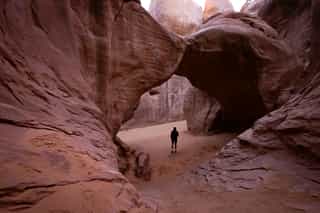 United States
Canyoneering Utah: The Ultimate Slot Canyon Adventure Guide
Expert guide to extreme canyoneering in Utah's Zion National Park and beyond. Rappel through narrow slot canyons, technical descents, and hidden waterfalls with professional tips and safety protocols.
 United States
Canyoneering Zion National Park USA: Ultimate Slot Canyon Adventure
Experience the thrill of canyoneering through Zion National Park's spectacular slot canyons - The Narrows, The Subway, and more in Utah's red rock paradise
 United States
Big Wall Climbing Yosemite: The Ultimate El Capitan Climbing Guide
Expert guide to big wall climbing in Yosemite National Park. Scale El Capitan, Half Dome, and iconic granite walls with professional climbing tips, safety protocols, and equipment guide.
Enjoyed this article?
Explore more stories from our adventures around the world