
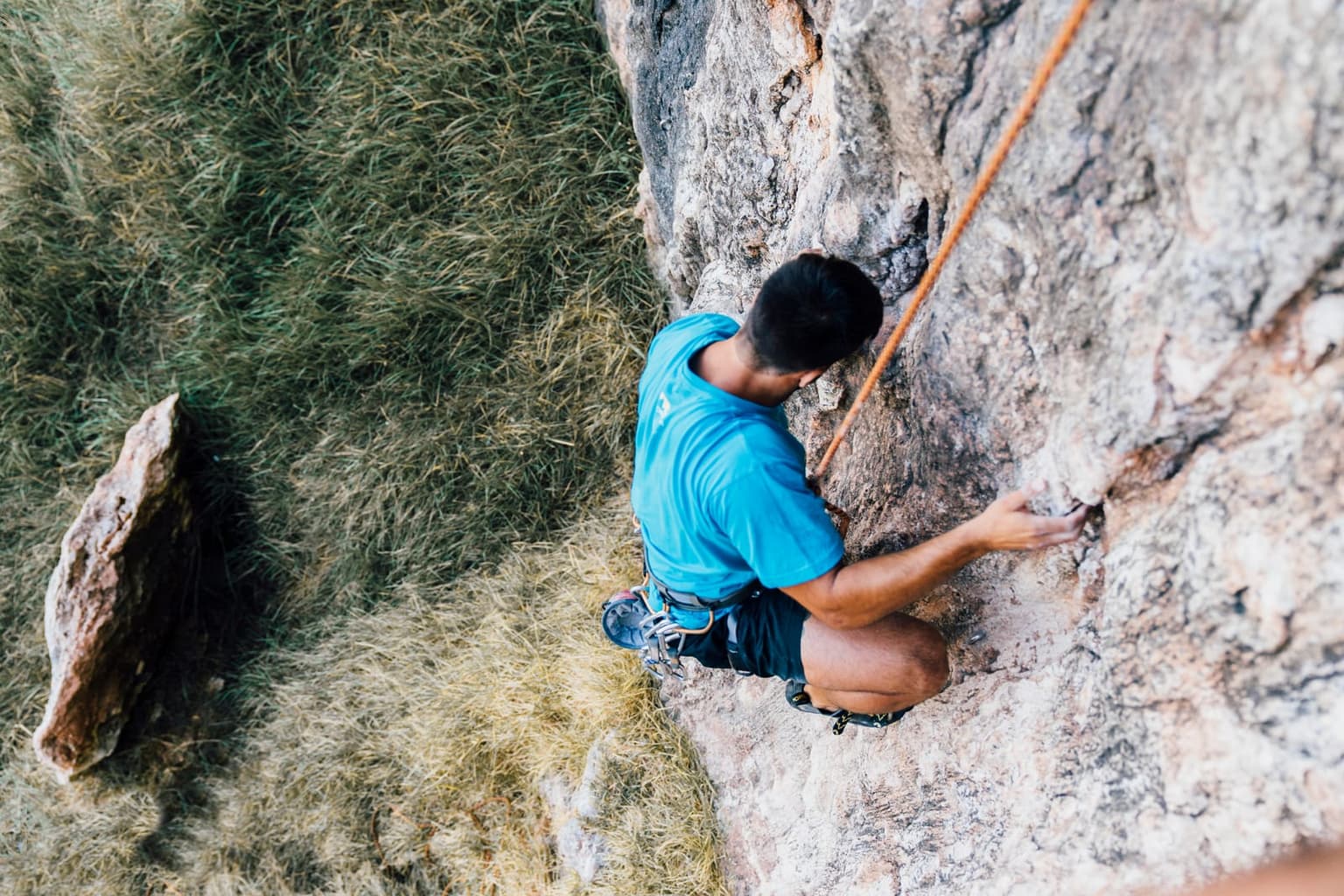
Big Wall Climbing Yosemite: The Ultimate El Capitan Climbing Guide
Categories
Tags
Big Wall Climbing Yosemite: The Ultimate El Capitan Climbing Guide
Standing at the base of El Capitan, looking up 3,000 feet of vertical granite, you feel both humbled and electrified. The Captain, as locals call it, has captivated climbers since Warren Harding first climbed its face in 1958. After 150+ ascents of this granite monolith, I can tell you that big wall climbing in Yosemite is not just a physical challenge—it's a transformative journey that tests your mental fortitude, technical skills, and ability to live vertically for days. The granite walls of Yosemite Valley represent the pinnacle of American big wall climbing, offering routes that have become legends in climbing history.
Quick Facts at a Glance
- Location: Yosemite National Park, California
- Primary Big Walls: El Capitan (3,000ft), Half Dome (2,000ft), Leaning Tower (1,200ft)
- Most Popular Route: The Nose (El Capitan) - 31 pitches, Grade VI 5.9 C2
- Climbing Season: May-October (optimal conditions)
- Temperature: 15°C-25°C (59°F-77°F) daytime, 5°C-15°C (41°F-59°F) at night
- Climb Duration: 1-5 days depending on route and pace
- Climbing Grade Range: 5.7-5.13, A0-C3
- Required Experience: Multi-pitch climbing, aid climbing, big wall techniques
- Wall Height: 2,000-3,000 feet (600-900 meters)
Why Big Wall Climb in Yosemite?
Yosemite Valley contains some of the world's most spectacular big wall climbing routes. The granite is pristine, the weather is relatively predictable, and the climbing culture is rich with history. From first ascents to modern free ascents, Yosemite has shaped the evolution of big wall climbing globally.
What Makes Yosemite Extraordinary:
- Historic Significance: Home to first ascents that revolutionized big wall climbing
- Legendary Routes: The Nose, Salathé Wall, North American Wall—routes every climber dreams of
- Perfect Granite: Exceptional quality climbing rock with consistent features
- Technical Variety: Mix of free climbing, aid climbing, and crack systems
- Community: Vibrant climbing culture with decades of knowledge shared
- Scenery: Unmatched views of Yosemite Valley from the top
Understanding Yosemite's Big Walls
El Capitan: The Captain
At 3,000 feet, El Capitan is the ultimate big wall climbing challenge. Its face offers over 70 established routes ranging from moderate aid climbs to cutting-edge free ascents. The Captain remains the holy grail for big wall climbers worldwide.
Most Popular Routes:
- The Nose (31 pitches, 5.9 C2): Most famous and accessible route
- Salathé Wall (35 pitches, 5.13b or 5.9 C2): Historic crack climb
- North American Wall (32 pitches, 5.9 C2): Challenging and exposed
- Lurking Fear (30 pitches, 5.9 C2): Steep and sustained
Half Dome: The Regular Route
Half Dome's Northwest Face offers a 2,000-foot climb culminating in the iconic summit ridge. The Regular Northwest Face is a classic big wall route that combines technical climbing with spectacular exposure.
Route Details:
- The Regular Northwest Face (23 pitches, 5.12a or 5.9 C2)
- Best Time: June-September (less snow on the approach)
- Approach: 4-6 hours from valley floor
- Descent: Cables route (requires permit) or technical descent
Leaning Tower
Though shorter at 1,200 feet, the Leaning Tower offers steep climbing on perfect rock. Great for intermediate big wall climbers seeking their first major wall experience.
Route Details:
- The West Face (18 pitches, 5.7 C2)
- Excellent introduction to Yosemite big wall techniques
- Multiple bivy ledges
Perfect 5-Day Big Wall Climbing Experience (The Nose Route)
Day 1: Preparation & Hike to Base
Early morning gear check and final preparations. Hike to El Capitan Meadow (2-3 hours with heavy haul bags). Set up camp and begin approach pitches. First 8-10 pitches to reach Sickle Ledge bivy.
Day 2: Sickle to Dolt Tower
Climb the iconic Stoveleg cracks, navigate the Grey Bands, and reach Dolt Tower bivy. Technical crux sections requiring careful aid climbing and rope management.
Day 3: Dolt to El Cap Tower
Tackle the Great Roof and changing corners pitches. This section features some of the route's most sustained climbing. Bivy on El Cap Tower with spectacular views.
Day 4: El Cap Tower to Camp IV
Navigate the Pancake Flake and climb to Camp IV. Final technical sections before easier climbing to the summit. Camp on summit or begin descent.
Day 5: Summit & Descent
Watch sunrise from the top of El Capitan. Celebrate with photos and soak in the views. Begin the long descent via the East Ledges route (3-4 hours). Return to valley floor and celebrate.
Essential Big Wall Climbing Equipment
Climbing Hardware
- Haul Bag: 85L+ durable haul bag for gear, food, water
- Portaledge: Single or double ledge for sleeping on the wall
- Aid Climbers: 30+ aiders/daisy chains
- Pitons: Full set from knifeblades to angles
- Nuts & Hexes: Comprehensive set for Yosemite granite
- Camalots: Double rack from 0.3 to #6
- Ascenders: Mechanical ascenders for hauling and jug lines
- Pulleys: Hauling pulleys with high mechanical advantage
Rope & Safety Equipment
- Static Rope: 60m haul line (low stretch)
- Dynamic Ropes: 2x 70m lead ropes (one for leading, one backup)
- Chalk Bags: 2-3 chalk bags (one per person, one backup)
- Helmets: Essential for rockfall protection
- Harnesses: Big wall-specific harnesses with gear loops
- Quickdraws: 20-30 depending on route
Food & Water
- Stove: Canister stove (no liquid fuel on walls)
- Water: 4-6 liters per person per day
- Food: High-calorie, lightweight, non-perishable items
- Water Filtration: Filter or treatment tablets
- Waste Management: WAG bags or similar systems
Training & Preparation Requirements
Technical Skills Required
- Multi-Pitch Experience: Minimum 20 multi-pitch routes, 5+ pitches each
- Aid Climbing: Proficient in aid techniques, hooking, riveting
- Rope Management: Expert at hauling, belaying, rope handling
- Hauling Skills: Experience hauling heavy loads on steep terrain
- Self-Rescue: Capable of ascending ropes, escaping belays, improvised rescues
Physical Preparation
- Endurance Training: 4-6 months of consistent climbing
- Finger Strength: Hangboard training, campus board
- Core Strength: Planks, leg raises, weighted exercises
- Cardio: Running, hiking with heavy packs
- Forearm Endurance: Long routes, back-to-back climbing days
Mental Preparation
- Fear Management: Comfort with extreme exposure
- Patience: Ability to handle slow progress on big walls
- Problem Solving: Creative solutions to unexpected challenges
- Perseverance: Pushing through physical and mental exhaustion
Safety Protocols & Emergency Procedures
Pre-Climb Safety Checklist
- Check weather forecasts for entire climbing window
- Verify all equipment is in excellent condition
- Review route beta and descent options
- Inform park rangers of climbing plans
- Charge all electronics (phone, camera, GPS)
- Pack comprehensive first aid and repair kits
Emergency Procedures
- Rockfall: Immediately seek protection, communicate with partner
- Weather Emergency: Retreat to nearest ledge or summit if safe
- Injury: Stabilize patient, activate emergency beacon, await rescue
- Getting Lost: Use GPS, landmarks, or call rescue (911 for Yosemite)
- Bivy Problems: Fix ledges, improve anchoring, conserve body heat
Costs & Budget Breakdown
Guided Big Wall Climbing (5 Days)
- Guide Services: $4,500-$7,000
- Includes: Professional AMGA guide, group equipment, technical instruction
- Equipment Rental: $500-$1,000 (if needed)
- National Park Fees: $35 entrance fee (7-day pass)
- Campsite: $26/night (valley floor camping)
- Food & Supplies: $300-$500
- Total Budget: $5,361-$8,535
Independent Big Wall Climbing (5 Days)
- Park Fees: $35 entrance fee + $26/night camping
- Food & Supplies: $400-$600
- Equipment: Already owned or purchased ($5,000-$10,000 investment)
- Gas & Transportation: $200-$400
- Total Budget: $1,000-$2,500 (excluding equipment investment)
Additional Costs to Consider
- Guidebooks: $30-$50
- Training: $200-$500 (gym access, training programs)
- Climbing Partners: Potential costs for partner coordination
- Emergency Insurance: $100-$200 (travel insurance covering climbing)
Photography & Filming Tips
Best Camera Angles
- Action Shots: Wide-angle lens capturing both climbers and exposure
- Portraiture: Telephoto lens for candid climbing moments
- Landscape: Summit shots with dramatic valley views
- Technical Detail: Macro shots of gear placements, rock texture
GoPro Settings
- Resolution: 4K at 60fps for action, 30fps for general footage
- Mounting: Helmet mount, chest harness, or fixed positions
- Battery Management: Multiple batteries for multi-day climbs
- Water Protection: Waterproof housing (condensation can be an issue)
Photography Tips
- Golden Hour: Shoot sunrise/sunset from ledges
- Lighting: Use natural light, avoid harsh midday sun
- Silhouettes: Dramatic backlit shots at sunrise/sunset
- Detail Shots: Capture gear, hands, crack systems
- Wide Angles: Showcase the scale of the wall
Best Time to Visit
Peak Season (September-October)
Advantages:
- Most stable weather conditions
- Minimal precipitation
- Perfect climbing temperatures
- Fall colors in the valley
Disadvantages:
- High traffic on popular routes
- Daylight hours decreasing
- Cold nights at altitude
Shoulder Season (May-June, November)
Advantages:
- Fewer crowds on popular routes
- Longer daylight hours (spring)
- Lower costs
Disadvantages:
- Unpredictable weather
- Possible snow or ice on ledges
- Route finding more challenging
Off-Season (December-April)
Disadvantages:
- Extreme weather conditions
- Most routes snowed in
- Very limited daylight
- Park access may be restricted
Climbing Ethics & Environmental Responsibility
Yosemite's big walls are national treasures that must be protected. Follow these guidelines:
- Clean Climbing: Leave minimal evidence of your passage
- Respect Bolts: Don't modify existing anchors without permission
- No New Routes: Without proper authorization and experience
- Pack It Out: Remove all waste from the wall
- Respect Wildlife: Don't disturb birds nesting on the walls
- Share the Wall: Be courteous to other climbing parties
Future of Big Wall Climbing in Yosemite
The evolution of big wall climbing continues, with free ascents becoming more common and new equipment making climbing more accessible. However, with increasing popularity comes the responsibility to protect these sacred walls for future generations.
Final Thoughts & Planning Tips
Why Big Wall Climbing in Yosemite Changes You
Living on a vertical wall for days changes your perspective on risk, challenge, and the limits of human potential. The camaraderie with your partner, the quiet moments on ledges, and the sheer satisfaction of reaching the top create memories that last a lifetime.
Best Planning Tips
- Start Early: Plan 6-12 months in advance for popular routes
- Train Consistently: Physical preparation is essential
- Choose Appropriate Route: Match your skills to the challenge
- Hire a Guide: For your first big wall experience
- Be Flexible: Weather and conditions may change plans
When to Book
Peak season (September-October) books 6-12 months ahead for guided climbs. Independent climbers may need to wait for open bivy sites on popular walls. Spring and fall offer more flexibility.
Making the Most of Your Experience
- Invest in quality equipment—it'll make the difference
- Document your climb with photos and journals
- Connect with the local climbing community
- Respect the history and traditions of Yosemite climbing
- Leave the wall better than you found it
Conclusion
Big wall climbing in Yosemite represents the pinnacle of American rock climbing. Whether you're tackling your first aid route on Leaning Tower, climbing the legendary Nose on El Capitan, or pushing your limits on a free ascent, these granite walls offer challenges and rewards found nowhere else on Earth.
As you prepare for your Yosemite big wall adventure, remember that the journey matters as much as the destination. The days of living vertically, the nights on exposed ledges, and the moments shared with your partner become stories you'll tell for the rest of your life. The Captain waits—start training, start planning, and experience one of the world's greatest climbing adventures.
Adventure Knit Editorial
Destination research compiled and fact-checked by the Adventure Knit editorial team from published sources, operator itineraries, and official tourism boards. Spot something out of date? Tell us at hello@adventureknit.com.
Related Stories
 United States
Canyoneering Utah: The Ultimate Slot Canyon Adventure Guide
Expert guide to extreme canyoneering in Utah's Zion National Park and beyond. Rappel through narrow slot canyons, technical descents, and hidden waterfalls with professional tips and safety protocols.
 United States
Rock Climbing Red Rocks USA: Conquer Nevada's Sandstone Paradise
Ultimate guide to rock climbing in Red Rocks, Nevada. Experience world-class sandstone climbing near Las Vegas with spectacular desert scenery. Expert tips, routes, costs, and preparation for America's premier sandstone climbing destination.
 United States
Rock Climbing Yosemite USA: Conquer El Capitan and Half Dome
Ultimate guide to rock climbing in Yosemite National Park, USA. Experience climbing on El Capitan, Half Dome, and Yosemite's granite walls. Expert tips, routes, costs, and preparation for America's most iconic climbing destination.
Enjoyed this article?
Explore more stories from our adventures around the world