
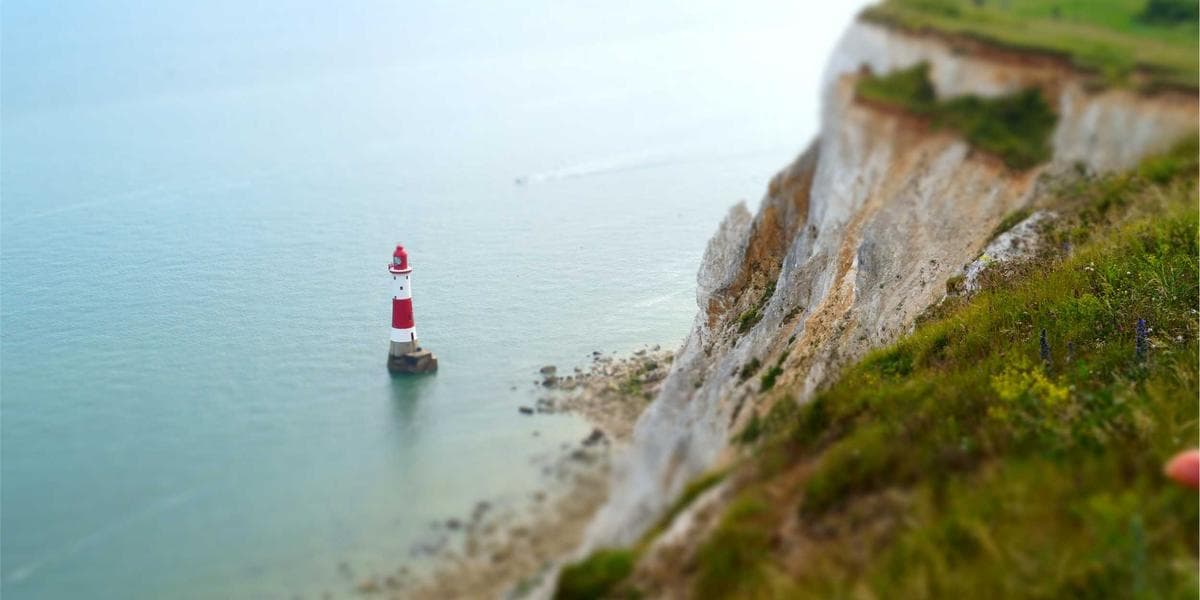
Rock Climbing Joshua Tree USA: High Desert Climbing Paradise
Categories
Tags
Rock Climbing Joshua Tree USA: High Desert Climbing Paradise
Standing beneath the towering granite monoliths of Joshua Tree National Park, with twisted Joshua trees silhouetted against a dramatic desert sunset, you'll understand why this place has become a mecca for rock climbers from around the world. The park offers over 8,000 climbing routes, from beginner-friendly boulders to challenging traditional climbs that test even the most experienced climbers. With 15 years climbing these desert routes and guiding countless climbers through Joshua Tree's unique landscape, I've developed a deep appreciation for the park's remarkable combination of technical challenges, stunning scenery, and unparalleled climbing culture. Joshua Tree isn't just a climbing destination—it's a rite of passage for any serious rock climber.
Quick Facts at a Glance
- Location: Joshua Tree National Park, California (120 miles east of Los Angeles)
- Total Climbing Routes: Over 8,000 documented routes
- Rock Type: Granite monzogranite with desert varnish
- Route Difficulty: 5.4 to 5.14 sport and traditional climbing
- Bouldering Problems: V0 to V14
- Peak Climbing Season: October through May
- Summer Temperature: Can exceed 100°F (38°C)
- Winter Temperature: 30-50°F (-1 to 10°C)
- Elevation: 1,200 to 5,813 feet (366 to 1,772 meters)
- Annual Climbers: 50,000+ climbers visit annually
- Famous Areas: Intersection Rock, The Pinnacles, Wonderland of Rocks
- Permit Required: National Park entry fee ($30 per vehicle, $15 per person)
Why Rock Climb in Joshua Tree?
Joshua Tree offers one of the most unique climbing environments in North America, characterized by massive granite formations, varied climbing styles, and an otherworldly landscape. The park's climbing history dates back to the 1960s when legendary climbers like Yvon Chouinard first established routes here. Today, Joshua Tree remains a testing ground for climbers of all abilities, with an endless variety of cracks, slabs, face climbs, and boulders.
What Makes Joshua Tree Extraordinary:
- Incredible Rock Quality: Unique monzogranite formations with excellent friction
- Route Variety: Over 8,000 routes from beginner to expert
- Bouldering Paradise: World-class bouldering with high concentrations of problems
- Perfect Weather: Ideal climbing conditions from October through May
- Climbing History: Rich heritage with routes established by climbing legends
- Stunning Scenery: Iconic desert landscapes with Joshua trees and dramatic rock formations
- Accessible Climbing: Many routes within 30 minutes of parking
- Climbing Community: Vibrant local climbing scene with friendly culture
Understanding Joshua Tree's Climbing Regions
Joshua Tree National Park is vast, and knowing which areas to visit can significantly enhance your climbing experience.
Intersection Rock (Most Popular)
Located at the intersection of Park Boulevard and Keys View Road, this area features dozens of classic routes and is perfect for climbers of all levels. The rock quality is exceptional, and the approaches are short.
Classic Routes: Double Cross (5.7), White Satin (5.7), Touch and Go (5.9)
The Pinnacles
This area offers excellent multi-pitch routes with stunning views. The granite here is steep and provides challenging climbing with good protection.
Classic Routes: Sail Away (5.10a), The Left Ski Track (5.9), The Bolt Route (5.9)
Wonderland of Rocks
A vast area of granite formations with hundreds of routes. Wonderland offers remote climbing with fewer crowds and excellent route variety.
Classic Routes: Walk on the Wild Side (5.8), The Bong (5.10a), Solid Gold (5.10b)
Hidden Valley
Surrounded by massive rock formations, Hidden Valley offers a mix of sport and traditional climbing with beautiful desert views.
Classic Routes: The Eye (5.10a), Hemingway Buttress (5.9), Toe Jam (5.7)
Perfect 5-Day Joshua Tree Climbing Itinerary
Day 1: Introduction to Joshua Tree Climbing
- Morning: Arrive at Joshua Tree, obtain park pass, and visit the Visitor Center
- Mid-morning: Warm up at Intersection Rock with easy traditional routes (5.6-5.7)
- Afternoon: Climb classic routes including Double Cross (5.7) and White Satin (5.7)
- Evening: Watch sunset from atop Intersection Rock, photograph Joshua trees
Day 2: Sport Climbing Adventure
- Early Morning: Head to The Pinnacles for sport climbing
- Mid-morning: Climb Sail Away (5.10a) and The Left Ski Track (5.9)
- Afternoon: Try harder routes like The Bolt Route (5.9) or challenge yourself on 5.10s
- Evening: Bouldering session at the Hall of Horrors
Day 3: Bouldering Day
- Morning: Pack crash pads and head to popular bouldering areas
- Mid-morning: Work on problems at the Hall of Horrors (V2-V6 range)
- Afternoon: Try harder problems at the Milestone (V6-V10)
- Evening: Rest and recover, prepare for multi-pitch day
Day 4: Multi-Pitch Climbing
- Early Morning: Head to Wonderland of Rocks for multi-pitch climbing
- Morning: Climb Walk on the Wild Side (5.8, 3 pitches)
- Afternoon: Attempt Solid Gold (5.10b, 4 pitches) or similar
- Evening: Celebrate with dinner in Joshua Tree town, share stories with other climbers
Day 5: Advanced Routes & Departure
- Early Morning: Tackle challenging routes at Indian Cove
- Mid-morning: Climb classic trad routes like The Eye (5.10a)
- Afternoon: One last session at your favorite area, attempt that project route
- Evening: Pack up and depart or extend your stay
Joshua Tree's Top 25 Climbing Routes
Beginner Routes (5.6-5.8)
- Double Cross (5.7) - Intersection Rock - Classic jam crack, perfect introduction
- White Satin (5.7) - Intersection Rock - Varied climbing with excellent exposure
- Toe Jam (5.7) - Hidden Valley - Perfect crack climb for beginners
- Dappled Mare (5.8) - Intersection Rock - Fun face climbing with good holds
- Hemingway Buttress (5.9) - Hidden Valley - Classic moderate with great position
Intermediate Routes (5.9-5.10a)
- Touch and Go (5.9) - Intersection Rock - Technical face climbing
- Sail Away (5.10a) - The Pinnacles - Beautiful sport route on quality granite
- The Left Ski Track (5.9) - The Pinnacles - Classic crack with excellent gear
- The Bolt Route (5.9) - The Pinnacles - Sport climbing at its finest
- The Eye (5.10a) - Hidden Valley - Technical face climbing with tricky crux
Advanced Routes (5.10b-5.11c)
- Solid Gold (5.10b) - Wonderland of Rocks - Four-pitch adventure
- The Bong (5.10a) - Wonderland of Rocks - Sustained climbing on excellent rock
- Equinox (5.11c) - Hidden Valley - Technical face with thin moves
- Stichter Quits (5.10c) - Intersection Rock - Classic thin crack
- Whisper of the Sage (5.10b) - The Pinnacles - Beautiful line with varied climbing
Expert Routes (5.12+)
- Cosmic Debris (5.12a) - Intersection Rock - Boulder problem crux
- Equinox (5.12a) - The Pinnacles - Thin technical face
- The Phoenix (5.12b) - Wonderland of Rocks - Sustained climbing
- Astroman (5.12b) - The Pinnacles - Historic testpiece
- Levitation 29 (5.11c) - Wonderland of Rocks - Classic technical route
Bouldering Classics
- Iron Man Traverse (V3) - Hall of Horrors - Classic traverse
- Mile High (V4) - Milestone Area - Technical face climbing
- Kingpin (V5) - The Boulders - Powerful moves on steep terrain
- Black Lung (V6) - The Boulders - Technical roof problem
- Planet X (V8) - Milestone Area - Challenging overhanging problem
Rock Climbing Styles in Joshua Tree
Traditional Climbing
Joshua Tree is famous for its traditional climbing opportunities. The granite cracks are perfect for placing gear, and the routes require excellent crack climbing technique.
Best Areas: Intersection Rock, The Pinnacles, Wonderland of Rocks Required Skills: Crack climbing, gear placement, route finding Essential Gear: Complete rack of nuts, cams (0.3 to 4 inches), slings, carabiners
Sport Climbing
While Joshua Tree is primarily a trad destination, there are excellent sport climbing routes, especially in The Pinnacles and some areas of Wonderland.
Best Areas: The Pinnacles, specific routes in Wonderland Required Skills: Bolt clipping technique, lead climbing Essential Gear: Quickdraws (12-15), rope, helmet
Bouldering
Joshua Tree offers world-class bouldering with thousands of problems. The rock quality is exceptional, and the desert setting provides a unique bouldering experience.
Best Areas: Hall of Horrors, Milestone, The Boulders, Barker Dam Required Skills: Power, technique, problem-solving Essential Gear: Crash pads (2-3), climbing shoes, chalk bag, brush
Joshua Tree Weather & Climbing Seasons
Peak Season (October-November & March-April) ⭐⭐⭐⭐⭐
Temperatures: 60-80°F (15-27°C) day, 40-50°F (4-10°C) night Conditions: Perfect climbing weather, cooler mornings and evenings Pros: Ideal temperatures, comfortable climbing all day Cons: Crowded areas, need to arrive early
Winter Season (December-February) ⭐⭐⭐⭐
Temperatures: 50-65°F (10-18°C) day, 30-40°F (-1-4°C) night Conditions: Cooler but climbable, some routes may be cold in the morning Pros: Fewer crowds, crisp conditions Cons: Can be very cold at night, some routes too cold for hands
Summer Season (June-September) ⭐⭐
Temperatures: 90-110°F (32-43°C) day, 70-80°F (21-27°C) night Conditions: Too hot for climbing, dangerous conditions Pros: Solitude if you attempt early morning/evening Cons: Extreme heat makes climbing dangerous or impossible Recommendation: Avoid climbing during summer months
Essential Packing List for Joshua Tree Climbing
Climbing Gear
- Rope: 60-70m dynamic rope (dry treated recommended)
- Harness: Comfortable climbing harness with gear loops
- Shoes: Well-fitted climbing shoes (tight for technical routes)
- Helmet: Essential for protection from rockfall
- Belay Device: ATC, GriGri, or similar
- Carabiners: Locking and non-locking carabiners (20+ total)
- Quickdraws: 12-15 quickdraws for sport routes
- Traditional Rack: Cams (0.3-4 inches), nuts, hexes
- Slings & Webbing: Various lengths for anchors and extending placements
- Chalk Bag: Desert climbing is dusty, bring extra chalk
- Crash Pads: 2-3 pads for bouldering (essential)
Clothing & Protection
- Climbing Pants: Durable, stretchy pants with reinforced knees
- Climbing Shirt: Lightweight, quick-drying synthetic material
- Sun Protection: Sunscreen (SPF 50+), sunglasses, wide-brim hat
- Layers: Light jacket for early morning/evening
- Climbing Tape: For protecting fingers and crack climbing
- Gloves: For crack climbing (optional but recommended)
Essential Items
- Water: Minimum 3-4 liters per person per day
- Food: High-energy snacks, sandwiches, electrolyte drinks
- Navigation: Maps, GPS device, compass
- First Aid Kit: Comprehensive kit with blister care
- Headlamp: For early starts or late descents
- Multi-tool: For equipment adjustments and emergency repairs
- Camera: To capture stunning desert landscapes and climbing photos
Climbing Safety in Joshua Tree
Rockfall Awareness
- Always wear your helmet, even at the base of climbs
- Be aware of loose rock, especially after rain or wind
- Test holds before committing weight
- Alert climbers below of falling objects
Sun & Heat Protection
- Start early morning to avoid peak heat
- Stay hydrated - drink water before you're thirsty
- Take frequent breaks in the shade
- Recognize heat exhaustion symptoms: dizziness, nausea, headache
Wildlife Awareness
- Watch for snakes, especially in warmer months
- Keep food sealed to avoid attracting animals
- Store trash properly to maintain wilderness character
- Respect wildlife and observe from a distance
Climbing Etiquette
- Arrive early to popular areas to secure routes
- Share climbs and be considerate of other parties
- Respect local ethics - don't add bolts where unnecessary
- Leave no trace - pack out all trash and waste
Joshua Tree Photography Guide
Best Photo Spots
- Intersection Rock at Sunset - Dramatic golden hour shots
- The Pinnacles - Classic rock formations with climbers
- Keys View Overlook - Panoramic desert views
- Cholla Cactus Garden - Unique cactus landscape
- Skull Rock - Iconic rock formation perfect for photos
Photography Tips
- Golden Hour: Shoot 1 hour after sunrise and 1 hour before sunset
- Wide-Angle Lens: Capture vast desert landscapes and rock formations
- Telephoto Lens: Isolate climbers on routes and compress perspective
- Climber Positioning: Have climbers pause at scenic spots for dramatic photos
- Include Context: Feature Joshua trees and desert vegetation in shots
Accommodation Options Near Joshua Tree
Camping in the Park
- Campgrounds: Jumbo Rocks, Hidden Valley, Indian Cove (reserve online)
- Cost: $20-$25 per night
- Amenities: Picnic tables, fire rings, restrooms (no hookups)
- Booking: Required during peak season, reserve at recreation.gov
Town Accommodations
- Joshua Tree: Motels, Airbnb rentals, B&Bs ($80-$200/night)
- Twentynine Palms: More budget-friendly options ($60-$150/night)
- Yucca Valley: Chain hotels and motels ($70-$180/night)
Climber-Friendly Accommodations
- Indian Cove Campground: Climber-favorite with easy access to routes
- Private Ranches: Some offer camping and cabin rentals for climbers
- Climber's Hostels: Limited options, check local listings
Budget Breakdown: Joshua Tree Climbing Trip
5-Day Trip Costs
Entry Fees: $30 (7-day park pass) Camping: $100 ($20/night for 5 nights) Food: $200 ($40/day) Gas: $100 (depending on origin) Guide Services: $200-$500/day (if hiring) Total: $630-$1,230 per person (self-guided) Total: $1,600-$2,600 per person (with guide)
Cost-Saving Tips
- Camp in the park instead of hotels
- Bring your own food and cook at campgrounds
- Share gas costs with climbing partners
- Climb with experienced friends instead of hiring guides
- Visit mid-week to avoid crowds and get better camping spots
Joshua Tree Climbing Culture
Local Climbing Scene
Joshua Tree has a vibrant climbing community with locals who are generally welcoming to visiting climbers. The park's climbing history creates a sense of shared heritage and respect for the rock.
Ethics and Traditions
- Respect established routes - don't modify existing climbs
- Clean your chalk - minimize visual impact
- Pack out all waste - maintain pristine desert environment
- Be considerate of other climbers and nature
Climber Gatherings
- Winter Solstice Celebration: Annual climber gathering
- Spring Climbing Festival: Local events and competitions
- Guide Services: Many local guides offer courses and guided climbs
Final Thoughts & Climbing Tips
Joshua Tree National Park offers one of the most unique and rewarding climbing experiences in North America. The combination of incredible rock quality, diverse route selection, and stunning desert scenery creates an unparalleled climbing destination. After 15 years climbing here, I'm still discovering new routes and challenges that keep me coming back.
Best Planning Tips
- Visit during shoulder season (October-November or March-April) for ideal weather and fewer crowds
- Book campsites well in advance, especially during peak season
- Bring crash pads if you're bouldering - the desert ground is unforgiving
- Start early to beat the heat and secure popular routes
- Climb with partners who have similar experience levels for the best experience
- Stay hydrated - the dry desert air dehydrates you faster than you realize
- Respect the environment - leave no trace and preserve the pristine wilderness
- Consider hiring a local guide for your first few days to learn the area's nuances
When to Book
- Peak Season (Oct-Nov, Mar-Apr): 3-6 months in advance
- Winter Season (Dec-Feb): 1-2 months in advance
- Camping: Reserve at recreation.gov as soon as plans are confirmed
Making the Most of Your Experience
Joshua Tree is more than just climbing - it's about experiencing the high desert landscape, connecting with a vibrant climbing community, and challenging yourself on world-class routes. Take time to watch the sunset from atop a formation, explore the park's hiking trails between climbing sessions, and immerse yourself in the unique desert atmosphere.
Whether you're a beginner learning to crack climb or an expert pushing your limits on challenging routes, Joshua Tree has something to offer every climber. The park's endless variety ensures that no two trips are ever the same, and you'll always find new challenges to pursue.
Conclusion
Rock climbing in Joshua Tree National Park is an unforgettable experience that combines technical challenges, stunning desert scenery, and a rich climbing heritage. With over 8,000 routes across diverse formations, the park offers endless opportunities for climbers of all abilities to test their skills and explore new horizons.
From the classic cracks of Intersection Rock to the remote adventures of Wonderland of Rocks, Joshua Tree provides the perfect setting for your next climbing adventure. Plan your trip carefully, respect the environment and climbing ethics, and prepare yourself for an unforgettable high desert climbing experience.
The desert landscape, with its iconic Joshua trees and dramatic granite formations, creates a backdrop that makes every climb feel like an epic journey. Whether you're spending a day or a week in Joshua Tree, the memories and challenges of climbing in this remarkable destination will stay with you for a lifetime.
Start planning your Joshua Tree climbing adventure today and discover why this desert paradise has become one of North America's most beloved climbing destinations.
Adventure Knit Editorial
Destination research compiled and fact-checked by the Adventure Knit editorial team from published sources, operator itineraries, and official tourism boards. Spot something out of date? Tell us at hello@adventureknit.com.
Related Stories
 United States
Rock Climbing Mojave Desert USA: Ultimate High Desert Climbing Adventure
Experience world-class rock climbing in Mojave Desert, California - unique high desert formations with legendary bouldering and sport climbing routes
 United States
Big Wall Climbing Yosemite: The Ultimate El Capitan Climbing Guide
Expert guide to big wall climbing in Yosemite National Park. Scale El Capitan, Half Dome, and iconic granite walls with professional climbing tips, safety protocols, and equipment guide.
 United States
Canyoneering Utah: The Ultimate Slot Canyon Adventure Guide
Expert guide to extreme canyoneering in Utah's Zion National Park and beyond. Rappel through narrow slot canyons, technical descents, and hidden waterfalls with professional tips and safety protocols.
Enjoyed this article?
Explore more stories from our adventures around the world