
Rock Climbing Fontainebleau France: Bouldering Paradise
Categories
Tags
Rock Climbing Fontainebleau France: Bouldering Paradise
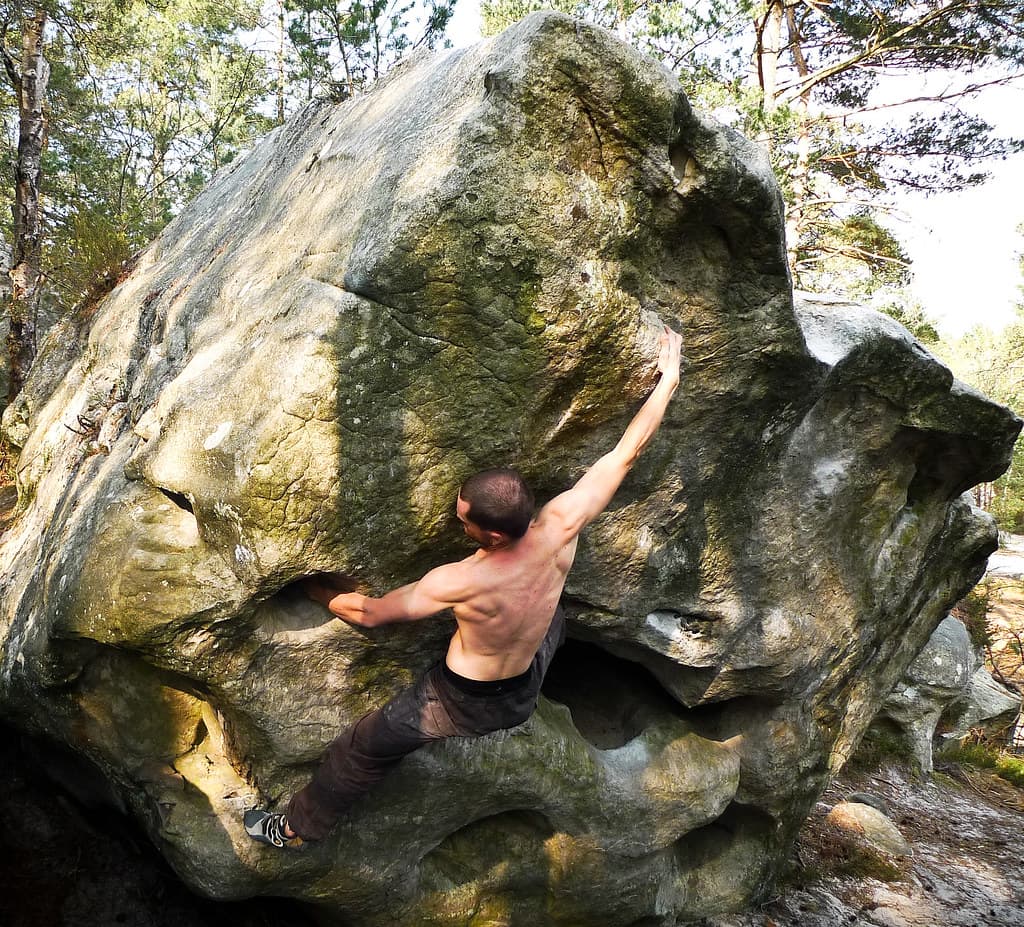
When you first walk into Fontainebleau Forest, surrounded by ancient oak trees, moss-covered sandstone boulders scattered across enchanted landscape, and centuries of climbing history etched into every rock, you understand why this magical place has captivated climbers for generations. Bouldering in Fontainebleau isn't just a sport—it's a pilgrimage to the heart of European bouldering, where every problem tells a story and every boulder holds generations of dreams.
Quick Facts at a Glance
- Location: Fontainebleau Forest, Île-de-France (60 km south of Paris)
- Bouldering Season: March-May and September-October (optimal weather)
- Rock Type: Sandstone (grès), excellent friction
- Climbing Styles: Bouldering (primary), some highball circuits
- Difficulty Range: V0 to V15 (Fontainebleau circuit system)
- Number of Problems: 30,000+ bouldering problems across 25+ sectors
- Famous Areas: Bas Cuvier, 95.2, Cuvier Rempart, Roche aux Sabots
- Guide Services: FFME certified guides available
- Best For: All levels from beginners to elite boulderers
- Average Cost: Free (no permits required)
- Duration: 1-14 days depending on objectives
- Access: Multiple car parks across the forest
- Circuit System: Color-coded circuits (white to black)
Why Climb in Fontainebleau?
Fontainebleau is the world's premier bouldering destination, offering more quality sandstone problems in one forest than any other location on Earth. The unique combination of excellent sandstone, enchanted forest setting, legendary circuit system, and centuries of climbing history creates an experience that's both challenging and magical. As the birthplace of modern bouldering and a training ground for generations of elite climbers, Fontainebleau combines world-class problems with accessibility for climbers of all levels.
What Makes Fontainebleau Extraordinary:
- 30,000+ Problems: More bouldering problems than anywhere else on Earth
- Circuit System: Color-coded circuits for all ability levels
- Sandstone Quality: Perfect friction and texture
- Enchanted Forest: Magical forest atmosphere with ancient oaks
- Historic Significance: Birthplace of modern bouldering
- All Levels Welcome: Circuits from white (beginner) to black (elite)
- Accessibility: Easy reach from Paris, free access
- Bouldering Culture: Vibrant international climbing scene
- Year-Round Potential: Different seasons offer different conditions
- Training Ground: Elite climbers train here year-round
Understanding Fontainebleau's Bouldering Areas
Bas Cuvier Area (Most Famous)
Bas Cuvier:
- Famous For: Iconic sandstone boulders and classic problems
- Circuit Levels: White to Black (3A-8A)
- Best For: All levels, first-time visitors
- Famous Problems: La Marie Rose, L'Angle, C'est ça la vie
- Approach: 5-minute walk from parking
- Atmosphere: Historic, most popular area
95.2:
- Famous For: Technical face problems
- Circuit Levels: Yellow to Orange (4-6B)
- Best For: Intermediate boulderers
- Famous Problems: La Navette, L'Arete
- Approach: 10-minute walk from Bas Cuvier
- Sun Exposure: Morning shade, afternoon sun
Cuvier Rempart
Cuvier Rempart:
- Famous For: Powerful overhangs and slopers
- Circuit Levels: Orange to Red (6-7C)
- Best For: Intermediate to advanced boulderers
- Famous Problems: Le Joker, Carnage
- Approach: 15-minute walk from parking
- Style: Technical and powerful
Roche aux Sabots:
- Famous For: Crimps and technical face problems
- Circuit Levels: Orange to Black (6-8A)
- Best For: Intermediate to elite boulderers
- Famous Problems: La Joker, Karma
- Approach: 20-minute walk from parking
- Style: Technical, crimpy problems
Other Popular Areas
Apremont:
- Famous For: High-quality moderate problems
- Circuit Levels: White to Red (3-7C)
- Best For: All levels, scenic forest
- Famous Problems: La Duchesse, La Joueuse
- Approach: 5-minute walk from parking
- Atmosphere: Beautiful forest setting
Buthiers:
- Famous For: Hard crimpy problems
- Circuit Levels: Red to Black (7-8A)
- Best For: Advanced to elite boulderers
- Famous Problems: Gecko, La Balance
- Approach: 10-minute walk from parking
- Style: Technical crimping
Cul de Chien:
- Famous For: Steep, powerful problems
- Circuit Levels: Red to Black (7-8B)
- Best For: Advanced to elite boulderers
- Famous Problems: The Big Island, Coup de Grace
- Approach: 15-minute walk from parking
- Style: Powerful, overhanging
Perfect 3-Day Fontainebleau Bouldering Adventure
Day 1: Introduction to Fontainebleau
8:00 AM - Arrival and Orientation Arrive at Fontainebleau forest from Paris (1 hour drive or train). Park at Bas Cuvier parking (most popular area). Meet with your guide (if using one) or purchase latest Fontainebleau bouldering guidebook at local shop. Review circuit system and forest map.
9:00 AM - Equipment Check and Briefing Check your bouldering equipment: climbing shoes, chalk bag, crash pads (multiple recommended), brush. Review Fontainebleau ethics: clean shoes before climbing, brush holds after use, respect vegetation. Your guide will explain circuit color system and how to follow circuits.
10:00 AM - Bas Cuvier Warm-Up Walk 5 minutes to Bas Cuvier area. Begin with White Circuit (3-4B) - easiest problems in Fontainebleau. Warm up on classic problems like L'Angle and La Marie Rose. Experience the unique sandstone texture and forest atmosphere.
12:00 PM - Forest Lunch Enjoy picnic lunch in Bas Cuvier forest. Rest and discuss your morning's problems. Review Fontainebleau bouldering history - this forest has been a training ground for generations of elite climbers.
1:30 PM - Yellow and Orange Circuits Progress to Yellow (4-5C) and Orange (5-6B) circuits at Bas Cuvier. Work on slightly harder problems, focusing on technique and movement. Fontainebleau problems emphasize footwork, balance, and precise movement.
4:00 PM - Exploration and Photography Explore other sectors in Bas Cuvier area. Take photos of classic problems. Review your day's climbs and identify areas for improvement. Rest tired muscles in peaceful forest setting.
6:00 PM - Return to Paris or Fontainebleau Town Return to Paris (1 hour) or stay overnight in Fontainebleau town. Review your first day in Europe's bouldering paradise. Prepare for tomorrow's more advanced circuits.
Day 2: Intermediate and Advanced Areas
8:00 AM - Early Start and Circuit Selection Arrive early at chosen area: Cuvier Rempart or Roche aux Sabots for intermediate to advanced problems. Begin with Orange Circuit (6A-6B) to warm up, then progress to Red Circuit (6C-7A). Focus on more technical and powerful movements.
12:00 PM - Forest Lunch and Rest Enjoy lunch in forest. Rest and recover. Fontainebleau problems can be physically demanding - take time to recover between sessions.
1:30 PM - Advanced Problems Work on Red Circuit (7A-7C) problems. These require more strength and technique. Your guide can demonstrate advanced movement patterns: drop knees, heel hooks, and precise body positioning.
4:00 PM - Different Area Experience Visit another area: Apremont for beautiful forest setting or Buthiers for technical crimping. Experience different rock qualities and problem styles in Fontainebleau forest.
6:00 PM - Return and Review Return to accommodation. Review your two days of bouldering. Discuss strengths and areas for improvement. Prepare for final day - either working on projects or exploring new areas.
Day 3: Projects and Exploration
8:00 AM - Project Day Choose your approach:
- Option A: Work on unfinished projects from previous days
- Option B: Explore new area (Cul de Chien, Franchard, etc.)
- Option C: Try harder circuits (Black Circuit: 8A-8C)
12:00 PM - Forest Celebration Lunch Enjoy final picnic lunch in Fontainebleau forest. Celebrate your bouldering adventure. Discuss what makes Fontainebleau special: the combination of quality problems, magical forest, and centuries of climbing history.
1:30 PM - Final Bouldering Session Complete final problems of your Fontainebleau adventure. Take photos and videos of your sends. Soak in the forest atmosphere one more time.
4:00 PM - Forest Preservation and Departure Practice proper Fontainebleau etiquette: brush all holds, clean shoes, respect vegetation. Purchase Fontainebleau souvenirs or guidebooks from local shop. Depart for Paris or continue your European climbing adventure.
Essential Bouldering Equipment
For Bouldering in Fontainebleau
Climbing Shoes:
- Performance bouldering shoes
- Well-fitted but not painfully tight
- Soft soles for sandstone friction
- Consider bringing multiple pairs
Chalk and Chalk Bag:
- Chalk bag (bucket style recommended)
- Magnesium carbonate chalk
- Loose chalk preferred over balls
- Optional: eco-friendly chalk options
Crash Pads:
- Multiple crash pads (2-3 recommended)
- Large surface area (120x120cm minimum)
- Firm foam for flat landings
- Brush attached to crash pad
Brushes:
- Stiff brush for holds
- Soft brush for rock texture
- Multiple brushes for different conditions
- Consider telescoping brush for high problems
Additional Equipment:
- Tape for skin protection
- Nail clippers and file
- First aid kit
- Small brush for shoes
- Sun protection (seasonal)
- Water bottle
What You Need to Bring
Clothing:
- Flexible climbing pants or shorts
- T-shirt or climbing top
- Extra warm layer (forest can be cool)
- Approach shoes or comfortable walking shoes
- Sun protection (hat, sunscreen)
Essential Items:
- Guidebook (Fontainebleau bouldering guide)
- Smartphone for beta and photos
- Water bottle (stay hydrated)
- Snacks (energy bars, fruit)
- Small backpack
Optional Items:
- Camera for documenting sends
- GoPro for video
- Extra climbing shoes
- Personal crash pads
- Tape and skin care kit
Fontainebleau Circuit System
Circuit Colors and Difficulty
White Circuit (3-4B):
- Beginner Level
- Perfect for first-time Fontainebleau visitors
- Warm-up problems
- Good technique practice
- Most accessible problems
Yellow Circuit (4-5C):
- Advanced Beginner
- Classic moderate problems
- Good progression from White
- Focus on footwork and balance
Orange Circuit (5-6B):
- Intermediate
- Most popular circuit level
- Wide variety of problems
- Require good technique
Red Circuit (6C-7A):
- Advanced Intermediate
- Technical and powerful
- Good challenge for experienced boulderers
- Require commitment and focus
Blue Circuit (7B-7C):
- Advanced
- Demanding and physical
- Multiple moves required
- High-level technique needed
Black Circuit (8A-8C+):
- Elite
- World-class problems
- Require elite-level abilities
- Projects for elite boulderers
Climbing Safety in Fontainebleau
Sandstone-Specific Safety
Falling:
- Always test landings before climbing
- Use multiple crash pads for high problems
- Spot your partner whenever possible
- Be aware of uneven forest floor
- Know your falling ability
Rock Condition:
- Sandstone can be fragile, especially after rain
- Avoid climbing on wet rock (wait 2-3 days after rain)
- Test holds before committing full weight
- Brush holds after each attempt
Environmental Awareness:
- Respect forest vegetation
- Don't trample moss or plants
- Stay on established paths
- Clean shoes before each climb
Weather Considerations:
- Rain can make rock fragile for days
- Temperature affects friction
- Wind can be tricky on high problems
- Check conditions before attempting hard projects
Safety Equipment
Always Have:
- Multiple crash pads
- First aid kit
- Communication device (phone)
- Water and snacks
- Knowledge of forest exits
For Highballs:
- Rope for safety (optional but recommended)
- Belay partner
- More crash pads
- Advanced falling skills
Leave No Trace
Fontainebleau climbing community emphasizes minimal impact:
- Brush holds after use
- Clean shoes before climbing
- Don't damage vegetation
- Pack out all waste
- Respect wildlife and other forest users
- Support local conservation efforts
Fontainebleau's Top 50 Classic Problems
Beginner (3-4B)
- L'Angle (3B) - Bas Cuvier classic
- La Marie Rose (3B) - Iconic problem
- C'est ça la vie (4A) - Technical classic
- Le Gros Bec (4B) - Powerful moderate
- La Joueuse (4B) - Fun problem at Apremont
Intermediate (5-6B)
- La Navette (5B) - 95.2 classic
- L'Arete (5C) - Technical arete
- Le Joker (6A) - Cuvier Rempart testpiece
- Carnage (6B) - Powerful overhang
- La Duchesse (6B) - Apremont classic
Advanced (7A-7C)
- Gecko (7A) - Buthiers crimpy classic
- La Balance (7A) - Technical balance problem
- The Big Island (7B) - Cul de Chien steep problem
- Coup de Grace (7C) - Powerful testpiece
- L'Elephant (7C) - Iconic steep problem
Elite (8A+)
- La Mantis (8A) - Technical masterpiece
- Karma (8A+) - Powerful testpiece
- Elephunk (8B) - Physical challenge
- La Danse (8B) - Dynamic movement
- La Nuit des Temps (8C) - Elite-level problem
Weather & Bouldering Seasons
Spring (March-May) ⭐⭐⭐⭐⭐
Conditions:
- Optimal temperatures (10-20°C / 50-68°F)
- Dry rock (if recent rain was minimal)
- Good friction
- Long daylight hours
Best For:
- All levels and circuit colors
- Maximum climbing days
- Photography in spring forest
Summer (June-August) ⭐⭐⭐
Conditions:
- Warm temperatures (20-30°C / 68-86°F)
- Some areas shaded and climbable
- Early morning and late afternoon climbing
- Possible afternoon rain
Best For:
- Early morning climbing
- Shaded areas (Cuvier Rempart, etc.)
- Heat-tolerant boulderers
Fall (September-October) ⭐⭐⭐⭐⭐
Conditions:
- Ideal temperatures (10-20°C / 50-68°F)
- Dry rock conditions
- Excellent friction
- Beautiful autumn forest colors
Best For:
- All levels and circuit colors
- Peak bouldering season
- Photography in fall colors
Winter (November-February) ⭐⭐⭐
Conditions:
- Cool temperatures (0-10°C / 32-50°F)
- Possible rain and snow
- Short daylight hours
- Some areas frozen
Best For:
- Dedicated boulderers
- Winter training
- Hardened climbers
Cost Breakdown: Fontainebleau Bouldering Trip
3-Day Bouldering Adventure Costs
Accommodation:
- Camping: €10-15/night
- Budget hotel: €40-60/night
- Mid-range hotel: €80-120/night
- Paris day trip: €10-20 train round trip
Food and Supplies:
- Forest picnic lunch: €10-15/day
- Restaurant meals: €15-25/meal
- Groceries: €30-50/week
- Snacks and drinks: €20-30/week
Equipment Costs:
- Guidebook: €25-35
- Crash pad rental: €10-15/day (if needed)
- Chalk: €5-10
- Brushes: €10-20
Transportation:
- Train Paris-Fontainebleau: €10-20 round trip
- Car rental: €40-60/day
- Parking: Free in forest
Total Budget Estimate (3-Day Trip):
Day Trip from Paris:
- Train: €10-20
- Food: €30-40
- Guidebook: €25-35
- Total: €65-95
Camping Trip (Own Gear):
- Camping: €30-45 (3 nights)
- Food: €60-90 (3 days)
- Transport: €120-180 (3 days car rental)
- Total: €210-315
Hotel Trip:
- Hotel: €240-360 (3 nights)
- Food: €90-120 (3 days)
- Transport: €120-180 (3 days)
- Total: €450-660
Getting to Fontainebleau
From Paris
By Train (Recommended):
- Gare de Lyon to Fontainebleau-Avon station
- Journey time: 45-50 minutes
- Cost: €10-15 one way
- Frequency: Regular trains throughout day
By Car:
- Drive from Paris center: 60-75 minutes
- Route: A6 motorway south
- Distance: 60 km
- Parking: Free parking areas throughout forest
By Bus:
- Less common but possible
- Longer journey time (1.5-2 hours)
- Cheapest option: €5-10 one way
International Access
Flying to Paris:
- Charles de Gaulle (CDG): 45 minutes to Gare de Lyon
- Orly (ORY): 30 minutes to Gare de Lyon
- Major international hub with worldwide connections
Getting Around Fontainebleau Forest
Car (Recommended):
- Best access to different areas
- Free parking throughout forest
- Flexibility to move between sectors
- Rental: €40-60/day
Public Transportation:
- Limited bus service to some areas
- Less convenient for bouldering
- Walking required from train station
Walking:
- Possible for single area visits
- Limited range of access
- Free but tiring with crash pads
Bouldering Fitness and Preparation
Physical Preparation
Bouldering-Specific Training:
- Hangboard training (3-4x per week)
- Campus board exercises (for advanced)
- Finger strength exercises
- Core and stability work
- Pull-up and lock-off training
- Power and explosive movement training
General Fitness:
- Cardiovascular endurance
- Flexibility and mobility
- Back and shoulder strength
- Forearm endurance
- Mental preparation and focus
Timeline for Preparation
3 Months Before:
- Begin regular bouldering (2-3x per week)
- Start strength training program
- Practice on sandstone or similar rock type
- Build power through explosive movements
1 Month Before:
- Increase bouldering frequency (3-4x per week)
- Focus on technique and power
- Practice on crimpy holds and slopers
- Review Fontainebleau problems and circuits
1 Week Before:
- Reduce intensity (taper)
- Rest and recover
- Prepare and check all equipment
- Study circuits and plan objectives
Photography Tips: Capturing Fontainebleau
Best Photo Opportunities
From the Ground:
- Classic problems with forest background
- Climber in action on sandstone
- Forest atmosphere and light
- Crash pad shots
- Circuit markers and colors
From the Boulder:
- Mid-problem action shots
- Top-out views
- Partner spotting
- Technique sequences
Forest and Atmosphere:
- Ancient oak trees
- Sunlight through canopy
- Moss-covered boulders
- Forest paths and scenes
Camera Equipment
Recommended Gear:
- DSLR or mirrorless camera
- Wide-angle lens (16-35mm)
- Telephoto lens (70-200mm) for action
- Tripod for stability
- Extra batteries (forest drains batteries)
Smartphone Photography:
- Modern smartphones work well
- Use burst mode for action
- Practice before your trip
- Bring extra battery pack
Settings and Tips
Action Photography:
- Fast shutter speed (1/500s or faster)
- Continuous autofocus
- Burst mode for sequences
- Good lighting (golden hour)
Forest Photography:
- Slower shutter for forest light
- Smaller aperture for depth
- Low ISO for quality
- Tripod recommended
Safety Tips:
- Never compromise safety for photos
- Secure camera (strap or bag)
- Don't disturb climbing partner
- Use remote timer or self-timer
Final Thoughts & Planning Tips
Why Fontainebleau Changes You
Bouldering in Fontainebleau provides a connection to climbing history and forest magic that few experiences can match. The combination of world-class problems, enchanted forest atmosphere, and centuries of climbing culture creates an experience that deepens your love for bouldering and nature. Every problem has a story, every boulder holds generations of dreams, and the forest itself seems to hold memories of thousands of climbers who came before.
Best Planning Tips
- Study Circuits in Advance: Know which circuits match your ability level
- Bring Multiple Crash Pads: Essential for safe bouldering
- Check Weather: Avoid climbing after rain (sandstone needs 2-3 dry days)
- Respect Forest Ethics: Brush holds, clean shoes, protect vegetation
- Visit Multiple Areas: Each sector offers different problems and atmosphere
- Use Guidebook: Essential for finding problems and circuits
- Stay Flexible: Weather and conditions can affect accessibility
- Consider Guide: For first visit, hire local guide for beta and ethics
When to Go
- Best Overall: March-May and September-October (perfect weather, dry conditions)
- Summer: June-August (early morning climbing, shaded areas)
- Winter: November-February (dedicated boulderers only)
Making the Most of Your Experience
- Arrive well-rested and hydrated
- Study Fontainebleau circuits before trip
- Bring appropriate footwear for forest walking
- Practice sandstone technique (friction, precision)
- Respect forest environment and climbing ethics
- Document your sends with photos and video
- Connect with local and international boulderers
- Enjoy the magical forest atmosphere
- Try different circuit levels to challenge yourself
- Support local guidebook shops and conservation efforts
Safety Reminders
- Always use multiple crash pads
- Test landings before committing
- Never climb on wet or fragile rock
- Respect vegetation and forest floor
- Spot your partner whenever possible
- Stay within your ability level
- Know your falling ability
- Don't attempt problems beyond your level
- Listen to your body and mind
- If uncertain about conditions, don't climb
Conclusion
Bouldering in Fontainebleau is more than just a sport—it's a journey through climbing history, magical forest atmosphere, and one of Europe's most cherished climbing destinations. Whether you're working through White circuits on your first visit or projecting Black circuit classics as an elite boulderer, Fontainebleau delivers bouldering experiences that define the sport at its finest.
From the moment you first touch Fontainebleau sandstone to your final top-out under ancient oak trees, you'll understand why climbers from around the world make pilgrimages to this enchanted forest. The combination of world-class problems, mystical atmosphere, and centuries of climbing culture creates an experience that will stay with you forever.
Start planning your Fontainebleau bouldering adventure today and discover why this magical forest has captivated climbers for generations. The memories forged on these sandstone boulders will last a lifetime.
Bon grimpe and happy bouldering!
Adventure Knit Editorial
Destination research compiled and fact-checked by the Adventure Knit editorial team from published sources, operator itineraries, and official tourism boards. Spot something out of date? Tell us at hello@adventureknit.com.
Related Stories
 Greece
Rock Climbing Kalymnos Greece: Conquer the Aegean's Best Crags
Ultimate guide to rock climbing in Kalymnos, Greece. Experience sport climbing on limestone cliffs with stunning Aegean Sea views. Expert tips, routes, costs, and preparation for Greece's premier climbing destination.
 United States
Rock Climbing Red Rocks USA: Conquer Nevada's Sandstone Paradise
Ultimate guide to rock climbing in Red Rocks, Nevada. Experience world-class sandstone climbing near Las Vegas with spectacular desert scenery. Expert tips, routes, costs, and preparation for America's premier sandstone climbing destination.
 Canada
Rock Climbing Squamish Canada: Conquer Granite Chief
Ultimate guide to rock climbing in Squamish, British Columbia. Experience world-class granite climbing on The Chief, Shannon Falls, and Stawamus Chief. Expert tips, routes, costs, and preparation for Canada's premier granite climbing destination.
Enjoyed this article?
Explore more stories from our adventures around the world