
Cambodia travel guides
3 guides to Cambodia, written by the Adventure Knit editorial team.
Cambodia guides
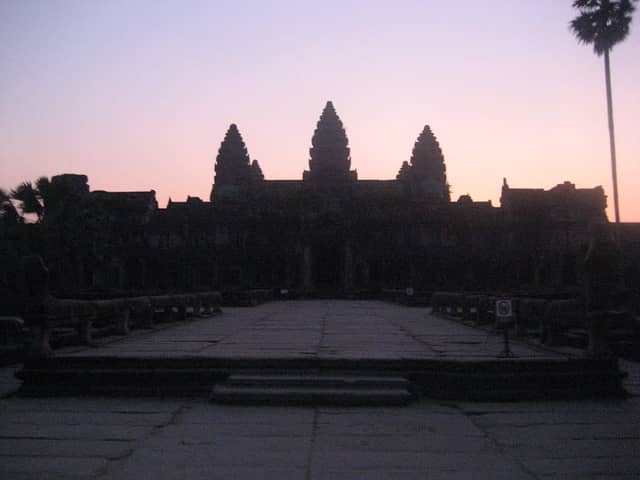
Angkor Wat Cambodia: The Ultimate Ancient Temple Complex Adventure Guide
Expert guide to Angkor Wat Cambodia. Bayon Temple, Angkor Thom, Ta Prohm, sunrise over temples, and Cambodia's premier archaeological wonder.
May 20, 2026 • 16 min read

Angkor Wat Cambodia: Complete Temple Complex Guide
Ultimate Angkor Wat guide with temple routes, sunrise tips, Siem Reap base, and avoiding crowds. Expert 3-day itinerary included.
May 20, 2026 • 19 min read
Phnom Penh Cambodia: Ultimate Khmer Capital Travel Guide
Complete Phnom Penh travel guide covering Royal Palace, Silver Pagoda, Killing Fields, and Cambodian cuisine. Expert tips for your perfect Southeast Asian adventure.
May 20, 2026 • 22 min read
Cambodia travel FAQs
November to March is Cambodia's dry season and the best time to visit, with temperatures around 25 to 30 degrees Celsius and reliable clear skies for the famous Angkor Wat sunrise. April and May turn very hot, reaching 35 to 40 degrees, while June to September brings monsoon rains with lush green landscapes, muddy trails, low crowds, and cheaper accommodation. Peak season around December to February books up 4 to 6 months in advance.
A well-rounded first trip needs about a week: 3 to 5 days in Siem Reap for the Angkor temples and 3 to 4 days in Phnom Penh for the Royal Palace, Tuol Sleng, and the Killing Fields memorial. The two cities are linked by a 6-hour bus costing 10 to 15 dollars one way, or a short domestic flight of around 40 minutes. Battambang, Kampot, and Kep make popular extensions of 4 to 5 hours by bus from the capital.
The Angkor pass costs 37 dollars for one day, 62 dollars for a three-day pass valid over ten days, and 72 dollars for a seven-day pass valid over a month; the three-day option is the best fit for most travelers. Tickets are sold only at the official Angkor Enterprise office, which photographs your passport, and both cash in US dollars and cards are accepted. Shoulders and knees must be covered to enter the temples.
Tuk-tuks are the standard transport, costing 1 to 3 dollars for short city trips and about 15 to 20 dollars per day for touring the Angkor temples, with private cars at 35 to 50 dollars per day for air-conditioned comfort. In Phnom Penh, city buses cost under a dollar and the Grab rideshare app operates. Agree on tuk-tuk prices before setting off, and note that US dollars are widely accepted alongside Cambodian riel.
Cambodia is generally a safe destination, with main tourist areas fine at night, though caution is advised in quiet areas and common scams include overpriced tours and inflated first prices at markets, where bargaining is expected. Drink only bottled water, as tap water is not safe, and use insect repellent since dengue is a risk. Travelers are also advised not to buy from children, as it encourages school absence.