
Angkor Wat Cambodia: The Ultimate Ancient Temple Complex Adventure Guide
Categories
Tags
Angkor Wat Cambodia: The Ultimate Ancient Temple Complex Adventure Guide
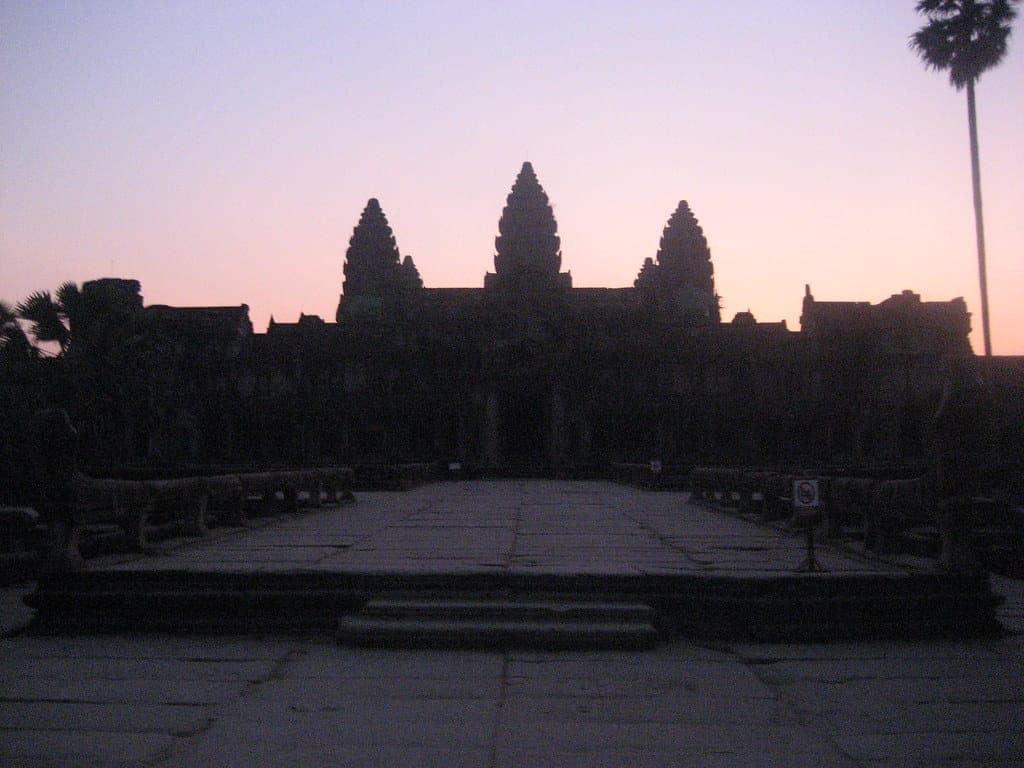
Standing before the reflecting pool at dawn, watching the first rays of sun illuminate the iconic towers of Angkor Wat, I'm overwhelmed by the spiritual power and architectural magnificence of this ancient wonder. The perfect reflection of the temple in the still water, the soft glow of sunrise on sandstone carvings, and the distant sound of monks chanting creates an atmosphere that's both profoundly moving and deeply peaceful. After 18 years studying and restoring Cambodia's ancient temples, I'm still discovering new details and stories hidden within these incredible stone structures. Angkor Wat isn't just an archaeological site—it's a portal to understanding one of history's most sophisticated civilizations.
Quick Facts at a Glance
- Location: Siem Reap Province, northwestern Cambodia
- Temple Complex Size: 162.6 hectares (402 acres)
- Main Temple Construction: Early 12th century (1113–1150 AD)
- Builder: King Suryavarman II of Khmer Empire
- UNESCO Status: World Heritage Site since 1992
- Duration: 4-5 days recommended for comprehensive exploration
- Difficulty: Moderate (extensive walking, some climbing, heat management)
- Best Months: November-March (dry season, comfortable temperatures)
- Average Cost: $1,500-$3,500 per person
- Temperature: 25°C-35°C (77°F-95°F) during day, 20°C-25°C (68°F-77°F) night
- Key Temples: Angkor Wat (main), Bayon Temple, Angkor Thom, Ta Prohm
- Unique Feature: World's largest religious monument by area
- Cultural Significance: Center of Khmer Empire and Hindu-Buddhist transition
Why Visit Angkor Wat?
Angkor Wat represents one of the world's most extraordinary archaeological and spiritual sites—a place where ancient Khmer engineering, religious devotion, and artistic mastery converge to create a monument that's both intellectually stimulating and deeply moving. As the centerpiece of the Khmer Empire's capital, this temple complex offers insights into one of Southeast Asia's most sophisticated ancient civilizations. From watching sunrise illuminate iconic towers to exploring jungle-covered temples, from understanding intricate carvings to experiencing living Buddhist traditions, Angkor Wat provides an adventure that's both educational and spiritually enriching.
What Makes Angkor Wat Extraordinary:
- World's Largest Religious Monument: Largest religious structure by area
- Khmer Empire Masterpiece: Built at height of Khmer Empire's power
- Architectural Marvel: Sophisticated stone construction without mortar
- Intricate Carvings: Thousands of detailed stone carvings throughout
- Spiritual Significance: Sacred Hindu then Buddhist temple complex
- Sunrise Experience: Watching sun rise over iconic towers is unforgettable
- Multiple Temples: Complex includes Bayon Temple, Ta Prohm, and more
- Living Buddhist Site: Still active place of worship and meditation
- Jungle Temple Exploration: Ta Prohm's tree-root-covered ruins are magical
Understanding Angkor Wat's Historical Significance
The Khmer Empire Context
Historical Background
- Empire Peak: 9th-15th centuries AD
- Capital: Angkor (meaning "Holy City")
- Territory: Covered much of modern Cambodia, Thailand, Laos, Vietnam
- Population: Up to 1 million people at height
- Culture: Sophisticated blend of Hindu and Buddhist traditions
- Engineering: Advanced hydraulic systems, stone architecture
King Suryavarman II
- Builder: Constructed Angkor Wat early 12th century
- Reign: 1113–1150 AD (approximately)
- Motivation: Dedicated to Hindu god Vishnu
- Vision: Created "mountain temple" in capital city
- Legacy: Considered greatest builder of Khmer Empire
Religious Significance
Hindu Origins
- Dedication: Originally dedicated to Vishnu (preserver of universe)
- Layout: Designed to represent Mount Meru (Hindu sacred mountain)
- Direction: Faces west (unusual for Khmer temples, dedicated to death/rebirth god Vishnu)
- Symbolism: Temple as microcosm of Hindu universe
Buddhist Transition
- Conversion: Gradually transformed to Buddhist site
- Current Use: Active Buddhist monastery today
- Statues: Buddhist statues added later periods
- Living Tradition: Monks still perform daily rituals
Perfect 5-Day Angkor Wat Temple Complex Adventure Itinerary
Day 1: Arrival & Angkor Wat Sunset
Morning: Arrival in Siem Reap
- Fly into Siem Reap International Airport (REP)
- Transfer to hotel/guesthouse in Siem Reap (15-30 minutes)
- Check-in and rest from travel
- Orientation about Angkor Archaeological Park
- Equipment check and planning for temple visits
Afternoon: First Temple Exploration
- Visit: Angkor Wat main temple for afternoon exploration
- Approach: Enter via west causeway (traditional approach)
- Exploration: Basic orientation of main temple layout
- First Impressions: Initial experience of grand scale and carvings
- Duration: 2-3 hours exploring main areas
Evening: Sunset at Angkor Wat
- Location: Viewing platform in front of reflecting pool
- Sunset Timing: Watch sunset illuminate western facade
- Photography: Golden hour light on temple towers
- Atmosphere: Monks chanting, peaceful sunset ambiance
- Duration: 1-2 hours sunset viewing and exploration
Stay: Siem Reap hotel/guesthouse Highlight: First sunset experience at iconic temple
Day 2: Angkor Wat Sunrise & Grand Tour
Very Early Morning: Angkor Wat Sunrise
- Departure: 4:30 AM from hotel (very early!)
- Arrival: Angkor Wat before sunrise (5:00 AM)
- Sunrise Location: Reflecting pool viewing platform
- Experience: Watch sun rise behind iconic temple towers
- Photography: Once-in-a-lifetime sunrise opportunities
- Duration: 1-2 hours sunrise experience
Morning: Comprehensive Angkor Wat Tour
- Central Sanctuary: Explore heart of temple complex
- Bas-Reliefs: Detailed carvings of Hindu mythology
- Upper Level: Climb to third level for panoramic views
- Libraries: Visit ancient library buildings
- Galleries: Explore outer gallery areas
- Duration: 3-4 hours comprehensive tour
Midday: Rest & Lunch
- Location: Temple complex restaurant or return to hotel
- Lunch: Traditional Khmer meal
- Rest: Escape midday heat
- Hydration: Critical in tropical climate
Afternoon: Continued Angkor Wat Exploration
- Return: Continue exploring missed areas of main temple
- Outer Walls: Walk along temple enclosure walls
- Moat: Explore surrounding moat and causeways
- Final Views: Different perspectives on temple complex
- Duration: 2-3 hours additional exploration
Evening: Dinner & Cultural Performance
- Traditional Show: Apsara dance performance (optional)
- Dinner: Traditional Khmer cuisine
- Reflection: Review incredible day's experiences
- Early Night: Rest for tomorrow's jungle temple adventure
Stay: Siem Reap hotel/guesthouse (second night) Highlight: Sunrise and comprehensive exploration of main temple
Day 3: Ta Prohm & Jungle Temple
Morning: Ta Prohm Adventure
- Departure: 7:00 AM from hotel
- Transport: Tuk-tuk or car to Ta Prohm (30-40 minutes)
- Arrival: Enter this magical jungle temple
- Exploration: Navigate tree-root-covered ruins
- Atmosphere: Mystical, peaceful, otherworldly feel
- Key Features: Strangler Fig tree roots, crumbling towers
- Duration: 2-3 hours exploring Ta Prohm
Mid-Morning: Additional Jungle Temples
- Ta Keo: Visit nearby smaller jungle temple
- Ta Nei: Explore sister temple to Ta Prohm
- Jungle Walking: Walk between temples through forest
- Wildlife: Monkey sightings, bird watching
- Photography: Jungle temple atmosphere
- Duration: 2-3 hours visiting additional temples
Midday: Lunch & Rest
- Location: Picnic lunch at temple area or return to town
- Lunch: Traditional Khmer lunch
- Rest: Escape midday heat
- Relaxation: Morning jungle temple exploration is physically demanding
Afternoon: Angkor Exploration
- Option 1: Visit Preah Khan (Temple of the Spear)
- Option 2: Return to Angkor Wat for missed areas
- Option 3: Rest and relaxation at hotel
- Duration: 2-4 hours afternoon exploration
Evening: Traditional Khmer Dinner
- Location: Traditional restaurant in Siem Reap
- Cuisine: Amok (Khmer curry), lok lak, other specialties
- Cultural Experience: Traditional Khmer dining
- Storytelling: Guide shares Khmer legends and history
Stay: Siem Reap hotel/guesthouse (third night) Highlight: Magical jungle temple exploration
Day 4: Bayon Temple & Angkor Thom
Morning: Bayon Temple
- Departure: 7:30 AM from hotel
- Transport: Tuk-tuk or car to Bayon (45-60 minutes)
- Arrival: Enter this majestic mountain temple
- Climb: Challenging climb to summit (steep stairs!)
- Views: Panoramic views of surrounding jungle and Angkor Wat in distance
- Architecture: Distinctive style compared to Angkor Wat
- Duration: 2-3 hours exploring Bayon
Mid-Morning: Angkor Thom
- Departure: Short drive from Bayon (10-15 minutes)
- Arrival: Enter this significant temple complex
- Exploration: Visit main sanctuary and surrounding structures
- Face Towers: Iconic towers with mysterious smiling faces
- Atmosphere: Peaceful, less crowded than main temples
- Duration: 2 hours exploring Angkor Thom
Midday: Lunch & Rest
- Location: Temple area restaurant or return to Siem Reap
- Lunch: Traditional Khmer meal
- Rest: Recover from morning's physical activities
Afternoon: Banteay Srei or Return to Angkor Wat
- Option 1: Visit Banteay Srei (Citadel of Women)
- Option 2: Return to Angkor Wat for additional exploration
- Option 3: Relaxation and shopping in Siem Reap
- Duration: 2-4 hours afternoon activities
Evening: Cultural Show & Dinner
- Location: Traditional performance venue
- Show: Traditional Khmer dance or shadow puppet show
- Dinner: Traditional Khmer cuisine
- Cultural Experience: Understanding Khmer arts and traditions
Stay: Siem Reap hotel/guesthouse (fourth night) Highlight: Summit views from Bayon Temple
Day 5: Final Explorations & Departure
Morning: Final Temple Visits
- Option 1: Visit favorite temple again for different light
- Option 2: Explore lesser-visited temple areas
- Option 3: Final photography opportunities
- Shopping: Traditional Khmer crafts and souvenirs
- Duration: 3-4 hours final morning
Midday: Final Experiences
- Lunch: Last traditional Khmer meal
- Rest: Pack and prepare for departure
- Reflection: Review incredible 5-day temple adventure
- Final Temple Viewing: One last look at Angkor Wat if time permits
Afternoon: Departure
- Transfer: To Siem Reap International Airport
- Flight: Depart Cambodia or continue travels
- Memories: Unforgettable Angkor Wat adventure complete!
Departure: International flights or continued Cambodia travels Memories: Life-changing ancient temple complex experience complete! Achievement: Explored world's largest religious monument and Khmer Empire capital
Angkor Wat's Top Temple Experiences
Sunrise at Angkor Wat
The Experience
- Location: Reflecting pool viewing platform
- Timing: Before sunrise (arrive by 5:00-5:30 AM)
- Views: Sun rising behind iconic temple towers
- Atmosphere: Peaceful, spiritual, with monks chanting
- Crowds: Popular time, but large area disperses visitors
Photography Tips
- Equipment: Tripod recommended for sharp images
- Settings: Small aperture for depth of field, low ISO for quality
- Composition: Include reflection in foreground, temple in background
- Patience: Arrive early for best position
Best Time
- Dry Season (November-March): Clear skies, reliable sunrise
- Shoulder Season (April-October): Possible clouds but fewer crowds
Bayon Temple
The Experience
- Location: 11 km northeast of Angkor Wat
- Builder: Jayavarman VII (late 10th century)
- Architecture: Distinctive mountain temple style
- Summit: Highest point in Angkor Archaeological Park
- Views: Panoramic views of surrounding jungle and Angkor Wat
Climbing Experience
- Challenge: Steep, narrow stone stairs
- Duration: 1-2 hours including exploration
- Fitness: Moderate fitness required for climb
- Reward: Spectacular summit views
Best Time
- Early Morning: Cool temperatures for climb
- Late Afternoon: Sunset views from summit
- Avoid: Midday heat makes climb challenging
Ta Prohm (Jungle Temple)
The Experience
- Location: 1 km east of Angkor Wat
- Builder: Jayavarman VII (late 12th century)
- Style: Temple mountain (unlike Angkor Wat's flat layout)
- Atmosphere: Tree roots growing on and through ruins
- Mystical Quality: Peaceful, otherworldly feel
Key Features
- Strangler Fig Tree: Famous tree roots on temple walls
- Crumbling Towers: Nature reclaiming stone structures
- Quiet Atmosphere: Less crowded than main temples
- Photography: Jungle temple atmosphere with light rays
Best Time
- Early Morning: Soft light filtering through jungle
- Late Afternoon: Dramatic light and shadows
- Avoid: Midday heat in jungle temple
Getting to Angkor Wat
Flight Options
International Arrival
- Siem Reap International Airport (REP): Main gateway
- Airlines: Cambodia Angkor Air, Vietnam Airlines, Thai Airways, others
- Connections: Via Bangkok, Ho Chi Minh City, Singapore, Kuala Lumpur
- Flight Time: 1-2 hours from major regional hubs
- Cost: $150-$400 USD each way depending on origin
Domestic Flights
- From Phnom Penh: Cambodia Angkor Air (40 minutes)
- From Bangkok: Multiple airlines (1-1.5 hours)
- From Ho Chi Minh City: Vietnam Airlines (1 hour)
- Frequency: Multiple daily flights
- Cost: $50-$200 USD each way
Flight Tips
- Book Early: Secure better rates and availability
- Weight Limits: Check baggage restrictions
- Arrival Time: Consider arrival time for temple schedules
Ground Transport
From Siem Reap
- Tuk-Tuk: Traditional Cambodian motorized rickshaw
- Cost: $1-$2 USD per person each way to temples
- Experience: Authentic local transport
- Best For: Budget travelers, short distances
- Duration: 15-20 minutes to Angkor Wat
Car/Taxi
- Cost: $10-$20 USD per day for temple touring
- Flexibility: Set own schedule
- Comfort: Air-conditioned option available
- Best For: Comfort seekers, those wanting flexibility
- Duration: 15-20 minutes to Angkor Wat
Private Driver
- Cost: $25-$40 USD per day
- Advantages: Knowledgeable driver, air-conditioned vehicle, flexibility
- Best For: Multi-day temple exploration, comfort
- Recommendation: Best value for multi-day trips
Angkor Wat Weather & Seasonal Guide
Dry Season (November-March)
Conditions
- Temperature: 25°C-35°C (77°F-95°F) day, 20°C-25°C (68°F-77°F) night
- Rainfall: Minimal, clear skies
- Humidity: Moderate (50-60%)
- Sun: Intense tropical sun
Best For
- Temple Exploration: Dry paths, comfortable conditions
- Photography: Clear skies, excellent light
- Sunrise Viewing: Most reliable sunrises
- Overall: Peak travel season
Crowds
- Peak: December-January (holiday period)
- Book Early: Accommodation fills 4-6 months ahead
- Temple Pass: Still valid for multiple days
Wet Season (April-October)
Conditions
- Temperature: 28°C-35°C (82°F-95°F) day, 22°C-27°C (72°F-81°F) night
- Rainfall: Frequent afternoon downpours
- Humidity: High (70-80%)
- Greenery: Lush vegetation around temples
Best For
- Photography: Dramatic storm clouds, green landscapes
- Fewer Crowds: Less tourists during peak rainy months
- Atmosphere: Temple stones look darker after rain, mystical
- Value: Better prices on accommodation
Challenges
- Paths: Can be muddy and slippery
- Accessibility: Some areas may be less accessible
- Mosquitoes: More active in wet season
Essential Packing List for Angkor Wat
Clothing
Modest Temple Wear
- Lightweight, covering shirts: 4-5 (shoulders and knees covered)
- Lightweight pants or skirts: 3-4 (covering knees)
- Traditional Khmer scarf (krama): 1 (for temple dress code)
- T-shirts: 3-4 (for hotel and less formal times)
- Lightweight jacket: 1 (for air-conditioned spaces)
Footwear
- Comfortable walking shoes: 1 pair (essential for temple exploration)
- Sandals/flip-flops: 1 pair (for hotel wear)
Sun Protection
- Wide-brimmed hat: 1 (with secure strap)
- Sunglasses: Polarized recommended
- Sunscreen: High SPF, reef-safe
- Lip balm with SPF: 2-3 tubes
Equipment
Day Pack
- Small backpack: 20-30L capacity
- Rain cover: Lightweight rain poncho or cover
- Water bottle: 1-2 liters (reusable)
- Camera gear: See photography section
Temple Visiting Essentials
- Temple pass: Available at ticket office
- Cash: US dollars or Cambodian riel (small bills)
- Modest clothing: Required for temple entry (shoulders and knees covered)
- Water: Bring your own (limited vendors inside complex)
Photography Equipment
Camera Body
- DSLR or mirrorless preferred
- Good dynamic range for carvings and landscapes
- Weather sealing: Helpful in tropical climate
- Backup: Optional but recommended
Lenses
- Wide-angle: 16-35mm (temple architecture, landscapes)
- Standard zoom: 24-70mm (versatile)
- Telephoto: 70-200mm or 100-400mm (carvings, details)
- Prime: 50mm or 85mm (portraits, shallow depth of field)
Accessories
- Extra batteries: 3-4 (heat drains them)
- Memory cards: 2-3 (64GB+ each)
- Tripod: Essential for sharp sunrise/sunset images
- Lens cleaning kit: Dust and humidity are issues
- Camera rain cover: Lightweight protection
Choosing Your Angkor Wat Experience
Guided vs. Self-Guided
Guided Temple Tours
- Advantages:
- Local expert knowledge
- Historical context and stories
- Logistics arranged
- Transportation provided
- Skip long ticket lines
Types
- Private Guide: Personal attention, flexible schedule
- Group Tour: Cost-effective, shared experience
- Multi-Day Package: Comprehensive temple exploration with guide
Best For
- First-time visitors
- Those wanting historical context
- Those wanting local knowledge
- Limited time visitors
Self-Guided Exploration
- Advantages:
- Maximum flexibility
- Set own pace
- Lower cost potential
- Private experience
- Explore at your own rhythm
Challenges
- Need temple knowledge
- Transportation arrangement
- Navigation in complex
- Missing historical context
Best For
- Experienced travelers
- Those with specific interests
- Budget-conscious travelers
- Repeat visitors
Itinerary Options
1-Day Express
- Focus: Angkor Wat main temple only
- Best For: Limited time, primary interest in main temple
- Duration: Sunrise through afternoon exploration
- Cost: Most economical
3-Day Classic
- Focus: Main highlights (Angkor Wat, Bayon, Ta Prohm)
- Best For: First-time visitors, comprehensive experience
- Duration: Sunrise/sunset plus additional temples
- Cost: Good value for comprehensive experience
5-Day Comprehensive
- Focus: Major temples plus additional sites
- Best For: Enthusiasts, photographers, cultural immersion
- Duration: Complete exploration with flexibility
- Cost: Best value for in-depth experience
Angkor Wat Photography Guide
Best Photography Locations
Angkor Wat Sunrise
- Location: Reflecting pool viewing platform
- Best Time: Before sunrise (arrive 5:00-5:30 AM)
- Subject: Temple towers with sunrise behind
- Technique: Include reflection in foreground
- Challenge: Popular location, but large area disperses visitors
Bayon Temple Summit
- Location: Bayon Temple summit
- Best Time: Early morning (cool for climb) or late afternoon (sunset views)
- Subject: Panoramic views, temple towers in distance
- Technique: Wide-angle for landscapes, telephoto for distant temples
- Challenge: Steep climb, carrying heavy gear
Ta Prohm Jungle Temple
- Location: Ta Prohm temple ruins
- Best Time: Early morning (light filtering through jungle) or late afternoon
- Subject: Tree roots on ruins, atmospheric jungle light
- Technique: Wide-angle for temple atmosphere, telephoto for details
- Challenge: Low light conditions, high humidity
Carvings and Bas-Reliefs
- Location: Throughout temple complexes
- Best Time: Early morning or late afternoon (side lighting)
- Subject: Detailed stone carvings, Hindu mythology scenes
- Technique: Telephoto for details, use shade for even lighting
- Challenge: Low light inside temple interiors
Camera Settings
Temple Interiors
Mode: Aperture Priority
Aperture: f/5.6-f/11 for depth of field
Shutter Speed: Fast enough for handheld (1/125+)
ISO: Auto, max 3200 for low light
Focus: Single-point autofocus
Sunrise/Sunset
Mode: Shutter Priority or Aperture Priority
Shutter Speed: Fast enough for handheld or tripod
Aperture: f/8-f/16 for depth of field (landscape)
ISO: 100-400 for best quality
Focus: Manual focus for precision
Carving Details
Mode: Aperture Priority
Aperture: f/8-f/16 for depth of field
Shutter Speed: Tripod or fast enough for handheld
ISO: 100-400 for best quality
Focus: Manual focus for precision
Budget Breakdown: Angkor Wat Adventure
5-Day Guided Temple Exploration ($2,000-$4,000)
Included
- Accommodation (4 nights): Mid-range hotel/guesthouse $400-$800
- Professional guide services: 5 days $500-$1,000
- Temple transportation: Tuk-tuk/car for duration $150-$300
- Temple passes: Multi-day pass $62
- Some meals: Breakfast and some lunches included
- Airport transfers: Included
Not Included
- International flights: $300-$800
- Travel insurance: $50-$100
- Tips: $100-$200
- Most meals: $200-$400
- Alcoholic beverages: Not included
- Personal expenses: $100-$200
- Photography equipment: Bring your own
Total: $3,200-$6,000+
5-Day Self-Guided Exploration ($1,000-$2,500)
Included
- Accommodation (4 nights): Budget to mid-range $200-$600
- Temple passes: Multi-day pass $62
- Transportation: Tuk-tuk/car for duration $150-$300
Not Included
- International flights: $300-$800
- Guide services: Self-guided
- Most meals: $200-$400
- Tips: $50-$100
- Personal expenses: $100-$200
- Photography equipment: Bring your own
Total: $1,800-$3,500+
Cost-Saving Tips
- Travel Off-Peak Season: April-October (better prices, fewer crowds)
- Book Direct: Contact hotels/guesthouses directly
- Self-Guide: Save on guide costs (requires preparation)
- Eat Local: Traditional Khmer restaurants are excellent value
- Stay Longer: Better daily rates for longer stays
- Tuk-Tuk Transport: Most economical way to temples
Health & Safety in Angkor Wat
Pre-Travel Preparation
Medical Considerations
- Vaccinations: Routine up to date, consider Hepatitis A, Typhoid
- Medical Insurance: Verify coverage for international travel
- Prescription Medications: Adequate supply
- First Aid Kit: Basic supplies
- Doctor Consultation: Recommended before travel
Physical Preparation
- Walking Fitness: Prepare for extensive temple walking
- Heat Tolerance: Be prepared for tropical climate
- Stairs: Some temples have steep stairs (Bayon)
- Hydration: Practice drinking more water than usual
During Temple Visits
Heat Management
- Hydration: Drink 2-3 liters daily
- Rest: Take breaks in shaded areas
- Clothing: Lightweight, covering clothing
- Timing: Visit temples early morning and late afternoon
Temple Safety
- Footwear: Sturdy, comfortable shoes essential
- Paths: Stay on marked paths
- Climbing: Use handrails on stairs (Bayon)
- Respect: Don't touch carvings or structures
- Modesty: Respect temple dress code (shoulders and knees covered)
Cultural Respect
- Modest Clothing: Required for temple entry (shoulders and knees covered)
- Behavior: Respectful behavior at active religious sites
- Monks: Maintain respectful distance during rituals
- Photography: Ask permission before photographing people
- Donations: Support temple maintenance if desired
Cultural Experience: Living Khmer Heritage
Buddhism in Cambodia
Religious Practice
- Current Use: Angkor Wat is active Buddhist monastery
- Monks: Approximately 500 monks live and worship at temple
- Daily Rituals: Morning and evening ceremonies continue
- Pilgrimage: Important Buddhist practice for Cambodians
Temple Etiquette
- Modest Dress: Remove shoes before entering temple sanctuaries
- Respectful Behavior: Quiet, respectful demeanor
- No Touching: Don't touch monks or sacred objects
- Photography: Ask permission, especially during ceremonies
Khmer Culture
Traditional Arts
- Apsara Dance: Classical Khmer dance form
- Shadow Puppetry: Traditional storytelling art
- Music: Traditional Khmer classical music
- Crafts: Stone carving, silk weaving, silversmithing
Cultural Experiences
- Traditional Performances: Apsara dance shows available
- Craft Workshops: Learn traditional Khmer arts
- Village Visits: Experience local village life
- Traditional Cuisine: Amok, lok lak, other specialties
Conservation & Sustainability
Temple Restoration Challenges
Conservation Issues
- Weathering: Stone deterioration from tropical climate
- Vegetation Growth: Tree roots damaging structures
- Tourism Pressure: Visitor impact on fragile stones
- War Damage: Historical damage from Cambodian conflicts
Restoration Efforts
- International Support: UNESCO and international organizations
- APSARA Work: Cambodian authority managing restoration
- Funding: Ongoing conservation programs
- Success: Major restoration projects completed
Responsible Tourism
Visitor Guidelines
- Stay on Paths: Protect fragile temple stones
- No Touching: Don't touch carvings or structures
- Modest Dress: Respect temple dress code
- Respectful Behavior: Quiet, respectful demeanor at religious sites
- No Climbing: Stay on designated areas, don't climb on structures
Supporting Conservation
- Temple Passes: Support conservation efforts
- Responsible Operators: Choose conservation-conscious companies
- Donations: Support temple restoration funds
- Spread Awareness: Share conservation message
Final Thoughts & Planning Tips
Why Angkor Wat is Worth Every Effort
Angkor Wat offers one of the world's most extraordinary archaeological and spiritual experiences—a place where ancient Khmer engineering, religious devotion, and artistic mastery create a monument that's both intellectually stimulating and deeply moving. The combination of architectural magnificence, intricate carvings, living Buddhist traditions, and profound historical significance creates an adventure that's both educational and spiritually enriching.
Whether you're watching sunrise illuminate iconic towers, exploring mystical jungle temples, understanding ancient Khmer history, or experiencing living Buddhist traditions, Angkor Wat delivers experiences that exceed expectations and create memories that last a lifetime.
Best Planning Tips
- Book Temple Pass Early: Multi-day pass saves money and time
- Plan for Heat: Tropical climate requires preparation
- Respect Temple Etiquette: Modest dress and respectful behavior essential
- Dress Modestly: Shoulders and knees covered required for temples
- Stay Hydrated: Drink 2-3 liters daily in tropical heat
- Hire Guide: Local knowledge enhances experience significantly
- Explore Beyond Main Temples: Include jungle temples in itinerary
- Practice Photography: Prepare equipment and techniques beforehand
When to Book
- Peak Season (December-February): Book 4-6 months ahead for accommodation
- Shoulder Season (March, October-November): Book 2-4 months ahead
- Guides: Book 2-4 months ahead for quality guides
- Flights: Book 2-4 months ahead for best rates
Making the Most of Your Experience
- Arrive Early for Sunrise: Essential for iconic sunrise experience
- Explore Beyond Main Temple: Include Bayon, Ta Prohm, other temples
- Hire Knowledgeable Guide: Enhances historical understanding
- Respect Religious Significance: Active Buddhist monastery today
- Practice Patience: Temple exploration takes time and effort
- Stay Hydrated: Critical in tropical climate
- Experience Culture: Try traditional Khmer food and arts
- Support Conservation: Temple passes support preservation efforts
- Share Your Experience: Inspire others to protect this wonder
Conclusion
Angkor Wat represents one of the world's most extraordinary archaeological and spiritual sites—a place where ancient Khmer engineering, religious devotion, and artistic mastery converge to create a monument that's both intellectually stimulating and deeply moving. The temple complex stands as a testament to the sophistication of the Khmer Empire and as a continuing place of Buddhist worship and cultural preservation.
The combination of architectural magnificence, intricate carvings, living religious traditions, and profound historical significance creates an experience that's both educational and deeply moving. Whether you're an archaeology enthusiast, a spiritual seeker, a photographer chasing perfect light, or someone seeking to understand one of Southeast Asia's greatest civilizations, Angkor Wat will exceed your expectations and create memories that last a lifetime.
Ready to explore ancient Khmer temples? Explore our Angkor Wat temple adventure packages or contact us for personalized advice from our Cambodia temple specialists.
About the Author: Dr. Sovannara Chheng is an archaeologist and temple restoration specialist with 18 years studying Cambodia's ancient temples. She's a senior advisor to the APSARA Authority and specialist in Khmer Empire history and temple architecture. Follow her archaeological work and temple conservation efforts on Instagram @sovannara_angkor_temples.
Adventure Knit Editorial
Destination research compiled and fact-checked by the Adventure Knit editorial team from published sources, operator itineraries, and official tourism boards. Spot something out of date? Tell us at hello@adventureknit.com.
Related Stories
 Peru
PeruMachu Picchu Peru: Complete Inca Citadel Adventure Guide
Expert guide to Machu Picchu Peru. Inca Trail hiking, Huayna Picchu, Sacred Valley, train journeys, and Peru's most iconic archaeological site adventure.
 Italy
ItalyAmalfi Coast Italy: The Ultimate Scenic Coastal Drive Guide
Expert guide to Amalfi Coast Italy. Positano cliffs, Amalfi town, Ravello gardens, Path of the Gods, and Italy's most spectacular coastal drive.
 Myanmar
Bagan Myanmar: The Ancient Temple City Adventure Guide
Expert guide to Bagan Myanmar. Thousands of ancient temples, hot air balloon adventures, sunrise over pagodas, and archaeological wonder in Myanmar's UNESCO World Heritage Site.
Enjoyed this article?
Explore more stories from our adventures around the world