
Iceland travel guides
6 guides to Iceland, written by the Adventure Knit editorial team.
Iceland guides
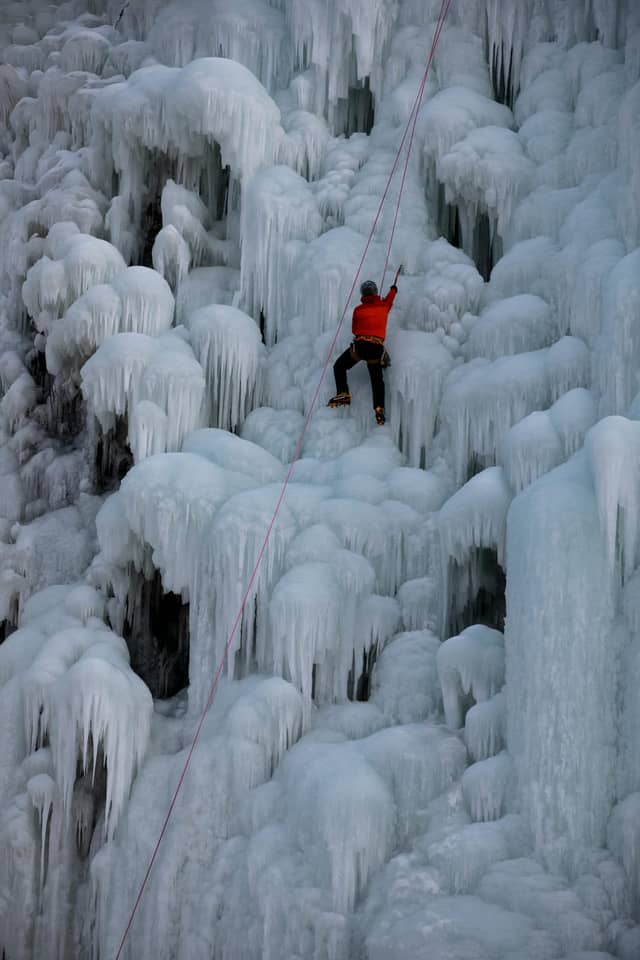
Ice Climbing Rjukan Falls Iceland: Ultimate Frozen Waterfall Guide
Expert guide to ice climbing at Rjukan Falls, Iceland. Scale spectacular frozen waterfalls with professional guides. Complete guide with equipment, costs, safety protocols, and seasonal planning.
May 20, 2026 • 12 min read
Iceland Northern Lights: The Ultimate Aurora Borealis Adventure Guide
Expert guide to Iceland Northern Lights. Aurora borealis hunting, ice caves, geothermal lagoons, volcanic landscapes, and Nordic winter wonderland.
May 20, 2026 • 17 min read
Iceland Northern Lights Photography: Expert Guide
Master Northern Lights photography in Iceland with pro tips. Best locations, camera settings, and seasonal advice from 10+ years experience.
May 20, 2026 • 10 min read
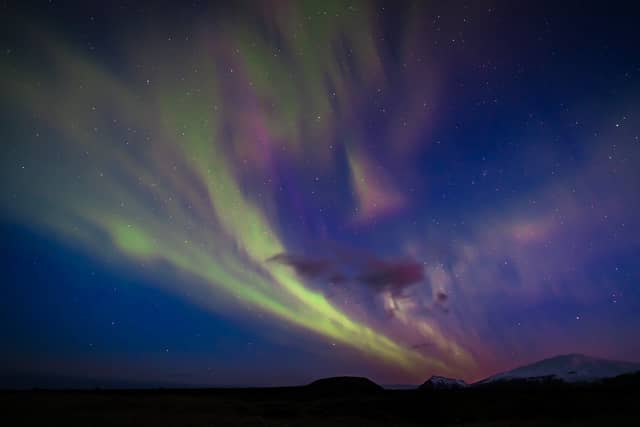
Skydiving Iceland Northern Lights: Ultimate Aurora Borealis Freefall Adventure
Experience the thrill of skydiving under Iceland's magical northern lights. Spectacular tandem jumps with aurora borealis views, glaciers, and volcanic landscapes. Complete guide to locations, costs, and preparation for Iceland's winter skydiving adventure.
May 20, 2026 • 8 min read
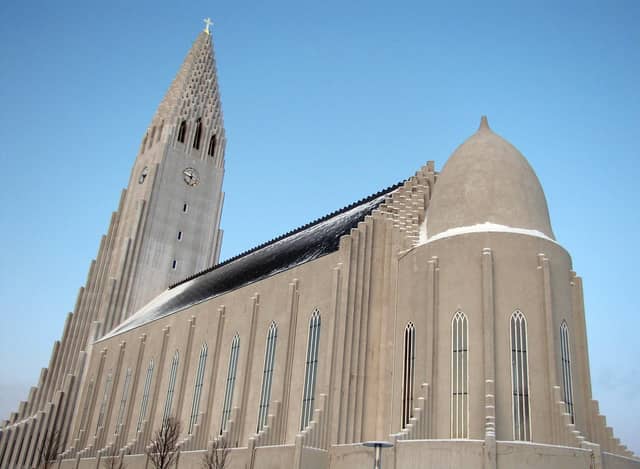
Skydiving Reykjavik Iceland: Tandem Jump Over Volcanic Landscapes
Ultimate guide to skydiving over Reykjavik, Iceland. Experience freefall with glaciers, volcanoes, and Nordic lights below. Expert tips, locations, costs, and preparation for Iceland's most thrilling adventure.
May 20, 2026 • 8 min read
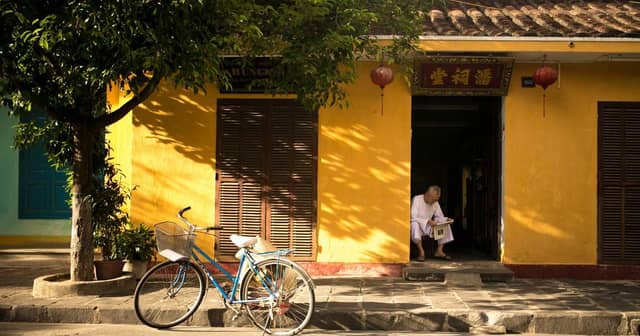
Reykjavik Iceland: Ultimate Northern Capital Travel Guide
Complete Reykjavik travel guide covering Hallgrímskirkja, Blue Lagoon, Northern Lights, and Icelandic cuisine. Expert tips for your perfect Nordic adventure.
May 20, 2026 • 22 min read
Iceland travel FAQs
It depends on what you want: the northern lights season runs from September to March, with peak aurora activity November through February, while summer from June to August brings the midnight sun and easier road access. Ice cave visits and ice climbing are winter activities, roughly November to April. Winter travel means only 4-6 hours of daylight and highly variable weather, which actually helps aurora viewing.
Iceland sits directly under the auroral oval, making it one of the best places on Earth to see the northern lights, with volcanic landscapes, glaciers, and waterfalls as dramatic foregrounds. Signature experiences include exploring blue ice caves in glaciers, soaking in geothermal lagoons such as the Blue Lagoon and Sky Lagoon, glacier hikes, the Golden Circle route with the Strokkur geyser and Gullfoss, and ice climbing frozen waterfalls in winter. The south coast adds black sand beaches and the iceberg-filled Jokulsarlon glacier lagoon.
Plan at least 4-5 days for Reykjavik and its classic day trips like the Golden Circle and south coast, and 5-7 days for a dedicated northern lights trip, since aurora hunting depends on clear skies and solar activity and needs multiple nights. A 7-day circuit can combine Reykjavik, the Golden Circle, the south coast, and aurora hunting in the darker north and east. Longer stays improve your odds of catching a strong display.
International flights land at Keflavik Airport, about 45 minutes from Reykjavik, and the capital itself is walkable with Straeto city buses. Outside Reykjavik a rental car is essential, and in winter a 4WD with winter tires is strongly advised; road conditions should be checked on road.is and weather forecasts monitored, as storms and icy roads are common. Guided tours are a good alternative for travelers not comfortable with winter driving.
Iceland is expensive, with daily budgets of roughly ISK 15,000-40,000, or about 110-300 dollars per person. A 7-day guided northern lights package typically costs 3,500-5,000 dollars, while a self-guided version runs about 2,000-3,500 dollars plus flights. Savings come from the famous pylsur hot dogs at ISK 600-800, city geothermal pools at ISK 1,000-2,000 instead of the Blue Lagoon's ISK 7,900-10,000, grocery stores, and excellent free tap water.