
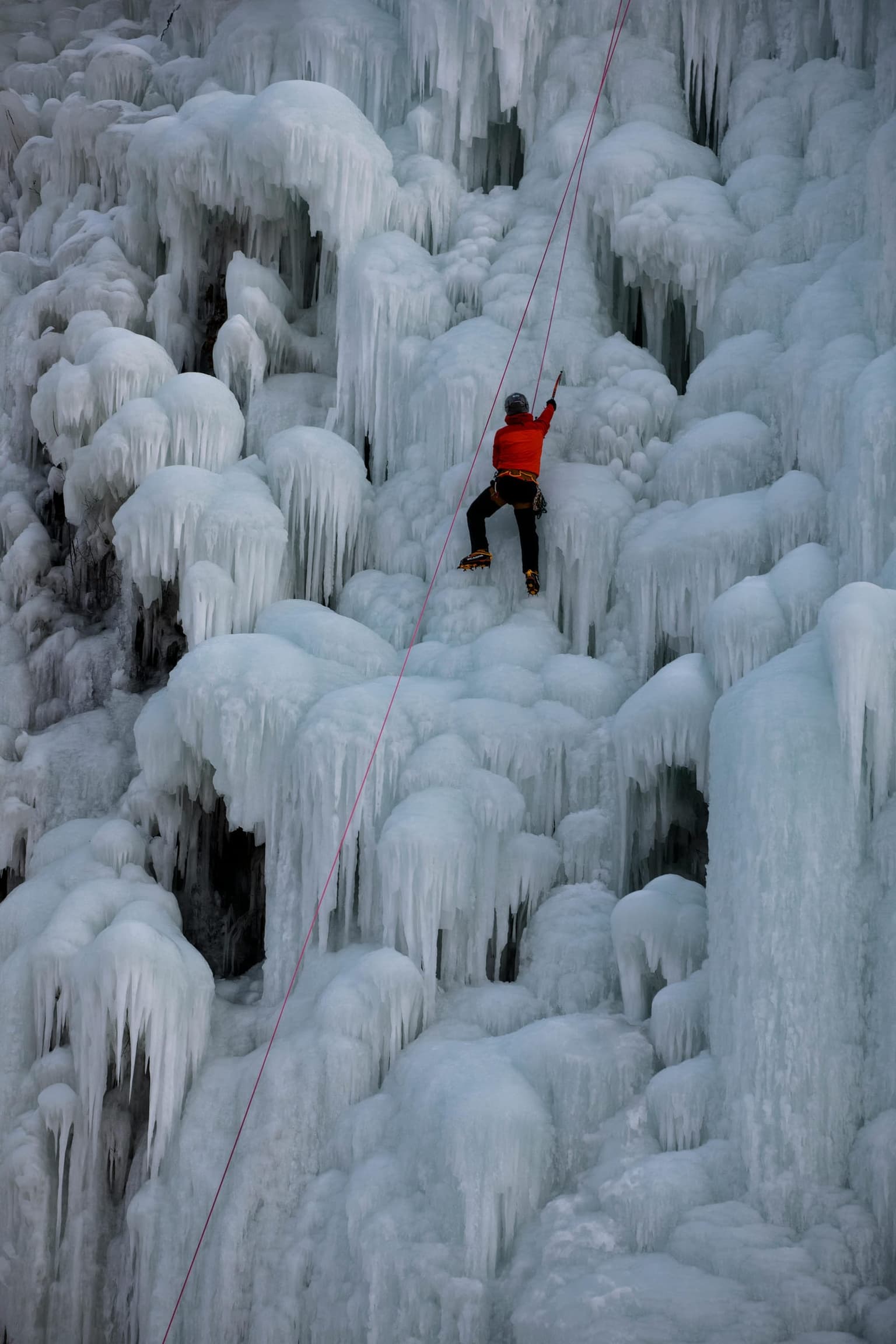
Ice Climbing Rjukan Falls Iceland: Ultimate Frozen Waterfall Guide
Categories
Tags
Ice Climbing Rjukan Falls Iceland: The Ultimate Frozen Waterfall Guide
Standing beneath the massive frozen curtain of Rjukan Falls, watching ice tools bite into crystal-clear blue ice with satisfying thuds, you experience climbing in its most primal and spectacular form. Ice climbing Rjukan Falls in Iceland isn't just a sport—it's a journey into an Arctic wonderland where waterfalls freeze solid, creating vertical ice sculptures that climbers from around the world dream of ascending. After 16 years guiding climbers up Iceland's frozen waterfalls and competing in ice climbing world championships, I can tell you that Rjukan offers some of the most accessible and spectacular ice climbing in the Arctic. The falls create perfect conditions for all skill levels, from beginners taking their first ice climb to experts pushing their limits on multi-pitch vertical ice.
Quick Facts at a Glance
- Location: Rjukan Falls, South Iceland (near Skógar)
- Waterfall Height: 60-120 meters (197-394 feet) depending on ice formation
- Ice Climb Grades: WI2 to WI6+ (Water Ice climbing scale)
- Season: November to April (peak: January-March)
- Temperature: -5°C to -15°C (23°F to 5°F) during climbing season
- Access: 1 hour from Reykjavik, 30 minutes from Skógar
- Number of Routes: 20+ documented ice lines
- Guided Availability: Daily departures from November-April
- Certification Required: Ice climbing experience recommended for advanced routes
- Average Cost: $1,500-3,000 for 5-day ice climbing adventure
- Difficulty: Beginner to Extreme (depending on route)
- Best Time of Day: 9 AM - 3 PM for optimal ice conditions
Why Ice Climb Rjukan Falls?
Rjukan Falls is Iceland's premier ice climbing destination for good reason. The waterfall creates one of the country's most impressive ice formations, with ice curtains that can reach over 100 meters in height. What makes Rjukan extraordinary is its accessibility combined with spectacular scenery—glaciers, black sand beaches, and Iceland's dramatic volcanic landscape create an unmatched backdrop for your ice climbing adventure. The falls freeze in different formations each year, creating new challenges and experiences for returning climbers.
What Makes Rjukan Falls Extraordinary:
- Spectacular Ice Formations: Massive ice curtains and pillars formed by Iceland's powerful waterfalls
- Accessible Adventure: Easy access from Reykjavik with world-class ice climbing conditions
- Route Variety: 20+ routes from beginner-friendly WI2 to extreme WI6+
- Arctic Scenery: Glaciers, black sand beaches, and volcanic landscapes
- Reliable Conditions: Consistent freezing temperatures create predictable ice quality
- Professional Infrastructure: Experienced guides, quality equipment, and emergency support
- Northern Lights Potential: Climb under aurora borealis during winter nights
- Year-Round Ice: Extended season with different ice formations throughout winter
Understanding Rjukan Falls' Ice Climbing Routes
Beginner Routes (WI2-WI3)
First Ice Climb (WI2)
- Height: 30 meters (98 feet)
- Features: Easy-angle ice, good ice thickness, solid protection
- Best For: First-time ice climbers, building confidence
- Duration: 2-3 hours including instruction
- Equipment Provided: All ice climbing gear included
Lower Rjukan Pillar (WI3)
- Height: 40 meters (131 feet)
- Features: Steeper but still manageable, excellent for progression
- Best For: Climbers with some experience or fit beginners
- Duration: 3-4 hours
- Challenge: Building proper technique and endurance
Intermediate Routes (WI4-WI5)
Main Ice Curtain (WI4)
- Height: 60 meters (197 feet)
- Features: Classic vertical ice, mixed ice quality, technical crux sections
- Best For: Intermediate climbers, those with previous ice experience
- Duration: 4-5 hours
- Challenge: Technical ice climbing with sustained vertical sections
Rjukan Pillar (WI5)
- Height: 80 meters (262 feet)
- Features: Steep ice, thinner ice sections, challenging placements
- Best For: Strong intermediate climbers seeking challenge
- Duration: 5-6 hours
- Challenge: Physical endurance and technical skill
Advanced Routes (WI5-WI6)
Upper Rjukan Direct (WI5+)
- Height: 100 meters (328 feet)
- Features: Sustained steep ice, mixed climbing sections, thin ice
- Best For: Advanced climbers, ice climbing experience required
- Duration: 6-8 hours
- Challenge: Technical climbing at height with exposure
Rjukan Freefall (WI6)
- Height: 120 meters (394 feet)
- Features: Extreme vertical ice, overhanging sections, expert-only
- Best For: Expert ice climbers with proven experience
- Duration: Full day expedition
- Challenge: World-class ice climbing requiring excellent technique
Perfect 5-Day Rjukan Falls Ice Climbing Adventure
Day 1: Arrival & Ice Climbing Introduction
Morning (8:00 AM): Arrive in Reykjavik, Iceland's capital city. Transfer to accommodation near Rjukan Falls (1 hour drive through Iceland's dramatic south coast). Check into your accommodation—options range from cozy guesthouses ($80-120/night) to luxury hotels ($150-250/night).
Mid-Morning (10:00 AM): Meet your ice climbing guide at base camp. Comprehensive orientation covering:
- Ice climbing safety protocols
- Equipment introduction and fitting
- Weather assessment and ice conditions
- Emergency procedures specific to Icelandic ice climbing
- Iceland winter environment awareness
Afternoon (1:00 PM): Transfer to Rjukan Falls overlook. Scenic introduction to the waterfall and ice formations. Your guide will explain:
- How waterfalls create ice climbs
- Ice formation patterns at Rjukan
- Route selection based on conditions
- Environmental considerations for Iceland's fragile ice
Late Afternoon (3:00 PM): First ice climbing skills session at beginner practice area:
- Ice tool placement techniques
- Crampon use and front-point skills
- Ice screw placement and removal
- Belay techniques for ice climbing
- Practice on short, easy ice sections
Evening (6:00 PM): Return to accommodation. Dinner featuring traditional Icelandic cuisine (lamb, fish, skyr). Evening briefing on Day 2's ice climbing adventure. Rest early—tomorrow you'll be on the ice!
Day 2: First Ascents & Skill Development
Early Morning (8:00 AM): Depart for Rjukan Falls. Final equipment check and safety briefing. Approach to base of waterfall (15-minute hike across frozen terrain).
Morning (9:00 AM): First ice climb on First Ice Climb (WI2). Your guide will provide:
- One-on-one instruction on proper ice climbing technique
- Belay support throughout the climb
- Feedback on ice tool placement and body positioning
- Confidence-building environment for first ascent
Late Morning (11:00 AM): Second ice climb on Lower Rjukan Pillar (WI3). Progress to:
- Slightly steeper ice
- More technical ice placements
- Building endurance and technique
- Practicing ice screw placements
Noon (12:30 PM): Lunch break at waterfall base. Warm drinks and snacks while discussing morning's climbs. Take photos of the spectacular ice formations.
Afternoon (2:00 PM): Technical skills session focusing on:
- Advanced ice tool techniques
- Mixed climbing basics (ice with rock)
- Ice screw efficiency and safety
- Belay transitions and rescue techniques
Late Afternoon (4:00 PM): Optional third climb or technique practice. Focus on improving specific skills identified during morning ascents.
Evening (6:30 PM): Return to accommodation. Debrief with guide, review photos and video from day's climbs. Dinner and preparation for Day 3's intermediate challenges.
Day 3: Intermediate Ice Climbing Challenges
Early Morning (7:30 AM): Depart for Rjukan. Weather check and route assessment. Today focuses on intermediate routes that challenge but are achievable for progressing climbers.
Morning (9:00 AM): Attempt Main Ice Curtain (WI4). This classic route features:
- 60 meters of vertical ice climbing
- Technical crux sections requiring precise tool placements
- Sustained climbing building endurance
- Spectacular views from halfway point
Late Morning (11:30 AM): Complete ascent of Main Ice Curtain. Rest and refuel at cliff base while discussing technique and improvements.
Afternoon (1:00 PM): Attempt Rjukan Pillar (WI5) for stronger climbers, or alternative intermediate route. Features:
- Steeper ice requiring aggressive tool placements
- Thinner ice sections testing skill and confidence
- Technical climbing with exposure
- Mental challenges of sustained vertical ice
Late Afternoon (3:30 PM): Advanced technique session for those completing intermediate routes:
- Dry tooling (ice tools on rock)
- Ice screw efficiency practice
- Mixed movement between ice and rock
- Rescue techniques and self-sufficiency
Evening (6:30 PM): Celebration dinner for completing intermediate routes. Share stories, photos, and experiences. Review progress and set goals for remaining days.
Day 4: Advanced Techniques & Route Selection
Morning (8:30 AM): Depart for Rjukan with flexible itinerary based on climber progression and conditions.
Morning (10:00 AM): Option 1: Advanced Route Challenge
- Attempt Upper Rjukan Direct (WI5+) for qualified climbers
- Focus on sustained steep ice with thin sections
- Mixed climbing techniques for rock-ice transitions
- Building endurance for longer ascents
Morning (10:00 AM): Option 2: Technique Refinement
- Focus on perfecting skills from previous days
- Practice on different ice formations
- Advanced ice screw placements and efficiency
- Climbing variety of routes to build experience
Afternoon (1:00 PM): Ice Climbing Workshop with guide focus on:
- Advanced ice tool techniques
- Mixed climbing fundamentals
- Lead climbing skills for ice
- Rescue and self-rescue procedures
- Route reading and ice assessment
Late Afternoon (3:30 PM): Free climbing time or route repetition. Practice techniques learned during workshop. Choose routes that challenge but build confidence.
Evening (6:30 PM): Northern Lights hunt (if conditions permit). Iceland's winter nights offer spectacular aurora displays that can be seen even from waterfall base. Hot chocolate and traditional Icelandic pastries while watching the sky.
Day 5: Final Ascents & Departure
Early Morning (8:00 AM): Final day on the ice. Choose focus based on week's progression:
Morning (9:00 AM): Option 1: Route Completion
- Attempt challenging route that represents your skill level
- Focus on technique learned during the week
- Build confidence through successful ascent
- Document achievement with photos and video
Morning (9:00 AM): Option 2: Variety Climbing
- Climb multiple shorter routes for experience
- Practice different ice formations and angles
- Build versatility and skill diversity
- Enjoy final day on spectacular ice
Late Morning (11:30 AM): Ice Climbing Assessment & Feedback
- Personal skill assessment with your guide
- Recommendations for future ice climbing destinations
- Equipment recommendations for personal gear purchase
- Certification of skills achieved during the week
Afternoon (1:00 PM): Final photo session at Rjukan Falls. Capture memories of Iceland's spectacular ice climbing. Review week's accomplishments and celebrate progression.
Late Afternoon (3:00 PM): Equipment return, pack up, and departure from Rjukan. Transfer to Reykjavik or continue Iceland adventures.
Evening (6:00 PM): Farewell dinner in Reykjavik. Share experiences with fellow climbers, exchange contact information, and plan future ice climbing adventures. Certificate ceremony for completing Rjukan Falls ice climbing program.
Essential Ice Climbing Equipment
Ice Climbing Tools
Ice Axes:
- Type: Technical ice tools with leashless grip (modern standard)
- Recommended Models: Petzl Nomic, Black Diamond Fusion, Grivel Tech Machine
- Sizing: Based on height and arm length (guides will help size)
- Features: Modular picks, adjustable shafts, ergonomic handles
- Investment: $350-600 per tool (2 required)
Crampons:
- Type: 12-point technical crampons with front points
- Recommended Models: Petzl Sarken, Grivel G12, Black Diamond Sabretooth
- Fit: Must fit boots securely without movement
- Features: Horizontal front points, anti-balling plates, adjustable sizing
- Investment: $150-250 per pair
Climbing Harness & Hardware
Ice Climbing Harness:
- Type: Technical harness with dedicated gear loops and ice clipper attachments
- Recommended Models: Petzl Calidris, Black Diamond Chaos, CAMP Alp
- Features: Ice clipper slots, multiple gear loops, adjustable leg loops
- Investment: $100-200
Ice Screws:
- Sizes: 13cm, 16cm, 19cm, 22cm (variety needed)
- Types: Standard steel screws, titanium for weight reduction
- Quantity: 6-10 screws recommended for multi-pitch climbs
- Investment: $40-80 per screw
Carabiners & Lockers:
- Type: Lightweight locking carabiners with smooth gates
- Quantity: 10-12 carabiners minimum
- Features: Keylock nose, smooth operation, lightweight
- Investment: $10-20 per carabiner
Clothing & Protection
Climbing Helmet:
- Type: Certified climbing or mountaineering helmet
- Recommended Models: Petzl Meteor, Black Diamond Half Dome, Mammut Wall Rider
- Features: Lightweight, good ventilation, ice tool compatible
- Investment: $80-150
Climbing Clothing (Layering System):
- Base Layer: Merino wool or synthetic thermal top and bottom
- Mid Layer: Insulating fleece or softshell jacket
- Outer Layer: Waterproof, windproof shell with hood
- Ice Climbing Pants: Reinforced knees, crampon compatibility
- Gloves: Multiple pairs—light climbing gloves and warm belay gloves
- Balaclava: Essential for cold weather protection
- Investment: $400-600 for complete system
Ice Climbing Boots:
- Type: Technical ice climbing boots with rigid soles
- Recommended Models: La Sportiva Nepal Evo, Scarpa Phantom Guide
- Features: Warm, rigid, crampon compatible, good ankle support
- Investment: $400-700 per pair
Safety Equipment
Anchor Building Kit:
- Ice pitons, ice hooks, and v-threads
- Slings and cordelette
- Belay device (ATC, GriGri, or specific ice belay device)
- Ropes (60-70m dynamic rope for multi-pitch climbs)
- Investment: $300-500 for complete anchor system
Emergency Equipment:
- First aid kit with cold weather supplies
- Emergency bivy or space blanket
- Emergency communication device (Garmin inReach recommended)
- Rescue whistle and signaling devices
- Investment: $200-400
Iceland Weather & Ice Climbing Seasons
Peak Ice Climbing Season (January-March) ⭐⭐⭐⭐⭐
Temperature: -15°C to -5°C (5°F to 23°F) day, -20°C to -10°C (-4°F to 14°F) night Ice Conditions: Optimal ice thickness and quality Weather: Stable, cold, predictable Pros:
- Best ice conditions
- Consistent freezing temperatures
- Long daylight hours (especially February-March)
- Most reliable climbing conditions
Cons:
- More crowded (but still less than popular destinations)
- Coldest temperatures requiring serious cold weather gear
- Advance booking required
Early Season (November-December) ⭐⭐⭐⭐
Temperature: -10°C to 0°C (14°F to 32°F) day, -15°C to -5°C (5°F to 23°F) night Ice Conditions: Good ice forming, but may be thinner Weather: Variable, building stability Pros:
- Fewer crowds
- Lower prices
- Early season ice formations are unique
- Northern Lights season optimal
Cons:
- Some routes may not be fully formed
- More variable weather conditions
- Shorter daylight hours
Late Season (April) ⭐⭐⭐
Temperature: -5°C to 5°C (23°F to 41°F) day, -10°C to 0°C (14°F to 32°F) night Ice Conditions: Ice beginning to soften but still climbable Weather: Milder, more variable Pros:
- Longest daylight hours
- Warmer temperatures
- Spring conditions create unique ice formations
- Fewer crowds
Cons:
- Ice quality decreasing
- Less reliable conditions
- Some routes may become unsafe
Ice Climbing Safety Guidelines
Pre-Climb Preparation
Weather Assessment:
- Check detailed weather forecast for Rjukan area
- Monitor temperature trends (warmer days = softer ice)
- Check wind conditions (strong winds make ice climbing dangerous)
- Have alternative plans for weather changes
Equipment Inspection:
- Inspect ice tools for pick wear and shaft damage
- Check crampons for front point sharpness
- Verify all carabiners and hardware function
- Test rope and belay devices for damage
- Check clothing for tears or lost fasteners
On-the-Ice Safety
Belay Protocols:
- Always belay from secure anchor (not person)
- Use proper belay technique for ice (dynamic catches)
- Communicate clearly with climbing partner
- Keep rope organized and tangle-free
Ice Assessment:
- Test ice quality before committing to route
- Listen for hollow ice sounds (indicates thin or unstable ice)
- Look for cracks or fracture lines
- Avoid sun-affected ice (warmer = softer = more dangerous)
Technical Safety:
- Place ice screws at regular intervals (every 3-5 meters)
- Never climb on ice that looks rotten or discolored
- Use proper tool placements—don't over-swing
- Maintain three points of contact whenever possible
Emergency Procedures
Self-Rescue:
- Know how to ascend the rope with prusik knots
- Carry backup ice screws and carabiners
- Have communication device with emergency functions
- Know escape routes from each climb
Partner Rescue:
- Practice rescue lowering techniques
- Know how to assist injured climber
- Carry evacuation equipment
- Have emergency response plan activated
Rjukan Falls Costs & Budget Breakdown
5-Day Ice Climbing Adventure Package
All-Inclusive Package: ISK 280,000-350,000 ($2,100-2,600)
- Professional ice climbing guide (5 days)
- All ice climbing equipment rental
- Transportation from Reykjavik
- Accommodation (4 nights)
- Meals (breakfast, lunch, dinner)
- Safety equipment and emergency support
- Northern Lights viewing opportunity
- Certificate of completion
Independent Ice Climbing Trip
Weekly Costs:
- Accommodation: ISK 60,000-120,000 ($450-900) per person
- Equipment Rental: ISK 30,000-50,000 ($225-375) per week
- Transportation: ISK 15,000-25,000 ($110-190)
- Guide Services (if hiring): ISK 80,000-150,000 ($600-1,125) per day
- Meals: ISK 25,000-40,000 ($190-300)
- Total: ISK 210,000-385,000 ($1,575-2,900) per week
Equipment Investment
Complete Ice Climbing Setup: ISK 500,000-700,000 ($3,750-5,250)
- Ice tools (2): ISK 150,000-250,000
- Crampons: ISK 40,000-60,000
- Boots: ISK 80,000-120,000
- Harness & hardware: ISK 100,000-150,000
- Clothing system: ISK 100,000-150,000
- Safety equipment: ISK 30,000-70,000
Getting to Rjukan Falls
International Arrival
Fly to Reykjavik (KEF):
- Iceland's international airport with connections worldwide
- 1 hour drive to Rjukan Falls
- Year-round access
Ground Transportation
From Reykjavik Airport:
- Car Rental: 1.5 hours to Rjukan (4WD recommended for winter)
- Shuttle Service: Available from tour operators
- Taxi: Expensive but available
From Reykjavik City:
- Car Rental: 1 hour to Rjukan
- Bus Service: Limited winter service
- Guided Tour: Includes transportation
Accommodation Options
Near Rjukan Falls:
- Guesthouses and farm stays (most authentic experience)
- Hotels in Skógar (15 minutes from falls)
- Cottages for self-catering
Reykjavik Area:
- Hotels, hostels, and Airbnb options
- Easy access to Rjukan Falls for day trips
- More dining and entertainment options
Iceland Ice Climbing Culture
Local Ice Climbing Community
Iceland has a passionate but small ice climbing community. Local climbers are welcoming and eager to share knowledge about Rjukan and other Icelandic ice climbing destinations. The community emphasizes safety, environmental respect, and responsible climbing practices.
Ice Climbing History
Iceland's ice climbing began in earnest in the 1980s with exploration of frozen waterfalls throughout the country. Rjukan Falls emerged as a premier destination due to its consistent ice formation and accessibility. Today, Icelandic ice climbers compete internationally and contribute to ice climbing innovation.
Environmental Awareness
Iceland's ice formations are fragile and must be respected. Local ethics include:
- Minimizing impact on ice formations
- Leaving no trace
- Respecting wildlife and vegetation
- Supporting conservation efforts
Photography Tips: Capturing Iceland's Ice
Best Photo Opportunities
Action Shots:
- Climber at full extension, ice tools embedded in ice
- Ice screw placements and technical moments
- Summit celebrations with Iceland landscape backdrop
Landscape Photography:
- Rjukan Falls in full glory against Iceland's dramatic sky
- Ice formations close-up showing crystal structure
- Northern Lights with ice climber silhouette
Cultural & Environmental:
- Traditional Icelandic buildings near waterfall
- Black sand beaches contrasted with white ice
- Glaciers and volcanic landscapes surrounding falls
Equipment Recommendations
Camera: Weather-sealed DSLR or mirrorless preferred Lenses: Wide-angle (16-35mm) for dramatic ice, telephoto (70-200mm) for action Protection: Waterproof housing or rain cover, microfiber cloths Power: Extra batteries (cold drains them quickly) Mount: Tripod for landscape shots, action camera for climbing footage
Best Times for Photography
Light:
- Golden hour (9-11 AM and 3-5 PM in winter)
- Overcast days provide even lighting on ice
- Night shots of Northern Lights with ice climber
Weather:
- Clear days for landscape photos
- Fresh snow for contrast
- Calm days for crisp action shots
Final Thoughts & Planning Tips
Why Rjukan Falls Changes You
Ice climbing Rjukan Falls isn't just about ascending frozen waterfalls—it's about experiencing Iceland's dramatic winter landscape in a uniquely intimate way. You'll feel the power of water that created these ice giants, witness the fragile beauty of Arctic ice, and develop skills that apply to ice climbing worldwide. The combination of challenge, beauty, and Iceland's unique environment creates transformative experiences.
Best Planning Tips
- Book Early: Ice climbing season is short (November-April), advance booking essential
- Come Prepared: Ice climbing is physically demanding, train beforehand
- Respect Conditions: Iceland's weather changes rapidly, stay flexible
- Hire Local Guides: Their knowledge is invaluable for safety and experience
- Pack Properly: Arctic conditions require serious cold weather preparation
- Document Experience: Capture Iceland's spectacular landscapes and your climbing journey
- Stay Humble: Ice climbing demands respect—don't underestimate challenges
- Enjoy the Journey: Iceland's winter beauty is as rewarding as the climbing itself
When to Book
- Peak Season (January-March): 3-5 months in advance
- Early/Late Season (November, April): 1-2 months in advance
- Last Minute: Sometimes possible but limited availability
Making the Most of Your Experience
The best ice climbing experiences at Rjukan come from thorough preparation, respect for Iceland's fragile ice environment, and appreciation of the unique Arctic landscape. Whether you're taking your first ice climb or pushing limits on advanced routes, Rjukan Falls delivers an adventure that will change your perspective on winter and ice climbing forever.
Take your time, listen to your guides, and savor the experience of climbing Iceland's frozen giants. The ice is waiting.
Conclusion
Ice climbing Rjukan Falls in Iceland represents one of the world's most accessible and spectacular ice climbing experiences. The combination of dramatic ice formations, reliable winter conditions, and Iceland's unique Arctic landscape creates an unmatched destination for ice climbers of all skill levels. Whether you're a beginner taking your first ice climb or an expert pushing limits on multi-pitch vertical ice, Rjukan Falls delivers challenges and rewards that will create memories for a lifetime.
The accessibility from Reykjavik, professional guiding infrastructure, and Iceland's welcoming culture make Rjukan perfect for developing ice climbing skills in one of Earth's most spectacular environments. By following proper safety protocols, respecting Iceland's fragile ice formations, and progressing at your own pace, you'll discover why Rjukan Falls has become a must-visit destination for ice climbers worldwide.
Rjukan Falls is calling—the ice is forming, and your adventure awaits.
Ready to climb Iceland's frozen waterfalls? Contact certified ice climbing operators and start planning your Rjukan Falls adventure today!Questions about ice climbing in Iceland? Ask away—I'm here to help you start your Arctic ice climbing journey!
Adventure Knit Editorial
Destination research compiled and fact-checked by the Adventure Knit editorial team from published sources, operator itineraries, and official tourism boards. Spot something out of date? Tell us at hello@adventureknit.com.
Related Stories
 Argentina
Ice Climbing Patagonia: Conquer Fitz Roy's Frozen Waterfalls
Ultimate guide to ice climbing in Patagonia's Fitz Roy area. Scale frozen waterfalls and glaciers with professional guides. Expert tips, equipment, costs, and safety protocols for Argentina's ice climbing paradise.
 Iceland
Skydiving Iceland Northern Lights: Ultimate Aurora Borealis Freefall Adventure
Experience the thrill of skydiving under Iceland's magical northern lights. Spectacular tandem jumps with aurora borealis views, glaciers, and volcanic landscapes. Complete guide to locations, costs, and preparation for Iceland's winter skydiving adventure.
 Norway
Skydiving Norway Midnight Sun: Ultimate Arctic Circle Freefall Adventure
Experience the thrill of skydiving under Norway's magical midnight sun. Spectacular tandem jumps in arctic light that never sets. Complete guide to locations, costs, and preparation for Norway's unique 24-hour daylight adventure.
Enjoyed this article?
Explore more stories from our adventures around the world