
Ice Climbing Patagonia: Conquer Fitz Roy's Frozen Waterfalls
Categories
Tags
Ice Climbing Patagonia: Conquer Fitz Roy's Frozen Waterfalls
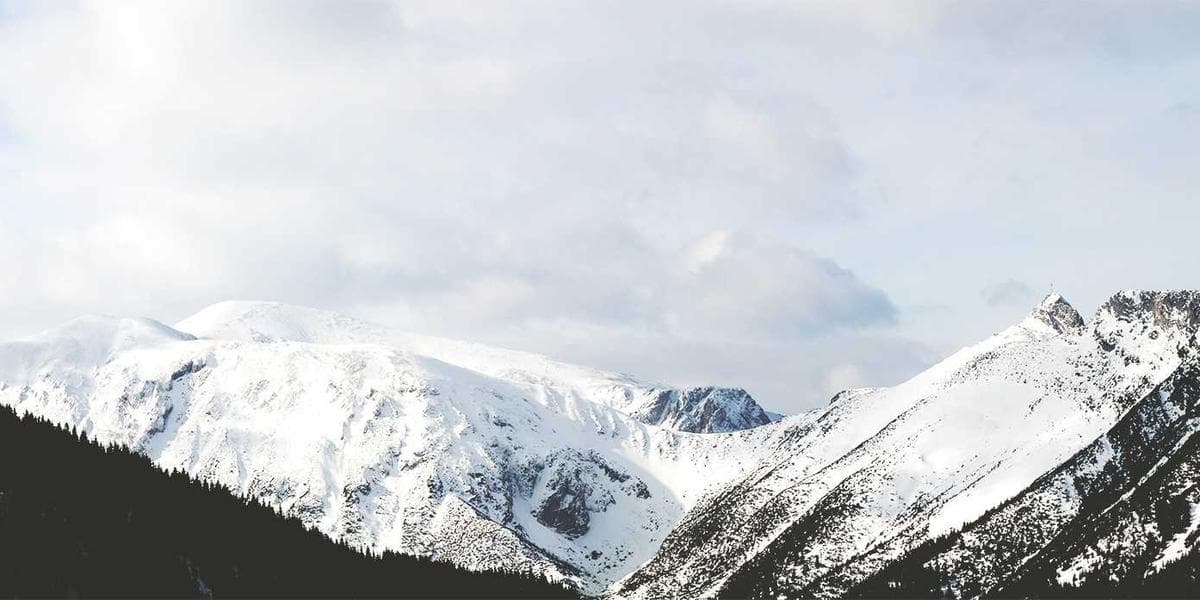
There's something primal about hacking your way up a frozen waterfall, your ice axes striking the ice with a satisfying thud, while the iconic Fitz Roy looms above you, its snow-capped peak piercing the Patagonian sky. Ice climbing in Patagonia is the ultimate test of strength, technique, and determination. After 14 years guiding climbers up these icefalls and becoming the first Argentine woman to summit dozens of Patagonia's peaks, I can tell you that nothing compares to the thrill of ascending frozen water in one of the world's most beautiful mountain regions. This isn't just climbing—it's dancing with ice in nature's most spectacular arena.
Quick Facts at a Glance
- Location: El Chaltén, Patagonia, Argentina (Fitz Roy region)
- Climbing Season: July-September (winter months)
- Icefall Heights: 50-500 meters (165-1,640 feet)
- Difficulty Range: WI2 to WI6+ (Water Ice climbing grades)
- Temperature: -5°C to -15°C (23°F to 5°F) during climbs
- Fitz Roy Elevation: 3,405 meters (11,171 feet)
- Duration: 5-7 days recommended for comprehensive experience
- Group Size: Maximum 2-3 climbers per guide
- Average Cost: $150-$300 per day per person
- Physical Fitness: Good to excellent required
- Experience Level: Some climbing experience recommended
- Certification: Professional guide required for most icefalls
- Best For: Experienced climbers, mountaineers, adventure seekers
Why Experience Ice Climbing in Patagonia?
Patagonia offers some of the world's most spectacular and accessible ice climbing. The Fitz Roy region contains numerous frozen waterfalls and ice routes that provide incredible climbing with breathtaking mountain views. Unlike many ice climbing destinations, Patagonia combines high-quality ice with dramatic scenery and excellent infrastructure in El Chaltén.
What Makes This Experience Extraordinary:
- World-Class Ice Routes: High-quality icefalls with varied climbing
- Fitz Roy Backdrop: Iconic mountain views while climbing
- Accessible Base Town: El Chaltén is climbing paradise
- Reliable Ice Conditions: Stable winter ice conditions
- Professional Guides: IFMGA-certified mountain guides available
- Diverse Routes: From beginner to expert icefalls
- Glacier Climbing: Opportunity to climb on actual glaciers
- Wild Patagonia: Remote, pristine mountain environment
- Mountaineering Gateway: Introduction to Patagonia mountaineering
- Photography Paradise: Incredible ice and mountain photography
Understanding Patagonia's Ice Climbing Areas
Primary Climbing Zones
El Chaltén Area (Most Popular):
- Location: Base town at foot of Fitz Roy
- Altitude: Icefalls at 1,200-1,800 meters (3,937-5,906 feet)
- Ice Quality: Excellent, stable ice conditions
- Route Variety: WI2 to WI6+ (beginner to expert)
- Access: 30 minutes to 2 hours from town
- Best For: All experience levels
Fitz Roy Base Camp Area:
- Location: Near Laguna de los Tres
- Altitude: Higher elevation icefalls (1,800-2,200 meters)
- Ice Quality: Mixed ice and snow conditions
- Route Variety: WI3 to WI6
- Access: 2-4 hours from El Chaltén
- Best For: Intermediate to advanced climbers
Cerro Torre Area:
- Location: Near Cerro Torre peak
- Altitude: 1,500-2,000 meters
- Ice Quality: Challenging, technical ice
- Route Variety: WI4 to WI6+
- Access: 2-3 hours from El Chaltén
- Best For: Advanced climbers seeking challenges
Why Patagonia for Ice Climbing
Perfect Ice Climbing Conditions:
- Reliable Winter Ice: Consistent ice formation July-September
- Excellent Protection: Solid ice screw placements
- Varied Climbing: Waterfalls, glaciers, mixed routes
- Scenic Beauty: Fitz Roy, Cerro Torre, endless mountains
- Professional Infrastructure: Guides, equipment rental, accommodation
- Climbing Community: Vibrant international climbing scene
- Accessible Routes: Many icefalls within easy reach
- Mountaineering Access: Gateway to bigger Patagonia peaks
Weather Considerations:
- Winter Weather: Cold, stable conditions July-September
- Wind: Patagonia famous for strong winds
- Daylight: 8-10 hours in winter
- Temperature: Generally -5°C to -15°C during climbs
- Storm Systems: Can develop quickly, always prepared
Perfect 5-Day Patagonia Ice Climbing Adventure Itinerary
Day 1: Arrival and Orientation
Morning: Arrival in El Chaltén
10:00 AM - Arrival and Check-In
- Arrive in El Chaltén (from El Calafate, 3 hours by bus)
- Check into climbing hostel or hotel
- Meet your mountain guide and climbing team
- Complete registration and liability forms
- Medical assessment and fitness check
- Equipment fitting and distribution
12:00 PM - Lunch and Orientation
- Traditional Patagonian lunch
- Comprehensive ice climbing orientation
- Review of Patagonia ice conditions and weather
- Equipment overview and demonstration
- Safety briefing and emergency procedures
1:30 PM - Ice Climbing Fundamentals
- Ice Climbing Techniques: Introduction to proper movement
- Equipment Use: How to use ice tools, crampons, and protection
- Knot Tying: Essential climbing knots for ice
- Belaying: Proper belay techniques for ice climbing
- Communication: Standard climbing signals and commands
- Practice: Ground-level practice on small ice features
4:00 PM - Equipment Check and Preparation
- Final fitting of climbing equipment
- Personal gear assessment
- Practice with ice tools and crampons
- Check weather forecast for next few days
- Plan tomorrow's climbing objectives
- Early dinner and rest
7:00 PM - Evening Briefing
- Review tomorrow's climbing objectives
- Weather forecast update
- Equipment check for tomorrow
- Early bedtime (climbing starts early!)
Day 2: First Ice Climbs
Early Morning: Beginner Icefalls
6:00 AM - Breakfast and Preparation
- Hearty breakfast with energy-rich foods
- Equipment final check
- Weather update and go/no-go decision
- Departure for climbing area
7:00 AM - Approach to Icefall
- Hiking Time: 30-45 minutes to first icefall
- Scenic Approach: Beautiful Patagonian views
- Terrain: Moderate hiking to icefall base
- Equipment Distribution: Distribute group gear
- Final Briefing: Review safety and climbing plan
8:00 AM - First Ice Climbs (Beginner Routes)
- Routes: WI2-WI3 (beginner-friendly icefalls)
- Height: 50-100 meters (165-330 feet)
- Technique Focus: Balance, ice tool placement, crampon work
- Number of Climbs: 3-5 different routes throughout day
- Guide Support: Professional instruction and coaching
- Progression: Start easy, gradually increase difficulty
12:00 PM - Lunch Break
- Lunch at icefall base
- Rest and refuel
- Review morning climbing
- Plan afternoon objectives
Afternoon: Continued Ice Climbing
1:00 PM - Intermediate Routes
- Routes: WI3-WI4 (moderate difficulty)
- Height: 80-150 meters (260-490 feet)
- Technique Focus: More complex ice features, steeper sections
- Challenge: Increase confidence and skill
- Photography: Capture climbing moments
4:00 PM - Debrief and Return
- Review day's climbing achievements
- Technique feedback from guide
- Pack equipment
- Hike back to El Chaltén (45 minutes)
- Arrive at accommodation around 5:30 PM
Evening:
- Dinner and celebration of first ice climbs
- Review photos and videos
- Plan tomorrow's climbing
- Rest and recovery
Day 3: Advanced Icefalls
Early Morning: More Challenging Climbs
6:00 AM - Breakfast and Departure
- Energy-rich breakfast
- Check weather conditions
- Departure for more advanced icefall area
7:30 AM - Approach to Advanced Icefall
- Hiking Time: 45-60 minutes to climbing area
- Location: More remote icefall with steeper ice
- Views: Spectacular Fitz Roy views during approach
- Final Safety Check: Before climbing
8:30 AM - Advanced Ice Climbs
- Routes: WI4-WI5 (advanced difficulty)
- Height: 100-200 meters (330-656 feet)
- Technique Focus: Steeper ice, overhangs, complex ice features
- Challenge: Test skills learned on previous days
- Support: Guide coaching and belaying
- Multiple Climbs: 2-3 challenging routes
12:30 PM - Lunch at Icefall
- Spectacular lunch with mountain views
- Rest and recover energy
- Review climbing techniques
- Plan afternoon objectives
Afternoon: Mixed Ice and Rock Climbing
2:00 PM - Mixed Climbing Routes
- Routes: Mixed ice and rock (M1-M3)
- Height: 80-150 meters (260-490 feet)
- Technique Focus: Transition between ice and rock
- Challenge: Different skills and movement
- Variety: Expand climbing abilities
4:30 PM - Final Climbs of Day
- One last challenging ice climb
- Focus on technique improvement
- Capture final photos and videos
- Celebrate achievements
Evening:
- Return to El Chaltén
- Dinner and debrief
- Rest and recovery
- Plan final day options
Day 4: Glacier Ice Climbing or Multi-Pitch Routes
Option A: Glacier Climbing
Early Morning: Glacier Approach
6:00 AM - Early Breakfast
- High-energy breakfast
- Glacier climbing preparation
- Safety equipment check (crevasses, ropes, harnesses)
7:00 AM - Approach to Glacier
- Hiking Time: 1-1.5 hours to glacier
- Terrain: Moderate to challenging
- Views: Incredible Patagonian landscapes
- Glacier Access: Safe approach routes
8:30 AM - Glacier Ice Climbing
- Location: On actual glacier ice
- Routes: Various ice features on glacier
- Height: 50-150 meters (165-490 feet)
- Unique Experience: Climbing moving glacier ice
- Technique: Different from waterfall ice
- Glacier Features: Seracs, crevasses, ice formations
Afternoon: Continued Glacier Climbing
- Multiple routes on glacier
- Explore different ice features
- Practice advanced techniques
- Spectacular photography opportunities
- Return to El Chaltén by 5 PM
Option B: Multi-Pitch Ice Routes
Early Morning: Multi-Pitch Preparation
6:00 AM - Early Start
- Hearty breakfast
- Multi-pitch climbing preparation
- Advanced safety briefing
7:00 AM - Approach to Multi-Pitch Route
- Hiking Time: 45-60 minutes
- Route Selection: WI4-WI5 multi-pitch icefall
- Pitch Count: 3-5 pitches (150-250 meters total)
- Challenge: More sustained climbing
8:00 AM - Multi-Pitch Ice Climbing
- Pitch 1-2: Moderate ice, warm-up
- Pitch 3-4: Steeper, more technical ice
- Pitch 5: Crux pitch, most challenging
- Views: Spectacular views from each belay station
- Teamwork: Excellent multi-pitch climbing practice
Afternoon:
- Complete multi-pitch route
- Return to El Chaltén
- Celebration dinner
- Rest and recovery
Day 5: Final Climbs and Departure
Morning: Final Ice Climbs
7:00 AM - Breakfast and Preparation
- Relaxed morning breakfast
- Choose final icefalls to climb
- Final equipment check
8:00 AM - Final Climbing Day
- Routes: Choice of favorite icefalls from previous days
- Focus: Enjoyment and mastery
- Photography: Capture final climbing moments
- Celebration: Complete ice climbing journey
- Technique Refinement: Work on specific skills
12:00 PM - Final Lunch
- Celebration lunch at icefall
- Review entire ice climbing experience
- Share stories and photos with group
- Reflect on achievements
Afternoon: Departure
2:00 PM - Return to El Chaltén
- Hike back to town
- Pack equipment and belongings
- Check out of accommodation
- Transfer to bus terminal
3:00 PM - Departure
- Bus to El Calafate (or onward travel)
- Take memories and stories home
- Plan return to Patagonia (many do!)
Essential Ice Climbing Equipment
Provided by Guides/Rental Shops
Technical Ice Climbing Equipment:
- Ice Axes: Two technical ice tools (leashless recommended)
- Crampons: Technical step-in crampons with vertical front points
- Ice Screws: Various lengths for ice protection
- Harness: Comfortable climbing harness suitable for ice
- Helmet: Climbing helmet with good coverage
- Belay Device: Assisted braking belay device (Grigri, etc.)
- Carabiners: Locking carabiners for safety systems
- Slings and Quickdraws: For ice protection and anchors
Climbing Rope:
- Ice Climbing Rope: 60-70 meter dry-treated single rope (9.5-10mm)
- Rope Bag: For protecting rope during transport
What You Need to Bring
Clothing (Critical for Ice Climbing):
- Base Layer: Moisture-wicking thermal underwear (top and bottom)
- Mid Layer: Insulating fleece or synthetic jacket
- Outer Layer: Waterproof, breathable hard shell jacket
- Ice Climbing Pants: Waterproof, breathable climbing pants
- Insulation Layer: Down or synthetic jacket for belays
- Socks: Thick wool or synthetic socks
- Gloves: Multiple pairs (thin, medium, thick)
- Hat: Warm hat or beanie
- Neck Gaiter/Buff: For neck and face protection
Footwear:
- Mountaineering Boots: Rigid or semi-rigid boots suitable for crampons
- Gaiters: Waterproof gaiters for snow and ice
Personal Items:
- Sunglasses: High-quality mountaineering sunglasses
- Sunscreen: High SPF (Patagonian sun is intense!)
- Lip Balm: With SPF
- Water Bottle: Insulated water bottle (1-2 liters)
- Energy Snacks: Bars, gels, nuts, dried fruit
- Personal Medications: Enough for trip plus extras
- First Aid Kit: Small personal first aid kit
- Headlamp: With extra batteries
- Camera: For capturing incredible moments
Optional but Recommended:
- Extra Gloves: Always need more dry gloves!
- Hand Warmers: For cold days
- Camera Mount: For helmet or chest shots
- Backpack: Daypack for carrying gear (30-40 liters)
- Thermos: For hot drinks during belays
Health and Safety Considerations
Ice Climbing Safety
Before Climbing:
- Fitness Assessment: Good cardiovascular fitness and upper body strength
- Experience Level: Some climbing experience recommended
- Medical Clearance: Inform guides of any health conditions
- Equipment Knowledge: Basic understanding of climbing equipment
- Weather Awareness: Understand Patagonian weather patterns
- Proper Clothing: Have appropriate cold-weather gear
- Mental Preparation: Ice climbing requires focus and determination
During Climbing:
- Follow Guide's Instructions: Professional guidance is essential
- Check Protection: Always verify ice screw placements
- Belay Vigilance: Never lose focus while belaying
- Communication: Use clear, standard climbing signals
- Know Your Limits: Don't climb beyond ability without supervision
- Stay Warm: Cold affects judgment and performance
- Watch For Falling Ice: Be aware of icefall hazards
- Team Awareness: Look out for fellow climbers
Emergency Procedures:
- Falling: Proper self-arrest techniques
- Lost Climber: Stay in place if lost, signal for help
- Equipment Failure: Use backup systems, don't climb without proper protection
- Weather Emergency: Retreat immediately if conditions deteriorate
- Injury: Guide carries first aid and can coordinate rescue
Environmental Hazards
Cold Weather Hazards:
- Hypothermia: Signs include shivering, confusion, slurred speech
- Frostbite: Protect extremities, watch for numbness
- Wind Chill: Can make temperatures feel much colder
- Limited Daylight: Plan climbs around daylight hours in winter
Ice and Snow Hazards:
- Falling Ice: Always be aware of ice above
- Avalanche Risk: Some areas have avalanche potential
- Glacial Crevasses: On glacier climbs, always rope up
- Slippery Conditions: Ice and snow make terrain hazardous
Mountain Hazards:
- Rock Fall: Can occur even in winter
- Changing Weather: Patagonia weather can change rapidly
- Altitude: Not extreme, but can affect performance
- Remoteness: Some climbing areas are remote
Ice Climbing Skills You'll Learn
Basic Ice Climbing Techniques
Tool Placement:
- Swing Technique: Proper ice axe swinging mechanics
- Footwork: Precise crampon placement on ice
- Balance: Weight distribution on ice
- Resting: Efficient resting positions on ice
Belaying and Safety:
- Ice Belaying: Techniques for belaying ice climbers
- Ice Screw Placement: Proper screw placement techniques
- Anchor Building: Building secure ice anchors
- Risk Assessment: Evaluating ice quality and stability
Advanced Techniques
Mixed Climbing:
- Transition Techniques: Moving between ice and rock
- Dry Tooling: Using ice tools on rock
- Rock Protection: Using ice screws on rock features
- Route Reading: Analyzing mixed routes
Multi-Pitch Climbing:
- Efficient Transitions: Smooth transitions between pitches
- Communication: Multi-pitch communication systems
- Belay Station Management: Managing stations efficiently
- Descent Techniques: Rappelling and downclimbing
Choosing Your Ice Climbing Experience
Climbing Options and Packages
Beginner Ice Climbing Package (2-3 Days):
- Duration: 2-3 days of ice climbing
- Routes: WI2-WI3 (beginner-friendly)
- Includes: Guide, equipment rental, instruction
- Group Size: Maximum 2-3 climbers per guide
- Cost: $300-$500 per person
- Perfect for: First-time ice climbers, those wanting basic experience
Intermediate/Advanced Package (4-5 Days):
- Duration: 4-5 days of ice climbing
- Routes: WI3-WI5 (intermediate to advanced)
- Includes: All beginner package inclusions plus more challenging routes
- Group Size: Maximum 2 climbers per guide
- Cost: $600-$1,000 per person
- Perfect for: Climbers with experience seeking improvement
Private Ice Climbing Instruction:
- Duration: Flexible (1-7 days)
- Routes: Customized to ability level
- Includes: Personal guide, customized instruction
- Group Size: 1-2 climbers per guide
- Cost: $150-$300 per person per day
- Perfect for: Specific skill development, small groups
Guide/Operator Selection
What to Look For:
- IFMGA or equivalent mountain guide certification
- Extensive Patagonia ice climbing experience
- Good safety record and reviews
- Well-maintained equipment
- Small group sizes (better experience)
- Comprehensive safety briefings
- Positive reviews and recommendations
Red Flags:
- Poor online reviews or safety concerns
- Inadequate safety briefings
- Old or poorly maintained equipment
- Large, overcrowded groups
- Lack of proper guide certification
- Poor communication or organization
Recommended Guides/Operators:
- Patagonia Ice Climbing Academy (specialized, excellent instructors)
- Fitz Roy Guides (established, local expertise)
- Cerro Torre Adventures (experienced, professional)
- Patagonia Vertical (comprehensive, well-organized)
- El Chaltén Mountaineering School (local, knowledgeable)
Cost Breakdown: Patagonia Ice Climbing Adventure
Climbing Costs
Beginner Package (2-3 Days): $300-$500
- Guide: Included
- Equipment rental: Included
- Instruction: Included
- Park fees: Included (if applicable)
- Not Included: Accommodation, meals, transportation
Intermediate/Advanced Package (4-5 Days): $600-$1,000
- All beginner inclusions
- Extended climbing: Included
- More advanced routes: Included
- Not Included: Accommodation, meals, transportation
Private Instruction: $150-$300 per person per day
- Personal guide: Included
- Customized instruction: Included
- Equipment rental: Included
- Not Included: Accommodation, meals, transportation
Additional Costs to Consider
Transportation:
- Flight to Buenos Aires: $800-$1,500+ (varies widely)
- Flight to El Calafate: $100-$200
- Bus to El Chaltén: $20-$30 USD
- Local Transportation: Minimal (walking around El Chaltén)
Accommodation (El Chaltén):
- Hostel: $20-$35 USD per night
- Budget Hotel: $50-$80 USD per night
- Mid-Range Hotel: $90-$150 USD per night
- Luxury Hotel: $180-$300+ USD per night
Meals:
- Breakfast: Often included with accommodation
- Lunch: $10-$20 USD per meal
- Dinner: $15-$30 USD per meal
- Groceries: $30-$50 USD per day if self-catering
Equipment Rental (if not included):
- Ice Tools: $15-$25 USD per day
- Crampons: $10-$15 USD per day
- Harness and Helmet: $5-$10 USD per day
- Boots: $20-$30 USD per day
- Complete Package: $40-$60 USD per day
Other Costs:
- Park Fees: Varies (some areas free)
- Tips for Guides: $15-$25 USD per day recommended
- Additional Activities: Hiking, sightseeing, etc.
- Souvenirs: $20-$100 USD
Total Budget Estimate
Budget Traveler:
- Climbing package (2-3 days): $400
- Accommodation (3 nights): $75
- Meals: $90
- Transport: $150 (Argentina domestic)
- Total: ~$715 for 3-4 days
Mid-Range Traveler:
- Climbing package (4-5 days): $800
- Accommodation (4 nights): $300
- Meals: $150
- Transport: $250
- Equipment rental: $150
- Total: ~$1,650 for 4-5 days
Comfort Traveler:
- Private climbing (5 days): $1,250
- Accommodation (5 nights): $750
- Meals: $250
- Transport: $400
- Equipment: $300
- Total: ~$2,950 for 5-6 days
Getting to El Chaltén, Patagonia
Getting to El Chaltén (Base Town)
From Buenos Aires (2,700km):
- Flight: 3 hours to El Calafate ($100-$200 USD)
- Bus: 3 hours from El Calafate to El Chaltén ($20-$30 USD)
- Total Travel Time: 6-8 hours (plus connections)
From El Calafate (220km):
- Bus: 3 hours, scenic drive through Patagonia ($20-$30 USD)
- Private Transfer: 2.5 hours, more flexible ($150-$200 USD)
From Other Patagonia Destinations:
- From Torres del Paine (Chile): 6-8 hours with border crossing
- From Bariloche: 12-14 hours (long journey)
Travel Tips
Best Time to Arrive:
- Arrive day before climbing starts
- Acclimate to Patagonian conditions
- Check in with guide and rent equipment
- Explore El Chaltén's climbing scene
What to Pack for Patagonia Ice Climbing:
- Layered technical clothing (essential!)
- Warm, waterproof boots
- Climbing equipment (if you have your own)
- Cold-weather sleeping bag (if camping)
- Sun protection (glasses, sunscreen, lip balm)
- Camera for spectacular shots
- Universal power adapter (Type I, 220V)
- Cash (Argentine Pesos - ARS)
- Travel insurance covering mountaineering
Photography and GoPro Tips
Best Shots and Opportunities
Before Climbing:
- El Chaltén and surrounding mountains
- Equipment preparation and fitting
- Approach hikes to icefalls
- Fitz Roy and Cerro Torre views
- Climbing team preparation
During Climbing:
- Action Shots: Climber on ice with tools engaged
- Ice Features: Close-ups of ice formations
- Landscape Shots: Climber with Fitz Roy background
- Team Dynamics: Belaying, communication, teamwork
- Summit/Belay Views: Spectacular views from climbing positions
- Glacier Scenery: If glacier climbing, unique ice formations
After Climbing:
- Celebration and tired but happy climbers
- Equipment covered in ice
- El Chaltén climbing scene
- Patagonian sunset views
- Climbing achievements
Camera Settings and Techniques
For Action Climbing:
- Fast Shutter: 1/500 or faster (to freeze movement)
- Continuous Focus: For tracking moving climbers
- Burst Mode: Capture sequence shots
- Aperture: f/8-f/11 (good depth of field)
- ISO: Keep low (100-400) for clean images
For Landscape/Ice Features:
- Wide Angle: 16-35mm or similar
- Aperture: f/8-f/11 (good depth)
- Shutter Speed: Can be slower on tripod
- ISO: Low (100-200)
- Tripod: Essential for sharp landscape shots
GoPro/Action Camera:
- Resolution: 1080p or 2.7K (good balance)
- Frame Rate: 60fps (smooth footage)
- Field of View: Wide or Medium
- Mounting: Helmet or chest mount for climbing shots
- Waterproof: GoPros handle wet conditions well
Photography Considerations
Cold Weather Challenges:
- Battery Drain: Cold weather drains batteries quickly
- Fogging: Warm camera moving to cold air causes condensation
- Operation: Can be difficult with gloves on
- Protection: Keep camera dry and protected
Solutions:
- Extra Batteries: Bring multiple fully charged batteries
- Acclimatize: Let camera adjust to cold before removing from bag
- Touch-Screen: Can be difficult with gloves, consider buttons
- Weather Protection: Use camera covers when not shooting
Final Thoughts & Planning Tips
Why Ice Climbing Patagonia Changes You
Ice climbing in Patagonia is transformative. The combination of physical challenge, technical skill development, and spectacular mountain scenery creates an experience that stays with you forever. You'll develop strength, technique, and confidence that extends far beyond climbing. Many climbers describe it as life-changing, opening doors to more mountaineering adventures.
Key Takeaways:
- Incredible Challenge: Test your physical and mental limits
- Technical Skill Development: Learn ice climbing techniques
- Spectacular Scenery: Fitz Roy and endless Patagonian beauty
- Professional Instruction: Learn from expert mountain guides
- Climbing Community: Connect with international climbers
- Gateway Adventure: Introduction to Patagonia mountaineering
- Lifetime Memories: Experiences you'll treasure forever
Best Planning Tips
When to Go:
- Best Time: July-September (winter ice climbing season)
- Peak Season: August (best ice conditions)
- Avoid: October-April (ice climbing season essentially over)
- Book Early: Especially July-August (most popular months)
- Weather Flexible: Patagonia weather can be unpredictable
How to Prepare:
- Fitness: Upper body and core strength essential
- Climbing Experience: Some rock climbing experience recommended
- Cold Weather Gear: Have proper clothing system
- Mental Preparation: Ice climbing requires focus and determination
- Research: Learn about Patagonia and ice climbing techniques
- Insurance: Get travel insurance covering mountaineering activities
Booking Tips:
- Book in Advance: Especially July-August (peak season)
- Read Reviews: Check multiple review sources
- Ask Questions: About safety, equipment, climbing levels
- Compare Guides: But prioritize quality and experience
- Confirm Details: Meeting times, what's included, weather policies
- Verify Guide Certification: Ensure proper mountain guide credentials
Making the Most of Your Experience
During Climbing:
- Listen to Your Guide: Professional guidance is invaluable
- Focus on Technique: Good technique makes climbing easier
- Stay Warm: Cold affects performance and judgment
- Take Photos: But don't miss the climbing experience
- Enjoy the Challenge: Ice climbing is as rewarding as it is challenging
- Learn: This is a unique opportunity to learn from experts
- Celebrate: Each climb is an achievement!
After Climbing:
- Rest and Recover: Ice climbing is physically demanding
- Review Your Experience: What did you learn? What would you improve?
- Share Your Story: Inspire others to try ice climbing
- Plan Your Return: Many climbers return for more Patagonia adventures
- Continue Training: Ice climbing skills translate to other climbing
- Explore El Chaltén: There's more to see and climb!
Conclusion
Ice climbing in Patagonia's Fitz Roy region offers one of the world's most spectacular and rewarding ice climbing experiences. The combination of high-quality ice, dramatic mountain scenery, and excellent professional guides creates an unparalleled opportunity for climbers of all levels. Whether you're a beginner wanting to learn ice climbing fundamentals or an experienced climber seeking challenging routes, Patagonia delivers an experience that will stay with you forever.
The professional IFMGA-certified guides, well-maintained equipment, and comprehensive safety protocols ensure that you can develop your ice climbing skills in a safe, supportive environment. The views of Fitz Roy while climbing frozen waterfalls are unlike anything else in the world.
Are you ready to test yourself against Patagonia's ice? Are you ready to learn ice climbing skills in one of the world's most beautiful mountain environments? Book your Patagonia ice climbing adventure today and discover the thrill of ascending frozen waterfalls with Fitz Roy watching overhead. Trust me, it will change how you see mountains and your own potential.
Ready to start your ice climbing adventure? Check out our Patagonia Ice Climbing Tours or contact me directly for personalized advice and climbing recommendations.
About the Author: Lucia Martínez is a professional ice climbing guide and IFMGA-certified mountain guide with over 14 years of experience climbing Patagonia's icefalls. She founded the Patagonia Ice Climbing Academy and was the first Argentine woman to summit dozens of Patagonia's peaks. Follow her ice climbing adventures on Instagram @lucia_patagonia_climbing.
Adventure Knit Editorial
Destination research compiled and fact-checked by the Adventure Knit editorial team from published sources, operator itineraries, and official tourism boards. Spot something out of date? Tell us at hello@adventureknit.com.
Related Stories
 Iceland
Ice Climbing Rjukan Falls Iceland: Ultimate Frozen Waterfall Guide
Expert guide to ice climbing at Rjukan Falls, Iceland. Scale spectacular frozen waterfalls with professional guides. Complete guide with equipment, costs, safety protocols, and seasonal planning.
 Argentina
Skydiving Argentina Patagonia: Ultimate Andean Peaks Freefall Adventure
Experience the thrill of skydiving over Argentina's majestic Patagonia. Spectacular tandem jumps with views of Fitz Roy, glaciers, and pristine Andean wilderness. Complete guide to locations, costs, and preparation for Patagonia's mountain paradise adventure.
 Italy
ItalyVia Ferrata Dolomites Italy: Ultimate Iron Path Adventure Guide
Complete guide to via ferrata climbing in the Italian Dolomites. Experience the iron paths of the Alps with expert tips, equipment lists, route descriptions, and safety protocols.
Enjoyed this article?
Explore more stories from our adventures around the world