
Italy travel guides
12 guides to Italy, written by the Adventure Knit editorial team.
Italy guides
Amalfi Coast Italy: The Ultimate Scenic Coastal Drive Guide
Expert guide to Amalfi Coast Italy. Positano cliffs, Amalfi town, Ravello gardens, Path of the Gods, and Italy's most spectacular coastal drive.
May 20, 2026 • 15 min read

Bologna Italy: Ultimate Culinary Capital Travel Guide
Complete Bologna travel guide covering Piazza Maggiore, Two Towers, Bolognese cuisine, and Italian culture. Expert tips for your perfect Italian adventure.
May 20, 2026 • 22 min read

Dolomites Adventure: Italy's Ultimate Alpine Paradise
Complete guide to the Italian Dolomites - legendary via ferrata routes, mountain huts, dramatic rock formations, and alpine climbing in one of the world's most spectacular mountain ranges.
May 20, 2026 • 19 min read

Florence Italy: Ultimate Renaissance Birthplace Travel Guide
Complete Florence travel guide covering Duomo, Uffizi Gallery, Tuscany cuisine, and Renaissance art. Expert tips for your perfect Italian adventure.
May 20, 2026 • 24 min read
Milan Italy: Ultimate Fashion Capital Travel Guide
Complete Milan travel guide covering Duomo Cathedral, La Scala, Last Supper, and Lombard cuisine. Expert tips for your perfect Italian adventure.
May 20, 2026 • 22 min read

Base Jumping Dolomites Italy: Ultimate Extreme Jump Guide
Experience the thrill of base jumping over the stunning Dolomite mountains in Italy - Europe's most breathtaking extreme adventure destination
May 20, 2026 • 8 min read

Wingsuit Flying Dolomites Italy: Soar Over UNESCO Peaks
Ultimate guide to wingsuit flying in the Dolomites, Italy. Experience flying over UNESCO World Heritage peaks with spectacular alpine views. Expert tips, locations, costs, and preparation for Europe's most thrilling aerial adventure.
May 20, 2026 • 10 min read
Rome Italy: Ultimate Eternal City Travel Guide
Complete Rome travel guide covering Colosseum, Vatican City, Roman Forum, and Italian cuisine. Expert tips for your perfect Italian adventure.
May 20, 2026 • 22 min read
Venice Italy: Ultimate Floating City Travel Guide
Complete Venice travel guide covering St. Mark's Square, Grand Canal, Venetian islands, and gondola rides. Expert tips for your perfect Italian adventure.
May 20, 2026 • 23 min read

Verona Italy: Ultimate Romeo & Juliet Travel Guide
Complete Verona travel guide covering Arena di Verona, Juliet's House, Italian cuisine, and Veneto wine. Expert tips for your perfect Italian adventure.
May 20, 2026 • 22 min read

Via Ferrata Dolomites Italy: Ultimate Iron Path Adventure Guide
Complete guide to via ferrata climbing in the Italian Dolomites. Experience the iron paths of the Alps with expert tips, equipment lists, route descriptions, and safety protocols.
May 20, 2026 • 13 min read
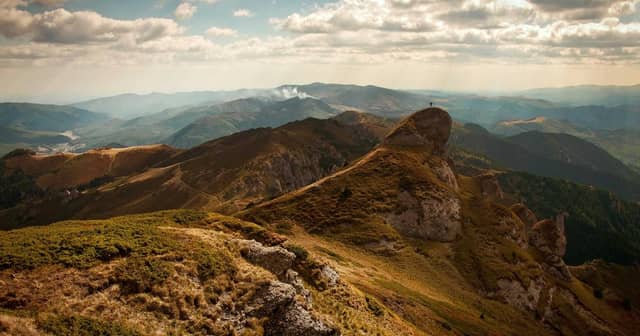
Wingsuit Flying Dolomites: The Ultimate Human Flight Adventure Guide
Expert guide to wingsuit flying in Italy's Dolomites. Experience the thrill of human flight over dramatic alpine peaks with professional tips, safety protocols, and equipment guide.
May 20, 2026 • 11 min read
Italy travel FAQs
Spring through early autumn is the best window for Italy, with April to June and September to October offering mild weather and lighter crowds in Rome and Venice. The Amalfi Coast is at its best from May to October, when conditions suit both the coastal drive and hiking. July and August bring peak-season heat and heavy crowds across the country, and popular accommodation can book out 4 to 6 months ahead.
Rome deserves 5 to 7 days at minimum, Venice 4 to 5 days, and the Amalfi Coast 4 to 5 days, so a first comprehensive trip works well at around two weeks. The cities connect easily by rail: high-speed trains run Rome to Florence in about 1.5 hours and Rome to Naples in about 2 hours, and Naples is the gateway to the Amalfi Coast via Sorrento. Day trips such as Tivoli, Ostia Antica, Verona, or Padua slot in from either capital-region base.
Italian cities are compact and walkable, with Rome served by metro and buses and Venice by vaporetto water buses, where a day pass costs about 25 euros. Trains link the major cities, and the Circumvesuviana line connects Naples to Sorrento in about 1.5 hours for the Amalfi Coast. Along the coast itself, SITA buses and seasonal ferries connect Positano, Amalfi, and neighboring towns, which many travelers prefer over driving the narrow, winding SS163 coastal road.
Italy's main destinations are considered very safe, and walking alone at night is fine in most areas of Rome and Venice. The main issue is pickpocketing in crowded tourist zones such as Rome's historic center and the Vatican area, and around San Marco and the Rialto in Venice, along with overpriced restaurants near major attractions. The Europe-wide 112 emergency number works for ambulances in Rome, and summer heat calls for sun protection and steady hydration.
Italy pairs cultural icons with genuinely active experiences: the Path of the Gods (Sentiero degli Dei) is a 7.5-kilometer cliff-top trail above the Amalfi Coast with panoramic sea views, part of a UNESCO World Heritage landscape. The SS163 Amalfi drive ranks among the world's great scenic coastal roads, and boat trips reach sea caves like the Emerald Grotto. Venice adds lagoon exploration by vaporetto to islands such as Murano, Burano, and Torcello, while Rome anchors trips with three thousand years of ancient sites.