Mount Kilimanjaro Climb: Complete Summit Guide
Categories
Tags
Mount Kilimanjaro Climb: The Complete Summit Guide
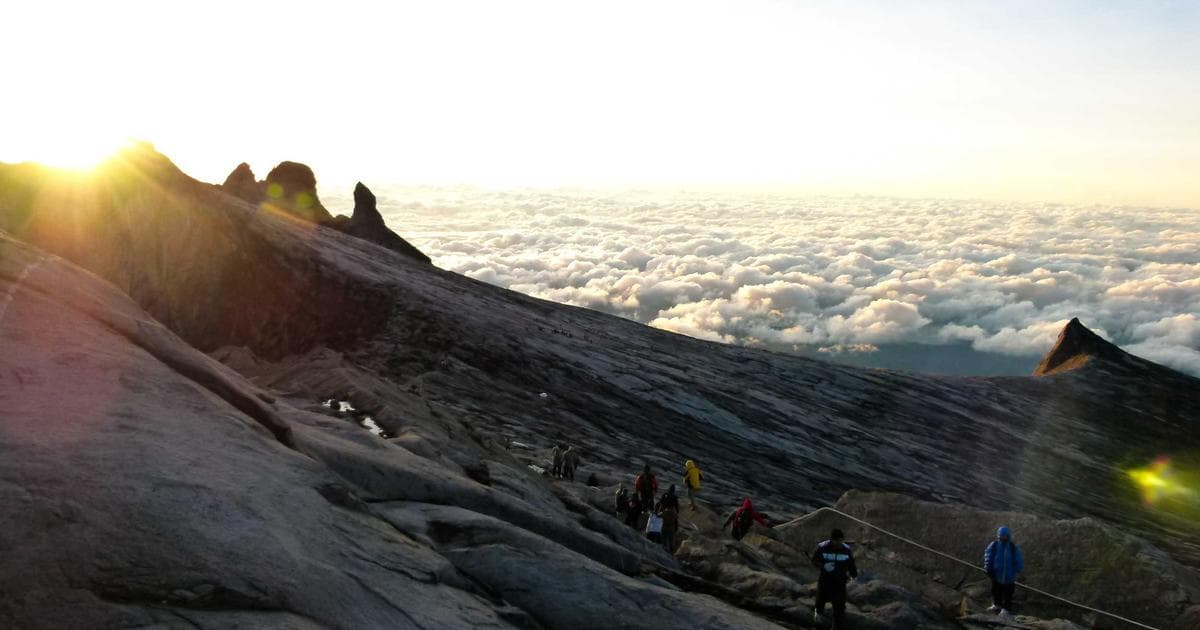
Standing at 5,895 meters (19,341 feet) above sea level, watching the sunrise paint the African sky in shades of orange and gold, you realize you've achieved something extraordinary. Kilimanjaro isn't just a mountain—it's a journey through five different climate zones, from tropical rainforest to arctic summit, all on one mountain. After guiding over 500 successful summits across all seven routes, I've learned that reaching Uhuru Peak is as much about mental preparation as it is about physical training. Let me guide you through everything you need to know to stand on top of Africa.
Quick Facts at a Glance
- Height: 5,895m (19,341ft) - Africa's highest peak
- Location: Tanzania, near the Kenyan border
- Routes: 7 established routes (Marangu, Machame, Lemosho, Shira, Northern Circuit, Rongai, Umbwe)
- Success Rate: 60-85% depending on route and acclimatization
- Duration: 5-9 days recommended
- Difficulty: Challenging (mainly due to altitude)
- Best Months: January-February, June-October
- Average Cost: $2,500-$5,000 per person
- Altitude Zones: 5 distinct climate zones
Why Climb Mount Kilimanjaro?
Kilimanjaro is the world's highest free-standing mountain and one of the Seven Summits (the highest peaks on each continent). Unlike other high-altitude climbs, Kilimanjaro doesn't require technical climbing skills—it's accessible to anyone with determination and proper preparation.
What Makes Kilimanjaro Extraordinary:
- Seven Summits Achievement: One of the world's Seven Summits
- No Technical Skills Needed: Hiking ability sufficient
- Five Climate Zones: Rainforest, heath, moorland, alpine desert, arctic
- Accessible Summit: Non-technical but physically demanding
- Spectacular Views: Views of Tanzania, Kenya, and beyond
- Cultural Experience: Meet local Chagga people, support communities
- Personal Challenge: Test your limits and achieve something extraordinary
Understanding Kilimanjaro's Routes
Marangu Route (Coca-Cola Route)
- Why Choose: Most popular, hut accommodations, gradual gradient
- Best For: First-time climbers, those wanting comfort
- Duration: 5-6 days
- Success Rate: ~85%
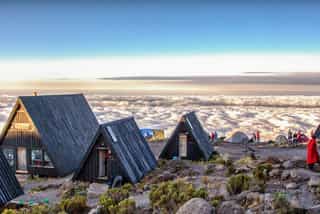
- Accommodation: Huts with beds, mattresses, dining halls
- Crowd Level: Highest
- Scenery: Good, but less varied than other routes
- Difficulty: Easiest (lowest success due to shorter days)
Machame Route (Whiskey Route)
- Why Choose: Most scenic, excellent acclimatization, beautiful landscapes
- Best For: Adventure seekers, photographers
- Duration: 6-7 days
- Success Rate: ~85%
- Accommodation: Camping (tents, sleeping bags)
- Crowd Level: High but manageable
- Scenery: Outstanding, diverse landscapes
- Difficulty: Moderate, steeper than Marangu
Lemosho Route
- Why Choose: Most scenic, best acclimatization, longest route
- Best For: Those wanting highest success rate, scenic lovers
- Duration: 7-8 days
- Success Rate: ~90% (highest)
- Accommodation: Camping
- Crowd Level: Low initially, joins Machame later
- Scenery: Excellent, remote start point
- Difficulty: Moderate but long
Shira Route
- Why Choose: Remote start, scenic, joins Machame
- Best For: Adventure seekers, those wanting quiet start
- Duration: 7-8 days
- Success Rate: ~85%
- Accommodation: Camping
- Crowd Level: Low
- Scenery: Excellent, high-altitude start
- Difficulty: Moderate
Northern Circuit Route
- Why Choose: Longest route, best acclimatization, least crowded
- Best For: Those wanting maximum success rate, quiet route
- Duration: 8-9 days
- Success Rate: ~95% (highest)
- Accommodation: Camping
- Crowd Level: Very low
- Scenery: Outstanding, covers entire mountain
- Difficulty: Long but gradual
Rongai Route
- Why Choose: Northern approach, drier, less crowded
- Best For: Those wanting less crowd, drier conditions
- Duration: 6-7 days
- Success Rate: ~85%
- Accommodation: Camping
- Crowd Level: Low
- Scenery: Different perspective, northern views
- Difficulty: Moderate
Umbwe Route
- Why Choose: Most direct, steepest, most challenging
- Best For: Experienced hikers, fit adventurers only
- Duration: 6-7 days
- Success Rate: ~70% (lowest due to poor acclimatization)
- Accommodation: Camping
- Crowd Level: Very low
- Scenery: Stunning but demanding
- Difficulty: Very challenging (not recommended for most)
Perfect 8-Day Lemosho Route Itinerary
Day 1: Arrival & Moshi Orientation
- Morning: Arrive at Kilimanjaro International Airport (JRO)
- Transfer: Drive to Moshi (1 hour)
- Afternoon: Hotel check-in, equipment check
- Briefing: Meet guide, porters, and fellow climbers
- Health Check: Basic medical assessment
- Equipment Review: Verify all gear
- Evening: Welcome dinner, final Q&A
- Stay: Moshi hotel
- Highlight: Meeting your team and anticipation building
Day 2: Lemosho Glades to Forest Camp
- Morning: Drive to Lemosho Glades trailhead (2,200m)
- Trek: 4-5 hours through rainforest
- Distance: 6km
- Elevation Gain: +600m to Mti Mkubwa Camp (2,800m)
- Scenery: Lush rainforest, colobus monkeys, birds
- First Night: Camping in forest
- Tips: Start drinking water, pace yourself
- Stay: Mti Mkubwa Camp
Day 3: Forest Camp to Shira Camp 1
- Morning: 6-7 hours trekking
- Distance: 8km
- Elevation Gain: +800m to Shira Camp 1 (3,500m)
- Landscape: Transition from rainforest to heath zone
- Views: First views of Kilimanjaro summit
- Wildlife: Buffalos, antelopes possible
- Acclimatization: Starting in earnest
- Tips: Take Diamox if prescribed, monitor symptoms
- Stay: Shira Camp 1
Day 4: Shira Camp 1 to Shira Camp 2
- Morning: Acclimatization day
- Trek: 3-4 hours (easy day)
- Distance: 4km
- Elevation Gain: +200m to Shira Camp 2 (3,800m)
- Activities: Optional hike to Shira Cathedral (4,600m)
- Purpose: "Climb high, sleep low" acclimatization
- Scenery: Shira Plateau views, Kilimanjaro's summit
- Tips: Drink lots of water, rest in afternoon
- Stay: Shira Camp 2
Day 5: Shira Camp 2 to Barranco Camp via Lava Tower
- Morning: 6-7 hours trekking
- Distance: 10km
- Lava Tower: Reach 4,600m then descend to 3,960m
- Barranco Wall: Climb the famous Barranco Wall
- Scenery: Spectacular views, changing vegetation
- Challenge: Hardest day so far
- Tips: Take Diamox, rest at Lava Tower, slow pace
- Stay: Barranco Camp (3,960m)
Day 6: Barranco Camp to Karanga Camp
- Morning: 4-5 hours trekking
- Distance: 5km
- Barranco Wall: Start with wall climb (scrambling, not technical)
- Elevation Gain: +300m to Karanga Camp (4,200m)
- Landscape: Alpine desert zone
- Views: Mawenzi peak, summit glaciers
- Tips: Take your time on the wall, use hands
- Stay: Karanga Camp
Day 7: Karanga Camp to Barafu Camp
- Morning: 3-4 hours trekking
- Distance: 4km
- Elevation Gain: +400m to Barafu Camp (4,600m)
- Purpose: Rest and prepare for summit night
- Afternoon: Early dinner, sleep by 6 PM
- Summit Briefing: Final instructions for summit attempt
- Tips: Prepare gear, drink lots, rest as much as possible
- Stay: Barafu Camp
Day 8: Summit Attempt & Descent to Mweka Camp
- Midnight: Wake up at 11 PM for summit attempt
- Start: Begin ascent at 12 AM
- To Stella Point: 6-8 hours to Stella Point (5,756m)
- To Uhuru Peak: 1-2 more hours to Uhuru Peak (5,895m)
- Summit: Celebrate, photos, 30 minutes at top
- Descent: 2-3 hours back to Barafu Camp
- Continue: 3-4 hours to Mweka Camp (3,100m)
- Total Day: 12-16 hours of trekking
- Tips: "Pole, pole" (slowly, slowly) is the key
- Stay: Mweka Camp
Day 9: Final Descent & Departure
- Morning: 3-4 hours descent to Mweka Gate
- Distance: 9km
- Elevation Loss: -1,200m
- Awards: Receive summit certificates
- Transfer: Drive back to Moshi
- Celebration: Final dinner with team
- Tips: Tip your crew, celebrate achievement
- Departure: Next day flights or continue safari
- Achievement: You've summited Kilimanjaro!
Kilimanjaro's Top Experiences
Reaching Uhuru Peak
- Time: Sunrise (typically 6:30-7:30 AM)
- Views: African plains, glaciers, clouds below
- Feeling: Overwhelming sense of achievement
- Photos: Must capture summit photos
- Duration: 30-45 minutes at top
- Weather: Typically very cold, windy
Barranco Wall Climb
- Time: 1-2 hours of scrambling
- Difficulty: Moderate (not technical)
- Views: Spectacular Baranco Valley
- Experience: Most fun part of climb
- Safety: Very safe with guides
Five Climate Zones
- Rainforest (800m-2,800m): Lush, green, wildlife
- Heath Moorland (2,800m-4,000m): Lobelias, senecios
- Alpine Desert (4,000m-5,000m): Barren, rocky
- Arctic Summit (5,000m-5,895m): Ice, snow, rock
- Unique Experience: Experience all five in one climb
Glaciers & Ice Fields
- Furtwängler Glacier: Near summit, shrinking
- Northern Ice Fields: Most extensive
- Southern Glaciers: Dramatic formations
- Climate Change: Glaciers retreating fast
- Photography: Incredible ice formations
Getting to Mount Kilimanjaro
International Flights
- Airport: Kilimanjaro International Airport (JRO)
- Airlines: KLM, Turkish Airlines, Qatar Airways, Ethiopian
- Connections: Through Amsterdam, Istanbul, Doha, Addis Ababa
- Alternative: Fly to Dar es Salaam then domestic flight
- Cost: $800-$1,500 from major hubs
Pre-Climb Stay
- Location: Moshi town (base for Kilimanjaro)
- Duration: 2 nights minimum recommended
- Purpose: Rest, acclimatization, gear check
- Hotels: Range from budget to luxury
- Cost: $50-$300 per night
Transfers
- JRO to Moshi: 1 hour, $30-50
- Hotel to Trailhead: 1-3 hours, included in most packages
- Mweka Gate to Moshi: 1 hour, included
Kilimanjaro Weather & Seasonal Guide
Dry Season (January-February, June-October)
- Conditions: Clear skies, less precipitation
- Temperature: Daytime 20°C-25°C (68°F-77°F), night -10°C to -20°C (14°F to -4°F)
- Visibility: Excellent
- Crowds: High in June-October
- Best For: All routes, summit attempts
- Success Rate: Higher due to good conditions
Wet Season (March-May, November-December)
- Conditions: More rain, mud on lower sections
- Temperature: Similar but warmer at night
- Visibility: Variable, cloud cover common
- Crowds: Lower
- Best For: Budget climbers, fewer people
- Success Rate: Slightly lower
Monthly Breakdown
January
- Dry season start
- Good conditions
- Fewer crowds
- Good for photography
February
- Peak dry season
- Excellent conditions
- Still fewer crowds
- Great month overall
March
- Beginning of rains
- Fewer climbers
- Mud at lower elevations
- Budget season
April
- Heavy rains
- Very few climbers
- Challenging conditions
- Not recommended
May
- Rains continuing
- Transition month
- Crowds very low
- Conditions improving late month
June
- Dry season begins
- Conditions improving
- Crowds increasing
- Good month overall
July
- Peak dry season
- Excellent conditions
- High crowds
- Book well in advance
August
- Peak season continues
- Best conditions
- Maximum crowds
- Book 6+ months ahead
September
- End of peak season
- Still excellent conditions
- Crowds decreasing
- Great month
October
- End of dry season
- Good conditions
- Fewer crowds
- Excellent value
November
- Short rains begin
- Fewer climbers
- Variable conditions
- OK if prepared
December
- Holiday season
- Variable conditions
- Family groups common
- Book 3-4 months ahead
Essential Packing List for Kilimanjaro
Clothing Layers
Base Layer
- Thermal tops: 3-4 (merino wool best)
- Thermal bottoms: 2-3
- Underwear: 7-10 pairs (moisture-wicking)
- Thermal socks: 4-6 pairs
Mid Layer
- Fleece jacket: 2 (lightweight and midweight)
- Fleece pants: 1-2
- Sweater: 1 (optional)
- Down jacket: 1 (essential for summit!)
Outer Layer
- Waterproof jacket: Fully waterproof and windproof
- Waterproof pants: With side zippers
- Rain poncho: Optional, but good
Extremities
- Warm hat: Covering ears
- Balaclava or neck gaiter: Essential for summit
- Gloves: 2 pairs (one thin, one thick waterproof)
- Sun hat: Wide-brimmed for lower elevations
- Sunglasses: 100% UV protection
Footwear
Hiking Boots
- Waterproof, broken in
- Good tread
- Comfortable for long days
- Not too heavy
Camp Shoes
- Sandals or flip-flops
- For wearing at camp
- Let feet breathe
Socks
- Hiking socks: 3-4 pairs (merino wool)
- Liner socks: 3-4 pairs
- Camp socks: 1-2 pairs
Equipment
Trekking Gear
- Backpack: 30-40L (carry what you need)
- Daypack: For personal items
- Trekking poles: Essential for knees
- Sleeping bag: Rated -10°C to -20°C
- Sleeping pad: Insulating mat
- Headlamp: Plus extra batteries
Water & Food
- Water bottles: 2-3 liters capacity
- Water purification: Not needed (boiled water provided)
- Snacks: Energy bars, nuts, dried fruit
- Electrolytes: Add to water
Health & Personal Items
Health
- Sunscreen: High SPF
- Lip balm with SPF
- Insect repellent: For lower elevations
- First aid kit: Personal medications
- Diamox: If prescribed
Personal Items
- Toilet paper: Bring your own
- Wet wipes: For cleaning
- Hand sanitizer
- Moisturizer: High altitude drying
- Toothbrush and toothpaste
Camera & Electronics
Photography
- Camera: DSLR or mirrorless preferred
- Extra batteries: 3-4 (cold drains them)
- Memory cards: 2-3 (64GB+ each)
- Power bank: For charging
- Phone: With offline maps
Choosing Your Kilimanjaro Experience
Route Selection
Beginners: Marangu (comfortable, huts) or Machame (scenic)
Experienced Hikers: Lemosho (best scenery, highest success)
Adventure Seekers: Northern Circuit (longest, most remote)
Those Wanting Low Crowds: Rongai or Northern Circuit
Budget Conscious: Marangu or Rongai
Tour Operator Selection
Licensed Operators
- KINAPA (Kilimanjaro National Park) licensed
- Registered guides
- Fair treatment of porters
- Quality equipment
- Safety protocols
Reputation Check
- Read reviews
- Check success rates
- Verify licensing
- Ask about porter treatment
- Safety record
What's Included
- Park fees: ~$700
- Camping/hut fees
- Meals: Usually 3 daily
- Guides and porters
- Rescue insurance: Ask!
- Transfers: Airport to hotel to mountain
What's Not Included
- International flights
- Tips: $300-500
- Personal gear
- Travel insurance
- Optional extras
Accommodation Styles
Luxury
- Private tent
- Camp chair and table
- Hot water washing
- Better food
- Higher cost
Standard
- Shared tent
- Basic food
- Good service
- Reasonable cost
Budget
- Shared tent
- Basic food
- Lower cost
- Verify quality
Altitude Sickness Prevention & Management
Understanding Altitude Sickness
What Causes It
- Lower oxygen at high altitude
- Body can't adapt fast enough
- Can affect anyone regardless of fitness
- Prevention and recognition key
Types
- AMS (Acute Mountain Sickness): Mild to moderate
- HAPE (High Altitude Pulmonary Edema): Fluid in lungs (serious)
- HACE (High Altitude Cerebral Edema): Brain swelling (very serious)
Prevention Strategies
Acclimatization
- "Climb high, sleep low"
- Take gradual pace
- Longer routes better
- Extra acclimatization days
Hydration
- Drink 3-4 liters daily
- Monitor urine color (should be light yellow)
- Add electrolytes
- Don't overhydrate
Medications
- Diamox: 125mg twice daily starting night before ascent
- Consult doctor before use
- Start early
- Helps acclimatization
Behavior
- "Pole, pole" (slowly, slowly)
- Don't rush
- Listen to your body
- Rest when tired
Recognizing Symptoms
Mild AMS
- Headache
- Nausea
- Dizziness
- Fatigue
- Loss of appetite
Severe Symptoms (Descend Immediately!)
- Severe headache unresponsive to medication
- Shortness of breath at rest
- Confusion or changes in mental state
- Inability to walk in straight line
- Coughing up fluid
Treatment
Mild AMS
- Rest
- Hydrate
- Pain medication (acetaminophen)
- Diamox
- Wait 24 hours, see if improves
Severe Symptoms
- IMMEDIATE descent
- Oxygen
- Hyperbaric chamber
- Medical evacuation
- Hospital treatment
Kilimanjaro Photography Guide
Best Photo Opportunities
Summit Sunrise
- Most iconic shot
- Prepare camera night before
- Extra batteries (keep warm)
- Tripod helpful
Barranco Wall
- Scrambling action shots
- Valley views from top
- Guide assistance moments
- Team photos
Glaciers & Ice Fields
- Dramatic ice formations
- Early morning light best
- Climate change documentation
- Black and white effective
Team Portraits
- Summit celebration
- Camp moments
- Guide and porter interactions
- Cultural exchanges
Equipment Recommendations
Camera Body
- Weather-sealed preferred
- Good battery life
- Lightweight but capable
- Bring backup if possible
Lenses
- Wide-angle: 16-35mm (landscapes)
- Standard: 24-70mm (versatile)
- Telephoto: 70-200mm+ (details, wildlife)
Accessories
- Tripod: Essential for summit
- Extra batteries: 3-4 (keep warm)
- Memory cards: 2-3 (64GB+)
- Weather protection: Rain cover
Tips for Summit Photography
Preparation
- Prepare night before
- Keep batteries warm (sleep with them)
- Protect camera from cold
- Have settings ready
Settings
- High ISO: 1600-3200
- Fast shutter: 1/250+ minimum
- Wide aperture: f/2.8-f/4
- Shoot RAW: Better low-light results
Composition
- Include summit sign
- Show scale with people
- Capture sunrise
- Get team shots
Safety First
- Don't freeze fingers
- Keep photography brief
- Help others get their shots
- Prioritize summit experience over perfect photo
Budget Breakdown: Kilimanjaro Climb
Budget Package ($2,500-$3,500)
Included
- Park fees (~$700)
- 6-7 day climb
- Basic camping/hut accommodation
- Meals (3 daily)
- Guides and porters
- Airport transfers
Not Included
- International flights: $800-$1,500
- Tips: $300-500
- Personal gear: $500-$1,000
- Hotel in Moshi: $50-$100/night
- Travel insurance: $100-200
Total: $3,700-$5,500
Mid-Range Package ($3,500-$4,500)
Included
- Park fees
- 7-8 day climb
- Better camping equipment
- Quality meals
- More porters (better ratio)
- Guides
Additional Inclusions
- Better food
- Hot water washing
- Acclimatization days
- Oxygen for emergencies
Total: $4,700-$6,500
Luxury Package ($4,500-$6,000+)
Included
- Park fees
- 8-9 day climb
- Private tent
- Camp chairs and tables
- Gourmet food
- Private guide
- Extra porters
Additional Inclusions
- Summit oxygen
- Hot showers daily
- Higher staff-to-guest ratio
- Luxury equipment
Total: $5,700-$8,500+
Cost-Saving Tips
- Travel Shoulder Season: March-May, November (cheaper, but consider conditions)
- Share Gear: Rent or share with group
- Bring Your Own: Sleeping bag, headlamp, etc.
- Book Early: Early booking discounts available
- Group Discounts: Travel with friends
- Compare Operators: Prices vary significantly
Health & Safety Considerations
Pre-Climb Preparation
Medical Checkup
- Consult doctor before departure
- Discuss altitude medication
- Vaccinations: Routine + Hepatitis A, Typhoid
- Malaria prophylaxis: Not needed for climb but good for Tanzania
Physical Preparation
- Start 3-6 months before
- Focus on endurance training
- Hike with weighted backpack
- Cardiovascular fitness
- Strength training (legs, core)
During Climb
Daily Health Monitoring
- Pulse oximeter readings (optional)
- Monitor symptoms
- Communicate with guide
- Rest when needed
- Stay hydrated
Emergency Protocols
- Guide training in altitude medicine
- Emergency descent routes
- Helicopter evacuation (expensive but available)
- Rescue insurance: Essential!
- Communication: Satellite phones on most climbs
Post-Climb Recovery
Immediate
- Rest and hydrate
- Monitor for delayed altitude sickness
- Celebrate safely
- Tips for crew (budget for this!)
Return Home
- Allow time to readjust to altitude
- Continue hydrating
- Rest after travel
- Share your experience
Final Thoughts & Planning Tips
Why Kilimanjaro is Worth the Challenge
Standing on Africa's roof, watching the sunrise illuminate the continent below, you realize why this climb draws people from around the world. Kilimanjaro is accessible yet challenging, scenic yet demanding, and the achievement stays with you forever. The combination of five climate zones, incredible landscapes, and the personal challenge makes it one of the world's most rewarding climbs.
Best Planning Tips
- Choose Your Route Wisely: Lemosho or Machame for most people
- Take Your Time: 7-8 days minimum for success
- Train Seriously: This is a physically demanding challenge
- Prepare Your Gear: Test everything before departure
- Respect the Mountain: Altitude can affect anyone
- Listen to Your Guide: They've done this hundreds of times
- Stay Hydrated: The golden rule of high altitude
- Budget for Tips: Crew relies on tips for income
When to Book
- Peak Season: June-October, December-February: Book 6-9 months ahead
- Shoulder Season: January-February, November: Book 4-6 months ahead
- Low Season: March-May: Book 2-4 months ahead
- Early Booking: Secures best dates and better prices
Making the Most of Your Experience
- Prepare Mentally: The challenge is as much mental as physical
- Connect with Team: Guides and porters are extraordinary people
- Practice Photography: You'll want great photos
- Learn About Climate Change: Document the glaciers (they're disappearing fast)
- Support Local Communities: Buy souvenirs, tip generously
- Respect the Environment: Leave no trace, follow park rules
- Celebrate Appropriately: You've achieved something extraordinary!
Conclusion
Mount Kilimanjaro offers one of the most accessible yet rewarding high-altitude challenges on Earth. The climb takes you through five distinct climate zones, from lush rainforest to arctic summit, all while providing spectacular views and a profound sense of achievement.
The key to success is proper preparation: choose the right route, take enough days for acclimatization, train seriously, and respect the mountain. Altitude can affect anyone, regardless of fitness, so listen to your body and your guides.
Whether you're chasing the Seven Summits, seeking a personal challenge, or just want to stand on Africa's highest point, Kilimanjaro delivers an experience that will change you. The summit sunrise, watching clouds below, realizing you've reached the "Roof of Africa" – these moments stay with you forever.
Ready to start your Kilimanjaro adventure? Explore our Kilimanjaro climbing packages or contact us for personalized advice from our Kilimanjaro specialists.
About the Author: David Masai is a senior mountain guide with over 500 successful Kilimanjaro summits across all seven routes. He's a KINAPA-certified guide, Wilderness First Responder, and specialist in altitude medicine. Follow his Kilimanjaro adventures on Instagram @davidmasai_kilimanjaro.
Adventure Knit Editorial
Destination research compiled and fact-checked by the Adventure Knit editorial team from published sources, operator itineraries, and official tourism boards. Spot something out of date? Tell us at hello@adventureknit.com.
Related Stories
 Tanzania
Kilimanjaro's Lemosho Route: The Quiet Way to the Roof of Africa
A practical guide to Kilimanjaro's Lemosho Route: the 8-day itinerary, the Shira Plateau crossing, why its summit rates are the highest of the classic routes, costs and packing.
 Tanzania
Climbing Kilimanjaro via the Machame Route: The Whiskey Route Explained
A practical guide to Kilimanjaro's Machame Route: the day-by-day profile, why 7 days beats 6, the Barranco Wall, costs, packing, and how it compares to Marangu and Lemosho.
 Tanzania
Kilimanjaro's Marangu Route: The Hut Route, Honestly Assessed
A practical guide to Kilimanjaro's Marangu Route: the only route with huts, the real story behind the 'easiest route' label, why 6 days beats 5, costs and packing.
Enjoyed this article?
Explore more stories from our adventures around the world