
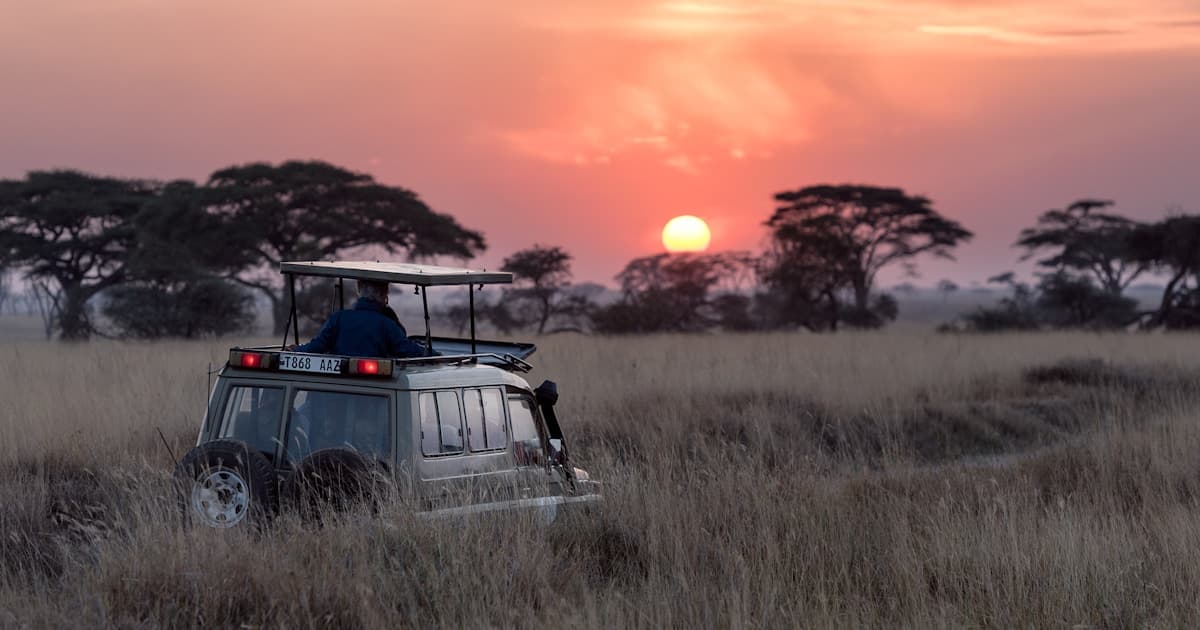
Tanzania Safari: Complete Serengeti & Ngorongoro Guide
Categories
Tags
Tanzania Safari: Where the Great Migration Never Ends
In 20 years guiding safaris across the Serengeti, I've watched over 10,000 sunrises, tracked countless lions, and witnessed the Great Migration cross the Mara River hundreds of times—and it still gives me goosebumps every single time. Tanzania hosts the greatest wildlife spectacle on Earth: 1.5 million wildebeest, 400,000 zebras, and 12,000 eland migrating in an endless cycle across the Serengeti ecosystem. Add the Big Five (lion, leopard, elephant, buffalo, rhino), the world's largest intact volcanic caldera at Ngorongoro, and Zanzibar's beaches—and you have Africa's ultimate safari destination.
Quick Facts at a Glance
- Best Time: June-October (dry season, Great Migration), January-February (calving season)
- Main Parks: Serengeti (14,750 km²), Ngorongoro Crater, Tarangire, Lake Manyara
- Duration: 5-10 days ideal
- Base: Arusha (gateway city)
- Budget: $250-1,500+ per person per day (all-inclusive)
- Getting There: Kilimanjaro International Airport (JRO)
- Visa: $50 on arrival (most nationalities)
- Currency: Tanzanian Shilling (TZS), US$ widely accepted
Why Tanzania Safari?
- Great Migration: World's greatest wildlife spectacle
- Big Five: Best place to see all five in wild
- Ngorongoro Crater: World's largest intact volcanic caldera, Garden of Eden for wildlife
- Serengeti: Endless plains, iconic African landscape
- Diverse Ecosystems: Savannah, crater, swamps, forests
- Maasai Culture: Indigenous pastoralists, authentic cultural experiences
- Less Crowded: Than Kenya's Masai Mara (though connected ecosystem)
- Zanzibar Extension: Beach paradise 45-min flight away
Understanding the Great Migration
Year-Round Movement (Circular Route)
The Great Migration is NOT a single event—it's a continuous 800km clockwise movement following the rains and fresh grass:
January-March: SOUTHERN SERENGETI (Ndutu) ⭐ CALVING SEASON
- Why come: 400,000 calves born in 2-3 weeks!
- Predator action: Lions, cheetahs, hyenas feast
- Landscape: Green from short rains
- Best for: Baby animals, predator action, photography
- Crowds: Moderate
- Weather: Hot, afternoon showers
April-May: CENTRAL SERENGETI
- Migration status: Moving northwest
- Why come: Fewer tourists (rainy season)
- Cons: Heavy rain, muddy roads, some camps closed
- Pros: Lowest prices (40% off), lush green, dramatic skies
- Best for: Budget travelers willing to risk rain
June-July: WESTERN CORRIDOR ⭐ RIVER CROSSINGS BEGIN
- Migration status: Heading north toward Grumeti River
- Highlight: First river crossings (smaller Grumeti)
- Crocodiles: Massive Nile crocs waiting!
- Less famous than Mara crossings but equally dramatic
- Crowds: Increasing
- Best for: Avoiding peak crowds, still seeing crossings
July-September: NORTHERN SERENGETI ⭐⭐⭐ PEAK SEASON
- Migration status: Crossing Mara River into Kenya's Masai Mara
- Highlight: DRAMATIC Mara River crossings
- Chaos: Wildebeest plunging into crocodile-infested waters
- Most iconic safari images from here
- Crowds: Highest (but Serengeti side less than Kenya)
- Cost: Peak prices
- Best for: Witnessing the crossing spectacle
October-November: NORTHERN → CENTRAL SERENGETI
- Migration status: Returning south from Kenya
- Short rains: Some afternoon showers
- Advantage: Migration spreads out (easier to find)
- Crowds: Moderate
- Cost: Shoulder season pricing
- Best for: Value + good wildlife
December: CENTRAL → SOUTHERN SERENGETI
- Migration status: Moving back to Ndutu for calving
- Scattered herds: Throughout central plains
- Weather: Dry, pleasant
- Crowds: Low (Christmas spike)
Which Season to Choose?
Best Overall: June-September (dry season, crossings, guaranteed wildlife) Best Value: January-February (calving season, green, fewer tourists, cheaper) Most Dramatic: July-August (Mara River crossings) Budget Friendly: April-May (rainy season, 40% cheaper) Avoid: March (heaviest rain), May (wettest)
Perfect 7-Day Northern Circuit Safari
Day 1: Arrival - Arusha
Morning/Afternoon:
- Arrive Kilimanjaro International (JRO)
- Transfer to Arusha (1 hour)
- Safari briefing with guide
- Gear check (binoculars, camera, sun protection)
Accommodation: Arusha hotel (pre-safari night)
- Budget: Outpost Lodge ($50-80)
- Mid: Arusha Coffee Lodge ($150-250)
- Luxury: Elewana Arusha ($300-500)
Evening: Rest, early dinner (5-6 AM start tomorrow!)
Day 2: Tarangire National Park
6:00 AM: Depart Arusha (2-hour drive)
Morning Game Drive: Tarangire
- Famous for: HUGE elephant herds (300+ individuals!)
- Landscape: Baobab trees, Tarangire River
- Wildlife: Elephants, giraffes, lions, leopards, wildebeest
- Season: July-October best (dry season, animals concentrated at river)
- Duration: 4-5 hours
Lunch: Picnic in park (packed lunch from lodge)
Afternoon: More game drives or drive to Lake Manyara
Night: Camp/lodge near Mto wa Mbu village
- Budget: Panorama Camp ($80-120)
- Mid: Lake Manyara Serena ($200-300)
- Luxury: Gibbs Farm ($400-600)
Day 3: Ngorongoro Crater ⭐⭐⭐
6:00 AM: Early start, drive to crater (1.5 hours)
8:00 AM: Descend into crater (600m down)
- Size: 260km² floor (19km diameter)
- Wildlife density: Highest in Africa!
- Guarantee: Big Five in one day possible!
- Animals: 25,000+ large animals
- Black rhinos (rare!)
- Lions (relaxed, used to vehicles)
- Elephants (big tuskers)
- Buffalo (thousands)
- Leopards (if lucky)
- Hippos (in Ngoitokitok Spring pool)
- Flamingos (Lake Magadi)
Full Day: 5-6 hours on crater floor
- Picnic lunch at Ngoitokitok Spring (hippo pool!)
- No camping in crater (exit by 6 PM)
Afternoon: Ascend, drive to Serengeti (2-3 hours)
Night: Serengeti camp (southern/central depending on season)
- Budget: Seronera Campsite ($50-100)
- Mid: Serengeti Serena Safari Lodge ($300-450)
- Luxury: Four Seasons Safari Lodge ($800-1,500)
Day 4-5: Central Serengeti (Seronera)
Full Days: Game drives
- Morning: 6:00-10:00 AM (best wildlife viewing!)
- Midday: Back to camp for lunch, siesta (hot!)
- Afternoon/Evening: 4:00-7:00 PM (sundowner drinks, predator activity)
Wildlife (year-round residents):
- Lions: Prides everywhere
- Leopards: In kopjes (rock outcrops)
- Cheetahs: Open plains
- Elephants: Small groups
- Giraffes: Everywhere
- Hyenas: Clans at kills
- Hippos: Retima Hippo Pool (30+ hippos!)
Special Spots:
- Seronera River Valley: Leopards, hippos, crocodiles
- Kopjes: Lion prides, leopards
- Open plains: Cheetahs hunting
Optional: Hot air balloon safari ($550-600 per person)
- 5:00 AM take-off
- 1-hour flight over Serengeti at sunrise
- Champagne breakfast in bush
- Worth it? YES—incredible perspective!
Day 6-7: Northern Serengeti (Kogatende) - IF JULY-SEPTEMBER
Drive: 4-5 hours north (or fly - $250-350)
Focus: MARA RIVER CROSSINGS ⭐⭐⭐
- Location: Northern Serengeti (Kogatende area)
- Season: July-September peak
- Experience: Waiting at river for hours, then...CHAOS!
- Drama: Wildebeest hesitate, one jumps, thousands follow
- Crocodiles: Massive Nile crocs attack
- Panic: Stampede, some drown, predators feast
- Unpredictable: Might wait hours/days for crossing
- Patience required: But payoff is EPIC
Alternative if not migration season:
- Western Corridor: June-July (Grumeti River)
- Southern Serengeti: January-March (calving season)
Return: Drive back to Arusha (full day) or fly ($350)
Tanzania's Top Safari Parks
1. Serengeti National Park ⭐⭐⭐ MUST-SEE
Size: 14,750 km² (5,700 sq mi) - size of Connecticut! Famous for: Great Migration, Big Five, endless plains Wildlife: Lions (3,000+), leopards, cheetahs, elephants, everything! Best time: Year-round (follow migration calendar) Days needed: 3-4 minimum Cost: $70/person/day park fee
2. Ngorongoro Crater ⭐⭐⭐ MUST-SEE
Size: 260 km² crater floor Famous for: Highest wildlife density, Big Five in one day, UNESCO site Wildlife: 25,000+ large animals, black rhinos (30-40) Landscape: Volcanic caldera, soda lake, swamps Best time: Year-round Days needed: 1 day (descent only allowed 6 hours) Cost: $70/person/day + $295/vehicle (expensive!)
3. Tarangire National Park ⭐⭐
Size: 2,850 km² Famous for: Elephants (largest herds!), baobabs Wildlife: Elephants (6,000+), lions, leopards, tree-climbing pythons Best time: June-October (dry season) Days needed: 1-2 days Cost: $50/person/day
4. Lake Manyara National Park ⭐
Size: 330 km² Famous for: Tree-climbing lions (rare behavior!), flamingos Wildlife: Lions, elephants, hippos, baboons, flamingos Compact: Easy half-day visit Best time: November-June (wet season for birds) Days needed: Half day Cost: $50/person/day
5. Tarangire National Park
(Already covered above - repeated by mistake)
Other Notable Parks:
Selous/Nyerere (South): Africa's largest reserve, fewer tourists, boat safaris Ruaha (South): Remote, wild, large elephant/lion populations Lake Natron: Flamingo breeding ground, active volcano Mahale Mountains: Chimpanzee trekking (western Tanzania)
Safari Accommodation Types
Budget Camping ($80-150/person/night)
What: Tents, shared facilities Options:
- Public campsites: Basic, bring own gear
- Budget tented camps: Permanent tents, shared bathrooms Pros: Cheapest, authentic bush experience Cons: Basic facilities, shared spaces Best: Seronera Campsites, Mobile camps
Mid-Range Lodges/Tented Camps ($250-500/person/night)
What: Comfortable tents/rooms, private bathrooms Options:
- Serena Lodges: Reliable chain
- Sopa Lodges: Good value
- Permanent tented camps: Canvas luxury Pros: Comfort + value, good locations Cons: Can feel touristy Best: Serengeti Serena, Ngorongoro Sopa
Luxury Tented Camps ($600-1,200/person/night)
What: Spacious tents, en-suite, gourmet meals, butler service Examples:
- Singita: Ultra-luxury
- Four Seasons Safari Lodge: Modern luxury
- Asilia camps: Eco-luxury Pros: Incredible service, prime locations, stylish Cons: Expensive Best: Four Seasons Serengeti, Singita Sasakwa
Ultra-Luxury ($1,500+/person/night)
What: Private villas, plunge pools, exclusive concessions Examples:
- Singita Sabora: $2,000-3,500/night
- &Beyond Klein's Camp: $1,200-2,000
- One Nature Nyaruswiga: $1,500-2,500 Pros: Ultimate exclusivity, personalized service Best for: Honeymoons, special occasions
Safari Types & Costs
Budget Group Safari ($250-350/person/day)
Includes: Transport, guide, park fees, camping, meals Group size: 6-7 people (sharing Land Cruiser) Accommodation: Camping Total cost: $1,750-2,450 (7 days) Best for: Backpackers, budget travelers, solo travelers Book: Local operators in Arusha (compare prices!)
Mid-Range Private Safari ($400-700/person/day)
Includes: Private 4x4, guide, lodge accommodation, meals, park fees Group: Your party only (2-6 people) Accommodation: Lodges/tented camps Total cost: $2,800-4,900 (7 days) Best for: Couples, families, friends Book: Reputable tour operators
Luxury Safari ($800-1,500+/person/day)
Includes: Private vehicle, expert guide, luxury camps, all drinks, extras Accommodation: High-end tented camps Extras: Hot air balloon, bush dinners, spa Total cost: $5,600-10,500+ (7 days) Best for: Honeymoons, luxury travelers, photographers Book: Luxury safari specialists
What's Typically Included:
✓ Park entrance fees ✓ 4x4 safari vehicle ✓ Professional driver-guide ✓ Accommodation ✓ Three meals daily ✓ Bottled water ✓ Game drives
What's Usually Extra:
✗ International flights ✗ Tanzania visa ($50) ✗ Alcoholic drinks (except luxury) ✗ Tips (guide $20-30/day, cook $10-15/day) ✗ Hot air balloon ($550) ✗ Travel insurance
Wildlife Photography Tips
Camera Gear:
- Telephoto zoom: 100-400mm or 150-600mm (essential!)
- Wide angle: 24-70mm (landscapes)
- Camera body: DSLR or mirrorless
- Extra batteries: Cold nights drain them
- Memory cards: 64-128GB (shoot RAW!)
- Beanbag: For vehicle window stabilization (critical!)
Settings:
- Shutter speed: 1/1000+ for action, 1/500 minimum
- Aperture: f/5.6-8 for depth of field
- ISO: Auto (1600-3200 OK with modern cameras)
- Focus: Continuous AF, eye-tracking
- Burst mode: For action sequences
Best Times:
- Golden hour: 6-9 AM, 4-7 PM (warm light)
- Midday: Harsh light (rest time)
- Overcast: Great for even lighting
- Dust: Can create atmospheric backlighting
Positioning:
- Eye level: Get low (shoot from vehicle window)
- Rule of thirds: Don't center subject
- Negative space: Don't fill entire frame
- Behavior: Capture interaction, not just portraits
Subjects:
- Big cats: Priority! Lions, leopards, cheetahs
- Action: Hunts, kills, river crossings
- Herds: Wildebeest migration, elephants
- Landscapes: Serengeti plains, sunsets, storms
- Birds: Raptors, secretary birds, vultures
When to Visit Tanzania Safari
Peak Season (June-October) ⭐ BEST
Pros:
- Dry season, best wildlife viewing
- Great Migration in north (July-Sept)
- River crossings (July-Aug)
- Clear skies, excellent visibility
- All camps open
Cons:
- Most expensive (peak prices)
- Crowded (relative—still nothing like Kenya!)
- Dry dusty
Verdict: Best overall, worth the premium
Green Season (November-May)
Pros:
- Calving season (Jan-Feb) - spectacular!
- Fewer tourists (except Jan-Feb)
- Lower prices (30-50% off)
- Lush green scenery
- Dramatic skies
- Excellent bird watching
Cons:
- Afternoon rain (April-May wettest)
- Some roads muddy
- Some camps closed (April-May)
- Harder to spot animals (tall grass)
Verdict: Great value if OK with rain
Best Months:
- January-February: Calving season, green, fewer crowds ⭐
- July-August: Mara crossings, peak season ⭐
- September: Excellent wildlife, fewer crowds than July-Aug ⭐
- June: Good wildlife, shoulder season pricing
- October: Short rains start, good wildlife, lower prices
Avoid:
- March-May: Heavy rain (but 40% cheaper!)
Cultural Experiences
Maasai Village Visits
What: Visit traditional boma (homestead) Activities: Dancing, fire-making demo, home tour Cost: $20-50 per person Duration: 1-2 hours Authentic?: Some touristy, but educational Tips:
- Ask guide to arrange genuine village (not tourist trap)
- Bring small gifts (school supplies, not candy)
- Be respectful of photography
Cultural Etiquette:
- Greetings: "Jambo" (hello), "Asante" (thank you)
- Photography: Always ask permission first
- Maasai: Conservative dress, ask before photos
- Gifts: School supplies better than money/candy
- Bargaining: Expected at markets, souvenirs
Practical Safari Information
What to Pack:
Clothing:
- Neutral colors (khaki, olive, brown - no bright colors/white)
- Long sleeves (sun + mosquitoes)
- Light jacket (morning game drives cold!)
- Hat, sunglasses
- Comfortable shoes
Gear:
- Binoculars (8x42 or 10x42)
- Camera + telephoto lens
- Extra batteries, memory cards
- Plug adapter (UK-style, Type G)
- Headlamp/torch
Health:
- Malaria prophylaxis (essential!)
- Sunscreen SPF 50+
- Insect repellent (DEET 30%+)
- Anti-diarrheal medication
- Motion sickness pills
- Hand sanitizer
Documents:
- Passport (6 months validity)
- Yellow fever certificate (if coming from endemic country)
- Travel insurance
- Visa (get on arrival $50)
Health & Safety:
- Malaria: Take prophylaxis, use repellent, sleep under nets
- Yellow Fever: Certificate required if coming from endemic countries
- Vaccinations: Hepatitis A, Typhoid recommended
- Water: Drink bottled only
- Safari safety: Stay in vehicle, follow guide instructions
- Crime: Arusha has pickpockets, be vigilant
Money:
- Currency: Tanzanian Shilling (TZS)
- USD: Widely accepted (bring clean, new bills post-2013)
- Cards: Limited acceptance (Arusha only)
- ATMs: In Arusha (withdraw before safari!)
- Tipping: Guide $20-30/day, cook $15/day (per group)
Zanzibar Extension
Why Add Zanzibar? ⭐
After dusty safari, pristine beaches are bliss!
Getting There: 45-min flight from Arusha/Serengeti ($150-250)
Duration: 3-5 days
Activities:
- Stone Town: UNESCO old town, spice markets, history
- Beaches: White sand, turquoise water (Nungwi, Paje, Kendwa)
- Snorkeling/Diving: Coral reefs, dolphins, turtles
- Spice Tours: Clove, vanilla, cinnamon plantations
- Relaxation: Beach resorts, sunset dhow cruises
Budget: $100-500/night (wide range)
Best combo: 7-day safari + 4-day Zanzibar = Perfect 2-week Tanzania trip!
Final Thoughts
After 20 years guiding safaris, the Serengeti still stops my heart. Watching a cheetah hunt at dawn, elephants silhouetted against sunset, millions of wildebeest stretching to the horizon, lions roaring at night around your tent—these moments changed my life and brought me back year after year.
Tanzania isn't cheap, but it's worth every shilling. This is the Africa you've dreamed of—the Africa of documentaries, the Africa before mass tourism, the Africa where nature still rules. My advice? Save longer, go for 7+ days minimum, and splurge on at least a few nights in a good camp. The Serengeti at sunrise from a tented camp, hearing lions outside, coffee in hand—that's when you'll understand why safari gets under your skin.
And please, please hire a good guide. They make all the difference between seeing animals and understanding the ecosystem. We don't just drive around looking for lions—we read tracks, behavior, interconnections. That's the real magic.
Karibu Tanzania (Welcome to Tanzania)! 🦁🐘
Ready for safari? Check out our Serengeti Migration Tours or explore more Africa safari guides.
About the Author: Joseph Mwangi is a licensed Tanzania safari guide with 20+ years tracking wildlife across the Serengeti. Born near Arusha, he specializes in Great Migration timing, Big Five tracking, and wildlife photography guidance. Follow his safari adventures on Instagram @serengetiwith joseph.
Adventure Knit Editorial
Destination research compiled and fact-checked by the Adventure Knit editorial team from published sources, operator itineraries, and official tourism boards. Spot something out of date? Tell us at hello@adventureknit.com.
Related Stories
 Tanzania
Ngorongoro Crater Tanzania: Ultimate Caldera Safari Guide
Expert guide to Ngorongoro Crater Tanzania. Big Five wildlife safari, UNESCO World Heritage Site, Maasai culture, and caldera conservation insights.
 Tanzania
Serengeti Migration Tanzania: The Great Wildlife Spectacle
Expert guide to witnessing the Great Migration in Serengeti National Park, Tanzania. Wildebeest migration, river crossings, predator action, and best viewing times.
 Tanzania
Lake Manyara National Park: Tree-Climbing Lions, Flamingos and the Groundwater Forest
A practical guide to Lake Manyara National Park, Tanzania: the famous tree-climbing lions, flamingo flocks on the soda lake, the groundwater forest, and how a half-day here fits a northern-circuit safari.
Enjoyed this article?
Explore more stories from our adventures around the world