

Ngorongoro Crater Tanzania: Ultimate Caldera Safari Guide
Categories
Tags
Ngorongoro Crater Tanzania: The Ultimate Caldera Safari Guide
Descending through the mist-shrouded rim into the world's largest unbroken volcanic caldera, I'm immediately struck by the sheer density of wildlife. Lions stalk across the grasslands, herds of elephants wander between ancient baobab trees, and the rare black rhino emerges from the forest – all visible within moments. The Ngorongoro Crater isn't just a safari destination; it's a natural amphitheater of life, where the Big Five roam freely in a landscape that has remained unchanged for millennia. After 17 years guiding in Tanzania's parks, I never cease to be amazed by this caldera's ability to deliver incredible wildlife encounters.
Quick Facts at a Glance
- Location: Northern Tanzania, 180 km west of Arusha
- Crater Size: 20 km (12 miles) diameter, 610 m (2,000 ft) deep
- Elevation: 2,286 m (7,500 ft) above sea level
- Area: 260 km² (100 sq mi) caldera floor
- Duration: 2-3 days recommended (can combine with Serengeti)
- Difficulty: Moderate (high altitude, 4WD vehicle required)
- Best Months: June-October (dry season), January-February (calving)
- Average Cost: $500-$1,500 per person per day
- Wildlife: All Big Five plus 25,000+ large mammals
- UNESCO Status: World Heritage Site since 1979
Why Visit the Ngorongoro Crater?
The Ngorongoro Crater represents one of Earth's most spectacular natural wonders – a collapsed volcanic caldera that has created a self-contained ecosystem supporting an extraordinary concentration of wildlife. It's one of the few places on Earth where you can realistically see the Big Five in a single day.
What Makes Ngorongoro Crater Extraordinary:
- World's Largest Caldera: Perfect 20 km diameter, unbroken walls
- Big Five Guarantee: Highest density of Big Five in Africa
- Year-Round Water: Permanent water sources support wildlife year-round
- Unbroken Ecosystem: 3 million years old, still intact
- Incredible Diversity: 25,000+ large animals in 260 km²
- Cultural Heritage: Home to Maasai pastoralists for centuries
- UNESCO Recognition: World Heritage Site and Biosphere Reserve
- Near Serengeti: Perfect combination with world-famous migration
Understanding the Ngorongoro Ecosystem
The Caldera Formation
- Origin: Volcanic eruption 2-3 million years ago
- Collapse: Volcano collapsed creating perfect circular caldera
- Size: 20 km diameter, 610 m deep
- Age: One of Earth's oldest intact calderas
- Uniqueness: Only caldera with permanent human habitation
Ecosystem Zones
Grasslands (60% of crater floor)
- Open savanna perfect for grazing
- Supports wildebeest, zebra, gazelle
- Predators patrol these areas
- Best for general game viewing
Lake Magadi Area
- Alkaline lake in center
- Flamingo colony (seasonal)
- Hippos and various water birds
- Salt pans attract many species
Lerai Forest
- Yellow fever acacia trees
- Black rhino habitat
- Elephant feeding grounds
- Baboon troops
- Leopards sometimes seen
Gorigor Swamp
- Freshwater marsh
- Hippos and various waterbirds
- Buffaloes congregate here
- Excellent for bird watching
Ngoitokitok Springs
- Permanent water source
- Wildlife gathering point
- Beautiful picnic spot
- Lion and hyena territory
Wildlife Populations
Big Five
- Lions: Estimated 60-70, crater-famous for their large manes
- Leopards: Estimated 30-40, elusive but present
- Elephants: Estimated 200+, some with exceptionally long tusks
- Buffaloes: Estimated 10,000+, massive herds
- Black Rhinos: Estimated 25-30, critically endangered, closely monitored
Other Notable Species
- Wildebeest: ~7,000 resident population
- Zebras: ~4,000 resident population
- Gazelles: Thompson's and Grant's, numerous
- Hippos: 200-300 in swamp areas
- Hyenas: Spotted hyenas, very successful hunters
- Cheetahs: Present but less common than Serengeti
- Wild Dogs: Rare but occasionally sighted
Bird Life
- Species: 500+ bird species recorded
- Flamingos: Up to 2 million in Lake Magadi (seasonal)
- Raptors: 30+ species, including bateleur eagle
- Waterbirds: Storks, herons, pelicans, ibises
- Grassland birds: Ostriches, bustards, korhaans
Perfect 3-Day Ngorongoro Crater Safari Itinerary
Day 1: Arrival & Crater Rim Exploration
Morning: Arrival in Karatu
- Fly into Kilimanjaro International Airport (JRO) or Arusha Airport (ARK)
- 2-hour drive to Karatu (gateway town)
- Check into lodge on crater rim
- Relax and acclimatize to altitude
Afternoon: Crater Rim Drive
- Drive along crater rim road
- Spectacular viewpoints
- Photography opportunities
- Learn about crater formation
- Spot eagles and vultures riding thermals
Evening: Sunset at Crater Rim
- Watch sunset over the caldera
- Welcome dinner with traditional Tanzanian cuisine
- Safari briefing with guide
- Prepare for early morning descent
Stay: Crater rim lodge (luxury or mid-range options available) Highlight: First breathtaking views of the crater
Day 2: Full Day in the Crater
Early Morning: Descent (6 AM)
- Pre-dawn breakfast
- Descend into crater (15-20 minute drive)
- Early morning wildlife activity best
- Predator sightings common
- Mist rising from caldera floor
Morning: Game Drive
- Lerai Forest: Search for black rhinos
- Grasslands: Spot lions and cheetahs
- Lake Magadi: Flamingos and other waterbirds
- Ngoitokitok Springs: Hippos and various wildlife
Mid-Morning: Breakfast with a View
- Breakfast picnic at designated spot
- Watch wildlife while eating
- Continue game drive after breakfast
Afternoon: Explore Different Zones
- Gorigor Swamp: Hippos and waterbirds
- Different sectors of crater
- Follow predator activity
- Bird watching opportunities
Late Afternoon: Ascent
- Begin ascent before sunset
- Final crater views from above
- Stop at viewpoint for last photos
- Return to lodge
Evening: Cultural Experience
- Visit nearby Maasai boma (traditional village)
- Learn about Maasai culture and traditions
- Traditional dancing and singing
- Support community-based tourism
Stay: Crater rim lodge (second night) Highlight: Full day exploring the caldera, Big Five encounters
Day 3: Final Morning & Departure
Early Morning: Optional Sunrise Descent
- Second descent for early risers
- Different wildlife behavior in morning light
- Species not seen previous day
- Photography golden hour
Mid-Morning: Final Activities
- Return to lodge for brunch
- Pack up and depart
- Optional visit to Olmoti Crater or Empakaai Crater
- Or begin journey to Serengeti
Afternoon: Departure
- Drive to next destination or airport
- Final wildlife sightings en route
- Farewell to crater
- Continue Tanzania safari adventure
Departure: To Serengeti (3-4 hours), Lake Manyara (1 hour), or Arusha (3 hours) Achievement: Experienced one of Africa's most spectacular wildlife destinations
Ngorongoro's Top Wildlife Experiences
Big Five Encounters
Lions
- Best Viewing: Grasslands, early morning
- Behavior: Often seen hunting or resting
- Unique Feature: Large, dark manes due to high altitude
- Success Rate: Near guaranteed sighting
- Photography: Early morning and late afternoon best
Elephants
- Best Viewing: Lerai Forest, various zones
- Behavior: Feeding, social interactions
- Unique Feature: Some individuals have exceptionally long tusks
- Success Rate: Very high
- Photography: Include baobab trees for scale
Black Rhinos
- Best Viewing: Lerai Forest
- Behavior: Usually solitary or in small groups
- Unique Feature: One of few places to see them in wild
- Success Rate: Moderate (requires patience and luck)
- Photography: Respect strict distance rules
Leopards
- Best Viewing: Lerai Forest, rocky outcrops
- Behavior: Elusive, often resting in trees
- Unique Feature: More common than many visitors expect
- Success Rate: Moderate (harder to find)
- Photography: Early morning or late afternoon
Buffaloes
- Best Viewing: Grasslands, swamp areas
- Behavior: Large herds, protective of young
- Unique Feature: Massive herds (thousands) in crater
- Success Rate: Guaranteed
- Photography: Herd compositions, dust baths
Other Notable Wildlife
Wildebeest and Zebras
- Resident Population: Unlike Serengeti migration, these are resident
- Behavior: Constant grazing, predator-prey dynamics
- Best Viewing: Grasslands, morning feeding
- Photography: Herd silhouettes, predator interactions
Hippos
- Best Viewing: Gorigor Swamp, Lake Magadi
- Behavior: Mostly in water during day, emerge at night
- Unique Feature: Large permanent population
- Photography: Yawning, fighting (in water)
Hyenas
- Best Viewing: Throughout crater
- Behavior: Scavenging and hunting
- Unique Feature: Very successful hunters in crater
- Photography: Interesting social behavior
Best Viewing Spots in the Crater
Lerai Forest
What to See: Black rhinos, elephants, leopards, baboons Best Time: Early morning, late afternoon Tips: Patience required for rhino sightings
Lake Magadi
What to See: Flamingos (seasonal), other waterbirds Best Time: Morning and late afternoon Tips: Seasonal flamingo concentrations vary
Gorigor Swamp
What to See: Hippos, waterbirds, buffaloes Best Time: Mid-morning Tips: Excellent for bird photography
Ngoitokitok Springs
What to See: Hippos, various wildlife gathering Best Time: Mid-morning to mid-afternoon Tips: Popular picnic spot, can be crowded
Grasslands
What to See: Lions, cheetahs, wildebeest, zebras, gazelles Best Time: Early morning and late afternoon Tips: Predator-prey interactions common
Getting to Ngorongoro Crater
By Air
Kilimanjaro International Airport (JRO)
- Main international airport
- 50 km from Arusha
- Major airlines: KLM, Turkish Airlines, Emirates, Qatar Airways
- Ground transfer: 3-4 hours to crater
Arusha Airport (ARK)
- Domestic flights only
- Closer to crater (2-3 hour drive)
- Regional flights from Kenya, Zambia, etc.
By Road
From Arusha
- Distance: 180 km
- Duration: 3-4 hours
- Road condition: Good, paved most of way
- Route: Via Karatu
- 4WD vehicle required for crater descent
From Serengeti
- Distance: 150-200 km
- Duration: 3-4 hours
- Road condition: Variable, can be rough
- Popular combination safari
From Lake Manyara
- Distance: 60 km
- Duration: 1-2 hours
- Popular starting point for northern circuit
Permits and Fees
Ngorongoro Conservation Area Entry Fee
- Adults (18+): $71 USD per person per 24 hours
- Children (5-17): $23.60 USD per person per 24 hours
- Vehicle fee: $294 USD per vehicle
- Crater descent fee: Additional $294 per vehicle
Important Notes
- Fees subject to change
- Payable in USD cash or credit card
- Must be paid at gate
- Valid for 24-hour periods
Ngorongoro Weather & Seasonal Guide
Dry Season (June-October)
Conditions
- Temperature: 15°C-25°C (59°F-77°F) day, 8°C-15°C (46°F-59°F) night
- Rainfall: Minimal, sunny days
- Vegetation: Dry, shorter grass
- Visibility: Excellent
Wildlife Viewing
- Animals congregate around water sources
- Easier to spot wildlife
- Predator-prey interactions visible
- Migration animals may enter crater
Photography
- Golden light, clear skies
- Excellent conditions
- Dust possible
Crowds
- Peak season (July-August)
- Book lodges early (6-12 months)
- Higher prices
Wet Season (November-May)
Conditions
- Temperature: 18°C-28°C (64°F-82°F) day, 12°C-20°C (54°F-68°F) night
- Rainfall: Regular showers, especially March-April
- Vegetation: Lush, longer grass
- Visibility: Good, occasional mist
Wildlife Viewing
- Wildlife more dispersed
- Green landscapes beautiful
- Bird watching excellent
- Calving season (January-February)
Photography
- Dramatic skies, green landscapes
- Moody lighting
- Wildlife in lush setting
Crowds
- Fewer tourists (March-May)
- Better prices available
- Easier to book lodges
Monthly Breakdown
January-February
- Short rains ending
- Green season beautiful
- Calving season for wildebeest and zebras
- Excellent bird watching
- Book 4-6 months ahead
March-April
- Long rains
- Lush landscapes
- Fewest tourists
- Some roads may be difficult
- Last-minute deals possible
May
- Rains ending
- Green landscapes
- Good value month
- Transition to dry season
- Book 3-4 months ahead
June
- Beginning of dry season
- Excellent conditions
- Increasing popularity
- Book 5-6 months ahead
July-August
- Peak dry season
- Best wildlife viewing
- Most popular months
- Book 9-12 months ahead
- Highest prices
September
- Still dry season
- Excellent conditions
- Slightly less crowded
- Book 6-8 months ahead
October
- End of dry season
- Still excellent
- Good balance
- Book 5-7 months ahead
November
- Beginning of short rains
- Fewer tourists
- Green landscapes returning
- Book 3-4 months ahead
December
- Holiday period
- Popular season
- Good conditions
- Book 5-6 months ahead
Choosing Your Accommodation
Crater Rim Lodges
Luxury Options ($500-$1,000+ per night)
- Ngorongoro Crater Lodge: Ultimate luxury, crater views
- Ngorongoro Serena Safari Lodge: Upscale, excellent location
- The Lodge at Ngorongoro: Boutique luxury
- AndBeyond Ngorongoro Crater Lodge: Premium experience
Mid-Range Options ($250-$500 per night)
- Ngorongoro Sopa Lodge: Good value, rim location
- Rhino Lodge: Affordable rim location
- Plantation Lodge: Karatu area, charming
- Gibb's Farm: Karatu area, historic lodge
Budget Options ($100-$250 per night)
- Simba A Campsite: Crater rim camping
- Camp sites: Various public sites
- Karatu guesthouses: Budget option outside crater
- Community lodges: Support local communities
Location Considerations
Crater Rim
- Early morning descent advantage
- Spectacular views
- Higher altitude (consider acclimatization)
- More expensive
Karatu Area
- Lower altitude
- More affordable
- 30-45 minute drive to crater
- Better value
Serengeti Boundary
- Combine both parks
- Strategic location
- Longer drive to crater
- Popular for multi-park safaris
Essential Packing List
Clothing
Layered System Essential
- Lightweight shirts: 4-5 (quick-dry)
- Long-sleeve shirts: 2-3 (sun protection)
- Lightweight pants: 3-4 (neutral colors)
- Fleece jacket or sweater: 1-2 (crater rim cool)
- Waterproof jacket: 1 (for rains)
- Hat: Wide-brimmed, secure
- Scarf/buff: For dust and sun
Footwear
- Comfortable closed-toe shoes: 2 pairs
- Hiking boots: Optional, but good for walks
- Sandals: For lodge wear
- Socks: 5-7 pairs
Photography Equipment
Camera Body
- DSLR or mirrorless preferred
- Good burst mode
- Weather sealing helpful
- Bring backup if possible
Lenses
- 70-200mm or 100-400mm: For wildlife
- 24-70mm: For landscapes and general
- Wide-angle: Optional for landscapes
Accessories
- Extra batteries: 3-4 (cold drains them)
- Memory cards: 2-3 (64GB+ each)
- Bean bag or rest: For vehicle photography
- Lens cleaning kit: Dust is everywhere
- Camera rain cover: For rainy season
Health & Personal
Sun Protection
- Sunscreen: High SPF, reef-safe
- Sunglasses: Polarized
- Lip balm with SPF: 2-3 tubes
Health Items
- Insect repellent: DEET-based
- Malaria prophylaxis: Consult doctor
- Personal medications: Adequate supply
- First aid kit: Basic supplies
- Motion sickness: For winding roads
Miscellaneous
- Binoculars: Essential for wildlife spotting
- Power bank: Portable charger
- Travel adapter: Type D and G (UK style)
- Reusable water bottle: 1-2 liters
- Daypack: 20-30L
- Cash: USD small bills for tips and purchases
- Journal/notebook: For recording sightings
Photography Tips for Ngorongoro
Best Times
Golden Hour
- Sunrise: 6:00-7:00 AM (varies by season)
- Sunset: 5:30-6:30 PM (varies by season)
- Best wildlife activity
- Beautiful light on crater walls
Midday
- Harsher light
- Good for landscape panoramas
- Wildlife in shade
- Look for interesting compositions
Dawn/Mist
- Early morning mist rising
- Atmospheric shots
- Silhouettes on rim
- Unique crater atmosphere
Camera Settings
Wildlife
- Shutter speed: 1/1000+ for moving subjects
- Aperture: f/4-f/5.6 for subject isolation
- ISO: Auto, max 3200
- Focus: Continuous autofocus
Landscapes
- Shutter speed: Tripod recommended
- Aperture: f/8-f/16 for depth of field
- ISO: 100-400 for best quality
- Focus: Manual focus for precision
Best Subjects
Wildlife Portraits
- Focus on eyes
- Capture behavior
- Use shallow depth of field
- Respect animal distance
Landscape Panoramas
- Crater rim views
- Sunrise/sunset scenes
- Include wildlife for scale
- Wide-angle lenses
Environmental Shots
- Wildlife in habitat
- Context and scale
- Crater ecosystem
- Baobab trees and landscapes
Budget Breakdown: Ngorongoro Safari
3-Day Crater-Only Safari ($1,500-$3,500)
Included
- Park entry fees: ~$250
- Vehicle hire: $300-$500/day
- Professional guide: Included in vehicle hire
- Accommodation: 2 nights
- Meals: Full board at lodges
Additional Costs
- International flights: $800-$1,500
- Travel insurance: $100-$200
- Tips: $100-$200
- Souvenirs: $100-$300
- Personal expenses
- Alcohol and extra activities
Total: $2,000-$4,500
7-Day Northern Circuit Safari ($3,500-$7,500)
Additional Inclusions
- Lake Manyara: 1-2 days
- Tarangire: 2 days
- Serengeti: 2-3 days
- Ngorongoro: 1-2 days
Total Cost Breakdown
- Park fees: $700-$900
- Vehicle and guide: $2,000-$3,500
- Accommodation: 6 nights
- Meals: All included
Total: $4,000-$8,500
Cost-Saving Tips
- Travel Off-Peak: March-May, October-November
- Share Vehicle: Join group safari
- Choose Mid-Range: Balance comfort and cost
- Longer Trips: Better value per day
- Book Early: Secure better rates
- Stay in Karatu: Lower than crater rim
Health & Safety Considerations
Pre-Travel Health
Vaccinations
- Yellow fever: Required if coming from yellow fever country
- Hepatitis A and B: Recommended
- Typhoid: Recommended
- Tetanus: Up to date
- Malaria prophylaxis: Essential
Medical Preparation
- Consult travel doctor 6-8 weeks before departure
- Prescription medications: Adequate supply
- Medical insurance: Verify coverage for evacuation
- First aid kit: Bring comprehensive kit
During Safari
Common Health Issues
Altitude Considerations
- Crater rim: 2,286m (7,500 ft)
- Most people adapt fine
- Stay hydrated
- Take it easy first day
- Monitor for symptoms
Sun Exposure
- Intense African sun
- High UV radiation
- Apply sunscreen regularly
- Wear hat and sunglasses
- Stay hydrated
Insect Concerns
- Mosquitoes: Especially evenings
- Tsetse flies: Some areas
- Use insect repellent
- Wear appropriate clothing
- Sleep under mosquito nets (provided)
Food and Water
- Drink bottled water only
- Eat well-cooked foods
- Avoid street food
- Wash hands regularly
- Carry anti-diarrheal medication
Safari Safety
Vehicle Safety
- Never leave vehicle without guide permission
- Keep arms and legs inside vehicle
- Stay seated while moving
- Follow guide instructions at all times
Wildlife Safety
- Maintain respectful distances
- Never feed animals
- Don't make sudden movements
- Follow guide's wildlife safety rules
- Respect animal territory
General Safety
- Keep valuables secure
- Lock luggage when not in vehicle
- Carry photocopies of important documents
- Know emergency procedures
- Trust your guide
Cultural Experience: The Maasai
Maasai Heritage
Traditional Lifestyle
- Semi-nomadic pastoralists
- Cattle central to culture
- Distinctive dress and adornments
- Strong warrior tradition
- Deep spiritual connection to land
In Ngorongoro
- Traditional land rights
- Live in designated bomas
- Grazing rights in crater
- Important cultural experience
- Community tourism programs
Cultural Visit Experiences
What to Expect
- Visit traditional boma (village)
- Learn about Maasai traditions
- Watch traditional dancing and singing
- See demonstrations of skills
- Purchase handicrafts directly
Benefits to Community
- Economic support through tourism
- Cultural preservation
- Education opportunities
- Healthcare access
- Pride in heritage
Responsible Tourism
- Always ask permission for photos
- Respect cultural protocols
- Support through purchases
- Learn, don't just observe
- Follow guide's guidance
Conservation & Sustainability
Ngorongoro Conservation Area Authority (NCAA)
Dual Mandate
- Wildlife conservation
- Maasai rights and cultural preservation
- Unique model in Africa
- Balancing multiple interests
- UNESCO World Heritage Site
Conservation Challenges
- Human-wildlife conflict
- Overgrazing concerns
- Climate change impacts
- Tourism pressure
- Poaching threat
Successes
- Black rhino recovery
- Stable lion populations
- Successful conservation model
- Community engagement
- International recognition
Sustainable Tourism Practices
Visitor Guidelines
- Stay on designated roads
- Respect wildlife distances
- No littering
- Follow guide instructions
- Support conservation efforts
Supporting Conservation
- Park fees fund protection
- Responsible operators choose sustainable practices
- Community-based tourism benefits locals
- Conservation education programs
- Research and monitoring support
What You Can Do
- Choose responsible operators
- Follow all guidelines
- Support community projects
- Spread conservation awareness
- Donate to conservation organizations
Final Thoughts & Planning Tips
Why Ngorongoro is Worth Every Penny
The Ngorongoro Crater offers one of the most concentrated wildlife experiences on Earth – a natural wonder where the Big Five roam freely in a landscape that has remained unchanged for millions of years. The combination of spectacular scenery, incredible wildlife density, and cultural richness creates an experience that's both extraordinary and unforgettable.
Whether it's watching lions stalk through the grasslands at dawn, spotting a black rhino emerging from the Lerai Forest, or witnessing thousands of wildebeest and zebras grazing on the crater floor, every moment in Ngorongoro delivers wildlife encounters that would be rare elsewhere.
Best Planning Tips
- Book Early: Peak season lodges fill 6-12 months ahead
- Combine with Serengeti: Perfect safari combination
- Choose Experienced Guide: Makes huge difference
- Prepare for Altitude: Crater rim is high elevation
- Pack for Variable Weather: Can be cool on rim, warm in crater
- Respect Wildlife: Follow all guidelines strictly
- Be Flexible: Weather and wildlife are unpredictable
- Cultural Respect: Engage respectfully with Maasai
When to Book
- Peak Season: July-August, December: Book 9-12 months ahead
- Shoulder Season: June, September, January-February: Book 6-9 months ahead
- Low Season: March-May, October-November: Book 3-6 months ahead
- Luxury Lodges: Always book 12 months ahead
- Group Safaris: Sometimes last-minute availability
Making the Most of Your Experience
- Start Early: Descent at dawn for best wildlife viewing
- Full Day in Crater: Don't rush, take time
- Combine Parks: Add Serengeti, Tarangire, Manyara
- Engage with Guide: Learn about ecosystem
- Cultural Visit: Experience Maasai culture
- Photography Practice: Prepare before trip
- Stay Present: Don't just look through camera lens
- Support Conservation: Learn about ongoing efforts
Conclusion
The Ngorongoro Crater represents one of Africa's most spectacular natural wonders – a massive volcanic caldera that has created a self-contained ecosystem supporting an extraordinary concentration of wildlife. From the Big Five to rare black rhinos, from vast herds of wildebeest to spectacular bird life, every descent into the crater delivers incredible wildlife encounters.
The conservation success of Ngorongoro demonstrates how responsible tourism can support both wildlife protection and traditional cultures. The Ngorongoro Conservation Area's unique model of balancing conservation with Maasai rights makes it a pioneering example of sustainable tourism.
Whether you're a wildlife enthusiast, a photographer, or someone seeking Africa's most concentrated safari experience, the Ngorongoro Crater will exceed your expectations and create memories that last a lifetime.
Ready to experience Africa's spectacular caldera? Explore our Ngorongoro Crater safari packages or contact us for personalized advice from our Tanzania safari specialists.
About the Author: Dr. Amani Mbeki is a wildlife ecologist and safari guide with 17 years leading expeditions across Tanzania's national parks. He's a senior advisor to the Ngorongoro Conservation Area Authority and specializes in Big Five tracking and conservation education. Follow his wildlife conservation work on Instagram @amanimbeki_wildlife.
Adventure Knit Editorial
Destination research compiled and fact-checked by the Adventure Knit editorial team from published sources, operator itineraries, and official tourism boards. Spot something out of date? Tell us at hello@adventureknit.com.
Related Stories
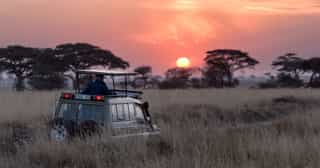 Tanzania
Tanzania Safari: Complete Serengeti & Ngorongoro Guide
Ultimate Tanzania safari guide covering Serengeti migration, Ngorongoro Crater, best seasons, luxury vs budget camps, and Big Five wildlife viewing.
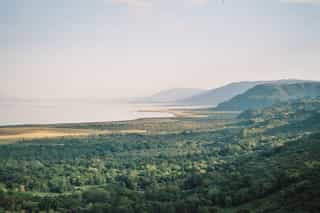 Tanzania
Lake Manyara National Park: Tree-Climbing Lions, Flamingos and the Groundwater Forest
A practical guide to Lake Manyara National Park, Tanzania: the famous tree-climbing lions, flamingo flocks on the soda lake, the groundwater forest, and how a half-day here fits a northern-circuit safari.
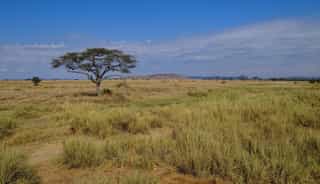 Tanzania
Tanzania's Northern Circuit: How to Plan the Classic Safari Loop
The Tanzania Northern Circuit explained: how Tarangire, Lake Manyara, Serengeti and Ngorongoro fit together, how many days each deserves, lodge vs tented camp vs budget camping, and sample itineraries.
Enjoyed this article?
Explore more stories from our adventures around the world