
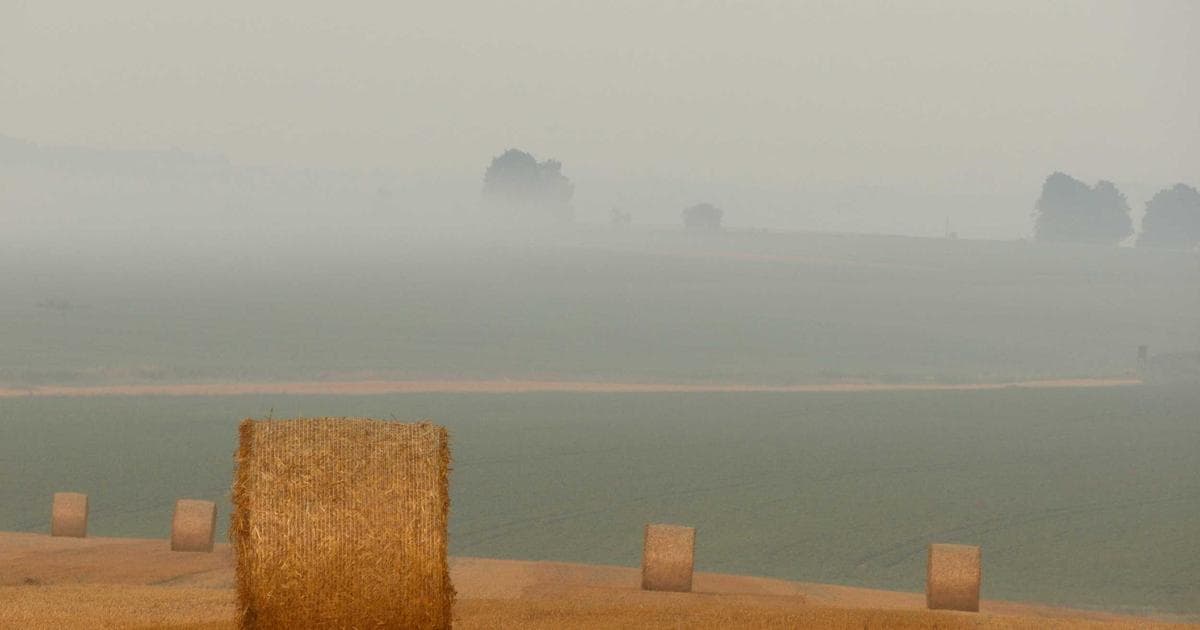
Serengeti Migration Tanzania: The Great Wildlife Spectacle
Categories
Tags
Serengeti Migration Tanzania: The Great Wildlife Spectacle
The ground literally shakes beneath your feet as 1.5 million wildebeest, 200,000 zebras, and 350,000 gazelles move across the vast Serengeti plains in the world's greatest wildlife spectacle. The migration isn't just a safari—it's one of Earth's most awe-inspiring natural events, a continuous circle of life that's played out on Africa's greatest stage.
Quick Facts at a Glance
- Migration Route: 1,800 miles (2,900 km) annual circular journey
- Participants: 1.5 million wildebeest, 200,000 zebras, 350,000 gazelles
- Duration: Year-round circular movement
- Key Events: River crossings (Mara & Grumeti), calving season, rut season
- Best Viewing: Depends on migration stage - year-round possibilities
- Difficulty: Moderate (safari vehicles, comfortable lodges)
- Best Months: July-October (Mara River crossings), January-March (calving)
- Average Cost: $4,500-$8,000 per person for 7-10 days
- Park Size: 14,750 km² (5,700 sq mi) - World Heritage Site
Why Witness the Great Migration?
The Great Migration is the world's largest overland migration and one of the Seven Natural Wonders of Africa. This continuous movement of over two million animals across the Serengeti-Mara ecosystem represents one of Earth's most spectacular wildlife events—a never-ending cycle of birth, death, and survival that's been playing out for millennia.
What Makes the Migration Extraordinary:
- Scale Unmatched: 2+ million animals on the move simultaneously
- Dramatic River Crossings: Mara and Grumeti River crossings are legendary
- Predator Action: Lions, cheetahs, leopards, hyenas follow the herds
- Calf Survival: 8,000 wildebeest calves born daily during calving season
- Ancient Instincts: Animals follow routes etched in DNA over millennia
- Ecosystem Impact: Migration drives entire Serengeti ecosystem
- Photography Paradise: Unparalleled wildlife action and landscapes
Understanding the Migration Cycle
Calving Season (January-March)
- Location: Southern Serengeti (Ndutu area)
- Herd Movement: Arrive in December, stay through March
- Key Event: 8,000 wildebeest calves born daily (peak February)
- Predators: High predator activity - lions, cheetahs, hyenas
- Experience: Newborn calves, predator-prey interactions, lush green plains
- Best For: Photographers, wildlife behavior observation
Grumeti River Crossing (May-July)
- Location: Western Corridor (Grumeti River)
- Herd Movement: Move westward through western corridor
- Key Event: First major river crossing of season
- Challenges: Large crocodiles (some 6 meters!), steep banks
- Experience: Intense river crossings, crocodile predation
- Best For: Adventure seekers, river crossing enthusiasts
Mara River Crossing (July-October)
- Location: Northern Serengeti (Mara River)
- Herd Movement: Cross into Kenya's Masai Mara (late July-October)
- Key Event: Second and most dramatic river crossing
- Challenges: Massive crocodiles, powerful currents, steep banks
- Experience: Spectacular, adrenaline-filled crossings, chaos and drama
- Best For: Serious photographers, action enthusiasts
Rut Season (December-January)
- Location: Throughout migration range
- Herd Movement: Moving southward toward calving grounds
- Key Event: Breeding season - males establish territories, herd chaos
- Experience: Male displays, territorial fights, massive dust clouds
- Best For: Wildlife behavior studies, action photography
Return South (November-December)
- Location: Eastern and central Serengeti
- Herd Movement: Moving south through Loliondo
- Key Event: Long march through diverse habitats
- Experience: Vast herds on the move, predator ambushes
- Best For: Overall migration experience, diverse landscapes
Perfect 7-Day Migration Viewing Itinerary (Mara River Crossings)
Day 1: Arrival in Arusha & Transfer to Serengeti
- Morning: Fly into Kilimanjaro International Airport (JRO)
- Transfer: Domestic flight to Seronera or Grumeti airstrip
- Afternoon: Arrival at luxury camp/lodge
- Orientation: Meet your guide, discuss migration current location
- Evening: Sunset game drive
- Initial wildlife sightings
- Scout migration herd locations
- Check Mara River crossing points
- Dinner: Welcome dinner under African stars
- Stay: Luxury tented camp near Mara River
- Highlight: Anticipation of tomorrow's river crossing
Day 2: Mara River Patrol & First Crossing Attempt
- Early Morning: 5:30 AM departure (coffee and light breakfast)
- Game Drive: Head to Mara River crossing points
- River Scout: Multiple crossing points monitored
- Look for herd buildup on opposite bank
- Check water levels and conditions
- Assess crocodile presence
- Morning: Patient wait at prime crossing location
- Wildebeest nervous energy
- Zebra lead herd behavior
- Dramatic tension building
- Mid-Morning: If crossing occurs:
- Witnessing the chaos and panic
- Crocodile predation attempts
- Survival against odds
- Lunch: Picnic lunch at crossing point
- Afternoon: Continue monitoring or alternative locations
- Evening: Return to camp for dinner
- Night: Optional night drive (if permitted)
- Stay: Luxury tented camp (second night)
- Highlight: First river crossing experience
Day 3: Full Day at Mara River - Crossing Marathon
- Early Morning: Different crossing point exploration
- Strategy: Multiple location monitoring
- North and south of main crossings
- Alternative crossing routes
- Herd movement patterns
- Morning: Extended river crossing observation
- Multiple crossing attempts
- Predator interaction observations
- Photography opportunities
- Lunch: Riverside bush lunch
- Afternoon: Follow migrating herds
- Track movement across plains
- Predator following behaviors
- Calf protection dynamics
- Evening: Sundowner drinks at scenic overlook
- Migration across vast plains
- Sunset photography
- Reflection on the day's drama
- Dinner: Dinner at camp
- Night: Relaxation and photo review
- Stay: Luxury tented camp (third night)
- Highlight: Full day of migration action
Day 4: Northern Serengeti Exploration
- Early Morning: Northern Serengeti exploration
- Game Drive: Areas away from migration core
- Resident wildlife species
- Different predator behaviors
- Diverse landscapes
- Mid-Morning: Visit Lamai Wedge area
- Less crowded viewing
- Excellent lion sightings
- Elephant herds
- Lunch: Bush lunch in scenic location
- Afternoon: Return to river crossing area
- Late afternoon crossing attempts
- Golden hour photography
- Predator hunting strategies
- Evening: Return to camp
- Dinner: Farewell dinner with guide
- Stay: Luxury tented camp (fourth night)
- Highlight: Diverse Serengeti experience
Day 5: Flight to Masai Mara (Kenya) or Continued Serengeti
- Option 1 (Crossing to Kenya):
- Early morning flight to Masai Mara
- Follow herds into Kenya
- Mara Reserve exploration
- Stay at Kenyan camp
- Option 2 (Continue Serengeti):
- Central Serengeti exploration
- Seronera Valley game drives
- Resident predator populations
- Stay at different Serengeti camp
- Full Day: Wildlife viewing and migration tracking
- Evening: Dinner at new location
- Stay: New camp/lodge (fifth night)
- Highlight: Following migration across border
Day 6: Predator Focus & Migration Context
- Early Morning: Predation observation
- Lion prides hunting strategies
- Cheetah high-speed chases
- Hyena clan dynamics
- Mid-Morning: Migration impact on ecosystem
- Grazing patterns
- Impact on grasslands
- Seasonal water sources
- Lunch: Camp lunch with educational presentation
- Afternoon: Cultural experience
- Maasai village visit
- Traditional ways of life
- Human-wildlife coexistence
- Evening: Final sunset game drive
- Dinner: Celebration dinner
- Stay: Camp/lodge (sixth night)
- Highlight: Understanding migration's bigger picture
Day 7: Final Morning & Departure
- Early Morning: Last game drive
- Final migration observations
- Photography highlights
- Reflection time
- Mid-Morning: Return to camp for breakfast
- Morning: Pack up and transfer to airstrip
- Afternoon: Flight to Arusha or Nairobi
- Evening: Departure or overnight in city
- Memories: Unforgettable migration experience complete!
- Achievement: Witnessed Earth's greatest wildlife spectacle
Migration Viewing Strategies by Season
Dry Season (June-October) - River Crossings
- Primary Focus: Mara and Grumeti River crossings
- Key Locations: Northern and Western Serengeti
- Best Camps: Lamai, Kogatende, Grumeti area
- Herd Dynamics: Large, concentrated herds
- Experience: Most dramatic and intense viewing
- Crowds: Peak season, more vehicles at crossings
Calving Season (January-March) - New Life
- Primary Focus: Southern Serengeti (Ndutu)
- Key Locations: Ndutu, Lake Masek, Southern Plains
- Best Camps: Ndutu area camps
- Herd Dynamics: Scattered but concentrated in south
- Experience: Birth, predator-prey interactions
- Crowds: Moderate, but specific areas busy
Green Season (April-May) - The Long Journey
- Primary Focus: Western Corridor and Central Serengeti
- Key Locations: Grumeti River, Seronera
- Best Camps: Central and western Serengeti camps
- Herd Dynamics: Long columns of moving animals
- Experience: Vast herds on the move, fewer tourists
- Crowds: Low season, excellent value
Rut Season (November-December) - Breeding Chaos
- Primary Focus: Eastern and Central Serengeti
- Key Locations: Loliondo, Central Plains
- Best Camps: Eastern and central Serengeti camps
- Herd Dynamics: Scattered males, territorial battles
- Experience: Dust, noise, intense competition
- Crowds: Shoulder season, good availability
Mara River Crossing Experience
What Makes It Extraordinary
The Buildup
- Herd gathers on riverbank for hours
- Nervous energy, calls, movement
- Leadership dynamics
- Assessment of danger
The Crossing
- Sudden chaos of movement
- Animals plunging into dangerous waters
- Crocodile attacks
- Steep banks and struggling animals
- Panic and stampede
The Aftermath
- Exhausted survivors on opposite bank
- Calf separation and reunions
- Predator cleanup
- Rest and recovery
Photography Opportunities
- Split-second action shots
- Water spray and splashing
- Predator-prey interactions
- Dust and movement dynamics
- Wide-angle herds vs telephoto action
Best River Crossing Tips
Positioning
- Arrive early (before 6 AM)
- Scout multiple crossing points
- Be patient (hours of waiting)
- Follow guide's lead on positioning
- Stay in vehicle (safety)
Timing
- Mornings (cooler, more active)
- Mid-morning (peak crossing time)
- Avoid mid-day (too hot, animals rest)
- Late afternoon (second activity peak)
Equipment
- Camera with fast autofocus
- Telephoto lens (200-400mm+)
- Extra batteries (cold drains them)
- Memory cards (high burst rate)
- Rain protection (unexpected weather)
Crossings by River
Mara River (Northern Serengeti)
- Length: 395 km (245 miles)
- Crocodiles: Large, aggressive (up to 6 meters)
- Width: 50-100 meters at crossing points
- Flow: Strong current, seasonal variations
- Banks: Steep and challenging
Grumeti River (Western Corridor)
- Length: 180 km (112 miles)
- Crocodiles: Massive, ancient individuals
- Width: Variable, narrower than Mara
- Flow: Slower, more pools
- Banks: Generally less steep
Getting to Serengeti
Flight Connections
International Arrival
- Kilimanjaro International Airport (JRO) - Primary option
- Julius Nyerere International Airport (DAR) - Dar es Salaam option
- Jomo Kenyatta (NBO) - Nairobi option (then road or flight)
Domestic Flights
- Arusha to Seronera (Central Serengeti)
- Arusha to Grumeti (Western Corridor)
- Arusha to Kogatende (Northern Serengeti)
- Duration: 1 hour flights
- Cost: $300-$500 per person one way
Charter Flights
- Private charters available
- Multiple landing strips throughout park
- Flexible scheduling
- Cost: $1,500-$3,000 for group
Road Access
From Arusha
- Distance: 325 km (202 miles)
- Duration: 6-8 hours
- Route: Via Ngorongoro Conservation Area
- Road condition: Paved most of way, rough inside park
- Scenery: Beautiful, includes Ngorongoro crater rim
From Nairobi (Kenya)
- Distance: 270 km (168 miles) to border, plus more to Serengeti
- Duration: 5-7 hours
- Route: Via Namanga border
- Road condition: Mixed, can be rough
- Visas: Required for both countries
Park Entry
Entrance Gates
- Naabi Hill Gate (Main entry)
- Ndutu Gate (Southern Serengeti)
- Fort Ikoma Gate (Western)
- Klein's Gate (Northern)
- Lobo Gate (Northeast)
Permits Required
- Park entry fees: $70 per day (2024 rates)
- Vehicle fees: $50 per day
- Camping fees (if camping)
- Conservation fees included
Serengeti Weather & Seasonal Guide
Dry Season (June-October)
- Conditions: Dry, sunny, cool mornings/evenings
- Temperature: 20°C-30°C (68°F-86°F) day, 10°C-15°C (50°F-59°F) night
- Rainfall: Minimal, mostly clear skies
- Migration: River crossings (peak July-August)
- Wildlife: Concentrated around water sources
- Crowds: Peak season, especially July-August
- Best For: River crossings, predator action
Green Season (November-May)
- Conditions: Rainier, lush, green landscapes
- Temperature: 20°C-28°C (68°F-82°F) day, 15°C-20°C (59°F-68°F) night
- Rainfall: Seasonal rains (March-May, November-December)
- Migration: Calving (Jan-Mar), Grumeti crossing (May-Jul)
- Wildlife: Dispersed, active predators
- Crowds: Fewer tourists, better prices
- Best For: Calving season, photography, value
Monthly Breakdown
January
- Calving season peak
- Predator-prey action
- Southern Serengeti
- Good value month
February
- Peak calving (8,000 births daily)
- Maximum predator activity
- Southern Serengeti (Ndutu)
- Great for photography
March
- Calving continuing
- Herds begin moving north
- Western movement begins
- Transition period
April
- Long rains begin
- Western corridor movement
- Grumeti River area
- Lower tourist numbers
May
- Long rains peak
- Grumeti River crossings begin
- Western Serengeti
- Excellent value
June
- Dry season begins
- Grumeti crossings peak
- Northward movement
- Increasing tourist numbers
July
- Mara River crossings begin
- Northern Serengeti
- Peak river crossing season
- High demand
August
- Mara River crossings peak
- Herds cross into Kenya
- Most spectacular viewing
- Peak season
September
- Herds in Masai Mara
- Kenya crossings continue
- Some return to Serengeti
- Still excellent viewing
October
- Crossings continue
- Return south begins
- Both Serengeti and Mara
- Shoulder season
November
- Short rains begin
- Return to southern plains
- Loliondo area
- Good value
December
- Return south continues
- Ndutu area arrivals
- Pre-calving season
- Good availability
Essential Packing List for Serengeti Migration
Clothing
Safari Colors
- Earth tones: Khaki, olive, tan, brown
- Avoid bright colors and white
- Long-sleeve shirts: 4-5 (lightweight, quick-dry)
- T-shirts: 3-4
- Long pants: 3-4 (quick-dry, convertible)
- Shorts: 2 (daytime only)
Warm Layers
- Fleece jacket: 1 (mornings/evenings)
- Light down jacket: 1 (cold season)
- Sweater: 1 (evenings)
- Scarf: 1 (optional)
Footwear
- Comfortable walking shoes: 1 pair
- Sandals: 1 pair (for camp)
- Hiking boots: Optional (if walking safaris planned)
Protection
- Wide-brimmed hat: 1 (secure strap)
- Sunglasses: Polarized
- Sunscreen: High SPF, reef-safe
- Lip balm with SPF
Photography Equipment
Camera Body
- DSLR or mirrorless (two bodies ideal)
- Weather sealing recommended
- Fast burst mode
- Good low-light performance
Lenses
- Telephoto: 200-400mm or 100-500mm (primary lens)
- Telephoto: 70-200mm (action)
- Wide-angle: 24-70mm (landscapes)
- Standard: 50mm or 85mm (portraits)
Accessories
- Extra batteries: 3-4 minimum
- Memory cards: 2-3 (128GB+ each, fast cards)
- Bean bag: For stable shooting from vehicle
- Lens cleaning kit: Essential (dust!)
- Rain cover: For camera and lens
- Power bank: Portable charger
Personal Items
Health & Safety
- Malaria prophylaxis: Consult doctor
- Insect repellent: DEET-based
- Prescription medications: With prescriptions
- First aid kit: Basic supplies
- Water purification tablets: For emergencies
Miscellaneous
- Binoculars: Essential for spotting
- Flashlight or headlamp: For camp
- Daypack: Small, for game drives
- Reusable water bottle: 1-2 liters
- Notebook/journal: For recording sightings
- Cash in small denominations: Tips and purchases
Serengeti Photography Guide
Best Photography Opportunities
River Crossings
- Technique: Burst mode, continuous autofocus
- Settings: Shutter priority, 1/1000+ for action
- Composition: Wide herds + telephoto action
- Timing: Early morning or late afternoon light
- Challenge: Unpredictable, chaotic action
Predator-Prey Interactions
- Technique: Patience, anticipation
- Settings: Shutter priority, fast shutter
- Composition: Eye contact, action frozen
- Timing: Calving season (high predation)
- Challenge: Fast, unpredictable
Landscape Scenes
- Technique: Golden hour, silhouettes
- Settings: Aperture priority, small aperture
- Composition: Rule of thirds, leading lines
- Timing: Sunrise and sunset
- Challenge: Harsh midday light
Behavioral Moments
- Technique: Quiet observation, anticipation
- Settings: Aperture priority, wider aperture
- Composition: Environmental portraits
- Timing: Early morning behavior
- Challenge: Need patience and luck
Best Locations for Photography
Mara River Crossing Points
- Lookout points on banks
- Multiple crossing options
- Good for action shots
- Challenges: Crowds, unpredictable timing
Ndutu Plains (Calving Season)
- Newborn calves and mothers
- Predator hunts
- Soft morning light
- Challenges: Weather can be unpredictable
Grumeti River
- Large crocodiles
- Less crowded crossings
- Different river characteristics
- Challenges: Steeper banks
Central Seronera
- Resident wildlife
- Diverse habitats
- Year-round activity
- Challenges: More vehicles
Camera Settings Guide
River Crossings
Mode: Shutter Priority
Shutter: 1/1000 to 1/2000 sec
Aperture: f/5.6 to f/8
ISO: Auto, max 3200
Focus: Continuous autofocus
Burst: High-speed continuous
Predator Hunts
Mode: Shutter Priority
Shutter: 1/1250+ for cheetah
Shutter: 1/500-800 for lions
Aperture: f/4 to f/5.6
ISO: Auto, max 6400
Focus: Continuous autofocus
Burst: High-speed continuous
Landscapes
Mode: Aperture Priority
Aperture: f/8 to f/16
Shutter: Tripod or fast enough to handhold
ISO: 100-400
Focus: Manual focus
Wildlife Portraits
Mode: Aperture Priority
Aperture: f/4 to f/5.6 for subject isolation
Shutter: 1/500+ minimum
ISO: Auto
Focus: Single-point autofocus
Choosing Your Migration Safari
Guided Safari Packages
Advantages
- Expert migration knowledge
- Everything arranged
- Professional guides
- Safety and comfort
- Quality equipment
Types
- Luxury lodges (highest comfort)
- Tented camps (authentic experience)
- Mobile camps (follow migration)
- Fly-in safaris (save time)
Cost Considerations
- Length of safari (7-14 days)
- Accommodation type
- Private vs. group
- Season (peak vs. shoulder)
- Inclusions (drinks, flights, etc.)
Self-Drive Options
Advantages
- Maximum flexibility
- Lower cost
- Set own pace
- Private experience
Considerations
- 4WD vehicle essential
- Need migration knowledge
- Remote locations
- Navigation challenges
- Self-catering required
Best For
- Experienced travelers
- Budget-conscious
- Those seeking independence
- Families or small groups
Specialized Migration Tours
Photography Tours
- Professional photographer guides
- Focus on migration action
- Extended time at key locations
- Small groups (6-8 max)
Research Expeditions
- Scientific observation
- Learning opportunities
- Conservation focus
- Unique access
Family Safaris
- Age-appropriate activities
- Flexible schedules
- Educational components
- Comfortable accommodations
Budget Breakdown: Migration Safari
7-Day Luxury Migration Safari ($6,000-$10,000+)
Included
- Luxury tented camp accommodation
- All meals and drinks
- Professional guide and vehicle
- Park fees and permits
- Domestic flights
- Migration-focused itinerary
Additional Costs
- International flights: $1,000-$2,000
- Travel insurance: $150-$300
- Tips: $300-$500
- Souvenirs: $100-$500
- Optional activities: $200-$500
Total: $7,500-$13,000+
7-Day Mid-Range Migration Safari ($3,500-$6,000)
Included
- Mid-range lodge/tent camp
- All meals
- Professional guide
- Park fees
- Transportation
Additional Costs
- International flights: $1,000-$2,000
- Domestic flights: Optional ($300-$500)
- Travel insurance: $150-$300
- Tips: $200-$400
- Drinks: $100-$200
Total: $4,700-$9,000
Cost-Saving Tips
- Travel Shoulder Season: April-May, November
- Longer Trips: Better daily rate
- Group Size: Share costs
- Self-Drive: Lower cost (more effort)
- Last-Minute Deals: Sometimes available
- Combine Parks: Multi-park packages
Health & Safety in Serengeti
Pre-Travel Preparation
Vaccinations
- Yellow Fever: Required (certificate)
- Typhoid: Recommended
- Hepatitis A: Recommended
- Malaria Prophylaxis: Essential!
Medical Preparation
- Comprehensive travel insurance
- Prescription medications (sufficient supply)
- First aid kit
- Insect protection
- Sun protection
During Safari
Vehicle Safety
- Stay inside vehicle (unless guide says safe)
- Keep limbs inside
- Don't stand up when predators near
- Follow guide instructions
Wildlife Safety
- Never approach animals on foot
- Maintain safe distances
- Never feed animals
- Respect warning signs
- Quiet behavior around wildlife
Environmental Safety
- Stay on designated tracks
- Don't litter
- Respect park regulations
- Minimize noise
- Conserve water
Health Risks
Malaria
- High risk in Serengeti
- Take prophylaxis as prescribed
- Use insect repellent (DEET)
- Sleep under mosquito nets
- Seek medical attention if fever occurs
Sun Exposure
- Intense African sun
- Use sunscreen (SPF 30+)
- Wear hat and sunglasses
- Stay hydrated
- Seek shade during peak hours
Dehydration
- Hot climate increases risk
- Drink 2-3 liters daily
- Avoid excessive alcohol
- Watch for symptoms
- Electrolyte supplements helpful
The Migration's Bigger Picture
Ecosystem Impact
Grassland Management
- Migration maintains grassland health
- Prevents overgrazing in any one area
- Distributes nutrients across ecosystem
- Supports diverse plant species
Predator Populations
- Supports large predator numbers
- Provides consistent prey base
- Drives predator behavior and distribution
- Maintains predator-prey balance
Nutrient Cycling
- Large-scale nutrient movement
- Fertilization across vast areas
- Decomposition supports ecosystem
- Fire regime maintenance
Conservation Success
Protected Area
- Serengeti National Park (established 1951)
- Masai Mara Reserve (established 1961)
- Ngorongoro Conservation Area
- Various community conservancies
Challenges
- Human population growth around park
- Climate change impacts
- Tourism pressure
- Poaching (historically, now controlled)
- Water management
Success Stories
- Stable wildebeest population
- Recovery from historical declines
- Sustainable tourism model
- Community conservation initiatives
- International recognition (World Heritage Site)
Cultural Connections
Maasai People
- Traditional pastoralists living adjacent
- Coexistence with wildlife
- Cultural tourism opportunities
- Community conservation initiatives
- Traditional knowledge of ecosystem
Community Conservation
- Wildlife Management Areas
- Community benefit sharing
- Anti-poaching programs
- Education initiatives
- Sustainable livelihoods
Final Thoughts & Planning Tips
Why the Migration is Worth It
The Great Migration is more than a wildlife spectacle—it's a profound demonstration of nature's power, resilience, and interconnectedness. Witnessing millions of animals following ancient instincts across Africa's greatest plains provides perspective on Earth's natural systems that's impossible to gain elsewhere. The drama, the scale, the raw power of life and death—all play out daily in this ongoing natural theater.
Best Planning Tips
- Book Early: Peak season (July-August) books 12+ months ahead
- Choose Season Wisely: Match your interests to migration phase
- Work with Experts: Safari operators with migration experience
- Be Flexible: Migration timing varies year-to-year
- Pack Properly: Quality gear makes huge difference
- Respect Wildlife: Maintain safe distances
- Patience is Key: River crossings require waiting
- Stay Present: Don't just view through camera lens
When to Book
- Peak River Crossing Season (July-August): Book 12-18 months ahead
- Shoulder Season (April-May, November): Book 6-12 months ahead
- Calving Season (January-March): Book 6-9 months ahead
- Last Minute: Sometimes availability 2-3 months ahead (unreliable)
Making the Most of Your Experience
- Research Migration Currents: Check recent herd locations
- Work with Excellent Guides: Local knowledge invaluable
- Be Patient: River crossings require hours of waiting
- Practice Photography: Master your equipment beforehand
- Stay Flexible: Follow migration's natural rhythm
- Learn the Ecosystem: Understand what you're witnessing
- Support Conservation: Choose responsible operators
- Share the Experience: Inspire others to protect nature
Conclusion
The Serengeti Migration represents Earth's greatest wildlife spectacle—a continuous circle of life played out across Africa's most iconic plains. From the drama of river crossings to the tenderness of calving season, from the thrill of predator hunts to the endless march across vast landscapes, every moment in the migration tells a story of survival, instinct, and nature's grand design.
The migration's importance extends beyond spectacle—it drives one of Earth's most complex and resilient ecosystems, supporting unparalleled biodiversity and maintaining delicate ecological balances. By witnessing the migration responsibly and supporting conservation efforts, visitors help ensure this ancient rhythm continues for generations to come.
Whether you're a seasoned wildlife enthusiast, a passionate photographer, or someone seeking life's most profound natural experiences, the Great Migration will exceed every expectation and leave you forever changed by nature's power and beauty.
Ready to witness Earth's greatest wildlife spectacle? Explore our Serengeti migration packages or contact us for personalized advice from our migration specialists.
About the Author: Dr. Amani Kipkemoi is a wildlife biologist and Great Migration specialist with 16 years studying Serengeti ecosystems. He's a senior advisor to the Tanzania National Parks and a fellow of the African Wildlife Foundation. Follow his migration research and conservation work on Instagram @amanikipkemoi_migration.
Adventure Knit Editorial
Destination research compiled and fact-checked by the Adventure Knit editorial team from published sources, operator itineraries, and official tourism boards. Spot something out of date? Tell us at hello@adventureknit.com.
Related Stories
 Tanzania
Tanzania Safari: Complete Serengeti & Ngorongoro Guide
Ultimate Tanzania safari guide covering Serengeti migration, Ngorongoro Crater, best seasons, luxury vs budget camps, and Big Five wildlife viewing.
 Tanzania
Lake Manyara National Park: Tree-Climbing Lions, Flamingos and the Groundwater Forest
A practical guide to Lake Manyara National Park, Tanzania: the famous tree-climbing lions, flamingo flocks on the soda lake, the groundwater forest, and how a half-day here fits a northern-circuit safari.
 Tanzania
Tarangire National Park: Baobabs, Big Elephant Herds and the Quiet Corner of the Northern Circuit
A practical guide to Tarangire National Park, Tanzania: the dry-season elephant gatherings along the Tarangire River, ancient baobabs, when to go, and how it fits a Serengeti-Ngorongoro safari.
Enjoyed this article?
Explore more stories from our adventures around the world