
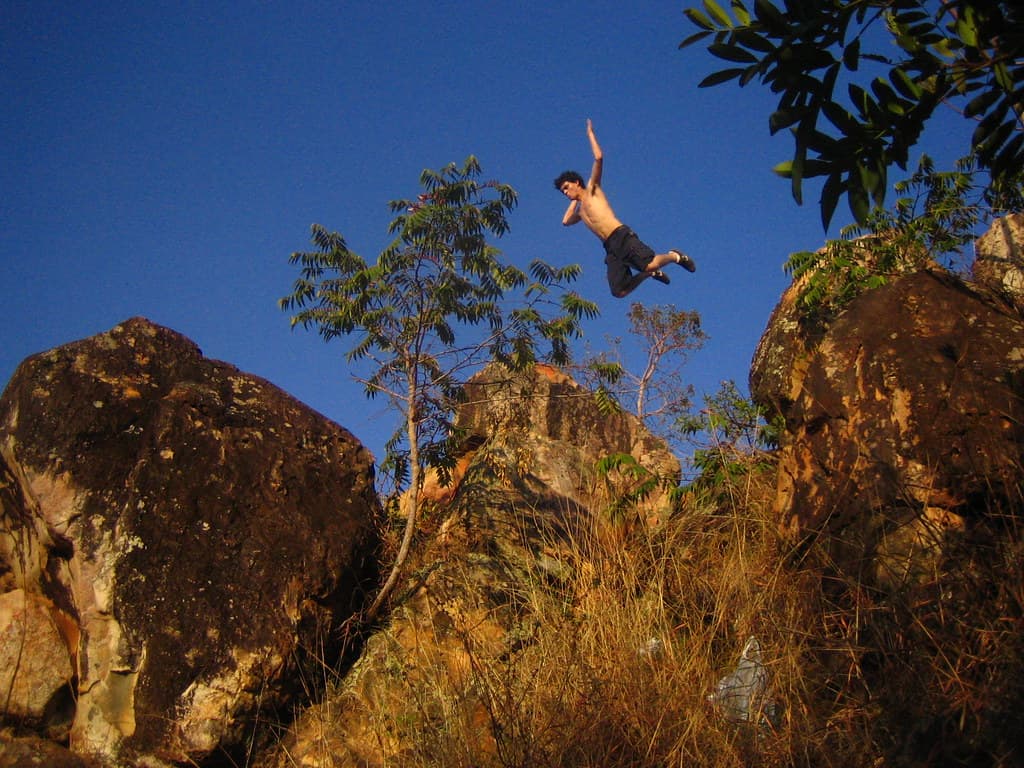
Base Jumping Eiger Switzerland: Ultimate Extreme Sport Guide
Categories
Tags
BASE jumping from the Eiger in Switzerland is an expert-only jump requiring at least 200 documented BASE jumps, 50 mountain jumps, and a USPA B-license or equivalent. The classic North Face exit drops 1,200 meters with 45-60 seconds of freefall, and the season runs June to September. A guided experience costs roughly 3,250-4,950 USD including guide, permits, railway access, equipment rental, and accommodation. BASE jumping is legal in Switzerland, though liability insurance is mandatory.
Base Jumping Eiger Switzerland: Ultimate Extreme Sport Guide
Standing on the North Face of the Eiger, looking down 3,967 meters of sheer rock and ice, your heart races with pure adrenaline. This is base jumping at its most extreme - one of the world's most challenging and spectacular jumps, reserved only for the most experienced thrill seekers.
Quick Facts at a Glance
| Detail | Information |
|---|---|
| Jump Altitude | 3,967m (13,015 ft) |
| Freefall Time | 45-60 seconds |
| Minimum Experience | 200+ BASE jumps |
| Best Season | June-September |
| Cost Range | $3,500-$5,000 |
| Difficulty | Expert Only |
| Success Rate | 98% for certified jumpers |
Why Base Jump from the Eiger?
The Eiger's North Face is legendary among climbers and BASE jumpers alike. Known as the "Ogre" for its treacherous reputation, it offers one of the most technically challenging and visually stunning jumps in the world.
What Makes Eiger Base Jumping Extraordinary:
- Iconic Alpine Backdrop: Jumping from one of the most famous mountains in the Swiss Alps
- Technical Challenge: Requires advanced skills in mountain navigation and jump planning
- Historic Significance: The same face that challenged mountaineers for decades
- Unmatched Views: Spectacular views of Jungfrau, Mönch, and the entire Bernese Oberland
- Prestige: Fewer than 500 people have successfully completed this jump
Understanding the Eiger Jump Sites
The Classic North Face Launch
The traditional exit point located on the North Face offers a straight vertical drop of 1,200 meters before opening. This jump demands perfect timing and conditions.
The Southwest Ridge Alternative
For slightly less experienced jumpers, the Southwest Ridge provides a more gradual descent with multiple opening options and better wind protection.
The Ice Wall Exit
Only accessible in summer when snow has melted, this exit launches directly from the famous Eigerwand station railway tunnel - a jump with unique historical significance.
Perfect 2-Day Eiger Base Jumping Experience
Day 1: Assessment and Preparation
Morning: Arrival and Orientation
- Meet with certified BASE jumping guide in Grindelwald
- Weather briefing and jump window planning
- Equipment check and packing verification
- Review emergency procedures and backup plans
Afternoon: Mountain Approach
- Take the Jungfrau Railway to Eigergletscher station
- Hike to selected exit point (2-4 hours depending on route)
- Practice exits and assess wind conditions
- Set up safety lines and communication equipment
Evening: Final Prep
- Rest and hydrate
- Final equipment check
- Weather monitoring overnight
- Mental preparation and jump visualization
Day 2: The Jump
Pre-Dawn: Final Assessment
- Last weather check
- Equipment final inspection
- Jump planning review with guide
- Mental preparation
Morning: The Jump
- Navigate to exit point
- Final safety checks
- Execute the jump
- Meet at landing zone for celebration and debrief
Afternoon: Review and Departure
- Jump footage review
- Certificate presentation
- Return to Grindelwald
- Departure or additional jumps if conditions permit
Essential Base Jumping Equipment
Required Gear (Personal)
Main and Reserve Canopy
- Professional-grade BASE canopy rated for alpine jumps
- Reserve parachute mandatory for all jumps
- Regular repack and certification essential
Helmet and Protection
- Full-face certified skydiving helmet
- Impact-resistant clothing
- Climbing harness with backup attachment
- Goggles with anti-fog coating
Navigation and Communication
- GPS device with Swiss topographic maps
- Two-way radios with backup batteries
- Altimeter (both wrist and audible)
- Emergency beacon (PLB)
Provided by Jump Operators
Safety Equipment
- Static ropes for exit approach
- Quickdraws and carabiners
- First aid kit
- Emergency oxygen
Weather Monitoring
- Professional weather station access
- Real-time wind speed indicators
- Avalanche transceiver (if snow present)
Safety Requirements and Prerequisites
Minimum Experience Requirements
Before attempting an Eiger BASE jump, you must have:
- 200+ BASE jumps documented
- Alpine jumping experience (minimum 50 mountain jumps)
- USPA B-license or equivalent
- Emergency parachute deployment certification
- Recent physical examination within 6 months
Mandatory Training Sessions
Alpine Environment Course
- Mountain weather patterns and forecasting
- High-altitude physiology
- Avalanche awareness (seasonal)
- Rock fall hazard recognition
Jump-Specific Training
- Exit techniques on steep terrain
- Landing zone assessment
- Emergency procedures for alpine conditions
- Equipment failure scenarios
Cost Breakdown: Eiger Base Jumping
Essential Costs
| Item | Cost Range |
|---|---|
| Professional Guide Fee | $1,800-$2,500 |
| Permits & Insurance | $300-$500 |
| Mountain Railway Access | $150-$250 |
| Equipment Rental | $500-$800 |
| Accommodation (2 nights) | $200-$400 |
| Transportation | $100-$200 |
| Miscellaneous | $200-$300 |
| Total | $3,250-$4,950 |
Optional Add-ons
- Professional videography: $800-$1,200
- Additional jumps: $1,500-$2,000 each
- Helicopter approach: $3,000-$4,000
- Extended adventure package: $2,000-$3,000
Getting to the Eiger
International Access
By Air
- Fly to Zurich International (ZRH) - 2 hours to Grindelwald
- Fly to Geneva (GVA) - 2.5 hours to Grindelwald
- Both airports offer excellent train connections
Regional Transportation
- Train to Grindelwald Terminal (2 hours from Zurich)
- Jungfrau Railway to Eigergletscher (30 minutes from Grindelwald)
- Local bus or taxi within Grindelwald
Local Travel
- Accommodation in Grindelwald recommended (jump capital)
- Cable cars and funiculars for access points
- Professional drivers available for mountain transport
Weather & Jump Conditions
Optimal Jumping Conditions
- Wind Speed: Below 20 km/h at exit point
- Visibility: Clear skies, no clouds below exit
- Temperature: Above freezing at exit point
- Stability: Stable high-pressure systems
- Time of Day: Early morning preferred (calmest winds)
Weather to Avoid
- Storm fronts approaching
- High wind warnings
- Low clouds/fog in valley
- Temperature inversions
- Unstable air masses
Seasonal Patterns
Summer (June-September) ⭐⭐⭐⭐⭐
- Most stable weather
- Snow-free exits
- Longest daylight hours
- Peak season - book well in advance
Spring/Autumn (April-May, October) ⭐⭐⭐
- Variable conditions
- Possible snow on exits
- Fewer crowds
- Lower costs
Winter (November-March) ⭐
- Generally not recommended
- Extreme cold and ice
- Very limited exit options
- Extreme avalanche danger
Photography and Documentation
Best Shot Opportunities
- Exit Moment: Photographer positioned on adjacent ridge
- Freefall Sequence: Helmet-mounted GoPro
- Canopy Opening: Aerial photography possible
- Landing Approach: Ground photographer in landing zone
Equipment Recommendations
Camera Gear
- GoPro Hero 11 or equivalent with helmet mount
- 360-degree camera for immersive footage
- Professional photographer available (additional cost)
Settings
- 4K at 60fps for slow motion
- Wide-angle lens preferred
- Image stabilization essential
- Extra batteries for cold conditions
Physical and Mental Preparation
Fitness Requirements
- Cardiovascular: Excellent endurance for mountain approach
- Upper Body: Strength for equipment handling
- Core Stability: Essential for controlled exits
- Mental Toughness: Ability to handle extreme pressure
Training Timeline
3 Months Prior
- Intensive cardio program
- Mountain hiking with pack
- Jump practice at easier sites
- Technical skills refresher
1 Month Prior
- Practice approaches on similar terrain
- Emergency procedures drills
- Equipment familiarization
- Mental preparation exercises
Legal and Safety Considerations
Swiss Regulations
- BASE jumping is legal in Switzerland
- No special permits required (unlike skydiving)
- Liability insurance mandatory
- Respect local restrictions on specific faces
Safety Protocols
- Never jump alone
- Always have professional guide
- Emergency plan must be filed
- Communication check before every jump
The Eiger BASE Jumping Community
Local Scene
- Small but dedicated community
- Annual BASE jumping gatherings
- Strong safety culture
- Experienced guides available
Ethics and Traditions
- Respect the mountain and its history
- Never compromise safety for photos
- Support local mountain rescue
- Share knowledge with community
Risks and Mitigation
Primary Risks
- Extreme Weather: Sudden weather changes
- Technical Failure: Equipment malfunction
- Human Error: Poor decision making
- Terrain Hazards: Unstable conditions
Mitigation Strategies
- Professional guide mandatory
- Multiple backup plans
- Comprehensive insurance
- Emergency beacon required
Final Thoughts & Planning Tips
Why Eiger Base Jumping Changes You
Standing on the edge of the Eiger, preparing to jump into the abyss, you'll experience a profound shift in perspective. The combination of technical challenge, natural beauty, and pure adrenaline creates an unforgettable life moment.
Best Planning Tips
- Book Early: Limited dates available, especially summer
- Verify Experience: Be honest about your skill level
- Physical Prep: Start training 3-4 months in advance
- Weather Flexibility: Have backup dates
- Trust Your Guide: Follow their advice implicitly
When to Book
- Summer Season: Book 6-8 months ahead
- Shoulder Season: Book 3-4 months ahead
- Last Minute: Possible but limited and premium priced
Making the Most of Your Experience
- Document the entire journey
- Connect with other jumpers
- Explore the region beyond the jump
- Plan recovery and celebration time
- Share your story responsibly
Conclusion
Base jumping from the Eiger represents the pinnacle of extreme sports achievement - a perfect blend of technical skill, physical preparation, and mental fortitude. While it's not for everyone, for those who qualify, it offers one of life's most extraordinary experiences.
The stunning Swiss Alpine scenery, the challenge of the legendary North Face, and the pure freedom of freefall combine to create memories that will last a lifetime. With proper preparation, experienced guidance, and respect for the mountain, the Eiger BASE jump becomes not just a thrill-seeking adventure, but a transformative journey.
Are you ready to take the leap from one of the world's most iconic peaks?
Note: BASE jumping is an extreme sport with significant risks. This guide is for informational purposes only. Always jump with certified professionals, maintain appropriate experience levels, and follow all safety protocols.
Frequently Asked Questions
A guided Eiger BASE jump costs about 3,250-4,950 USD in total: 1,800-2,500 USD for the professional guide, 300-500 USD for permits and insurance, 150-250 USD for mountain railway access, 500-800 USD for equipment rental, plus accommodation and transport. Optional extras include professional videography at 800-1,200 USD, additional jumps at 1,500-2,000 USD each, and a helicopter approach at 3,000-4,000 USD.
The Eiger is expert-only: a minimum of 200 documented BASE jumps, at least 50 mountain jumps, a USPA B-license or equivalent, emergency parachute deployment certification, and a physical examination within the last 6 months. Mandatory training covers alpine weather, high-altitude physiology, steep-terrain exit techniques, and equipment failure scenarios. Fewer than 500 people have completed the jump.
Yes, BASE jumping is legal in Switzerland and, unlike skydiving, requires no special permits, though liability insurance is mandatory and local restrictions on specific faces must be respected. Safety protocols call for never jumping alone, always using a professional guide, filing an emergency plan, and completing a communication check before every jump.
June to September is the prime season, with the most stable weather, snow-free exits, and the longest daylight; summer dates should be booked 6-8 months ahead. Spring and October bring variable conditions and possible snow on exits, while winter is generally not recommended due to extreme cold, ice, and avalanche danger. Early morning jumps are preferred for the calmest winds, and winds must be below 20 km/h at the exit.
The Eiger stands at 3,967 meters (13,015 feet), and the classic North Face launch offers a straight vertical drop of 1,200 meters before opening, with 45-60 seconds of freefall. Alternatives include the Southwest Ridge, a more gradual descent with better wind protection, and the summer-only Ice Wall exit near the Eigerwand railway station. The success rate for certified jumpers is 98 percent.
Fly into Zurich, about 2 hours from Grindelwald, or Geneva, about 2.5 hours; both have excellent train connections. Grindelwald is the recommended base, and the Jungfrau Railway reaches Eigergletscher station in about 30 minutes, from which the hike to the exit point takes 2-4 hours depending on route. A typical guided experience runs 2 days, with day one for approach and preparation and day two for the jump.
Adventure Knit Editorial
Destination research compiled and fact-checked by the Adventure Knit editorial team from published sources, operator itineraries, and official tourism boards. Spot something out of date? Tell us at hello@adventureknit.com.
Related Stories
 United States
Base Jumping Yosemite USA: The Ultimate Valley Extreme Experience
Experience the thrill of base jumping from Yosemite's iconic cliffs - El Capitan, Half Dome, and more in America's most famous national park
 Italy
ItalyBase Jumping Dolomites Italy: Ultimate Extreme Jump Guide
Experience the thrill of base jumping over the stunning Dolomite mountains in Italy - Europe's most breathtaking extreme adventure destination
 Venezuela
Base Jumping Angel Falls Venezuela: World's Highest Waterfall Jump
Experience the ultimate thrill of base jumping from Angel Falls, the world's highest waterfall - an extreme adventure in Venezuela's spectacular Canaima National Park
Enjoyed this article?
Explore more stories from our adventures around the world