
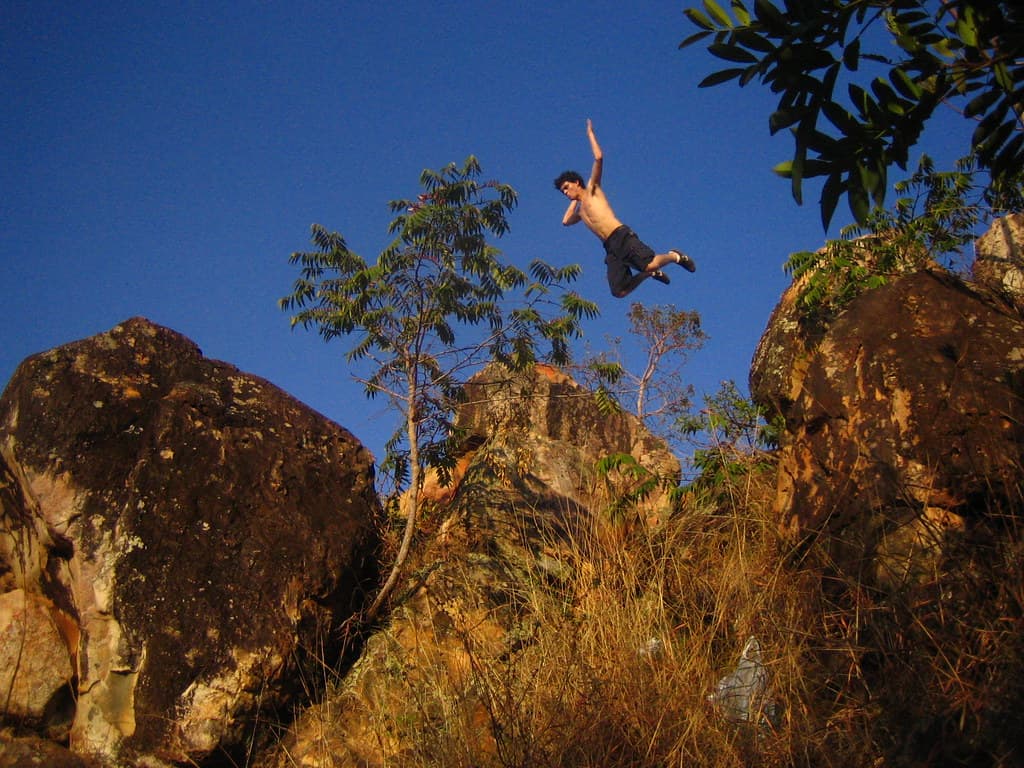
Base Jumping Yosemite USA: The Ultimate Valley Extreme Experience
Categories
Tags
BASE jumping in Yosemite National Park is technically prohibited, and jumpers assume all legal and personal risks; no permits are officially issued. The sport there is expert-only, with a minimum of 300 skydives and 100 BASE jumps, and centers on El Capitan with its 3,000-foot drop, Half Dome at 2,000 feet, and Glacier Point at 3,200 feet. The season runs May to October, and a guided experience averages 3,000-6,000 USD.
Base Jumping Yosemite USA: The Ultimate Valley Extreme Experience
Standing on the edge of El Capitan's granite summit, 3,000 feet above the Yosemite Valley floor, you witness the same breathtaking view that has inspired climbers and adventurers for generations. But you're not here to climb down—you're here to take the most exhilarating descent possible: a BASE jump that will change your perspective forever.
Quick Facts at a Glance
| Detail | Information |
|---|---|
| Primary Jump Sites | El Capitan, Half Dome, Glacier Point |
| Season | May to October (weather permitting) |
| Skill Level Required | Expert only (300+ skydives, 100+ BASE jumps minimum) |
| Jump Heights | 2,000-3,000 feet vertical drops |
| Average Cost | $3,000-$6,000 (including guide, permits, equipment) |
| Nearest Airport | Fresno Yosemite International (FAT) - 1.5 hours |
| Base Camps | Yosemite Valley, Curry Village, The Ahwahnee |
Why Base Jump in Yosemite?
Yosemite National Park offers BASE jumpers the most iconic and diverse cliff jumping experiences in North America. The combination of world-famous granite monoliths, pristine wilderness, and the legendary history of extreme sports in the valley creates an unparalleled destination for experienced jumpers.
What Makes Yosemite Base Jumping Extraordinary:
- Legendary History: Yosemite has been at the forefront of American BASE jumping for decades
- Iconic Jump Sites: El Capitan and Half Dome are among the world's most famous jumping locations
- Diverse Terrain: From 3,000-foot granite walls to alpine cliffs
- Stunning Scenery: Unmatched views of Yosemite Valley, waterfalls, and granite peaks
- World-Class Community: Strong BASE jumping community with decades of accumulated knowledge
- Technical Variety: Multiple jump types including slider-down, slider-up, and tracking
Understanding Yosemite's Jump Sites
Yosemite offers several world-renowned jump sites, each with unique characteristics and challenges.
El Capitan (The King)
El Capitan is the crown jewel of Yosemite BASE jumping, offering the most spectacular and technically challenging jump in North America.
- Jump Height: 3,000 feet vertical to valley floor
- Exit Difficulty: Expert only (multiple exit points)
- Best Routes: Nose, Lurking Fear, Tangerine Trip exits
- Access: 1-2 day climb to summit or trail from Yosemite Creek
- Wind Considerations: Variable afternoon thermals
- Best Time: Early morning (before 11 AM)
- Historical Significance: First BASE jump in Yosemite (1978)
Half Dome (The Icon)
Half Dome offers a unique jumping experience with its distinctive shape and spectacular views of the High Sierra.
- Jump Height: 2,000 feet vertical
- Exit Difficulty: Advanced to Expert
- Best Route: Regular Route exit via cables
- Access: 14-16 mile hike from valley floor
- Wind Considerations: Generally stable but can be unpredictable
- Best Time: Mid-morning to early afternoon
- Views: Unparalleled vistas of Yosemite Valley and High Sierra
Glacier Point (The Classic)
Glacier Point provides a more accessible jumping experience with spectacular valley views and easier logistics.
- Jump Height: 3,200 feet vertical to valley floor
- Exit Difficulty: Intermediate to Advanced
- Best Route: Main cliff edge directly above valley
- Access: Road accessible (parking lot 100 yards from exit)
- Wind Considerations: Generally consistent and predictable
- Best Time: Anytime during jump season
- Popularity: Most popular Yosemite BASE jump site
Sentinel Dome (The Hidden Gem)
Less frequented but equally spectacular, Sentinel Dome offers pristine views and challenging jump conditions.
- Jump Height: 2,500 feet vertical
- Exit Difficulty: Advanced
- Best Route: North face jump
- Access: 2.2 mile hike from trailhead
- Wind Considerations: More exposed than other sites
- Best Time: Early morning
- Crowds: Minimal tourist traffic
Perfect 4-Day Yosemite Base Jumping Adventure
Day 1: Orientation and Glacier Point Jump
Morning: Arrival and Orientation
- Arrive in Yosemite Valley
- Check into accommodation (Curry Village or Yosemite Valley Lodge)
- Meet with local BASE jumping community
- Comprehensive safety briefing and site assessment
- Weather forecast review for the week
Afternoon: First Jump - Glacier Point
- Drive to Glacier Point (1 hour from valley)
- Equipment inspection and final checks
- Jump 1: Glacier Point - Classic Yosemite jump
- Valley landing and gear recovery
- Post-jump debriefing and video review
Evening:
- Dinner at Mountain Room Restaurant
- Community gathering with local jumpers
- Plan next day's jumping based on conditions
Day 2: Half Dome Experience
Pre-Dawn: Early Start
- Leave valley floor at 4:00 AM
- Begin Half Dome hike (16 miles round trip)
- Sunrise views from Nevada and Vernal Falls
Mid-Morning: Summit and Preparation
- Reach Half Dome summit (8-10 hours hiking)
- Rest and hydrate
- Equipment setup and final checks
- Weather assessment and wind check
Afternoon: The Jump
- Jump 2: Half Dome - The iconic dome jump
- Descent into Tenaya Canyon
- Long hike out to trailhead (additional 2-3 hours)
- Late return to valley
Evening:
- Recovery dinner and rest
- Gear maintenance
- Early bedtime for El Capitan prep
Day 3: El Capitan Ascent
All Day: Summit Approach
- Begin El Capitan climb (regular route or East Buttress)
- Multi-pitch climbing to summit (10-14 hours)
- Portage BASE jumping equipment
- Summit arrival and camp setup
Evening:
- Summit camping (bivy or comfortable ledge)
- Early rest for dawn jump
- Weather monitoring overnight
Day 4: El Capitan Jump and Departure
Pre-Dawn: Final Preparation
- Wake up at 4:00 AM
- Final equipment check
- Weather and wind assessment
- Mental preparation
Morning: The Big Jump
- Jump 3: El Capitan - The ultimate Yosemite experience
- 3,000-foot freefall to valley floor
- Valley landing and gear recovery
Afternoon: Celebration and Departure
- Post-jump celebration with community
- Certificate presentation
- Gear cleanup and packing
- Depart Yosemite Valley
Essential Base Jumping Equipment
Required Personal Gear
Container System:
- Specifically designed BASE container (not skydiving)
- Slider-up or slider-down system depending on jump type
- Properly fitted and maintained
- Compatible with your experience level
Canopy:
- 7- or 9-cell BASE canopy
- Appropriate wing loading for your experience
- Regularly inspected and maintained
- Reserve parachute mandatory for all jumps
Safety Equipment:
- Full-face helmet with camera mount
- Visual altimeter (wrist mounted)
- Audible altimeter (backup)
- GPS tracker with emergency beacon
- Two-way radio for communication
Apparel:
- Jump suit appropriate for conditions
- Hiking boots with good traction
- Layers for variable mountain weather
- Gloves and hat for cold conditions
- Sunglasses with UV protection
Navigation and Communication:
- Detailed topographic maps
- GPS device with waypoint programming
- Satellite phone or emergency communicator
- First aid kit with trauma supplies
Provided by Guide Services
Professional Support:
- Certified BASE jumping guide
- Site briefings and exit training
- Weather monitoring services
- Emergency response coordination
- Photography and videography support
Logistical Support:
- Transportation between jump sites
- Equipment storage and maintenance
- Accommodation arrangements
- Meals during jumping sessions
- Gear recovery assistance
Health and Safety Considerations
Minimum Experience Requirements
BASE Jumping Experience:
- Minimum 300 skydives documented
- Minimum 100 BASE jumps (including 50+ cliff jumps)
- Recent jumping experience (within 3 months)
- Previous big wall experience preferred
Certifications and Training:
- USPA B-license or equivalent
- BASE jumping specific training
- Wilderness first aid or EMT certification
- High-altitude experience preferred
Physical Requirements:
- Excellent cardiovascular fitness
- Strong core and upper body strength
- Ability to hike with heavy equipment (50+ lbs)
- No significant medical conditions
- Good vision and depth perception
Jump Site Specific Safety
El Capitan Safety:
- Requires multi-day climb with full equipment
- Exposed camping on big walls
- Variable wind conditions at altitude
- Technical exit points requiring climbing skills
- Long recovery if injured
Half Dome Safety:
- 16-mile round-trip hike with equipment
- Cable route requires additional safety gear
- Weather can change rapidly at summit
- Limited landing zone options
- Long evacuation time if needed
Glacier Point Safety:
- Most accessible but still requires serious preparation
- Popular tourist site requires discretion
- Consistent but not guaranteed wind patterns
- Multiple landing zones require good canopy control
Weather Considerations
Ideal Conditions:
- Wind speeds under 15 mph at exit point
- Clear to partly cloudy skies
- No precipitation in forecast
- Good visibility (minimum 5 miles)
- Stable atmospheric pressure
- Temperature above freezing at exit point
Weather to Avoid:
- High winds or gusty conditions
- Thunderstorms in the vicinity
- Heavy cloud cover or fog
- Rapidly changing weather patterns
- Snow or ice on exit points
- Temperature inversions
Seasonal Patterns:
- Spring (May-June): Variable weather, waterfalls flowing
- Summer (July-August): Most stable, but hot and crowded
- Fall (September-October): Best conditions, fewer crowds
- Winter (November-April): Generally not recommended due to snow
Cost Breakdown: Yosemite Base Jumping Experience
Guided Experience Packages
Single Jump Package:
- Professional guide fee: $1,500-$2,500
- Jump site permits and fees: $200-$400
- Equipment rental (if needed): $300-$500
- Total: $2,000-$3,400
3-Day Experience Package:
- Professional guide (3 days): $3,500-$5,000
- National park fees and permits: $300-$500
- Accommodation (3 nights): $600-$1,200
- Transportation between sites: $300-$500
- Total: $4,700-$7,200
Full Week Experience Package:
- Professional guide (7 days): $6,000-$10,000
- National park fees and permits: $500-$800
- Accommodation (6 nights): $1,200-$2,400
- All transportation: $500-$800
- Photography support: $800-$1,200
- Total: $9,000-$15,200
Equipment Investment (If Purchasing)
Essential Equipment:
- Container system: $1,500-$3,000
- Main canopy: $1,800-$3,500
- Reserve canopy: $800-$1,500
- Helmet and altimeter: $300-$600
- Total: $4,400-$8,600
Additional Equipment:
- GPS and emergency beacon: $400-$800
- Communication equipment: $200-$400
- Jumpsuit and apparel: $200-$400
- Navigation equipment: $100-$200
- Total: $900-$1,800
Additional Costs
Travel and Accommodation:
- Flights to Fresno: $200-$600
- Rental car: $50-$100/day
- Meals: $50-$100/day
- Total: Variable based on length of stay
Insurance:
- Liability insurance: $200-$400/year
- Travel insurance: $100-$300/trip
- Total: $300-$700
Getting to Yosemite
International Access
By Air:
- Fresno Yosemite International (FAT): 1.5 hours to Yosemite Valley
- San Francisco International (SFO): 4 hours to Yosemite Valley
- Sacramento International (SMF): 3.5 hours to Yosemite Valley
By Car:
- From Fresno: Highway 41 North to Yosemite
- From San Francisco: Highway 120 East via Tioga Pass (summer only)
- From Los Angeles: Highway 99 North to Highway 41
Park Access and Transportation
Entry Requirements:
- National park pass: $35/vehicle (7 days)
- Annual pass: $80
- Advance reservations required for some areas
Internal Transportation:
- Free shuttle buses throughout valley
- Personal vehicle recommended for flexibility
- Guided transportation available through tour operators
Accommodation Options:
- Inside Park: Curry Village, Yosemite Valley Lodge, The Ahwahnee
- Outside Park: Numerous hotels and lodges in gateway communities
- Camping: Campgrounds available but require advance reservations
Photography and Documentation
Best Photo Opportunities
Aerial Shots:
- Jump over Half Dome with valley views
- El Capitan freefall sequences
- Glacier Point descent with waterfall views
- Sunset jumps with golden hour lighting
Ground Shots:
- Exit shots from summit
- Landing sequences in valley
- Post-jump celebration photos
- Equipment and gear documentation
Landscape Photography:
- Pre-jump scenic shots
- Valley views from summit
- Waterfall and granite formations
- Wildlife and nature shots
Equipment Recommendations
For Jumpers:
- GoPro Hero 11 or 12 with multiple mounts
- 360-degree camera for immersive footage
- Lightweight helmet mount
- Chest and hand mounts for versatility
- Extra batteries and memory cards
For Ground Photographers:
- Professional DSLR with telephoto lens
- Tripod for stable shots
- Multiple camera bodies
- Fast shutter speeds for action shots
- Remote triggers for unique angles
Best Time to Visit
Peak Season (July-August) ⭐⭐⭐⭐
- Weather: Most stable conditions, warm temperatures
- Pros: Reliable weather, long daylight hours
- Cons: Most crowded, higher accommodation costs
- Recommendation: Book everything well in advance
Shoulder Season (May-June, September-October) ⭐⭐⭐⭐⭐
- Weather: Generally good, some variability
- Pros: Fewer crowds, lower costs, great lighting
- Cons: Some temperature variability, shorter days
- Recommendation: Best overall balance
Off-Season (November-April) ⭐⭐
- Weather: Unpredictable, snow likely
- Pros: Minimal crowds, lowest costs
- Cons: Most sites inaccessible, dangerous conditions
- Recommendation: Not recommended for base jumping
Physical and Mental Preparation
Fitness Requirements
Cardiovascular Endurance:
- Ability to hike 16+ miles with equipment (Half Dome)
- Multi-day climbing stamina (El Capitan)
- High-altitude tolerance (summit elevations 7,000-8,000+ feet)
Strength and Conditioning:
- Core strength for controlled exits
- Upper body strength for equipment handling
- Leg strength for long approaches and hikes
- Flexibility for wing suit flying (if applicable)
Training Timeline
6 Months Before:
- Begin intense cardio training
- Start climbing-specific conditioning
- Increase skydive frequency
- Begin weight training
3 Months Before:
- Practice with full equipment
- Hiking with weighted packs
- Wing suit practice (if applicable)
- Altitude training if possible
1 Month Before:
- Final equipment familiarization
- Emergency procedure drills
- Mental preparation exercises
- Rest and recovery focus
Mental Preparation
Visualization Techniques:
- Regular jump visualization exercises
- Emergency scenario mental rehearsal
- Goal-setting and progress tracking
Stress Management:
- Meditation and breathing exercises
- Positive self-talk techniques
- Building confidence through practice
Community Connection:
- Connect with Yosemite BASE jumping community
- Learn from experienced jumpers
- Build support network
Legal and Safety Considerations
National Park Regulations
Current Status:
- BASE jumping is technically prohibited in Yosemite National Park
- Enforcement varies by location and circumstances
- Permits are not officially issued
- Jumpers assume all legal and personal risks
Safety Culture:
- Strong emphasis on self-regulation
- Community safety standards and ethics
- Respect for other park users
- Environmental stewardship
Emergency Protocols
Communication:
- Always have multiple communication methods
- File detailed jump plans with trusted contact
- Regular check-in procedures
- Emergency beacon mandatory
Rescue:
- Yosemite Search and Rescue (YOSAR) is world-class
- Know rescue procedures and limitations
- Insurance coverage for emergency evacuation
- Medical facilities in valley and nearby communities
The Yosemite BASE Jumping Community
Local Scene
Community Characteristics:
- Small but dedicated group of experienced jumpers
- Strong safety culture and mentoring
- Regular informal gatherings
- Knowledge sharing and support
Ethics and Traditions:
- Respect for the environment
- Minimal impact principles
- Support for conservation efforts
- Responsible jumping practices
Access and Permissions
Unofficial Guidelines:
- Discretion when accessing jump sites
- Avoid crowds and tourist areas
- Early morning or late evening jumps preferred
- Respect other park users
Final Thoughts & Planning Tips
Why Yosemite Base Jumping Changes You
Base jumping in Yosemite isn't just about the adrenaline—it's about connecting with America's most iconic landscape in the most intimate way possible. The combination of technical challenge, natural beauty, and historical significance creates an experience that transcends ordinary adventure sports.
Best Planning Tips
- Connect with Locals: Reach out to Yosemite BASE jumping community beforehand
- Train Specifically: Focus on big wall climbing and high-altitude preparation
- Plan for Variable Weather: Have backup dates and flexibility
- Respect the Park: Follow leave no trace principles and minimize impact
- Invest in Quality Gear: Your life depends on it in these challenging conditions
- Document Your Experience: Photos and videos are invaluable memories
- Prepare for Hiking: Half Dome and El Capitan require significant physical effort
When to Book
- Accommodation: 6-12 months in advance for peak season
- Guides: Contact community 3-6 months in advance
- Equipment: Purchase and test 3-6 months before trip
- Flights: Book 2-4 months ahead for best rates
Making the Most of Your Experience
- Arrive 1-2 days early to acclimate and explore
- Consider additional Yosemite activities (hiking, climbing, photography)
- Build relationships with local jumping community
- Respect the natural environment and wildlife
- Share your knowledge and experience with others responsibly
- Plan recovery time between intense jumping sessions
Conclusion
Base jumping in Yosemite National Park offers experienced jumpers the ultimate American extreme sports experience. The combination of world-famous granite walls, pristine wilderness, and legendary jumping history creates an adventure that will challenge and reward you in equal measure.
Whether you're launching from the summit of El Capitan, jumping from the iconic Half Dome, or making the classic descent from Glacier Point, Yosemite provides BASE jumping experiences that are unmatched anywhere else in the world.
With proper preparation, respect for safety, and appreciation for this remarkable national park, your Yosemite base jumping adventure will be an unforgettable journey that pushes your limits while showcasing America's most spectacular natural landscapes.
Note: BASE jumping is an extreme sport with significant risks. This guide is for informational purposes only. Always jump with experienced partners, maintain appropriate experience levels, and follow all safety protocols. BASE jumping in Yosemite National Park is technically prohibited and jumpers assume all legal and personal risks.
Frequently Asked Questions
No. BASE jumping is technically prohibited in Yosemite National Park, permits are not officially issued, and enforcement varies by location and circumstances, so jumpers assume all legal and personal risks. The local community relies on self-regulation, discretion around tourist areas, and strong safety and environmental ethics.
Yosemite is expert-only: a minimum of 300 documented skydives and 100 BASE jumps, including 50 or more cliff jumps, plus recent jumping experience within the last 3 months. A USPA B-license or equivalent, BASE-specific training, and wilderness first aid certification are expected, and jumpers need the fitness to hike with 50-plus pounds of equipment, since Half Dome alone is a 16-mile round trip.
A guided single-jump package runs about 2,000-3,400 USD, covering a guide fee of 1,500-2,500 USD, site fees, and equipment rental if needed. A 3-day package costs 4,700-7,200 USD and a full week 9,000-15,200 USD including accommodation and transport. Buying your own essential equipment costs roughly 4,400-8,600 USD, and park entry is 35 USD per vehicle for 7 days.
El Capitan offers about 3,000 feet of vertical drop to the valley floor and was the site of Yosemite's first BASE jump in 1978. Glacier Point drops about 3,200 feet and is the most popular and accessible site, with parking 100 yards from the exit. Half Dome drops about 2,000 feet after a 14-16 mile hike, and Sentinel Dome offers 2,500 feet with minimal crowds.
The season runs May to October, weather permitting. Fall, September to October, offers the best overall balance of stable conditions and fewer crowds, while July and August are the most reliable but hottest and busiest. Winter is not recommended because most sites are inaccessible and conditions are dangerous. Ideal jump conditions are winds under 15 mph, clear skies, and at least 5 miles of visibility, with early mornings preferred on El Capitan.
The nearest airport is Fresno Yosemite International, about 1.5 hours from Yosemite Valley via Highway 41; San Francisco is about 4 hours and Sacramento 3.5 hours away. Park entry costs 35 USD per vehicle for 7 days, free shuttle buses run through the valley, and accommodation options include Curry Village, Yosemite Valley Lodge, and The Ahwahnee, with peak-season lodging best booked 6-12 months ahead.
Adventure Knit Editorial
Destination research compiled and fact-checked by the Adventure Knit editorial team from published sources, operator itineraries, and official tourism boards. Spot something out of date? Tell us at hello@adventureknit.com.
Related Stories
 Switzerland
Base Jumping Eiger Switzerland: Ultimate Extreme Sport Guide
Experience the thrill of base jumping from the iconic Eiger mountain in Switzerland - one of Europe's most challenging and spectacular extreme adventures
 Italy
ItalyBase Jumping Dolomites Italy: Ultimate Extreme Jump Guide
Experience the thrill of base jumping over the stunning Dolomite mountains in Italy - Europe's most breathtaking extreme adventure destination
 United States
Base Jumping Grand Canyon USA: The Ultimate Canyon Freefall Experience
Experience the thrill of base jumping over the Grand Canyon's magnificent red rock formations - one of America's most spectacular and extreme adventures
Enjoyed this article?
Explore more stories from our adventures around the world