

Shark Cage Diving Gansbaai South Africa: Face Great Whites Safely
Categories
Tags
Shark Cage Diving Gansbaai South Africa: Face Great Whites Safely
When you descend into the crystal-clear waters of Gansbaai inside a sturdy aluminum shark cage, your heart races as shadows move beneath you. The water temperature is a cool 16°C (61°F), visibility extends 30+ meters (100 feet) in every direction, and you're about to come face-to-face with one of Earth's most magnificent predators in its natural habitat. Shark cage diving in Gansbaai isn't just an extreme sport—it's a journey into the world of sharks, deepening our understanding and respect for these ancient predators that have ruled our oceans for millions of years.
Quick Facts at a Glance
- Location: Gansbaai, Western Cape, South Africa (Multiple dive sites)
- Water Temperature: 16-20°C (61-68°F) year-round
- Visibility: 20-30+ meters (65-100 feet) in clear conditions
- Shark Species: Great White, Tiger Shark, Bronze Whaler, Shortfin Mako
- Best Viewing Season: April-October (avoiding mating season)
- Cave Type: Aluminum alloy cage, surface-supplied
- Dive Duration: 20-40 minutes underwater
- Cage Capacity: 4-6 divers per cage
- Experience Level: Beginner (no diving experience required)
- Age Requirement: 10+ years old (with parental consent for minors)
- Weight Limit: No specific limit (must fit through cage hatch)
- Average Cost: R2,500-3,500 ($140-190 USD)
- Duration: 3-4 hours total experience
- Certification: Professional marine biologist/shark operator required
Why Experience Shark Cage Diving in Gansbaai?
Gansbaai offers one of the world's most unique shark cage diving experiences, combining reliable shark sightings with world-class diving conditions and accessibility. The confluence of nutrient-rich waters and Shark Alley—where Great Whites gather to hunt seals—creates one of the few places on Earth where you can observe these apex predators in their natural environment with consistent frequency. Unlike some locations where sharks are rarely seen, Gansbaai offers near-guaranteed shark sightings during the right season, making it the premier destination for shark enthusiasts worldwide.
What Makes This Experience Extraordinary:
- Great White Shark Capital: Gansbaai is known as the Great White Shark capital of the world
- Shark Alley: Famous area where Great Whites congregate to hunt
- Consistent Sightings: Near-guaranteed shark encounters during viewing season
- Multiple Shark Species: See Great Whites, Tiger Sharks, Bronze Whalers, Mako Sharks
- Crystal-Clear Waters: Excellent visibility up to 30+ meters
- No Diving Required: Surface-supplied cage, no SCUBA experience needed
- World-Class Research: Marine biologists frequently conduct research here
- Conservation Focus: All operators support shark conservation efforts
- Historic Significance: Location of the 1975 movie "Jaws"
- Educational Opportunity: Learn about shark conservation and marine ecosystems
Understanding Shark Cage Diving Locations in Gansbaai
Primary Dive Sites
Shark Alley (Most Famous):
- Location: 8km (5 miles) offshore from Gansbaai
- Water Depth: 12-20 meters (40-65 feet)
- Shark Species: Great White (primary), Tiger, Bronze Whaler
- Experience Level: All levels
- Best For: Great White Shark viewing, most famous site
- Operators: Multiple operators with boats at this location
Dyer Island (Alternative):
- Location: 10km (6 miles) offshore
- Water Depth: 15-25 meters (50-82 feet)
- Shark Species: Great White, Tiger, Bronze Whaler, Mako
- Experience Level: All levels
- Best For: Alternative to Shark Alley, less crowded
- Operators: Select operators visit this location
Seal Island (Advanced):
- Location: 12km (7.5 miles) offshore
- Water Depth: 10-15 meters (33-49 feet)
- Shark Species: Great White, Bronze Whaler (Tiger less common)
- Experience Level: All levels
- Best For: Bronze Whaler encounters, different scenery
- Operators: Some operators visit seasonally
Understanding the Cages
Surface-Supplied Aluminum Cages:
- Construction: Aluminum alloy (rust-resistant, strong)
- Design: Open-barred on all sides for unobstructed views
- Size: 3-4 meters wide, 2-3 meters high (10-13ft x 6.5-10ft)
- Capacity: 4-6 divers standing
- Safety: Floats, multiple attachment points, emergency release
- Visibility: Excellent through clear water and bars
- Positioning: Suspended from boat surface at 5-8 meters depth
Perfect 1-Day Gansbaai Shark Cage Diving Adventure
Morning: Departure and Ocean Journey
7:00 AM - Arrival in Gansbaai Arrive at Kleinbaai Harbor (Gansbaai's main port). Check in with your shark cage diving operator. Enjoy coffee and light breakfast while the boat is prepared. Your marine biologist will provide a comprehensive briefing on shark species, behavior, safety procedures, and what to expect during your dive.
7:30 AM - Boat Safety Briefing Meet your skipper and crew. Review boat safety procedures, life jacket usage, and emergency protocols. The boat ride to Shark Alley takes approximately 45 minutes through potentially choppy waters—sea sickness prevention is recommended (take medication before departure if prone).
8:00 AM - Departure for Shark Alley Board the shark cage diving boat and begin the journey to Shark Alley. The ride takes you through dramatic Cape scenery—keep your eyes on the ocean for dolphin, whale, and seal sightings. Your marine biologist will provide ongoing commentary about Gansbaai's marine ecosystem and shark behavior.
8:45 AM - Arrival at Shark Alley Arrive at Shark Alley location (Dyer Island area). The crew will deploy the shark cage, chum the water to attract sharks, and prepare for your dive. This is your chance to ask questions about Great White Sharks, their behavior, and conservation efforts.
Late Morning: Shark Cage Diving
9:00 AM - First Dive Group Preparation You'll be divided into dive groups (typically 4-6 divers per cage). Put on your wetsuit (provided), mask, snorkel, and weight belt. Your marine biologist will explain cage positioning, shark behavior to expect, and safety procedures during the dive.
9:15 AM - Descent into the Cage Descend into the shark cage from the boat platform. The cage is floating at 5-8 meters (16-26 feet) below the surface. Take your position and look through the cage bars at the deep blue ocean.
9:30 AM - The Shark Encounter Begins Within 10-20 minutes of chumming, the first shark typically appears. Most often it's a Great White Shark, approaching with cautious curiosity. As the shark circles the cage, you'll observe its magnificent power, grace, and ancient design. The experience is both thrilling and deeply moving—seeing a 4-5 meter Great White swim just meters from you is life-changing.
10:00 AM - Multiple Shark Encounters Shark activity often increases over time. You may see multiple sharks, different species, and various behaviors from curiosity to hunting. Great Whites typically swim with purposeful, powerful movements, while Bronze Whalers and Tiger Sharks may exhibit different behaviors. Your marine biologist will provide real-time commentary on shark behavior and biology.
10:20 AM - Surface Interval and Group Rotation After approximately 20-30 minutes in the cage, return to the boat surface. Switch with the second dive group. This is your opportunity to warm up, use the restroom, and share your shark encounter stories with fellow divers.
Mid-Day: Second Shark Cage Dive
11:00 AM - Second Dive Preparation Prepare for your second dive as the first group continues. Each dive offers different shark encounters—you never know what you'll see! The shark activity patterns can change throughout the day, providing unique experiences for each group.
11:30 AM - Second Shark Cage Dive Descend into the cage for your second encounter. This dive might feature different shark species, different behaviors, or the same sharks in different moods. Every cage dive is unique—the ocean and its inhabitants are wild and unpredictable.
12:00 PM - Final Cage Dive of the Day Your third and final cage dive of the day. Take time to really absorb the experience—observe the sharks' swimming patterns, their coloration, their interactions with each other and the cage. This is your last opportunity to experience Great White Sharks up close today.
12:30 PM - Return to Boat and Debriefing Return to the boat after all groups have completed their dives. Enjoy a hot beverage and light lunch while your marine biologist debriefs the day's shark encounters, species identification, and conservation topics.
Afternoon: Return Journey
1:00 PM - Return to Gansbaai Begin the journey back to Gansbaai. This is a perfect time to reflect on your shark encounters, ask your marine biologist questions, and review photos and videos from your dive.
2:00 PM - Arrival and Departure Arrive back at Kleinbaai Harbor. Watch your shark encounter video footage captured by the boat's underwater cameraman (if purchased). Receive your Shark Cage Diving Certificate documenting your Great White Shark encounters. Depart Gansbaai with memories that will last a lifetime.
Essential Shark Cage Diving Equipment
Provided by Operators
Shark Cage:
- Aluminum alloy cage (3-4m wide x 2-3m high)
- Floats and surface supports
- Multiple attachment points to boat
- Emergency release capability
- Open-barred design for maximum visibility
- Safety inspection before each dive
Diving Equipment:
- Wetsuit (5-7mm for Gansbaai water temperature)
- Mask and snorkel
- Weight belt (integrated into wetsuit or separate)
- Fins (full-foot recommended)
- Underwater camera (operator's equipment)
- Safety line (always attached to cage)
- Emergency signaling device
Boat Safety Equipment:
- Life jackets (must wear at all times)
- Life rafts
- Marine radio
- First aid kit
- Emergency oxygen
- Shark bite kit (rarely needed but carried)
- Navigation equipment (GPS, chartplotter)
What You Need to Bring
Clothing:
- Swimwear or swim trunks (to wear under wetsuit)
- T-shirt and shorts (for before/after dive)
- Warm jacket (boat can be windy)
- Hat and sunscreen (African sun is strong)
- Towel
Essential Items:
- Government-issued ID or passport
- Seasickness medication (if prone)
- Water bottle (stay hydrated)
- Snacks (energy bars, fruit)
- Sunglasses
- Camera or GoPro for surface photos
- Waterproof bag for electronics
Optional Items:
- Change of clothes for return journey
- Motion sickness bands
- Lip balm with SPF
- Cash for tips and additional purchases
Health and Safety Considerations
Shark Cage Diving Safety
Physical Requirements:
- Must be in reasonable physical health
- No recent surgeries or serious medical conditions
- Not pregnant
- No heart conditions or uncontrolled high blood pressure
- Must be comfortable in water
- No severe claustrophobia (cages are spacious but confined)
- Must be able to climb boat ladder and enter cage
Age and Weight Requirements:
- Minimum age: 10 years (with parental consent for minors)
- Maximum age: No specific limit (health dependent)
- Must fit through cage hatch (approximately 50cm/20in opening)
- Minors require parent/guardian consent form
- Must provide valid ID
Medical Considerations:
- Must complete medical questionnaire honestly
- Certain conditions may preclude participation:
- Heart conditions
- Epilepsy or seizure disorders
- Severe respiratory conditions
- Recent surgeries
- Pregnancy
- Blood clotting disorders
- Consult your doctor if you have any concerns
- Be honest about medications
Shark Safety Protocols
Understanding Shark Behavior:
- Sharks are wild predators and must be respected
- Never attempt to touch or feed sharks
- Follow all operator instructions regarding cage position
- Do not provoke or harass sharks
- Understand shark body language
- Respect their territory and hunting behaviors
Cage Safety:
- Always remain inside the cage
- Keep limbs and head inside at all times
- Never stick arms or body through bars
- Use provided holding bars only
- Stay aware of shark position at all times
- Don't block other divers' views
- Listen to marine biologist's instructions
Emergency Procedures:
- Boat crew is trained in shark emergencies
- Cage has emergency release capability
- Shark bite kit is carried on boat (rarely needed)
- Emergency evacuation plan in place
- Communication devices available
- Safety equipment regularly inspected
Environmental Safety
Weather Considerations:
- Sea conditions can change rapidly
- Operators cancel trips if conditions are unsafe
- Strong winds or swells may prevent diving
- Poor visibility reduces shark encounters
- Always prioritize safety over diving
Ocean Safety:
- Always follow boat crew instructions
- Wear life jacket when required
- Don't jump from boat unless instructed
- Be aware of boat deck hazards
- Use handrails on stairs
- Stay seated during boat transit
Understanding Sharks of Gansbaai
Great White Shark (Carcharodon carcharias)
Appearance:
- Length: 4-6 meters (13-20 feet) typically, up to 7m (23ft)
- Weight: 680-1,100kg (1,500-2,400lbs)
- Color: Grey, white belly, black eyes
- Body: Streamlined, powerful, conical snout
Behavior:
- Apex predator, primarily hunts marine mammals
- Curious by nature, investigates unfamiliar objects
- Powerful swimmer with bursts of speed
- Often approaches cage with caution
- Can display hunting behavior if seals are present
- Generally not aggressive toward humans (mistaken identity attacks are rare)
Diet:
- Marine mammals: seals, sea lions, dolphins
- Fish: large predatory species
- Carrion: scavenging when available
Conservation Status:
- Vulnerable (IUCN Red List)
- Protected in many countries
- Population declining due to overfishing and bycatch
- Gansbaai is a critical habitat for the species
Tiger Shark (Galeocerdo cuvier)
Appearance:
- Length: 3-4.5 meters (10-15 feet)
- Weight: 385-635kg (850-1,400lbs)
- Color: Grey with tiger-like stripes on back and sides
- Body: Streamlined, powerful
Behavior:
- Apex predator, hunts smaller sharks and marine life
- Often appears at Gansbaai but less frequently than Great Whites
- More aggressive than Great Whites
- Curious and investigative
- Powerful swimmer
Diet:
- Smaller sharks, rays, fish, marine mammals
- Scavenges when opportunity arises
Conservation Status:
- Near Threatened (IUCN Red List)
- Heavily fished for shark fins
- Population declining globally
Bronze Whaler (Carcharhinus brachyurus)
Appearance:
- Length: 2.5-3 meters (8-10 feet)
- Weight: 200-300kg (450-660lbs)
- Color: Bronze-brown coloration
- Body: Heavy, powerful
Behavior:
- Common at Gansbaai, especially in summer months
- Often seen in groups
- Curious about cage
- Less impressive than Great Whites but still magnificent
Diet:
- Bottom-dwelling fish, crustaceans, cephalopods
- Marine mammals occasionally
Conservation Status:
- Near Threatened (IUCN Red List)
- Targeted for meat and fins
- Population declining
Other Species Occasionally Seen
Shortfin Mako (Isurus oxyrinchus):
- Fastest shark in ocean (speeds up to 70km/h/43mph)
- Length: 2-4 meters (7-13 feet)
- Less commonly seen at cage diving sites
- Often appears briefly and departs quickly
Blue Shark (Prionace glauca):
- Large, rarely seen at cage diving sites
- Length: up to 6 meters (20 feet)
- Generally shy of boats and cages
- Open ocean species, occasionally comes inshore
Choosing Your Shark Cage Diving Experience
Dive Package Options
Standard Day Trip (3 Dives):
- Content: 3 cage dives, 20-30 minutes each
- Species: Great White, Tiger, Bronze Whaler
- Experience Level: Beginner (no diving required)
- Best For: First-time shark divers, maximum time in water
- Cost: R2,500-3,000 ($140-165 USD)
- Includes: All equipment, marine biologist, boat trip, lunch, drinks
- Duration: 7-8 hours total
Premium Day Trip (4 Dives):
- Content: 4 cage dives, 20-30 minutes each
- Species: All above species + better chance of variety
- Experience Level: All levels
- Best For: Shark enthusiasts wanting maximum dive time
- Cost: R3,500-4,000 ($195-220 USD)
- Includes: All standard plus underwater photos/video
- Duration: 9-10 hours total
Private Charter (Full Day):
- Content: Private boat, unlimited cage dives, customizable
- Species: All above species
- Experience Level: All levels
- Best For: Private groups, special occasions, photographers
- Cost: R15,000-25,000 ($830-1,380 USD) per day
- Includes: Boat captain, crew, all equipment, meals, drinks, private guide
- Duration: 10-12 hours total
Cost Breakdown: Gansbaai Shark Cage Diving
Standard Day Trip Costs
Shark Cage Diving:
- Standard day package: R2,500-3,000 ($140-165 USD)
- Video/photo package: +R500-800 ($28-44 USD)
- Private cage option: +R2,000-3,000 ($110-165 USD)
- Second day additional dive: +R1,500-2,000 ($83-110 USD)
Additional Costs:
- Underwater photos: R500-800 ($28-44 USD) per person
- Underwater video: R1,000-1,500 ($56-83 USD) per person
- Professional photography: +R1,000-2,000 ($56-110 USD)
- Tipping: R200-500 ($11-28 USD, recommended for good service)
Transportation:
- Drive to Gansbaai from Cape Town: R150-300 ($8-17 USD) per way, fuel included
- Parking at Kleinbaai Harbor: R20-30 ($1.10-1.65 USD) per day
Food and Drinks:
- Lunch (provided): Included in day package
- Extra snacks: R50-100 ($2.80-5.60 USD)
- Drinks: Included (water, soft drinks, beer)
- Breakfast in Gansbaai: R50-100 ($2.80-5.60 USD)
Total Budget Estimate (Day Trip):
- Budget Option: R2,500-3,000 ($140-165 USD)
- Standard Option: R3,000-3,800 ($165-210 USD)
- Premium Option: R3,500-4,300 ($195-240 USD)
Getting to Gansbaai
International Access
Flying to Cape Town (CPT):
- Cape Town International Airport is South Africa's main international gateway
- Direct flights from major European, Asian, and African cities
- Flight time from London: 11.5 hours
- Flight time from Dubai: 9.5 hours
- Flight time from New York: 16 hours
Alternative: Flying to George (GRJ):
- Smaller airport closer to Gansbaai
- Domestic connections from Cape Town, Johannesburg
- Flight time from Cape Town: 45 minutes
Travel from Cape Town to Gansbaai
By Car (Most Convenient):
- Distance: 170km (106 miles)
- Drive time: 2-2.5 hours via N2 highway
- Route: Cape Town → Somerset West → Swellendam → Gansbaai
- Scenic drive through Cape winelands
- Rental car: R300-600/day ($16-33 USD)
- Fuel: R800-1,200 ($44-67 USD) round trip
By Bus:
- Distance: Same as car
- Drive time: 2.5-3 hours
- Companies: Baz Bus, Intercape, Greyhound
- Cost: R150-250 ($8-14 USD) one way
- Less convenient than car rental
By Private Transfer:
- Door-to-door service
- Cost: R1,500-2,500 ($83-138 USD) one way
- Duration: 2-2.5 hours
- Most convenient option
Photography and GoPro Tips
Best Photo Opportunities
From the Cage:
- Shark approaching cage
- Shark circling behavior
- Multiple sharks together
- Close-up shark portraits
- Diver reactions in cage
From the Boat:
- Shark surface activity
- Breaching sharks
- Cage in water
- Boat with dramatic mountain backdrop
Underwater Camera:
- Professional underwater cameraman photos (if purchased)
- GoPro mounted on cage (if available)
- Close-up shark encounters
- Diver-shark interaction shots
Camera Equipment
Recommended Setup:
- Waterproof action camera (GoPro, DJI Osmo Action)
- Wide-angle lens (for cage context)
- Waterproof housing (essential!)
- Extra batteries and memory cards
Smartphone Photography:
- Waterproof smartphone housing
- Can take photos from cage or boat
- Limited zoom capabilities
- Good for surface shots and backup
Settings and Techniques
Action Photography:
- High frame rate (60fps or higher)
- Wide field of view
- Good lighting (natural daylight)
- Stable footage (use stabilization)
- Burst mode for sequences
Composition Tips:
- Include cage bars for context and scale
- Capture diver reactions and emotions
- Wait for shark to approach cage
- Include other divers in frame
- Use boat and surface for context
Safety Tips
- Never compromise safety for photos
- Secure all camera equipment (use lanyards/tethers)
- Never extend limbs through cage bars for photos
- Follow operator instructions regarding cameras
- Protect camera from salt water
- Don't distract from shark safety briefing
- Be aware of your surroundings at all times
Best Time to Visit
Peak Season (April-October) ⭐⭐⭐⭐⭐⭐
Pros:
- Best shark sightings (avoiding mating season)
- Excellent weather conditions
- Calmer seas in autumn
- Maximum shark activity
- Reliable visibility
Cons:
- Most crowded and expensive
- Need to book well in advance
- Boat schedules fill quickly
Shoulder Season (November-March) ⭐⭐⭐⭐
Pros:
- Fewer crowds
- Lower prices
- Still good shark sightings (species vary by season)
- Warmer weather for boat trip
Cons:
- Less predictable shark activity
- Rougher seas possible
- Some species less common
Off-Season (Winter) ⭐⭐
Pros:
- Least crowded
- Lowest prices
- Different shark species (Great Whites may be elsewhere)
Cons:
- Poor visibility (storms common)
- Rough seas (trip cancellations common)
- Fewer shark sightings overall
- Not recommended for first-time visitors
Final Thoughts & Planning Tips
Why Shark Cage Diving Gansbaai Changes You
Shark cage diving in Gansbaai is a transformative experience that changes your perception of sharks forever. Seeing a Great White Shark swim gracefully and powerfully just meters from you, observing its curiosity, beauty, and ancient design, creates a profound respect for these misunderstood predators. The experience moves you from fear-based understanding to appreciation and conservation advocacy. Most divers leave Gansbaai as shark conservation ambassadors, dedicated to protecting these magnificent creatures that have ruled our oceans for 400 million years.
Best Planning Tips
- Book Well in Advance: Popular dates book out 2-3 months ahead, especially during peak season
- Choose the Right Season: April-October offers best Great White sightings
- Take Seasickness Medication: The boat ride can be rough in open ocean
- Arrive the Day Before: Travel to Gansbaai the day before your dive to rest and prepare
- Stay in Gansbaai: Wake up fresh and enjoy the coastal village atmosphere
- Purchase Underwater Photos: You'll want professional memories of your shark encounters
- Bring Warm Clothing: Boat can be windy and cold, especially on return trip
- Ask Questions: Your marine biologist is a wealth of knowledge
- Respect the Sharks: Follow all guidelines for respectful observation
- Support Conservation: Choose operators who support shark conservation efforts
When to Book
- Peak Season (April-October): Book 3-4 months in advance
- Shoulder Season (November-March): Book 2-3 months in advance
- Winter (June-August): Book 1-2 months in advance (if operating)
Making the Most of Your Experience
- Arrive well-rested and hydrated
- Eat a light, non-greasy breakfast before the trip
- Bring your seasickness medication (if prone)
- Wear layers for boat trip (wind, sun, cold)
- Bring a camera for surface photos
- Be patient and flexible (weather and shark activity are unpredictable)
- Ask your marine biologist questions throughout the day
- Respect the sharks and their environment
- Enjoy the experience and overcome any fears
- Support shark conservation efforts
- Tell your friends and family about your adventure
Safety Reminders
- Always follow all safety instructions from your marine biologist
- Never extend limbs or head outside the cage
- Stay aware of shark position at all times
- Listen to your crew and marine biologist
- Never attempt to touch or provoke sharks
- Remain calm and composed inside the cage
- Trust the equipment and safety procedures
- Don't compromise safety for photos or videos
- Be aware of your physical limits
- Respect the ocean and its inhabitants
Conclusion
Shark cage diving in Gansbaai is one of the world's most extraordinary wildlife experiences—an opportunity to observe Great White Sharks in their natural environment safely and respectfully. The combination of consistent shark sightings, world-class diving conditions, and knowledgeable marine biologists creates an experience that's both thrilling and deeply educational. Whether you're a shark enthusiast or someone who's never seen a shark outside an aquarium, Gansbaai shark cage diving will change your perspective on these magnificent predators forever.
From your first view of a Great White Shark approaching the cage to your final moments watching these ancient predators swim gracefully back into the deep blue, every moment is etched into memory. The experience of being in the water with one of Earth's most powerful predators, observing their behavior, and understanding their role in the marine ecosystem creates a story you'll tell for the rest of your life.
Book your shark cage diving adventure today and discover why divers from around the world make pilgrimages to Gansbaai, the Great White Shark capital of the world. It's an experience that will give you a new appreciation for sharks and inspire you to become a conservation advocate for these misunderstood and magnificent creatures.
See you in the shark cage and happy diving with the Great Whites!
Adventure Knit Editorial
Destination research compiled and fact-checked by the Adventure Knit editorial team from published sources, operator itineraries, and official tourism boards. Spot something out of date? Tell us at hello@adventureknit.com.
Related Stories
 South Africa
Great White Shark Cage Diving South Africa: Face the Ocean's Apex Predator
Ultimate guide to great white shark cage diving in Gansbaai, South Africa. Get up close with ocean's apex predator in safety. Expert tips, costs, best seasons, and life-changing encounter.
 Mexico
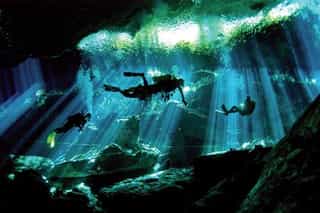
Cave Diving Cenote Mexico: Explore Underwater Sacred Chambers
Ultimate guide to cave diving in Mexico's cenotes. Experience diving through sacred underground rivers, crystal-clear waters, and ancient limestone formations. Expert tips, locations, costs, and preparation for Mexico's most mysterious underwater adventure.
 South Africa
Cape Town South Africa: Ultimate Mother City Travel Guide
Complete Cape Town travel guide covering Table Mountain, Robben Island, V&A Waterfront, and South African cuisine. Expert tips for your perfect South African adventure.
Enjoyed this article?
Explore more stories from our adventures around the world