
Cave Diving Cenote Mexico: Explore Underwater Sacred Chambers
Categories
Tags
Cave Diving Cenote Mexico: Explore Underwater Sacred Chambers
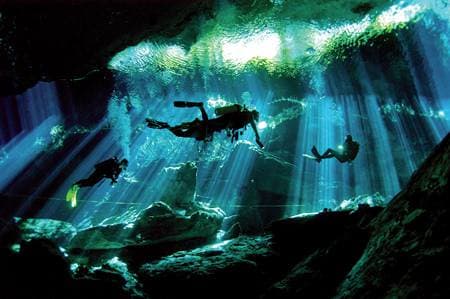
When you descend into a Mexican cenote, plunging through crystal-clear waters into an underground world that has existed for millions of years, you enter a realm that ancient Mayans considered sacred gateways to the underworld. Light beams pierce through limestone ceilings, illuminating stalactites and stalagmites formed over countless millennia, while freshwater so pure you can see forever into the darkness. Cave diving in cenotes isn't just an extreme sport—it's a journey through Earth's hidden history and a connection to ancient civilizations that revered these waters as divine.
Quick Facts at a Glance
- Location: Yucatan Peninsula, Mexico (Playa del Carmen, Tulum, Coba regions)
- Water Type: Freshwater, crystal-clear visibility (100+ feet/30+ meters)
- Water Temperature: 75-78°F (24-26°C) year-round
- Depth Range: 30-100 feet (10-30 meters) for most cenotes
- Famous Cenotes: Dos Ojos, Gran Cenote, Cenote Calavera, Angelita
- Season: Year-round (optimal December-May)
- Diving Type: Cavern diving (certified) and Cave diving (advanced)
- Difficulty: Advanced for cave diving, Intermediate for cavern diving
- Certification Required: Open Water certification minimum for cavern diving
- Maximum Depth: Varies by cenote (most suitable for recreational limits)
- Average Cost: $80-150 per dive (2-tank)
- Duration: 3-4 hours total experience per day
- Visibility: Exceptional (100-300 feet/30-90 meters)
Why Experience Cave Diving in Cenotes?
Mexico's Yucatan Peninsula contains the world's most extensive underwater cave system, with over 1,000 documented cenotes and countless kilometers of underwater passages. These natural sinkholes, formed by collapsed limestone bedrock, reveal underground rivers so clear they appear nonexistent. Ancient Mayans believed cenotes were gateways to the underworld Xibalba, using them for ceremonies and offerings. Today, they offer divers an unparalleled opportunity to explore pristine freshwater ecosystems, geological formations of breathtaking beauty, and cultural sites that have preserved history for thousands of years.
What Makes This Experience Extraordinary:
- World's Best Cave Diving: Yucatan contains the planet's most extensive underwater cave system
- Crystal-Clear Waters: Visibility exceeding 300 feet (90 meters) in many cenotes
- Ancient Geological Formations: Stalactites, stalagmites, and flowstone created over millions of years
- Sacred Mayan Sites: Diving through places ancient civilizations considered sacred
- Year-Round Conditions: Consistent temperature and excellent visibility throughout the year
- Unique Freshwater Ecosystems: Blind cave fish, turtles, and endemic species
- Cavern Diving Access: Cavern diving available for certified open water divers
- Archaeological Discoveries: Ancient Mayan artifacts and human remains preserved in chambers
- Light Beam Photography: Spectacular light effects through ceiling openings
- Underground River Systems: Diving through massive interconnected cave networks
Understanding Cenote Diving Types
Cavern Diving (For Certified Open Water Divers)
Definition: Diving within the daylight zone of cenotes, always able to see natural light, following permanent guidelines
- Certification Required: Open Water certification
- Maximum Depth: 100 feet (30 meters) or within certification limits
- Distance from Surface: Within 130 feet (40 meters) of daylight
- Guide Required: Cavern diving guide required
- Suitable For: Experienced open water divers
Cave Diving (Advanced Only)
Definition: Diving beyond daylight zone into overhead environments requiring specialized equipment and training
- Certification Required: Full Cave Diver certification (NSS-CDS, IANTD, etc.)
- Maximum Depth: Varies by system and training
- Penetration: Unlimited within certified limits
- Guide Required: May dive with certified buddy or guide
- Suitable For: Certified cave divers with appropriate experience
Understanding Cenote Diving Locations
Playa del Carmen Area (Most Accessible)
Cenote Dos Ojos (Most Famous):
- Type: Cavern and cave diving
- Depth: 30-50 feet (10-15 meters)
- Visibility: 300+ feet (90+ meters)
- Experience Level: All levels (cavern), Advanced (cave)
- Best For: First cenote dives, spectacular light beams
- Famous For: Two connected ojos (eyes), dramatic photography
- Distance: 15 minutes from Playa del Carmen
Cenote Tajma Ha:
- Type: Cavern and cave diving
- Depth: 40-60 feet (12-18 meters)
- Visibility: 200+ feet (60+ meters)
- Experience Level: Intermediate-Advanced
- Best For: Experienced cavern divers, cave divers
- Famous For: Halocline (saltwater-freshwater mixing)
- Distance: 20 minutes from Playa del Carmen
Gran Cenote:
- Type: Cavern and cave diving
- Depth: 30-40 feet (10-12 meters)
- Visibility: 300+ feet (90+ meters)
- Experience Level: All levels
- Best For: Photography, first cenote dives
- Famous For: Open-air ceiling, sunlight beams
- Distance: 25 minutes from Playa del Carmen
Tulum Area (Advanced Diving)
Cenote Calavera (Temple of Doom):
- Type: Cavern and cave diving
- Depth: 40-60 feet (12-18 meters)
- Visibility: 200+ feet (60+ meters)
- Experience Level: Intermediate-Advanced
- Best For: Advanced cavern divers, cave divers
- Famous For: Skull-shaped entrance, jump entry
- Distance: 5 minutes from Tulum
Cenote Angelita:
- Type: Specialized diving
- Depth: 60-100 feet (18-30 meters)
- Visibility: Variable, best at depth
- Experience Level: Advanced (cavern divers with deep experience)
- Best For: Unique hydrogen sulfide cloud experience
- Famous For: Underwater "river" of hydrogen sulfide
- Distance: 20 minutes from Tulum
Cenote Carwash:
- Type: Cavern and cave diving
- Depth: 30-50 feet (10-15 meters)
- Visibility: 150+ feet (45+ meters)
- Experience Level: Intermediate
- Best For: Training, cavern diving practice
- Famous For: Easy access, training location
- Distance: 15 minutes from Tulum
Coba Area (Remote and Pristine)
Cenote Chac Mool:
- Type: Cavern and cave diving
- Depth: 40-60 feet (12-18 meters)
- Experience Level: Intermediate-Advanced
- Best For: Advanced cavern divers, cave divers
- Famous For: Remote location, pristine condition
- Distance: 45 minutes from Tulum
Perfect 3-Day Cenote Diving Adventure
Day 1: Introduction to Cenote Diving
8:00 AM - Arrival and Orientation Arrive at dive center in Playa del Carmen or Tulum. Complete registration forms and review medical questionnaire. Meet your guide for comprehensive orientation covering cenote geology, safety procedures, and environmental conservation. Review equipment and dive plans for the day.
9:00 AM - Equipment Check and Briefing Check all dive equipment and cenote-specific gear (reels, lights, spools). Review cavern diving procedures, emergency protocols, and communication signals. Your guide will explain specific characteristics of each cenote you'll visit.
10:00 AM - First Cenote Dive (Cenote Dos Ojos) Travel to Cenote Dos Ojos, 15 minutes from Playa del Carmen. Conduct pre-dive safety check and enter the water. Experience your first cenote cavern dive, marveling at crystal-clear visibility and dramatic light beams piercing through the ceiling. Swim through two connected ojos (eyes) and follow permanent guidelines.
11:30 AM - Surface Interval and Light Lunch Surface at entry point. Enjoy light snacks and water while your guide debriefs the first dive. Discuss what you saw and prepare for the second dive.
12:30 PM - Second Cenote Dive (Gran Cenote) Travel to Gran Cenote with its open-air ceiling. Conduct second cavern dive, experiencing dramatic light beams illuminating underwater formations. Enjoy the open-air feeling while diving underground. Practice buoyancy control in the exceptional clarity.
2:00 PM - Debriefing and Logbooks Return to dive center. Log both dives, review photos and videos (if using camera). Discuss Day 2 options based on your experience level and comfort. Rest and hydrate before the next day.
Day 2: Advanced Cenote Exploration
7:30 AM - Weather and Conditions Check Meet with your guide for early morning conditions check. Review water levels and visibility at chosen cenotes. Select dive sites based on your experience and interests.
8:00 AM - Travel to Advanced Cenote Travel to an intermediate to advanced cenote (Tajma Ha or Calavera depending on your experience). During transport, your guide will explain unique features of the day's cenotes.
9:00 AM - First Advanced Cenote Dive Conduct first cavern dive in a more challenging cenote. Experience tighter passages, haloclines (where freshwater meets saltwater), and more complex cave features. Your guide will demonstrate advanced navigation techniques.
10:30 AM - Surface Interval Surface and take a longer break to discuss the dive. Your guide will explain geological formations you observed and their significance in Yucatan's history.
11:30 AM - Second Advanced Cenote Dive Visit a second advanced cenote, potentially experiencing different characteristics (depth, features, lighting). This dive may include deeper penetration or unique formations not seen on Day 1.
1:00 PM - Lunch and Cultural Discussion Enjoy lunch with your guide, discussing the cultural significance of cenotes in Mayan civilization and current conservation efforts protecting these sacred sites.
2:00 PM - Return and Rest Return to your accommodation. Rest and recover from diving while reviewing photos and experiences from your first two days.
Day 3: Specialized Cenote Experiences
8:00 AM - Unique Cenote Selection Based on your experience level and interests, choose from specialized options:
- Cenote Angelita: Experience the mysterious hydrogen sulfide cloud
- Deep Cenote: Explore deeper sections within certification limits
- Remote Cenote: Visit less-visited pristine cenotes
- Night Dive: Experience cenotes after dark (with guide)
9:00 AM - Specialized Dive Experience Conduct your specialized cenote dive, experiencing unique features that make Yucatan cenotes world-famous. Whether exploring the "underwater river" of Angelita or visiting remote pristine sites, this dive provides lasting memories.
11:00 AM - Final Debriefing and Celebration Return to dive center for final debriefing. Review your complete cenote diving experience, discuss certification opportunities, and receive your cenote diving certificate or logbook entries. Celebrate your adventure with traditional Mexican refreshments.
12:00 PM - Departure or Extended Stay Depart for your next adventure or extend your stay for additional cenote diving experiences. Your guide can recommend additional cenotes based on your interests and skill level.
Essential Cenote Diving Equipment
For Cavern Diving (Provided by Dive Centers)
Standard Scuba Equipment:
- BCD (buoyancy control device)
- Regulator with alternate air source
- Cylinder (usually 80 cubic feet/12 liters)
- Octopus regulator
- SPG (submersible pressure gauge)
- Depth gauge and computer
- Mask, fins, and snorkel
Cenote-Specific Equipment:
- Primary dive light (rechargeable)
- Backup dive light (x2 required)
- Surface marker buoy
- Reel or spool (for safety stops)
- Slate or wetnotes
- Compass
Required Rental Equipment:
- Wetsuit (3-5mm depending on water temperature)
- Weights (cenote diving requires minimal weight)
- Dive knife or cutting tool
For Cave Diving (Advanced - Own Equipment Required)
Cave Diving Configuration:
- Redundant air supply (2 cylinders or sidemount)
- Primary and backup regulators for each cylinder
- Directional markers and jump spools
- Long primary reel (at least 400 feet/120 meters)
- Multiple backup reels and spools
- Primary and backup lights (high-output)
- Knife and safety shears
Advanced Cave Equipment:
- Line arrow markers
- Gap reels for complex passages
- Survey slates (for cave mapping)
- Stage bottles for extended penetration
- Oxygen bottles for decompression (if needed)
What You Need to Bring
Personal Gear:
- Mask and snorkel (fitted)
- Fins (appropriate for diving)
- Exposure protection (wetsuit or drysuit)
- Dive computer (preferred for tracking profiles)
- Surface marker buoy
Essential Items:
- C-cards (certification cards)
- Logbook
- Credit card or cash for payment
- Sun protection (for surface intervals)
- Water bottle (stay hydrated)
- Snacks (energy bars, fruit)
Optional Items:
- Underwater camera (with appropriate housing)
- GoPro for video footage
- Extra batteries and memory cards
- Change of clothes for after diving
- Personal dive computer (if not provided)
Health and Safety Considerations
Cenote Diving Safety
Physical Requirements:
- Must be in excellent physical health
- Excellent swimming abilities
- No recent surgeries or serious medical conditions
- Not pregnant
- No claustrophobia
- Good cardiovascular health
- Proper buoyancy control skills
Certification Requirements:
- Cavern Diving: Open Water certification minimum
- Cave Diving: Full Cave Diver certification required
- Advanced Cenotes: Experienced divers with cavern diving experience
- Deep Cenotes: Advanced certification or deep diving experience
Medical Considerations:
- Must complete medical questionnaire
- Certain conditions require physician clearance:
- Asthma (controlled)
- Heart conditions
- Epilepsy or seizures
- Diabetes (must be controlled)
- Lung disorders
- Recent surgeries
Alcohol and Drugs:
- No alcohol consumption 12-24 hours before diving
- No illegal drugs within 48 hours before diving
- Be honest about medications with your guide
- Flying restrictions apply (no flying 24 hours after diving)
Environmental Safety
Cenote Conservation:
- Never touch or damage formations
- Don't disturb sediment
- Practice excellent buoyancy control
- Don't remove anything from cenotes
- Respect archaeological artifacts (report, don't touch)
- Use proper weighting (minimize bottom contact)
- Don't disturb wildlife
Mayan Cultural Respect:
- Cenotes are sacred sites to Mayans
- Respect any cultural practices or ceremonies
- Don't enter cenotes during active ceremonies
- Leave no trace of your presence
- Support local conservation efforts
Cenote Diving Skills You'll Experience
For Cavern Divers
Fundamental Skills:
- Buoyancy control in exceptional clarity
- Trim and horizontal positioning
- Following guidelines and reels
- Use of dive lights in overhead environments
- Communication in cavern environment
- Emergency procedures for cavern diving
Advanced Skills (Progressive):
- Navigation using natural features
- Managing haloclines (where freshwater meets saltwater)
- Light management and photography
- Gas management and dive planning
- Stress management in overhead environments
For Cave Divers
Specialized Skills:
- Guideline management and protocols
- Line following and marking
- Gas management calculations
- Emergency procedures for cave diving
- Navigation in complex cave systems
- Stage bottle handling
- Decompression management (if applicable)
Choosing Your Cenote Diving Experience
For Beginner to Intermediate Divers
2-Day Cenote Introduction Package:
- Content: 4 dives across 2 days
- Cenotes: Dos Ojos, Gran Cenote, Carwash
- Experience Level: Open Water certification
- Best For: First cenote diving experience
- Cost: $300-350
- Includes: Equipment, guides, park fees, water, snacks
3-Day Cenote Adventure Package:
- Content: 6 dives across 3 days
- Cenotes: Includes advanced options based on skill
- Experience Level: Experienced open water divers
- Best For: Divers seeking more cenote variety
- Cost: $450-550
- Includes: Equipment, guides, park fees, transportation
For Advanced Divers
Advanced Cenote Exploration (3 Days):
- Content: 6 advanced cenote dives
- Cenotes: Tajma Ha, Calavera, Chac Mool, and more
- Experience Level: Advanced divers with cavern experience
- Best For: Divers seeking challenging cenotes
- Cost: $550-650
- Includes: Equipment, guides, advanced cenotes, photography opportunities
For Cave Divers
Full Cave Exploration Package:
- Content: 5-7 days of cave diving
- Cenotes: Extensive penetration based on certification level
- Experience Level: Full Cave Diver certification required
- Best For: Certified cave divers seeking extensive exploration
- Cost: $800-1,200
- Includes: Guide, stage bottles as needed, mapping opportunities
Cost Breakdown: Cenote Diving Adventure
Daily Diving Costs
Single Day (2 Dives):
- Guided cavern diving: $80-120
- Equipment rental: $30-50
- Park entrance fees: $15-25
- Transportation: $10-20 (if not provided)
- Total: $135-215 per day
Multi-Day Packages:
- 2 Days (4 Dives): $300-350
- 3 Days (6 Dives): $450-550
- 5 Days (10 Dives): $700-850
- Includes: Equipment, guides, park fees, some transportation
Additional Costs
Optional Additions:
- Underwater camera rental: $30-50/day
- GoPro rental: $25-35/day
- Private guide: +$50-100/day
- Photography service: +$100-200/day
- Extended cenote access: +$25-50/dive
- Night dive (if available): +$50-75
Certification Courses (If Desired):
- Cavern Diver certification: $350-500
- Introduction to Cave Diving: $500-700
- Full Cave Diver certification: $1,000-1,500
- Advanced cave training: $500-800
Total Budget Estimate (3-Day Trip):
Budget Option (Own Gear):
- Diving: $300-400
- Accommodation: $150-250 (budget hotels)
- Food: $100-150
- Transportation: $50-100
- Total: $600-900
Standard Option (Rental Gear):
- Diving: $400-500
- Accommodation: $250-400 (mid-range hotels)
- Food: $150-200
- Transportation: $100-150
- Total: $900-1,250
Premium Option (Private Guide, Nice Hotel):
- Diving: $600-800
- Accommodation: $400-600 (luxury hotels)
- Food: $200-300
- Transportation: $150-200
- Total: $1,350-1,900
Getting to Yucatan Peninsula Cenotes
International Access
Flying to Cancun (CUN):
- Major international airport with direct flights worldwide
- Closest major airport to cenote regions
- Flight time from Mexico City: 2.5 hours
- Flight time from USA: 2-4 hours (depending on city)
- Flight time from Europe: 9-11 hours
Travel to Cenote Regions
To Playa del Carmen (Cenote Hub):
- From Cancun Airport: 45 minutes by taxi/shuttle
- Cost: $40-60 USD taxi, $15-25 USD shuttle
- Direct buses available from Cancun
To Tulum (Advanced Cenote Hub):
- From Cancun Airport: 1.5 hours by taxi/shuttle
- Cost: $80-120 USD taxi, $25-35 USD shuttle
- Scenic coastal drive
To Coba (Remote Cenote Access):
- From Tulum: 45 minutes by car
- From Playa del Carmen: 1.5 hours
- Requires rental car or arranged transportation
Getting Around Cenote Areas
Local Transportation:
- Rental car: Recommended for flexibility ($30-50/day)
- Taxi services: Available but can be expensive
- Dive center transportation: Many centers provide transport
- Local buses: Inexpensive but limited routes
Photography Tips: Capturing Cenote Magic
Best Photo Opportunities
Light Beams:
- Morning and late afternoon provide best light
- Backlight through cenote openings creates dramatic beams
- Use models (your buddy) for scale
- Wide shots show cave grandeur
Formations and Details:
- Stalactites and stalagmites create stunning compositions
- Use side-lighting for texture
- Wide-angle lenses capture vast chambers
- Macro lenses reveal intricate details
Halocline Photography:
- Saltwater-freshwater interface creates visual effects
- Can create blurring or rainbow effects
- Requires careful positioning and lighting
Underwater Portraits:
- Diver silhouettes in light beams
- Buddy shots with formations as background
- Reflection shots on calm surfaces
- Exit shots emerging from darkness
Camera Equipment
Recommended Setup:
- Camera: Mirrorless or DSLR (full-frame preferred)
- Housing: Reliable underwater housing
- Lenses: Wide-angle (14-24mm) and macro (60-100mm)
- Strobes: 2 external strobes for lighting
- Lights: Video lights for video work
Alternative Setup (Compact):
- Advanced compact camera with housing
- Action camera (GoPro for video and stills)
- External lights for better illumination
Settings and Techniques
Wide-Angle Settings:
- Aperture: f/8-f/16 for depth of field
- Shutter: 1/125-1/250 for natural light
- ISO: 100-400 to maintain quality
- Strobe: Manual mode for consistent output
Low-Light Settings:
- Higher ISO (800-1600)
- Wider apertures (f/4-f/8)
- Slower shutter speeds with strobe
- Multiple exposures for high dynamic range
Video Settings:
- 4K resolution at 30fps or 1080p at 60fps
- Manual white balance (custom if possible)
- Video lights for color reproduction
- Stable platform (tripod or neutral buoyancy)
Safety Tips for Photography
- Never compromise safety for photos
- Secure all camera equipment
- Practice buoyancy control before shooting
- Don't touch formations or bottom for shots
- Use buddy as model but maintain safety protocols
- Don't exceed dive limits for photos
- Review equipment before each dive
Best Time to Visit
Peak Season (December-April) ⭐⭐⭐⭐⭐
Conditions:
- Excellent visibility (300+ feet/90+ meters)
- Minimal rainfall and water movement
- Stable water levels
- Pleasant weather for surface intervals
Pros:
- Best diving conditions
- Peak tourist season (more dive operators)
- Ideal for photography
Cons:
- More crowded
- Higher prices
- Need to book in advance
Shoulder Season (May-June, September-November) ⭐⭐⭐⭐
Conditions:
- Good visibility (200+ feet/60+ meters)
- Possible rainfall affecting some cenotes
- Warmer temperatures
Pros:
- Fewer crowds
- Lower prices
- Still good diving conditions
Cons:
- More variable weather
- Some cenotes may be affected by rain
Low Season (July-August) ⭐⭐⭐
Conditions:
- Variable visibility (100-200 feet/30-60 meters)
- Possible rain and storms
- Higher water levels
Pros:
- Least crowded
- Lowest prices
- Good for training (different conditions)
Cons:
- More challenging conditions
- Some cenotes may be inaccessible
- Not ideal for first-time visitors
Final Thoughts & Planning Tips
Why Cenote Diving Changes You
Cave diving in Mexico's cenotes provides a connection to Earth's geological history and ancient civilizations that few experiences can match. Floating through crystal-clear freshwater that has been underground for thousands of years, surrounded by formations created over millions of years, you understand the scale and beauty of our planet's hidden worlds. The knowledge that ancient Mayans considered these sacred spaces adds spiritual depth to the adventure. Every cenote tells a geological and cultural story, making each dive a journey through time itself.
Best Planning Tips
- Choose Right Season: December-April offers the best conditions
- Book in Advance: Popular operators and cenotes book out in peak season
- Select Appropriate Cenotes: Match your experience to cenote difficulty
- Hire Professional Guides: Cenote diving requires experienced local guides
- Practice Buoyancy: Excellent control is essential for cavern/cave diving
- Bring Appropriate Equipment: Lights and reels are required for cenote diving
- Respect the Environment: Never touch formations or disturb wildlife
- Stay Flexible: Weather and conditions can affect accessibility
- Consider Photography: Cenotes offer world-class photo opportunities
- Support Conservation: Choose operators who support cenote conservation efforts
When to Book
- High Season (December-April): Book 2-3 months in advance
- Shoulder Season (May-June, September-November): Book 1-2 months in advance
- Low Season (July-August): Book 2-4 weeks in advance
Making the Most of Your Experience
- Arrive well-rested and hydrated
- Review your diving skills before the trip
- Bring appropriate certification cards
- Practice buoyancy control in local pool or confine water first
- Trust your guide completely
- Respect the sacred nature of cenotes
- Take time to appreciate formations and light effects
- Document your experience (photography, video, journal)
- Learn about Mayan culture and cenote significance
- Support local conservation efforts
Safety Reminders
- Always dive within your certification and experience limits
- Follow all safety procedures and guidelines
- Never dive under the influence of alcohol or drugs
- Maintain excellent buoyancy control
- Respect all environmental and cultural guidelines
- Use appropriate safety equipment (lights, reels, etc.)
- Follow your guide's instructions at all times
- Don't exceed your gas management limits
- Know emergency procedures for cenote diving
- Listen to your body and mind
- If uncertain about conditions, don't dive
Conclusion
Cave diving in Mexico's cenotes is more than just an extreme sport—it's a transformative journey through Earth's hidden geological history and ancient cultural significance. The crystal-clear waters, dramatic formations, and sacred atmosphere create an experience that will stay with you forever. Whether you're experiencing your first cavern dive or an advanced cave diver exploring deep passages, the Yucatan's cenotes deliver world-class diving found nowhere else on Earth.
From the moment you descend into the first cenote, surrounded by light beams piercing through limestone ceilings, to your final dive exploring remote pristine passages, you'll understand why ancient Mayans revered these waters as sacred gateways. Every dive is a connection to millions of years of geological history and thousands of years of human civilization.
Book your cenote diving adventure today and discover why divers from around the world make pilgrimages to Mexico's Yucatan Peninsula. It's an experience that will change your perspective on diving, geology, and the connection between nature and human culture. The memories forged in these sacred underground waters will last a lifetime.
See you in the cenotes. Happy diving!
Adventure Knit Editorial
Destination research compiled and fact-checked by the Adventure Knit editorial team from published sources, operator itineraries, and official tourism boards. Spot something out of date? Tell us at hello@adventureknit.com.
Related Stories
 Mexico
Cave Diving Mexico Yucatan: Explore the World's Best Cenotes
Ultimate guide to cave diving in Mexico's Yucatan Peninsula. Explore breathtaking cenotes, underwater caves, and ancient Mayan sacred sites. Expert tips, certification requirements, costs, and safety protocols.
 South Africa
Shark Cage Diving Gansbaai South Africa: Face Great Whites Safely
Ultimate guide to shark cage diving in Gansbaai, South Africa. Experience face-to-face encounters with Great White sharks in their natural habitat. Expert tips, locations, costs, and preparation for South Africa's most thrilling underwater adventure.
 Norway
Arctic Cave Diving Spitsbergen: The Ultimate Ice Cave Diving Guide
Expert guide to Arctic cave diving in Spitsbergen, Svalbard. Explore beneath frozen glaciers in extreme conditions with professional diving tips, safety protocols, and equipment guide.
Enjoyed this article?
Explore more stories from our adventures around the world