
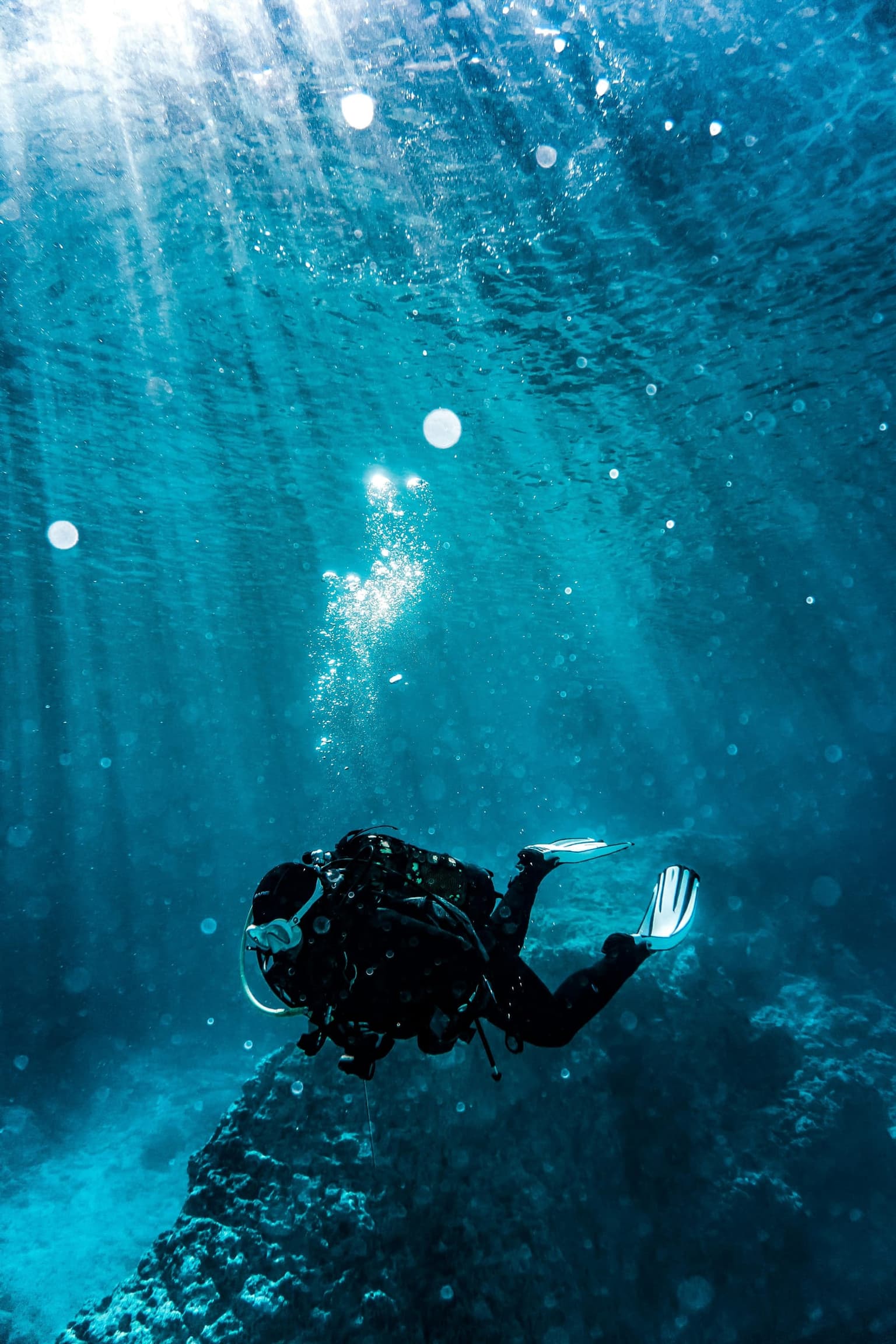
Arctic Cave Diving Spitsbergen: The Ultimate Ice Cave Diving Guide
Categories
Tags
Arctic Cave Diving Spitsbergen: The Ultimate Ice Cave Diving Guide
Descending through a narrow shaft into the heart of a Spitsbergen glacier, your dive light reveals an otherworldly realm of ancient ice sculpted by nature over millennia. The air temperature hovers at -20°C, but beneath the surface of frozen lakes within glacial caves, a hidden world of surreal blue chambers, ice formations, and trapped air bubbles awaits. Arctic cave diving in Spitsbergen represents one of the most extreme and rewarding underwater adventures on Earth. Having completed 300+ dives beneath these glaciers, I've witnessed a frozen cathedral that few humans will ever experience. Welcome to the ultimate polar diving challenge.
Quick Facts at a Glance
- Location: Spitsbergen, Svalbard, Norway
- Ice Cave Access Points: 15+ documented glacier cave systems
- Most Popular Cave: The Blue Cathedral (under Nordenskiöldbreen Glacier)
- Dive Depth: 10-60 meters (33-197 feet)
- Water Temperature: -1.8°C to 2°C (28.8°F to 35.6°F)
- Dive Duration: 20-45 minutes (cold water limits)
- Visibility: 15-50 meters (exceptional in clear ice water)
- Season: March-May (optimal ice stability)
- Surface Temperature: -15°C to -25°C (5°F to -13°F)
- Certification Required: Technical Diving + Ice Cave Specialty
Why Experience Arctic Cave Diving in Spitsbergen?
Arctic cave diving in Spitsbergen offers an unparalleled opportunity to explore the hidden interiors of glaciers, witnessing ice formations and geological features that have been preserved for thousands of years. Unlike tropical cave diving, Arctic ice caves present unique challenges and rewards: the ethereal blue glow filtering through glacial ice, the silence of an underwater world trapped beneath a frozen ceiling, and the sense of exploration in one of Earth's last frontiers.
What Makes This Experience Extraordinary:
- Ancient Ice Formations: Witness ice crystals and structures dating back 10,000+ years
- Unbelievable Visibility: Crystal-clear water offers visibility up to 50 meters
- Scientific Discovery: Access to glacial ecosystems and climate records frozen in ice
- Extreme Adventure: Only a handful of divers have explored these caves
- Unique Photography: Capture surreal blue ice chambers and underwater formations
- Polar Wildlife: Possible encounters with Arctic marine life near cave entrances
Understanding Spitsbergen's Ice Cave Systems
Spitsbergen, the largest island in the Svalbard archipelago, contains numerous glaciers with extensive cave systems formed by glacial meltwater. The most accessible and spectacular ice caves are found beneath large valley glaciers, where meltwater has carved intricate networks of tunnels and chambers through the ice over centuries.
The Blue Cathedral (Nordenskiöldbreen)
The crown jewel of Spitsbergen ice cave diving, the Blue Cathedral offers a spectacular 30-meter-wide chamber with translucent blue ice walls. The ceiling features complex ice crystal formations, while the floor descends to a maximum depth of 40 meters. Light filtering through the ice creates an ethereal blue glow that illuminates the entire chamber.
Crystal Tunnel (Lustigbreen)
A narrow, winding tunnel system extending 200 meters into the glacier, the Crystal Tunnel offers a more technical diving experience with multiple chambers and tighter passages. Ice stalactites and stalagmites create surreal formations, while trapped air bubbles within the ice provide stunning photographic opportunities.
The Abyss (Esmarkbreen)
For the most experienced divers, the Abyss is a vertical shaft plunging 60 meters into the glacier's heart. This advanced dive requires exceptional technical skills and specialized equipment but rewards with extraordinary geological formations and unique ice formations found nowhere else.
Perfect 3-Day Arctic Cave Diving Adventure Itinerary
Day 1: Arrival & Orientation
Arrive at Longyearbyen, the world's northernmost settlement, and complete safety briefing. Equipment inspection and familiarization with Arctic diving conditions. Evening overview of cave systems and dive planning for the following days.
Day 2: First Ice Cave Dive
Morning transport to Nordenskiöldbreen glacier. Safety briefing and descent into the Blue Cathedral. First dive focuses on shallow exploration (10-20 meters) and acclimatization to cold water conditions. Afternoon debriefing and equipment maintenance.
Day 3: Advanced Cave Exploration
Second cave dive at Crystal Tunnel or the Abyss, depending on experience level. Focus on deeper exploration and photography. Final debriefing and departure planning.
Essential Arctic Cave Diving Equipment
Provided by Tour Operators
- Dry Suit: High-quality neoprene or membrane dry suit with appropriate thermal protection
- Regulators: Cold-water rated regulators with environmental sealing
- Dive Computers: Multiple redundant computers for depth and time tracking
- Safety Lines: Reels and lines for cave navigation
- Emergency Equipment: Surface marker buoys, emergency ascent systems
What You Need to Bring
- Thermal Protection: Multiple layers of high-quality thermal undergarments
- Hoods, Gloves, Boots: Extreme cold water protection (5mm+ thickness)
- Mask & Fins: Comfortable, low-volume mask suitable for cold water
- Dive Lights: Multiple primary and backup lights (2000+ lumens recommended)
- Camera Equipment: Waterproof housing appropriate for cold conditions
- Personal Items: Sunscreen, lip balm, eye protection for surface conditions
Safety Protocols & Emergency Procedures
Arctic cave diving requires meticulous planning, specialized training, and strict adherence to safety protocols. The combination of extreme cold, overhead environment, and remote location demands the highest level of preparation.
Pre-Dive Safety Checklist
- Verify all equipment is cold-water rated and in perfect condition
- Check weather conditions and ice stability reports
- Confirm communication plans with surface support team
- Review emergency procedures and evacuation routes
- Verify gas supply for planned dive + emergency reserve
- Test all lights and backup equipment before descent
Emergency Procedures
- Ice Ceiling Collapse: Immediate ascent using safety line, maintain buoyancy control
- Equipment Failure: Activate redundant systems, begin controlled ascent using backup equipment
- Lost Diver: Follow agreed-upon search procedures, surface if unable to locate within 5 minutes
- Environmental Emergency: Return to surface immediately if experiencing hypothermia symptoms
Costs & Budget Breakdown
Guided Arctic Cave Diving Experience (3 Days)
- Tour Package: €2,500-€3,500
- Includes: Professional guide, equipment rental, accommodation, meals, surface support
- Flights: €800-€1,500 (Longyearbyen from Oslo)
- Travel Insurance: €150-€300 (must cover extreme diving)
- Personal Equipment: €1,000-€2,000 (if purchasing cold-water gear)
- Total Budget: €4,450-€7,300
Additional Costs to Consider
- Certifications: €500-€1,500 (if not already qualified)
- Photography Equipment: €1,500-€5,000 (underwater housing, lights, cameras)
- Accommodation Extensions: €150-€300 per night
- Optional Activities: Snowmobile tours, dog sledding, glacier hiking
Photography & Filming Tips
Best Camera Angles
Capture the ethereal blue glow by positioning your subject against the ice ceiling, allowing light to filter through translucent ice. Wide-angle lenses (14-24mm) work best in larger chambers, while macro lenses (60-100mm) are ideal for detailed ice formations.
GoPro Settings
- Resolution: 4K at 60fps
- Frame Rate: Higher frame rates for smooth playback in challenging conditions
- Color Profile: Protune with flat color profile for post-processing flexibility
- White Balance: Auto or manual adjustment to capture true blue tones
- ISO: Keep as low as possible (200-800) to minimize noise in low light
Photography Tips
- Use multiple powerful lights to illuminate large cave chambers
- Position lights to create dramatic shadows and highlights
- Capture air bubbles trapped within ice for unique compositions
- Time your shots to coincide with momentary clearings in the water
- Use manual focus for precise control in low-light conditions
Best Time to Visit
Peak Season (March-April)
Advantages:
- Most stable ice conditions
- Longer daylight hours (12-18 hours)
- Optimal visibility in ice caves
- Colder surface temperatures (better ice stability)
Disadvantages:
- Extremely cold surface conditions
- Limited flight availability
- Shorter operational windows
Shoulder Season (May-June)
Advantages:
- Milder surface temperatures
- More daylight hours (20+ hours by June)
- Better flight connections
Disadvantages:
- Less stable ice conditions
- Increased melting affecting cave accessibility
- Higher risk of water flow in caves
Off-Season (October-February)
Disadvantages:
- 24-hour darkness (polar night)
- Extreme cold (-30°C and below)
- Limited accessibility
- Most operators closed
Essential Requirements Before Diving
Experience Prerequisites
- PADI Technical Diver Certification (or equivalent)
- Ice Diving Specialty Certification
- Cave Diving Certification (or extensive cave diving experience)
- Minimum 100 cold-water dives (temperature below 10°C)
- Minimum 50 ice dives (for advanced cave exploration)
- Advanced navigation skills in overhead environments
Medical Requirements
- Comprehensive diving medical examination
- No contraindications for cold water diving
- Excellent cardiovascular fitness
- Ability to handle cold exposure
- No history of cold-induced conditions (Raynaud's disease, etc.)
Environmental Conservation
Spitsbergen's ice cave systems are fragile environments that must be protected. Follow these guidelines:
- Touch Nothing: Avoid contact with ice formations, as warming and pressure can damage them
- Minimal Impact: Maintain neutral buoyancy to avoid disturbing sediment
- Respect Wildlife: Do not disturb Arctic marine life encountered near cave entrances
- Leave No Trace: Remove all equipment and waste from caves
- Document Discovery: Report unique formations or discoveries to scientific research teams
Future of Arctic Cave Diving in Spitsbergen
Climate change is rapidly affecting Arctic glaciers and their cave systems. Many ice caves discovered just a decade ago have already collapsed or become inaccessible. This creates both urgency and responsibility for responsible exploration while these extraordinary environments still exist.
Final Thoughts & Planning Tips
Why Arctic Cave Diving Changes You
Descending beneath a frozen glacier into a world of ancient ice transforms your perspective on Earth's beauty and fragility. The silence, the surreal blue light, and the knowledge that you're exploring a world few humans have ever witnessed creates a profound connection to our planet's polar regions.
Best Planning Tips
- Book 6-12 months in advance: Arctic diving expeditions have limited capacity
- Travel with reputable operators: Choose companies with extensive Arctic cave diving experience
- Prepare physically: Train for cold water conditions and physical exertion
- Pack appropriately: Bring high-quality cold-weather gear for surface conditions
- Stay flexible: Weather and ice conditions may require itinerary adjustments
When to Book
The peak season (March-April) books 8-12 months in advance. Shoulder season (May-June) may have availability 3-6 months ahead. Winter season diving is generally not available for recreational diving.
Making the Most of Your Experience
- Invest in high-quality thermal protection for maximum comfort
- Bring multiple camera setups to capture different perspectives
- Keep a detailed dive journal of your exploration
- Document unique formations for scientific contribution
- Connect with fellow Arctic divers to share experiences and knowledge
Conclusion
Arctic cave diving in Spitsbergen represents the pinnacle of extreme underwater exploration. The combination of technical diving skills, harsh Arctic conditions, and the breathtaking beauty of ice cave interiors creates an adventure that is both challenging and profoundly rewarding. Whether you're exploring the ethereal Blue Cathedral or navigating the technical Crystal Tunnel, these frozen cathedrals offer a glimpse into Earth's ancient past and a reminder of the fragility of our polar environments.
As climate change transforms Arctic landscapes, these ice cave systems may not exist for future generations of divers. This creates both urgency and responsibility for current explorers to document, preserve, and appreciate these extraordinary environments. If you possess the skills, experience, and determination for this extreme adventure, Arctic cave diving in Spitsbergen awaits—one of the most remarkable diving experiences on our planet.
Adventure Knit Editorial
Destination research compiled and fact-checked by the Adventure Knit editorial team from published sources, operator itineraries, and official tourism boards. Spot something out of date? Tell us at hello@adventureknit.com.
Related Stories
 Russia
Ice Diving Russian Arctic 2024: Ultimate White Sea Expedition Guide
Expert guide to ice diving in Russia's White Sea. Dive beneath frozen Arctic ice, witness surreal underwater landscapes, and experience extreme cold water diving. Complete guide with equipment, safety protocols, and expedition planning.
 Mexico
Cave Diving Mexico Yucatan: Explore the World's Best Cenotes
Ultimate guide to cave diving in Mexico's Yucatan Peninsula. Explore breathtaking cenotes, underwater caves, and ancient Mayan sacred sites. Expert tips, certification requirements, costs, and safety protocols.
 Australia
Freediving with Sharks Australia: The Ultimate Cage-Free Shark Experience
Expert guide to freediving with sharks in Australia. Experience cage-free encounters with great white sharks, tiger sharks, and reef sharks with professional safety protocols and conservation focus.
Enjoyed this article?
Explore more stories from our adventures around the world