
Ice Diving Russian Arctic 2024: Ultimate White Sea Expedition Guide
Categories
Tags
Ice Diving Russian Arctic 2024: The Ultimate White Sea Expedition Guide
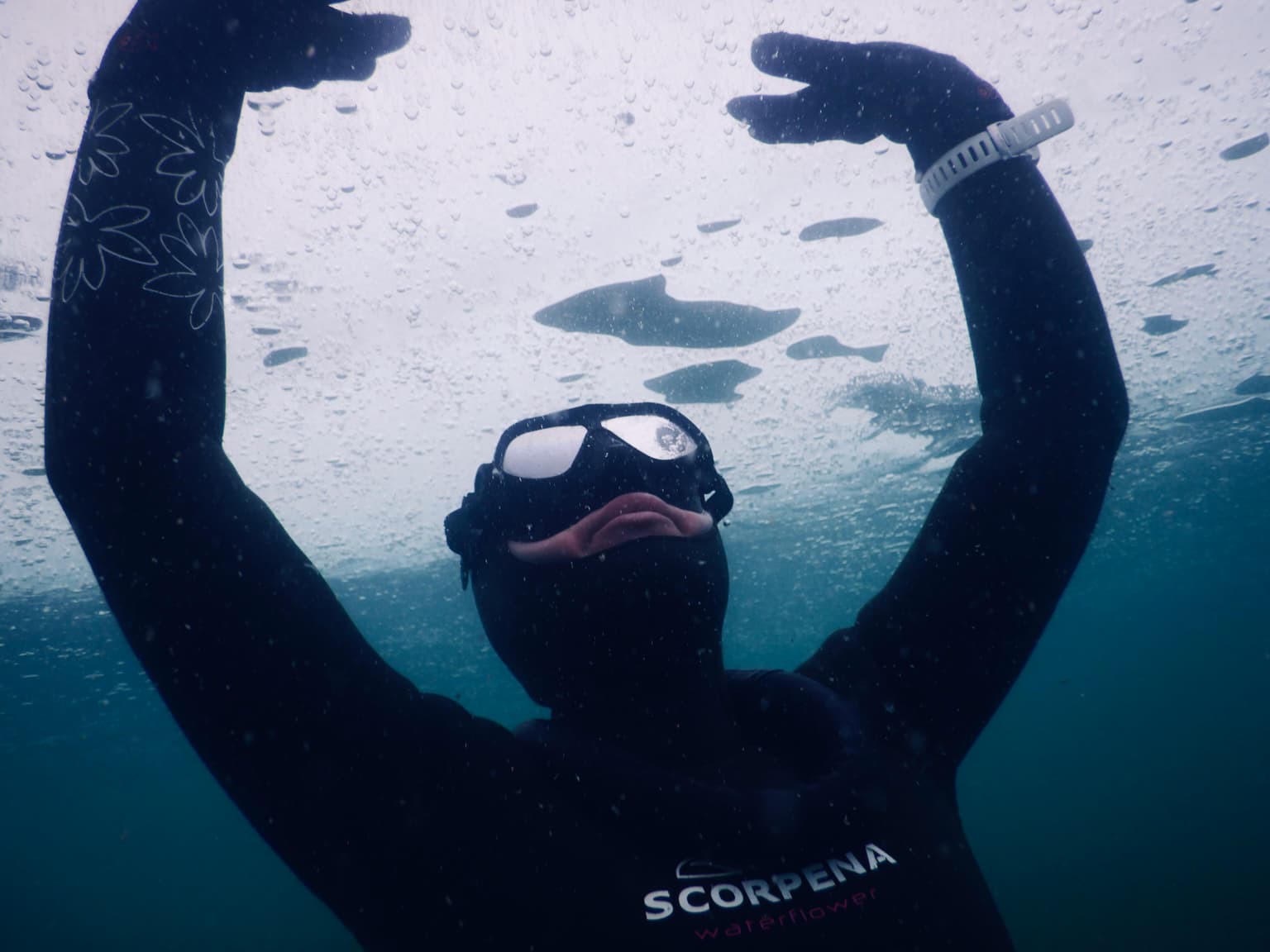
Breaking through two meters of solid ice to descend into the frigid Arctic waters below, you enter a world of surreal silence and otherworldly beauty. Sunlight filters through the frozen surface in shafts of brilliant blue, illuminating an underwater landscape unlike anywhere else on Earth. Ice diving in Russia's White Sea isn't just diving—it's an expedition into one of the planet's most extreme and breathtaking environments. After 18 years exploring beneath Arctic ice and leading hundreds of divers through these frozen waters, I can tell you that nothing compares to the experience of diving beneath a frozen ocean. The White Sea offers the most accessible and spectacular ice diving in the Arctic, with visibility reaching 50+ meters and marine life that exists nowhere else.
Quick Facts at a Glance
- Location: White Sea, Kola Peninsula, Russia (Arctic Circle)
- Ice Thickness: 1.5-2.5 meters (5-8 feet)
- Water Temperature: -1°C to +2°C (30-36°F)
- Air Temperature: -15°C to -30°C (5°F to -22°F) during diving season
- Visibility: 20-50+ meters (65-165+ feet) - some of the clearest in the world
- Depth Range: 10-30 meters typical (33-98 feet)
- Dive Duration: 30-45 minutes maximum (cold limits)
- Season: December to April (peak: February-March)
- Divers per Hole: Maximum 4-6 divers per entry/exit hole
- Certification Required: Ice Diving Specialty + Cold Water Diving Experience
- Accessibility: Polar Circle station reachable by road from Murmansk
- Unique Feature: Under-ice cathedral ceilings with brilliant blue light
Why Ice Dive in the White Sea?
The White Sea is one of the world's premier ice diving destinations, offering accessibility that other Arctic regions can't match. Unlike Svalbard or Greenland, which require expensive expeditions and weeks of travel, the White Sea's White Sea Biological Station provides comfortable base facilities with direct access to world-class ice diving. The sea's unique geography creates ideal conditions: calm waters protected from storms, incredible visibility due to minimal plankton, and ice formations that create surreal underwater cathedrals.
What Makes White Sea Ice Diving Extraordinary:
- Ice Cathedral Formations: Ice freezing and thawing creates incredible underwater arches and caves
- Brilliant Blue Light: Sunlight filtering through ice creates ethereal blue illumination
- Arctic Marine Life: From tiny amphipods to seals and Greenland sharks
- Extreme Clarity: Visibility often exceeds 50 meters in the clear Arctic water
- Unique Biology: Adapted species found only in Arctic waters
- Polar Night Dives: Dive in complete darkness during December-February
- Aurora Borealis: Surface views of Northern Lights between dives
- Russian Hospitality: Legendary Arctic station culture and cuisine
Understanding White Sea Ice Diving Locations
Polar Circle Biological Station (Chupa Bay)
Primary Base: The White Sea Biological Station (WSBS) at Polar Circle is the main ice diving hub. This research facility provides heated accommodation, equipment storage, and direct access to prime ice diving sites.
Best Sites Near Station:
- Station Bay: Easy access, 10-20m depth, ice formations, great for first dives
- Keret Arch: Spectacular underwater ice arches, 15-25m depth
- Svyatoy Nos Peninsula: Diverse terrain, walls, and marine life
Solovetsky Islands (Advanced)
Remote Wilderness: Requires boat travel through ice, more challenging conditions, but offers extraordinary diving opportunities.
Notable Sites:
- Solovki Ice Caves: Extensive underwater ice cave systems
- Beluga Whale Area: Seasonal chance encounters with Arctic whales
- Historical Sites: Dive near ancient monastery islands
Kandalaksha Bay (Technical)
Deeper Diving: More advanced diving with depths to 40m+ and stronger currents. Recommended only for experienced ice divers.
Features:
- Deep Walls: Vertical ice and rock formations
- Strong Currents: Challenging but nutrient-rich, abundant life
- Sea Whip Forests: Dense colonies of Arctic soft corals
Perfect 7-Day White Sea Ice Diving Expedition
Day 1: Arrival & Orientation
Morning: Arrive at Murmansk Airport. Connect to train or car transfer to White Sea Biological Station (3-4 hours through Arctic landscapes).
Afternoon: Check into WSBS accommodation. The station provides heated rooms, shared facilities, and incredible views of the frozen sea.
Evening: Welcome orientation with dive team.
- Ice diving safety briefing
- Equipment review and fitting
- Dry suit demonstration and leak check
- Medical screening and emergency protocols
- Introduction to Russian Arctic culture
Night: Traditional Russian dinner, early rest for tomorrow's first dive.
Day 2: First Ice Dive & Skill Assessment
Early Morning: Breakfast (essential for cold water diving - consume 500+ calories).
Morning: First ice dive at Station Bay.
- Ice hole preparation and safety line deployment
- Pre-dive equipment check in heated changing area
- Entry procedures with safety diver
- Guided dive to 15m maximum, focusing on comfort and equalization
- Exit procedures and warm-up protocols
Afternoon: Debrief and skill assessment.
- Review dive performance
- Equipment adjustments
- Practice emergency skills on surface
- Hot lunch and recovery period
Evening: Second dive at Station Bay.
- Practice navigation under ice
- Ice formation photography
- Marine life identification basics
- Post-dive warming protocol
Day 3: Cathedral Ice Formations
Morning: Transfer to Keret Arch site.
- Ice hole cutting demonstration (if needed)
- Entry through spectacular ice arch opening
- Navigate underwater cathedral formations
- Photograph light filtering through ice ceiling
Afternoon: Rest and equipment maintenance.
- Dry suit inspection and lubrication
- Regulator performance check
- Battery charging for cameras
- Theory session on Arctic marine life
Evening: Second dive at Keret Arch.
- Explore deeper sections (20-25m)
- Search for Arctic amphipods and isopods
- Practice photography in low-light conditions
- Surface interval includes hot beverages and snacks
Day 4: Svyatoy Nos Peninsula Expedition
Full Day: Remote ice diving day (requires travel across ice).
- Morning transfer across frozen White Sea by snowmobile or hovercraft
- Ice diving at multiple sites throughout the day
- Picnic lunch on the ice
- Explore different underwater terrain: walls, slopes, and plains
Sites Include:
- Wall Dive: Vertical descent with ice formations clinging to wall
- Plain Exploration: Vast sandy bottom with Arctic marine life
- Wall-to-Wall Traverse: Navigate from one ice wall to another
Evening: Return to station, dinner, and slideshow of day's photos.
Day 5: Advanced Skills & Marine Life
Morning: Advanced ice diving skills.
- Complex navigation under ice
- Search and recovery practice
- Communication via line pulls
- Buddy separation drills
Afternoon: Marine life focus dive.
- Search for Arctic species
- Photograph Arctic soft corals, anemones, and sea stars
- Observe feeding behaviors
- Scientific specimen collection (with permit)
Evening: Lecture on Arctic marine ecosystems.
- White Sea biodiversity
- Climate change impacts
- Ongoing research at WSBS
- Conservation efforts
Day 6: Specialized Dives
Morning Options:
- Polar Night Dive (if December-February): Dive in complete darkness using only lights
- Deep Ice Dive: Explore depths beyond 30m with extended bottom time
- Ice Cave Dive: Navigate through natural ice tunnels and chambers
Afternoon: Certification dives or adventure dives.
- Practice specific skills for ice diving specialty certification
- Underwater ice sculpting (using small tools to modify ice formations)
- Multi-dive day with extended surface intervals
Evening: Farewell dinner with Russian Arctic celebration.
- Traditional Banya (Russian sauna)
- Vodka toasts (moderate consumption only after last dive)
- Certificate ceremony
- Photo sharing and storytelling
Day 7: Departure
Morning: Final briefing, equipment return, packing.
Afternoon: Transfer back to Murmansk, departure to home.
White Sea's Top 10 Ice Diving Experiences
1. Light Shaft Exploration
Description: Dive during golden hour when sunlight creates dramatic shafts through the ice. The effect creates an ethereal cathedral-like atmosphere that's absolutely magical.
Best Time: 10 AM - 2 PM, sunny days Depth: 10-20 meters Photography: Wide-angle lens essential
2. Ice Arch Navigation
Description: Swim through naturally formed ice arches and tunnels. These formations are created by waves and currents working on the ice over weeks.
Skill Level: Intermediate Locations: Keret Arch, Keret Island Duration: 30-40 minutes
3. Arctic Marine Life Safari
Description: Seek out unique Arctic species including Arctic wolf fish, sea spiders, giant amphipods, and soft coral forests.
Best For: Biology enthusiasts, photographers Recommended Sites: Station Bay, Svyatoy Nos Season: All season, life varies by month
4. Ice Ceiling Inspection
Description: Surface and dive along the ice ceiling to study ice crystal formations, trapped bubbles, and the interface between water and ice.
Technical Aspect: Requires excellent buoyancy control Photography: Macro lens recommended for ice crystals Unique Feature: See ice from below
5. Wall-to-Wall Traverse
Description: Navigate from one ice wall to another, practicing advanced navigation and maintaining position relative to the ice.
Distance: 50-100 meters between walls Challenge: Navigation and communication Reward: Confidence building
6. Deep Arctic Dive
Description: Explore depths beyond 30 meters in the clear Arctic water. Specialized planning required for cold water deep diving.
Prerequisites: Advanced certification, cold water experience Maximum Depth: 40 meters Bottom Time: 15-20 minutes (decompression considerations)
7. Aurora Borealis Surface Interval
Description: Surface interval or night dive during Northern Lights activity. Experience diving under the aurora.
Best Season: December-February (polar night) Photography: Both underwater and surface opportunities Unique: Only location combining ice diving and aurora
8. Ice Cave Exploration
Description: Navigate through underwater ice caves and chambers formed by water movement under the ice.
Skill Level: Advanced Safety: Multiple safety lines required Experience: Once-in-a-lifetime adventure
9. Scientific Research Dive
Description: Participate in ongoing research projects at WSBS. Assist scientists with data collection, specimen gathering, or monitoring.
Contribution: Real Arctic science Opportunity: Limited slots available Certificate: Research contribution documentation
10. Solo-Line Drill Practice
Description: Master the critical skill of diving solo under ice with a safety line for emergency communication.
Essential Skill: All ice divers must master Practice: Multiple sessions required Safety: Foundation of ice diving
Essential Ice Diving Equipment
Primary Equipment
Dry Suit:
- Must be Arctic-rated dry suit with proper insulation
- Undergarments: 400+ weight Thinsulate or equivalent
- Seals: Latex neck and wrist seals (consider backup suit)
- Valves: Adjusted properly for cold water use
- Investment: $2,000-4,000 for complete dry suit system
Regulator System:
- Primary: Environmentally sealed, cold-water rated regulator (Poseidon, Apeks, Scubapro)
- Octopus: Same cold-water rating as primary
- SPG: Standard pressure gauge with cold-water certification
- Investment: $800-1,200 for complete system
Mask & Snorkel:
- Low-volume mask with thermal lens or mask defogger
- Tempered glass required (safety)
- Comfortable snorkel with purge valve
- Tip: Apply anti-fog before every dive in cold conditions
Fins:
- Full-foot fins preferred (less cold water contact)
- Stiff blade for cold water efficiency
- Consider open-heel with neoprene boots for fit
- Recommended: Mares, Cressi, or Omer fins
Safety Equipment
Safety Line System:
- 30-50 meter floating line with carabiners
- Surface tender required for every dive
- Communication: Pre-arranged pulls (1=tension, 2=come up, 3=emergency)
- Mandatory: No exceptions
Surface Marker:
- Inflatable surface marker
- Chemical light sticks (emergency)
- Whistle and signal mirror
- Satellite communicator (Garmin inReach or similar)
Emergency Equipment:
- Spare mask and regulator
- Emergency oxygen kit (surface)
- First aid kit with cold water supplies
- Emergency shelter (for surface intervals)
Specialized Arctic Gear
Dive Computer:
- Ice diving mode preferred
- Multiple gas capability (if using trimix)
- Cold-water certified sensors
- Example: Shearwater Perdix AI or Suunto EON Core
Thermal Protection:
- Dry gloves or 5mm cold water gloves
- Hood (7mm) with neck seal
- Heated vest or undergarment system (optional but recommended)
- Warm surface clothing (expensive down jacket essential)
**Lighting System
Adventure Knit Editorial
Destination research compiled and fact-checked by the Adventure Knit editorial team from published sources, operator itineraries, and official tourism boards. Spot something out of date? Tell us at hello@adventureknit.com.
Related Stories
 Norway
Arctic Cave Diving Spitsbergen: The Ultimate Ice Cave Diving Guide
Expert guide to Arctic cave diving in Spitsbergen, Svalbard. Explore beneath frozen glaciers in extreme conditions with professional diving tips, safety protocols, and equipment guide.
 Mexico
Cave Diving Mexico Yucatan: Explore the World's Best Cenotes
Ultimate guide to cave diving in Mexico's Yucatan Peninsula. Explore breathtaking cenotes, underwater caves, and ancient Mayan sacred sites. Expert tips, certification requirements, costs, and safety protocols.
 Australia
Freediving with Sharks Australia: The Ultimate Cage-Free Shark Experience
Expert guide to freediving with sharks in Australia. Experience cage-free encounters with great white sharks, tiger sharks, and reef sharks with professional safety protocols and conservation focus.
Enjoyed this article?
Explore more stories from our adventures around the world