
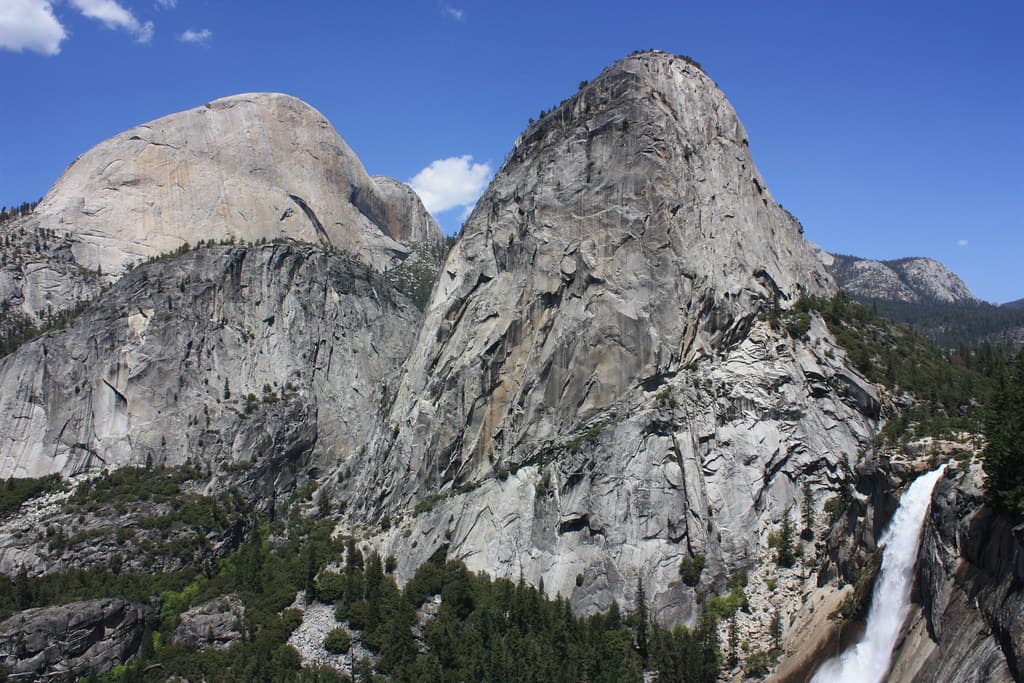
Rock Climbing Yosemite USA: Conquer El Capitan and Half Dome
Categories
Tags
Yosemite National Park is the birthplace of big wall climbing, home to El Capitan's 3,000-foot face, Half Dome, and routes from 5.6 to 5.14. The climbing season runs May through October, with September and October offering the best conditions. Park entry costs 35 dollars per vehicle, day climbing itself is free, and overnight climbs require a free wilderness permit. Guided climbing runs roughly 400 to 600 dollars per day.
Rock Climbing Yosemite USA: Conquer El Capitan and Half Dome
When you first stand at the base of El Capitan's 3,000-foot granite wall in Yosemite Valley, looking up at the world's most famous big wall climb, your heart races with anticipation and respect. Above you lies the Nose, the most coveted route on the planet, with climbers appearing as tiny dots moving across the massive granite face. Rock climbing in Yosemite isn't just a sport—it's a journey through climbing history and one of Earth's most spectacular landscapes.
Quick Facts at a Glance
- Location: Yosemite National Park, California (Yosemite Valley & Tuolumne Meadows)
- Climbing Season: May-October (optimal weather)
- Famous Walls: El Capitan (3,000ft), Half Dome (2,000ft), Washington Column
- Climbing Styles: Trad, Big Wall, Sport, Aid, Bouldering
- Difficulty Range: 5.6 to 5.14 (beginner to elite)
- Famous Routes: The Nose, Salathé Wall, Regular Route on Half Dome
- Permits Required: Overnight climbs require wilderness permit
- Guide Services: AMGA certified guides available
- Best For: All levels from beginners to elite climbers
- Average Cost: Free (permits) - $500/day (guided climbs)
- Duration: 1-14 days depending on route
- Access: Yosemite Valley Visitor Center
Why Climb in Yosemite?
Yosemite Valley is the Mecca of rock climbing, home to the world's most iconic granite walls and the birthplace of modern big wall climbing. The massive granite formations, perfect crack systems, and unparalleled scenery create a climbing experience found nowhere else on Earth. Yosemite has shaped climbing history for over 150 years, and climbing here means following in the footsteps of legends like Warren Harding, Royal Robbins, Lynn Hill, and Alex Honnold.
What Makes Yosemite Extraordinary:
- El Capitan: World's most famous big wall (3,000ft vertical)
- Half Dome: Iconic granite dome with spectacular crack climbing
- Granite Quality: Perfect friction and splitter crack systems
- Historic Routes: First ascent routes that defined climbing eras
- Big Wall Innovation: Home of big wall climbing techniques
- Bouldering Paradise: Over 2,000 boulder problems
- Natural Beauty: Climbing in one of world's most stunning valleys
- Climbing Community: Vibrant scene with legendary climbers
- Year-Round Potential: Different areas available in different seasons
- Accessibility: Easy access from major California cities
Understanding Yosemite's Climbing Areas
Yosemite Valley (Most Popular)
El Capitan Meadow:
- Famous For: El Capitan big wall routes
- Route Types: Trad, Aid, Big Wall (5.6-5.14)
- Best For: Experienced climbers seeking world-class big walls
- Famous Routes: The Nose, Salathé Wall, Lurking Fear
- Approach: 5-10 minute walk from El Capitan Meadow
Camp 4 Area:
- Famous For: Historic crag and bouldering
- Route Types: Trad, Sport, Bouldering (5.6-5.12)
- Best For: All levels, beginner-friendly
- Famous Routes: Bishop's Terrace, Cookie Cliff, Columbia Boulder
- Approach: Short walk from Camp 4
Cathedral Rocks & Spires:
- Famous For: Towering granite spires
- Route Types: Trad, Aid (5.7-5.11)
- Best For: Intermediate to advanced climbers
- Famous Routes: Higher Cathedral Spire, Church Bowl
- Approach: 10-15 minute hike from Valley Loop Trail
Tuolumne Meadows (Summer Paradise)
Dome Rock Area:
- Famous For: Slab and crack climbing on pristine granite
- Route Types: Trad, Sport (5.6-5.11)
- Best For: Intermediate climbers seeking quality routes
- Famous Routes: Cathedral Peak, Daff Dome, Lembert Dome
- Approach: 15-30 minute hikes from Tioga Road
Fairview Dome:
- Famous For: Classic multi-pitch moderate climbs
- Route Types: Trad (5.7-5.10)
- Best For: Intermediate climbers
- Famous Routes: Regular Route (5.9), Goodrich Pinnacle
- Approach: 20 minute hike
Wawona Area (Spring/Fall)
Wawona Dome:
- Famous For: Historic moderate routes
- Route Types: Trad (5.6-5.10)
- Best For: Intermediate climbers
- Famous Routes: Wawona Dome Direct, The Nose
- Approach: 30 minute hike
Perfect 5-Day Yosemite Climbing Adventure
Day 1: Arrival and Valley Introduction
10:00 AM - Arrival and Check-In Arrive at Yosemite Valley Visitor Center. Obtain your climbing permit if planning overnight climbs. Review current route conditions and closures with rangers. Pick up Yosemite Climbing guidebooks and maps.
11:00 AM - Equipment Check Meet with your guide (if using one) or inspect your personal gear. Ensure all equipment is in good condition and appropriate for Yosemite granite. Review climbing safety procedures.
12:00 PM - Lunch and Orientation Enjoy lunch at Yosemite Lodge. Orientation to Yosemite Valley, learning about climbing ethics, Leave No Trace principles, and current wildlife activity (bears, mountain lions).
1:30 PM - Valley Floor Tour Drive through Yosemite Valley, viewing famous climbing areas from below. See El Capitan, Half Dome, Cathedral Rocks, and discuss potential objectives. This helps you understand the scale of Yosemite's granite walls.
3:00 PM - Crag Warm-Up Climb at Camp 4 area or Cookie Cliff to warm up on Yosemite granite. Work on crack climbing technique and get familiar with Yosemite rock quality. 2-3 routes appropriate to your ability level.
5:00 PM - Camp Setup Set up camp at Camp 4 or reserved camping area. Review climbing plans for the next few days. Prepare equipment and pack for big wall climbs if planned.
7:00 PM - Dinner and Rest Enjoy dinner at Yosemite Lodge or cook at camp. Rest and hydrate in preparation for tomorrow's climbing adventure.
Day 2: Iconic Valley Climbing
6:00 AM - Early Start Rise early to beat the crowds and heat. Eat a hearty breakfast. Pack day pack with water, snacks, and climbing gear.
7:00 AM - Route Approach Hike to chosen climbing area. For intermediate climbers, Cathedral Rocks or Church Bowl provide excellent multi-pitch experiences. For advanced climbers, approach El Capitan base for a big wall attempt.
8:00 AM - Begin Climbing Start your climb following Yosemite's climbing ethics. For big walls, begin the ascent of chosen route (The Nose, Salathé Wall, or Lurking Fear). For day climbs, enjoy Yosemite's classic crack and face routes.
12:00 PM - Summit/Descent Reach summit of your chosen route or complete planned pitches. Take time to enjoy spectacular views of Yosemite Valley from above. Begin descent following established rappel routes.
3:00 PM - Valley Floor Return Return to valley floor. Celebrate your climb with snacks and hydration. Review photos and experience with your partner/guide.
5:00 PM - Rest and Recover Return to camp. Rest tired muscles. Discuss tomorrow's climbing objectives based on conditions and energy levels.
7:00 PM - Evening Relaxation Enjoy dinner and share stories with other climbers. Prepare equipment for next day's adventure.
Day 3: Multi-Pitch Adventure
6:30 AM - Breakfast and Prep Eat energizing breakfast. Prepare equipment for multi-pitch climb. Pack extra water and snacks for longer day.
7:30 AM - Route Approach Hike to multi-pitch objective. Consider routes on Washington Column, Royal Arches, or Cathedral Peak (Tuolumne Meadows). These routes offer Yosemite's best multi-pitch experiences.
8:30 AM - Begin Multi-Pitch Climb Start your ascent, practicing multi-pitch techniques. Communication, anchor building, and efficient belay transitions are key. Enjoy Yosemite's spectacular granite quality.
12:00 PM - Mid-Climb Rest Take a break at a comfortable ledge or belay station. Enjoy the exposure and views. Hydrate and snack for energy.
1:00 PM - Continue Climbing Resume ascent, working toward summit. Focus on technique and efficiency. Yosemite's granite rewards good crack climbing skills.
4:00 PM - Summit Celebration Reach summit of your multi-pitch route. Take photos and enjoy panoramic views of Yosemite Valley and surrounding Sierra Nevada mountains. This is your moment to savor the achievement.
5:00 PM - Descent Begin descent via rappel routes or walk-off descent. Follow established descent routes and use caution on loose sections.
7:00 PM - Valley Return Return to valley floor. Celebrate with dinner. Rest and recover from full day of climbing.
Day 4: Big Wall or Tuolumne Meadows
6:00 AM - Option Selection Based on your experience and goals, choose between:
- Option A: Big Wall climbing (El Capitan or Half Dome)
- Option B: Tuolumne Meadows dome climbing
7:00 AM - Big Wall Approach (Option A) Approach base of chosen big wall (El Capitan or Half Dome). Begin multi-day ascent if attempting major routes. Set up first bivouac if planning overnight climb.
OR Tuolumne Meadows (Option B) Drive to Tuolumne Meadows (1.5 hours from valley). Approach chosen dome (Cathedral Peak, Daff Dome, Fairview Dome). Enjoy high-country granite climbing with spectacular views.
All Day - Climbing Focus on quality climbing experiences. For big walls, make steady progress up the wall, establishing camps on ledges. For Tuolumne Meadows, complete multiple routes on different domes.
Evening - Rest For big wall climbers, settle into bivouac ledges. For Tuolumne Meadows climbers, return to Tuolumne Meadows campground or drive back to valley. Rest and prepare for final day.
Day 5: Classic Routes and Departure
7:00 AM - Final Climbing Day Choose one of Yosemite's classic routes for a final climb. Consider: Bishop's Terrace (5.6), Church Bowl Lieback (5.7), or Grack Marginal (5.8). Enjoy Yosemite's world-class granite one last time.
10:00 AM - Route Completion Complete final route of your Yosemite adventure. Take photos at summit or base of route. Reflect on your Yosemite climbing experience.
12:00 PM - Lunch and Gear Check Enjoy lunch in Yosemite Valley. Check and clean all climbing equipment. Pack gear for departure.
2:00 PM - Souvenir Shopping Visit Yosemite Valley gift shops for Yosemite climbing memorabilia. Purchase guidebooks or t-shirts to remember your adventure.
3:00 PM - Departure Begin journey home or to next destination. Take final photos of El Capitan and Half Dome from valley floor.
Essential Rock Climbing Equipment
For Day Climbs
Climbing Hardware:
- Rope (60-70m dynamic climbing rope)
- Harness (comfortable, adjustable)
- Belay device (ATC, Grigri, or similar)
- Carabiners (locking and non-locking, 20+ total)
- Slings and runners (various lengths)
- Chalk bag and chalk
- Helmet (highly recommended)
Protection (if trad climbing):
- Nuts and hexes (sets)
- Camming devices (various sizes, 6-12 pieces)
- Pitons (for aid climbing)
- Big wall haul bag (if needed)
- Ascenders/jumars (for big walls)
Personal Gear:
- Climbing shoes (comfortable for all-day use)
- Approach shoes or hiking boots
- Clothing layers (synthetic or wool)
- Sun protection (hat, sunscreen)
- Water bottles or hydration bladder
- Food and snacks
- First aid kit
- Headlamp (always carry)
- Map and compass/GPS
For Big Wall Climbs
Additional Equipment:
- Portaledge and fly (for sleeping on wall)
- Haul bag and straps
- Ascenders (left and right)
- Aid climbing kit (etriers, hooks, pitons)
- Heavy-duty ropes
- Emergency bivy equipment
- Waste disposal system
- Extra food and water (2-3 days supply)
- Big wall clothing system
- Bolt kit (if establishing new routes)
Yosemite Climbing Styles
Traditional (Trad) Climbing
Yosemite is the birthplace of trad climbing, characterized by placing removable protection into natural features (cracks) as you climb. This style rewards good technique and problem-solving ability.
Key Skills:
- Crack climbing technique (hand jams, finger jams, fist jams)
- Efficient gear placement
- Anchor building skills
- Route finding abilities
Best For: Climbers with solid crack climbing skills and experience placing gear.
Big Wall Climbing
Yosemite's massive granite walls require special techniques for multi-day ascents. This involves aid climbing, hauling, sleeping on portaledges, and managing complex logistics.
Key Skills:
- Aid climbing techniques
- Hauling systems
- Portaledge setup
- Efficiency and organization
- Mental stamina
Best For: Experienced climbers with big wall experience or those hiring professional guides.
Sport Climbing
While less common in Yosemite than trad climbing, sport routes do exist, particularly in Tuolumne Meadows. These routes have pre-placed bolts for protection.
Key Skills:
- Clip skills and rope management
- Falling practice
- Route reading
Best For: Sport climbers or those learning to lead.
Bouldering
Yosemite offers world-class bouldering with problems from V0 to V15+. The historic Camp 4 boulders and areas like Columbia Boulder are legendary.
Key Skills:
- Power and strength
- Dynamic movement
- Spotting skills
- Crash pad use
Best For: Bouldering enthusiasts or those wanting to practice technique without ropes.
Climbing Safety in Yosemite
Granite-Specific Hazards
Rockfall:
- Yosemite granite can be unstable
- Wear helmet at all times
- Be aware of other climbers above
- Stay aware of loose blocks
- Call "ROCK" if something falls
Exposure:
- Yosemite routes are often very exposed
- Maintain three points of contact
- Stay focused and calm
- Use proper anchors and protection
- Know your limits
Weather Changes:
- Sierra weather can change rapidly
- Afternoon thunderstorms common in summer
- Check forecasts before climbing
- Be prepared to retreat quickly
- Know descent routes
Wildlife:
- Black bears are common in valley
- Store food properly (bear canisters required)
- Mountain lions rare but present
- Don't approach wildlife
- Be aware of your surroundings
Safety Equipment
Always Carry:
- Helmet
- First aid kit
- Communication device (phone or radio)
- Extra food and water
- Emergency bivy gear (lightweight)
- Headlamp and extra batteries
- Knife/multi-tool
For Big Walls:
- Emergency communication device (satellite phone recommended)
- Comprehensive first aid kit
- Emergency bivy equipment
- Extra food and water
Leave No Trace
Yosemite climbing ethics emphasize minimal impact:
- Avoid chalk abuse (use colored chalk when possible)
- Don't damage vegetation
- Pack out all waste (including human waste on big walls)
- Respect wildlife
- Follow all park regulations
Yosemite's Top 20 Climbing Routes
Beginner Routes (5.6-5.8)
- Bishop's Terrace (5.6) - Classic moderate with great views
- Church Bowl Lieback (5.7) - Famous lieback crack
- Grack Marginal (5.8) - Quality crack climbing
- Munginella (5.8) - Fun slab and face climbing
- After Seven (5.8) - Classic multi-pitch moderate
Intermediate Routes (5.9-5.10a)
- Nutcracker (5.9) - Yosemite classic crack
- Royal Arches (5.7 A0) - Long, scenic moderate
- Higher Cathedral Spire (5.9) - Spectacular spire climb
- Regular Route on Half Dome (5.9) - Iconic Yosemite route
- Cathedral Peak (5.6) - Classic dome route in Tuolumne
Advanced Routes (5.10b-5.11c)
- The Nose (5.9 C2) - World's most famous route
- Salathé Wall (5.10b) - Historic big wall classic
- Astroman (5.11c) - Yosemite testpiece
- Lurking Fear (5.10b C2) - Quality El Capitan route
- The Prow (5.11d) - Steep and technical
Expert Routes (5.12+)
- Golden Gate (5.13a) - Modern El Capitan classic
- The Dawn Wall (5.14d) - World's hardest big wall free climb
- Freeblast (5.12b) - Steep physical climbing
- Magic Mushroom (5.13a) - Spectacular El Capitan route
- West Face of Leaning Tower (5.10c A2) - Technical big wall
Weather & Climbing Seasons
Spring (April-May) ⭐⭐⭐⭐
Conditions:
- Cool temperatures (50-70°F)
- Less crowded
- Some routes may be wet from winter
- Ice may remain on north-facing routes
Best For:
- Lower elevation climbing
- Crack climbing in dry conditions
- Big walls with good weather windows
Summer (June-August) ⭐⭐⭐⭐⭐
Conditions:
- Warm to hot (70-90°F)
- Peak season for Tuolumne Meadows
- Stable weather patterns
- Afternoon thunderstorms possible
Best For:
- Early morning climbing
- High-altitude routes (Tuolumne)
- All climbing areas accessible
Fall (September-October) ⭐⭐⭐⭐⭐
Conditions:
- Ideal temperatures (60-80°F)
- Stable weather
- Best climbing conditions of year
- Fall colors and fewer crowds
Best For:
- All climbing styles
- Big walls with perfect conditions
- Long climbing days
Winter (November-March) ⭐⭐
Conditions:
- Cold temperatures (30-50°F)
- Many routes ice-covered
- Storms can be severe
- Valley floor accessible, high country closed
Best For:
- Bouldering (lower elevations)
- Sport climbing (dry walls)
- Hardened winter climbers
Cost Breakdown: Yosemite Climbing Trip
5-Day Climbing Adventure Costs
Permits and Fees:
- National Park Entry: $35/vehicle (7-day pass)
- Wilderness Permit: Free (required for overnight climbs)
- Camping: $26/night (Camp 4 or other campgrounds)
Guide Services (if used):
- Day climbing guide: $400-500/day
- Big wall guide: $500-600/day
- Multi-day package (5 days): $2,000-2,500
Equipment Costs:
- Personal gear (if renting): $50-100/day
- Big wall equipment rental: $150-250/day
- Purchase own gear: $500-2,000+
Food and Supplies:
- Meals in valley: $15-30/meal
- Groceries for camping: $50-75/day
- Snacks and energy foods: $20-30/day
Transportation:
- Gas (if driving): $100-200
- Park shuttle: Free
- Tours and activities: $50-100
Total Budget Estimate:
Self-Guided (Own Gear):
- Budget: $300-400 (5 days)
- Standard: $400-600 (5 days)
With Guide:
- Budget: $2,500-3,000 (5 days)
- Standard: $3,000-3,500 (5 days)
Cost-Saving Tips:
- Camp instead of hotels (saves $100-200/night)
- Cook your own meals
- Share gear with climbing partners
- Visit in shoulder season (fewer crowds, same fees)
- Annual pass if planning multiple visits ($70)
Getting to Yosemite
International Access
Flying to San Francisco (SFO):
- Direct flights from major worldwide cities
- Drive to Yosemite: 3.5-4 hours (180 miles)
- Rental car recommended
Flying to Fresno (FAT):
- Smaller airport, closer to park
- Drive to Yosemite: 1.5-2 hours (90 miles)
- Limited flight options
Getting to Yosemite Valley
From San Francisco:
- Take I-580 East to I-205 East
- Take I-5 North to CA-120 East (high country)
- Or CA-140 East (direct to valley)
- Follow signs to Yosemite Valley
From Los Angeles:
- Take I-5 North to CA-99 North
- Take CA-41 North into Yosemite
- Follow signs to Yosemite Valley
Parking in Yosemite
Valley Parking:
- Day use lots available throughout valley
- Camp 4 has dedicated parking
- Parking fills early in summer (by 9 AM)
- Use free shuttle buses in valley
Climbing Fitness and Preparation
Physical Preparation
Climbing-Specific Training:
- Hangboard training (3-4x per week)
- Campus board exercises (for advanced climbers)
- Finger strength exercises
- Core and stability work
- Pull-up and lock-off training
- Endurance training (long sessions)
General Fitness:
- Cardiovascular endurance
- Flexibility and mobility
- Back and shoulder strength
- Forearm endurance
- Mental preparation and focus
Timeline for Preparation
3 Months Before:
- Begin regular climbing (2-3x per week)
- Start strength training program
- Practice crack climbing techniques
- Build endurance through longer sessions
1 Month Before:
- Increase climbing frequency (3-4x per week)
- Focus on technique and efficiency
- Practice on similar rock type
- Review equipment and systems
1 Week Before:
- Reduce intensity (taper)
- Rest and recover
- Prepare and check all equipment
- Study routes and plan objectives
Photography Tips: Capturing Yosemite Climbing
Best Photo Opportunities
From Valley Floor:
- El Capitan from El Capitan Meadow
- Half Dome from Sentinel Bridge
- Cathedral Rocks from valley
- Camp 4 bouldering area
- Sunrise and sunset shots
From Climbing:
- Summit photos with valley views
- Action shots during climbs
- Partner belaying
- Gear shots and anchor photos
- Portaledge camping (big walls)
Best Times:
- Golden hour (sunrise/sunset)
- Overcast days (soft light)
- Mid-morning and late afternoon
- Afternoon light on El Capitan
Camera Equipment
Recommended Gear:
- DSLR or mirrorless camera
- Wide-angle lens (16-35mm)
- Telephoto lens (70-200mm) for distant shots
- Tripod for stability
- Extra batteries (cold drains batteries)
Smartphone Photography:
- Modern smartphones work well
- Use burst mode for action shots
- Practice before your trip
- Bring extra battery pack
Safety Tips
- Never compromise safety for photos
- Secure camera (strap or harness)
- Protect camera from chalk and dirt
- Use two-person system for action shots
- Don't climb while distracted
Accommodation Options
Camping in Yosemite
Camp 4 (Historic Climber Camp):
- Historic significance in climbing culture
- Shared sites, community atmosphere
- First-come, first-served (arrive early)
- Close to climbing areas
- $26/night
Upper Pines, Lower Pines, North Pines:
- Larger campsites
- Reservations required (book 5 months in advance)
- More amenities
- $26/night
- Book through recreation.gov
Lodging
Yosemite Valley Lodge:
- Central location
- Multiple room types
- Restaurant and amenities
- $200-400/night
The Ahwahnee:
- Historic hotel
- Luxury accommodations
- Fine dining
- $500-800/night
Curry Village:
- Budget-friendly options
- Cabins and tent cabins
- Basic amenities
- $100-200/night
Outside the Park
Gateway Communities:
- Mariposa (30 minutes west)
- Groveland (1 hour west)
- Lee Vining (1.5 hours east)
- More affordable options
- Variety of hotels, motels, and B&Bs
Final Thoughts & Planning Tips
Why Yosemite Changes You
Climbing in Yosemite is more than just a sport—it's a transformative experience that connects you with climbing history, challenges your abilities, and immerses you in one of the world's most spectacular landscapes. Standing on the summit of El Capitan after a multi-day climb, looking out over Yosemite Valley and the Sierra Nevada, you understand why climbers have been drawn here for over 150 years. Yosemite's granite walls teach patience, perseverance, and respect for nature in ways that other climbing destinations cannot match.
Best Planning Tips
- Book Early: Campgrounds and popular lodging book 5 months in advance
- Check Conditions: Yosemite Climbing Association provides current conditions
- Prepare Physically: Yosemite climbing demands strength and endurance
- Study Routes: Know your route before you start climbing
- Bring Appropriate Gear: Yosemite granite requires specific equipment
- Respect Ethics: Follow Yosemite climbing ethics and Leave No Trace
- Be Flexible: Weather and crowds can affect your plans
- Hire a Guide: For big walls or first visits, consider a professional guide
When to Go
- Best Overall: September-October (perfect weather, fewer crowds)
- Summer: June-August (all areas accessible, Tuolumne Meadows prime)
- Spring: April-May (good valley climbing, fewer crowds)
- Winter: Only for experienced climbers with winter gear
Making the Most of Your Experience
- Arrive rested and well-prepared
- Start early to beat crowds and heat
- Climb within your ability level
- Take time to enjoy the views and experience
- Connect with other climbers
- Respect the environment and climbing ethics
- Document your adventure with photos and journal
- Share your experiences with the climbing community
Safety Reminders
- Always wear a helmet
- Check weather conditions before climbing
- Know your descent routes
- Climb with a partner
- Carry emergency communication devices
- Stay hydrated and well-fed
- Know your limits and don't exceed them
- Respect wildlife and follow park regulations
Conclusion
Rock climbing in Yosemite is one of the world's great climbing experiences, offering everything from beginner-friendly cracks to the most challenging big walls on the planet. The combination of world-class granite, historic routes, and unparalleled natural beauty creates an adventure that will stay with you forever.
Whether you're clipping bolts on a Tuolumne dome, jamming cracks on Cathedral Rocks, or spending days ascending El Capitan's massive wall, Yosemite delivers climbing experiences that define the sport. The valley's climbing history, legendary ascents, and vibrant community make every climb meaningful.
From your first view of El Capitan from the valley floor to the summit celebration after a multi-day ascent, Yosemite will challenge you, inspire you, and change you. The memories forged on these granite walls will last a lifetime.
Start planning your Yosemite climbing adventure today and discover why climbers from around the world make pilgrimages to these legendary walls. It's an experience you'll never forget and a story you'll tell for the rest of your life.
See you in the valley. Happy climbing!
Frequently Asked Questions
Day climbs in Yosemite require no climbing permit, but overnight climbs such as multi-day big wall ascents require a free wilderness permit obtained at the visitor center. Every visitor pays the park entrance fee of 35 dollars per vehicle, which is valid for seven days.
September and October offer the best conditions, with stable weather, temperatures of 60 to 80 F, and fewer crowds. Summer is prime time for the high-country routes of Tuolumne Meadows, spring works well for lower-elevation valley climbing, and winter is only suitable for experienced climbers with winter gear.
A self-guided five-day trip with your own gear costs roughly 300 to 600 dollars, based on camping at 26 dollars per night, the 35-dollar park pass, and food. With a guide, expect 2,500 to 3,500 dollars for five days; day guides charge 400 to 500 dollars and big wall guides 500 to 600 dollars per day, while gear rental runs 50 to 100 dollars per day.
Yes. The Camp 4 area is beginner-friendly, with classic moderate routes starting at 5.6, such as Bishops Terrace (5.6) and Church Bowl Lieback (5.7). AMGA certified guides are available for instruction, and the park also offers over 2,000 boulder problems for ropeless practice.
Camp 4, the historic climbers camp, costs 26 dollars per night and operates first-come, first-served, so arrive early. The Pines campgrounds take reservations through recreation.gov and book out about five months in advance. Other options range from Curry Village tent cabins at 100 to 200 dollars to Yosemite Valley Lodge and The Ahwahnee at 200 to 800 dollars per night.
Fly into San Francisco and drive 3.5 to 4 hours (180 miles), or use the smaller Fresno airport 1.5 to 2 hours away (90 miles); a rental car is recommended. In summer, valley parking lots fill by around 9 AM, so arrive early and use the free shuttle buses that circulate through Yosemite Valley.
Adventure Knit Editorial
Destination research compiled and fact-checked by the Adventure Knit editorial team from published sources, operator itineraries, and official tourism boards. Spot something out of date? Tell us at hello@adventureknit.com.
Related Stories
 United States
Rock Climbing Yosemite Valley USA: Conquer American Icon
Ultimate guide to rock climbing in Yosemite Valley, USA. Experience climbing on El Capitan, Half Dome, and Yosemite's granite walls. Expert tips, routes, costs, and preparation for America's most iconic climbing destination.
 United States
Rock Climbing Red Rocks USA: Conquer Nevada's Sandstone Paradise
Ultimate guide to rock climbing in Red Rocks, Nevada. Experience world-class sandstone climbing near Las Vegas with spectacular desert scenery. Expert tips, routes, costs, and preparation for America's premier sandstone climbing destination.
 United States
Skydiving California Coastline: Ultimate Pacific Ocean Freefall Adventure
Experience the thrill of skydiving over California's stunning Pacific coastline. Spectacular tandem jumps with views of Big Sur cliffs, Malibu beaches, and pristine ocean waters. Complete guide to locations, costs, and preparation for the Golden State's coastal paradise adventure.
Enjoyed this article?
Explore more stories from our adventures around the world