
Panama Adventure Guide: San Blas Islands & Rainforest
Categories
Tags
Panama packs a modern capital, a world-famous canal, idyllic Caribbean islands, misty highland cloud forests, and world-class diving into a compact country you can cross in hours. First-timers should plan 10–14 days from December through April, pairing Panama City and the canal with San Blas or Bocas del Toro and the Boquete highlands.
Panama Adventure Guide: San Blas Islands & Rainforest
Panama is the narrow bridge between two continents and two oceans, and that improbable geography gives it an outsized punch. In a single trip you can watch container ships squeeze through century-old canal locks, sleep in a thatched cabin on a Caribbean island governed by indigenous law, hike through cloud forest in search of the resplendent quetzal, and dive a Pacific reef patrolled by sharks and mantas. The country is small enough that you never spend long in transit, yet diverse enough to fill weeks.
This Panama travel guide walks you through every major region, from the high-rise energy of Panama City to the remote rivers of the Darién, with practical advice on when to go, how to get around, what to eat, and how to build a realistic itinerary.
Quick Facts at a Glance
- Best time to visit: December–April (dry season)
- Currency: US dollar (local balboa coins circulate at 1:1)
- Language: Spanish (English widely spoken in Panama City and tourist zones)
- Visa: Many nationalities enter visa-free for tourism; check your specific requirements before travel
- Recommended duration: 10–14 days for a well-rounded trip
- Budget range: Budget travellers can manage on modest daily spending; mid-range is excellent value; luxury options are concentrated in Panama City and select island resorts
- Getting around: Domestic flights connect major hubs; buses are affordable and frequent on paved routes; 4×4 vehicles and water taxis are needed for islands and highland trails
Why Visit Panama?
A canal that changed world trade. The Panama Canal is one of the great engineering feats of the modern age, and watching a vessel transit the locks is something every traveller should experience at least once.
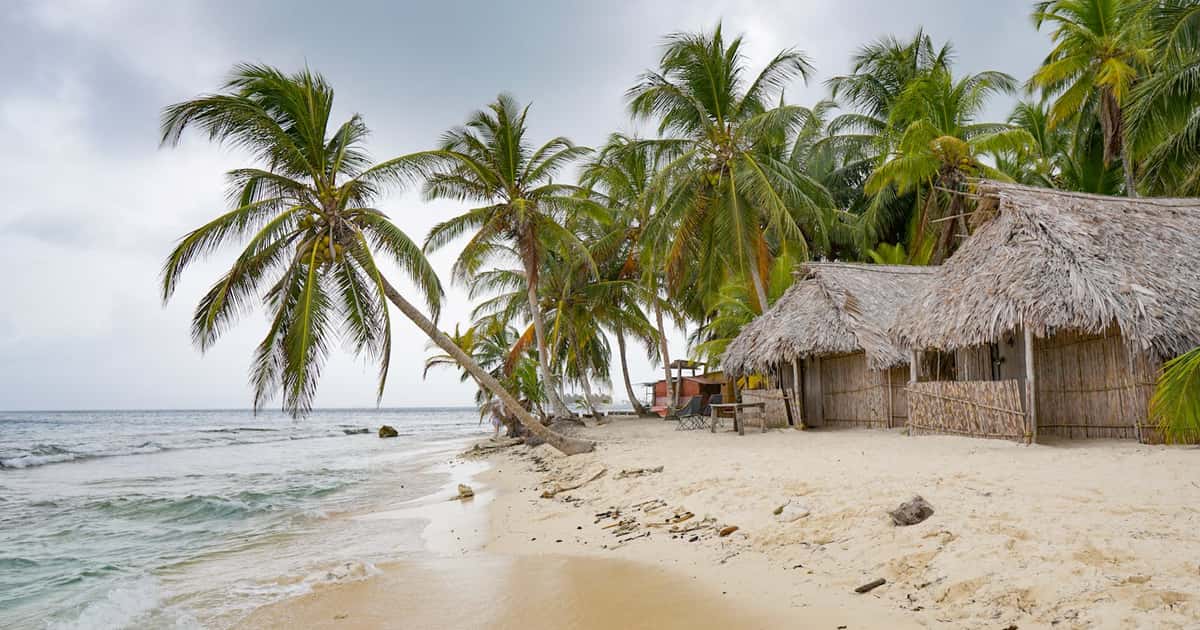
Islands that feel untouched. The San Blas archipelago (Guna Yala) comprises hundreds of islands—many uninhabited, most ringed by white sand and turquoise water. This is the Caribbean as it used to be, overseen by the autonomous Guna people.
Cloud forests and coffee country. The Chiriquí highlands around Boquete offer cool mountain air, shade-grown coffee farms, cloud-forest trails, and the chance to summit Volcán Barú—Panama's tallest peak.
World-class Pacific diving. Coiba National Park, a UNESCO World Heritage Site, is one of the best dive destinations in the eastern Pacific, with large pelagic species, coral reefs, and raw, wild coastline.
Compact and accessible. You can fly from Panama City to Bocas del Toro or David in under an hour. The country's size means less time in transit and more time exploring.
Panama Region by Region
Panama City
Panama City is where colonial history and hyper-modern ambition share the same coastline. The city's historic quarter, Casco Viejo, is a beautifully restored neighbourhood of pastel-coloured buildings, wrought-iron balconies, leafy plazas, and a growing cluster of rooftop bars, galleries, and boutique hotels. Wander through the Iglesia de San José and its famous golden altar, then stop for a cold beer as the sun drops behind the skyline.
That skyline is the other side of Panama City: a wall of glass towers along the waterfront that could belong to Miami or Singapore. The Cinta Costera, a long waterfront promenade and park, connects the old quarter to the modern financial district and is perfect for an evening stroll or bike ride with views of the ships anchored offshore waiting for their canal slot.
Don't miss the Biomuseo, designed by Frank Gehry, whose riot of colour and unconventional architecture houses exhibits on Panama's extraordinary biodiversity and its role as a biological bridge between North and South America. The museum sits at the mouth of the Panama Canal and is a great first stop to understand the country's natural story.
The Panama Canal
The canal is the reason most people know Panama exists, and it does not disappoint in person. There are two main visitor centres:
- Miraflores Visitor Centre, just outside Panama City, is the most accessible. Multi-level observation decks let you watch ships rise and fall through the locks, and the on-site museum walks you through the canal's history, engineering, and the recent expansion.
- Agua Clara Visitor Centre, on the Atlantic (Caribbean) side near Colón, overlooks the newer, larger locks built as part of the expansion project. This is where the massive New Panamax vessels pass through.
A full canal transit—entering on one ocean and exiting on the other—takes roughly a full day for a commercial vessel. Partial transits (just a portion of the locks) are available for tourists on smaller boats. Even if you only visit an observation deck, the sheer scale of the operation—thousands of tonnes of steel nudged through narrow concrete chambers by small locomotive engines called "mules"—is mesmerising.
The canal expansion, completed in 2016, added a third set of locks to accommodate much larger ships. The original locks, built in the early twentieth century, continue to operate alongside the new ones. Together they handle a significant share of global maritime trade.
San Blas Islands / Guna Yala
The San Blas Islands—known locally and officially as Guna Yala—are not a standard tourist destination. This is an autonomous indigenous comarca governed by the Guna people, who have maintained their political independence, cultural traditions, and customary laws for centuries. Travelling here is a privilege, not a right.
The comarca stretches along Panama's Caribbean coast and includes several hundred islands and a long strip of mainland rainforest. Many of the islands are tiny—just a cluster of coconut palms and white sand barely rising above sea level. The water is impossibly clear, the snorkelling is excellent, and the pace of life is wonderfully slow.
Most visitors stay in basic cabins run by Guna families, often on islands with limited electricity (perhaps a few hours from a generator in the evening) and no hot water. Meals are simple and typically feature fresh seafood, coconut rice, and plantains. This is not luxury travel, and that is precisely the appeal.
Sailing trips between islands, snorkelling over coral gardens, and simply swinging in a hammock under a palm tree are the main activities. There are entrance fees to the comarca, additional per-island fees, and a separate charge for cameras—all set by the Guna congress, not by tour operators. Bring plenty of cash; there are no ATMs.
Travel respectfully. The Guna have their own rules about dress, photography, alcohol, and where visitors may go. Follow the guidance of your Guna host. Do not wander onto uninhabited islands without permission. Do not remove shells, coral, or sand. This is someone's home and sovereign territory.
Bocas del Toro
The Bocas del Toro archipelago, on Panama's northwestern Caribbean coast, is where the backpacker and surf crowds converge. The main island, Isla Colón, is home to the town of Bocas del Toro—a laid-back cluster of bars, restaurants, dive shops, and hostels stretching along the waterfront.
Surfing is a major draw. Breaks like Playa Bluff on Isla Colón and several spots around Isla Carenero cater to a range of abilities. The best swell generally arrives between December and March.
Snorkelling and diving are excellent. Hospital Point, the coral gardens near Isla Solarte, and the marine area around Isla Bastimentos offer vibrant reefs, nurse sharks, seahorses, and plenty of tropical fish. Isla Bastimentos is also home to the Bastimentos Island National Marine Park, which protects mangroves, coral reefs, and nesting sea turtle beaches.
The vibe is unhurried: days are spent on the water or the beach, evenings at open-air bars listening to reggae. Water taxis connect the islands cheaply and frequently. The Caribbean side sees rain year-round, but showers tend to be brief and intense rather than all-day affairs.
Boquete & the Chiriquí Highlands
If the islands are Panama's tropical face, the Chiriquí highlands are its cool, green heart. Boquete is the main town—a pleasant, flower-filled settlement in a valley at roughly 1,200 metres elevation, surrounded by cloud forest and coffee farms. The climate is spring-like year-round, a welcome break from the tropical lowlands.
Coffee farms are everywhere, and tours are a must. You will walk through shade-grown plantations, learn about the picking, washing, drying, and roasting process, and taste some of the finest coffee in the world—the Geisha variety grown in this region is legendary among coffee enthusiasts.
Volcán Barú, Panama's highest point at roughly 3,475 metres, towers above Boquete. The summit hike is a gruelling affair—most people start around midnight, trek for five to seven hours uphill in the dark, and arrive in time for sunrise. On an exceptionally clear day, you can see both the Pacific Ocean and the Caribbean Sea from the top. It is a serious undertaking: cold, steep, and at altitude. Go with a guide if you have any doubt about navigation or fitness.
Beyond Barú, the area offers cloud-forest hiking in trails around the Caldera region and the nearby Los Quetzales Trail between Boquete and Cerro Punta—one of Central America's finest hikes. The resplendent quetzal, that iridescent green-and-red bird sacred to the Maya, is regularly spotted here, especially during the nesting season from roughly January to April.
Other activities include hot springs near the town of Caldera, white-water rafting on the Chiriquí and Chiriquí Viejo rivers (class II–IV rapids depending on the section and season), and guided birdwatching walks through the cloud forest.
Coiba National Park & the Pacific Coast
Coiba National Park is a UNESCO World Heritage Site and one of the most important marine protected areas in the eastern Pacific. The park centres on Isla Coiba, a large island that was once a penal colony—its isolation inadvertently preserved its forests and reefs from development.
Today, Coiba is a world-class diving destination. The waters are home to a remarkable concentration of large marine species: whitetip reef sharks, hammerhead sharks, mantas and devil rays, humpback whales (seasonal, roughly July–October), Orcas, sea turtles, and huge schools of pelagic fish. Dive sites like Granito de Oro and Hermosa are consistently rated among the best in the Americas.
Snorkellers can also access impressive marine life, especially at the shallower sites. On land, the island's primary rainforest is home to scarlet macaws, howler monkeys, and the endemic Coiba spinetail, a bird found nowhere else on Earth.
Access is typically by boat from the town of Santa Catalina on the mainland, a small surfing and fishing village that serves as the gateway to the park. Multi-day trips with local operators offer the best experience, as the one-hour-plus boat ride each way makes day trips feel rushed.
The Darién
The Darién is Panama's far east—a vast, roadless expanse of primary rainforest stretching to the Colombian border. It is one of the wildest, most biodiverse regions on the planet: jaguars, harpy eagles, and indigenous Emberá and Wounaan communities all call it home.
However, a critical warning must be stated plainly. The Darién Gap—the stretch between the end of the Pan-American Highway in Yaviza and the Colombian border—is extremely dangerous. It has long been a corridor for armed groups, smuggling, and irregular migration. There is no road through it, the terrain is punishing, and there is no tourist infrastructure.
Do not attempt independent travel in the Darién Gap. If you wish to experience the Darién's extraordinary nature, do so only through a licensed, reputable tour operator running sanctioned trips to designated areas, and only after consulting current travel advisories from your government. This is not a region for improvisation.
Top Things to Do in Panama
Grouped by theme, these are the experiences that should shape your trip:
- Canal visit: Watch ships transit the locks at Miraflores or Agua Clara; consider a partial transit boat tour.
- Island hopping (San Blas / Guna Yala): Sail between palm-fringed islands, snorkel over coral, sleep in Guna-run cabins.
- Island life (Bocas del Toro): Surf Caribbean breaks, dive or snorkel the reef, soak up the laid-back archipelago vibe.
- Rainforest wildlife: Explore Soberanía National Park near the canal (Pipeline Road is a world-famous birding spot), or visit Metropolitan Nature Park right in Panama City.
- Cloud-forest hiking & birding: Walk the Los Quetzales Trail near Boquete; search for the resplendent quetzal.
- Volcán Barú summit hike: A midnight start for sunrise at Panama's highest point, with potential views of two oceans.
- Coffee farm tour: Visit a shade-grown plantation in the Chiriquí highlands and taste world-class Geisha coffee.
- Diving Coiba: Encounter sharks, rays, and massive schools of fish in a UNESCO-protected marine park.
- White-water rafting: Hit the rapids on the rivers around Boquete—suitable for beginners through experienced paddlers.
- Casco Viejo exploration: Get lost in the colonial streets, plazas, and rooftop bars of Panama City's old quarter.
Suggested Itinerary: 12 Days in Panama
This itinerary covers Panama City, the canal, the San Blas Islands, Boquete, and Bocas del Toro in a balanced loop. Adjust the number of island or highland days based on your interests.
Days 1–3: Panama City & the Canal Arrive at Tocumen International Airport. Spend your first full day exploring Casco Viejo—wander the narrow streets, visit the Biomuseo, walk the Cinta Costera at sunset. Day two, head to the Miraflores Visitor Centre in the morning (try to arrive when a ship is scheduled to transit), then explore Metropolitan Nature Park or Soberanía National Park in the afternoon for a first taste of Panama's birdlife and rainforest.
Days 4–5: San Blas Islands (Guna Yala) Take an early 4×4 transfer from Panama City to the Cartí road, then a boat to your island. Spend two days snorkelling, sailing between islands, and experiencing Guna culture. Accommodations are basic; the setting is unforgettable. Return to Panama City on the evening of day 5.
Days 6–7: Fly to David, Transfer to Boquete Fly from Panama City to David (roughly one hour), then a short bus or taxi ride up to Boquete. Day six: take a coffee farm tour in the afternoon. Day seven: hike the Los Quetzales Trail or explore the cloud-forest trails, go birdwatching, and soothe tired legs in the hot springs near Caldera.
Day 8: Volcán Barú Summit Hike Start around midnight for the grueling but rewarding trek to the summit of Volcán Barú. Arrive at sunrise, and if the clouds cooperate, take in views of both oceans. The return hike takes roughly three to four hours. Spend the afternoon recovering. If a midnight hike is too ambitious, substitute a guided nature walk or white-water rafting trip instead.
Days 9–12: Bocas del Toro Take a shuttle or bus from Boquete to Almirante (roughly three to four hours), then a water taxi to Isla Colón. Spend four days surfing at Playa Bluff, snorkelling at Hospital Point, visiting the marine park around Isla Bastimentos, and enjoying the Caribbean island lifestyle. On day 12, fly from Bocas del Toro back to Panama City for your international departure, or take the boat and bus combination back.
Best Time to Visit
Dry season (December–April): This is peak travel season and the best window for most of the country. Panama City and the Pacific side see plenty of sunshine, humidity is lower, and road conditions are at their best for highland and island access. This is also the best surf season for Bocas del Toro.
Green / wet season (May–November): Mornings are often sunny, but heavy afternoon and evening downpours are common. The landscape is lush and vividly green, crowds thin out, and prices drop. The Caribbean side (Bocas del Toro, San Blas) sees rain year-round, but it is usually in short bursts rather than all-day affairs. If you do not mind the rain and want fewer fellow travellers, this season has its own appeal.
Microclimates matter. Boquete can be cool and misty even in the dry season. San Blas can be stormy during the wettest months (especially October–November). Always check conditions for your specific destinations rather than assuming the whole country shares one weather pattern.
Getting There & Around
Getting to Panama: Tocumen International Airport (PTY) in Panama City is the main hub and one of the best-connected airports in Latin America, with direct flights from cities across North America, Europe, and South America.
Domestic flights: Small carriers operate regular flights from Panama City's Albrook Airport to David (near Boquete), Bocas del Toro, and other domestic destinations. Flights are relatively short and affordable if booked in advance.
Buses: Panama's inter-city bus system is affordable and covers most paved routes. The Transístmica and the Pan-American Highway connect major towns. Long-distance buses depart from the Albrook bus terminal in Panama City. Travel times can be long on mountain roads.
Water taxis: Essential for reaching the islands. Regular water taxis run from Almirante to Bocas del Toro (roughly 30 minutes). Boat transfers from the Cartí road serve the San Blas Islands. Boats to Coiba depart from Santa Catalina.
4×4 vehicles: The road to the San Blas comarca (via the Cartí road) and some highland trails require sturdy vehicles. These are typically arranged through tour operators or your accommodation.
Renting a car: Practical for the Chiriquí highlands and the Pacific coast, less useful for island destinations where cars cannot go. Insurance and road conditions vary—check current advice before committing.
Where to Stay
Panama City: The widest range of options. Casco Viejo has excellent boutique hotels and hostels in restored colonial buildings—perfect for walkable access to restaurants and nightlife. The business district (Bella Vista, Marbella) has large international hotels and chain properties. Budget travellers will find hostels scattered throughout the central neighbourhoods.
San Blas Islands / Guna Yala: Accommodation is limited to basic cabins owned and operated by Guna families. Expect a bed (often a mattress on the floor), mosquito net, cold-water shower, and simple meals. Electricity, if available, comes from a generator for a few hours in the evening. This is rustic by design—bring a headlamp, a towel, and a flexible attitude.
Bocas del Toro: Options range from party hostels on Isla Colón to eco-lodges on quieter islands like Isla Bastimentos. Mid-range hotels and guesthouses line the waterfront in Bocas town. Overwater bungalows and jungle retreats cater to higher budgets. Book ahead during peak surf season (December–March).
Boquete: A good selection of guesthouses, B&Bs, and small hotels in and around town. Many are set in gardens with views of Volcán Barú. There are also hostels popular with the backpacker and hiking crowd. A few upscale lodges sit in the surrounding hills and coffee farms.
Santa Catalina (Coiba gateway): Small guesthouses, surf hostels, and a handful of mid-range hotels. Keep expectations modest—the charm here is the proximity to world-class diving and surfing, not luxury accommodation.
Food & Drink
Panamanian food is hearty, affordable, and heavily influenced by its Caribbean, Indigenous, and Spanish heritage.
- Sancocho: Panama's unofficial national dish—a chicken soup flavoured with culantro (a pungent herb distinct from cilantro), yams, and plantains. Found everywhere, and genuinely restorative after a long travel day.
- Ceviche: Fresh raw fish or shrimp cured in citrus juice, mixed with onions, peppers, and cilantro. The ceviche at Panama City's Mercado de Mariscos (fish market) is legendary and incredibly cheap.
- Patacones: Twice-fried green plantain discs, flattened and crisped until golden. Served as a side with almost everything or topped with ceviche or shredded meat as a snack.
- Ropa vieja: Shredded beef stewed in a tomato-based sauce with peppers and onions. A common lunch plate served with rice and beans.
- Arroz con coco: Coconut rice, especially common on the Caribbean side and the islands. Fragrant, slightly sweet, and the perfect partner for fresh fish.
- Panamanian coffee: The Chiriquí highlands produce some of the world's most sought-after beans. Do not leave Boquete without touring a farm and tasting a freshly brewed Geisha or Typica pour-over. Even everyday Panamanian coffee served in fondas (small local eateries) is excellent.
Fresh tropical fruit—papaya, mango, pineapple, passion fruit—is abundant and cheap. Batidos (fruit smoothies blended with milk or water) are everywhere. For something stronger, local beers like Balboa and Atlas are crisp and cold, and Panama produces a growing range of artisanal rums.
Costs & Budgeting
Panama uses the US dollar, which makes budgeting straightforward for American travellers.
Budget travellers staying in hostels, eating at local fondas, and using public buses can manage on a modest daily budget. The main variable costs are domestic flights (if you take them) and island excursions, which can add up quickly.
Mid-range travellers can expect excellent value. Comfortable guesthouses, restaurant meals, guided tours, and occasional domestic flights are all affordable relative to North American or European price levels. A two-week mid-range trip is very reasonable compared to similar destinations in the region.
Luxury travellers will find the best options concentrated in Panama City and a handful of island resorts. High-end eco-lodges and boutique hotels exist in Boquete and Bocas del Toro but are limited in number.
Specific cost notes:
- San Blas trips include 4×4 transport, boat transfers, accommodation, and meals—these are typically sold as all-inclusive packages and represent one of the bigger single expenses.
- Domestic flights are reasonably priced if booked ahead; last-minute bookings can be expensive.
- Park entrance fees (Coiba, Soberanía, etc.) are generally modest.
- Alcohol, imported goods, and hotel stays in Panama City's business district approach North American prices.
Safety & Practical Tips
General safety: Panama is one of the safer countries in Central America. Panama City's tourist areas (Casco Viejo, the business district, the Amador Causeway) are well-policed and generally safe. As in any city, use common sense: keep valuables out of sight, avoid walking alone in poorly lit areas after dark, and be cautious with your phone in crowded spaces.
The Darién Gap: This cannot be emphasised enough. The Darién Gap is dangerous. It is not an adventure destination. Armed groups, criminal activity, and an absence of infrastructure make it wholly unsuitable for independent travel. If you have a deep interest in the Darién's ecology, engage a licensed operator with a proven safety record and consult your government's travel advisory before making any plans.
Health: Tap water is safe to drink in Panama City and most major towns. In rural areas and on the islands, stick to bottled or filtered water. Mosquito-borne illnesses (dengue, chikungunya) are present—use repellent, especially at dawn and dusk, and consider packing long-sleeved clothing for jungle areas.
Currency & payments: Cards are widely accepted in Panama City and established tourist businesses. Cash is essential for the San Blas Islands, small rural restaurants, water taxis, and most island vendors. ATMs can be scarce outside cities—stock up before heading to remote areas.
Visa & entry: Many nationalities enter visa-free for tourism. Your passport must be valid for at least six months beyond your arrival date. Some nationalities may need to show proof of onward travel. Check the latest requirements for your specific passport before you fly.
Final Thoughts
Panama punches well above its weight. Few countries let you stand in a modern skyscraper city in the morning, snorkel a pristine Caribbean reef by lunch, and be in a cloud forest by evening. The canal alone justifies the trip, but it is the combination—indigenous-run island archipelagos, world-class diving, highland coffee trails, and a capital city that is genuinely fun to explore—that makes Panama such a rewarding destination.
Plan around the December-to-April dry season for the best overall experience, bring cash and a sense of adventure for the islands, and treat the Guna comarca with the respect it deserves. Panama is ready when you are.
Frequently Asked Questions
Panama is one of the safer countries in Central America for visitors. Panama City, Boquete, Bocas del Toro, and the main tourist corridors are generally safe with standard precautions—watch your belongings in busy areas and avoid poorly lit streets at night. The major exception is the Darién Gap near the Colombian border, which is dangerous and largely off-limits to ordinary travellers.
The dry season from December through April is the best time to visit, with sunny skies and lower humidity across most of the country. The green (wet) season runs from May to November—mornings are often clear but heavy afternoon rain is common. The Caribbean side can be rainy year-round, though showers are typically brief.
Panama uses the United States dollar as its circulating currency. The Panamanian balboa exists but circulates almost exclusively as coins pegged 1:1 to the dollar. Credit and debit cards are widely accepted in cities and established tourist areas, but you will need cash for the islands, rural communities, and small vendors.
Ten to fourteen days is ideal for a first visit. This gives you enough time to explore Panama City and the canal, spend a few nights in the San Blas Islands or Bocas del Toro, head up to Boquete for cloud-forest hikes, and still have a buffer for travel between regions. You can see the highlights in a week if you move quickly and fly between destinations.
Absolutely—the San Blas Islands (Guna Yala) are one of Panama's most unique destinations. You will find postcard-perfect palm-lined islands, crystal-clear water, and the chance to experience the autonomous culture of the Guna people. Just be prepared for basic accommodations, limited electricity, and the need to travel respectfully on Guna terms.
Yes—it is one of the most impressive engineering achievements in history and genuinely awe-inspiring to witness in person. The Miraflores Visitor Centre near Panama City has observation decks, a museum, and a theatre. You can watch massive container ships pass through the locks just metres away. Allow at least a half-day for the full experience.
Citizens of the United States, Canada, the European Union, Australia, and many other countries can enter Panama visa-free for tourism stays of up to 90 or 180 days, depending on nationality. Requirements can change, so always verify your specific status with an official source or your country's travel advisory before booking.
On an exceptionally clear day, it is possible to see both the Pacific Ocean and the Caribbean Sea from the summit of Volcán Barú, Panama's highest point at roughly 3,475 metres. The pre-dawn hike is strenuous—most people start around midnight—but the sunrise views above the clouds are a major draw for fit hikers.
Adventure Knit Editorial
Destination research compiled and fact-checked by the Adventure Knit editorial team from published sources, operator itineraries, and official tourism boards. Spot something out of date? Tell us at hello@adventureknit.com.
Related Stories
 Montenegro
Montenegro Travel Guide: Bay of Kotor & Durmitor
Complete Montenegro travel guide covering the Bay of Kotor, the walled towns of Budva and Kotor, Durmitor National Park, the Adriatic coast and the northern mountains.
 Belize
Belize Great Blue Hole & Cayes: Diving & Snorkeling Guide
Complete guide to Belize's Great Blue Hole, the Barrier Reef and cayes. How to visit, diving and snorkeling, who it suits, costs, best time and practical tips.
 French Polynesia
French Polynesia Guide: Tahiti, Bora Bora & Moorea
Complete French Polynesia travel guide covering Tahiti, Moorea, Bora Bora, the Tuamotu atolls and Marquesas, with itineraries, diving, costs and tips.
Enjoyed this article?
Explore more stories from our adventures around the world