
Colombia Adventure Guide: Coffee Region, Caribbean & Andes
Categories
Tags
Colombia delivers Andean cities, Caribbean coastlines, Amazon rainforest, and the world's best coffee in one trip. First-timers should focus on Bogotá, the Coffee Triangle, Cartagena, and Tayrona National Park over two to three weeks during the December–March or July–August dry seasons.
Colombia Adventure Guide: Coffee Region, Caribbean & Andes
Colombia is the country that has it all—and most travellers barely scratch the surface. From the colonial ramparts of Cartagena to the mist-wrapped wax palms of the Cocora Valley, from the high-altitude buzz of Bogotá to the dense green expanse of Amazon rainforest near Leticia, this is a nation built for real adventure. The coffee alone is worth the flight. But stay a while, and you will find jungle treks, Caribbean dive sites, paragliding launches above Medellín, and a river so vividly coloured it barely looks real.
This Colombia travel guide covers the country region by region, with practical advice on when to go, how to get around, what to eat, and how to plan a realistic two- to three-week itinerary.
Quick Facts at a Glance
- Best time to visit: December–March (main dry season) and July–August (secondary dry window)
- Currency: Colombian Peso (COP); US dollars are accepted in some tourist areas but pesos are preferred
- Language: Spanish (English is limited outside major tourist hubs)
- Visa: Tourist stamp on arrival for most Western nationalities (90 days)
- Recommended duration: 2–3 weeks for a countrywide overview
- Budget range: Budget travellers can manage on modest daily spend; mid-range offers great value
- Getting around: Domestic flights connect major cities; buses for shorter hops between nearby towns
- Difficulty: Easy overall—good infrastructure in tourist corridors, though some rural areas require more planning
Why Visit Colombia?
- Staggering geographic diversity — Andes, Caribbean, Pacific, Amazon, and lush interior valleys all in one country
- World-class coffee culture — visit the farms, taste the harvest, and understand why Colombian beans are legendary
- Warm, genuine hospitality — Colombians are famously welcoming and proud to share their country with visitors
- Affordable adventure — one of the best value destinations in South America for activities, food, and accommodation
- Rich biodiversity — Colombia is one of the most biodiverse countries on Earth, with extraordinary birdwatching, marine life, and rainforest wildlife
- Vibrant cities and colonial towns — Bogotá's street art, Cartagena's walled old city, Medellín's transformation story, and charming pueblos throughout the Coffee Triangle
Colombia Region by Region
Bogotá and the Andes
Bogotá is where most Colombia journeys begin. The capital sprawls across a high-altitude plateau at roughly 2,640 metres (8,660 feet) above sea level. The altitude is real—you may feel short of breath walking uphill during your first day or two. Take it slow, drink plenty of water, and avoid heavy meals when you arrive.
Monserrate dominates the city skyline. You can reach the mountaintop church and viewpoint via a funicular or teleférico (cable car), or hike the pilgrim trail up if you are feeling energetic. The views across Bogotá and the surrounding sabana (high plateau) are stunning, especially at sunset.
La Candelaria, the historic downtown neighbourhood, is where colonial architecture meets street art and bohemian cafés. Spend at least a full day wandering its steep cobblestone streets. Key stops include the Plaza de Bolívar, the Museo del Oro (Gold Museum—one of the finest pre-Columbian collections anywhere), and the Botero Museum. The neighbourhood also hosts some of the city's best street food.
Beyond La Candelaria, explore the trendy zones of Zona G (restaurant row) and Chapinero for a taste of modern Bogotá. If you have time, the Salt Cathedral of Zipaquirá—an underground church carved into a salt mine—is an easy day trip.
Medellín and the Coffee Triangle (Zona Cafetera)
Medellín has reinvented itself from a city once synonymous with violence into one of Latin America's most innovative and pleasant urban centres. The "City of Eternal Spring" lives up to its nickname—year-round mild temperatures and abundant flowers make it a joy to explore. The MetroCable system, originally built to connect hillside neighbourhoods to the city centre, doubles as a scenic gondola ride with panoramic views.
The surrounding region is Colombia's coffee heartland. The Zona Cafetera (Coffee Triangle) centres on the departments of Caldas, Quindío, and Risaralda, though coffee production extends far beyond.
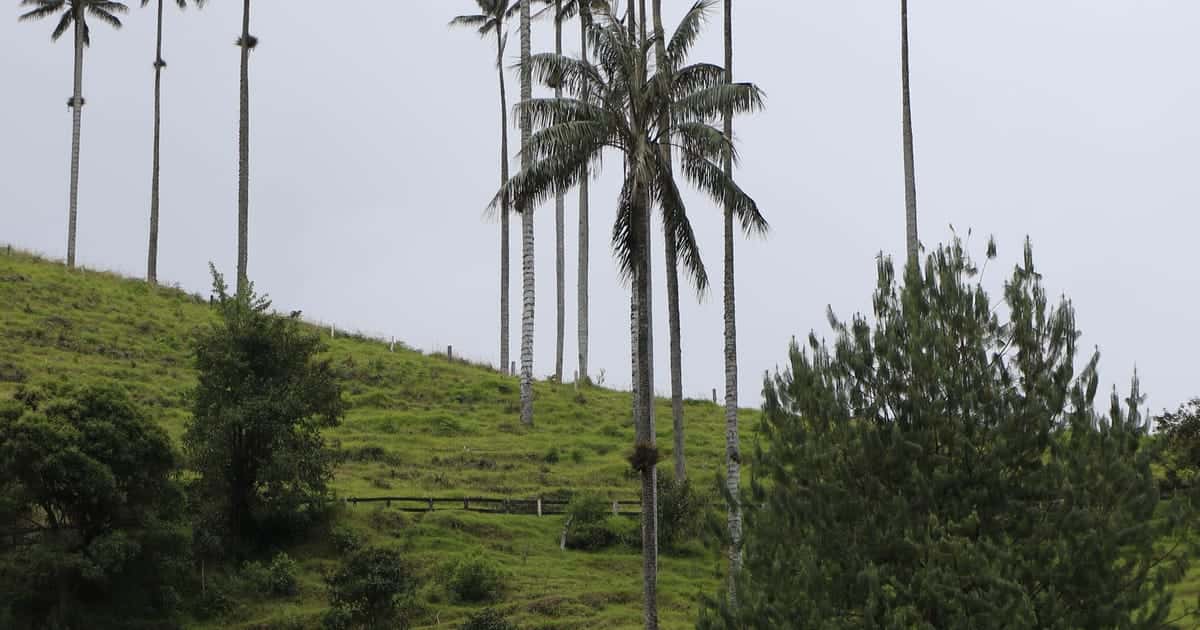
Salento is the quintessential Coffee Triangle pueblo. Colourful colonial buildings line the main street, and the town serves as the gateway to the Cocora Valley, where the world's tallest wax palms rise from misty green hillsides like something out of a Dr. Seuss illustration. The standard Cocora Valley loop hike takes roughly five to six hours and passes through cloud forest, across swinging rope bridges, and up to a viewpoint with sweeping valley panoramas.
From Salento, visit a working coffee finca (farm). Several farms around the area welcome visitors for tours that walk you through the entire process—from planting to harvesting to roasting and, of course, tasting. You will leave with a newfound appreciation for what goes into your morning cup.
Guatapé and El Peñol sit a couple of hours from Medellín. The Piedra del Peñol is a massive granite monolith with a staircase of over 700 steps bolted to its side. Climb to the top for a breathtaking panorama of the interconnected reservoir below, its dozens of islands creating a patchwork of blue and green. The nearby town of Guatapé is famous for the colourful bas-relief panels (zócalos) decorating the lower walls of every building.
Cartagena and the Caribbean Coast
Cartagena is the jewel of Colombia's Caribbean coast. The walled Old City (Ciudad Amurallada) is a UNESCO World Heritage site, its pastel-coloured colonial buildings, flower-draped balconies, and atmospheric plazas making it one of the most photogenic cities in Latin America. Wander through the neighbourhoods of San Diego and Santo Domingo within the walls, visit the Castillo San Felipe de Barajas fortress, and watch the sunset from the ramparts overlooking the sea.
The heat and humidity in Cartagena are intense year-round. Plan your sightseeing for early morning and late afternoon, and retreat to shade or a rooftop pool during midday.
The Rosario Islands (Islas del Rosario) lie about an hour by boat from Cartagena. This archipelago of small coral islands offers crystal-clear waters, snorkelling over coral reefs, and a breezy escape from the city heat. Day trips are straightforward, or you can overnight on one of the islands for a more relaxed experience.
Tayrona National Park
Tayrona National Natural Park is where the Sierra Nevada mountains meet the Caribbean Sea in a dramatic collision of jungle-covered headlands, golden beaches, and turquoise water. The park is roughly 90 minutes from Santa Marta by road, followed by a walk or horseback ride into the interior.
Beaches like Cabo San Juan and La Piscina are postcard-perfect, but pay attention to signage—strong currents make swimming dangerous at several of the more exposed beaches. The designated safe swimming areas are clearly marked.
Tayrona also serves as a teaser for one of South America's great treks. The Lost City (Ciudad Perdida) trail heads deeper into the Sierra Nevada to reach ancient Tayrona terraces predating Machu Picchu. The trek takes roughly four to six days and deserves its own dedicated guide—it is covered separately in our Ciudad Perdida trek guide. If you are short on time, the walk to the Pueblito Chairama archaeological site within Tayrona itself offers a taste of what lies further inland.
Caribbean Diving: Taganga and San Andrés
Colombia's Caribbean waters offer surprisingly good diving. Taganga, a small fishing village near Santa Marta, has long been a backpacker diving hub with affordable open-water certification courses and decent reef dives. Conditions vary with the seasons, but visibility is generally acceptable and the underwater topography is interesting.
For the country's best diving, head to San Andrés and Providencia, an archipelago closer to Nicaragua than the Colombian mainland. The surrounding sea is a UNESCO Biosphere Reserve with vibrant coral reefs, warm water, and excellent visibility. Providencia in particular offers world-class diving and a laid-back Caribbean island feel that is increasingly rare in the region.
Amazon (Leticia) and Caño Cristales
Two bucket-list destinations for the adventurous traveller willing to venture beyond the standard tourist circuit.
Leticia sits at the southern tip of Colombia where the borders of Colombia, Brazil, and Peru converge on the Amazon River. From here you can arrange jungle excursions into the surrounding rainforest—pink river dolphin watching, piranha fishing, visits to indigenous communities, and multi-day trips to remote eco-lodges. Leticia is reached only by plane from Bogotá, which keeps visitor numbers manageable and the experience feeling genuinely wild.
Caño Cristales, known as the "river of five colours," is one of the most extraordinary natural phenomena in Colombia. Between roughly June and November (the wet-to-dry transition), an aquatic plant called Macarenia clavigera blooms in brilliant shades of red, pink, yellow, green, and blue across the riverbed. The result is a kaleidoscopic waterway that has to be seen to be believed. Access is via the town of La Macarena, with flights from Bogotá or Villavicencio. Strict environmental protections limit visitor numbers, so book well in advance.
Top Adventures by Theme
Trekking and hiking
- Cocora Valley loop (moderate, 5–6 hours)
- Tayrona coastal trails (easy to moderate, various lengths)
- Ciudad Perdida trek (challenging, 4–6 days—see our dedicated guide)
- Pueblito Chairama within Tayrona (moderate half-day)
- Los Nevados National Park high-altitude hikes (challenging)
Diving and snorkelling
- Open-water certification in Taganga
- Reef diving at Rosario Islands off Cartagena
- World-class coral diving at Providencia
Paragliding
- Tandem paragliding flights over the Aburrá Valley from Medellín's surrounding hills are a signature experience. Several operators run daily flights weather permitting, and the views of the city and mountains are extraordinary.
Coffee and culture
- Finca tours in the Zona Cafetera
- Coffee tasting workshops in Salento and Jardin
- La Candelaria street art walks in Bogotá
- Cartagena cooking classes and food tours
Wildlife and nature
- Pink river dolphin watching from Leticia
- Birdwatching in the cloud forests around Manizales and the Coffee Triangle (Colombia has more bird species than any other country on Earth)
- Caño Cristales seasonal bloom (June–November)
- Sea turtle nesting on the Pacific coast at certain times of year
Suggested Itinerary: 18 Days Across Colombia
This itinerary covers Bogotá, the Coffee Triangle, Cartagena, Tayrona, and leaves room for an Amazon or Caño Cristales add-on. Adjust up or down based on your available time.
Days 1–3: Bogotá Arrive in Bogotá. Spend day two exploring La Candelaria, the Gold Museum, and the Botero Museum. Day three, take the teleférico up Monserrate and consider a day trip to Zipaquirá's Salt Cathedral. Acclimatise to the altitude.
Days 4–5: Fly Bogotá to Pereira or Armenia (Coffee Triangle) Transfer to the Coffee Triangle. Visit a coffee finca on day four. Spend day five in Salento, wandering the colourful streets and preparing for the Cocora Valley.
Day 6: Cocora Valley Hike the full Cocora Valley loop. Return to Salento for the evening.
Day 7: Salento to Medellín Travel by bus or private transfer to Medellín (roughly 6–7 hours by road, or fly from Pereira). Settle in and explore the Poblado or Laureles neighbourhoods in the evening.
Days 8–9: Medellín and Guatapé Day eight, explore Medellín—take the MetroCable for panoramic views, visit Comuna 13's street art and escalators, and enjoy the city's food scene. Day nine, take a day trip to Guatapé and climb El Peñol.
Day 10: Fly Medellín to Cartagena Arrive in Cartagena. Spend the afternoon and evening exploring the walled Old City at golden hour.
Days 11–12: Cartagena Full day exploring the Old City, Castillo San Felipe, and Getsemaní neighbourhood. Day twelve, take a boat excursion to the Rosario Islands for snorkelling and beach time.
Days 13–15: Tayrona National Park Travel from Cartagena to Santa Marta (roughly 4 hours by road), then onward to Tayrona. Spend two full days hiking the park's trails, swimming at safe beaches, and sleeping in hammocks or eco-lodges inside the park.
Days 16–18: Add-on — Amazon or Caño Cristales Fly from Santa Marta or Barranquilla back to Bogotá. If time permits, take a connecting flight to Leticia for a two-night Amazon experience, or to La Macarena for Caño Cristales (seasonal, June–November only). Alternatively, spend these final days revisiting a favourite spot or adding a Pacific coast whale-watching stop.
Best Time to Visit
Colombia's proximity to the equator means temperatures stay remarkably consistent year-round. What changes is rainfall, and understanding the wet and dry patterns is key to planning your trip.
December through March (main dry season): The most reliable weather across the country. This is peak tourist season, especially along the Caribbean coast and in the Coffee Triangle. Book accommodation and domestic flights well in advance.
April through June (first rainy season): Afternoon downpours become frequent, particularly in the Andean interior and the Amazon. The Caribbean coast stays drier than the highlands. Prices drop and crowds thin out. Caño Cristales begins its bloom season from June onward.
July and August (Veranillo de San Juan — the "little summer"): A brief dry window that breaks up the mid-year rains. An excellent time to visit with fewer crowds than the December–March peak but generally good weather.
September through November (second rainy season): The wettest period across much of the country, though the Caribbean coast can still be pleasant. This is peak bloom season for Caño Cristales (September–October is the visual peak). The Pacific coast sees humpback whale arrivals, which is a major draw if you are heading that way.
For the Colombia travel guide sweet spot: December–March for the most reliable weather across all regions, or July–August for a quieter experience with still-decent conditions.
Getting There and Around
International arrival: Most visitors fly into El Dorado International Airport (BOG) in Bogotá, which is the main international gateway. José María Córdova Airport (MDE) near Medellín and Rafael Núñez Airport (CTG) in Cartagena also receive international flights from select cities.
Domestic flights: Colombia's size and mountainous terrain make domestic flights the most practical way to cover long distances. Flights between Bogotá, Medellín, Cartagena, Santa Marta, and Leticia are frequent and generally affordable if booked in advance. The main domestic carriers include Avianca, LATAM, and Wingo.
Buses: For shorter hops—say Medellín to Guatapé, or between towns within the Coffee Triangle—long-distance buses are comfortable, inexpensive, and scenic. The roads through the Andes are winding and journeys take longer than the distance suggests, but the scenery is part of the experience.
Within cities: Bogotá's TransMilenio bus rapid transit system and Medellín's Metro (including the MetroCable) are efficient and inexpensive. Taxis and ride-hailing apps are widely available and affordable in all major cities.
Where to Stay
Bogotá: Look for accommodation in La Candelaria for budget and mid-range options with character, or Zona G / Chapinero for upscale hotels and boutique guesthouses. The north of the city (Zona Rosa, Parque 93) has the most international-standard hotels.
Coffee Triangle: Salento has budget hostels and charming mid-range guesthouses. Jardín, a gorgeous pueblo south of Medellín, has family-run fincas converted into lovely small hotels. For something special, luxury coffee estates outside Manizales and Pereira offer immersive farm-stay experiences.
Cartagena: The Old City has the highest concentration of boutique hotels in converted colonial mansions—these are romantic but can be pricey. Getsemaní, the neighbourhood just outside the walls, offers better value and a more local atmosphere with excellent hostels and small hotels.
Tayrona: Accommodation inside the park ranges from hammocks under thatched shelters to eco-lodges with private rooms. Book well in advance during peak season, as availability is limited. Santa Marta and the nearby beach town of Taganga have a full range of options as a base.
Leticia (Amazon): Eco-lodges along the river are the standard experience. Most are accessed by boat from Leticia and range from basic jungle shelters to comfortable lodges with private cabins and guided excursions included.
Food and Drink
Colombian cuisine is hearty, diverse, and deeply regional. You will eat well without spending much.
Arepas are the daily bread of Colombia—grilled cornmeal cakes served with butter, cheese, or eggs. Every region has its own version, and debating which is best is a national pastime.
Bandeja paisa is the iconic dish of the Antioquia region (Medellín and surroundings). A loaded platter of rice, red beans, ground beef, chicharrón (crispy pork belly), fried egg, plantain, arepa, avocado, and hogao sauce. It is enormous, delicious, and not something you eat before a hike.
Ajiaco is Bogotá's signature soup—a rich, creamy broth of chicken, three types of potato, corn on the cob, and guasca herb, served with capers, cream, and avocado on the side. Perfect for a cool Bogotá evening.
Fresh tropical fruit is extraordinary in Colombia. Visit any mercado (market) and you will find fruits you have never heard of: lulo, guanábana, maracuyá, zapote, and many more. Fresh juices are served with every meal.
Colombian coffee needs little introduction. In the Coffee Triangle, you will drink it at the source. Order a tinto (small black coffee) from a street vendor, or sit down for a proper café pasado (slow-drip pour-over) at a speciality café in Bogotá or Medellín. The coffee culture here runs deep, and it goes far beyond what gets exported.
Other highlights: Empanadas (meat-filled pastries sold on nearly every street corner), sancocho (a hearty meat and plantain soup that is the ultimate comfort food), ceviche on the Caribbean coast made with freshly caught fish, and aguardiente—an anise-flavoured spirit that is the national drink and an acquired taste worth acquiring. Street food culture is vibrant across the country; do not miss the chance to try obleas (wafer sandwiches with arequipe caramel) and cholados (tropical fruit shaved ice) from roadside vendors.
Costs and Budgeting
Colombia is one of South America's most affordable destinations, and travellers on almost any budget can travel comfortably.
Budget travellers staying in hostels, eating at local restaurants and street stalls, and using public transport can expect modest daily costs. This covers the basics comfortably—private hostel rooms are available at the upper end of this range.
Mid-range travellers can afford boutique hotels, guided tours, internal flights, and restaurant meals for a moderate daily spend that would barely cover a hotel room alone in many European or North American cities.
Luxury travellers will find excellent value in high-end boutique hotels (especially in Cartagena's Old City and the Coffee Triangle's estate stays), private guides, and premium experiences.
Domestic flights between major cities are a significant but manageable expense—book early for the best fares. Park entrance fees (Tayrona, Caño Cristales) are modest. Coffee finca tours and cooking classes are inexpensive relative to the quality of the experience. Overall, Colombia delivers outstanding value for money compared to neighbouring countries like Ecuador and Peru, particularly when it comes to accommodation and guided activities.
Safety and Practical Tips
Colombia's safety situation has improved enormously over the past two decades, and the vast majority of travellers visit without incident. That said, sensible precautions apply—just as they would anywhere in Latin America or, frankly, most major cities worldwide.
What to know:
- Major tourist destinations (Bogotá, Medellín, Cartagena, the Coffee Triangle, Tayrona) are well-travelled and generally safe. Use the same street smarts you would in any unfamiliar city.
- Avoid displaying expensive phones, cameras, or jewellery in public. Keep your phone in your pocket when not in use, especially in busy areas.
- Use registered taxis or ride-hailing apps rather than hailing cabs from the street, particularly at night.
- Some neighbourhoods in major cities have higher crime rates. Ask your hotel or hostel which areas to avoid after dark—they will give you honest, current advice.
- The armed conflict that once defined Colombia's international image is largely confined to remote rural areas far from tourist routes. The peace process, while incomplete, has made an enormous difference.
- Travel insurance that covers medical evacuation is always wise, particularly if you plan diving, trekking, or Amazon excursions.
Practical tips:
- Carry your passport or a photocopy at all times—Colombian law requires identification.
- ATMs are widely available in cities but can be scarce in rural areas. Carry enough cash for several days when heading off the beaten path.
- Learn some basic Spanish phrases. English is not widely spoken outside the most tourist-oriented businesses in Cartagena and Medellín.
- Tipping is appreciated but not always expected. A small tip at restaurants and for guides is a kind gesture.
- Colombia uses 110V electricity with Type A and Type B plugs (same as the United States), so North American travellers will not need adapters.
- The altitude in Bogotá and the Coffee Triangle can catch you off guard. Take it easy on your first day, stay hydrated, and avoid alcohol until you have acclimatised.
Final Thoughts
Colombia is the kind of country that ruins travel for you—because once you experience the warmth of its people, the quality of its coffee, and the sheer staggering variety of its landscapes, everywhere else feels like it is trying too hard. From the high-altitude buzz of Bogotá to the slow Caribbean rhythm of Tayrona's beaches, from the emerald hills of the Coffee Triangle to the kaleidoscopic waters of Caño Cristales, this is a destination that rewards the curious, the adventurous, and anyone willing to look beyond outdated stereotypes.
Plan two to three weeks. Pack layers for the Andes and swimwear for the coast. And leave extra room in your luggage for coffee—you will want to bring it home.
Frequently Asked Questions
Colombia has transformed dramatically over the past two decades. Major tourist destinations like Cartagena, Medellín, Bogotá, and the Coffee Triangle are generally safe and welcoming. As with any destination, use common sense: avoid flashing valuables, stick to well-lit areas at night, and follow local advice about which neighborhoods to skip after dark.
For a first visit covering the highlights—Bogotá, the Coffee Triangle, Cartagena, and Tayrona National Park—plan on two to three weeks. You can see the core triangle of Bogotá, Medellín, and Cartagena in ten days if you move quickly, but you will want more time once you arrive.
The two main dry windows are December through March and July through August. December–March is peak season with the best weather across most regions. The July–August window is slightly cooler and less crowded. Keep in mind that Colombia sits near the equator, so temperatures stay fairly consistent year-round—what changes is rainfall, not temperature.
Citizens of the United States, Canada, the European Union, Australia, and many other countries receive a 90-day tourist stamp on arrival at no cost. You can extend for an additional 90 days from within Colombia. Always check current requirements before you travel, as visa policies can change.
Colombia is one of the most affordable countries in South America. Budget travelers can get by on modest daily spending for hostels, street food, and local transport. Mid-range travelers will find excellent value in boutique hotels and guided tours. Domestic flights are reasonably priced if booked in advance.
The classic triangle of Bogotá (culture and history), the Coffee Triangle around Salento and Jardin (scenery and relaxation), and Cartagena with Tayrona (Caribbean coast) gives first-timers a well-rounded introduction. All three regions are well-connected by short domestic flights and have solid tourist infrastructure.
Tap water is generally safe to drink in Bogotá, Medellín, and most major cities. In smaller towns, coastal areas, and rural regions, stick to bottled or filtered water. When in doubt, ask your hotel or host.
Pack layers. Bogotá sits at roughly 2,640 metres and can be cool and rainy, while Cartagena is hot and humid year-round. Bring a light rain jacket, comfortable walking shoes, swimwear, sunscreen, and one warm layer for high-altitude destinations. Leave room in your bag for coffee to bring home.
Adventure Knit Editorial
Destination research compiled and fact-checked by the Adventure Knit editorial team from published sources, operator itineraries, and official tourism boards. Spot something out of date? Tell us at hello@adventureknit.com.
Related Stories
 Senegal
Senegal Travel Guide: Dakar, Gorée & the Pink Lake
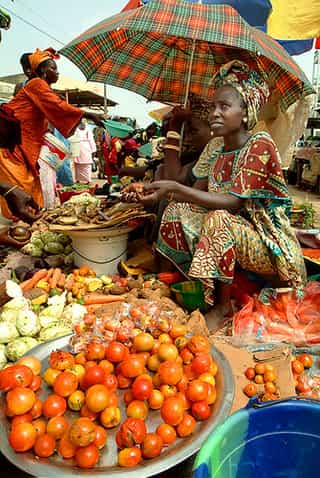
Complete Senegal travel guide covering Dakar, Île de Gorée, the Pink Lake (Lake Retba), Saint-Louis, the Sine-Saloum delta and Casamance, with itinerary, food and tips.
 Lebanon
Lebanon Travel Guide: Beirut, Baalbek & the Cedars
Complete Lebanon travel guide covering Beirut, the Roman ruins of Baalbek, the cedars, Jeita Grotto, Byblos and the wine country, with itinerary, food and tips.
 Rwanda
Gorilla Trekking in Rwanda: Volcanoes National Park Guide
Complete guide to gorilla trekking in Rwanda's Volcanoes National Park. Permit reality, best time, fitness prep, a 5-day itinerary, costs and safety for your mountain gorilla trek.
Enjoyed this article?
Explore more stories from our adventures around the world