
Ciudad Perdida (Lost City) Trek: Complete 4-Day Guide
Categories
Tags
The Ciudad Perdida trek is a 4-day, 3-night round trip through the Sierra Nevada de Santa Marta jungle to the ancient Tairona city of Teyuna — older than Machu Picchu. You must book through an authorised operator; independent trekking is not allowed. Expect heat, humidity, river crossings, and a rewarding 1,200-step climb to the terraces.
Ciudad Perdida (Lost City) Trek: Complete 4-Day Guide
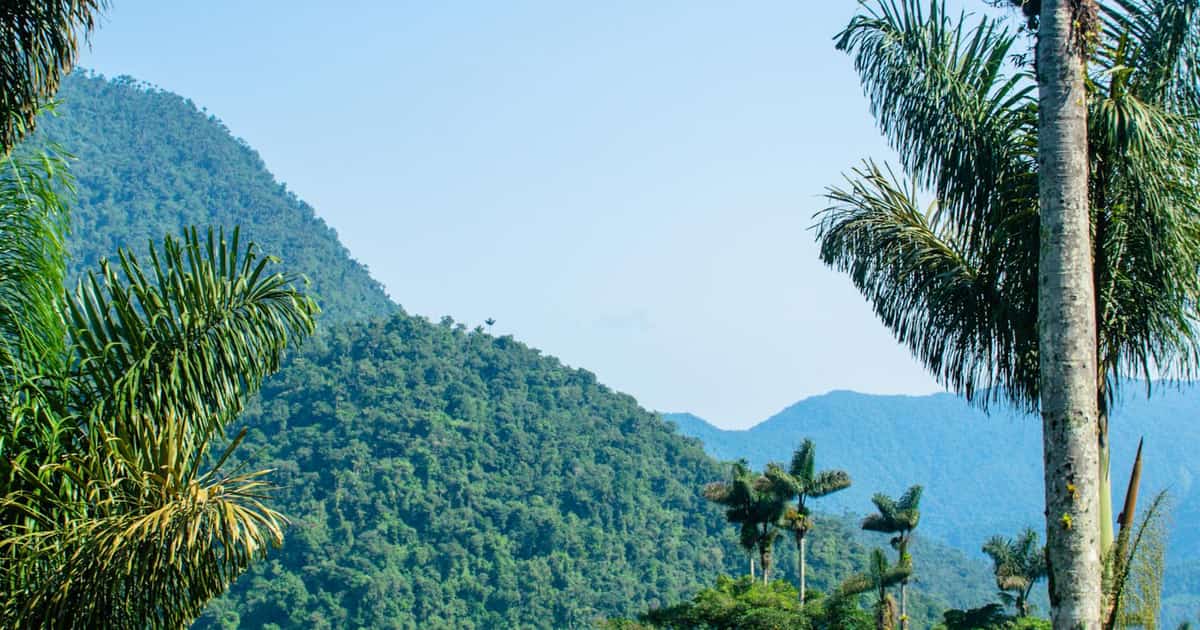
Deep in the jungle-covered slopes of the Sierra Nevada de Santa Marta, a flight of mossy stone steps rises from the forest floor. At the top, ancient stone terraces emerge from the canopy — the remains of Teyuna, a Tairona city that predates Machu Picchu by more than six centuries. Known today as Ciudad Perdida, or the Lost City, this is Colombia's most iconic multi-day trek and one of the most rewarding jungle hikes in South America.
If you are planning the Ciudad Perdida trek — also called the Lost City trek — this guide covers everything: the route, the history, the indigenous context, what to pack, how to prepare, and what to expect at every stage. Whether this is your first jungle trek or you are adding it to a longer Colombia itinerary, the information here will help you arrive ready.
Quick Facts at a Glance
- Location: Sierra Nevada de Santa Marta, northern Colombia
- Nearest city: Santa Marta (trailhead reached via Machete Pelao / El Mamey)
- Trek length: Roughly 45–50 km round trip
- Duration: 4 days / 3 nights (standard); 5- and 6-day options available
- Difficulty: Challenging — steep terrain, tropical heat, high humidity, river crossings
- Maximum altitude: Around 1,200 metres at the site — altitude sickness is not a concern
- Guided only: Independent trekking is not permitted
- Best months: December through March (dry season)
- Trail closure: Typically closes for around one month near September for indigenous spiritual cleansing
- Currency: Colombian peso (COP)
- Language: Spanish (guides speak varying levels of English)
What and Where Is Ciudad Perdida?
Ciudad Perdida — officially known as Teyuna — is an archaeological site located in the northern reaches of the Sierra Nevada de Santa Marta, a coastal mountain range that rises straight from the Caribbean Sea to snow-capped peaks exceeding 5,700 metres. It is the highest coastal range on Earth, and its lower slopes are blanketed in dense tropical jungle.
The site itself consists of over 160 stone terraces carved into a steep mountainside, connected by a network of paths, stairways, and drainage channels. At its peak, Teyuna is believed to have supported a population of several thousand people and served as a major political and ceremonial centre for the Tairona civilisation from roughly the 7th to the 11th century — centuries before the Inca built Machu Picchu.
The city was abandoned during the Spanish conquest, and the jungle reclaimed it entirely. It remained unknown to the outside world until 1972, when local guaqueros (grave robbers) stumbled upon the terraces while searching for pre-Columbian gold artefacts. Formal archaeological investigation began in 1976, and the site has been progressively cleared and stabilised since then.
Today, Ciudad Perdida is reached via a trek that begins near the village of Machete Pelao (also called El Mamey), roughly two to three hours by road from Santa Marta. The route crosses rivers, climbs through coffee and cacao farms, penetrates primary and secondary jungle, and passes through the territories of indigenous communities before ascending the 1,200 stone steps to the terraces.
This trek is often described as the "other Machu Picchu" — and while the comparison is tempting, Teyuna is a different experience altogether. There are no luxury trains or shuttle buses. You earn every step, and that is precisely what makes it special.
History and Indigenous Context
Understanding the cultural significance of Ciudad Perdida transforms the trek from a physical challenge into something far more meaningful.
The Tairona Civilisation
The Tairona were one of the most advanced pre-Columbian societies in the Americas. Occupying the Sierra Nevada and its surrounding lowlands from roughly the 1st century onward, they built extensive stone cities, developed sophisticated agricultural terracing, and created intricate goldwork and ceramics that still impress archaeologists today.
Teyuna was one of the largest Tairona settlements. Its terraces — built with precisely fitted stones, some weighing hundreds of kilograms — demonstrate remarkable engineering skill. The site's location, deep in a river valley between mountain ridges, was chosen deliberately: it controlled important trade routes and provided natural defences.
When Spanish conquistadors arrived in the 16th century, the Tairona resisted fiercely. Decades of conflict, combined with diseases brought by the Europeans, devastated the population. By the early 17th century, the remaining Tairona retreated higher into the mountains, and cities like Teyuna were abandoned to the forest.
Living Descendants: The Kogi, Wiwa, and Arhuaco
The Tairona did not disappear. Their descendants — the Kogi, Wiwa, and Arhuaco peoples — still live in the Sierra Nevada de Santa Marta, maintaining many of their ancestral traditions, spiritual practices, and relationship with the land.
For these communities, the Sierra Nevada is sacred. They view the mountain range as the heart of the world, and sites like Ciudad Perdida remain active spiritual centres — not ruins, but living places of prayer and connection. You may see small stone rings and woven objects along the trail and at the site itself. These are offerings and prayer items. Do not touch, move, or photograph them without permission.
This brings an important responsibility. The trek passes through indigenous lands, and the communities have agreed to allow visitors under specific conditions. Respectful, low-impact travel is not optional — it is the reason the trail remains open.
The Annual Trail Closure
Each year, the trail to Ciudad Perdida closes for approximately one month — typically in September — to allow indigenous communities to perform spiritual cleansing ceremonies at the site and along the route. This closure is non-negotiable, and no authorised operator will run treks during this period. The exact dates vary slightly from year to year, so confirm with your operator when booking.
This is not an inconvenience to work around. It is a reminder that Ciudad Perdida is not simply an attraction; it is a sacred place that the indigenous communities have chosen to share with visitors on their own terms. Honouring that arrangement is fundamental.
Booking: Why You Cannot Trek Independently
One of the most important things to know about the Ciudad Perdida trek is that you cannot do it on your own. This is not a matter of preference or safety advice — it is a firm requirement.
The trail crosses indigenous territories and passes through land controlled by local campesino communities. Access is restricted to groups organised through a small number of officially authorised tour operators, all based in Santa Marta. These operators hold permits issued by the indigenous authorities and the Colombian Institute of Anthropology and History (ICANH).
How the System Works
- Standardised pricing: All authorised operators charge the same price, which is agreed upon collectively. There is no benefit to spending time bargaining or shopping around — the cost is fixed.
- What varies: The quality of equipment, the experience level of guides, group sizes, and food can differ between operators. Read reviews and ask questions before booking.
- Booking in advance: During the December–March high season, groups can fill up several days ahead. Book at least a few days in advance, or longer if you are travelling during peak holiday weeks.
- Where to book: All bookings are handled in Santa Marta (or occasionally from Taganga). You can arrange the trek online through operator websites, or visit their offices in person once you arrive in Santa Marta.
If this is part of a wider Colombia trip — see our Colombia adventure guide for broader planning resources.
Route and Stages: The Standard 4-Day Itinerary
The classic Ciudad Perdida trek follows an out-and-back route from El Mamey trailhead to the archaeological site and back. The trail crosses the Buritaca River multiple times, climbs over jungle-covered ridges, and passes through indigenous settlements and farmland.
Below is the standard 4-day / 3-night itinerary. Distances and times are approximate — conditions vary with weather and group pace.
Day 1: El Mamey Trailhead to Camp 1 (Adán)
- Driving: 2–3 hours from Santa Marta to the trailhead at El Mamey
- Hiking time: 4–5 hours
- Distance: Roughly 8–9 km
- Terrain: Farmland, open hillsides, initial jungle sections
The day begins with a drive from Santa Marta into the foothills of the Sierra Nevada. The road climbs through small villages and cacao plantations before reaching the settlement of Machete Pelao, where your group registers with the local authority and the tour operator distributes any group supplies.
From the trailhead, the path climbs steadily through pastures and secondary forest. The first hour or so is relatively exposed, so the midday sun can be intense. Carry plenty of water and wear a hat. After reaching a high point, the trail descends into denser vegetation toward the first night's camp, situated near the Buritaca River.
Camp 1 (commonly called Adán) typically has bunk beds with mosquito nets, cold showers, and basic toilets. A river swimming hole nearby is a welcome way to cool off after the first day's hiking.
Day 2: Camp 1 to Camp 3 (via Camp 2 — Paraíso)
- Hiking time: 6–8 hours
- Distance: Roughly 14–16 km (with significant elevation change)
- Terrain: Dense jungle, river crossings, steep climbs and descents
This is the longest and most demanding day. The trail crosses the Buritaca River multiple times — you will wade through water that can range from ankle-deep to waist-deep depending on recent rainfall. Footwear with good grip is essential for the wet, slippery rocks.
The route climbs over a jungle ridge before dropping to Camp 2, known as Paraíso, where many groups stop for lunch. After resting, you continue through primary forest, crossing more tributaries and climbing steeply to Camp 3, perched on a hillside above the Buritaca valley.
Camp 3 is the last stop before Ciudad Perdida itself. The camp is smaller and more rustic than the previous ones, but the sense of anticipation is high — the ancient city is less than an hour's hike away.
Day 3: Camp 3 to Ciudad Perdida and Return to Camp 1
- Hiking time: 6–8 hours total
- Distance: Roughly 12–14 km
- Terrain: Jungle trail, river crossings, 1,200 stone steps
The highlight of the trek. Your group rises early to reach Ciudad Perdida before the day warms up. From Camp 3, the trail descends to the Buritaca River for a final crossing, then climbs roughly 1,200 mossy stone steps — the original Tairona staircase — up through the forest to the terraces.
Emerging onto the first terrace as morning mist clears from the valley is an extraordinary moment. Your guide will lead you through the site, explaining the layout of the terraces, the ceremonial spaces, and the ongoing relationship between the archaeological site and the indigenous communities. Expect to spend one to two hours exploring the ruins.
After the visit, the group retraces its steps: back down the 1,200 steps, across the river, through the jungle, and all the way back to Camp 1 for the third night. It is a long day, but the adrenaline and sense of accomplishment carry most hikers through.
Day 4: Camp 1 to El Mamey Trailhead and Return to Santa Marta
- Hiking time: 4–5 hours
- Distance: Roughly 8–9 km
- Terrain: Reverse of Day 1 — jungle, farmland, open hillsides
The final day follows the same path back to the trailhead. The climb out of the river valley to the high point can feel steeper on tired legs, but the knowledge that a real shower and a cold drink await in Santa Marta provides motivation. Once the group reaches El Mamey, transport is waiting for the drive back to the city. Most trekkers arrive in Santa Marta by mid-afternoon.
Five- and Six-Day Options
Some operators offer slower-paced versions of the same route, spreading the hiking over five or six days with shorter daily stages. This is an excellent option if you prefer a more relaxed pace, want more time for swimming in river pools, or are concerned about the physical demands of the 4-day itinerary. The route is the same; only the camp assignments change.
Difficulty and Fitness Requirements
The Ciudad Perdida trek is rated challenging, and that rating is honest. Here is what makes it demanding:
- Heat and humidity: Daytime temperatures in the Sierra Nevada lowlands commonly reach the low to mid-thirties Celsius, with humidity levels that make sweat ineffective at cooling the body. You will be drenched within minutes of starting to hike.
- Steep terrain: The trail gains and loses hundreds of metres of elevation each day. Some sections are steep enough to require hands for balance, especially on muddy descents.
- Mud: After rain, sections of the trail become slick and treacherous. Trekking poles help enormously.
- River crossings: You will wade across rivers multiple times. The water is generally knee-deep to waist-deep, but levels rise quickly after heavy rain.
- Sustained effort: Four consecutive days of hiking, with no rest day, compounds fatigue.
What Level of Fitness Do You Need?
You do not need to be an elite athlete, but you should be someone who exercises regularly. Ideally:
- You can hike for four to six hours comfortably, with breaks, in warm conditions.
- You do some form of cardiovascular exercise (running, cycling, swimming, brisk walking) at least three times a week.
- You have experience hiking on uneven terrain — a few day hikes with elevation gain in the month before departure are excellent preparation.
If you are unsure whether you are fit enough, consider the 5- or 6-day version. It covers the same ground at a gentler pace and is a smart choice for first-time jungle trekkers.
Altitude
The highest point on the trek is around 1,200 metres. This is not high enough to cause altitude-related problems for anyone. Unlike treks in the Andes or Himalayas, acclimatisation is not a factor here. The challenge is purely from heat, humidity, and terrain.
What Is Included on the Trek
When you book the Ciudad Perdida trek through an authorised operator, the following is standard:
- Licensed guide: A bilingual (Spanish/English, though English levels vary) guide who knows the trail, the communities, and the site's history.
- Indigenous guide or liaison: Some operators include a Wiwa or Kogi representative who provides cultural context and ensures the group respects community protocols.
- Camp accommodation: Bunk beds or hammocks at established campsites along the route. Mattresses and mosquito nets are provided.
- Meals: All meals from lunch on Day 1 through lunch on Day 4. Food is simple but plentiful — rice, beans, plantains, eggs, fresh fruit, and sometimes chicken or fish. Vegetarian options are generally available if requested in advance.
- Snacks: Most operators provide trail snacks (fruit, biscuits) and offer coffee or hot chocolate at camp.
- Permits and entry fees: The tour price includes access permits to the archaeological site and contributions to the indigenous communities along the route.
- Transport: Shared 4x4 transport from Santa Marta to the trailhead and back.
What Is NOT Included
- Alcoholic beverages (some camps sell beer)
- Personal snacks beyond what the operator provides
- Travel insurance (strongly recommended)
- Tips for guides and camp staff (customary but voluntary)
Packing List
Packing light is important — you will carry your own bag, and every kilogram matters in tropical heat. Aim for a packed weight of 8–12 kg including water.
Essential Items
- Backpack: A comfortable 30–45 litre daypack or hiking pack with a rain cover or dry bag liner.
- Footwear: Broken-in hiking boots or sturdy trail shoes with good grip. You will cross rivers in these shoes — they will get wet. Some trekkers bring a pair of lightweight sandals or water shoes for camp.
- Quick-dry clothing: Two to three sets of lightweight, moisture-wicking shirts and shorts or convertible pants. Cotton stays wet and heavy; avoid it.
- Underwear and socks: Bring enough for each day plus a spare. Synthetic or merino wool socks resist blisters better than cotton.
- Swimwear: For river dips at the campsites — one of the trek's great pleasures.
- Insect repellent: DEET-based or a proven natural alternative. Mosquitoes and sand flies are present throughout the route.
- Sunscreen: High SPF, water-resistant. The equatorial sun is intense even under cloud cover.
- Hat: Wide-brimmed or cap for sun protection.
- Headlamp: Essential for navigating camp at night. Some camps have limited electricity; many have none.
- Reusable water bottle or hydration bladder: At least 2 litres capacity. Most operators provide treated or boiled water at camps for refilling.
Recommended Extras
- Trekking poles: Extremely helpful on muddy descents and river crossings. Some operators rent them.
- Lightweight towel: A compact, quick-dry travel towel.
- Plastic bags or dry sacks: For keeping electronics and a change of clothes dry during river crossings.
- Basic first-aid kit: Blister plasters, antihistamine tablets, oral rehydration salts, painkillers, and any personal medications.
- Biodegradable soap or wet wipes: For basic hygiene at camps with limited washing facilities.
- Earplugs: Jungle nights are loud — frogs, insects, rain, and early-rising fellow trekkers.
What to Leave Behind
- Heavy camera equipment (a phone or small camera is fine)
- Jeans or cotton clothing
- A sleeping bag (bedding is provided at camps)
- Large quantities of cash (small bills for beer or tips are enough)
Health and Safety
The Ciudad Perdida trek is generally safe when undertaken with an authorised operator, but the jungle environment demands respect and preparation.
Mosquito-Borne Illness
The Sierra Nevada lowlands are a tropical environment where mosquito-borne illnesses, including dengue, are present. There is no vaccine for dengue. Prevention relies on:
- Applying insect repellent regularly, especially at dawn and dusk
- Wearing long sleeves and trousers in the evenings
- Using the mosquito nets provided at camp
Consult your travel health clinic before departure for the latest advice on vaccinations and prophylaxis for Colombia. Routine travel vaccinations (hepatitis A, typhoid, tetanus) are recommended.
Hydration
Dehydration and heat exhaustion are the most common medical issues on the trek. Drink water constantly, even when you do not feel thirsty. Oral rehydration salts added to your water bottle help replace electrolytes lost through sweating. Most guides are trained to recognise the signs of heat exhaustion and will monitor the group.
River Crossings
River crossings are the most physically hazardous element of the trek. Water levels rise rapidly after rain, and a crossing that was knee-deep in the morning can become chest-deep by afternoon. Your guide will assess conditions at each crossing and decide whether it is safe. If the guide says to wait, wait.
Unbuckle your backpack hip belt before crossing — if you lose your footing, you can slip out of the pack quickly. Use trekking poles for stability, and face upstream at a slight angle.
General Precautions
- Tell your guide about any medical conditions or medications before departure.
- Carry a basic first-aid kit with blister treatment and personal medications.
- Apply sunscreen and insect repellent consistently.
- Do not drink untreated river water — use the treated water provided by your operator.
Getting to the Trailhead
All Ciudad Perdida treks depart from Santa Marta or, less commonly, Taganga. The transport to the trailhead is included in your tour package.
From Santa Marta
Santa Marta is the main gateway. Most operator offices are located in the city centre or along the beachfront in El Rodadero. On the morning of Day 1, you will meet at the operator's office or be picked up from your accommodation (depending on the operator) for the drive to the trailhead.
The road from Santa Marta to Machete Pelao / El Mamey takes roughly two to three hours, travelling first along the Caribbean coast toward the town of Santa Marta's eastern hinterland, then climbing into the foothills on a rough unpaved road. The final stretch requires a 4x4 vehicle, which your operator provides.
From Taganga
The small fishing village of Taganga, a short drive from Santa Marta, is an alternative base. Some operators offer pick-up in Taganga, adding approximately 30–45 minutes to the morning drive. Taganga is popular with backpackers and has budget accommodation, though it is quieter and has fewer services than Santa Marta.
Getting to Santa Marta
Santa Marta has a small airport (Simón Bolívar International) with domestic flights from Bogotá, Medellín, and other Colombian cities. The flight from Bogotá takes roughly 90 minutes. Long-distance bus services also connect Santa Marta to Bogotá (approximately 16 hours), Medellín, Cartagena (roughly 4 hours), and Barranquilla.
Costs and Budgeting
Because tour prices are standardised among authorised operators, cost planning for the Ciudad Perdida trek is relatively straightforward.
The Trek Itself
The tour price covers nearly everything once you leave Santa Marta: guiding, permits, accommodation, meals, and transport to and from the trailhead. The fixed price means you can focus on choosing an operator based on group size, guide quality, and reviews rather than cost.
In qualitative terms, the Ciudad Perdida trek is a moderate expense within the context of a Colombia trip — more than a day tour or a Tayrona National Park visit, but less than a multi-day Amazon expedition or Galápagos trip. For budget-minded travellers, it is worth noting that almost all expenses are bundled into the single tour price, with little need for additional spending on the trail.
Additional Expenses to Budget For
- Accommodation in Santa Marta before and after the trek
- Meals in Santa Marta on the evenings before and after the trek
- Tips: Customary for guides and camp staff — budget accordingly
- Drinks at camp: Some camps sell beer, soft drinks, and bottled water
- Travel insurance: Essential for any multi-day trek
- Gear you may need to purchase: Quick-dry clothing, insect repellent, trekking poles, headlamp
Saving Money
Booking directly with a local operator in Santa Marta, rather than through an international intermediary, keeps costs lower. Visiting in the shoulder months (December or March, rather than January or February) may offer slightly better availability without the premium of absolute peak season.
Responsible Trekking: Respecting the Land and Its People
A few final points on travelling respectfully through the Sierra Nevada:
- Ask before photographing indigenous people. Some communities prefer not to be photographed; always request permission.
- Do not remove anything from the site. Stones, pottery fragments, and plant material all belong where they are.
- Respect spiritual items. The small stone circles, woven threads, and other objects you see along the trail and at the archaeological site are active prayer items. Observe from a distance and do not interfere with them.
- Minimise waste. Pack out everything you bring in. Most operators enforce a strict carry-in, carry-out policy.
- Stay on marked trails. The jungle is fragile, and cutting switchbacks or taking shortcuts causes erosion.
- Support local communities. Buy snacks or drinks from community-run stalls along the route when available.
Final Thoughts
The Ciudad Perdida trek is not the easiest hike in Colombia, nor the most comfortable. You will sweat more than you thought possible. You will fall into your bunk each night with tired legs and damp clothes. You will cross rivers that test your nerve and climb steps that seem to go on forever.
And then you will stand on a stone terrace in the early morning, looking out over a jungle canopy that hides a city built a thousand years ago by people whose descendants still revere this mountain as the heart of the world.
That is the trade, and it is a generous one.
Plan ahead, pack wisely, book through a reputable authorised operator, and treat the Sierra Nevada and its people with the respect they deserve. The Lost City will give you one of the most memorable trekking experiences in South America.
Frequently Asked Questions
The trek is rated challenging. You will hike five to seven hours per day in tropical heat and high humidity, with steep ascents, muddy descents, and multiple river crossings. No technical climbing is involved, but the combination of terrain and climate demands genuine physical preparation. Most reasonably fit hikers complete it without issue, but it is not a casual walk.
The standard itinerary is four days and three nights. Five- and six-day options exist for those who prefer shorter daily stages and more time to enjoy the campsites and swimming holes. The four-day version is the most popular and is achievable for most active travellers.
No. Independent trekking to Ciudad Perdida is not permitted. The trail crosses indigenous territories and passes through land managed by local communities, and access is restricted to travellers booked through one of the officially authorised tour operators based in Santa Marta. Prices are standardised across operators, so there is no advantage to shopping around on cost alone.
Tour prices are set by agreement among the authorised operators and are the same regardless of which company you book with. The cost covers your guide, camp accommodation, all meals, permits, and transport to and from the trailhead. It represents a moderate-to-significant expense within a Colombia trip budget, but nearly everything is included once you depart Santa Marta.
The dry season from December through March offers the most reliable trail conditions, with lower river levels and fewer muddy sections. The trail typically closes for approximately one month around September for indigenous spiritual cleansing — check current dates before planning. Avoid October and November if possible, as heavy rains swell rivers and make crossings more difficult.
You should be comfortable hiking for several hours with a daypack in warm conditions. Regular cardiovascular exercise — running, cycling, or brisk hill walking — for at least four to six weeks before the trek is good preparation. You do not need mountaineering experience. The altitude is not extreme (the site sits around 1,200 metres), so altitude sickness is not a concern. The main challenge is sustained exertion in heat and humidity.
Yes, when booked through an authorised operator. Guides carry first-aid kits and satellite communication, camps have basic medical supplies, and the route is well-travelled during the high season. The main risks are dehydration, heat exhaustion, and slips on muddy trails. River crossings after heavy rain require caution and are one reason the trail sometimes pauses departures during severe weather.
You will sleep in bunk beds or hammocks under shelter, with mosquito nets provided. Mattresses and basic bedding are included. Conditions are rustic — there is no hot water, and electricity is limited or unavailable at most camps. Some campsites have cold showers and basic toilets. It is comfortable enough for a good night's rest, but do not expect hotel-level amenities.
Adventure Knit Editorial
Destination research compiled and fact-checked by the Adventure Knit editorial team from published sources, operator itineraries, and official tourism boards. Spot something out of date? Tell us at hello@adventureknit.com.
Related Stories
 Lebanon
Lebanon Travel Guide: Beirut, Baalbek & the Cedars
Complete Lebanon travel guide covering Beirut, the Roman ruins of Baalbek, the cedars, Jeita Grotto, Byblos and the wine country, with itinerary, food and tips.
 Romania
Transylvania & the Carpathians: Romania Adventure Guide
Complete Romania travel guide covering Transylvania, Bran and Peleș castles, the Carpathian mountains, painted monasteries of Bucovina and the Danube Delta.
 Rwanda
Gorilla Trekking in Rwanda: Volcanoes National Park Guide
Complete guide to gorilla trekking in Rwanda's Volcanoes National Park. Permit reality, best time, fitness prep, a 5-day itinerary, costs and safety for your mountain gorilla trek.
Enjoyed this article?
Explore more stories from our adventures around the world