
Rwenzori Mountains Uganda: Mountains of the Moon Complete Guide
Categories
Tags
The Rwenzori Mountains in western Uganda, known as the Mountains of the Moon, hold Africa's third highest peak — Mount Stanley's Margherita Peak at 5,109m — along with equatorial glaciers and a unique Afro-alpine ecosystem. A summit attempt takes 7-10 days, requires technical roped climbing with crampons and an ice axe, and costs roughly 2,000 to 4,000 dollars per person. The best months are January-February, June-August, and December, during the dry seasons.
Rwenzori Mountains Uganda: The Mountains of the Moon Complete Guide
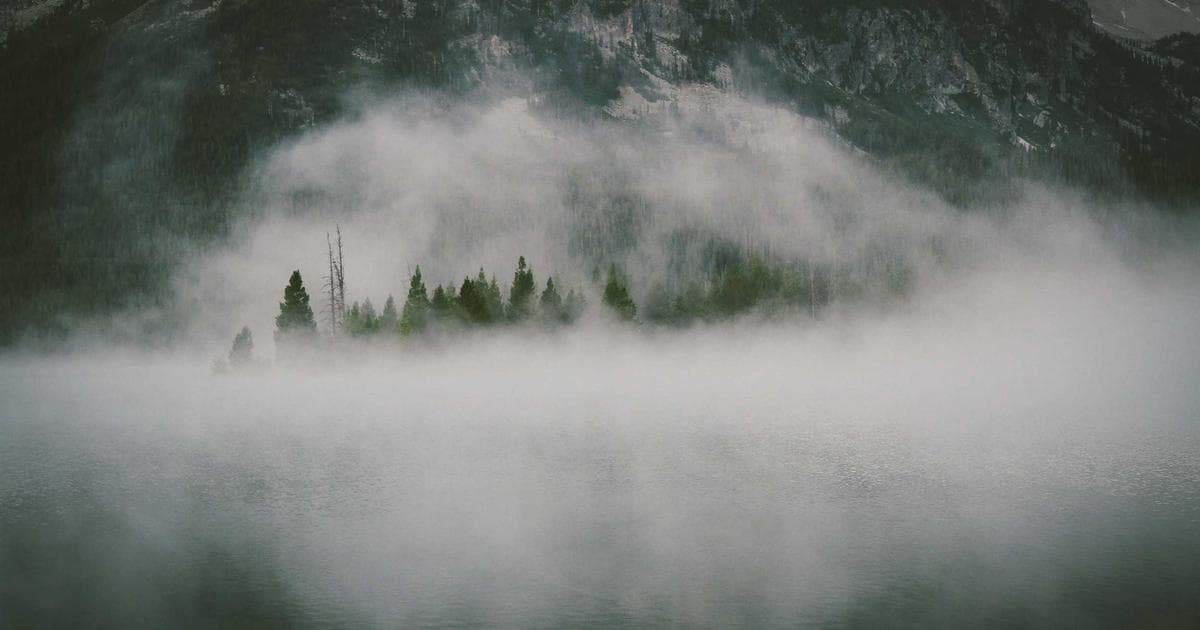
Emerging from the mists of Uganda's western border, the Rwenzori Mountains rise like jagged teeth into the African sky. Known since antiquity as the "Mountains of the Moon," these peaks harbor Africa's most extensive Afro-alpine ecosystem and some of the continent's last remaining equatorial glaciers. Standing atop Mount Stanley's Margherita Peak (5,109m), watching the sun rise over the Congo Basin below, you realize you've achieved one of mountaineering's most remarkable accomplishments. After 20 years guiding expeditions through these mystical mountains, I'm still in awe of their raw, otherworldly beauty.
Quick Facts at a Glance
- Location: Western Uganda, bordering Democratic Republic of Congo
- Highest Peak: Mount Stanley's Margherita Peak (5,109m/16,763ft)
- Ranking: Third highest mountain in Africa
- Mountain Range: 120km long, 50km wide
- Glaciers: Remaining equatorial glaciers (shrinking but spectacular)
- Duration: 7-10 days recommended for summit attempt
- Difficulty: Challenging (technical climbing to summit)
- Best Months: January-February, June-August, December
- Average Cost: $2,000-$4,000 per person
- Vegetation Zones: Five distinct zones from tropical to alpine
Why Trek the Rwenzori Mountains?
The Rwenzori Mountains represent one of Africa's most unique and challenging mountaineering destinations. While Mount Kilimanjaro and Mount Kenya draw more attention, the Rwenzoris offer a different experience entirely - steeped in mystery, boasting incredible biodiversity, and requiring genuine mountaineering skills to reach the summit.
What Makes Rwenzori Mountains Extraordinary:
- Mountains of the Moon: Ancient name from Ptolemy's maps, source of Nile River
- Unique Vegetation: Giant lobelias, groundsels, and heathers found nowhere else
- Equatorial Glaciers: Africa's largest remaining ice fields outside Kilimanjaro
- Challenging Climb: Technical roped climbing required for summit
- Five Vegetation Zones: From tropical rainforest to glacial ice
- Biodiversity Hotspot: Over 89 bird species, 15 mammals, unique plants
- Cultural Significance: Sacred mountains for local Bakonjo people
Understanding Rwenzori's Peaks and Routes
Major Peaks
Mount Stanley (5,109m)
- Why Go: Highest peak, true mountaineering experience
- Summit: Margherita Peak (5,109m)
- Technical: Requires ropes, crampons, ice axe
- Views: Spectacular across to Congo and Africa's interior
- Duration: 7-9 days round trip
- Challenge: Africa's most technical major summit
Mount Speke (4,890m)
- Why Go: Second highest, excellent acclimatization
- Summit: Vittorio Emanuele Peak (4,890m)
- Technical: Less technical than Stanley
- Scenery: Stunning views of surrounding peaks
- Duration: 5-7 days
- Challenge: Moderate difficulty
Mount Baker (4,844m)
- Why Go: Third highest, dramatic scenery
- Summit: Edward Peak (4,844m)
- Technical: Moderate scrambling
- Views: Excellent of Stanley and Speke
- Duration: 5-7 days
- Challenge: Moderate
Mount Emin (4,798m)
- Why Go: Less visited, remote wilderness
- Summit: Several distinct peaks
- Technical: Challenging, remote
- Access: From Congo side or long trek
- Duration: 8-10 days
- Challenge: Difficult
Trekking Routes
Central Circuit (Most Popular)
- Start: Kilembe trailhead
- End: Kilembe trailhead
- Duration: 7-9 days
- Peaks: Stanley and Speke possible
- Facilities: Huts and camps
- Best For: First-time Rwenzori visitors
- Advantages: Good acclimatization, varied scenery
Kilembe Route
- Start: Kilembe
- End: Kilembe
- Duration: 6-8 days
- Peaks: Stanley possible
- Facilities: Better maintained
- Best For: More comfortable experience
- Advantages: Shorter approach, well-maintained
Congo Side Routes
- Start: Various trailheads in DRC
- End: Various
- Duration: Variable
- Peaks: All peaks accessible
- Facilities: Basic
- Best For: Experienced adventurers
- Challenges: Political instability, logistics
Perfect 9-Day Rwenzori Expedition Itinerary
Day 1: Arrival & Acclimatization in Kasese
- Morning: Fly into Entebbe or Kasese (if domestic flight available)
- Transfer: Drive to Kasese town (from Entebbe: 5-6 hours)
- Check-in: Hotel in Kasese
- Afternoon: Brief orientation
- Meet your mountain guide
- Equipment check and rental
- Review itinerary and safety procedures
- Acclimatization walk around town (1,500m)
- Evening: Traditional Ugandan dinner
- Try local dishes: matoke (banana), posho, fish
- Cultural performance by Bakonjo people
- Stay: Hotel in Kasese
- Highlight: Anticipation building for mountain adventure
Day 2: Kilembe Trailhead to Sine Camp (2,596m)
- Morning: Early breakfast (6 AM)
- Transfer: Drive to Kilembe trailhead (1,450m)
- Trek Begins: 8 AM start
- Steady climb through tropical rainforest
- Cross multiple mountain streams
- Observe diverse birdlife and primates
- Giant ferns and epiphytes everywhere
- Distance: 7km, 4-5 hours hiking
- Elevation Gain: 1,146m (significant!)
- Arrival: Sine Camp (2,596m)
- Hut accommodation or tent camping
- Hot lunch
- Rest and acclimatization
- Afternoon: Short acclimatization walk
- Explore surrounding forest
- Practice using trekking poles
- Get used to altitude
- Evening: Early dinner, briefing about tomorrow
- Stay: Sine Camp hut or tent
- Highlight: First day in the mountains
Day 3: Sine Camp to Mutinda Camp (3,588m)
- Morning: Wake up call 6 AM, breakfast 6:30 AM
- Trek Begins: 7:30 AM
- Leave tropical forest behind
- Enter bamboo and heather zone
- Steep climbing sections
- Spectacular views of valley below
- Distance: 6km, 5-6 hours hiking
- Elevation Gain: 992m (challenging!)
- Landscape Changes:
- Bamboo forests
- Giant heather trees
- First views of mountain peaks
- Mysterious mists and clouds
- Arrival: Mutinda Camp (3,588m)
- Mountain hut with incredible views
- Hot tea and lunch
- Rest and recovery
- Afternoon: Acclimatization
- Short walk to nearby viewpoint
- Rest and hydrate
- Monitor for altitude sickness
- Evening: Dinner, early to bed
- Stay: Mutinda Camp hut
- Highlight: First glimpse of major peaks
Day 4: Mutinda Camp to Bugata Camp (4,062m)
- Morning: 6 AM wake up, breakfast
- Trek Begins: 7 AM
- Enter alpine zone
- Giant groundsel trees appear
- Lobelias and other unique plants
- Rockier terrain underfoot
- Distance: 5km, 5-6 hours hiking
- Elevation Gain: 474m
- Landscape Features:
- Giant groundsels (up to 6m tall!)
- Senecio plants unique to Rwenzori
- Alpine meadows
- Rocky moraines
- First glacier views
- Arrival: Bugata Camp (4,062m)
- Excellent mountain hut
- Spectacular views of Mount Stanley
- Hot lunch and tea
- Afternoon: Acclimatization and preparation
- Rest and hydrate
- Check equipment for technical climbing
- Briefing about summit attempt
- Evening: Early dinner, prepare for summit day
- Stay: Bugata Camp hut
- Highlight: First alpine zone experience
Day 5: Bugata Camp to Margherita Peak (5,109m) and Return
- Morning: 2 AM wake up! (Yes, middle of night)
- Summit Attempt: 3 AM start
- Headlamp hiking in darkness
- Steep climbing to Elena Hut (4,563m)
- Arrival at Elena Hut for rest
- Elena Hut to Margherita Peak:
- Technical roped climbing section
- Crampons and ice axe required
- Glacier crossing
- Steep snow and ice slopes
- Summit ridge traverse
- Summit: Margherita Peak (5,109m)
- Africa's third highest point
- Incredible views across Uganda and DRC
- Photos and celebration
- Rest and hydration
- Descent: Return to Elena Hut, then to Kitandara Camp (4,027m)
- Total Time: 10-12 hours hiking and climbing
- Elevation Reached: 5,109m
- Arrival: Kitandara Camp (4,027m)
- Exhausted but exhilarated
- Hot meal and rest
- Evening: Celebration dinner, early sleep
- Stay: Kitandara Camp hut
- Highlight: Reaching the summit!
Day 6: Kitandara Camp to Guy Yeoman Camp (3,474m)
- Morning: 8 AM start (much later than yesterday!)
- Descent: Heading down
- Descend through alpine zone
- Pass Kitandara Lakes
- Beautiful valley walking
- Less technical but still challenging
- Distance: 6km, 5-6 hours
- Elevation Loss: 553m
- Landscape:
- Alpine meadows
- Freshwater lakes
- Rock formations
- Mountain streams
- Lunch: Picnic lunch with stunning views
- Arrival: Guy Yeoman Camp (3,474m)
- Mountain hut with great views
- Hot tea and welcome
- Rest tired muscles
- Afternoon: Explore surrounding area
- Short walks
- Photography
- Relax and recover
- Evening: Dinner and storytelling
- Stay: Guy Yeoman Camp hut
- Highlight: Easier day, beautiful descent
Day 7: Guy Yeoman Camp to Nyabitaba Hut (2,652m)
- Morning: 7:30 AM start
- Trek: Continue descent
- Enter heather and bamboo zone
- Beautiful valley walking
- Cross multiple streams
- Bird watching opportunities
- Distance: 7km, 5-6 hours
- Elevation Loss: 822m
- Landscape:
- Bamboo forests
- Heather zone
- Valley of streams
- Dense vegetation
- Lunch: Picnic lunch in bamboo forest
- Arrival: Nyabitaba Hut (2,652m)
- Historic mountain hut
- First overnight on descent
- Hot meals and comfort
- Afternoon: Explore area
- Short nature walks
- Bird watching
- Rest and recover
- Evening: Dinner, celebration of successful expedition
- Stay: Nyabitaba Hut
- Highlight: Last night in the mountains
Day 8: Nyabitaba Hut to Kilembe Trailhead
- Morning: 7 AM start
- Final Descent:
- Return to tropical rainforest
- Steep descent sections
- Bridge crossings over rivers
- Last views of mountain peaks
- Distance: 8km, 4-5 hours
- Elevation Loss: 1,202m
- Landscape:
- Dense tropical forest
- Waterfalls and streams
- Epiphytes and ferns
- Birdlife and primates
- Arrival: Kilembe trailhead (1,450m)
- Achievement complete!
- Certificate presentation
- Group celebration
- Transfer to Kasese
- Afternoon: Return to Kasese
- Hot shower and clean clothes
- Celebration lunch
- Rest and recover
- Evening: Farewell dinner
- Share photos and stories
- Reflect on the experience
- Stay: Hotel in Kasese
- Highlight: Completing the expedition
Day 9: Departure Day
- Morning: Final breakfast in Kasese
- Morning: Transfer to Entebbe or Kasese airport
- Scenic drive through Ugandan countryside
- Last views of Rwenzori Mountains in distance
- Afternoon: Flight out or onward travel
- International departure from Entebbe
- Or continue Uganda adventure
- Achievement: Successfully summited Africa's third highest mountain!
- Memories: Unforgettable mountaineering experience complete
Rwenzori's Unique Vegetation Zones
Zone 1: Tropical Rainforest (1,500m-2,500m)
- Characteristics: Dense vegetation, high rainfall
- Plants: Giant ferns, epiphytes, orchids, lianas
- Wildlife: Chimpanzees, monkeys, forest elephants, birds
- Temperature: Warm and humid
- Duration: First 1-2 days of trek
Zone 2: Bamboo and Heath Zone (2,500m-3,000m)
- Characteristics: Bamboo forests, heather trees
- Plants: Giant bamboo (Arundinaria alpina), tree heathers
- Wildlife: Forest birds, smaller mammals
- Temperature: Cool and misty
- Duration: Days 2-3
Zone 3: Afro-Alpine Heath Zone (3,000m-4,000m)
- Characteristics: Giant heathers, lobelias, groundsels
- Plants: Giant groundsels (Dendrosenecio), giant lobelias
- Wildlife: Rock hyraxes, specialized birds
- Temperature: Cold, often misty
- Duration: Days 3-5
Zone 4: Alpine Zone (4,000m-4,500m)
- Characteristics: Sparse vegetation, rocky terrain
- Plants: Alpine meadows, mosses, lichens
- Wildlife: Few animals, specialized species
- Temperature: Very cold, windy
- Duration: Summit approach
Zone 5: Nival Zone (4,500m+)
- Characteristics: Permanent snow and ice
- Plants: None above snowline
- Wildlife: None
- Temperature: Extreme cold
- Duration: Summit area
Technical Climbing: Margherita Peak Summit
Pre-Summit Preparation
Equipment Required
- Crampons: Essential for glacier travel
- Ice axe: Essential for self-arrest
- Harness: For roped sections
- Helmet: Protection from falling ice/rock
- Technical climbing boots: Stiff soles, warm
- Gaiters: Keep snow out
- Layers: Complete cold weather gear
Technical Skills
- Walking with crampons
- Using ice axe for self-arrest
- Roped glacier travel
- Front pointing on steep snow
- Basic rope management
Acclimatization
- Proper acclimatization essential
- Monitor for altitude sickness
- Hydrate constantly
- Ascend slowly
- Rest when needed
The Summit Climb
Elena Hut to Margherita Peak
- Distance: 3km
- Elevation gain: 546m
- Duration: 4-6 hours one-way
- Technical: Roped climbing required
- Terrain: Glacier, steep snow/ice
Climbing Sections
- Glacier Crossing: Flat to moderate slope
- Steep Snow Sections: 45-60 degree slopes
- Rock Steps: Scrambling with ropes
- Summit Ridge: Narrow ridge to summit
Challenges
- Cold temperatures (-10°C to -20°C)
- Strong winds
- Fatigue from previous days
- Technical difficulty
- Weather windows
Success Factors
- Proper acclimatization
- Good weather conditions
- Experienced guide
- Proper equipment
- Physical and mental preparation
Getting to Rwenzori Mountains
Flight Options
International Arrival
- Entebbe International Airport (EBB)
- Major airlines: Emirates, Qatar, Turkish, KLM
- Connections through Dubai, Doha, Istanbul, Amsterdam
Domestic Flights
- Entebbe to Kasese (limited)
- Check with local airlines
- More reliable to drive
Road Transport
From Entebbe/Kampala
- Distance: 380km
- Duration: 5-6 hours
- Road condition: Generally good
- Scenery: Beautiful Ugandan countryside
- Stops: Enroute for meals and breaks
From Fort Portal
- Distance: 70km
- Duration: 1.5-2 hours
- Road condition: Fair to Kilembe, rough beyond
- Scenery: Rolling hills and tea plantations
- Best access point for Rwenzori
From Queen Elizabeth National Park
- Distance: 120km
- Duration: 2-3 hours
- Good combination with safari
- Scenery: Varied landscapes
Trailhead Access
Kilembe Trailhead
- From Kasese: 45 minutes
- Road condition: Fair (improving)
- Parking: Available
- Facilities: Basic
Other Trailheads
- Less accessible
- Require special arrangements
- Mostly for experienced climbers
- Check with park authorities
Rwenzori Weather & Seasonal Guide
Dry Season (December-February, June-August)
- Conditions: Drier, less rain, clearer skies
- Temperature: varies by altitude, -10°C to 20°C
- Visibility: Better views of peaks
- Trekking: Easier trails, less mud
- Glacier Conditions: More stable
- Crowds: Moderate, best time
- Best For: Summit attempts, first-time visitors
Wet Season (March-May, September-November)
- Conditions: More rainfall, muddy trails
- Temperature: Similar but feels colder due to rain
- Visibility: Misty, clouds
- Trekking: Challenging, slippery trails
- Glacier Conditions: Less stable, dangerous
- Crowds: Fewer visitors
- Best For: Experienced climbers, photographers
Monthly Breakdown
January
- Dry season, excellent conditions
- Clear skies possible
- Best summit month
- Book 3-4 months ahead
February
- Dry season continues
- Excellent conditions
- Good visibility
- Book 3-4 months ahead
March
- Beginning of rains
- More unpredictable weather
- Fewer climbers
- Book 2-3 months ahead
April
- Heavy rain season
- Challenging trekking
- Fewest visitors
- Not recommended for summit
May
- Rains continuing
- Very quiet
- Challenging conditions
- For experienced only
June
- Beginning of dry season
- Good conditions returning
- Increasing popularity
- Book 3-4 months ahead
July
- Peak dry season
- Excellent conditions
- High demand
- Book 4-5 months ahead
August
- Peak season continues
- Excellent weather
- Most popular month
- Book 4-5 months ahead
September
- Short rains beginning
- Still good conditions
- Less crowded
- Book 3-4 months ahead
October
- Short rain season
- Muddy trails
- Good value
- For experienced climbers
November
- Short rains
- Misty conditions
- Very quiet
- For experienced only
December
- Beginning of dry season
- Good conditions
- Popular holiday month
- Book 3-4 months ahead
Essential Packing List for Rwenzori
Clothing
Base Layer
- Thermal tops: 2-3 (merino wool or synthetic)
- Thermal bottoms: 2 (merino wool or synthetic)
- Underwear: 7-10 pairs moisture-wicking
- Socks: 4-6 pairs merino wool trekking socks
Mid Layer
- Fleece jacket: 1-2
- Fleece pullover: 1
- Insulating sweater: 1 (wool or synthetic)
Outer Layer
- Waterproof jacket: Essential (Gore-Tex or similar)
- Waterproof pants: Essential
- Down jacket: For summit day and cold evenings
- Hard shell jacket: Optional, for extra protection
Extremities
- Waterproof gloves: 2 pairs (one thin, one thick)
- Hat: Warm, covering ears
- Neck gaiter or buff: Essential
- Sun hat or cap: For lower elevations
- Sunglasses: High UV protection
Footwear
Mountaineering Boots
- Type: B2 or B3 rated for technical climbing
- Fit: Proper break-in essential
- Warmth: Insulated for cold temperatures
- Waterproof: GORE-TEX or similar
Camp Shoes
- Crocs or similar: For wearing in huts
- Sandals: Optional, for lower camps
Socks
- Liner socks: 2 pairs
- Trekking socks: 4-6 pairs
- Summit socks: 1-2 pairs wool
Technical Climbing Gear
- Crampons: Compatible with boots
- Ice axe: General mountaineering axe
- Harness: Comfortable, proper fit
- Helmet: Certified climbing helmet
- Carabiners: 2-3 locking
- Prusik cords: 2
- Ascender: Optional but helpful
Equipment
- Sleeping bag: Rated -10°C minimum
- Sleeping bag liner: Optional, for warmth
- Trekking poles: Essential for stability
- Headlamp: Extra batteries
- Water bottles: 2 (1 liter each)
- Water purification: Tablets or filter
- Daypack: 30-40L
Personal Items
- Sunscreen: High SPF
- Lip balm: With SPF
- Insect repellent: DEET-based
- Hand sanitizer
- Wet wipes: Limited water
- Toilet paper: Biodegradable
- Personal medications: Adequate supply
Photography
- Camera: DSLR/mirrorless preferred
- Extra batteries: Cold drains them
- Memory cards: 2-3 (64GB+ each)
- Lens cleaning kit
- Waterproof camera bag
- Tripod: Optional, heavy
Health & Safety Considerations
Altitude Sickness
Symptoms
- Headache (most common)
- Nausea and vomiting
- Dizziness and fatigue
- Shortness of breath
- Loss of appetite
- Difficulty sleeping
Prevention
- Ascend slowly (don't rush)
- Stay hydrated (3-4 liters daily)
- Eat light, high-carb meals
- Avoid alcohol and sleeping pills
- Rest when tired
- Diamox (acetazolamide) if prescribed
Management
- Recognize symptoms early
- Don't ascend if symptoms worsen
- Descend if severe symptoms
- Communicate with guide
- Never ignore symptoms
Weather-Related Risks
Cold Exposure
- Hypothermia risk
- Wear proper layers
- Stay dry
- Stay hydrated
- Protect extremities
Sun Exposure
- High UV at altitude
- Wear sunscreen and hat
- Wear sunglasses
- Protect lips
Whiteout Conditions
- Disorientation risk
- Stay with guide
- Use compass/GPS
- Don't continue if dangerous
Technical Climbing Safety
Glacier Travel
- Rope team essential
- Self-arrest practice
- Proper crampon technique
- Watch for crevasses
Steep Sections
- Rope protection
- Secure footing
- Don't rush
- Follow guide's instructions
Equipment Failure
- Check all gear
- Know how to use equipment
- Have backup equipment
- Report issues immediately
Medical Preparation
Pre-Trek Health
- Physical fitness preparation
- Medical checkup
- Vaccinations: Hepatitis A, Typhoid, Yellow Fever
- Malaria prophylaxis: Lower elevations
Medical Kit
- Basic first aid supplies
- Pain relief medication
- Anti-diarrheal medication
- Altitude medication
- Prescription medications (with extras)
Insurance
- Medical evacuation insurance: Essential!
- Travel insurance: Recommended
- Verify coverage for mountaineering
Rwenzori Conservation
Unique Ecosystem
Afro-Alpine Vegetation
- Found only on East African mountains
- Giant lobelias (up to 6m tall)
- Giant groundsels (Dendrosenecio)
- Highly specialized species
- Climate change vulnerable
Glaciers
- Africa's largest equatorial glaciers
- Shrinking due to climate change
- Studied by glaciologists
- Important water source
- Disappearing at alarming rate
Conservation Challenges
Climate Change
- Glaciers melting
- Vegetation zones shifting
- Species range changes
- Water availability issues
- Ecosystem disruption
Human Pressure
- Encroachment on park boundaries
- Illegal resource extraction
- Agricultural expansion
- Population pressure
Invasive Species
- Plant invasions
- Animal introductions
- Competition with natives
- Ecosystem disruption
Conservation Efforts
Protected Area Status
- Rwenzori Mountains National Park established (1991)
- UNESCO World Heritage Site (1994)
- RAMSAR site (wetlands)
- Strict protection measures
Research Programs
- Glacial monitoring
- Vegetation studies
- Wildlife surveys
- Climate impact studies
Community Engagement
- Community-based tourism
- Education programs
- Alternative livelihoods
- Park boundary management
Budget Breakdown: Rwenzori Expedition
9-Day Summit Expedition ($2,500-$4,000)
Included
- Park entrance fees
- Mountain guide and porters
- Accommodation in huts/tents
- All meals during trek
- Technical climbing gear rental
- Certificate of achievement
Not Included
- International flights: $800-$1,500
- Domestic flights (if any): $200-$400
- Transport to Kasese: $100-$200
- Meals in town: $100-$200
- Equipment rental (personal): $100-$300
- Tips: $150-$250
- Travel insurance: $100-$200
- Personal expenses
Total: $3,500-$5,500+
Cost-Saving Tips
- Travel Shoulder Season: June-July, December
- Self-Carry: Carry your own gear (fewer porters)
- Group Travel: Share guide and porter costs
- Bring Equipment: Rent less, bring more from home
- Book Early: Secure preferred dates
- Shorter Trek: Skip summit, lower peaks possible
Rwenzori Photography Guide
Best Photography Opportunities
Vegetation Zones
- Giant lobelias and groundsels
- Towering heather trees
- Diverse flora
- Close-up macro shots
Mountain Landscapes
- Peak silhouettes
- Glacial formations
- Valley views
- Mysterious mists
Summit Photography
- Margherita Peak summit
- Views from Africa's third highest point
- Team achievement photos
- Sunrise/sunset shots
Cultural Elements
- Porters and guides
- Traditional huts
- Local Bakonjo culture
- Mountain life
Camera Settings
Landscapes
- Aperture: f/8-f/16 for depth
- Shutter: Variable, use tripod
- ISO: 100-400 for quality
- Focus: Manual for tricky scenes
Vegetation
- Aperture: f/5.6-f/11
- Shutter: 1/125+ for moving subjects
- ISO: Auto, keep low
- Focus: Single shot
Summit
- Aperture: f/8-f/11
- Shutter: 1/250+ for stability
- ISO: Higher for low light
- Focus: Manual for control
Photography Tips
- Golden Hours: Sunrise and sunset for best light
- Weather: Dramatic weather = dramatic photos
- Layers: Clouds and mist add depth
- Details: Macro shots of unique plants
- Human Element: Include guides and porters for scale
Cultural Experience: Bakonjo People
Traditional Culture
Mountain Dwellers
- Original inhabitants of Rwenzori
- Traditional agriculturalists
- Deep connection to mountains
- Sacred mountain sites
- Traditional knowledge
Traditional Practices
- Mountain worship
- Traditional farming
- Medicinal plant use
- Oral traditions
- Traditional music and dance
Cultural Tourism
Community Visits
- Traditional villages
- Cultural performances
- Handicraft demonstrations
- Storytelling sessions
- Traditional food experiences
Benefits to Community
- Economic support
- Cultural preservation
- Education opportunities
- Healthcare access
- Pride in heritage
Final Thoughts & Planning Tips
Why Rwenzori is Worth the Challenge
The Rwenzori Mountains offer one of Africa's most unique and challenging mountaineering experiences. From the mystical "Mountains of the Moon" to the technical summit of Margherita Peak, every step is an adventure through one of Earth's most unusual ecosystems. The combination of technical challenge, unique biodiversity, and profound isolation creates an experience that's both physically demanding and spiritually rewarding.
Best Planning Tips
- Physical Preparation: Essential for success
- Book Early: Guides and porters book ahead
- Choose Wisely: Summit vs. non-summit options
- Pack Smart: Quality gear makes huge difference
- Be Flexible: Weather is unpredictable
- Respect Guidelines: Follow park rules
- Stay Healthy: Monitor altitude carefully
- Support Locals: Hire porters and guides
When to Book
- Peak Season: December-February, June-August: Book 4-6 months ahead
- Shoulder Season: December, June, August: Book 3-4 months ahead
- Wet Season: March-May, September-November: Book 2-3 months ahead
Making the Most of Your Experience
- Prepare Physically: The climb is challenging
- Learn About Ecosystems: Unique Afro-alpine vegetation
- Engage with Locals: Bakonjo culture is fascinating
- Practice Photography: Unique photo opportunities
- Take Time for Reflection: This is a special place
- Share Your Experience: Inspire others to protect these mountains
Conclusion
The Rwenzori Mountains represent one of Africa's most remarkable destinations—a place where equatorial glaciers tower above tropical rainforests, where unique flora evolved in isolation, and where ancient cultures continue to thrive in harmony with the mountains. Whether you're attempting the technical summit of Margherita Peak or simply experiencing the unique Afro-alpine ecosystems, the "Mountains of the Moon" will exceed your expectations.
The mountains' success in conservation demonstrates how protected areas can preserve biodiversity while providing transformative experiences for visitors. By visiting responsibly and supporting conservation efforts, you help ensure these unique ecosystems continue to thrive for future generations.
Ready to conquer Africa's third highest mountain? Explore our Rwenzori Mountains expedition packages or contact us for personalized advice from our mountaineering specialists.
About the Author: Dr. Peter Kizza is a mountaineer and glaciologist with 20 years exploring Uganda's Mountains of the Moon. He's the founder of the Uganda Mountain Club and a specialist in Rwenzori conservation and glaciology. Follow his mountain adventures on Instagram @peterkizza_mountains.
Frequently Asked Questions
Reaching Margherita Peak on Mount Stanley is rated challenging and is considered Africa's most technical major summit, requiring roped glacier travel with crampons, an ice axe, a harness, and a helmet. Summit day involves 10-12 hours of hiking and climbing in temperatures of -10C to -20C. Lower peaks such as Mount Speke and Mount Baker are less technical alternatives of moderate difficulty.
A summit attempt on Margherita Peak takes 7-10 days round trip, with 9 days being a typical expedition length including arrival and departure days in Kasese. The popular Central Circuit from the Kilembe trailhead runs 7-9 days, while non-summit treks to peaks like Mount Speke or Mount Baker can be done in 5-7 days.
The dry seasons — December to February and June to August — offer the best conditions, with less rain, clearer views, more stable glaciers, and easier trails. July and August are the most popular months and should be booked 4-5 months ahead. The wet seasons of March-May and September-November bring muddy, slippery trails and less stable glacier conditions, and are recommended only for experienced climbers.
A 9-day summit expedition costs about 2,500 to 4,000 dollars per person, covering park fees, a mountain guide and porters, hut or tent accommodation, meals on the trek, and technical gear rental. With international flights, transport, tips, insurance, and personal expenses added, a realistic total is 3,500 to 5,500 dollars or more.
Most trekkers fly into Entebbe International Airport and drive about 380km to Kasese, which takes 5-6 hours on generally good roads. From Kasese it is roughly 45 minutes to the Kilembe trailhead. Fort Portal is 1.5-2 hours away and Queen Elizabeth National Park 2-3 hours, making the trek easy to combine with a safari; domestic flights to Kasese are limited.
Yes. The Rwenzoris hold Africa's largest remaining equatorial glaciers outside Kilimanjaro, with permanent snow and ice in the nival zone above 4,500m. The summit climb crosses a glacier and steep snow and ice slopes, which is why crampons and an ice axe are required. The glaciers are shrinking rapidly due to climate change.
Adventure Knit Editorial
Destination research compiled and fact-checked by the Adventure Knit editorial team from published sources, operator itineraries, and official tourism boards. Spot something out of date? Tell us at hello@adventureknit.com.
Related Stories
 Chile
ChileTorres del Paine Chile: Complete Patagonian Circuit Trekking Guide
Expert guide to Torres del Paine Chile. W Trek, O Circuit, granite towers, Patagonian weather, and world-class Patagonia trekking adventure.
 Uganda
Murchison Falls National Park: Where the Nile Explodes Through a Seven-Metre Gap
A practical guide to Murchison Falls National Park, Uganda: the boat cruise to the falls, game drives on the northern bank, the top-of-the-falls hike, Ziwa's rhinos en route, and how it fits a Uganda safari.
 Uganda
Queen Elizabeth National Park: The Kazinga Channel, Ishasha's Tree-Climbing Lions and Uganda's Busiest Ecosystem
A practical guide to Queen Elizabeth National Park, Uganda: the Kazinga Channel boat cruise, Kasenyi's lions, the tree-climbing lions of Ishasha, crater lakes, and how the park bridges Kibale and Bwindi on a Uganda safari.
Enjoyed this article?
Explore more stories from our adventures around the world