
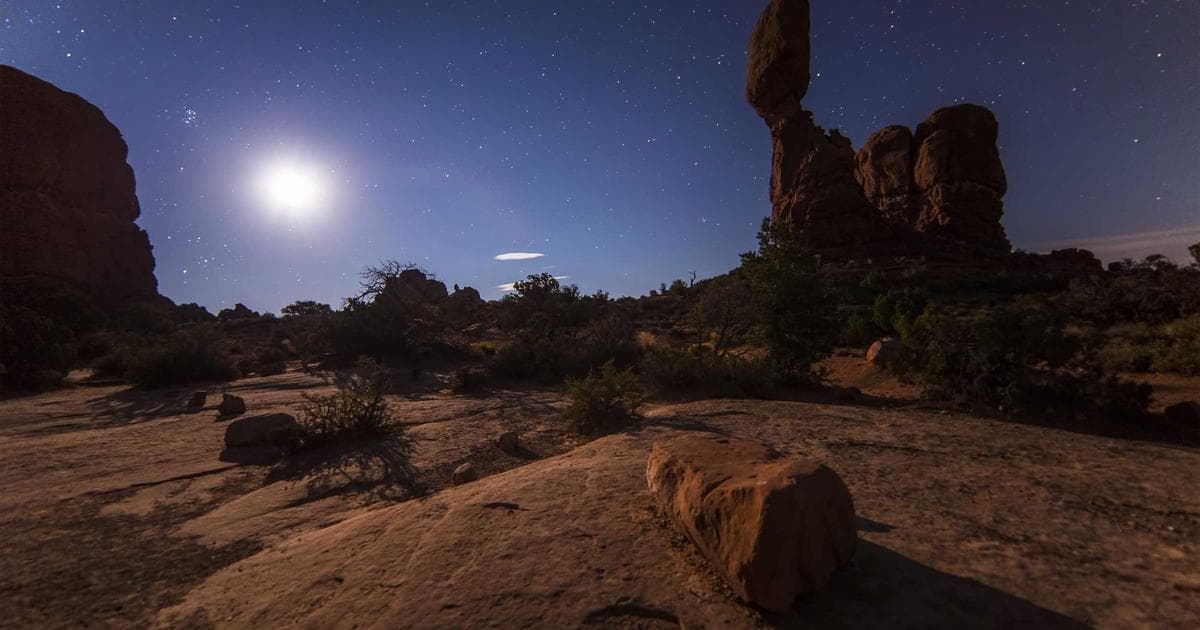
Torres del Paine Chile: Complete Patagonian Circuit Trekking Guide
Categories
Tags
Torres del Paine National Park in Chilean Patagonia offers two classic treks: the 4-5 day W Trek (70-80 km) and the 7-9 day O Circuit (120-130 km). The best window is November to March, the Patagonian summer, when weather is most stable. Both routes are rated challenging due to long days, rugged terrain, and winds that can exceed 100 km/h, and a full trip typically costs 2,500 to 5,000 dollars per person. Refugios should be booked 6 to 9 months ahead for peak season.
Torres del Paine Chile: The Complete Patagonian Circuit Trekking Guide
Waking before dawn at Refugio Grey, I lace up my boots and prepare for what's been called "the world's most beautiful trek." As the first light hits the Cuernos del Paine (Horns of Paine), I'm struck by their granite grandeur piercing the Patagonian sky. This isn't just a hike—it's a journey through one of Earth's most spectacular mountain landscapes, where jagged peaks, turquoise glacial lakes, and unpredictable Patagonian weather create an adventure that's both challenging and deeply rewarding. After 18 years trekking Torres del Paine, I'm still discovering new wonders around every bend in the trail.
Quick Facts at a Glance
- Location: Chilean Patagonia, Puerto Natales, Chile
- Park Size: 242,242 hectares (598,593 acres) - UNESCO Biosphere Reserve
- Granite Towers: Three main peaks (Torre Central 2,800m, Torre Sur 2,850m, Torre Norte 2,600m)
- Duration: 5-9 days recommended
- Difficulty: Challenging (Patagonian weather, rugged terrain, long days)
- Best Months: November-March (Patagonian summer, stable weather)
- Average Cost: $2,500-$5,000 per person
- Temperature: 0°C-15°C (32°F-59°F) during day, -5°C-5°C (23°F-41°F) at night
- Wind: Patagonia's notorious winds (can exceed 100 km/h!)
- Wildlife: Guanacos, ñandús, condors, foxes, pumas
Why Trek Torres del Paine?
Torres del Paine represents one of the world's most spectacular trekking destinations—a place where granite towers pierce the Patagonian sky, turquoise glacial lakes reflect dramatic light, and weather systems change dramatically in minutes. The W Trek and O Circuit offer world-class trekking through landscapes that feel like they were designed by nature itself for adventure.
What Makes Torres del Paine Extraordinary:
- Granite Towers: Some of the world's most dramatic mountain formations
- World-Class Trekking: W Trek and O Circuit rank among world's best trails
- UNESCO Biosphere Reserve: Protected wilderness of global significance
- Patagonian Weather: Dramatic, unpredictable, part of the adventure
- Glacial Lakes: Turquoise waters from Patagonian Ice Field
- Unique Wildlife: Guanacos, ñandús, Andean condors, pumas
- Cultural Heritage: Traditional Patagonian estancia life
- Photographer's Paradise: Endless composition opportunities
Understanding Torres del Paine's Trekking Options
The W Trek (W - Shorter Circuit)
- Why Choose: 4-5 days, classic circuit views without full commitment
- Best For: First-time trekkers, photographers, those with limited time
- Duration: 4-5 days
- Distance: 70-80 km (43-50 miles)
- Difficulty: Challenging but manageable
- Highlights: Torres del Paine viewpoints, French Valley, British Camp
- Crowd Level: Moderate to high
The O Circuit (O - Complete Circuit)
- Why Choose: 7-9 days, complete park experience, all major viewpoints
- Best For: Experienced trekkers, those wanting full Patagonian experience
- Duration: 7-9 days
- Distance: 120-130 km (75-81 miles)
- Difficulty: Challenging with long days
- Highlights: All W Trek viewpoints plus backside, John Gardner Pass
- Crowd Level: Lower than W Trek
The Q Trek (Q - Modified Circuit)
- Why Choose: 5-7 days, O Circuit variations for different itineraries
- Best For: Those wanting O Circuit experiences with shorter/longer days
- Duration: 5-7 days
- Distance: 100-110 km (62-68 miles)
- Difficulty: Similar to O Circuit
- Highlights: Complete circuit coverage with flexibility
- Crowd Level: Varies
Day Hikes and Extensions
- Why Choose: Day trips from Puerto Natales, supplement main treks
- Best For: Those staying in Puerto Natales, lighter trekking
- Options: Base Torres, French Valley, Grey Glacier
- Duration: 6-12 hours per day hike
- Difficulty: Moderate to challenging
- Highlights: Specific viewpoints without multi-day commitment
Perfect 9-Day O Circuit Itinerary
Day 1: Arrival & Park Orientation
Morning: Arrival in Puerto Natales
- Flight: Into Puerto Natales Airport (PNT) or Punta Arenas (PUQ)
- Transfer: 1-2 hours drive to Puerto Natales
- Check-in: Hotel or hostel in Puerto Natales
- Rest: Recover from travel, prepare gear
Afternoon: Torres del Paine Orientation
- Briefing: Park overview, weather patterns, trail conditions
- Equipment Check: Rent any missing gear
- Permits: Park entry permits purchase
- Food Shopping: Buy last supplies for trek
- Briefing Dinner: Plan next day's departure
Evening: Final Preparation
- Pack: Organize backpack for 9 days
- Rest: Early night for tomorrow's early start
- Anticipation: The great Patagonian adventure begins!
Stay: Puerto Natales hotel/hostel Highlight: Orientation and preparation for O Circuit
Day 2: Puerto Natales to Refugio Grey
Morning: Early Departure
- Time: 7:30 AM departure
- Transfer: Bus or private transport to park entrance
- Duration: 2 hours to park gate, then 2-3 hours to Refugio Grey
Mid-Morning: Arrival at Refugio Grey
- Check-in: Refugio Grey (private or shared dorms)
- Lunch: At refugio restaurant
- Orientation: Learn about refugio and surrounding area
Afternoon: Grey Glacier Exploration
- Hike: Short hike to Grey Glacier viewpoint (2-3 hours)
- Scenery: Massive Grey Glacier, ice calving
- Views: Across Grey Lake to glacier
- Wildlife: Possible guanacos, condors
Evening: First Night in Wilderness
- Dinner: Refugio meal (large portions, good quality)
- Evening Activity: Brief orientation for next day
- Sleep: Early night in refugio
- Temperature: First experience of Patagonian cold
Stay: Refugio Grey Highlight: First Patagonian wilderness experience
Day 3: Refugio Grey to Refugio Paine Grande via French Valley
Early Morning: Trek Begins
- Wake: 6:30 AM
- Breakfast: 7:00 AM
- Depart: 8:00 AM
- First Views: Looking back at Grey Glacier and lake
Morning: French Valley Trek
- Trail: Up French Valley (Valle del Francés)
- Distance: 11 km (7 miles) with 1,000m elevation gain
- Duration: 4-5 hours
- Scenery: Glaciers, waterfalls, Cuernos del Paine views
- Wildlife: Possible guanacos, condors
- Difficulty: Moderate climb with stunning views
Mid-Morning: Campamento Italiano
- Arrival: Italiano campsite (if O Circuit)
- Rest: Break and snacks
- Views: Looking back at French Valley
- Water: Fill up from streams
Afternoon: Continue to Refugio Paine Grande
- Trail: Continue through forested areas
- Distance: 6 km (4 miles)
- Duration: 3-4 hours
- Scenery: Changing landscapes, approaching Paine Grande
- Wildlife: Possible wildlife encounters
- First Views: Cuernos del Paine appearing
Late Afternoon: Arrival at Refugio Paine Grande
- Check-in: Refugio Paine Grande (famous refugio)
- Showers: Hot showers!
- Dinner: Refugio restaurant
- Evening: Rest in main dining hall
Stay: Refugio Paine Grande (shared dorm or private room) Highlight: End of first full trekking day with famous refugio experience
Day 4: Refugio Paine Grande to Refugio Dickson
Early Morning: Valley Trek
- Wake: 6:00 AM
- Breakfast: 6:30 AM
- Depart: 7:00 AM
- Views: Cuernos del Paine in morning light
Morning: Valle del Francés Extension
- Trail: Side trip into French Valley
- Distance: 8 km (5 miles) round trip
- Duration: 3-4 hours
- Scenery: Classic French Valley viewpoints
- Photography: Best angles of Cuernos del Paine
- Return: Back to refugio for lunch
Mid-Morning: Continue to Refugio Dickson
- Depart: 12:00 PM after French Valley extension
- Trail: Through forested areas to Dickson
- Distance: 10 km (6 miles)
- Duration: 4-5 hours
- Scenery: Changing landscapes, approaching backside
- Wildlife: Possible wildlife
- Weather: Patagonian weather may change dramatically
Late Afternoon: Arrival at Refugio Dickson
- Check-in: Refugio Dickson
- Facilities: Rustic but functional
- Dinner: Dickson meals (rustic character)
- Evening: First night on backside
- Temperature: Often colder than frontside
Stay: Refugio Dickson Highlight: French Valley viewpoints and backside wilderness
Day 5: Refugio Dickson to Refugio Los Cuernos via John Gardner Pass
Early Morning: The Big Climb Begins
- Wake: 5:00 AM (very early for long day!)
- Breakfast: 5:30 AM
- Depart: 6:00 AM
- Weather Check: Critical decision point for John Gardner Pass
- Gear: Prepare for possible snow, wind, cold
Morning: John Gardner Pass Climb
- Trail: Ascend toward John Gardner Pass
- Elevation: Pass at 1,240m
- Distance: 8 km (5 miles)
- Duration: 4-5 hours
- Difficulty: Challenging climb, potentially snowy
- Scenery: Dramatic views of both sides of park
- Weather: Can be very exposed and windy at pass
- Decision Point: Continue to Los Cuernos or descend to Refugio Dickson
Mid-Morning: Continue to Refugio Los Cuernos
- Trail: Descend from pass toward Los Cuernos
- Distance: 6 km (4 miles)
- Duration: 3-4 hours
- Scenery: Backside views of Cuernos del Paine
- Weather: Usually improving in afternoon
- Wildlife: Possible wildlife on descent
Late Afternoon: Arrival at Refugio Los Cuernos
- Check-in: Refugio Los Cuernos (remote refugio)
- Location: Spectacular location with Torres views
- Facilities: Basic but has incredible views
- Dinner: Refugio meals
- Evening: Watch Torres del Paine at sunset
- Temperature: Remote location, can be very cold
Stay: Refugio Los Cuernos Highlight: John Gardner Pass and first Torres del Paine views from refugio
Day 6: Refugio Los Cuernos to Refugio Las Torres
Morning: Backside Trek
- Wake: 6:30 AM (more relaxed morning)
- Breakfast: 7:00 AM
- Views: Sunrise on Torres del Paine from refugio
- Photography: Classic Torres sunrise opportunity
Morning: Trek to Ascento Paso
- Trail: Continue along backside trail
- Distance: 8 km (5 miles)
- Duration: 3-4 hours
- Scenery: Backside wilderness, changing views
- Wildlife: Possible wildlife
- Weather: Backside can have different weather patterns
Mid-Morning: Continue to Refugio Las Torres
- Trail: Final approach to Las Torres
- Distance: 7 km (4 miles)
- Duration: 3-4 hours
- Scenery: Approaching Torres del Paine from different angle
- Wildlife: Possible wildlife encounters
Late Afternoon: Arrival at Refugio Las Torres
- Check-in: Refugio Las Torres
- Location: Closest refugio to Torres del Paine base
- Facilities: Popular refugio with good facilities
- Dinner: Refugio restaurant
- Evening: Prepare for tomorrow's sunrise trek
- Excitement: Main event tomorrow!
Stay: Refugio Las Torres Highlight: Arrival at refugio closest to Torres towers
Day 7: Sunrise at Torres del Paine Base & Ascento to Refugio Grey
Early Morning: Sunrise Trek
- Wake: 4:00 AM (very early!)
- Depart: 4:30 AM
- Headlamp: Required for first hour
- Trail: Trek from Las Torres to base of towers
- Distance: 4 km (2.5 miles) one way
- Duration: 1.5 hours to base
- Condition: Rocky, steep final section
- Views: Classic sunrise on Torres del Paine
Morning: Torres Base Experience
- Arrival: At base of three towers
- Views: Spectacular up-close views
- Photography: Golden hour on granite
- Wildlife: Sometimes ñandús or foxes
- Weather: Can be very cold in morning
Mid-Morning: Return and Continue Trek
- Return: Hike back to Refugio Las Torres
- Rest: Short break and snack
- Depart: 10:00 AM toward Ascento
- Trail: Final day's trekking
- Distance: 14 km (9 miles)
- Duration: 5-6 hours
- Scenery: Back through French Valley, different perspective
- Wildlife: Possible wildlife
- Weather: Patagonian weather continues
Late Afternoon: Arrival at Refugio Grey
- Check-in: Refugio Grey again
- Facilities: Familiar location
- Showers: Final hot showers of circuit!
- Dinner: Celebration dinner
- Evening: Share stories from circuit
- Achievement: Completed O Circuit!
Stay: Refugio Grey Highlight: Sunrise at Torres del Paine base!
Day 8: Refugio Grey to Puerto Natales
Morning: Relaxed Morning
- Wake: 7:00 AM (sleep in!)
- Breakfast: 8:00 AM
- Views: Final look at Grey Glacier
- Rest: Recovery from long circuit
Mid-Morning: Transfer Begins
- Depart: 10:00 AM
- Transport: Bus or private transport
- Duration: 2 hours to park gate, 2-3 hours to Puerto Natales
- Scenery: Final views of Patagonian landscape
- Reflection: Review incredible 9-day journey
Afternoon: Arrival in Puerto Natales
- Check-in: Hotel or hostel
- Shower: Clean up after trek
- Lunch: Real food!
- Rest: Afternoon relaxation
- Celebration: Dinner in town, share experiences
Stay: Puerto Natales hotel/hostel Highlight: Completion of Torres del Paine O Circuit!
Day 9: Puerto Natales & Departure
Morning: Final Patagonian Experience
- Breakfast: Leisurely morning
- Activities: Options:
- Option 1: Visit Milodon Cave (ancient giant sloth fossils)
- Option 2: Puerto Natales town exploration
- Option 3: Additional day hike if time allows
- Option 4: Relaxation and recovery
Midday: Final Preparations
- Pack: Organize gear for departure
- Souvenirs: Last shopping if desired
- Lunch: Final Patagonian meal
Afternoon: Departure
- Transfer: To Puerto Natales Airport (PNT)
- Flight: Depart Patagonia
- Memories: Unforgettable Torres del Paine adventure complete!
- Achievement: Completed one of world's most beautiful treks!
Departure: International flights or continued travel Memories: Life-changing Patagonian wilderness experience!
Torres del Paine's Top Experiences
The Torres del Paine Towers
The Three Granite Towers
- Torre Central: 2,800m (9,186ft) - highest
- Torre Sur: 2,850m (9,350ft) - most distinctive
- Torre Norte: 2,600m (8,530ft) - often hidden
- Formation: Granite spikes sculpted by glaciers
- Views: Spectacular from multiple viewpoints
- Best Viewing: Sunrise from Refugio Las Torres or base
Climbing Torres del Paine
- Technical: Requires climbing equipment and skills
- Routes: Multiple technical routes
- Duration: Multi-day climb if attempting
- Success: Experienced mountaineers only
- Warning: Extreme weather, technical difficulty
French Valley (Valle del Francés)
The Classic Viewpoint
- Views: Classic Torres del Paine viewpoint
- Location: Halfway from Refugio Paine Grande
- Distance: 2-3 hours from refugio
- Best Time: Morning light or sunset
- Photography: Iconic Torres composition
- Crowds: Can be busy with photographers
Grey Glacier
Massive Glacial System
- Size: Part of Southern Patagonian Ice Field
- Activity: Ice calving into Grey Lake
- Views: Spectacular from Refugio Grey and viewpoints
- Boat Tours: Navigation among icebergs available
- Wildlife: Sometimes condors on icebergs
- Photography: Dramatic glacial landscapes
John Gardner Pass
The High Point
- Elevation: 1,240m (4,068ft)
- Views: Panoramic views of both sides of park
- Weather: Can be very exposed and windy
- Challenge: Highest point of O Circuit
- Photography: Spectacular backside views
- Weather Considerations: Critical decision point
Torres del Paine Weather & Seasonal Guide
Patagonian Weather Patterns
The Four Seasons in One Day
- Morning: Often calm, clear
- Midday: Wind picks up, weather changes
- Afternoon: Can be very windy, rain or snow
- Evening: Often calms down
- Variability: Weather changes quickly and dramatically
Wind
- Patagonian Winds: World-famous strength (can exceed 100 km/h)
- Direction: Primarily from west/northwest
- Impact: Can make trekking difficult, dangerous in exposed areas
- Safety: Be prepared for strong winds, know when to turn back
Temperature
- Day: 5°C-15°C (41°F-59°F) - highly variable
- Night: -5°C-5°C (23°F-41°F) - can be very cold
- Wind Chill: Can feel much colder due to wind
- Layering: Essential for comfort and safety
Seasonal Guide
Summer (November-March)
- Conditions: Generally stable, better weather windows
- Temperature: Milder temperatures, longer days
- Wind: Still windy but generally predictable
- Crowds: Peak season, book early
- Best For: Trekking, photography, stable weather
Shoulder Season (April-May, September-October)
- Conditions: More variable, occasional storms
- Temperature: Cooler temperatures, shorter days
- Wind: Can be very windy and stormy
- Crowds: Fewer trekkers
- Best For: Those seeking solitude, adventure in challenging conditions
Winter (June-August)
- Conditions: Least stable, frequent storms, heavy snow
- Temperature: Coldest conditions, very short days
- Wind: Storms with extreme winds
- Crowds: Fewest trekkers
- Best For: Hardcore adventurers seeking challenges
Essential Packing List for Torres del Paine
Clothing System
Base Layer
- Thermal tops: 3-4 (merino wool or synthetic)
- Thermal bottoms: 2-3 (merino wool or synthetic)
- Underwear: 7-10 pairs moisture-wicking
Mid Layer
- Fleece jacket: 1-2 (lightweight and midweight)
- Fleece pullover: 1
- Sweater: 1 (merino wool or synthetic)
- Vest: 1 (for core warmth)
Outer Layer
- Waterproof jacket: Essential (Gore-Tex or similar, must be windproof!)
- Waterproof pants: Essential (Gore-Tex or similar)
- Hard shell jacket: Optional, for wind protection
- Down jacket: For refugio nights and cold days
Extremities
- Warm hat: 1 (covering ears)
- Neck gaiter or buff: 1 (multiple uses)
- Gloves: 2 pairs (one thin, one thick, waterproof)
- Sun hat: 1 (for valley hiking days)
Footwear
Hiking Boots
- Waterproof: Essential for Patagonian conditions
- Good tread: Necessary for rocky/snowy terrain
- Broken in: Critical to prevent blisters
- Comfort: Long days require comfortable boots
- Recommendation: Leather or synthetic, good ankle support
Camp Footwear
- Sandals or flip-flops: 1 pair (for refugio wear)
- Crocs or similar: Popular choice
Socks
- Hiking socks: 5-7 pairs (merino wool)
- Liner socks: 3-4 pairs (reduce blister risk)
- Camp socks: 1-2 pairs (thicker, warmer)
Equipment
Backpack
- Capacity: 50-65L for O Circuit
- Fit: Properly adjusted to your body
- Rain cover: Essential
- Hip belt: Recommended for weight distribution
Trekking Poles
- Recommended: For stability and knee protection
- Adjustable: Important for varied terrain
- Tips: Use them consistently
Sleeping Bag
- Rating: -10°C to -5°C (14°F-23°F) minimum
- Weight: Consider weight vs. warmth
- Type: Mummy or semi-mummy recommended
Sleeping Pad
- Insulating: R-value 3.5+ recommended
- Comfort: Important for recovery
- Weight: Balance between insulation and weight
Headlamp or Flashlight
- Essential: For early morning departures and refugio navigation
- Extra batteries: Critical for multi-day trek
- Spare bulbs: Just in case
Clothing & Personal Items
Rain Protection
- Rain pants: Essential for Patagonian weather
- Rain jacket: Already listed above but cannot overstate importance
- Pack rain cover: Keep backpack contents dry
- Gaiters: Optional but recommended
Sun Protection
- Sunscreen: High SPF, despite cool temperatures
- Sunglasses: Polarized recommended
- Hat: For valley hiking days
- Lip balm: With SPF
Personal Items
- Water bottles: 2-3 liters capacity
- Water purification: Not needed, water available at refugios
- Toilet paper: Bring your own supply
- Hand sanitizer: Essential
- Wet wipes: Limited washing facilities
- Personal medications: Adequate supply
- First aid kit: Comprehensive
Photography Equipment
Camera
- Body: DSLR or mirrorless preferred
- Weather sealing: Essential for Patagonian conditions
- Backup: Recommended if possible
Lenses
- Wide-angle: 16-35mm (landscapes, towers)
- Standard zoom: 24-70mm or 28-135mm (versatile)
- Telephoto: Optional but recommended (wildlife, details)
- Prime: Optional (portraits)
Accessories
- Extra batteries: 3-4 (cold drains them)
- Memory cards: 2-3 (64GB+ each)
- Lens cleaning kit: Dust everywhere
- Tripod: Optional but recommended for stability
- Rain cover: Essential for camera protection
Choosing Your Torres del Paine Experience
Trekking Options
Self-Guided Trekking
- Advantages: Maximum flexibility, lower cost
- Considerations: Navigation challenging, weather decisions critical
- Best For: Experienced trekkers, those with limited budget
Guided Group Trek
- Advantages: Expert guidance, logistics arranged, safety
- Considerations: Less flexibility, higher cost
- Best For: First-time trekkers, those wanting support
Private Guide
- Advantages: Personal attention, maximum flexibility
- Considerations: Most expensive option
- Best For: Luxury experience, specific goals
Itinerary Options
Short Treks (4-5 days)
- W Trek: Classic highlights, manageable commitment
- Day Hikes: From Puerto Natales
- Best For: Limited time, first-time Patagonia
Full O Circuit (7-9 days)
- Complete Experience: All major viewpoints
- Best For: Experienced trekkers wanting full Patagonian experience
- Commitment: 9 days of wilderness trekking
Custom Itineraries
- Flexibility: Design your own route
- Best For: Specific goals, photographers, experienced trekkers
- Considerations: Requires planning, knowledge of park
Torres del Paine Conservation
UNESCO Biosphere Reserve Status
Protection
- Designation: UNESCO Biosphere Reserve since 1978
- National Park: Torres del Paine National Park established 1959
- Conservation: International recognition and protection
Challenges
- Tourism Pressure: Increasing visitation
- Climate Change: Glacial retreat, changing weather patterns
- Human Impact: Historic sheep estancia impact
- Wildlife Conflicts: Pumas and livestock
Successes
- Ecosystem Recovery: Sheep estancias removed, ecosystems recovering
- Glacier Monitoring: Scientific study of glacial changes
- Sustainable Tourism: Growing eco-friendly practices
- Wildlife Protection: Puma populations stable
Responsible Trekking Practices
Trail Ethics
- Stay on marked trails: Protect fragile vegetation
- No littering: Pack out everything
- Respect wildlife: Maintain safe distances
- Minimize impact: Leave no trace
Refugio Practices
- Follow refugio rules: Respect guidelines
- Conserve resources: Water, electricity limited
- Respect other trekkers: Quiet refugios at night
- Support conservation: Park fees support protection
Photography Tips for Torres del Paine
Best Times for Photography
Sunrise
- Location: Base of Torres del Paine (from Las Torres)
- Time: 1 hour before sunrise
- Conditions: Often calm, good light
- Subjects: Towers in golden light
- Tip: Arrive early for best spot
Sunset
- Location: French Valley viewpoint
- Time: Sunset time
- Conditions: Often changing light
- Subjects: Cuernos del Paine alpenglow
- Tip: Wait for dramatic cloud formations
Blue Hour
- Location: Various viewpoints
- Time: 20-30 minutes after sunset
- Conditions: Soft light, dramatic skies
- Subjects: Towers in evening light
- Tip: Use tripod for stability
Camera Settings
Landscapes
Mode: Aperture Priority
Aperture: f/8-f/16 for depth of field
Shutter speed: Tripod or fast enough to handhold
ISO: 100-400 for best quality
Focus: Manual focus for precision
Torres in Light
Mode: Shutter Priority
Shutter speed: 1/250+ for sharp images
Aperture: f/8-f/11 for depth of field
ISO: Auto, keep low
Focus: Single-point autofocus
In Bad Weather
Mode: Shutter Priority
Shutter speed: 1/500+ to freeze movement
Aperture: f/5.6-f/8 for depth
ISO: Higher as needed
Focus: Continuous autofocus
Best Locations
Base of Torres del Paine
- Classic shot: Torres reflecting in lake
- Best time: Sunrise
- Access: From Las Torres refugio (day hike required)
French Valley
- Classic viewpoint: Iconic Torres composition
- Best time: Sunrise or sunset
- Access: Halfway from Paine Grande
Grey Glacier Viewpoint
- Glacial beauty: Massive glacier and lake
- Best time: Morning light
- Access: From Refugio Grey
John Gardner Pass
- Panoramic views: Both sides of park
- Best time: Midday or late afternoon
- Access: Via O Circuit
Budget Breakdown: Torres del Paine Adventure
9-Day O Circuit ($3,000-$5,500)
Included
- Park entrance fee: Approximately $35-40 USD
- Refugio accommodation: 8 nights (mixed private and dorms)
- Meals: Most meals at refugios
- Transport: Bus transfers to/from park
- Guide: Optional (if guided trek)
Not Included
- International flights: $800-$1,500
- Domestic flights: $150-$300
- Travel insurance: $100-$200
- Tips: $150-$300
- Personal expenses: $200-$500
- Equipment rental: $100-$200 (if needed)
- Extra food/snacks: $100-$200
- Activities: Optional excursions
Total: $3,600-$6,000+
Cost-Saving Tips
- Travel shoulder season: April-May, September-October
- Refugio choice: Mix dorms and private rooms
- Food: Bring some of your own snacks
- Transport: Use public buses instead of private transfer
- Group travel: Share costs with other trekkers
- Self-guided: Save on guide costs (requires experience)
Health & Safety Considerations
Pre-Trek Preparation
Fitness Level
- Cardiovascular: Essential for long trekking days
- Endurance: Prepare for 10+ hour days
- Strength: Pack weight (15-20kg) requires fitness
- Training: Start 2-3 months before trek
Medical Considerations
- Check-up: Visit doctor before departure
- Medications: Adequate supply + extras
- Vaccinations: Routine vaccinations up to date
- Insurance: Medical evacuation insurance recommended
During Trek
Weather Safety
- Patagonian winds: Respect the strength
- Storms: Know when to turn back
- Exposure: High passes can be dangerous
- Decision making: Be conservative with weather decisions
- Group safety: Stay together in bad weather
Trail Safety
- Marked trails: Stay on established trails
- River crossings: Use bridges where available
- Scrambling sections: Careful on slippery rocks
- Snow conditions: Use microspikes if snow present
- Injury prevention: Trekking poles help stability
Wildlife Safety
- Pumas: Rare but present, maintain distance
- Guanacos: Generally avoid humans
- Foxes: Generally bold but not dangerous
- No feeding: Never feed wildlife
- Distance: Maintain safe distances
Final Thoughts & Planning Tips
Why Torres del Paine is Worth Every Effort
Torres del Paine offers one of the world's most spectacular trekking experiences—a place where granite towers pierce the sky, turquoise glacial lakes reflect dramatic light, and weather systems create an adventure that's both challenging and deeply rewarding. The combination of world-class trails, dramatic landscapes, and unique Patagonian wilderness creates an experience that's both physically demanding and spiritually inspiring.
The trek's ability to challenge and reward in equal measure—from grueling passes to stunning viewpoints—makes Torres del Paine special among world trekking destinations.
Best Planning Tips
- Book early: Refugios fill 6-9 months ahead for peak season
- Pack for all seasons: Patagonian weather is unpredictable
- Prepare physically: Long days require good fitness
- Respect the weather: Be conservative with weather decisions
- Stay flexible: Patagonian weather dictates everything
- Choose your experience wisely: Guided vs. self-guided based on experience
- Practice photography: Prepare equipment beforehand
- Bring right gear: Quality rain protection is essential
When to Book
- Peak Season (December-February): Book 6-9 months ahead
- Shoulder Season (March, October-November): Book 4-6 months ahead
- Low Season (April-May, September): Book 2-4 months ahead
- Refugios: Book 6-12 months ahead for popular ones (Paine Grande, Las Torres)
Making the Most of Your Experience
- Embrace the weather: Patagonian weather is part of the adventure
- Stay flexible: Be ready to change plans based on conditions
- Take your time: Don't rush through incredible landscapes
- Connect with nature: Torres del Paine is a special place
- Practice photography: Capture the incredible scenery
- Share the experience: Inspire others to protect Patagonia
- Leave no trace: Respect this incredible wilderness
Conclusion
Torres del Paine represents one of the world's most spectacular trekking destinations—a place where granite towers pierce the Patagonian sky, turquoise glacial lakes reflect dramatic light, and unpredictable weather creates an adventure that's both challenging and deeply rewarding. The combination of world-class trails, dramatic landscapes, and unique wilderness environment creates an experience that's both physically demanding and spiritually inspiring.
The park's UNESCO Biosphere Reserve status and conservation success demonstrate how protected areas can preserve wilderness while providing transformative experiences for visitors. By trekking Torres del Paine responsibly, you help ensure this incredible landscape remains pristine for future generations.
Whether you're an experienced trekker looking for a new challenge, a photographer chasing perfect light, or someone seeking one of the world's most beautiful mountain landscapes, Torres del Paine will exceed your expectations and create memories that last a lifetime.
Ready to experience the world's most beautiful trek? Explore our Torres del Paine trekking packages or contact us for personalized advice from our Patagonia trekking specialists.
About the Author: Dr. Mateo Valdés is a Patagonian mountaineer and trekking guide with 18 years exploring Torres del Paine and Patagonia's wilderness. He's a senior advisor to the Chilean National Parks Authority and director of the Patagonia Conservation Foundation. Follow his Patagonia adventures on Instagram @mateo_valdes_patagonia.
Frequently Asked Questions
The W Trek takes 4 to 5 days and covers 70 to 80 km, hitting the main viewpoints including the Torres base, French Valley, and Grey Glacier. The full O Circuit takes 7 to 9 days over 120 to 130 km and adds the quieter backside of the park plus John Gardner Pass. Day hikes of 6 to 12 hours from Puerto Natales are also possible for those short on time.
November to March, the Patagonian summer, offers the most stable weather, milder temperatures, and longer days, though it is peak season and refugios must be booked early. The shoulder months of April-May and September-October bring fewer trekkers but more variable, stormy conditions. Winter, from June to August, has frequent storms, heavy snow, and very short days, and suits only hardcore adventurers.
The O Circuit is challenging, with long trekking days, a 15-20 kg pack, and the exposed John Gardner Pass at 1,240 m as its highest point. Patagonian weather is the biggest factor: winds can exceed 100 km/h and conditions change within minutes, so conservative turnaround decisions are essential. Trekkers are advised to start fitness training 2 to 3 months before the trip.
A 9-day O Circuit package typically runs 3,000 to 5,500 dollars, covering refugio accommodation, most meals, park transfers, and the park entrance fee of roughly 35 to 40 dollars. International flights, travel insurance, tips, gear rental, and personal expenses push the total to about 3,600 to 6,000 dollars or more. Trekking self-guided, mixing dorms with private rooms, and traveling in shoulder season all reduce costs.
Yes. Refugios fill 6 to 9 months ahead for the December to February peak season, and the most popular ones such as Paine Grande and Las Torres can require booking 6 to 12 months out. For shoulder season, book 4 to 6 months ahead, and for low season 2 to 4 months ahead.
The park is home to guanacos, ñandús, Andean condors, and foxes, with pumas present but rarely seen. Condors are sometimes spotted near Grey Glacier and along the trails, and ñandús or foxes occasionally appear near the Torres base. Visitors should keep a safe distance and never feed wildlife.
Adventure Knit Editorial
Destination research compiled and fact-checked by the Adventure Knit editorial team from published sources, operator itineraries, and official tourism boards. Spot something out of date? Tell us at hello@adventureknit.com.
Related Stories
 Argentina & Chile
Patagonia: Complete Argentina & Chile Trekking Guide
Ultimate Patagonia guide covering Torres del Paine, Perito Moreno Glacier, El Chalten, Fitz Roy hiking, and epic wilderness adventures at the end of the world.
 Uganda
Rwenzori Mountains Uganda: Mountains of the Moon Complete Guide
Expert guide to Rwenzori Mountains Uganda. Mount Stanley, glaciers, Afro-alpine vegetation, trekking to Margherita Peak, and Africa's third highest mountain adventure.
 Chile
ChileAtacama Desert Starlight Adventure: The Ultimate Stargazing Experience
Expert guide to Atacama Desert Starlight Adventure. Best stargazing in the world, astronomical observatories, salt flats, geysers, and high-altitude desert adventure in Chile's Atacama Desert.
Enjoyed this article?
Explore more stories from our adventures around the world