
Tokyo Japan: Complete Modern Metropolis & Ancient Temples Guide
Categories
Tags
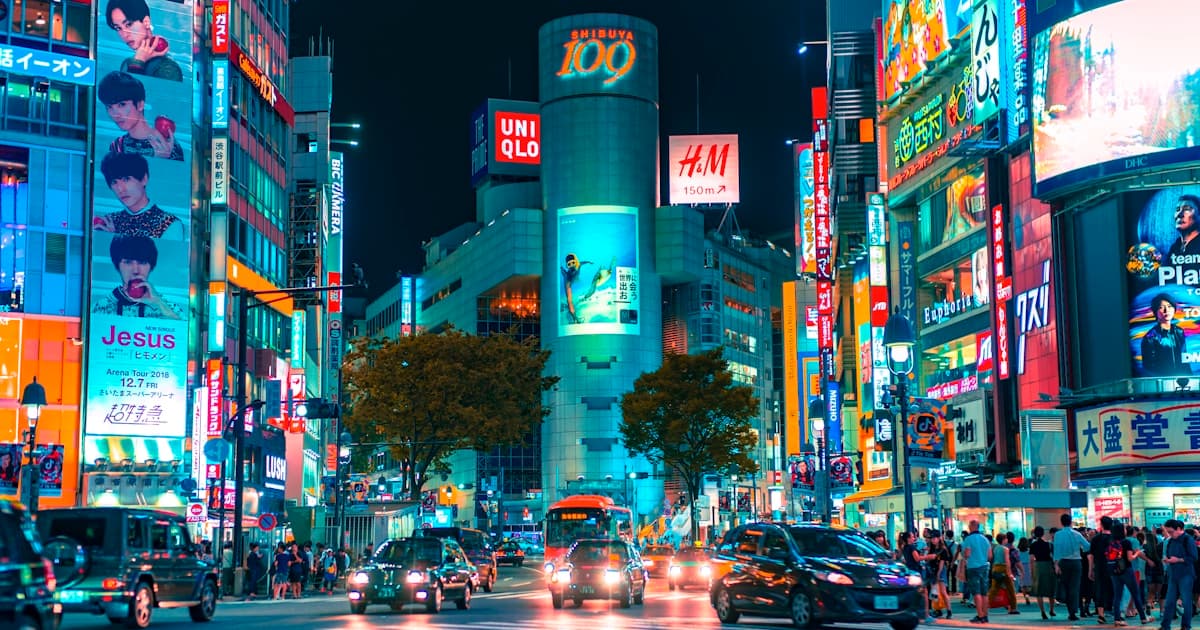
Tokyo, the world's largest metropolitan area, pairs ancient temples like Senso-ji with modern districts such as Shibuya and Akihabara. The best times to visit are late March to early April for cherry blossoms or October-November for fall foliage, and at least five days are recommended to cover the main neighborhoods plus one day trip. The train network is the primary way to get around, and a mid-range sightseeing day runs roughly 9,000 to 13,500 yen excluding accommodation, with budget days possible for far less.
Tokyo Japan: Complete Modern Metropolis & Ancient Temples Guide
Tokyo is controlled chaos perfected – a city where bullet trains run to the second, where 3-Michelin-star ramen shops share streets with centuries-old temples, and where technology and tradition don't just coexist but enhance each other. After 18 years guiding visitors through this magnificent megacity, I still discover new facets of Tokyo weekly.
This isn't just another Asian capital. Tokyo is the world's largest metropolitan area (38+ million people), yet runs with clockwork precision. It's where you can witness sunrise at a fish market, cross the world's busiest intersection, eat transcendent sushi for breakfast, explore ancient shrines, experience capsule hotels and robot restaurants, then soak in traditional onsen – all before dinner.
Whether you're here for cherry blossoms, food pilgrimage, modern pop culture, traditional temples, or simply to experience humanity's most efficiently organized megacity, Tokyo delivers an experience that rewires your understanding of what cities can be.
Why Visit Tokyo?
What Makes Tokyo Special
The Contrast Culture Tokyo masters contradictions: ultra-modern Shibuya vs ancient Senso-ji, Michelin kaiseki vs ¥900 standing ramen, neon-lit chaos vs peaceful temple gardens. This juxtaposition isn't accidental – it's Tokyo's essence.
Culinary Capital of the World Tokyo has more Michelin stars than Paris, London, and New York combined. But the magic isn't just haute cuisine – it's the ¥1,200 ramen that takes 40 years to perfect, the conveyor belt sushi where chefs train for decades, the izakaya culture where salarymen bond over grilled yakitori.
Precision & Efficiency Trains arrive within 18 seconds of schedule. Taxi doors open automatically. Vending machines are on every corner. Lost wallets get returned with cash intact. Tokyo doesn't just work – it works flawlessly.
Safe Beyond Belief Tokyo is one of the world's safest megacities. Six-year-olds ride trains alone. People leave laptops unattended at Starbucks. Violent crime is virtually non-existent. You can walk anywhere, anytime, safely.
Cherry Blossom Season Late March to early April transforms Tokyo into pink paradise. Hanami (cherry blossom viewing) parties fill parks, petals drift like snow, and the entire city celebrates ephemeral beauty.
Pop Culture Paradise Anime, manga, gaming, fashion, kawaii culture – Tokyo is the global epicenter. Akihabara for electronics and anime, Harajuku for fashion, teamLab for digital art, Robot Restaurant for... well, you'll see.
Best Time to Visit Tokyo
Spring: Cherry Blossom Season (Late March - Early April) ★★★★★
- Pros: Cherry blossoms peak (usually March 25-April 5), pleasant 15-18°C weather, hanami parties, magical atmosphere
- Cons: Most expensive season, extremely crowded, book 6+ months ahead
- Yuki's Take: "The single most beautiful time in Tokyo – but expect crowds at every famous spot"
Spring: Late April - May ★★★★★
- Pros: Perfect 18-23°C weather, Golden Week holidays (avoid April 29-May 5), wisteria blooming, fewer tourists than cherry blossom peak
- Cons: Golden Week (April 29-May 5) = domestic crowds + higher prices
- Yuki's Take: "My favorite time – post-cherry blossoms, perfect weather, manageable crowds"
Summer: June - August ★★☆☆☆
- Pros: Summer festivals, fireworks displays, long days, hydrangea season (June)
- Cons: Hot & extremely humid (30-35°C + 70% humidity), rainy season (June-July), typhoon risk (Aug-Sep)
- Yuki's Take: "Brutal humidity – only come if attending specific festivals. Stay hydrated constantly."
Autumn: September - November ★★★★★
- Pros: Fall foliage (Nov), comfortable 15-22°C, clear skies, harvest foods, fewer tourists than spring
- Cons: Typhoon risk (September), can be rainy
- Yuki's Take: "Rivals cherry blossom season – spectacular fall colors, perfect weather, better availability"
Winter: December - February ★★★★☆
- Pros: Lowest prices, few tourists, clear skies (see Mt. Fuji!), winter illuminations, hot pot season
- Cons: Cold 5-10°C (colder than you think – buildings aren't insulated), short days
- Yuki's Take: "Underrated season – clear views, no crowds, amazing winter comfort food"
Yuki's Overall Recommendation: Late March-early April (cherry blossoms) OR October-November (fall foliage) for first-timers. Late April-May for best balance of weather/crowds/value.
Getting There & Around Tokyo
Getting to Tokyo
Narita International Airport (NRT)
- Main international hub, 60km east of Tokyo
- Narita Express (N'EX): ¥3,070, 60min to Tokyo/Shinjuku, most comfortable
- Keisei Skyliner: ¥2,520, 41min to Ueno, fastest
- Airport Limousine Bus: ¥3,200, 90-120min, goes to major hotels
- Budget Option: Keisei Access Express ¥1,270, 70min (slower but much cheaper)
- Yuki's Tip: "Buy N'EX return ticket at airport (¥4,070 return) – saves ¥2,000 vs two singles"
Haneda Airport (HND)
- Closer to city (14km), domestic + international
- Keikyu Line: ¥410-500, 15-30min to central Tokyo
- Tokyo Monorail: ¥500, 20min to Hamamatsucho
- Airport Limousine Bus: ¥1,230, 30-60min
- Yuki's Take: "Haneda is WAY more convenient if your flight lands here – half the distance and time"
Getting Around Tokyo
By Train/Metro (PRIMARY METHOD) ★★★★★ Tokyo's train network is legendary – 13 metro lines + JR lines create 900+ stations serving 40+ million rides daily.
Key Lines for Tourists:
- JR Yamanote Line: Circle line connecting major hubs (Shinjuku, Shibuya, Tokyo Station, Ueno)
- JR Chuo Line: Fast cross-city line
- Tokyo Metro: 9 color-coded lines crisscrossing city
- Toei Subway: 4 additional lines
Tickets & Passes:
- IC Card (Suica/Pasmo): ¥2,000 (¥500 deposit + ¥1,500 credit) – tap in/out, works everywhere
- 72-Hour Tokyo Metro Pass: ¥1,500 (unlimited Tokyo Metro/Toei lines, tourists only)
- JR Pass: Only worthwhile if doing multi-city Japan trip (Tokyo-Kyoto, etc.)
- Yuki's Recommendation: "Just get Suica card – works on trains, buses, convenience stores, vending machines"
Navigating the Trains:
- Google Maps: Perfect for Tokyo trains (tells you platform, exit numbers, costs)
- Hyperdia app: Train times
- Signs: All in English + Japanese
- Yuki's Tips:
- Note the EXIT NUMBER in Google Maps – major stations have 20+ exits!
- Avoid rush hour (7:30-9:30, 17:30-19:30) – you'll be packed like sardines
- Stand on left on escalators (let people pass on right)
- Silent mode on trains (no phone calls, quiet conversations only)
By Taxi ★★★☆☆
- Cost: ¥500 base + ¥100/280m (expensive!)
- Pros: Doors open automatically, impeccably clean, drivers are professional
- Cons: Very expensive, traffic can be bad, many drivers don't speak English
- Apps: JapanTaxi, Uber (limited)
- Yuki's Take: "Use taxis late night when trains stop (after midnight) or for convenience with luggage"
By Foot ★★★★☆
- Many neighborhoods are walkable
- Shibuya → Harajuku: 20min walk
- Shinjuku → Yoyogi Park: 15min walk
- Watch: For bikes on sidewalks, complex intersections
- Yuki's Tip: "Walking between neighborhoods reveals hidden gems Google Maps misses"
By Bike ★★★☆☆
- Rental: ¥1,000-2,000/day
- Best areas: Taito ward (Asakusa, Ueno), riverside cycling paths
- Challenges: No bike lanes on most roads, riding on sidewalks is technically illegal but common
- Yuki's Take: "Fun for specific neighborhoods but trains are easier for most tourist routes"
Perfect Tokyo 5-Day Itinerary
Day 1: Traditional Tokyo – Asakusa, Ueno & Akihabara
Early Morning: Tsukiji Outer Market (6:00-9:00)
- Getting There: Metro to Tsukiji Station (6:00 arrival)
- Why so early: Best sushi for breakfast before crowds, market atmosphere
- Must-do:
- Sushi breakfast: Sushi Dai or Daiwa Sushi (¥3,000-4,000, 1-2hr queue BUT worth it)
- Alternative: Dozens of sushi shops, no queue, still excellent (¥1,500-2,500)
- Street food: Grilled scallops (¥500), tamago (egg), fresh seafood
- Time: 2-3 hours including breakfast
- Yuki's Insider Tip: "Arrive at 5:45 for Sushi Dai – they give numbered tickets, then you can explore market while waiting"
Morning: Senso-ji Temple, Asakusa (9:30-12:30)
- Getting There: 15min walk from Tsukiji OR Metro to Asakusa
- The Experience:
- Kaminarimon Gate: Iconic giant red lantern (photo op)
- Nakamise Shopping Street: 200m of traditional shops (snacks, souvenirs)
- Senso-ji Temple: Tokyo's oldest temple (628 AD), free entry
- Omikuji fortune: ¥100 (if you get bad fortune, tie it here to leave bad luck behind)
- Five-Story Pagoda: Beautiful architecture
- Street Food: Ningyo-yaki (small cakes, ¥100), Melon pan, Senbei (rice crackers)
- Photo Spots: Kaminarimon at dawn (7:00) has no crowds
- Time: 2-3 hours
Lunch: Asakusa (12:30-13:30)
- Asakusa Imahan: Sukiyaki/shabu-shabu (¥3,000-5,000)
- Sometaro: Okonomiyaki (savory pancake, ¥1,200-1,800)
- Yuki's Budget Pick: Nakamise street food tour (¥1,500 total)
Afternoon: Ueno Park & Museums (14:00-17:00)
- Getting There: 3min train Asakusa → Ueno
- Choose Your Adventure:
- Tokyo National Museum: Japan's oldest & largest museum (¥1,000, 2+ hours)
- Ueno Park: Stroll park, visit Toshogu Shrine (¥500)
- Ameya-Yokocho Market: Chaotic outdoor market (free, 30min)
- Cherry Blossom Note: Ueno Park is TOP hanami spot (late March-early April)
Evening: Akihabara Electric Town (17:30-21:00)
- Getting There: 2min train Ueno → Akihabara
- The Experience:
- Electronics: Multi-story electronics megastores (Yodobashi Camera)
- Anime/Manga: Shops selling figures, manga, anime goods
- Maid Cafés: Unique Tokyo experience (¥1,500-3,000)
- Arcades: Multi-floor game centers
- Gachapon: Capsule toy vending machines everywhere
- Dinner:
- Katsukura: Tonkatsu (breaded pork, ¥1,400-2,000)
- Ramen Street: Multiple ramen shops
- Yuki's Take: "Even if you're not into anime/gaming, Akihabara's energy is fascinating"
Day 1 Budget:
- Tsukiji sushi breakfast: ¥3,500
- Senso-ji (free) + snacks: ¥1,000
- Lunch: ¥2,000
- Museum: ¥1,000
- Dinner: ¥1,800
- Transport: ¥800
- Total: ~¥10,100 ($70 USD)
Day 2: Modern Tokyo – Shibuya, Harajuku & Shinjuku
Morning: Meiji Shrine & Yoyogi Park (8:00-10:30)
- Getting There: JR Yamanote to Harajuku Station
- Why early: Meiji Shrine is magical before crowds (opens 6:00)
- The Experience:
- Meiji Shrine: Tokyo's most important Shinto shrine, forested grounds
- Torii Gate: Massive wooden gate entrance
- If lucky: Witness traditional Shinto wedding ceremony
- Yoyogi Park: Tokyo's Central Park, locals picnicking/performing
- Cost: Free
- Time: 1.5-2 hours
- Yuki's Tip: "Sunday mornings in Yoyogi Park = street performers, bands, dancers"
Late Morning: Harajuku – Fashion & Youth Culture (10:30-13:00)
- Takeshita Street: Narrow pedestrian street packed with trendy shops
- Crepe stands (¥500-800)
- Purikura photo booths
- Kawaii (cute) culture overload
- Cat Street: Parallel street with boutiques (more mature fashion)
- Omotesando: Tokyo's Champs-Élysées (high-end shopping, architecture)
- Photo: Rainbow cotton candy, kawaii fashion
Lunch: Harajuku/Omotesando (13:00-14:00)
- Afuri Ramen: Yuzu-citrus ramen (¥1,100-1,400)
- Omotesando Koffee: Specialty coffee in tiny house (¥800)
- Maisen: Tonkatsu in traditional house (¥1,500-2,200)
Afternoon: Shibuya (14:30-18:00)
- Getting There: 3min train Harajuku → Shibuya
- Shibuya Crossing: World's busiest intersection (2,500+ people per light!)
- Best view: Starbucks 2nd floor overlooking crossing (get there early for window seats)
- Best experience: Cross it yourself during evening rush (17:00-19:00)
- Shibuya Sky: New observation deck (¥2,200, 360° views, rooftop open-air terrace)
- Hachiko Statue: Loyal dog memorial (meeting point)
- Shibuya Center Gai: Pedestrian street with restaurants, arcades, shopping
- Time: 2-3 hours
Evening: Shinjuku – Neon Chaos (18:30-23:00)
- Getting There: 6min train Shibuya → Shinjuku
- Tokyo Metropolitan Government Building: FREE observatory (until 23:00), spectacular night views
- Omoide Yokocho (Memory Lane): Tiny alley with yakitori stalls
- Dinner here: Yakitori & beer (¥2,500-3,500)
- Atmospheric, smoky, local vibe
- Kabukicho: Japan's largest red-light district
- Godzilla Head: On Toho Cinema building
- Robot Restaurant: ¥8,000, bizarre show (love it or hate it)
- Golden Gai: 200+ tiny bars (most charge cover, some are foreigner-friendly)
- Yuki's Night Plan: "Dinner at Omoide Yokocho, Government Building observatory, walk through Kabukicho (just to see it), find a small izakaya for drinks"
Day 2 Budget:
- Meiji Shrine: Free
- Lunch: ¥1,200
- Shibuya Sky: ¥2,200
- Dinner: ¥3,000
- Drinks: ¥2,000
- Transport: ¥600
- Total: ~¥9,000 ($62 USD)
Day 3: Day Trip – Mount Fuji or Kamakura
Option A: Mount Fuji & Hakone (Full Day)
Best for: Views, nature, hot springs
Getting There: Odakyu Romance Car from Shinjuku (¥2,400, 90min to Hakone-Yumoto)
The Route:
- Hakone-Yumoto (9:30-11:00): Onsen town, breakfast
- Lake Ashi Cruise (11:30-12:30): Pirate ship cruise, Mt. Fuji views (¥1,200)
- Hakone Shrine (12:30-13:30): Red torii gate in lake (iconic photo)
- Lunch (13:30-14:30): Soba or kaiseki
- Owakudani Valley (15:00-16:30): Active volcanic valley, black eggs (¥800)
- Return: Romance Car back to Shinjuku (arrive 19:30)
Weather Dependency: Mt. Fuji hides behind clouds 60% of days – winter is clearest (Dec-Feb)
Cost: Transport ¥4,800 + activities ¥3,000 + food ¥3,000 = ¥10,800 total
Yuki's Tip: "Buy Hakone Freepass (¥6,100) – includes all transport + discounts"
Option B: Kamakura – Historic Beach Town (Full Day)
Best for: Temples, beach, less touristy feel
Getting There: JR Yokosuka Line from Tokyo Station (¥940, 55min)
The Itinerary:
- Hase-dera Temple (9:30-11:00): Hill temple with ocean views, hydrangeas (June)
- Great Buddha (Daibutsu) (11:00-12:00): 13m bronze Buddha from 1252 (¥300, can enter inside for ¥50 extra)
- Lunch at Komachi Street (12:00-13:00): Shopping street
- Shirasu-don: Whitebait rice bowl (local specialty, ¥1,200)
- Tsurugaoka Hachimangu Shrine (13:30-14:30): Main shrine, beautiful grounds
- Komachi-dori Shopping (14:30-16:00): Souvenirs, snacks
- Yuigahama Beach (16:00-17:30): Relax at beach (summer swim, winter walk)
- Return to Tokyo: Evening train
Cost: Transport ¥1,880 + temples ¥600 + food ¥2,500 = ¥5,000 total
Yuki's Take: "Kamakura is more relaxed than Nikko, perfect if you want temples but also beach vibes"
Option C: Stay in Tokyo – Explore More Neighborhoods
If day trips don't appeal, explore:
- Odaiba: Futuristic island, teamLab Borderless (¥3,800), life-size Gundam
- Roppongi: Art Triangle (Mori Art Museum ¥2,000, Tokyo Tower nearby)
- Yanaka: Old Tokyo neighborhood, cemetery, temples, traditional feels
Day 4: Tokyo Deep Dive – Markets, Gardens & Nightlife
Morning: Toyosu Fish Market Tuna Auction (5:00-8:00)
- Registration: Online lottery 1 month before (120 spots/day)
- Auction time: 5:30-6:15 (arrive 5:00 for registration)
- Alternative if no auction slot: Observation deck (no reservation, opens 5:00)
- After auction: Breakfast sushi at market restaurants (¥3,000-4,000)
- Yuki's Take: "This is hardcore tourist activity – only do if you're serious about sushi culture"
Alternative Relaxed Morning: Tsukiji Outer Market (8:00-10:00)
- More casual, no lottery needed
- Great sushi breakfast without 5:00 wake-up call
Late Morning: Imperial Palace East Gardens (10:30-12:30)
- Getting There: Metro to Tokyo Station
- The Experience:
- Free admission (closed Mon/Fri)
- Former Edo Castle grounds
- Beautiful traditional gardens
- Contrast: Skyscrapers surrounding historic gardens
- Photo: Nijubashi Bridge (the famous two-arch bridge)
- Time: 1.5-2 hours
- Yuki's Tip: "Cherry blossom season here is spectacular and less crowded than Ueno"
Lunch: Tokyo Station Area (12:30-13:30)
- Ramen Street: 8 famous ramen shops in Tokyo Station (¥900-1,200)
- Yuki's Pick: Rokurinsha – tsukemen (dipping ramen, queue 30-45min but worth it)
Afternoon: Teamlab Borderless OR Ginza (14:00-17:30)
Option 1: TeamLab Borderless (Azabudai Hills)
- Digital art museum (¥3,800)
- Interactive installations, Instagram heaven
- Pre-book: Sells out 2+ weeks ahead
- 2-3 hours
- Yuki's Take: "Mind-blowing digital art experience – unlike anywhere else in world"
Option 2: Ginza Shopping & Culture
- Ginza Six: High-end shopping mall, rooftop garden
- Itoya: 12-floor stationery store (paradise for stationery nerds)
- Tokyo Hands: Multi-floor variety store
- Traditional tea: Cha Ginza (¥800-1,500 matcha experience)
- Free: Window shopping, architecture
Evening: Izakaya Experience in Ebisu (18:00-22:00)
- Getting There: Metro to Ebisu Station
- What is Izakaya: Japanese pub – small plates, drinks, social atmosphere
- Yuki's Izakaya Route:
- Start at Ebisu Yokocho (food alley with multiple small izakayas)
- Order: Yakitori skewers, edamame, karaage (fried chicken), highballs
- Typical cost: ¥3,000-4,500/person for food + 3-4 drinks
- Etiquette: Order food + drinks, no tipping, seat charge (¥300-500) common
- Alternative: Shibuya Yokocho (newly renovated, 19 food stalls)
- Yuki's Ordering Guide:
- "Tori-kawa" = chicken skin skewers (crispy, amazing)
- "Negi-ma" = chicken with spring onion
- "Karaage" = fried chicken
- "Edamame" = steamed soy beans
- "Highball" (whiskey soda) or beer
Day 4 Budget:
- Fish market breakfast: ¥3,500 (if doing this)
- Imperial Palace: Free
- Lunch: ¥1,200
- TeamLab OR Ginza tea: ¥3,800
- Izakaya dinner + drinks: ¥4,000
- Transport: ¥1,000
- Total: ~¥13,500 ($93 USD)
Day 5: Your Choice – Culture, Shopping, or Chill
Option A: Culture Deep Dive
Morning: Rikugien Gardens (9:00-11:30)
- ¥300, traditional landscape garden
- Fall colors spectacular (November)
Afternoon: Nezu Museum (12:00-15:00)
- ¥1,500, Japanese art, stunning garden
- Lunch at museum café
Evening: Sumo Experience (if tournament is on – 6 tournaments/year)
- Ryogoku Kokugikan: Sumo stadium (¥4,000-15,000 tickets)
- Chanko-nabe dinner: Sumo stew (¥3,000)
Option B: Shopping Paradise
Morning: Shimokitazawa (9:00-12:30)
- Vintage clothing mecca
- Indie boutiques, cafes
- Hipster neighborhood
Afternoon: Nakano Broadway (13:30-16:30)
- Anime/manga shopping complex
- Less touristy than Akihabara
Evening: Shibuya shopping (17:00-21:00)
- Shibuya 109 (young women's fashion)
- Tokyu Hands (variety store, 7 floors)
Option C: Relaxation Day
Morning: Traditional Onsen in Tokyo (10:00-13:00)
- Oedo Onsen Monogatari: Onsen theme park (¥2,900)
- Spa LaQua: Central Tokyo onsen (¥3,000+)
Afternoon: Sumida River Cruise (14:00-16:00)
- ¥1,000-3,000 depending on route
- See Tokyo from water perspective
Evening: Sunset at Tokyo Skytree (17:00-19:00)
- ¥2,300, tallest structure in Japan (634m)
- Observation deck
Top 20 Things to Do in Tokyo
Cultural Experiences
1. Witness Shibuya Crossing ★★★★★
- Why: World's busiest intersection, 2,500+ people per light
- Best time: Evening rush (17:00-19:00)
- Best view: Starbucks 2nd floor (arrive early for window seats)
- Cost: Free (Starbucks coffee ¥500)
- Yuki's Tip: "Cross it yourself first to feel the energy, then watch from above"
2. Explore Senso-ji Temple, Asakusa ★★★★★
- Why: Tokyo's oldest temple (628 AD), traditional atmosphere
- Highlights: Kaminarimon Gate, Nakamise shopping street
- Cost: Free
- Best time: Early morning (7:00) or evening (after 18:00) for no crowds
- Yuki's Take: "Most photogenic temple in Tokyo – arrive at opening for magical empty shots"
3. Eat Sushi Breakfast at Tsukiji ★★★★★
- Why: Freshest sushi on planet, market atmosphere
- Top shops: Sushi Dai, Daiwa Sushi (1-2hr queue)
- Cost: ¥3,000-4,000
- Time: Arrive 6:00
- Yuki's Hack: "Skip famous spots, go to any market sushi shop – all use same fish, 1/3 the wait"
4. Experience Traditional Onsen ★★★★☆
- Why: Essential Japanese cultural experience
- Options: Oedo Onsen Monogatari (¥2,900), Spa LaQua (¥3,000+)
- Rules: Full nudity required, tattoos sometimes not allowed, wash before entering
- Yuki's Take: "If shy, go early morning – fewer people"
5. Attend Sumo Tournament (if timing works) ★★★★★
- When: 6 tournaments/year (Jan, Mar, May, Jul, Sep, Nov)
- Where: Ryogoku Kokugikan stadium
- Cost: ¥4,000-15,000 (cheaper seats are fine)
- Yuki's Tip: "Arrive morning for lower-ranked bouts – see more action, less crowded"
Modern Tokyo
6. TeamLab Borderless Digital Art Museum ★★★★★
- Why: Mind-bending interactive digital art installations
- Cost: ¥3,800
- Time: 2-3 hours
- Pre-book: 2+ weeks ahead
- Yuki's Take: "Wear pants/shorts (some installations have water), charge your phone (so many photos!)"
7. Shibuya Sky Observation Deck ★★★★☆
- Why: 360° Tokyo views, open-air rooftop terrace
- Cost: ¥2,200
- Best time: Sunset (17:00 arrival)
- vs Tokyo Skytree: Shibuya Sky is shorter but more central, better for photos
8. Explore Akihabara Electric Town ★★★★☆
- Why: Anime, manga, gaming, electronics paradise
- Must-visit: Yodobashi Camera, Mandarake, Super Potato (retro games)
- Experience: Maid café (¥1,500-3,000) – uniquely Tokyo
- Cost: Free to browse
- Yuki's Take: "Even non-gamers find Akihabara's energy fascinating"
9. Robot Restaurant (if still operating) ★★★☆☆
- Why: Absolutely bonkers show – robots, lasers, dancers
- Cost: ¥8,000
- Warning: Loud, chaotic, borderline offensive – but uniquely Tokyo
- Yuki's Take: "You'll either love it or hate it – there's no middle ground"
10. Meiji Shrine & Yoyogi Park ★★★★★
- Why: Oasis of calm in Tokyo chaos, Shinto traditions
- Cost: Free
- Best time: Early morning (6:00 opening)
- Bonus: Sunday in Yoyogi = rockabilly dancers, street performers
- Yuki's Tip: "If lucky, you'll see traditional Shinto wedding ceremony"
Food Experiences
11. Ramen Pilgrimage ★★★★★
- Why: Tokyo has 10,000+ ramen shops – culinary religion
- Yuki's Top 3:
- Ichiran: Solo booths, customizable (¥980-1,200)
- Afuri: Yuzu-citrus ramen (¥1,100-1,400)
- Rokurinsha (Tokyo Station): Tsukemen dipping ramen (¥1,000)
- Etiquette: Slurp loudly (shows appreciation), finish soup
- Yuki's Take: "Don't stress finding 'the best' ramen – mediocre Tokyo ramen is better than top ramen elsewhere"
12. Izakaya Night Out ★★★★★
- Why: Japanese pub culture, small plates, social drinking
- Areas: Ebisu Yokocho, Shibuya Yokocho, Omoide Yokocho (Shinjuku)
- Cost: ¥3,000-4,500/person (food + drinks)
- Must-order: Yakitori skewers, karaage, edamame, highball
- Yuki's Hack: "Seat charge (otoshi ¥300-500) is standard – not a scam"
13. Conveyor Belt Sushi ★★★★☆
- Why: Fun, affordable, quality sushi
- Best chains: Kura Sushi (¥110/plate), Sushiro (¥110-330/plate)
- How it works: Grab plates from conveyor, order via tablet, stack plates
- Cost: ¥1,500-2,500 for filling meal
- Yuki's Tip: "The ¥110 plates are shockingly good quality – you don't need expensive plates"
14. Street Food at Festivals ★★★★★
- When: Summer festivals (June-August), events year-round
- Must-try: Takoyaki (octopus balls), yakisoba (fried noodles), taiyaki (fish-shaped cake)
- Cost: ¥300-600 per item
15. Depachika Food Halls ★★★★☆
- What: Basement food halls in department stores
- Best: Mitsukoshi (Tokyo Station), Takashimaya (Shinjuku)
- Why: Insane variety, beautiful displays, samples
- Yuki's Hack: "Go 30min before closing – 50% off bento boxes!"
Day Trips & Nature
16. Mount Fuji & Hakone Day Trip ★★★★★
- Why: See Japan's icon + hot springs
- Cost: ¥10,000-15,000 full day
- Best season: Dec-Feb (clear views)
- Yuki's Tip: "Check Mt. Fuji visibility forecast before going – it hides 60% of days!"
17. Kamakura Great Buddha & Beach ★★★★☆
- Why: Historic temples + beach town vibe
- Cost: ¥5,000 full day
- Highlights: 13m bronze Buddha, Hase-dera Temple, beach
- Best season: June (hydrangeas), summer (beach)
18. Cherry Blossom Viewing (Hanami) ★★★★★ (Late March-Early April only)
- Top spots:
- Ueno Park: Most famous, very crowded
- Shinjuku Gyoen: Largest variety of cherry trees (¥500)
- Chidorigafuchi: Imperial Palace moat, night illumination
- Meguro River: River lined with 800 cherry trees
- Hanami culture: Picnic under blossoms, drink, celebrate
- Yuki's Tip: "Convenience stores sell picnic blankets, alcohol, food – hanami starter kit!"
19. Nikko Shrines & Nature ★★★★☆
- Why: UNESCO shrines, beautiful nature
- Getting There: 2hr train from Tokyo (¥2,800)
- Highlights: Toshogu Shrine (¥1,300), Lake Chuzenji
- Best season: October-November (fall foliage)
- Cost: ¥8,000-10,000 full day
20. Tokyo Skytree ★★★★☆
- Why: Tallest structure in Japan (634m), incredible views
- Cost: ¥2,300 (Tembo Deck), ¥3,400 (both decks)
- Best time: Clear winter day or sunset
- vs: Tokyo Metropolitan Building (free but lower), Shibuya Sky (newer, more central)
- Yuki's Take: "Worth it on crystal-clear day – can see Mt. Fuji!"
Tokyo Food Guide (Detailed)
Must-Try Tokyo Foods
1. Sushi (寿司)
- What: Fresh raw fish on vinegared rice
- Where:
- High-end: Sukiyabashi Jiro (¥30,000+, requires reservation months ahead)
- Mid-range: Sushi Dai/Daiwa (Tsukiji, ¥3,500-4,000)
- Budget: Kura Sushi/Sushiro conveyor belt (¥1,500-2,500)
- Etiquette: Dip fish side (not rice side) in soy sauce, eat in one bite, don't mix wasabi in soy sauce
- Yuki's Take: "Even ¥110/plate conveyor belt sushi in Tokyo is better than most sushi worldwide"
2. Ramen (ラーメン)
- Types:
- Shoyu: Soy sauce base (classic)
- Miso: Miso base (hearty)
- Tonkotsu: Pork bone broth (creamy, rich)
- Tsukemen: Dipping ramen (noodles separate from broth)
- Where: Ichiran, Afuri, Rokurinsha, Ippudo
- Cost: ¥900-1,400
- Etiquette: Slurp loudly, finish entire bowl
- Yuki's Ordering Hack: Most shops have vending machine ordering with pictures – easy!
3. Tonkatsu (とんかつ)
- What: Breaded deep-fried pork cutlet
- Where: Maisen (Omotesando), Katsukura (Akihabara)
- Served with: Cabbage (unlimited refills), rice, miso soup, tonkatsu sauce
- Cost: ¥1,400-2,500
- Yuki's Tip: "Premium kurobuta (black pig) pork is worth extra ¥500"
4. Yakitori (焼き鳥)
- What: Grilled chicken skewers
- Where: Any izakaya, Omoide Yokocho (Shinjuku)
- Must-try cuts:
- Momo (thigh)
- Negima (chicken + spring onion)
- Kawa (skin – crispy!)
- Tsukune (chicken meatball)
- Cost: ¥150-300 per skewer
- Yuki's Take: "Kawa (chicken skin) is controversial but SO good – crispy, fatty, perfect with beer"
5. Tempura (天ぷら)
- What: Battered and deep-fried seafood/vegetables
- Where: Tsunahachi (Shinjuku), Tempura Kondo (Ginza, Michelin)
- Cost: ¥1,500-10,000+ (huge range)
- Eat with: Tentsuyu sauce or salt
- Yuki's Tip: "Watch the chef fry – best tempura is served piece-by-piece immediately after frying"
6. Okonomiyaki (お好み焼き)
- What: Savory pancake with cabbage, meat, seafood
- Where: Sometaro (Asakusa), chains like Kiji
- Cost: ¥900-1,500
- Style: Osaka-style (mixed) vs Hiroshima-style (layered)
- Yuki's Take: "DIY tabletop cooking makes it fun – staff will help you!"
7. Monjayaki (もんじゃ焼き)
- What: Tokyo's runnier version of okonomiyaki
- Where: Tsukishima (entire neighborhood dedicated to monjayaki)
- Cost: ¥800-1,300
- How to eat: Use tiny spatula, eat directly from hot grill
- Yuki's Take: "Looks weird (soupy mess), tastes amazing"
8. Wagyu Beef (和牛)
- What: Premium Japanese beef (intense marbling)
- Where:
- Splurge: Steakhouse (¥15,000-30,000/person)
- Mid-range: Yakiniku BBQ (¥5,000-8,000)
- Budget: Gyukatsu (breaded beef cutlet, ¥1,500-2,200)
- Yuki's Budget Hack: Gyukatsu Motomura (breaded wagyu cutlet, ¥1,600) – way cheaper than steak, still amazing
9. Conveyor Belt Sushi (回転寿司)
- Chains: Kura Sushi, Sushiro, Genki Sushi
- Cost: ¥110-550 per plate (2 pieces)
- How it works: Grab from conveyor OR order via tablet
- Fun feature: Kura Sushi has gachapon game after 5 plates!
- Yuki's Hack: "Toro (fatty tuna) and uni (sea urchin) are worth the ¥330-550 plates"
10. Japanese Curry (カレー)
- What: Mild, slightly sweet curry with rice
- Where: CoCo Ichibanya (customizable, ¥600-900), Go Go Curry
- Not like: Indian or Thai curry – uniquely Japanese
- Yuki's Take: "Comfort food – perfect after drinking night!"
Tokyo Food Neighborhoods
Tsukiji Outer Market
- Fresh sushi breakfast
- Street food (grilled seafood, tamago)
- Best time: 6:00-9:00
Omoide Yokocho (Shinjuku)
- Tiny yakitori alleys
- Smoky, atmospheric
- Cost: ¥2,500-3,500
Ebisu Yokocho
- 19 izakaya stalls under one roof
- Modern take on traditional yokocho
- Cost: ¥3,000-4,500
Ameya-Yokocho (Ueno)
- Chaotic outdoor market
- Street food, snacks
- Cheap eats: ¥500-1,000
Shibuya Nonbei Yokocho
- Tiny alley bars
- Local atmosphere
- Cover charges common (¥500)
Practical Information
Visa & Entry
- US/Canada/EU/Australia: 90 days visa-free (tourism)
- Others: Check Japan embassy requirements
Money
- Currency: Japanese Yen (¥)
- Exchange: ¥100 ≈ $0.70 USD (check current rates)
- ATMs: 7-Eleven ATMs accept foreign cards (everywhere!)
- Credit Cards: Accepted at most places, but carry cash (some small shops/restaurants cash-only)
- IC Card (Suica): Can't use credit card directly on trains – need IC card
Language
- English proficiency: Lower than you'd expect for global city
- Solutions: Google Translate camera mode (instant sign translation), pointing at menu pictures works
- Basic Phrases:
- Sumimasen (Excuse me/Sorry)
- Arigatou gozaimasu (Thank you)
- Eigo ga hanasemasu ka? (Do you speak English?)
- Oishii! (Delicious!)
- Kampai! (Cheers!)
Safety
- Tokyo is EXTREMELY safe: One of the world's safest megacities
- Lost & found: Lost items almost always returned (even cash!)
- Scams: Virtually non-existent
- Women solo travel: Very safe at any hour
- Only concern: Rare groping on packed trains (women-only cars available during rush hour)
Cultural Etiquette
Train Etiquette:
- Silent mode (no phone calls, quiet conversations)
- Don't eat (except shinkansen/long-distance trains)
- Stand on left on escalators (right is for passing)
- Let passengers off before boarding
- Don't take photos of people without asking
Restaurant Etiquette:
- Itadakimasu (say before eating – "I humbly receive")
- Gochisousama (say after eating – "That was a feast")
- Don't tip (considered rude!)
- Slurp ramen/soba (shows appreciation)
- Don't stick chopsticks upright in rice (funeral practice)
- Some restaurants: Remove shoes at entrance
Temple/Shrine Etiquette:
- Bow when entering torii gates
- Purify hands at water basin (left hand, right hand, rinse mouth, rinse ladle)
- Shrines: Bow twice, clap twice, bow once
- Temples: No clapping
- Photos usually OK unless posted otherwise
General Culture:
- Bowing: Head nod is fine for tourists
- Shoes: Remove when entering homes, some restaurants, temples
- Trash: Carry your trash (public bins are rare)
- Queuing: Line culture is serious – always queue properly
- Quiet: Japanese value quietness in public spaces
What to Pack
- Power adapter: Type A/B (same as US – 100V)
- Pocket wifi or SIM: Essential (rent at airport, ¥600-1,000/day)
- Comfortable shoes: Lots of walking
- Cash: ¥20,000-30,000 for first few days
- Foldable shopping bag: Plastic bags cost ¥5
- Small towel: Rarely provided in public bathrooms
- Prescription meds: Bring enough (hard to get refills as tourist)
Wi-Fi & Internet
- Rent pocket Wi-Fi: Airport pickup, ¥600-1,000/day, unlimited data
- SIM card: Available at airport (¥3,000-5,000 for 1-2 weeks)
- Free Wi-Fi: Limited (convenience stores, Starbucks, train stations)
- Yuki's Rec: Pocket Wi-Fi – can share with travel partners
Money-Saving Tips
After 18 years, here's how to experience Tokyo without breaking the bank:
Free & Cheap Activities
- Tokyo Metropolitan Government Building – free 360° observatory (vs ¥2,300+ elsewhere)
- Imperial Palace East Gardens – free beautiful gardens (closed Mon/Fri)
- Meiji Shrine & Senso-ji Temple – major attractions, free entry
- Walk/explore neighborhoods – Yanaka, Shimokitazawa, Kagurazaka (free)
- Yoyogi Park Sundays – free street performers, rockabilly dancers
- Depachika food hall samples – free tasting at basement food halls
- Pokemon Center/Nintendo Store – free to browse (fun even for non-gamers)
Food Savings
- Conveyor belt sushi lunch – ¥1,500 fills you up (vs ¥3,000+ at restaurants)
- Convenience store meals – 7-Eleven/Lawson/FamilyMart have excellent food (¥500-800 meals)
- Ramen for dinner – filling meal for ¥900-1,200
- Depachika closing time – 50% off bento boxes 30min before closing
- Lunch sets – Same restaurants offer ¥800-1,200 lunch vs ¥2,500+ dinner
- Standing sushi – Counter-only shops are cheaper (¥2,000 vs ¥4,000 seated)
- Supermarket sushi at night – 50% off after 20:00
- Free water – Always free at restaurants (say "o-mizu kudasai")
Transport Savings
- 72hr Tokyo Metro Pass – ¥1,500 unlimited (vs ¥170-200 per ride)
- Walk between nearby stations – Shibuya→Harajuku is 20min walk
- Avoid taxis – Trains are 1/10th the cost
- Free shuttle buses – Some hotels/malls offer free buses
- Bike rental for specific days – ¥1,000/day vs multiple train rides
Accommodation Savings
- Capsule hotels – ¥3,000-4,000/night (comfortable, clean, central)
- Manga cafes for overnight – ¥1,500-2,500 (emergency cheap option)
- Stay outside Yamanote Line – 30% cheaper (but still convenient)
- Book months ahead – Prices increase weekly as rooms fill
- Airbnb in residential areas – Often cheaper than hotels
Museum & Attraction Savings
- Free museum days – Many museums free on specific dates (check websites)
- Combination tickets – Hakone Freepass, Nikko Pass save 30-40%
- Skip observation decks if weather is bad – Refund policies are strict
- TeamLab book early – Price increases closer to date
Shopping Savings
- Tax-free shopping – Show passport for 8% discount on ¥5,000+ purchases
- Don Quijote – Discount chain for souvenirs (vs airport/tourist shops)
- 100-yen shops – Daiso/Seria for snacks, souvenirs (actually good quality)
- Vintage stores – Shimokitazawa/Nakano for unique cheap clothes
Yuki's Ultra-Budget Tokyo Day (¥3,500 / $24):
- Breakfast: Convenience store onigiri (¥300)
- Lunch: Ramen (¥900)
- Dinner: Convenience store bento (¥600)
- Activities: All free (temples, parks, walking)
- Transport: 72hr pass (¥500/day averaged)
- Snacks/drinks: ¥600
- Capsule hotel: ¥3,500
- Daily total: ¥6,400 ($44 including accommodation)
Yuki's Final Insider Tips
After 18 years guiding Tokyo, these separate travelers from tourists:
Timing Strategies
- Beat the crowds: Major attractions at opening time (9:00) = 90% fewer people
- Avoid weekends at tourist spots: Locals crowd attractions on weekends too
- Rush hour: 7:30-9:30 and 17:30-19:30 – avoid trains if possible
- Best photos: Golden hour (6:00-7:30) when city is empty
Hidden Experiences
- Yanaka neighborhood: Old Tokyo survived WWII bombs – traditional, no tourists
- Nakameguro: Hip neighborhood, beautiful sakura along river
- Kagurazaka: Former geisha district, cobblestone streets, French influence
- Shimokitazawa: Vintage clothing, indie theaters, youth culture
- Daikanyama: Tokyo's Brooklyn – bookstores, cafes, design shops
Food Hacks
- "Osusume wa nan desu ka?" (What do you recommend?) – let chef choose
- Plastic food displays: Point if you can't read menu
- Vending machine ordering: Most ramen shops – no Japanese needed
- Standing-only restaurants: Usually cheaper, faster, quality stays high
- Lunch curry: CoCo Ichibanya – ¥600 customizable curry, very filling
Cultural Insights
- "Sumimasen" is magic word: Use it constantly (excuse me, sorry, thank you, to get attention)
- Bowing: Slight head nod is enough for tourists
- Shoes: If you see shoes at entrance, remove yours
- Trash: You'll carry it all day – no public bins
- Chopsticks: Never stick upright in rice (funeral practice) or pass food chopstick-to-chopstick
Making the Most of Tokyo
- Stay at least 5 days: 3 days isn't enough to grasp Tokyo
- One day trip: Mt. Fuji OR Kamakura OR Nikko (pick one based on weather)
- Don't over-schedule: Tokyo rewards wandering
- Learn the train system: First day will be confusing, second day you'll feel like a local
- Convenience stores are your friend: ATMs, food, drinks, bathroom, everything!
- Best seasons: Late March-April (cherry blossoms) OR October-November (fall colors)
Conclusion: Your Tokyo Adventure
Tokyo is sensory overload in the best possible way. It's a city that simultaneously honors 400 years of tradition while inventing the future. Where temple bells coexist with Shibuya's neon chaos. Where ¥900 ramen is taken as seriously as Michelin kaiseki.
My Advice After 18 Years:
- Embrace the overwhelm. Tokyo is supposed to be intense.
- Eat everything. You won't find better Japanese food anywhere.
- Get lost. Tokyo's best moments happen when wandering.
- Stay in Shibuya or Shinjuku if you want action, Asakusa for traditional vibes.
- Learn basic train system – it's your key to the city.
- Try things that seem weird – raw horse, natto, maid cafés, capsule hotels.
Whether you're here for cherry blossoms, sushi pilgrimage, anime culture, ancient temples, or simply to experience the world's most fascinating megacity, Tokyo will exceed every expectation – then make you immediately want to return.
いらっしゃいませ! (Irasshaimase! – Welcome!)
Safe travels,Yuki Tanaka Tokyo Guide & Proud Tokyoite
Planning your Tokyo trip? Use my 5-day itinerary above as a framework. After 18 years of leading tours, this route gives you the perfect balance of traditional culture, modern Tokyo, food experiences, and free time to explore.
Questions about Tokyo? Drop them in the comments! I respond to every question and love helping travelers experience Tokyo beyond the guidebook surface.
じゃあね! (Jaa ne! – See you!)
Frequently Asked Questions
Cherry blossom season, late March to early April with peak bloom usually around March 25 to April 5, and autumn, October-November with fall foliage, are the standout windows, both with comfortable temperatures. Late April to May offers the best balance of weather, crowds, and value outside Golden Week, while winter brings the lowest prices, few tourists, and the clearest views of Mount Fuji. Summer is hot and extremely humid, with a rainy season in June-July and typhoon risk in August-September.
Plan at least five days — three is not enough to grasp the city. A well-paced five-day trip covers traditional Asakusa and Ueno, modern Shibuya, Harajuku, and Shinjuku, a food-focused day with markets and izakaya, plus one day trip to Mount Fuji and Hakone, Kamakura, or Nikko.
From Narita, 60km east of the city, the Narita Express costs 3,070 yen and takes about 60 minutes to Tokyo or Shinjuku, while the Keisei Skyliner reaches Ueno in 41 minutes for 2,520 yen; the budget Keisei Access Express is 1,270 yen in about 70 minutes. Haneda is far more convenient at only 14km out, with the Keikyu Line reaching central Tokyo in 15-30 minutes for 410-500 yen.
Trains and metro are the primary method — the JR Yamanote loop line connects major hubs like Shinjuku, Shibuya, Tokyo Station, and Ueno. Get a Suica or Pasmo IC card, which works on trains, buses, convenience stores, and vending machines; tourists can also buy a 72-hour Tokyo Metro pass for 1,500 yen. Avoid rush hours of roughly 7:30-9:30 and 17:30-19:30, and note taxis are expensive and mainly useful late at night after trains stop.
Tokyo can be surprisingly affordable: a filling ramen meal is 900-1,400 yen, conveyor belt sushi runs 1,500-2,500 yen, and convenience store meals cost 500-800 yen. Typical sightseeing days in a five-day itinerary total roughly 9,000 to 13,500 yen per person excluding accommodation, while an ultra-budget day using free attractions, capsule hotels, and convenience store food can come to about 6,400 yen including a bed.
Tokyo is one of the world's safest megacities — violent crime is virtually non-existent, scams are rare, lost items are almost always returned, and solo female travelers are safe at any hour. The main caution is rare groping on packed rush-hour trains, and women-only cars are available during rush hour.
Adventure Knit Editorial
Destination research compiled and fact-checked by the Adventure Knit editorial team from published sources, operator itineraries, and official tourism boards. Spot something out of date? Tell us at hello@adventureknit.com.
Related Stories
 Japan
JapanKyoto, Japan: Complete Guide to Ancient Temples & Modern Culture
Discover Kyoto's 2,000+ temples, traditional geisha districts, and authentic Japanese culture. Expert guide with insider tips for your visit.
 Netherlands
Amsterdam Netherlands: Complete Canal, Museums & Culture Guide
Ultimate Amsterdam guide covering canal cruises, Anne Frank House, Van Gogh Museum, cycling culture, coffeeshops, Red Light District, tulips, and Dutch cuisine with 4-day itinerary and insider tips.
 Spain
SpainBarcelona Spain: Complete Gaudi & Gothic Quarter Guide
Ultimate Barcelona guide covering Sagrada Familia, Park Güell, Gothic Quarter, La Rambla, beaches, tapas bars, and Catalan culture. Expert 4-day itinerary.
Enjoyed this article?
Explore more stories from our adventures around the world