
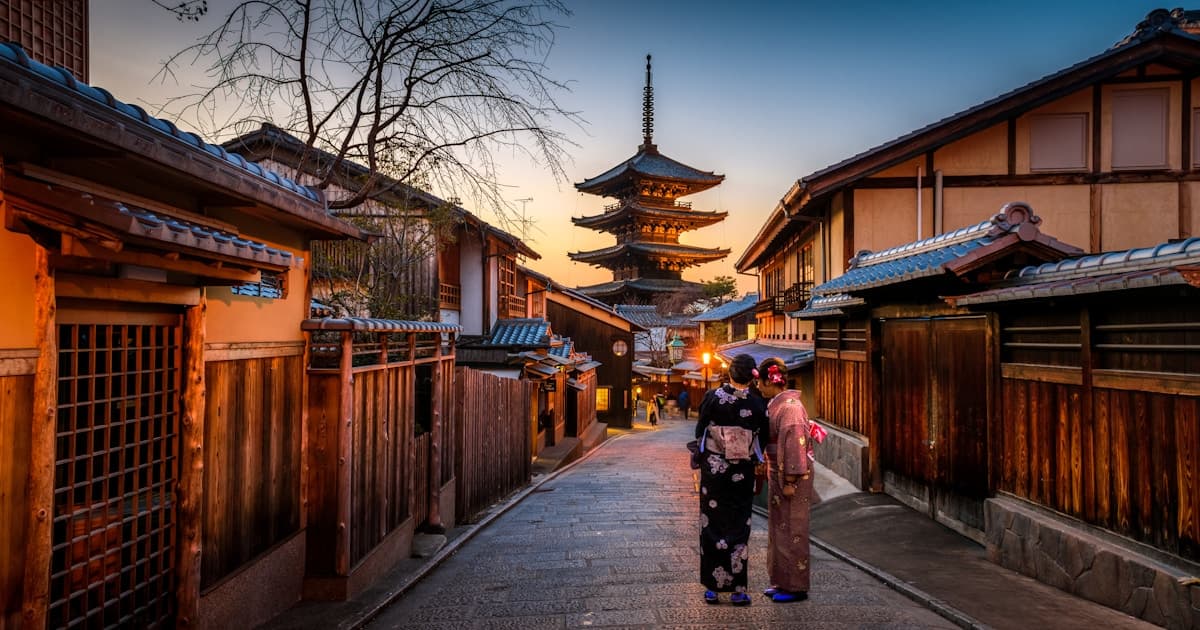
Kyoto, Japan: Complete Guide to Ancient Temples & Modern Culture
Categories
Tags
Kyoto, Japan: Where Ancient Tradition Meets Modern Grace
Kyoto is the soul of Japan. With over 2,000 temples, 17 UNESCO World Heritage sites, and traditions preserved for over 1,200 years, this ancient imperial capital offers an authentic glimpse into Japanese culture that you won't find anywhere else in the world.
Quick Facts at a Glance
- Best Time to Visit: March-May (cherry blossoms), October-November (autumn colors)
- Recommended Duration: 4-7 days
- Must-See Temples: Kinkaku-ji, Fushimi Inari, Kiyomizu-dera
- Traditional Districts: Gion, Arashiyama, Higashiyama
- Average Daily Budget: ¥12,000-25,000 ($80-170)
- Getting Around: Bus pass ¥600/day, bicycle rental ¥1,000/day
Why Visit Kyoto?
What Makes Kyoto Extraordinary:
- Living History: 17 UNESCO World Heritage sites within the city
- Spiritual Experience: Over 2,000 Buddhist temples and Shinto shrines
- Geisha Culture: One of the last places to see authentic geisha traditions
- Seasonal Beauty: Stunning cherry blossoms and autumn foliage
- Culinary Excellence: Home to kaiseki (traditional multi-course cuisine)
- Craftsmanship: Traditional arts like tea ceremony, ikebana, and kimono weaving
Perfect 5-Day Itinerary
Day 1: Northern Kyoto Temples
Morning: Golden Pavilion (Kinkaku-ji)
- Arrive at opening (9 AM) to avoid crowds
- Golden temple reflecting in mirror pond is iconic photo
- Walk the circular garden path
Afternoon: Ryoan-ji Rock Garden
- 15 minutes walk from Kinkaku-ji
- Meditate at Japan's most famous zen garden
- Only 10 of 15 rocks visible from any angle
Evening: Arashiyama Bamboo Grove
- Take bus to Arashiyama
- Walk through towering bamboo at sunset
- Visit nearby Tenryu-ji Temple
Day 2: Central Kyoto & Geisha District
Morning: Nijo Castle
- Former shogun's palace with "nightingale floors"
- Beautiful painted sliding doors
- Cherry blossoms in spring
Afternoon: Nishiki Market
- "Kyoto's Kitchen" - 400 years old
- Sample tsukemono (pickles), yuba (tofu skin)
- Buy traditional sweets as gifts
Evening: Gion District
- Best geisha spotting time: 6-7 PM
- Walk Hanami-koji Street
- Dinner at traditional ochaya (tea house)
Day 3: Eastern Kyoto Heritage Walk
Early Morning: Fushimi Inari Shrine
- Famous thousands of red torii gates
- Hike to summit (2 hours) or halfway point (45 min)
- Go before 8 AM to avoid tour groups
Late Morning: Kiyomizu-dera Temple
- Iconic wooden stage with city views
- Otowa Waterfall - drink for health/longevity
- Explore Sannenzaka & Ninenzaka streets
Afternoon: Philosopher's Path
- 2km canal-side walk
- Cherry blossom tunnel in spring
- Small temples and cafes along route
Evening: Gion Corner Cultural Show
- 7 traditional arts in 50 minutes
- Tea ceremony, ikebana, koto music
- Perfect cultural introduction
Day 4: Western Kyoto & Zen Experiences
Morning: Arashiyama Day Trip
- Bamboo Grove (visit at dawn if possible)
- Okochi Sanso Villa garden
- Monkey Park Iwatayama
Afternoon: Tenryu-ji Temple
- UNESCO World Heritage zen temple
- Borrowing scenery garden technique
- Traditional shojin ryori (Buddhist cuisine) lunch
Evening: Traditional Tea Ceremony
- Book authentic ceremony in Higashiyama
- Learn proper etiquette
- Matcha and wagashi sweets
Day 5: Hidden Gems & Crafts
Morning: Daitoku-ji Temple Complex
- Lesser-known zen temple complex
- Multiple sub-temples with unique gardens
- Peaceful, few tourists
Afternoon: Traditional Craft Experience
- Choose: kimono wearing, pottery, gold leaf
- Learn from local masters
- Take your creation home
Evening: Pontocho Alley Dinner
- Narrow dining alley by Kamo River
- Traditional restaurants with river views
- Try kaiseki or Kyoto-style sushi
Seasonal Highlights
Spring (March-May): Cherry Blossom Magic
Best Viewing Spots:
- Maruyama Park (late March-early April)
- Philosopher's Path (early April)
- Arashiyama (early-mid April)
- Pro Tip: Nighttime illuminations at major temples
Summer (June-August): Festival Season
- Gion Matsuri (July): Japan's most famous festival
- Gozan no Okuribi (August 16): Mountain fire ceremony
- Caution: Hot and humid, but fewer crowds
Autumn (September-November): Fiery Foliage
Best Momiji (Maple) Spots:
- Tofuku-ji Temple (mid-November)
- Eikando Temple (late November)
- Arashiyama (late November)
- Book Ahead: Hotels fill up fast
Winter (December-February): Serene Snow Scenes
- Kinkaku-ji in snow is breathtaking
- Fewer tourists, lower prices
- Hot springs in nearby Kinosaki Onsen
Geisha Encounters: Dos & Don'ts
Where to Spot Geisha:
- Gion: Hanami-koji Street (6-7 PM)
- Pontocho: Evening hours
- Miyagawacho: Less touristy
- Kamishichiken: Traditional district
Proper Etiquette:
DO:
- Admire from a respectful distance
- Quick photo if they pause
- Say "Konbanwa" (good evening)
DON'T:
- Chase or follow them
- Block their path
- Touch their kimono
- Use flash photography
Authentic Geisha Experience:
- Maiko Makeover: Dress as apprentice geisha (¥15,000-30,000)
- Geisha Performance: Book through high-end hotels
- Ozashiki Asobi: Private dinner entertainment (very expensive, connections needed)
Kyoto Cuisine Guide
Must-Try Dishes:
- Kaiseki Ryori (¥5,000-30,000)
- Multi-course haute cuisine
- Seasonal ingredients showcased
- Book top restaurants months ahead
- Kyo-kaiseki (Kyoto-style)
- Lighter than Tokyo kaiseki
- Emphasizes vegetables and tofu
- Beautiful presentation
- Obanzai (Home-style Kyoto cooking)
- Small seasonal dishes
- Healthier, vegetable-focused
- Try at Nishiki Market
- Yudofu (Tofu hot pot)
- Nanzen-ji Temple area specialty
- Simple but refined
- Perfect for vegetarians
- Matcha Desserts
- Green tea soft serve
- Matcha parfaits
- Traditional tea houses
Where to Eat:
Budget (¥1,000-2,000):
- Nishiki Market stalls
- Ippudo Ramen
- Standing sushi bars
Mid-Range (¥3,000-8,000):
- Ganko Sushi
- Yoshikawa (tempura kaiseki)
- Katsukura (tonkatsu)
Splurge (¥15,000+):
- Kikunoi (3 Michelin stars)
- Hyotei (breakfast kaiseki)
- Wa Yamamura (intimate kaiseki)
Accommodation Recommendations
Ryokan (Traditional Inns):
Budget: Kyoto Morris Hostel (¥4,000) Mid-Range: Ryokan Yachiyo (¥15,000-25,000) Luxury: Tawaraya Ryokan (¥60,000-120,000)
Hotels:
Budget: K's House Kyoto (¥3,500) Mid-Range: Hotel Granvia Kyoto (¥15,000) Luxury: Ritz-Carlton Kyoto (¥80,000+)
Temple Lodging (Shukubo):
- Stay in actual Buddhist temple
- Participate in morning prayers
- Vegetarian meals included
- Myoren-ji, Koyasan temples
Transportation Tips
Getting to Kyoto:
- From Tokyo: Shinkansen 2.5 hours (¥13,500)
- From Osaka: JR train 30 minutes (¥560)
- From KIX Airport: Haruka Express 75 minutes (¥3,600)
Getting Around Kyoto:
Best Option: City Bus All-Day Pass (¥600)
- Covers most tourist sites
- Use Kyoto City Bus app
- Buy from bus driver or station
Bicycle Rental (¥1,000/day):
- Flat city, bike-friendly
- Kyoto Cycling Tour Project
- Electric bikes available
Taxi:
- Base fare ¥600
- English-speaking available
- Use apps: JapanTaxi, Uber
Money-Saving Tips
- Free Attractions:
- Fushimi Inari (24/7 free)
- Philosopher's Path (always free)
- Bamboo Grove (always free)
- Temple exteriors (many free)
- Temple Multiple-Entry Passes:
- Buy combined tickets
- Save ¥500-1,000 per day
- Eat Like Locals:
- Lunch sets half price of dinner
- Convenience store breakfast
- Supermarket discounts after 7 PM
- Visit in Low Season:
- January-February: 30% cheaper hotels
- June-July: Rainy but affordable
Essential Phrases
- Hello: Konnichiwa (kon-nee-chee-wa)
- Thank you: Arigato gozaimasu (a-ree-ga-toh go-zai-mas)
- Excuse me: Sumimasen (soo-mee-ma-sen)
- How much?: Ikura desu ka? (ee-koo-ra des ka)
- I don't eat meat: Niku wa tabemasen (nee-koo wa ta-be-ma-sen)
- Where is...?: ...wa doko desu ka?
Cultural Etiquette
Temple & Shrine Manners:
- Bow before torii gates
- Purify at water basin (left hand, right hand, mouth)
- Toss coin, bow twice, clap twice, bow once
- Remove shoes when entering buildings
General Etiquette:
- Don't eat while walking
- Carry trash (few public bins)
- Don't talk loudly on trains
- Remove shoes at ryokan/temples
- No tipping in restaurants
Photography Hotspots
Iconic Shots:
- Fushimi Inari: Red torii tunnel at dawn
- Kinkaku-ji: Golden reflection in pond
- Arashiyama Bamboo: Wide-angle lens essential
- Kiyomizu-dera: Wooden stage with city backdrop
- Gion: Geisha crossing streets at dusk
Instagram-Worthy Cafes:
- % Arabica Higashiyama (latte art)
- Kitsune Kyoto (garden views)
- Starbucks Ninenzaka (traditional architecture)
Day Trips from Kyoto
Nara (45 minutes):
- Todai-ji Temple (giant Buddha)
- 1,000+ friendly deer
- Kasuga Taisha Shrine
Osaka (30 minutes):
- Dotonbori nightlife
- Osaka Castle
- Street food paradise
Himeji (90 minutes):
- White Heron Castle
- Japan's most beautiful castle
- UNESCO World Heritage
Kinosaki Onsen (2.5 hours):
- Hot spring town
- 7 public baths
- Winter crab season
Practical Information
Wi-Fi: Rent pocket Wi-Fi at airport (¥600/day) Cash: Many places still cash-only, withdraw at 7-Eleven ATMs IC Card: Buy Suica/ICOCA for easy train/bus payments Best Apps: Google Maps, Hyperdia (trains), Tabelog (restaurants) Emergency: 110 (police), 119 (ambulance) English Support: Japan Helpline 0570-000-911
Final Thoughts
Kyoto isn't just a destination—it's a journey into the heart of Japanese culture. Whether you're watching sunrise at Fushimi Inari's torii gates, participating in a traditional tea ceremony, or simply wandering the preserved streets of Higashiyama, every moment in Kyoto connects you to centuries of history and tradition.
Take your time, embrace the seasonal beauty, and remember: in Kyoto, getting lost is part of the experience. Some of my favorite discoveries happened down unmarked alleys and in tiny temples tourists never find.
Ready to experience ancient Japan? Check out our Kyoto Cultural Tours or browse more Japan travel guides.
About the Author: Yuki Tanaka is a licensed National Tour Guide based in Kyoto with over 12 years of experience showing travelers the authentic side of Japan's ancient capital. Follow her insights on Instagram @kyotowithyuki.
Adventure Knit Editorial
Destination research compiled and fact-checked by the Adventure Knit editorial team from published sources, operator itineraries, and official tourism boards. Spot something out of date? Tell us at hello@adventureknit.com.
Related Stories
 Japan
JapanTokyo Japan: Complete Modern Metropolis & Ancient Temples Guide
Ultimate Tokyo guide covering Shibuya Crossing, Senso-ji Temple, Tsukiji Market, cherry blossoms, sushi, ramen, traditional culture, modern tech, and 5-day itinerary with insider tips.
 Lebanon
Lebanon Travel Guide: Beirut, Baalbek & the Cedars
Complete Lebanon travel guide covering Beirut, the Roman ruins of Baalbek, the cedars, Jeita Grotto, Byblos and the wine country, with itinerary, food and tips.
 Uzbekistan
Silk Road Guide: Samarkand, Bukhara & Khiva
Discover Uzbekistan's Silk Road cities — Samarkand's Registan, Bukhara's old town, Khiva's walled Itchan Kala — with a 10-day itinerary, travel tips, and cultural insights.
Enjoyed this article?
Explore more stories from our adventures around the world