
Canada travel guides
7 guides to Canada, written by the Adventure Knit editorial team.
Canada guides
Banff National Park Canada: Rocky Mountain Wilderness Paradise
Expert guide to Banff National Park Canada. Rocky Mountains, Lake Louise, Moraine Lake, grizzly bears, glacier hikes, and Canadian Rockies adventure.
May 20, 2026 • 17 min read
Canadian Rocky Mountains: Ultimate Adventure Travel Guide
Complete Canadian Rockies guide covering Banff, Lake Louise, Jasper, hiking, wildlife, and adventure activities. Expert tips for your perfect mountain adventure.
May 20, 2026 • 26 min read
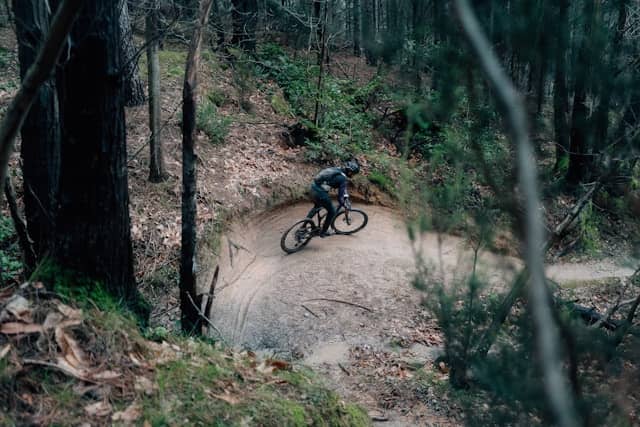
Extreme Mountain Biking Whistler: The Ultimate Gravity Mountain Biking Guide
Expert guide to extreme mountain biking in Whistler, Canada. Conquer world-renowned bike park trails, steep descents, and technical features with professional tips and safety protocols.
May 20, 2026 • 10 min read
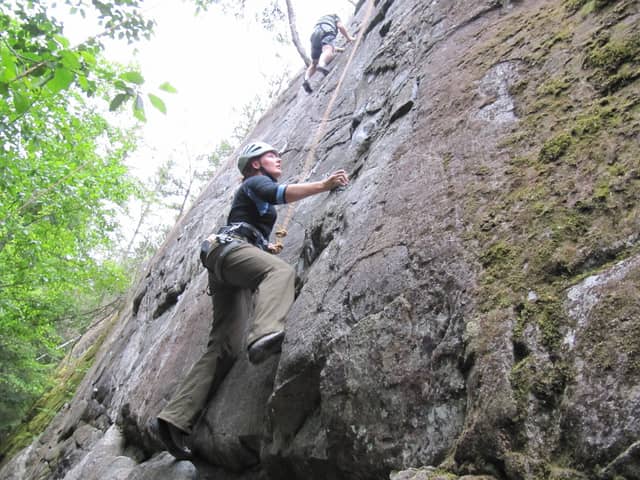
Rock Climbing Squamish Canada: Conquer Granite Chief
Ultimate guide to rock climbing in Squamish, British Columbia. Experience world-class granite climbing on The Chief, Shannon Falls, and Stawamus Chief. Expert tips, routes, costs, and preparation for Canada's premier granite climbing destination.
May 20, 2026 • 10 min read
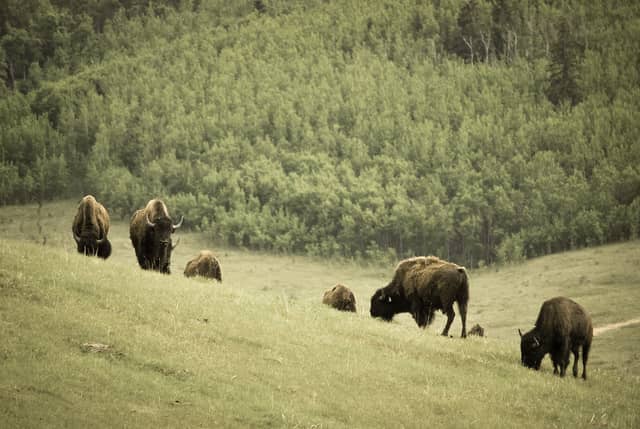
Skydiving Canada Rocky Mountains: Ultimate Alpine Freefall Adventure
Experience the thrill of skydiving over Canada's majestic Rocky Mountains. Spectacular tandem jumps with views of Banff, Lake Louise, and pristine alpine peaks. Complete guide to locations, costs, and preparation for Canada's mountain paradise adventure.
May 20, 2026 • 8 min read
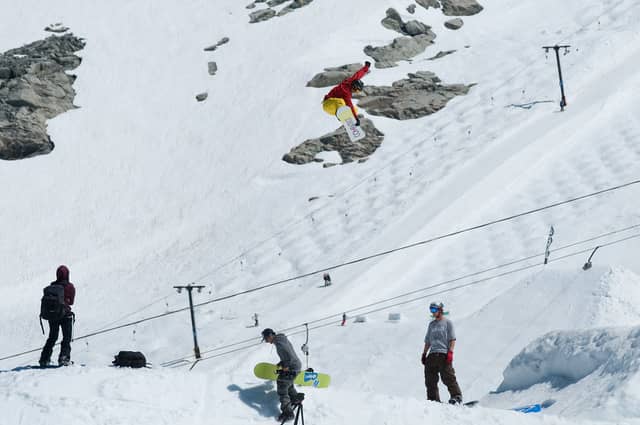
Snowboarding Whistler Canada: Ride North America's Best Slopes
Ultimate guide to snowboarding in Whistler, Canada. Experience world-renowned powder snow, night skiing, and Japanese onsen culture. Expert tips, resorts, costs, and preparation for Canada's premier snowboarding destination.
May 20, 2026 • 11 min read
Newfoundland Iceberg Alley: Complete Guide to Witnessing Arctic Giants
Experience the world's greatest iceberg viewing in Newfoundland's Iceberg Alley. Complete guide to best spots, tours, photography tips, and planning your adventure.
May 20, 2026 • 18 min read
Canada travel FAQs
June to September is the prime window for hiking in the Canadian Rockies, with long daylight hours and snow-free trails at most elevations in Banff National Park. Rock climbing in Squamish runs May to October, with September and October considered the best conditions thanks to stable weather and cool temperatures. Winter visitors come from December to February for world-class skiing around Lake Louise.
Canada's headline draws are the Canadian Rockies and the granite of British Columbia. Banff National Park, Canada's first national park established in 1885, pairs turquoise lakes like Lake Louise and Moraine Lake with wildlife including grizzly bears, elk, mountain goats, and bighorn sheep. On the west coast, Squamish is the country's premier granite climbing destination, anchored by The Chief, a 700-meter monolith with world-class crack climbing, plus sport routes at Shannon Falls and bouldering at Murrin Park.
Banff National Park rewards 4-7 days, enough for Lake Louise, Moraine Lake, the Bow Valley Parkway, and a summit hike, while a Squamish climbing trip typically runs 1-7 days depending on objectives. The two regions sit on opposite sides of the Rockies and are served by different gateways: Calgary for Banff and Vancouver for Squamish. Peak-season accommodation in Banff books 3-6 months ahead, so plan early for July and August.
A rental car is the most flexible option in both major adventure hubs. Banff is about a 1.5-hour drive from Calgary International Airport, with the Roam bus network and shuttles covering the Calgary-Banff-Lake Louise corridor for those without a car. Squamish is 50 kilometers north of Vancouver, roughly a 1-hour drive along the scenic Sea-to-Sky Highway, and winter drivers in the Rockies need winter tires and comfort with snow conditions.
Canada's mountain areas are well managed, but both the Rockies and the Squamish area are bear country. In Banff, carrying bear spray, making noise on trails, and storing food properly are essential, and visitors should keep their distance from elk and other wildlife. Mountain weather can change rapidly in any season, so layered clothing, checking trail conditions, and telling someone your hiking plans are standard practice.