
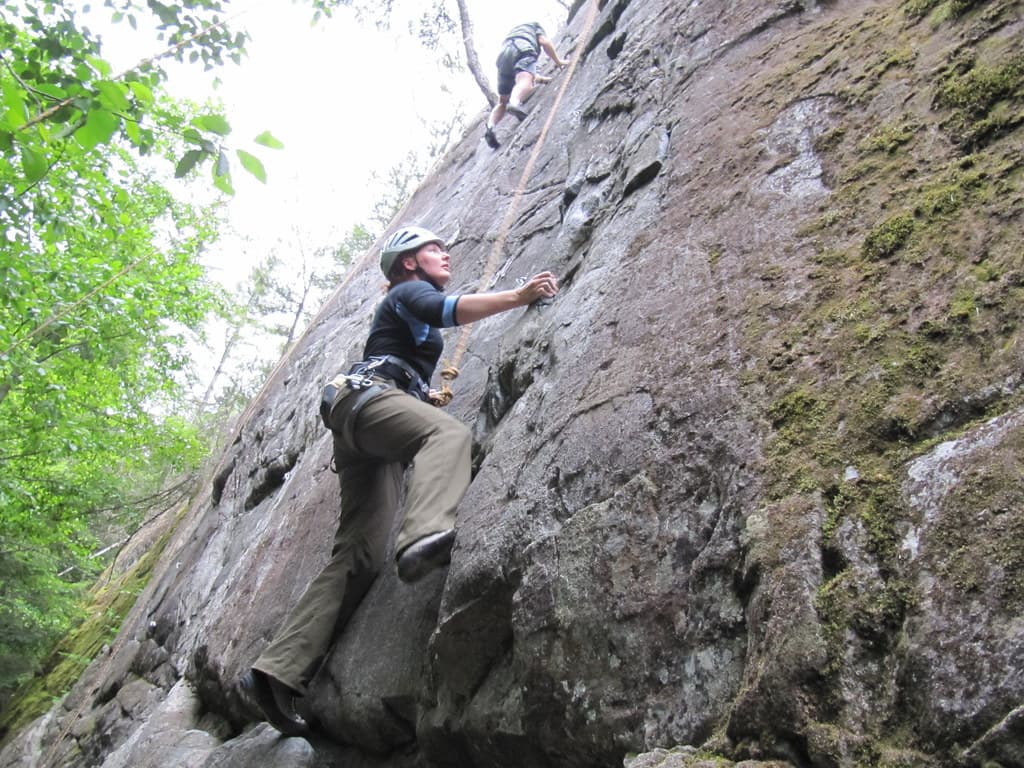
Rock Climbing Squamish Canada: Conquer Granite Chief
Categories
Tags
Squamish, British Columbia, 50 kilometers north of Vancouver on the Sea-to-Sky Highway, is Canada's premier granite climbing destination, anchored by The Chief's 700-meter wall, the sport routes of Shannon Falls, and world-class bouldering at Murrin Park. The main season runs May through October, with routes spanning 5.6 to 5.14 for every level. Climbing at most areas is free, with day parking at $5 to $10, camping around $25 to $35 per night, and ACMG-certified guides available at $200 to $300 per day.
Rock Climbing Squamish Canada: Conquer Granite Chief
When you first stand at the base of The Chief's 700-meter (2,300-foot) granite wall, looking up at world-class crack lines and bolted faces, your heart races with anticipation. The iconic Stawamus Chief looms across Howe Sound, while Shannon Falls and Murrin Park granite formations create a climber's paradise. Rock climbing in Squamish isn't just a sport—it's a journey through Canadian climbing culture, world-class granite, and the stunning Sea-to-Sky country of the Coast Mountains.
Quick Facts at a Glance
- Location: Squamish, British Columbia, Canada (50 km north of Vancouver)
- Climbing Season: May-October (optimal weather)
- Rock Type: Granite (excellent friction and crack systems)
- Climbing Styles: Sport, Trad, Multi-pitch, Bouldering
- Difficulty Range: 5.6 to 5.14 (beginner to elite)
- Famous Crags: The Chief, Shannon Falls, Stawamus Chief, Murrin Park
- Guide Services: ACMG certified guides available
- Best For: All levels from beginners to elite climbers
- Average Cost: Free (most areas) - $200/day (guided climbs)
- Duration: 1-7 days depending on objectives
- Access: Sea-to-Sky Highway from Vancouver
- Camping: Murrin Park campground (very popular)
Why Climb in Squamish?
Squamish has established itself as Canada's premier granite climbing destination, offering world-class crack climbing, bolted sport routes, and breathtaking scenery within an hour of Vancouver. The combination of high-quality granite, reliable weather, and vibrant climbing community creates an experience that's both challenging and accessible. As the birthplace of Canadian sport climbing and home to some of North America's most iconic routes, Squamish provides climbing experiences for every level, from single-pitch sport climbs to multi-pitch adventures that define granite climbing at its finest.
What Makes Squamish Extraordinary:
- The Chief: World's most famous granite monolith
- Shannon Falls: Hundreds of sport routes on perfect granite
- Stawamus Chief: Iconic backside climbing to The Chief
- Granite Quality: Perfect friction and splitter cracks
- Canadian Climbing Culture: Vibrant, welcoming community
- Year-Round Potential: Different seasons offer different experiences
- Climbing History: Rich tradition of route development
- Sea-to-Sky Country: Stunning Howe Sound and mountain views
- Accessible Location: Easy reach from Vancouver International Airport
- Multi-Terrain: Bouldering, sport, trad, and aid climbing available
Understanding Squamish's Climbing Areas
The Chief (Most Famous)
The Chief (Stawamus Chief):
- Famous For: The Grand Wall (world-class crack climbing)
- Route Types: Trad, Sport, Aid (5.6-5.14)
- Best For: Experienced climbers seeking world-class granite
- Famous Routes: The Grand Wall, The Zodiac, University Wall
- Approach: 10-minute hike from Chief parking lot
- Season: May-October (optimal weather)
Grand Wall Boulders:
- Famous For: World-class bouldering below The Chief
- Route Types: Bouldering (V0-V15)
- Best For: All levels, bouldering enthusiasts
- Famous Problems: The Black Sheep, The Bulge, V12
- Approach: 5-minute walk from Chief parking
Shannon Falls (Sport Climbing Paradise)
Shannon Falls Main Wall:
- Famous For: Highest concentration of sport routes in Canada
- Route Types: Sport climbing (5.7-5.13c)
- Best For: Sport climbers of all levels
- Famous Routes: Exasperadora, Planet X, Banana Peel
- Approach: 5-minute walk from parking lot
- Season: Year-round (summer mornings best)
Shannon Falls Lower Wall:
- Famous For: Moderate sport routes and warm-ups
- Route Types: Sport climbing (5.6-5.11a)
- Best For: Beginners and intermediate sport climbers
- Famous Routes: Calculated Risk, Static cling
- Approach: 3-minute walk from parking lot
Stawamus Chief (Backside Climbing)
Stawamus East Wall:
- Famous For: Steep crack and face climbing
- Route Types: Trad and Sport (5.8-5.12b)
- Best For: Intermediate to advanced climbers
- Famous Routes: The Witch, Flying Buttress, Squamish Buttress
- Approach: 15-minute hike from Chief parking
- Season: April-October (good morning shade)
Murrin Park (Bouldering and Trad)
Murrin Park Boulders:
- Famous For: World-class bouldering in forest setting
- Route Types: Bouldering (V0-V12)
- Best For: Bouldering enthusiasts
- Famous Problems: The Dyno, The Emerald, V8
- Approach: 10-minute walk from parking lot
- Season: Year-round
Murrin Park Trad:
- Famous For: Traditional crack climbing on quality granite
- Route Types: Trad (5.7-5.11)
- Best For: Trad climbers seeking quality cracks
- Famous Routes: Smoke Bluff, Northern Walls, Juniper
- Approach: Various approaches within park
Perfect 4-Day Squamish Rock Climbing Adventure
Day 1: Arrival and The Chief Introduction
10:00 AM - Arrival and Check-In Arrive in Squamish from Vancouver (1-hour drive). Set up camp at Murrin Park campground (most popular option) or local accommodation. Visit Squamish Climbers Access Society office for current conditions and guidebook. Purchase any needed equipment at local climbing shops.
11:00 AM - Equipment Check and Orientation Meet with your guide (if using one) or inspect your personal gear. Ensure all equipment is in good condition and appropriate for Squamish granite. Review climbing map and identify objectives for your trip.
12:00 PM - The Chief Warm-Up Hike to The Chief base (10-minute trail). Warm up on easy cracks and face climbs. Get familiar with Squamish granite quality—it's excellent friction and perfect for crack climbing. The views of Howe Sound from the base are spectacular.
2:00 PM - Multi-Pitch Introduction If you're experienced, attempt your first multi-pitch route on The Chief. Start with a moderate classic like The Grand Wall (5.10b) or University Wall (5.10c). Experience world-class granite crack climbing with spectacular views of Howe Sound and the Coast Mountains.
4:00 PM - Return and Rest Return to Murrin Park campground or accommodation. Review your first day and prepare for tomorrow's adventure at Shannon Falls. Rest and recover for tomorrow's climbing.
Day 2: Shannon Falls Sport Climbing
7:00 AM - Early Start to Shannon Falls Drive to Shannon Falls parking lot (5 minutes from campground). Arrive early to beat crowds and cooler temperatures. Squamish mornings offer the best climbing conditions—shade on most walls until midday.
8:00 AM - Shannon Falls Main Wall Climb classic sport routes on Shannon Falls Main Wall. Try routes like Exasperadora (5.10b) or Planet X (5.11a) if within your ability. Focus on technical face climbing and enjoy the high concentration of world-class sport routes.
12:00 PM - Lunch and Rest
Enjoy lunch at Shannon Falls or return to Murrin Park. Rest and hydrate. Review your morning's climbs and identify objectives for the afternoon.
1:00 PM - Shannon Falls Lower Wall Climb moderate routes on Shannon Falls Lower Wall as warm-ups for more challenging climbs. Routes like Calculated Risk (5.8) or Static cling (5.9) are perfect for afternoon sessions. The granite here is excellent and the views of Howe Sound are stunning.
3:00 PM - Bouldering at The Chief
Return to The Chief and try bouldering problems below the Grand Wall. World-class problems like The Black Sheep (V6) or The Bulge (V8) offer excellent power training and technique practice. The bouldering scene is vibrant and welcoming.
5:00 PM - Dinner and Rest
Enjoy dinner at Squamish restaurant or cook at camp. Discuss tomorrow's objectives. Plan your big wall day—perhaps The Grand Wall or an ambitious multi-pitch route.
Day 3: The Chief Big Wall Adventure
6:00 AM - Big Wall Preparation
Prepare for your big wall day on The Chief. Pack your big wall rack: friends, nuts, hexes, runners, slings, and haul bag if needed. Eat a hearty breakfast and check weather conditions. The Chief's walls require preparation and focus.
7:00 AM - Approach The Chief
Hike to The Chief with your gear. The 10-minute approach gives you time to mentally prepare and admire the granite massif looming ahead. The views of Howe Sound and the Coast Mountains from the trail are spectacular.
8:00 AM - Begin Multi-Pitch Climb
Start your big wall route. Options include:
- The Grand Wall (5.10b) - Classic 10-pitch crack climbing
- University Wall (5.10c) - Quality 9-pitch face and crack
- The Zodiac (5.12c) - Legendary 12-pitch aid and free
- Squamish Buttress (5.12b) - Steep, technical climbing
Focus on efficient movement, solid gear placements, and good communication with your partner.
12:00 PM - Mid-Climb Rest
Take a break at a comfortable ledge or belay station. Enjoy the spectacular views from high on The Chief. Eat snacks, hydrate, and review your progress.
1:00 PM - Continue Climbing
Resume your ascent. Multi-pitch climbing on The Chief is a full-day commitment requiring endurance and focus. The granite quality is exceptional, and the crack systems are world-class.
4:00 PM - Summit and Descent
Reach the summit of The Chief! Take time to savor the achievement and the panoramic views of Howe Sound, Shannon Falls, and the Coast Mountains. Begin your descent via established rappel routes.
5:00 PM - Return and Celebration
Return to Murrin Park campground or accommodation. Celebrate your Chief summit with friends and fellow climbers. Review your big wall experience and discuss tomorrow's objectives.
7:00 PM - Dinner and Rest
Enjoy a celebratory dinner. Rest and recover. Big wall climbing is physically demanding. Review your Squamish adventure so far and plan your final day's climbing.
Day 4: Final Objectives and Departure
7:00 AM - Final Climbing Day
Choose your objectives for your final day:
- Option A: Complete unfinished projects on The Chief or Shannon Falls
- Option B: Try Stawamus Chief (backside climbing to The Chief)
- Option C: Explore Murrin Park trad areas or new crags
- Option D: Bouldering at The Chief or Murrin Park
Focus on enjoying your final day of climbing on Squamish's exceptional granite. Take time to appreciate the scenery, community, and world-class rock.
12:00 PM - Final Lunch and Photos
Enjoy lunch at your favorite Squamish location. Take final photos and review your complete Squamish adventure. The combination of The Chief, Shannon Falls, and Murrin Park creates an unforgettable climbing experience.
2:00 PM - Equipment Return and Souvenirs
Return rental equipment if applicable. Visit Squamish shops for climbing souvenirs, local crafts, and Canadian granite memorabilia.
4:00 PM - Departure
Depart for Vancouver or your next destination. The drive back to Vancouver Sea-to-Sky Highway is scenic—a perfect end to your Squamish climbing adventure.
Essential Rock Climbing Equipment
For Single-Pitch Climbing
Climbing Hardware:
- Rope (60-70m dynamic climbing rope)
- Harness (comfortable, adjustable)
- Belay device (ATC, Grigri, or similar)
- Carabiners (locking and non-locking, 15-20 total)
- Quickdraws (15+ for sport routes)
- Nuts and hexes (for trad routes)
- Slings and runners (various lengths)
- Chalk bag and chalk
- Helmet (highly recommended)
- Climbing shoes (appropriate for granite friction)
Personal Gear:
- Climbing shorts or pants (flexible, comfortable)
- T-shirt or climbing top
- Approach shoes or hiking boots
- Sun protection (hat, sunscreen)
- Water bottle or hydration bladder
- Food and snacks (energy bars, nuts)
- First aid kit
- Small backpack
For Multi-Pitch Climbing
Additional Equipment:
- Double ropes (for rappelling or hauling)
- Extra carabiners and slings
- Personal anchor tether
- Emergency rappel device
- Belay gloves
- Headlamp (for early starts or long descents)
- Extra food and water (2+ liters)
- Multi-pitch pack
- Haul bag and strap (if big wall climbing)
Clothing:
- Extra layers (temperatures can change)
- Sun protection (long sleeves, wide-brim hat)
- Warm layer for morning starts
- Comfortable approach shoes
For Bouldering
Essential Equipment:
- Multiple crash pads (2-3 recommended)
- Climbing shoes (softer soles for granite)
- Chalk bag and brush
- Tape for skin protection
- Small backpack
Squamish Climbing Styles
Sport Climbing
Squamish, particularly Shannon Falls, offers world-class sport climbing on pristine granite. The bolted routes range from moderates to elite testpieces.
Key Skills:
- Precise footwork on granite
- Steep climbing technique
- Clip skills and rope management
- Route reading and clip selection
- Power and endurance on steep terrain
Best For: Sport climbers seeking quality granite and variety.
Traditional (Trad) Climbing
The Chief and Stawamus Chief are famous for traditional crack climbing, requiring gear placement and crack techniques.
Key Skills:
- Crack climbing technique (hand jams, finger jams, fist jams)
- Efficient gear placement
- Anchor building skills
- Route finding on multi-pitch
- Gear management on long routes
Best For: Trad climbers with solid crack climbing skills and experience placing gear.
Multi-Pitch Climbing
The Chief offers some of North America's most iconic multi-pitch experiences, with routes ranging from 2 to 12 pitches.
Key Skills:
- Multi-pitch efficiency
- Route following and rappelling
- Belay station management
- Exposure comfort
- Communication on multi-pitch
- Big wall techniques (if applicable)
Best For: Experienced climbers seeking big wall adventures.
Bouldering
Squamish offers world-class bouldering at The Chief, Murrin Park, and various forest locations.
Key Skills:
- Power and strength
- Dynamic movement
- Problem-solving
- Spotting skills
- Landing technique
Best For: Bouldering enthusiasts and those wanting to practice technique without ropes.
Climbing Safety in Squamish
Granite-Specific Hazards
Rockfall:
- Squamish granite is generally solid but loose blocks exist
- Always wear helmet
- Be aware of other climbers above
- Test holds before committing full weight
- Call "ROCK" if something falls
Exposure:
- The Chief and other walls are very exposed
- Maintain three points of contact
- Stay focused and calm
- Use proper anchors and protection
- Know your limits
Weather Considerations:
- West Coast weather can change rapidly
- Check daily weather forecasts
- Prepare for rain (squamish granite is slippery when wet)
- Afternoon thunderstorms common in summer
- Always have a backup plan
Wildlife Awareness
Black Bears:
- Squamish is bear country (especially Murrin Park)
- Store food properly (bear canisters required)
- Be aware of your surroundings
- Carry bear spray when appropriate
- Don't approach wildlife
Other Wildlife:
- Deer, cougars, and various birds
- Respect wildlife and don't disturb
- Be aware of your surroundings
Squamish's Top 30 Climbing Routes
Beginner Routes (5.6-5.9)
- Boogie Man (5.6) - Classic beginner crack at The Chief
- Static cling (5.9) - Quality face climb at Shannon Falls
- Exasperadora (5.10b) - Famous sport climb at Shannon Falls
- Octa's Garden (5.10a) - Moderate multi-pitch at The Chief
- Smoke Bluff (5.7) - Classic crack in Murrin Park
Intermediate Routes (5.10-5.11a)
- The Grand Wall (5.10b) - Classic multi-pitch crack
- University Wall (5.10c) - Quality face and crack
- Witch's Slab (5.10d) - Technical slab
- Squamish Buttress (5.10c) - Steep face
- The Buttress (5.11a) - Stawamus classic
Advanced Routes (5.11b-5.12b)
- The Zodiac (5.12c) - Legendary aid and free
- Northern Walls (5.11c) - Murrin Park trad classic
- Serpentine (5.11d) - Steep crack
- Cave Route (5.12a) - Overhanging crack
- University Wall Direct (5.12a) - Direct variation
Elite Routes (5.12c-5.14)
- Grand Wall 5.13d - Direct testpiece
- The Calling (5.13c) - Technical face
- The Ultimate (5.14a) - Elite crack climbing
- Suffer Machine (5.14b) - Powerful crack
- Warpath (5.13d) - Technical thin face
Weather & Climbing Seasons
Spring (April-June) ⭐⭐⭐⭐⭐
Conditions:
- Perfect temperatures (10-20°C / 50-68°F)
- Generally dry weather
- Good rock conditions
- Longer daylight hours
Best For:
- All climbing styles and levels
- Maximum climbing days
- Multi-pitch adventures
- Bear awareness (bears emerging from hibernation)
Pros:
- Ideal weather conditions
- Good rock friction
- Peak climbing season
- Long daylight hours
Cons:
- Most crowded
- Bugs can be present
- Some routes may be wet from spring runoff
Summer (July-August) ⭐⭐⭐⭐
Conditions:
- Warm temperatures (20-30°C / 68-86°F)
- Generally dry weather
- Morning shade on many walls
- Afternoon thunderstorms possible
Best For:
- Morning climbing
- Shannon Falls (shade all day)
- Bouldering in forest
Pros:
- Warm conditions
- Long daylight hours
- Vibrant atmosphere
Cons:
- Afternoon heat
- Bugs and mosquitoes
- Crowded on weekends
Fall (September-October) ⭐⭐⭐⭐⭐⭐
Conditions:
- Perfect temperatures (10-18°C / 50-64°F)
- Stable weather patterns
- Dry rock conditions
- Good visibility
- Fall colors
Best For:
- All climbing styles and levels
- Peak climbing conditions
- Multi-pitch adventures
- International climbing season
Pros:
- Best weather of year
- Excellent rock conditions
- Fewer crowds
- Fall foliage
Cons:
- Shorter daylight hours
- Bears active (hyperphagia)
- Cool mornings
Winter (November-March) ⭐⭐
Conditions:
- Cool temperatures (2-8°C / 36-46°F)
- Rainy and overcast
- Wet rock conditions
- Some ice possible on north-facing walls
- Fewer climbers
Best For:
- Hardened climbers
- Bouldering (lower elevations)
- Sheltered climbing (The Chief walls have some overhangs)
- Dry days between storms
Pros:
- Very few crowds
- Lowest prices
- Dramatic winter scenery
Cons:
- Poor rock conditions when wet
- Short daylight hours
- Limited access
- Not ideal for beginners
Cost Breakdown: Squamish Rock Climbing Trip
Daily Costs
Access and Permits:
- Day use parking: $5-10 per day
- Squamish Provincial Park pass: Free (for day use)
- Camping: $25-35/night (Murrin Park) or $40-60/night (private campgrounds)
Equipment Costs:
- Personal gear (if renting): $30-50/day
- Rental equipment available in Squamish
- Guide services: $200-300/day (ACMG certified)
- Rope rental: $10-20/day (if needed)
Food and Supplies:
- Groceries: $50-75/week
- Restaurant meals: $15-30/meal
- Snacks and drinks: $10-20/day
- Water: Essential (bring plenty)
4-Day Trip Costs
Access and Camping:
- Parking and park access: $20-40 (4 days)
- Camping (4 nights): $100-140 (Murrin Park) or $160-240 (private)
- Alternative accommodations (Squamish hotels): $400-800/night
Food and Supplies:
- Groceries (4 days): $40-60
- Restaurant meals (mix): $100-250
- Snacks and drinks: $60-100
Transportation:
- Gas (if driving): $30-50
- Airport shuttle (from Vancouver): $40-60 round trip
- Local transportation: $20-40 total
Total Budget Estimate:
Budget Option (Own Gear, Murrin Park Camping):
- Parking: $20-40
- Camping: $100-140
- Food: $200-360
- Transportation: $50-90
- Total: $370-630 CAD ($270-460 USD)
Standard Option (Mixed Accommodation):
- Parking: $20-40
- Accommodation: $200-500 (mixed camping/hotel)
- Food: $250-450
- Transportation: $50-90
- Total: $520-1,080 CAD ($380-790 USD)
Luxury Option (Squamish Hotel, Restaurant Meals):
- Parking: $20-40
- Accommodation: $800-2,000 (4 nights, hotels)
- Food: $500-700
- Transportation: $70-120
- Total: $1,390-2,860 CAD ($1,010-2,080 USD)
Cost-Saving Tips:
- Camp at Murrin Park (cheapest option, very popular)
- Cook your own meals
- Bring your own equipment
- Travel in shoulder season (May, September-October)
- Group discounts on guides
- Squamish Provincial Park pass free for day use
- Stay in Squamish instead of Vancouver (cheaper)
Getting to Squamish
International Access
Flying to Vancouver (YVR):
- Vancouver International Airport is main gateway
- Direct flights from major worldwide cities
- Flight time from London: 9.5 hours
- Flight time from Los Angeles: 2.5 hours
- Flight time from New York: 5.5 hours
Travel from Vancouver to Squamish
By Car (Recommended):
- Drive from Vancouver: 1 hour via Highway 99
- Route: Highway 1 West to Highway 99 North
- Distance: 50 km (31 miles)
- Car rental: $40-70/day
- Parking: Available at all crags
By Bus:
- Bus from Vancouver: 2 hours
- Cost: $20-30 one way
- West Coast Express bus service
- Less frequent than driving
Private Transfer:
- Private van/car: 1 hour
- Cost: $100-150 one way
- Most convenient for groups
- Door-to-door service
Squamish Culture and Community
Canadian Climbing Culture
Respectful Behavior:
- Always greet fellow climbers and locals (hello, hi)
- Queue politely for climbs (Canadians are very friendly)
- Follow all crag rules and ethics
- Don't cut lines or be pushy
- Be quiet and respectful on climbs
- Support local conservation efforts
Climbing Ethics:
- Don't damage vegetation or wildlife habitat
- Clean chalk marks when possible
- Respect traditional and bolting ethics
- Don't modify climbs without permission
- Leave no trace of your presence
- Support Squamish Climbers Access Society
Community
Vibrant Scene:
- Active local and international climbing community
- Welcoming to visiting climbers
- Daily crag gatherings
- Local climbing events and competitions
- Supportive atmosphere for all levels
Photography Tips: Capturing Squamish Granite
Best Photo Opportunities
From the Ground:
- The Chief's massive granite face
- Shannon Falls concentration of routes
- Howe Sound backdrop
- Murrin Park forest bouldering
- Squamish valley and mountains
From Climbing:
- Mid-route shots on The Chief
- Multi-pitch sequences
- Partner belaying
- Summit views with Howe Sound
- Crack climbing technique
- Stawamus Chief from across Howe Sound
Best Times:
- Golden hour (early morning, late afternoon)
- Overcast days for even lighting
- Clear days for dramatic shadows
Camera Equipment
Recommended Gear:
- DSLR or mirrorless camera
- Wide-angle lens (16-35mm)
- Zoom lens (70-200mm) for distant shots
- Tripod for stability
- Extra batteries (cold drains batteries)
- Weather protection
Smartphone Photography:
- Modern smartphones work well
- Use burst mode for action shots
- Practice before your trip
- Bring extra battery pack
Settings and Techniques
Action Photography:
- Fast shutter speed (1/500s or faster)
- High frame rate (60fps or higher)
- Continuous autofocus
- Burst mode for sequences
- Pan with climber movement
Landscape Photography:
- Smaller aperture (f/8-f/16) for depth of field
- Lower ISO (100-400) for quality
- Tripod or stable surface
- Golden hour lighting
- Wide compositions including Howe Sound
Safety Tips
- Never compromise safety for photos
- Secure camera (strap or harness)
- Protect from rock and weather
- Use a spotter for action photography
- Respect other climbers and crag rules
Best Time to Visit
Spring (April-June) ⭐⭐⭐⭐⭐
Pros:
- Best weather conditions
- Good rock conditions
- Longer daylight hours
- Bears emerging from hibernation (interesting but need awareness)
- Peak climbing season
Cons:
- Most crowded
- Higher prices
- Bugs and mosquitoes present
Summer (July-August) ⭐⭐⭐⭐
Pros:
- Warm conditions
- Long daylight hours
- Vibrant atmosphere
- Shannon Falls has all-day shade
Cons:
- Afternoon heat
- Bugs and mosquitoes
- Crowded on weekends
- Afternoon thunderstorms
Fall (September-October) ⭐⭐⭐⭐⭐⭐
Pros:
- Best weather conditions
- Excellent rock conditions
- Fall colors and foliage
- Fewer crowds than summer
- Ideal temperatures
Cons:
- Shorter daylight hours
- Bears active (hyperphagia)
- Cool mornings
- Peak climbing season
Winter (November-March) ⭐⭐
Pros:
- Very few crowds
- Lowest prices
- Dramatic winter scenery
- Good bouldering conditions (when dry)
Cons:
- Poor rock conditions when wet
- Short daylight hours
- Limited access
- Many routes wet or iced
- Not ideal for most climbers
Final Thoughts & Planning Tips
Why Squamish Changes You
Rock climbing in Squamish provides a connection to Canadian granite climbing excellence and the natural beauty of British Columbia's Sea-to-Sky country. Standing on top of The Chief after a multi-pitch ascent, looking out over Howe Sound and the Coast Mountains, you understand why climbers from around the world make pilgrimages here. The combination of world-class granite, spectacular scenery, and vibrant climbing community creates experiences that last a lifetime. Every crack climbed on The Chief is a reminder of granite climbing at its finest, and every route at Shannon Falls showcases the evolution of Canadian sport climbing.
Best Planning Tips
- Camp at Murrin Park: It's cheap, central, and has a great community vibe
- Book Campground Early: Murrin Park fills up quickly, arrive early for prime spots
- Check Weather: West Coast weather can change rapidly
- Prepare Physically: Squamish granite demands crack climbing skills and endurance
- Study Routes: Know your routes before you start climbing
- Bring Crack Climbing Gear: Squamish granite is famous for cracks
- Respect Bears: Squamish is bear country—store food properly
- Start Early: Beat crowds and heat (especially in summer)
- Consider a Guide: For big walls or first multi-pitch experiences
- Support Local Community: Squamish Climbers Access Society maintains the crags
When to Go
- High Season (April-June, September-October): Book camping and accommodation 2-3 months ahead
- Shoulder Season (July-August): Book 1-2 months ahead
- Winter (November-March): Visit but expect limited access
Making the Most of Your Experience
- Arrive rested and prepared for granite climbing
- Practice crack climbing techniques before your trip
- Respect wildlife and carry bear spray
- Climb within your ability level
- Stay hydrated and well-fed
- Take time to enjoy Howe Sound views
- Connect with the climbing community
- Document your experience with photos and video
- Explore all Squamish areas beyond The Chief
- Support local conservation efforts
- Enjoy Canadian climbing culture
Safety Reminders
- Always wear a helmet (especially on The Chief and exposed routes)
- Check weather conditions before climbing
- Be bear aware (especially in Murrin Park)
- Know your descent routes
- Climb with a partner
- Bring adequate water and sun protection
- Stay hydrated and well-fed
- Know your limits
- Follow all crag rules and ethics
- Listen to your body and mind
Conclusion
Rock climbing in Squamish is one of North America's great granite experiences, offering everything from world-class crack climbing on The Chief to sport routes at Shannon Falls and bouldering in Murrin Park. The combination of exceptional granite quality, spectacular Sea-to-Sky scenery, and accessible location near Vancouver creates an adventure that's both challenging and deeply rewarding.
Whether you're jamming cracks on The Chief, clipping bolts at Shannon Falls, or bouldering at Murrin Park, Squamish delivers climbing experiences that define granite climbing at its finest. The vibrant climbing community, world-class routes, and stunning scenery create memories that will stay with you forever.
From your first view of The Chief's massive granite wall to your final rappel down a multi-pitch route with Howe Sound and the Coast Mountains visible below, you'll experience a range of emotions from anticipation to exhilaration to profound peace. The memories forged on Squamish granite will change your perspective on climbing and Canadian natural beauty forever.
Start planning your Squamish rock climbing adventure today and discover why climbers from around the world consider these granite cliffs one of North America's premier destinations. It's an experience that will change your relationship with granite climbing and the Sea-to-Sky country forever.
See you on the rocks! Happy climbing!
Frequently Asked Questions
The prime season is May through October, with spring and fall offering the best combination of dry rock, temperatures of roughly 10 to 20 degrees Celsius, and good friction. Summer is warm with morning shade on many walls and possible afternoon thunderstorms, while Shannon Falls stays shaded all day. Winter is wet and generally poor for roped climbing, though dry spells allow bouldering.
Routes on The Chief range from 5.6 beginner cracks to 5.14 elite testpieces, so difficulty depends on the line chosen. The classic Grand Wall goes at 5.10b over about 10 pitches and is a full-day commitment requiring solid crack climbing skills, efficient gear placement, and multi-pitch experience. Descents use established rappel routes from the summit.
Climbing itself is free at most Squamish areas, with day parking at $5 to $10. Camping at Murrin Park runs $25 to $35 per night, rental gear about $30 to $50 per day, and ACMG-certified guides $200 to $300 per day. A budget 4-day trip with your own gear and campground accommodation totals roughly $370 to $630 CAD, or about $270 to $460 USD.
Yes. Shannon Falls Lower Wall offers moderate sport routes from 5.6 to 5.11a, only a 3-minute walk from the parking lot, with classics like Calculated Risk at 5.8. The Chief also has beginner-friendly cracks such as Boogie Man at 5.6, and bouldering areas suit all levels. ACMG-certified guides are available for first multi-pitch experiences.
Squamish sits 50 kilometers north of Vancouver, about a 1-hour drive via Highway 99, the Sea-to-Sky Highway. Buses from Vancouver take around 2 hours and cost $20 to $30 one way, while private transfers run $100 to $150. Vancouver International Airport is the main gateway, with car rentals at roughly $40 to $70 per day.
Yes, Squamish is black bear country, especially around Murrin Park. Climbers should store food properly, with bear canisters required at the campground, stay aware of their surroundings, and carry bear spray when appropriate. Bears are active after emerging from hibernation in spring and feed heavily in fall, so extra caution is warranted in those seasons.
Adventure Knit Editorial
Destination research compiled and fact-checked by the Adventure Knit editorial team from published sources, operator itineraries, and official tourism boards. Spot something out of date? Tell us at hello@adventureknit.com.
Related Stories
 Greece
Rock Climbing Kalymnos Greece: Conquer the Aegean's Best Crags
Ultimate guide to rock climbing in Kalymnos, Greece. Experience sport climbing on limestone cliffs with stunning Aegean Sea views. Expert tips, routes, costs, and preparation for Greece's premier climbing destination.
 United States
Rock Climbing Red Rocks USA: Conquer Nevada's Sandstone Paradise
Ultimate guide to rock climbing in Red Rocks, Nevada. Experience world-class sandstone climbing near Las Vegas with spectacular desert scenery. Expert tips, routes, costs, and preparation for America's premier sandstone climbing destination.
 United States
Rock Climbing Yosemite USA: Conquer El Capitan and Half Dome
Ultimate guide to rock climbing in Yosemite National Park, USA. Experience climbing on El Capitan, Half Dome, and Yosemite's granite walls. Expert tips, routes, costs, and preparation for America's most iconic climbing destination.
Enjoyed this article?
Explore more stories from our adventures around the world