
Japan travel guides
5 guides to Japan, written by the Adventure Knit editorial team.
Japan guides
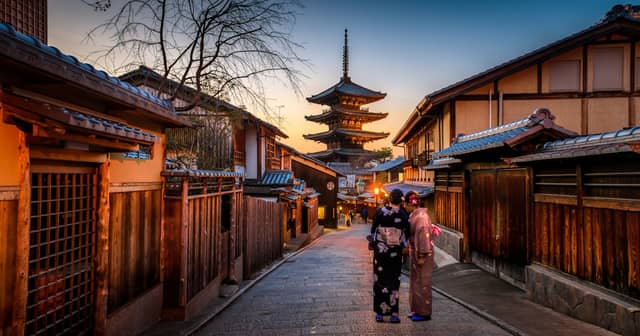
Kyoto, Japan: Complete Guide to Ancient Temples & Modern Culture
Discover Kyoto's 2,000+ temples, traditional geisha districts, and authentic Japanese culture. Expert guide with insider tips for your visit.
May 20, 2026 • 18 min read

Mount Fuji Japan: The Sacred Mountain Complete Climbing Guide
Expert guide to Mount Fuji Japan. Yoshida Trail, Subaru Line, summit sunrise, cultural significance, and Japan's highest sacred mountain adventure.
May 20, 2026 • 17 min read
Skydiving Japan Mount Fuji: Ultimate Sacred Peak Freefall Experience
Experience the thrill of skydiving over Japan's iconic Mount Fuji. Spectacular tandem jumps with views of Japan's sacred mountain, cherry blossoms, and stunning landscapes. Complete guide to locations, costs, and preparation for the ultimate Japanese adventure.
May 20, 2026 • 9 min read
Snowboarding Niseko Japan: Ride Asia's Powder Paradise
Ultimate guide to snowboarding in Niseko, Japan. Experience world-renowned powder snow, night skiing, and Japanese onsen culture. Expert tips, resorts, costs, and preparation for Japan's premier snowboarding destination.
May 20, 2026 • 11 min read
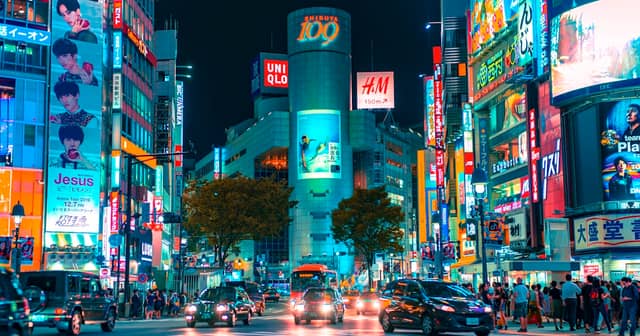
Tokyo Japan: Complete Modern Metropolis & Ancient Temples Guide
Ultimate Tokyo guide covering Shibuya Crossing, Senso-ji Temple, Tsukiji Market, cherry blossoms, sushi, ramen, traditional culture, modern tech, and 5-day itinerary with insider tips.
May 20, 2026 • 25 min read
Japan travel FAQs
It depends on the experience: late March to early April brings cherry blossom season and October-November brings fall foliage, both ideal for Tokyo and city travel. Powder snowboarding in Niseko is best from December to March, with the deepest snow from December through February. Climbing Mount Fuji is only recommended during the official season from July 1 to September 10, when trails are maintained and mountain huts are open.
Tokyo alone deserves at least five days, with classic day trips to Mount Fuji and Hakone, Kamakura, or Nikko each reachable within about one to two hours. Hokkaido's Niseko ski area warrants three to seven days and is reached via Sapporo New Chitose Airport, a 1.5-hour flight from Tokyo followed by a roughly 2.5-hour bus transfer. A Mount Fuji climb is typically a five to seven day experience including travel from Tokyo and acclimatization.
Japan is one of the safest destinations in the world, and Tokyo is considered among the safest megacities, where lost wallets are routinely returned and violent crime is virtually non-existent. Solo travelers, including women, can walk safely at any hour, and scams are extremely rare. The main cautions are natural ones, such as summer typhoon season and rapidly changing mountain weather on climbs like Mount Fuji.
Trains are the primary way to travel: Tokyo's network of JR and metro lines is legendary for punctuality, and a rechargeable Suica or Pasmo IC card works on trains, buses, and even convenience stores. A JR Pass is worthwhile mainly for multi-city itineraries such as Tokyo to Kyoto. For Hokkaido, domestic flights connect Tokyo to Sapporo in about 1.5 hours, with buses or trains continuing to resort areas like Niseko.
Japan is famous for Niseko in Hokkaido, where more than 15 meters of annual snowfall delivers legendary light, dry powder across four interconnected resorts with night skiing until 9 PM. It is equally known for climbing 3,776-meter Mount Fuji, a non-technical but demanding ascent culminating in the goraiko sunrise from the summit. Both experiences pair with distinctive Japanese traditions such as onsen hot springs and mountain hut culture.