
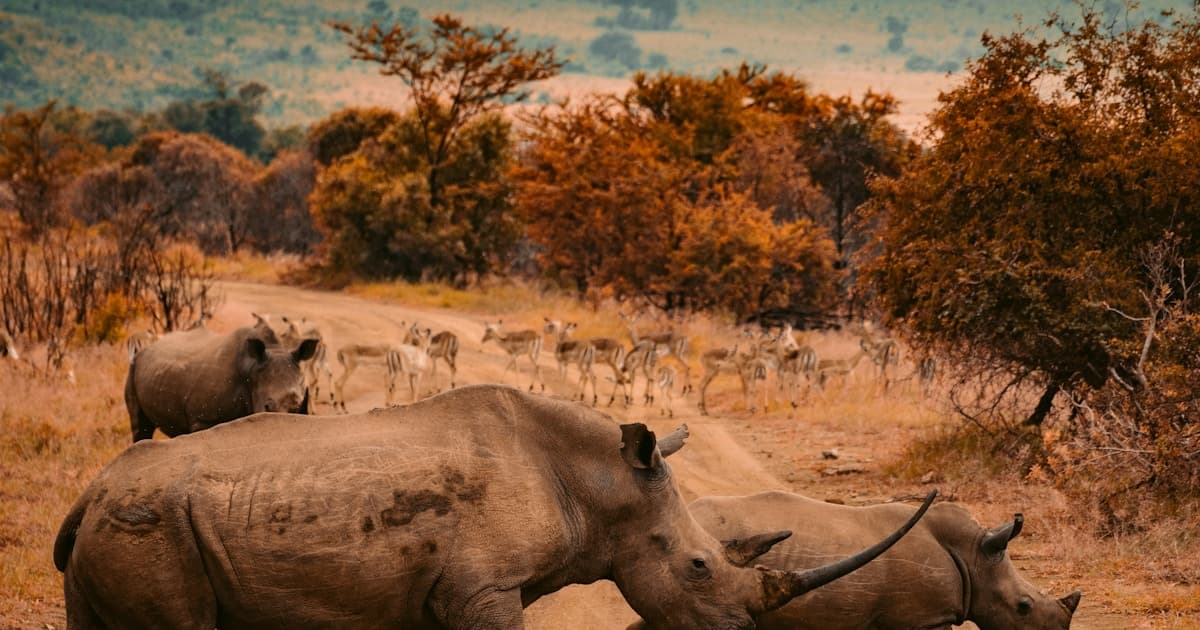
Kenya Safari: Complete Maasai Mara & Wildlife Guide
Categories
Tags
A Kenya safari combines the Maasai Mara, Amboseli, and other reserves for the best chance of seeing all Big Five in one trip. Visit July to October for the Great Migration and Mara River crossings, or January to February for calving season and intense predator activity at lower prices. A 7-day itinerary pairing three nights in the Maasai Mara with two in Amboseli is the classic route, and a mid-range fly-in safari costs roughly 4,000 to 6,000 dollars per person including camps, meals, game drives, park fees, and domestic flights.
Kenya Safari: Complete Maasai Mara & Wildlife Guide
Kenya is where safari was born – the Swahili word itself meaning "journey" – and after 20 years guiding visitors through these legendary landscapes, I can tell you that no place on Earth delivers wildlife spectacle quite like Kenya. This is where two million wildebeest thunder across the Mara River, where lions lounge in acacias, where elephants walk with Kilimanjaro towering behind them, and where the circle of life plays out daily in Africa's most dramatic theater.
I've witnessed hundreds of Mara River crossings, tracked leopards through Samburu's doum palms, photographed elephants against Kilimanjaro's snows in Amboseli, and introduced thousands of visitors to the magic that makes Kenya the world's premier safari destination. This isn't a zoo – this is raw, wild Africa where nature still rules and every game drive writes new stories.
Whether you're here for the Great Migration, to photograph the Big Five, to experience Maasai culture, or simply to witness nature at its most magnificent, Kenya delivers wildlife encounters that change how you see the natural world.
Why Choose Kenya for Safari?
What Makes Kenya Safari Special
The Great Migration (Greatest Wildlife Show on Earth) Two million wildebeest, 500,000 zebras, and 200,000 gazelles migrate in endless columns through the Maasai Mara (July-October). The Mara River crossings – where thousands of wildebeest plunge into crocodile-infested waters while lions wait on the banks – are nature's most dramatic spectacle.
The Big Five Guarantee Kenya's reserves offer your best chance to see ALL Big Five (lion, leopard, elephant, buffalo, rhino) in a single trip. Maasai Mara alone has 450+ lions, healthy leopard populations, abundant elephants and buffalo, plus protected black rhinos.
Accessibility & Infrastructure Kenya pioneered safari tourism with excellent infrastructure: paved roads to reserves, international airport in Nairobi, daily scheduled flights between parks, hundreds of camps ranging from budget to ultra-luxury. Tanzania's Serengeti is magnificent but harder to access.
Diverse Ecosystems From Maasai Mara's endless grasslands to Amboseli's swamps beneath Kilimanjaro, from Samburu's arid beauty to Tsavo's red elephants, Kenya packs extraordinary diversity into manageable distances. You can experience 4+ completely different ecosystems in one week.
Maasai Culture The Maasai people coexist with wildlife, maintaining traditions for centuries. Visiting Maasai villages, learning about their pastoralist culture, and understanding their conservation role adds profound depth to safari experiences.
Wildlife Photography Paradise Kenya's open savannas, predictable animal behaviors during migration, and professional photographic camps make this the world's best wildlife photography destination. The light at dawn/dusk over the Mara is simply magical.
Best Time for Kenya Safari
July-October: Great Migration Season ★★★★★
- Why: Wildebeest Migration in Maasai Mara, Mara River crossings, highest concentrations of predators
- Weather: Dry season, 20-28°C, almost no rain, excellent visibility
- Pros: Best wildlife viewing of the year, dramatic crossings, ALL animals concentrated near water sources
- Cons: Peak season = highest prices (camps 2-3x normal rates), must book 6-12 months ahead, more safari vehicles at crossings
- James' Take: "The Migration IS worth the premium prices – witnessing river crossings changes you. But expect company – this is not wilderness solitude."
January-February: Calving Season ★★★★★
- Why: Migration herds calving in southern Serengeti (cross into Kenya briefly), predator action (thousands of easy prey), fewer tourists
- Weather: Short dry season, hot 25-32°C, occasional brief showers
- Pros: Dramatic predator-prey interactions, baby animals everywhere, 40% cheaper than July-Oct, better availability
- Cons: Main migration herds mostly in Tanzania (though some in Mara), hotter temperatures
- James' Take: "Underrated season – intense predator activity, baby everything, way fewer people, better value"
June & November: Shoulder Seasons ★★★★☆
- June: Migration arriving (early crossings possible), prices rising
- November: Short rains (mostly afternoon showers), green landscapes, lowest prices, migration returning to Tanzania
- Pros: Good wildlife, better pricing than peak, manageable crowds
- Cons: November rains can make some roads muddy, wildlife more dispersed
- James' Take: "June is excellent – migration just arriving, pre-peak pricing. November is gamble – IF rains aren't heavy, it's spectacular value."
March-May: Long Rains (Low Season) ★★☆☆☆
- Why NOT: Heavy rains, muddy roads (some camps close), animals dispersed, tougher photography
- Pros: Rock-bottom prices (50% off), virtually no tourists, green landscapes, bird migrations
- Cons: Afternoon thunderstorms daily, roads can be impassable, some camps closed
- James' Take: "Only for serious birders or budget travelers – wildlife viewing is harder work"
December & Late February-Early March: Good Alternative ★★★★☆
- Pros: Dry weather, good wildlife, lower prices than peak, family-friendly (Christmas holidays)
- Cons: No migration (herds in Tanzania), more tourists during Christmas/New Year weeks
- James' Take: "Excellent if you can't travel July-Oct – wildlife still abundant, weather perfect"
James' Overall Recommendation: August-September for guaranteed Migration + crossings (book 9-12 months ahead). January-February for predator action + value. June for Migration start + better prices.
Getting There & Getting Around
Getting to Kenya
Jomo Kenyatta International Airport (NBO) – Nairobi
- East Africa's busiest airport, hub for most safaris
- Visa: eVisa online ($51 USD, apply 7+ days ahead) OR visa on arrival
- Airlines: Direct flights from Europe, Middle East, Asia; connections from Americas
- Domestic Connections: Daily flights to Maasai Mara, Amboseli, Samburu (book these when booking safari)
Alternative: Fly into Kilimanjaro Airport (Tanzania) for Amboseli access, or Mombasa for coastal extensions.
Getting Around on Safari
Flying Between Parks (RECOMMENDED) ★★★★★
- Why: Saves 6-10 hours of driving, aerial views spectacular
- Operators: SafariLink, AirKenya (scheduled daily flights)
- Routes:
- Nairobi → Maasai Mara: 45min flight vs 5-6hr drive
- Maasai Mara → Amboseli: 90min flight vs 8hr drive via Nairobi
- Cost: $150-300 per person per flight
- Baggage: 15kg limit (soft bags only – no wheels!)
- James' Take: "Always fly if budget allows – the drive from Nairobi to Mara is long, bumpy, and eats a full safari day"
Driving Between Parks ★★★☆☆
- When it makes sense: Nairobi to Amboseli (4hrs, decent road)
- When it doesn't: Nairobi to Maasai Mara (5-6hrs, rough roads)
- Pros: See countryside, cheaper, flexibility
- Cons: Long, uncomfortable, loses valuable game viewing time
- James' Recommendation: "Fly to Mara, drive to Amboseli if combining both"
Within Parks: 4x4 Safari Vehicles
- All game drives in specialized 4x4 Land Cruisers (6-7 passengers) or Land Rovers
- Pop-up roofs for photography/viewing
- Driven by professional guides
- Private vs Shared: Private costs 2-3x more but offers flexibility (stop when YOU want)
Classic Kenya Safari: Perfect 7-Day Itinerary
Day 1: Arrival Nairobi
Arrive Nairobi (Morning/Afternoon)
- Transfer: Hotel pickup arranged by safari operator
- Accommodation: Overnight Nairobi (Hemingways, Giraffe Manor, or near-airport hotel)
- Optional Afternoon:
- Giraffe Centre: Feed endangered Rothschild giraffes (30min, $15)
- David Sheldrick Elephant Orphanage: Baby elephant feeding (11:00 daily, $7)
- Nairobi National Park: Only capital with national park borders (4hr game drive, lions with skyline!)
- Evening: Safari briefing at hotel, early night (4:30am wake-up tomorrow!)
- James' Tip: "Book Giraffe Manor if budget allows ($800+/night) – breakfast with giraffes is magical. Otherwise, visit Giraffe Centre for $15."
Day 1 Highlights:
- Rest after international flight
- Optional wildlife warm-up
- Safari preparation
Days 2-4: Maasai Mara National Reserve (3 Nights)
Day 2: Fly to Maasai Mara
Morning (5:30-9:00)
- Early hotel pickup (5:30)
- Wilson Airport (domestic terminal)
- Flight to Maasai Mara (7:00-7:45, 45min)
- James' Flight Tip: "Sit on right side of plane for Mount Kenya views, left side for Rift Valley – both spectacular!"
Late Morning (10:00-13:00): First Game Drive
- Land on airstrip IN the reserve (planes land on grass!)
- Safari guide meets you
- Transfer to camp is a game drive (expect to see animals immediately!)
- Check-in at safari camp
- Lunch at camp
Afternoon (16:00-18:30): Evening Game Drive
- Target: Open grasslands near Talek River
- Expect: Elephants, giraffes, zebras, wildebeest (herds if July-Oct), hopefully lions
- Sundowner: Stop for drinks as sun sets over the Mara
- James' First Game Drive Advice: "Don't get 'overshooting' syndrome – appreciate EVERY animal, not just Big Five. Your guide will find special sightings."
Dinner: At camp under stars
Day 2 Wildlife: Elephants, giraffes, zebras, wildebeest (guaranteed), hopefully lions/cheetahs
Day 3: Full Day Maasai Mara
Dawn Game Drive (6:00-10:00)
- Why dawn: Predators most active, magical light, animals waking up
- Route: Follow your guide's instinct (based on previous evening's radio chatter)
- Target: Lions, leopards (dawn is best leopard time), cheetahs, hyenas
- Breakfast: Bush breakfast OR return to camp
- James' Dawn Strategy: "Ask your guide to check radio for leopard/lion sightings from previous evening – return to those spots at dawn"
Mid-Morning (10:00-11:30): Mara River Stake-Out (July-October)
- Drive to Mara River crossing points
- Wait for herds to gather (can take 30min-3hrs!)
- The Crossing:
- Thousands of wildebeest gather on riverbank
- Tension builds (they hesitate, afraid of crocodiles)
- Suddenly one jumps – THOUSANDS follow!
- Chaos: crocodiles attacking, wildebeest stampeding, lions waiting on far bank
- 10-30 minutes of raw nature
- James' Crossing Wisdom: "Patience is EVERYTHING. Wildebeest can stand for 3 hours before crossing. Bring snacks, relax, trust your guide's experience reading their behavior."
Lunch: Return to camp
Afternoon Rest (12:00-15:30)
- Midday heat = animals rest, you should too
- Read, nap, enjoy camp pool
- James' Tip: "Resist temptation to skip rest – you'll burn out. Animals are inactive anyway."
Late Afternoon (16:00-18:30): Evening Game Drive
- Golden Hour Photography: Best light of day (16:30-18:30)
- Target open plains for cheetah hunts
- Look for leopards in trees
- End at scenic spot for sundowner drinks
- Return to camp after dark (spotlight for nocturnal animals)
Optional (Extra Cost):
- Hot Air Balloon Safari ($450-550): Launch at dawn, 1hr flight over Mara, champagne breakfast in bush
- James' Opinion: "Expensive but absolutely worth it ONCE – the aerial perspective is breathtaking"
Dinner: At camp
Day 3 Wildlife: Big Five hopes (lion highly likely, leopard 60% chance, elephant/buffalo guaranteed), cheetahs, migration herds + crossing (July-Oct), hyenas, jackals, countless plains game
Day 4: Maasai Mara Final Day
Morning Game Drive (6:00-10:00)
- Target areas you haven't covered
- Check with guide for any special sightings (radio network shares info)
- Hope for: Leopard in tree (classic shot), lion pride, cheetah on termite mound
Late Morning (10:30-12:30): Maasai Village Visit
- Cultural Experience ($20-50 per person):
- Traditional welcome (singing/dancing)
- Village tour (manyattas/houses, school, daily life)
- Warriors demonstrate jumping dance
- Fire-starting demonstration
- Learn about Maasai relationship with wildlife
- Shop handicrafts (support community)
- James' Cultural Note: "This is touristy but provides income to communities. Ask questions – most Maasai are proud to share their culture. Buy directly from artisans."
Lunch: Return to camp
Afternoon (16:00-18:30): Final Game Drive
- Revisit favorite spots
- Chase any remaining Big Five you haven't seen
- Photography of plains at golden hour
- Final sundowner in the Mara
Dinner: Farewell Bush Dinner (many camps do special final night dinners outdoors)
Day 4 Wildlife: Final chances for anything missed, photography focus
Days 5-6: Amboseli National Park (2 Nights)
Day 5: Fly Mara to Amboseli
Morning
- Early breakfast
- Transfer to airstrip (game drive en route)
- Flight Maasai Mara → Amboseli (10:00-11:30, often via Nairobi)
- James' Tip: "Sit on left side for Kilimanjaro views approaching Amboseli!"
Midday
- Land at Amboseli airstrip
- Transfer to lodge/camp (game drive transfer)
- Check-in
- Lunch
Afternoon Game Drive (15:30-18:30)
- Amboseli Specialties:
- Elephants: Some of Africa's largest tuskers, families in swamps
- Mount Kilimanjaro backdrop: Africa's highest mountain (5,895m) dominates skyline
- Observation Hill: Climb for panoramic views
- Photography: Elephants with Kilimanjaro = iconic Africa shot
- Weather Factor: Kilimanjaro hides in clouds 70% of afternoons – dawn is clearer!
Dinner: At lodge
Day 5 Wildlife: Elephants (guaranteed close encounters), wildebeest, zebras, giraffes, hippos, hopefully lions
Day 6: Full Day Amboseli
Dawn Game Drive (6:00-10:00)
- Priority: Photograph elephants with Kilimanjaro at sunrise
- Best spot: Near Lake Amboseli (dry lake bed) with mountain behind
- Best light: 6:30-7:30 (golden hour + clearest mountain views)
- Explore swamps (elephants bathing, hippos, buffalo)
- James' Photography Gold: "Position vehicles so sun illuminates elephants with Kilimanjaro's snow-capped peak behind – this is the shot! Morning is only time mountain is clear."
Bush Breakfast (8:00-9:00)
- Most lodges offer bush breakfast in the park
- Coffee/tea, pastries, eggs, fruits while overlooking swamps
Return to Lodge (10:00-15:30)
- Relax by pool with Kilimanjaro views
- Spa treatments (most lodges have spas)
- Lunch
Afternoon Game Drive (15:30-18:30)
- Observation Hill: Climb for 360° views (20min climb)
- Swamp areas for elephants, buffalos, hippos
- Look for lions (Amboseli has prides, though sightings less frequent than Mara)
- Sunset with Kilimanjaro (IF clouds lift)
Dinner: At lodge
Day 6 Wildlife: Elephants up close, hippos, buffalo herds, plains game, hopefully lions
Day 7: Amboseli to Nairobi Departure
Morning (6:00-9:00)
- Final early game drive
- Last chances for Kilimanjaro photos
- Return to lodge for breakfast
Mid-Morning (10:00-12:00)
- Check out
- Drive to Amboseli airstrip (game drive transfer)
- Flight to Nairobi (12:00-13:00, 45min)
Nairobi (13:00-17:00)
- Options depending on international flight time:
- Lunch at Carnivore Restaurant: Famous meat restaurant ($40-50)
- Kazuri Beads Factory: Women's cooperative, buy souvenirs
- Day room at airport hotel: Rest/shower before evening flight
- Evening international flight home
James' Departure Tip: "Book international departures after 19:00 – gives full morning game drive + comfortable connection buffer"
7-Day Budget Summary
Budget Safari ($2,500-3,500/person):
- Mid-range tented camps
- Shared safari vehicles
- Scheduled flights
- Includes: Accommodation, meals, game drives, park fees, domestic flights
- Excludes: International flights, tips, drinks, balloon safari
Mid-Range Safari ($4,000-6,000/person):
- Nicer tented camps/lodges
- More intimate camps (12-20 tents)
- Still shared vehicles
- Better locations in reserves
Luxury Safari ($6,000-12,000+/person):
- Top-tier camps (Governors, &Beyond, Sanctuary)
- Private vehicles
- Balloon safari included
- Premium locations
- Exceptional service
Ultra-Luxury Safari ($12,000-25,000+/person):
- Private conservancies (exclusivity)
- Private guide/vehicle throughout
- Helicopter transfers
- Michelin-level bush dining
- Ultimate flexibility
James' Value Advice: "Mid-range ($4,000-6,000) offers best value – camps are excellent, locations good, experience nearly identical to luxury. Save money, invest in longer safari or balloon ride."
Kenya's Best Safari Destinations
1. Maasai Mara National Reserve ★★★★★
Why Go: The Great Migration, highest Big Five density, classic safari Size: 1,510 km² Best For: First-time safariers, migration chasers, Big Five seekers Best Time: July-October (migration), January-February (predator action) Wildlife Highlights:
- Lions: 450+ lions (highest density in Africa)
- Cheetahs: Open plains perfect for cheetah sightings/hunts
- Leopards: Healthy population (dawn sightings in trees)
- Elephants & Buffalo: Large herds year-round
- Migration: 2 million wildebeest + zebras (July-Oct)
- Rhinos: Small population of black rhinos
- Hippos & Crocs: Mara River (migration crossing site)
Accommodation: 100+ camps (budget to ultra-luxury) Getting There: Fly 45min from Nairobi OR drive 5-6 hours Cost: $$$$-$$$$$ (premium pricing especially July-Oct)
James' Take: "If you only do ONE African safari in your life, do it here during migration season. Yes it's pricey and crowded, but nowhere else offers this spectacle."
2. Amboseli National Park ★★★★★
Why Go: Elephants with Kilimanjaro backdrop (iconic Africa photo) Size: 392 km² Best For: Photographers, elephant lovers, Kilimanjaro views Best Time: June-October, January-February (dry seasons, clearer Kilimanjaro views) Wildlife Highlights:
- Elephants: 1,500+ elephants, some with massive tusks, very habituated (close approaches)
- Kilimanjaro: Africa's tallest mountain dominates skyline (when clouds clear!)
- Birdlife: 400+ species, excellent birding in swamps
- Lions: Resident prides (fewer than Mara but regular sightings)
- Hippos, Buffalo: Swamps teem with them
Accommodation: 15+ lodges/camps (fewer options than Mara) Getting There: Fly 45min from Nairobi, OR drive 4 hours (decent road) Cost: $$$-$$$$ (more affordable than Mara)
James' Take: "Dawn elephant photography with Kilimanjaro = Africa's most iconic image. Even if Kilimanjaro hides, elephant encounters are unmatched – families parade past vehicles."
3. Samburu, Buffalo Springs & Shaba Reserves ★★★★☆
Why Go: Unique northern species, arid beauty, fewer tourists Size: Combined 300 km² Best For: Return visitors, photographers wanting different species, avoiding crowds Best Time: June-October (dry season concentrates wildlife at Ewaso Nyiro River) Wildlife Highlights:
- Samburu Special Five: Grevy's zebra, reticulated giraffe, Somali ostrich, beisa oryx, gerenuk (ONLY found in northern Kenya)
- Elephants: Healthy population, Save the Elephants research base
- Leopards: Excellent sightings (arid landscape makes spotting easier)
- Lions: Resident prides
- Crocodiles: Massive Nile crocs in Ewaso Nyiro River
Accommodation: 20+ lodges/camps (several luxury options) Getting There: Fly 1hr from Nairobi Cost: $$$-$$$$ (similar to Amboseli)
James' Take: "Underrated gem – dramatically different landscape and species from Maasai Mara. Reticulated giraffes are the most beautiful giraffes on Earth!"
4. Tsavo East & Tsavo West National Parks ★★★☆☆
Why Go: Kenya's largest park, "red elephants" (dust-covered), wilderness feel Size: Combined 22,000 km² (bigger than Wales!) Best For: Adventure seekers, those wanting vastness/remoteness Best Time: June-September Wildlife Highlights:
- Red Elephants: Elephants roll in red volcanic soil (iconic look)
- Big Cats: Lions, leopards, cheetahs (harder to spot in denser bush)
- Mzima Springs: Crystal-clear springs, underwater hippo viewing chamber
- Lugard Falls: Scenic river gorge
Accommodation: 30+ camps (spread across huge area) Getting There: Drive from Mombasa (3-4hr) or Nairobi (4-5hr) Cost: $$-$$$ (more affordable)
James' Take: "Hardcore safari enthusiasts only – wildlife is here but spread across VAST area. Combines well with Mombasa beach extension."
5. Laikipia Plateau (Private Conservancies) ★★★★★
Why Go: Exclusivity, rare species (Grevy's zebra, wild dogs), conservation focus Best For: Return visitors, honeymooners, those wanting privacy Best Time: Year-round (less seasonal than Mara) Wildlife Highlights:
- Grevy's Zebra: Endangered species thriving here
- Black Rhinos: Several conservancies have healthy populations
- Wild Dogs: Rare sightings (highly endangered)
- Lions, Leopards: Good populations
- Night Drives: Allowed in private conservancies (national parks prohibit this)
Accommodation: 20+ exclusive conservancies (luxury camps) Getting There: Fly 45min from Nairobi Cost: $$$$$ (premium pricing for exclusivity)
James' Take: "Opposite of Maasai Mara crowds – you might be the ONLY vehicle at a lion kill. Night drives add new dimension. Best for safari veterans wanting something different."
Wildlife Photography Tips from James
After 20 years guiding photographers, these tips make the difference:
Camera Settings for Safari
General Settings:
- Mode: Shutter Priority (Tv/S) or Manual
- Shutter Speed: Minimum 1/1000s for animals in motion, 1/2000s+ for action (running, hunting)
- ISO: 400-1600 (dawn/dusk), 100-400 (midday)
- Aperture: f/5.6-f/8 for single animals, f/8-f/11 for groups (depth of field)
- Focus: Continuous AF (AI Servo/AF-C), center point or zone
- Drive Mode: Continuous high speed
Dawn/Dusk Challenges:
- Light is beautiful BUT low – bump ISO to 1600-3200
- Open aperture to f/4-f/5.6 (let in more light)
- Accept some noise – better sharp noisy photo than blurry clean photo
Lens Recommendations
Essential: 100-400mm or 150-600mm telephoto Nice to Have: 70-200mm for environmental shots Don't Bother: Wide-angle (unless doing landscapes) – animals won't be close enough
James' Gear Reality: "Rent a long lens if you don't own one – 400mm minimum for wildlife. Your standard 24-70mm will disappoint you constantly."
Composition Tips
- Eye-Level Shots: Shoot from vehicle floor level (lie down if needed) – eye-level with animals is more intimate than shooting down
- Focus on Eyes: ALWAYS focus on the eyes – if eyes aren't sharp, image fails
- Fill the Frame: Get closer OR crop tighter – tiny animals in frame don't impact
- Background Matters: Clean backgrounds (blurred grass, sky) separate pros from amateurs
- Action Over Portraits: Lion yawning > lion sitting, cheetah running > cheetah resting
- Golden Hour Magic: 6:00-8:00 and 16:30-18:30 have soft, warm, directional light
- Include Environment: Don't zoom all the way in every shot – animal in habitat tells story
- Anticipate Behavior: Cheetah on termite mound scanning = about to hunt (be ready!)
- Continuous Shooting: Burst mode for action – 10 frames per second catches the moment
- Patience: Wait 10 extra minutes after other vehicles leave – that's when magic happens
Ethical Photography
- Never: Ask guides to drive off-road (damages habitat, illegal in national parks)
- Never: Harass animals for shots (chasing, getting too close)
- Never: Use drones (illegal in Kenyan national parks)
- Do: Respect animal behavior – if they're stressed, back away
- Do: Prioritize welfare over the shot
James' Philosophy: "The shot isn't worth stressing the animal. Patient observers get better photos than aggressive pushers anyway – stressed animals flee, relaxed animals perform natural behaviors."
Maasai Culture: Respectful Engagement
Understanding the Maasai
The Maasai are semi-nomadic pastoralists who have coexisted with wildlife for centuries. Their traditional lands overlap with Kenya's most famous reserves (Maasai Mara is named after them!). Understanding their culture enriches your safari.
Key Cultural Aspects:
- Warriors (Morans): Young men (15-30) who traditionally protected cattle and community
- Dress: Red shukas (robes), beaded jewelry, stretched earlobes
- Jumping Dance: Warriors compete to jump highest (demonstrates strength)
- Livestock: Cows are wealth – traditionally Maasai measured status by cattle numbers
- Conservation: Modern Maasai increasingly involved in conservancies (earn income from tourism + wildlife protection)
Visiting Maasai Villages
Most safari itineraries include village visits ($20-50 per person). Here's how to approach respectfully:
Do's:
- Pay the agreed fee (supports community)
- Ask permission before photos (especially close-ups)
- Buy handicrafts directly from artisans (not middlemen)
- Ask questions – most Maasai enjoy sharing culture
- Participate in dancing/activities when invited
- Dress modestly (shoulders covered, no short shorts)
Don'ts:
- Take photos without asking (especially of children)
- Negotiate prices aggressively (these are poor communities)
- Bring cheap "charity" items (reinforces dependency)
- Assume all Maasai live traditionally (many are educated, hold jobs, own phones)
- Treat it as a zoo (these are people's homes)
James' Cultural Perspective: "Village visits are touristy BUT they provide crucial income. Ask about how tourism income supports schools, water projects, healthcare. Many Maasai communities now protect wildlife because it benefits them – that's conservation in action."
Safari Costs & Budgeting
What Does a Kenya Safari Cost?
Budget Safari: $250-400/person/day
- Basic tented camps or lodges
- Shared vehicles (6-7 passengers)
- Fewer game drives
- Good but simple meals
Mid-Range Safari: $400-700/person/day
- Nicer tented camps, better locations
- Shared vehicles (fewer passengers)
- More game drives
- Excellent meals
- James' Recommendation: "Sweet spot for value"
Luxury Safari: $700-1,500/person/day
- Premium camps (&Beyond, Governors, Sanctuary)
- Smaller camps (intimate experience)
- Private vehicles available
- Gourmet dining, premium drinks
- Balloon safari often included
Ultra-Luxury: $1,500-3,000+/person/day
- Private conservancies
- Private guide/vehicle entire trip
- Helicopter transfers
- Exclusive experiences
- Ultimate flexibility
What's Included vs. Extra
Typically Included:
- Accommodation (full board – all meals)
- All game drives
- Park entry fees
- Domestic flights (on fly-in packages)
- Airport transfers
- Most drinks (depends on camp level)
Typically EXTRA:
- International flights (book separately)
- Hot air balloon safari ($450-550)
- Tips for guides/camp staff ($20-30/day total)
- Premium alcohol
- Spa treatments
- Maasai village visits (sometimes included)
- Travel insurance (essential!)
Money-Saving Tips
- Travel shoulder season (June, November): 30-40% cheaper than peak
- Book fly-in safaris: More expensive upfront BUT saves time = fewer days needed
- Skip Nairobi hotel on arrival: Many safaris can pick you up from airport, fly directly to Mara (saves 1 night accommodation)
- Share a safari: Many operators offer "join group" departures (shared costs)
- Kenya vs Tanzania: Kenya is slightly more affordable and accessible
- Longer is cheaper: Per-day costs drop on 7+ day safaris vs 3-4 days
- Book direct with camps: Sometimes better rates than agents
- Skip balloon safari: Save $500+ per person (controversial – I think it's worth it!)
James' Budget Reality: "Safari is expensive – there's no way around it. Budget $3,500-5,000 per person for week-long mid-range safari including flights. Trying to do it for $2,000 usually ends in disappointment."
Practical Safari Information
What to Pack
Essential Clothing:
- Neutral colors: Khaki, olive, beige (not bright colors, not camouflage – illegal in Kenya!)
- Lightweight long pants (sun/mosquito protection)
- Long-sleeve shirts (sun/mosquito protection)
- Fleece or jacket (dawn game drives are cold!)
- Wide-brimmed hat
- Comfortable closed-toe shoes (not sandals – dust, safety)
- Sunglasses (essential – African sun is intense)
Photography Gear:
- Camera + long telephoto lens (400mm+ recommended)
- Extra batteries (charging in camps can be limited)
- Memory cards (bring 2-3x what you think you need – you'll shoot thousands!)
- Bean bag (for stabilizing camera on vehicle door – ask your lodge)
- Lens cloth (dust everywhere!)
Other Essentials:
- Binoculars (essential – spotting distant animals)
- Sunscreen SPF 50+
- Insect repellent (DEET 30%+)
- Malaria prophylaxis (consult doctor – essential!)
- Basic medications (anti-diarrheal, pain reliever)
- Flashlight/headlamp (camps have paths at night)
- Power adapter (UK-style 3-prong, 240V)
- Reusable water bottle (camps provide filtered water)
- Small daypack (for game drives)
Don't Bother Packing:
- Formal clothes (safari is casual!)
- Hair dryer (most camps have them)
- Heavy luggage (15kg limit on small planes – soft bags only!)
Health & Safety
Vaccinations (consult doctor 6-8 weeks before travel):
- Required: Yellow fever (if coming from endemic country)
- Recommended: Hepatitis A/B, typhoid, tetanus
- Essential: Malaria prophylaxis (Malarone, Doxycycline, or Mefloquine)
Malaria Prevention:
- Take prophylaxis as prescribed
- Use DEET repellent (30%+ concentration)
- Wear long sleeves/pants at dawn/dusk
- Sleep under bed nets (provided at camps)
- James' Reality: "Risk is low but real – ALWAYS take malaria pills. I've seen tourists evacuated from safari due to malaria."
Safari Safety:
- Never: Exit vehicle during game drives (unless guide explicitly says safe)
- Never: Walk alone at night in camps (hippos, elephants visit camps regularly!)
- Always: Listen to guide instructions (they're keeping you safe)
- Wildlife in Camps: Elephants, hippos, monkeys visit camps – stay calm, keep distance, alert staff
- James' Safety Note: "More people are killed by hippos than any other African animal – never get between hippo and water!"
Travel Insurance:
- Essential: Medical evacuation coverage (medevac from bush can cost $50,000+)
- Recommended: Trip cancellation, gear protection
- Specialist Providers: World Nomads, IMG, Seven Corners (all cover safari activities)
Money & Tipping
Currency: Kenyan Shilling (KES), but USD widely accepted Exchange: $1 USD ≈ 150 KES (check current rates) ATMs: In Nairobi, not in remote areas (bring enough USD cash) Credit Cards: Accepted at lodges for tips, not useful in parks
Tipping Guidelines (total per day, shared among staff):
- Safari Guide: $20-30/day
- Camp Staff: $10-20/day (pooled)
- Maasai Village: $5-10/person
- Balloon Pilot/Crew: $20/person
- Tip in USD: More useful to staff than KES
James' Tipping Advice: "Guides work incredibly hard for modest salaries – tips are meaningful. $25/day for an excellent guide who found you leopards is entirely appropriate."
Internet & Communication
Reality: Most safari camps have limited or no Wi-Fi (by design – it's wilderness!) Options:
- Some luxury camps have Wi-Fi in main areas (slow, intermittent)
- Nairobi hotels have good Wi-Fi
- Safaricom SIM Card: Best coverage, buy at Nairobi airport ($10 + data)
- James' Advice: "Embrace the digital detox – safari is about being present. Check emails in Nairobi, then disconnect."
James' Final Safari Wisdom
After 20 years guiding, these insights separate magical safaris from disappointing ones:
Mindset for Safari Success
- Lower expectations, increase wonder: If you expect leopard-lion-rhino every drive, you'll be disappointed. If you appreciate EVERY animal, you'll be amazed constantly.
- Animals don't perform on schedule: We can't guarantee sightings. Nature is wild – that's the point!
- Trust your guide: We communicate via radio, read tracks, understand animal behavior. When your guide says "Wait here 10 more minutes," there's a reason.
- Patience wins: The group that leaves the sighting early misses the action. ALWAYS wait longer than you think.
- Dawn is magic: Every single day, be on that dawn game drive. The tourists who skip morning drives miss the best wildlife.
- Photography isn't everything: Sometimes put the camera down and just WATCH. The memory in your mind beats the photo on your card.
- Embrace discomfort: Bumpy roads, early mornings, dust, heat – this is wild Africa, not Disneyland. The "hardship" makes the rewards sweeter.
- One great sighting beats ten mediocre ones: Quality over quantity. Spending 40 minutes watching a leopard in a tree is better than quickly checking off 15 species.
- Ask questions: Good guides LOVE sharing knowledge. Ask about tracks, behaviors, ecosystems – we're teachers at heart.
- Tip well: Your guide is working to create your dream trip. Reward exceptional effort.
My Favorite Safari Moment (Why We Do This)
"After 20 years, I never tire of the Migration crossings. But my most profound moment? Watching a client – a stressed New York executive – sit silently for 45 minutes observing a lioness with cubs. No camera. Just watching. When we left, he had tears. 'I've never just SAT and WATCHED anything,' he said. 'I forgot the world could be this beautiful.'
That's why I guide. Safari isn't about checking off Big Five. It's about reconnecting with nature, remembering we're part of something larger, feeling wonder again.
Kenya gave me that gift. I hope it gives it to you too."
Conclusion: Your Kenya Safari Awaits
Kenya is where safari dreams become reality. Where two million wildebeest thunder across plains, where lions recline in acacias, where elephants walk beneath Africa's highest peak, and where the wild still rules.
James' Final Advice:
- Book 9-12 months ahead (especially for July-September Migration)
- Choose mid-range camps (excellent value, great experience)
- Combine Maasai Mara + Amboseli (different ecosystems, 6-7 days total)
- Fly between parks (saves time, adds aerial perspective)
- Do the balloon safari (expensive but worth it once)
- Be patient (best sightings come to those who wait)
- Trust your guide (we want your safari to be incredible)
Whether it's your first safari or your tenth return, Kenya delivers moments that change you. The roar of a lion at dawn. The explosion of a Migration crossing. The trunk-to-tail procession of elephant families. The impossibly star-filled African night sky.
This isn't a vacation. It's a pilgrimage to the wild. Welcome to Kenya.
Karibu Kenya! (Welcome to Kenya!)
Safe travels,James Kamau Professional Safari Guide & Conservationist
Questions about planning your Kenya safari? Drop them in the comments! With 20 years of experience, I've seen and solved every safari challenge. Let me help you plan your dream African adventure.
Kwaheri! (Goodbye!)
Frequently Asked Questions
July to October is peak season, when around two million wildebeest migrate through the Maasai Mara and dramatic Mara River crossings occur; August to September is the most reliable window but requires booking 9 to 12 months ahead. January to February offers calving season, heavy predator action, and prices roughly 40 percent lower. March to May brings the long rains, with muddy roads and dispersed wildlife, and suits mainly birders and budget travelers.
A budget 7-day Kenya safari runs about 2,500 to 3,500 dollars per person, mid-range 4,000 to 6,000, and luxury 6,000 to 12,000 or more, typically covering accommodation, meals, game drives, park fees, and domestic flights. International flights, tips of roughly 20 to 30 dollars per day, and the optional hot air balloon safari at 450 to 550 dollars are extra. Per-day costs drop on safaris of 7 days or longer.
Yes, Kenya offers one of the best chances to see all Big Five in a single trip. The Maasai Mara alone holds over 450 lions, a healthy leopard population, abundant elephants and buffalo, and a small number of protected black rhinos. On a multi-day Mara safari, lions are highly likely, elephants and buffalo are essentially guaranteed, and leopard sightings are around a 60 percent chance, best at dawn.
Flying is recommended if the budget allows. Nairobi to the Maasai Mara is a 45-minute flight versus a rough 5 to 6 hour drive, and Mara to Amboseli is 90 minutes by air versus about 8 hours by road via Nairobi. Scheduled flights with SafariLink or AirKenya cost 150 to 300 dollars per person, with a 15 kg baggage limit and soft bags only. Nairobi to Amboseli is the one drive that makes sense, at about 4 hours on a decent road.
Most visitors need a Kenyan eVisa, which costs 51 US dollars and should be applied for online at least 7 days ahead, though visas on arrival are also available. Yellow fever vaccination is required if arriving from an endemic country, hepatitis A and B, typhoid, and tetanus are recommended, and malaria prophylaxis is essential. Consult a travel doctor 6 to 8 weeks before departure.
Pack neutral colors like khaki, olive, and beige, since bright colors are unsuitable and camouflage is illegal in Kenya. Bring lightweight long pants and long-sleeve shirts for sun and mosquito protection, a fleece for cold dawn game drives, closed-toe shoes, binoculars, sunscreen, and DEET insect repellent. Photographers should carry a telephoto lens of 400mm or more, and luggage must be soft-sided and under 15 kg for small planes.
Adventure Knit Editorial
Destination research compiled and fact-checked by the Adventure Knit editorial team from published sources, operator itineraries, and official tourism boards. Spot something out of date? Tell us at hello@adventureknit.com.
Related Stories
 Madagascar
Madagascar Lemur Safari: Complete Wildlife Adventure Guide
Discover Madagascar's unique lemurs on this ultimate wildlife safari guide. Best parks, lemur species, expert tips for your unforgettable Madagascar adventure.
 Tanzania
Ngorongoro Crater Tanzania: Ultimate Caldera Safari Guide
Expert guide to Ngorongoro Crater Tanzania. Big Five wildlife safari, UNESCO World Heritage Site, Maasai culture, and caldera conservation insights.
 Tanzania
Tanzania Safari: Complete Serengeti & Ngorongoro Guide
Ultimate Tanzania safari guide covering Serengeti migration, Ngorongoro Crater, best seasons, luxury vs budget camps, and Big Five wildlife viewing.
Enjoyed this article?
Explore more stories from our adventures around the world