
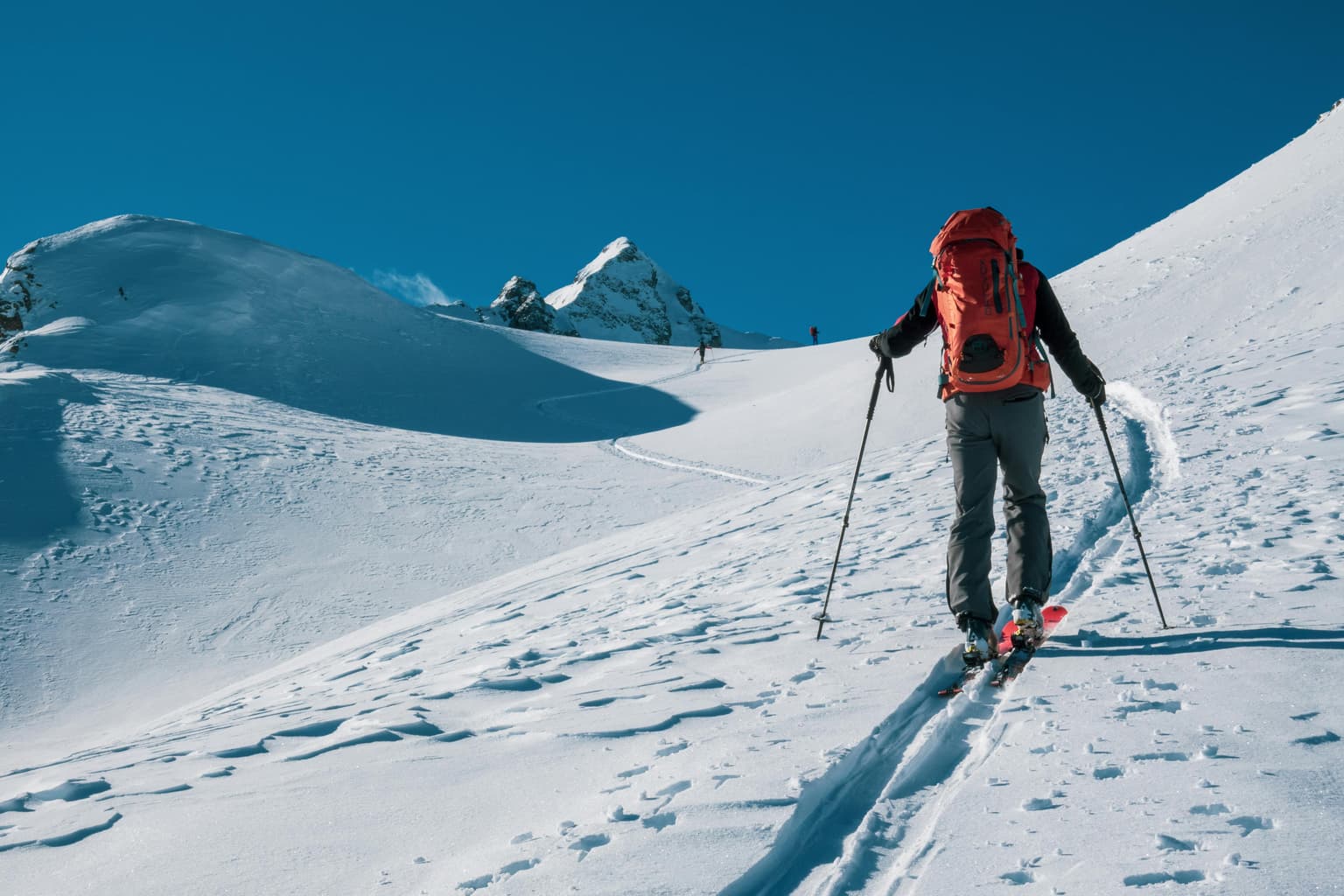
Ice Climbing Kilimanjaro Kenya 2024: Conquer Africa's Roof
Categories
Tags
Ice Climbing Kilimanjaro Kenya 2024: Conquer Africa's Roof
Last Updated: June 25, 2024 | By David Kimani, Professional Mountain Guide
When you first stand at base of Kilimanjaro's Northern Ice Fields, looking up at imposing glacial walls rising 500 meters (1,640 feet) above African savannah, your heart races with anticipation. This is Africa's highest peak—5,895 meters (19,341 feet)—and you're about to attempt one of world's most exotic ice climbs in equatorial setting. The combination of equatorial latitude, high altitude, and technical ice terrain creates a climbing experience found nowhere else on Earth. As a Kenyan mountain guide who's completed 300+ ascents on these mountains, I've spent decades introducing climbers to magic of Kilimanjaro's ice routes. Ice climbing on Kilimanjaro isn't just an extreme sport—it's a journey through Africa's roof, challenging your abilities and rewarding you with one of Earth's most spectacular summit views.
Quick Facts at a Glance
- Location: Mount Kilimanjaro, Kenya (Multiple ice routes on northern slopes)
- Climbing Season: January-February (optimal ice conditions), August-September (alpine ice)
- Ice Route Types: Technical ice, mixed ice/rock, alpine ice
- Difficulty Range: AI3 to WI6+ (water ice) / M3 to M6 (alpine ice)
- Famous Ice Routes: Breachy Wall, Diamond Glacier, Heim Glacier
- Guide Services: UIAA certified high-altitude guides required
- Best For: Expert ice climbers with high-altitude experience
- Average Cost: $4,000-8,000 USD per expedition
- Duration: 7-10 days depending on route and acclimatization
- Access: Kilimanjaro International Airport (JRO), 1 hour to Marangu Gate
- Permits Required: Kilimanjaro National Park climbing permit
Why Experience Ice Climbing on Kilimanjaro?
Kilimanjaro offers one of world's most unique ice climbing experiences—a tropical ice climb on Africa's highest peak. The equatorial latitude creates stable ice conditions throughout year, while high altitude presents technical and physical challenges. Unlike Alpine ice climbing where temperatures are well below freezing, Kilimanjaro's ice exists at higher elevations where temperatures hover around freezing, creating unique ice formations and climbing conditions. The opportunity to climb ice routes on same mountain used by thousands of hikers via normal routes creates a rare combination of accessibility and extreme challenge.
What Makes This Experience Extraordinary:
- Equatorial Ice Climbing: Ice climbing on equator's highest peak
- Africa's Highest Summit: Stand on roof of Africa at 5,895 meters
- Stable Ice Conditions: Year-round ice on north-facing slopes
- High-Altitude Challenge: Technical climbing at 5,000+ meters elevation
- Unique Ice Formations: Equatorial ice differs from Alpine ice
- Spectacular Summit Views: See across Kenyan plains and Mount Meru
- World-Famous Neighbors: Views of Kilimanjaro, Mawenzi, and Mount Meru
- Technical Variety: Mixed ice/rock, pure ice, alpine ice routes
- Tropical Setting: Ice climbing in equatorial climate is unique
- Adventure Capital: Experience heart of African adventure tourism
Understanding Ice Climbing Locations on Kilimanjaro
Primary Ice Routes
Breachy Wall (Most Technical):
- Famous For: Steep mixed ice/rock climbing
- Route Types: Ice, mixed ice/rock
- Difficulty: WI4-5 / M5-6
- Best For: Expert ice climbers seeking technical challenge
- Famous Routes: "Ice Wall" direct, various mixed lines
- Approach: Via Marangu Route to Horombo Huts (3-4 hours)
- Season: January-February (best ice), August-September (alpine ice)
Diamond Glacier (Alpine Ice):
- Famous For: Long alpine ice climbs
- Route Types: Alpine ice, mixed
- Difficulty: WI3-4 / M4-5
- Best For: Experienced alpine ice climbers
- Famous Routes: "Diamond Glacier" variation
- Approach: Via Marangu Route to Kibo Hut (4-5 hours)
- Season: August-October (alpine conditions best)
Heim Glacier (Moderate Ice):
- Famous For: Accessible ice introduction to Kilimanjaro
- Route Types: Ice, mixed ice/rock
- Difficulty: WI3-4 / M3-4
- Best For: Intermediate to advanced ice climbers
- Famous Routes: "Heim Glacier" direct, various mixed lines
- Approach: Via Marangu Route to Horombo Huts (3-4 hours)
- Season: January-February (best ice)
Climbing Bases
Horombo Huts (Base for Northern Ice Fields):
- Location: 4,000 meters (13,100 feet)
- Facilities: Mountain huts with bunk accommodation
- Access: Via Marangu Route (3-4 hours hike)
- Best For: Ice climbers seeking overnight accommodation
- Amenities: Basic bunk beds, meals available
- Water: Natural water source nearby
Kibo Hut (Higher Base):
- Location: 4,700 meters (15,400 feet)
- Facilities: Basic mountain hut
- Access: Via Marangu Route or Machame Route
- Best For: Advanced ice climbers
- Amenities: Basic bunk beds, very basic
- Water: Usually available
Perfect 7-Day Kilimanjaro Ice Climbing Expedition
Day 1: Arrival and Acclimatization
9:00 AM - Arrival at Kilimanjaro International Airport Land at JRO Airport and meet your climbing team. Transfer to Marangu Gate (1 hour drive). Complete national park registration and climbing permit formalities. Meet your guide team and discuss expedition plans. Review equipment and conduct altitude acclimatization walk around Marangu Gate area (2,700m / 8,858ft).
12:00 PM - Equipment Check and Briefing Conduct thorough equipment inspection: ice tools (ice screws, ice axes), crampons, helmets, harness systems, and cold-weather gear. Review ice climbing techniques for Kilimanjaro's unique conditions. Your guide will explain specific challenges of equatorial ice climbing at altitude.
2:00 PM - Early Dinner and Rest Enjoy early dinner at Horombo Huts. Review expedition itinerary and conduct acclimatization discussion. Early rest is crucial for high-altitude ice climbing.
3:00 PM - Sleep
Day 2: Approach to Ice Fields
6:00 AM - Early Start Wake early and eat hearty breakfast. Begin hike from Horombo Huts to ice fields at base of Northern Glacier. The hike takes 2-3 hours through high-altitude terrain, offering spectacular views of Kenyan plains and Mount Meru.
9:00 AM - Ice Field Reconnaissance Arrive at base of ice climbing area. Review ice conditions and select appropriate routes based on current ice quality and weather. Your guide will assess snow bridge conditions, ice thickness, and technical challenges of chosen route.
10:00 AM - First Ice Climbing Day Begin first day of ice climbing on chosen routes. Focus on technique adjustment to Kilimanjaro's unique equatorial ice conditions. Climbing at 4,500+ meters elevation on steep ice presents significant physical and technical challenges.
3:00 PM - Return to Horombo Huts Descend from ice fields back to Horombo Huts. Review day's climbing achievements and discuss tomorrow's objectives. Dinner and rest.
Day 3: Advanced Ice Climbing
6:00 AM - Early Start Eat breakfast and depart for ice fields with equipment and climbing gear. Today's objectives may include more technical routes or higher pitches on ice wall.
7:00 AM - Technical Ice Climbing Challenge yourself on more technical ice routes. Focus on pure ice climbing technique, mixed ice/rock moves, and efficiency at altitude. Kilimanjaro's ice formations provide unique challenges for advanced ice climbers.
12:00 PM - Rest and Recovery Return to huts for rest and recovery. Ice climbing at altitude is physically demanding. Review day's achievements and plan summit bid or extended ice climbing.
4:00 PM - Dinner and Expedition Meeting
Conduct expedition review and plan for remaining days. Options may include:
- Summit bid via ice routes (if conditions permit)
- Extended ice climbing on new routes
- Route variations on previously attempted lines
Day 4: Summit Attempt or Extended Ice Climbing
5:00 AM - Summit Day Preparation Begin very early for summit attempt. This involves climbing ice routes to crater rim at 5,745 meters (18,850 feet). The combination of ice climbing and high altitude presents ultimate challenge.
6:00 AM - Ice Climbing to Crater Rim Begin ascent via chosen ice route. The climb involves steep ice climbing, mixed terrain, and high-altitude challenges. Reaching Gilman's Point (crater rim) via ice routes is extraordinary achievement.
10:00 AM - Summit Celebration If conditions permit, continue from crater rim to Uhuru Peak summit (5,895m / 19,341ft). The experience of standing on Africa's highest point after technical ice climbing is life-changing.
12:00 PM - Descent to Horombo Huts Begin descent back to Horombo Huts via Mweka Route (or Marangu Route if conditions require). The descent provides time to reflect on extraordinary achievement.
Day 5: Descent and Celebration
7:00 AM - Full Descent Complete descent to Marangu Gate. The journey down through cloud forest zones provides time to process the extraordinary experience of ice climbing on Kilimanjaro.
2:00 PM - Arrival at Marangu Gate
Arrive at Marangu Gate. Complete check-out procedures. Transfer back to hotel or continue journey.
Essential Ice Climbing Equipment
For Equatorial Ice Climbing
Ice Climbing Hardware:
- Ice screws (stainless steel, 16-22cm)
- Ice axes (technical, leashless or leashed)
- Crampons (12-point for steep ice)
- Ice hammers (for screw placement)
- Pitons and ice tool tethers
- Quickdraws for ice climbing
- V-threaders or ice clipper screws
Personal Climbing Gear:
- Harness (comfortable, adjustable)
- Helmet (mandatory for ice climbing)
- Mountaineering boots (compatible with crampons)
- Belay device (ATC, Grigri, or similar)
- Carabiners (locking and non-locking, 15-20 total)
- Gloves (insulated, waterproof)
- Goggles (for snow blindness protection)
Cold-Weather Clothing:
- Waterproof jacket and shell (Gore-Tex recommended)
- Insulated mid-layer (down or synthetic)
- Base layers (top and bottom)
- Waterproof pants
- Warm socks (wool or synthetic)
- Neck gaiter or balaclava
- Warm hat and gloves
High-Altitude Equipment
Altitude-Specific Gear:
- Pulse oximeter (for monitoring oxygen saturation)
- Altitude medication (consult doctor)
- Water purification system
- High-altitude sleeping bag
- Expedition tent (for multi-day ice climbing)
- Emergency shelter (bivy sack)
Ice Climbing Skills and Techniques
Equatorial Ice Techniques
Ice Screw Placement:
- Technique differs from Alpine ice due to different ice structure
- Ice screws may require different placement angles
- Ice quality varies with sun exposure
- Learn specific techniques for tropical ice
Climbing Style:
- Front-pointing on steep ice
- French technique for efficiency
- Mixed ice/rock transitions
- Efficiency at altitude is crucial
- Rest frequently to manage physical exertion
High-Altitude Considerations:
- Pace yourself conservatively
- Monitor oxygen levels
- Stay hydrated and well-fed
- Recognize altitude sickness symptoms
- Be prepared to descend if conditions deteriorate
Ice Climbing Safety in Kilimanjaro
Ice-Specific Hazards
Ice Conditions:
- Equatorial ice can be unstable in sun
- Ice bridges may form and collapse
- Serac risk on steep ice
- Ice fall danger to climbers below
- Constant assessment of ice stability required
High-Altitude Dangers:
- Altitude sickness (AMS, HACE, HAPE)
- Reduced physical performance at altitude
- Impaired judgment and decision-making
- Extreme weather conditions can develop rapidly
- Limited evacuation options from ice fields
Avalanche Awareness:
- Small avalanche risk on steep ice slopes
- Assess snow bridge stability
- Avoid climbing during or immediately after snowfall
- Understand avalanche terrain
- Carry avalanche beacon (for advanced routes)
Safety Equipment
Always Use:
- Helmet (mandatory for ice climbing)
- Ice screws and ice tools
- Proper belay techniques
- Communication devices
- Emergency shelter
- First aid kit
- Satellite phone (for remote ice fields)
For High-Altitude:
- Pulse oximeter
- Altitude medication
- Emergency oxygen
- High-altitude sleeping bag
- Comprehensive medical kit
Leave No Trace
Kilimanjaro climbing ethics emphasize minimal impact:
- Pack out all waste (including human waste)
- Respect delicate high-altitude ecosystems
- Don't damage ice formations unnecessarily
- Use established routes where possible
- Respect wildlife and other climbers
- Support Kilimanjaro conservation efforts
Choosing Your Ice Climbing Experience
Guided Ice Climbing Expeditions
7-Day Ice Climbing Expedition:
- Content: 5-7 days of ice climbing at 4,500-5,000m
- Experience Required: Expert ice climbing + high-altitude experience
- Best For: Experienced ice climbers seeking Kilimanjaro ice challenge
- Cost: $4,000-6,000 USD
- Includes: Guide services, park fees, huts, food, climbing equipment (if rented)
- Duration: 7 days total
Custom Ice Climbing Adventure:
- Content: Customizable ice climbing objectives
- Experience Required: Advanced ice climbers
- Best For: Climbers with specific route objectives
- Cost: $5,000-8,000 USD
- Includes: Custom guide, advanced logistics, specialized equipment
- Duration: 8-10 days
Solo Ice Climbing (Not Recommended)
- Experience Required: Expert ice climbing + extensive Kilimanjaro experience
- Self-Sufficiency: Must carry all equipment and food
- Extreme Risk: High-altitude ice climbing alone is very dangerous
- Cost: $2,000-3,000 USD (park fees, huts, food only)
- Duration: Same as guided expeditions
- Not Recommended: Strongly discouraged due to risks
Cost Breakdown: Kilimanjaro Ice Climbing
7-Day Guided Expedition Costs
Guide Services:
- UIAA certified guide: $500-800/day
- Assistant guide: $300-500/day
- Porters: $50-80/day (as needed)
- Total Guide Services: $3,500-6,000 USD
Park and Trekking Fees:
- Kilimanjaro National Park climbing permit: $50-100
- Camping/hut fees: $50-80/night
- Rescue insurance: $100-200
- Total Park Fees: $500-1,000 USD
Food and Supplies:
- Huts meals: $30-50/day
- Trekking food: $20-30/day
- Snacks and hydration: $15-25/day
- Total Food: $400-600 USD
Transportation:
- Airport transfer: $50-100
- Park transfers: $50-100
- Total Transportation: $100-200 USD
Equipment Costs:
- Ice climbing equipment rental: $50-100/day
- Cold-weather gear rental: $30-50/day
- Personal gear purchase: $500-1,000 (if needed)
- Total Equipment: $300-700 (rented) or $500-1,000 (purchased)
Total Budget Estimate (7-Day Expedition):
Budget Option (Own Gear, Minimal Support):
- Guide services: $3,500
- Park fees: $500
- Food: $400
- Transportation: $100
- Total: $4,500 USD
Standard Option (Some Gear Rental):
- Guide services: $4,500
- Park fees: $700
- Food: $500
- Equipment rental: $300
- Transportation: $150
- Total: $6,150 USD
Premium Option (Full Support):
- Guide services: $6,000
- Park fees: $1,000
- Food: $600
- Equipment rental: $500
- Transportation: $200
- Total: $8,300 USD
Getting to Kilimanjaro
International Access
Flying to Kilimanjaro International Airport (JRO):
- Dedicated international airport for Mount Kilimanjaro
- Direct flights from major European cities (Amsterdam, Frankfurt)
- Connecting flights via Nairobi (NBO)
- Flight time from Nairobi: 1 hour
- Flight time from Amsterdam: 8 hours
- Flight time from London: 9 hours
Alternative: Flying to Nairobi (NBO):
- Kenya's main international hub
- More flight options worldwide
- Connecting flights to JRO available
- Flight time from London: 8 hours
- Flight time from Dubai: 6 hours
Travel to Kilimanjaro
From JRO Airport to Marangu Gate:
- Distance: 40km (25 miles)
- Drive time: 1 hour
- Cost: $50-80 USD (transfer)
- Road condition: Paved, good access
From Nairobi to Marangu Gate:
- Distance: 190km (118 miles)
- Drive time: 4-5 hours
- Cost: $150-250 USD (private transfer)
- Road condition: Paved, scenic through Kenyan countryside
Photography Tips: Capturing Kilimanjaro Ice
Best Photo Opportunities
From Ice Fields:
- Climbers on steep ice with dramatic lighting
- Ice tools and equipment action shots
- Close-up ice formations
- Horombo Huts against backdrop
From Crater Rim:
- Gilman's Point views with climbers in foreground
- Ash cone and summit views
- Reusch Crater from above
- Dramatic summit sunrise
From Summit:
- Summit views across African plains
- Mount Meru, Kilimanjaro, and Mawenzi
- Ice fields and glaciers from summit
- Summit celebration shots
Camera Equipment
Recommended Setup:
- Mirrorless or DSLR camera (weather-sealed body)
- Wide-angle lens (16-35mm) for ice climbing
- Telephoto lens (70-200mm) for distance shots
- Tripod (for stable landscape shots)
- Extra batteries (cold drains batteries)
- Waterproof bag or case
Smartphone Photography:
- Modern smartphones work well at lower elevations
- Use burst mode for action shots
- Practice before your trip
- Bring extra battery pack
Settings and Techniques
Action Photography:
- Fast shutter speed (1/1000s or faster)
- Continuous autofocus
- Burst mode for sequences
- Pan with climber movement
- Good lighting (golden hour or overcast conditions)
Landscape Photography:
- Smaller aperture (f/8-f/16) for depth of field
- Lower ISO (100-400) for image quality
- Tripod or stable surface
- Golden hour lighting
High-Altitude Considerations:
- Battery life reduces significantly in cold
- Protect camera from extreme cold
- Use hand warmers for camera handling
- Keep camera accessible but protected
Safety Tips
- Never compromise safety for photos
- Secure all camera equipment (straps or harness)
- Protect camera from ice and snow
- Don't stop in dangerous areas for shots
- Use two-person system for action photography
- Respect other climbers and their experience
- Be aware of ice fall and serac risks
Best Time to Visit
Dry Season (January-February) ⭐⭐⭐⭐⭐⭐
Conditions:
- Optimal ice conditions on northern slopes
- Stable weather patterns
- Clear skies most common
- Cold temperatures at night
Best For:
- Ice climbing (best conditions)
- Summit attempts via ice routes
- Alpine ice climbing
- Clear views
Pros:
- Best ice conditions of year
- Clear weather
- Good summit chances
Cons:
- Coldest temperatures
- Shortest daylight hours
- Most crowded (for normal routes, not ice)
Shoulder Season (August-September) ⭐⭐⭐⭐⭐
Conditions:
- Alpine ice conditions best
- Warmer days
- Possible afternoon thunderstorms
- Longer daylight
Best For:
- Alpine ice climbing
- Mixed climbing
- Good views
Pros:
- Good ice conditions
- Warmer weather
- Fewer crowds than peak season
Cons:
- Variable afternoon weather
- Some route uncertainty
Rainy Season (March-May, October-November) ⭐⭐
Conditions:
- Heavy rainfall at lower elevations
- Snow at altitude
- Route conditions uncertain
- Cloud cover common
Best For:
- Experienced alpine climbers
- Lower elevations
- Technical ice at altitude
Pros:
- Fewer climbers
- Lower prices
- Lush landscapes
Cons:
- Poor visibility
- Route conditions dangerous
- Not recommended for ice climbing beginners
Final Thoughts & Planning Tips
Why Ice Climbing Kilimanjaro Changes You
Ice climbing on Kilimanjaro is more than just an extreme sport—it's a transformative journey that challenges your technical abilities and rewards you with one of Earth's most spectacular summit views. Standing on Africa's highest point after climbing technical ice routes, looking across vast Kenyan plains and toward Mount Meru, you understand the true scale of this equatorial giant and the remarkable human achievement of summiting it. The combination of high-altitude challenges, technical ice climbing, and tropical setting creates an experience that deepens your respect for mountains and human determination.
Best Planning Tips
- Choose Right Season: January-February offer best ice conditions; August-September for alpine ice
- Hire Professional Guides: UIAA certified guides essential for safety
- Prepare Physically: Ice climbing at altitude demands excellent fitness
- Acclimatize Properly: Allow sufficient time for altitude adaptation
- Check Ice Conditions: Ice quality varies significantly with weather and sun
- Bring Appropriate Equipment: Ice climbing gear differs from alpine climbing
- Respect Altitude: High-altitude climbing requires conservative pacing
- Monitor Health Closely: Altitude sickness can be dangerous
- Have Evacuation Plan: Ice fields are remote and evacuation difficult
- Document Your Experience: Ice climbing on Kilimanjaro is unique
When to Go
- Ice Season (January-February): Book 6-9 months in advance
- Alpine Ice Season (August-September): Book 4-6 months in advance
- Other Seasons: Contact guides directly for availability
Making the Most of Your Experience
- Arrive well-rested and physically prepared
- Study Kilimanjaro ice routes before expedition
- Bring appropriate ice climbing equipment
- Practice ice climbing techniques at lower elevations
- Respect altitude and its effects on your body
- Trust your guide completely
- Stay hydrated and well-fed
- Monitor your oxygen levels
- Know your limits
- Document your extraordinary achievement
Safety Reminders
- Always follow your guide's instructions
- Monitor altitude symptoms continuously
- Assess ice conditions constantly
- Use proper ice climbing techniques
- Never compromise safety for photos or objectives
- Respect the mountain and its dangers
- Know when to turn back
- Stay warm and protected from elements
- Maintain communication with your team
- Listen to your body and mind
Conclusion
Ice climbing on Mount Kilimanjaro is one of world's most extraordinary high-altitude experiences—a unique combination of equatorial ice, high-altitude challenge, and Africa's highest summit. Whether you're an expert ice climber seeking new challenges or someone exploring the limits of high-altitude mountaineering, Kilimanjaro's ice routes deliver experiences that will test your technical abilities and reward you with perspectives found nowhere else on Earth.
From your first steps on the ice fields to standing on Africa's highest point after technical ice climbing, every moment of this expedition is etched into memory. The views of Kenyan plains, Mount Meru, and the vast African continent below create a backdrop that makes Kilimanjaro truly special. The combination of equatorial ice, tropical setting, and high-altitude achievement creates an adventure that will stay with you forever.
Book your ice climbing expedition today and discover why experienced climbers from around the world make pilgrimages to Kilimanjaro's ice fields. It's an adventure that will change your perspective on ice climbing, high-altitude mountaineering, and Africa's roof forever.
See you on the ice! Happy climbing!

David Kimani
Professional mountain guide and UIAA certified ice climbing instructor with 300+ ascents on Mount Kilimanjaro. Former Kenya Wildlife Service ranger and Kilimanjaro Climbing Association board member. Nairobi resident for 15 years.
Related Stories
 Iceland
Ice Climbing Rjukan Falls Iceland 2024: Ultimate Frozen Waterfall Guide
Expert guide to ice climbing at Rjukan Falls, Iceland. Scale spectacular frozen waterfalls with professional guides. Complete guide with equipment, costs, safety protocols, and seasonal planning.
 South Africa
Shark Cage Diving Gansbaai South Africa 2024: Face Great Whites Safely
Ultimate guide to shark cage diving in Gansbaai, South Africa. Experience face-to-face encounters with Great White sharks in their natural habitat. Expert tips, locations, costs, and preparation for South Africa's most thrilling underwater adventure.
 Nicaragua
Volcano Boarding Nicaragua 2024: Surf Down Active Volcanoes
Ultimate guide to volcano boarding in Nicaragua. Experience surfing down Cerro Negro and other active volcanoes with incredible views. Expert tips, locations, costs, and preparation for Central America's most extreme adventure.
Enjoyed this article?
Explore more stories from our adventures around the world