
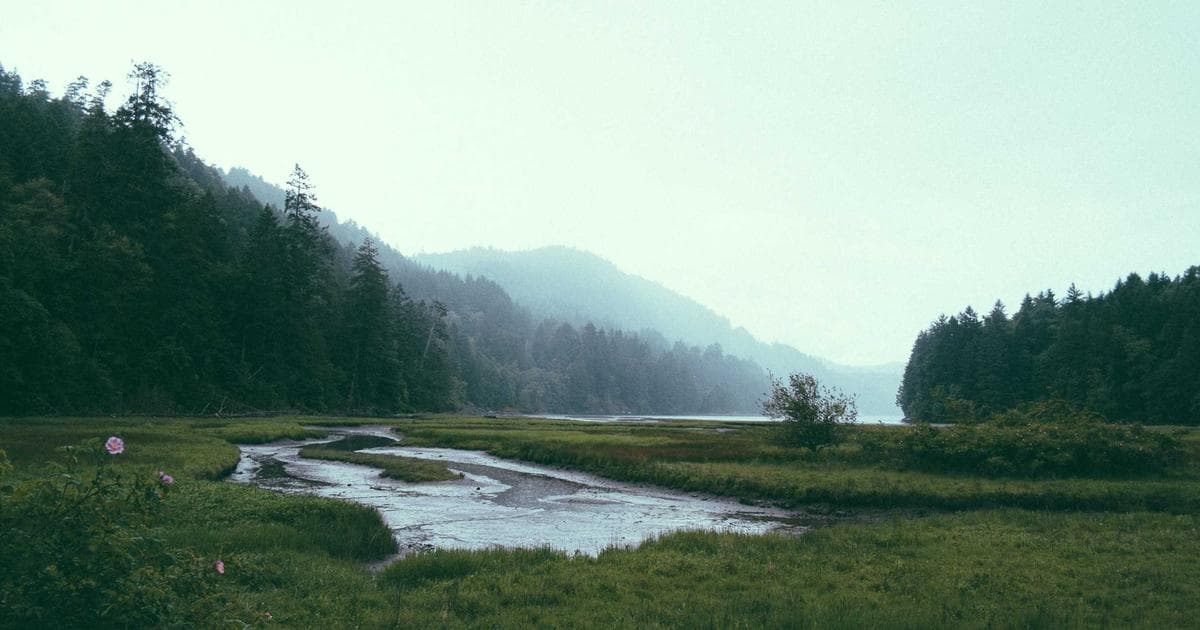
Atacama Desert Starlight Adventure: The Ultimate Stargazing Experience
Categories
Tags
The Atacama Desert in northern Chile is the driest non-polar desert on Earth and one of the worlds best stargazing destinations, with over 300 cloudless nights a year, high altitude, and minimal light pollution. Trips base in San Pedro de Atacama at 2,407 meters and combine night-sky sessions with the El Tatio geysers, Salar de Atacama salt flat, and Valle de la Luna. The best months are April to November, 5-7 days are recommended, and costs average 1,500 to 3,500 dollars per person.
Atacama Desert Starlight Adventure: The Ultimate Stargazing Experience
Standing under the crystal-clear sky of Chile's Atacama Desert, where the Milky Way stretches across the horizon with such intensity that it casts shadows on the ground, I witnessed one of the most profound astronomical spectacles on Earth. The Atacama isn't just the driest non-polar desert in the world—it's also one of the best places on our planet to observe the universe. With over 300 cloudless nights per year, high altitude, minimal light pollution, and world-class astronomical observatories, the Atacama offers stargazing experiences that transform our relationship with the cosmos. After 15 years guiding astronomical expeditions here, I'm still amazed by how the desert reveals the universe in ways impossible elsewhere.
Quick Facts at a Glance
- Location: Northern Chile, Antofagasta Region
- Desert Size: 105,000 km² (40,541 sq miles)
- Dryness: Driest non-polar desert on Earth (some areas receive no rain for decades)
- Altitude: San Pedro de Atacama at 2,407m (7,896ft), surrounding areas up to 4,300m (14,107ft)
- Stargazing Season: Year-round (best April-November)
- Duration: 5-7 days recommended for comprehensive experience
- Difficulty: Moderate (altitude adjustment, remote locations, desert conditions)
- Best Months: April-November (drier, clearer skies)
- Average Cost: $1,500-$3,500 per person
- Temperature: Day: 20°C-25°C (68°F-77°F), Night: -5°C to 5°C (23°F-41°F)
- Cloudless Nights: 300+ per year
- Observatories: 70% of world's astronomical infrastructure
- Dark Sky Status: International Dark Sky Sanctuary candidate
Why Experience Atacama Desert Starlight Adventure?
The Atacama Desert offers the world's premier stargazing experience—a combination of geographic, climatic, and astronomical conditions found nowhere else on Earth. Here, you can observe galaxies, nebulae, star clusters, and planets with unparalleled clarity, all while experiencing one of the most unique landscapes on our planet.
What Makes This Experience Extraordinary:
- World's Best Stargazing: Clear skies, high altitude, minimal light pollution, and low humidity create perfect conditions
- 300+ Clear Nights: Unparalleled viewing opportunities year-round
- Professional Observatories: Access to world-class astronomical facilities and guides
- Milky Way Visibility: The Milky Way is so bright it casts shadows
- International Dark Sky Status: One of the darkest and clearest skies in the world
- Unique Landscapes: Salt flats, geysers, lagoons, volcanoes, and ancient petroglyphs
- Cultural Significance: Ancient cultures used the desert for astronomical observations
- Astronomical Infrastructure: 70% of the world's astronomy infrastructure located here
- Diverse Ecosystems: Desert lagoons, flamingo reserves, and unique wildlife
- Cultural Experience: Indigenous Atacameño culture and ancient astronomical traditions
Understanding the Atacama Desert
The Desert's Unique Characteristics
The Atacama Desert is a place of extremes:
| Characteristic | Detail |
|---|---|
| Location | Northern Chile, 23°S latitude |
| Elevation Range | Sea level to 4,300m (14,107ft) |
| Annual Rainfall | <1mm in some areas (world's driest) |
| Humidity | Extremely low (5-15%) |
| Sunshine Hours | 3,000+ per year |
| Daylight Hours | 12-14 hours (varies by season) |
| Temperature Range | -10°C to 30°C (14°F-86°F) |
| Atmospheric Pressure | Lower at altitude (affects breathing) |
| UV Index: Very high (sun protection essential) |
Why Perfect for Astronomy
Ideal Stargazing Conditions:
- Extreme Dryness: Minimal atmospheric moisture reduces light scattering
- High Altitude: Thinner atmosphere reduces atmospheric interference
- Remote Location: Minimal light pollution from cities
- Stable Atmosphere: Calm air currents reduce image distortion
- Geographic Position: Southern hemisphere visibility of unique celestial objects
- Low Light Pollution: Nearest major city is 1,600km away
- Clear Weather: 300+ cloudless nights per year
- Low Humidity: Reduces haze and improves visibility
Astronomical Infrastructure:
- Professional Observatories: Paranal (VLT), ALMA, La Silla, Cerro Tololo
- Tourist Observatories: Multiple public stargazing sites
- Professional Guides: Expert astronomers and dark sky specialists
- Telescope Rentals: High-quality telescopes available for visitors
- Astrophotography Workshops: Professional instruction available
Key Destinations in the Atacama
1. San Pedro de Atacama (Base Town)
- Altitude: 2,407m (7,896ft)
- Purpose: Main tourist base for desert exploration
- Accommodation: Wide range from budget to luxury
- Services: Restaurants, tour operators, equipment rental
- Access Point: Starting point for all desert adventures
2. Salar de Atacama (Salt Flat)
- Size: 3,000 km² (1,158 sq miles)
- Altitude: 2,305m (7,562ft)
- Features: White salt crust, pink flamingos, sunset reflections
- Stargazing: Perfect flat surface for telescope setup
- Highlights: Laguna Chaxa, Cejar Lagoon, Piedra Roja
3. El Tatio Geysers
- Altitude: 4,320m (14,173ft)
- Features: Geothermal field with 80+ active geysers
- Best Time: Sunrise (when geysers most active)
- Temperature: Below freezing at dawn
- Note: High altitude, allow time for acclimatization
4. Valle de la Luna (Moon Valley)
- Features: Lunar-like landscape, salt formations, sand dunes
- Activities: Hiking, sunset viewing, night photography
- Stargazing: Excellent desert location with unique foregrounds
- Highlights: Tres Marías, Duna Mayor, Cavernas de Sal
5. Laguna Miscanti and Miniques
- Altitude: 4,100m (13,451ft)
- Features: High-altitude lagoons, flamingos, mountain views
- Wildlife: James's flamingos, vicuñas, Andean foxes
- Stargazing: High altitude, crystal-clear skies
- Photography: Spectacular reflection shots
6. Salar de Tara (Remote Salt Flat)
- Accessibility: 4WD required, 4-5 hours from San Pedro
- Features: Cathedrals of Tara, red rocks, salt formations
- Wildlife: Flamingos, vicuñas, rheas
- Stargazing: Remote location, exceptional darkness
- Best For: Adventurous travelers seeking solitude
Perfect 6-Day Atacama Desert Starlight Adventure
Day 1: Arrival and Acclimatization
Welcome to the Desert:
- Morning: Arrival in Calama Airport (CJC)
- Late Morning: Transfer to San Pedro de Atacama (1.5 hours)
- Afternoon: Check into accommodation, begin altitude acclimatization
- Late Afternoon: Gentle walk around San Pedro, visit archaeological museum
- Evening: Welcome dinner, briefing on astronomical opportunities
- Night: First observation session (if weather permits) with telescopes
- Accommodation: San Pedro de Atacama hotel or lodge
Altitude Acclimatization:
Day 1 Acclimatization Guidelines:
✅ Drink plenty of water (3-4 liters daily)
✅ Eat light, high-carbohydrate meals
✅ Avoid alcohol and caffeine for first 24-48 hours
✅ Rest frequently, avoid strenuous activity
✅ Use coca tea (local remedy for altitude)
✅ Monitor for altitude sickness symptoms
✅ Take it easy, listen to your body
✅ Apply sunscreen regularly (high UV)
First Evening Stargazing:
- Orientation to the night sky
- Constellation identification
- Basic telescope operation introduction
- Milky Way observation
- Photography basics demonstration
Day 2: Salar de Atacama and Desert Exploration
Salt Flat Adventures:
- Early Morning: Optional sunrise at Valle de la Luna
- Morning: Visit Salar de Atacama (Laguna Chaxa)
- Mid-Morning: Flamingo watching at Cejar Lagoon
- Late Morning: Lunch at local restaurant
- Afternoon: Visit Piedra Roja (Red Rock formation)
- Late Afternoon: Return to San Pedro, rest
- Evening: Pre-dinner astronomical briefing
- Night: Dedicated stargazing session with professional telescopes
- Accommodation: San Pedro de Atacama
Morning Highlights - Laguna Chaxa:
| Feature | Description |
|---|---|
| Flamingos | Three species: Andean, James's, Chilean |
| Observation | Close viewing from boardwalks |
| Photography | Excellent opportunities, best morning light |
| Accessibility | Easy walking, flat terrain |
| Duration: 1-2 hours |
Evening Stargazing Session:
- Professional Telescopes: Multiple telescopes set up for various objects
- Targets: Saturn, Jupiter (if visible), globular clusters, nebulae
- Constellation Tour: Southern hemisphere constellations explained
- Astrophotography: Assistance with night photography
- Duration: 3-4 hours
- Guides: Professional astronomers
Day 3: El Tatio Geysers and High Altitude Experience
Geothermal Wonders:
- 4:00 AM: Early morning departure (to arrive for sunrise)
- 6:00 AM: Arrival at El Tatio Geysers (4,320m altitude)
- 6:30 AM: Sunrise geysers observation (when most active)
- 8:00 AM: Breakfast with geothermal views
- 9:00 AM: Geothermal pool soaking (optional, thermal water)
- 10:00 AM: Visit traditional village of Machuca
- 11:00 AM: Return journey to San Pedro (with scenic stops)
- 2:00 PM: Lunch in San Pedro
- Afternoon: Rest and recovery from high altitude
- Evening: Relaxed evening, dinner
- Night: Optional astronomy session or free time
- Accommodation: San Pedro de Atacama
El Tatio Geysers:
Important Safety Notes:
- Altitude: 4,320m (14,173ft) - highest point of trip
- Temperature: Below freezing at dawn (-5°C to -15°C)
- Clothing: Multiple warm layers essential
- Walking: Stay on marked paths (dangerous hot mud)
- Soaking: Only in designated thermal pools
- Duration: 2-3 hours maximum at geysers
- Recovery: Return to lower altitude (San Pedro) after visit
Geothermal Activity:
| Feature | Detail |
|---|---|
| Active Geysers | 80+ geothermal features |
| Height | Some reach 10 meters (33 feet) |
| Temperature: Up to 85°C (185°F) | |
| Best Viewing: Sunrise (when steam condensation visible) | |
| Photography: Exceptional sunrise photography opportunities |
Afternoon Recovery:
After high-altitude geysers, afternoon is for:
- Rest and hydration
- Light lunch
- Optional light activity (museum, short walk)
- Preparation for evening astronomy
- Early dinner recommended
Day 4: Remote Salt Flats and Astrophotography Workshop
Advanced Desert Exploration:
- Morning: 4WD expedition to Salar de Tara or Salar de Atacama remote areas
- Mid-Morning: Photography workshop in desert landscapes
- Late Morning: Lunch in remote desert location
- Early Afternoon: Visit Piedra del Coyote (scenic viewpoint)
- Late Afternoon: Return to San Pedro
- Evening: Astrophotography workshop and session
- Night: Dedicated astrophotography night with professional equipment
- Accommodation: San Pedro de Atacama
Remote Salt Flat Exploration:
Salar de Tara:
- Distance: 130km (81 miles) from San Pedro
- Duration: 4-5 hours each way
- Features: Cathedrals of Tara, salt formations, red rocks
- Wildlife: Flamingos, vicuñas, rheas
- Photography: Spectacular desert landscapes
- Requirements: 4WD with experienced driver
Photography Workshop Topics:
- Camera Settings for Night Photography:
- Manual mode exposure
- ISO, aperture, shutter speed combinations
- Focus techniques in low light
- Long exposure techniques
- Light painting
- Composition:
- Milky Way positioning
- Foreground and background elements
- Leading lines and perspective
- Desert landscape composition
- Equipment:
- Tripod stability techniques
- Remote shutter use
- Lens choice for astrophotography
- Battery management in cold conditions
Evening Astrophotography Session:
- Professional Guidance: One-on-one assistance with camera settings
- Equipment Available: Professional telescopes with camera adapters
- Targets: Milky Way, nebulae, galaxies, star clusters
- Duration: 4-5 hours (until early morning if desired)
- Learning: Hands-on practice with professional guidance
Day 5: Valley of the Moon and Sunset Stargazing
Lunar Landscapes:
- Morning: Leisurely breakfast and rest
- Late Morning: Visit local market or artisan shops
- Early Afternoon: Transfer to Valle de la Luna (Moon Valley)
- Afternoon: Explore Moon Valley landscapes
- Duna Mayor (large sand dune)
- Tres Marías (three salt formations)
- Cavernas de Sal (salt caves)
- Late Afternoon: Sunset at Mirador de Kari
- Evening: Return to San Pedro for dinner
- Night: Final comprehensive stargazing session
- Accommodation: San Pedro de Atacama
Valle de la Luna Exploration:
Valle de la Luna Highlights:
1. Duna Mayor:
   - Large sand dune (120m/394ft high)
   - Climb for panoramic desert views
   - Best at sunrise or sunset
   - Moderate fitness required

2. Tres Marías:
   - Three massive salt formations
   - Resemble standing figures
   - Excellent foreground for photography
   - Sunset photography spectacular

3. Cavernas de Sal:
   - Underground salt caves
   - Unique salt crystal formations
   - Flashlight exploration
   - Otherworldly landscapes

4. Mirador de Kari:
   - Best sunset viewpoint
   - Views of entire valley
   - Sunset photography spectacular
   - Popular location
Final Comprehensive Stargazing Session:
- Complete Night Sky Tour: Full constellation mapping
- Deep Sky Objects: Nebulae, galaxies, star clusters
- Planetary Observation: Saturn, Jupiter, Mars (depending on visibility)
- Astrophotography: Final opportunities with professional equipment
- Q&A Session: Ask questions about astronomy, the universe, and observations
- Personal Reflections: Share experiences and highlights
- Celebration: Final night celebrating astronomical discoveries
Day 6: Cultural Sites and Departure
Cultural and Historical Context:
- Morning: Visit Pukará de Quitor (ancient fortress)
- Mid-Morning: Explore ancient petroglyphs
- Late Morning: Return to San Pedro, final lunch
- Early Afternoon: Free time for shopping or relaxation
- Late Afternoon: Transfer to Calama Airport
- Evening: Departure from Calama
Cultural Sites:
Pukará de Quitor:
- History: 12th-century pre-Columbian fortress
- Significance: Site of 1540 battle against Spanish conquistadors
- Architecture: Stone walls, defensive structures
- Views: Panoramic views of surrounding desert
- Duration: 1-2 hours
- Accessibility: Easy walking, some climbing
Petroglyphs:
- Location: Multiple sites in desert
- Age: Thousands of years old
- Subjects: Animals, humans, astronomical symbols
- Significance: Evidence of ancient astronomical observations
- Cultural Context: Connection between indigenous people and the stars
Departure:
- Transfer: San Pedro to Calama Airport (1.5 hours)
- Check-in: Arrive 2 hours before flight
- Flight: Connections to Santiago, international destinations
- Farewell: Departure from one of the world's most extraordinary destinations
Essential Stargazing Equipment
Recommended Equipment
For Observers:
- Binoculars: 10x50 or larger recommended
- Portable Telescope: If experienced (or rent locally)
- Star Charts: Smartphone apps or printed charts
- Red Flashlight: Essential for preserving night vision
- Warm Clothing: Critical for comfort (see packing list)
- Seat Cushion: For extended observation sessions
- Notebook and Pen: For recording observations
For Astrophotographers:
| Equipment | Specification | Purpose |
|---|---|---|
| Camera Body | Full-frame DSLR or mirrorless | Low-light performance |
| Lens | Wide-angle (14-24mm), fast aperture (f/2.8) | Milky Way photography |
| Tripod | Sturdy, capable of long exposures | Stability essential |
| Remote Shutter | Wired or wireless | Camera shake prevention |
| Headlamp | Red light mode | Night vision preservation |
| Extra Batteries | Multiple, kept warm | Cold drains batteries |
| Memory Cards | High capacity, fast write | Long exposures need space |
Professional Equipment (Available for Rent):
- High-quality telescopes (8-14 inch apertures)
- Computerized telescope mounts
- Astrophotography cameras
- Filters (light pollution, narrowband)
- Camera adapters for telescopes
- Professional guidance and instruction
Packing List for Atacama Desert
Clothing and Personal Items
Clothing System (Essential for Altitude and Cold Nights):
Base Layer:
- Merino wool or synthetic thermal tops and bottoms (2-3 sets)
- Moisture-wicking underwear
- Thin thermal shirt for daytime sun protection
Mid Layer:
- Fleece jacket or pullover
- Wool sweater (excellent insulation)
- Down vest for extra warmth
Outer Layer:
- Waterproof/windproof jacket
- Warm down jacket or parka (essential for cold nights)
- Windproof pants
Head, Hands, Feet:
- Warm hat (covering ears)
- Sunglasses (UV protection essential)
- Sun hat or cap (for daytime)
- Gloves (warm, windproof)
- Warm socks (4-6 pairs, wool or synthetic)
- Comfortable hiking shoes or boots
- Sandals or comfortable shoes for camp
Daytime Protection:
- Long-sleeve sun-protective shirts (UPF rated)
- Lightweight long pants
- High SPF sunscreen (SPF 50+)
- Lip balm with SPF
- Moisturizer (extremely dry climate)
Essential Gear and Equipment
Personal Items:
- Water bottle or hydration system (2-3 liter capacity)
- Sunscreen (SPF 50+)
- Lip balm with SPF
- Moisturizer and hand cream
- Insect repellent (minimal insects, but some areas)
- Personal medications
- First aid kit
Stargazing Gear:
- Red flashlight (essential for night vision)
- Binoculars (if owned)
- Star charts or astronomy apps
- Notebook and pen for observations
- Portable seat cushion
- Camera equipment (if photography interest)
- Warm clothing layers (temperatures drop dramatically at night)
Photography Gear:
- Camera body and lenses
- Tripod (sturdy)
- Extra batteries (keep warm)
- Memory cards
- Camera cleaning supplies
- Remote shutter release
Other Items:
- Power bank for devices
- Universal adapter
- Headlamp (red light mode)
- Notebook and journal
- Cash (Chilean pesos - many places don't accept cards)
- Travel documents
Altitude Sickness Prevention
Essential Items:
- Coca tea or coca candies (local remedy)
- Altitude medication (consult doctor)
- Electrolyte supplements
- Plenty of water (3-4 liters daily)
- High-carbohydrate snacks
- Portable oxygen canisters (optional, available locally)
Health and Safety Considerations
Altitude Sickness
Understanding Altitude:
| Location | Altitude | Symptoms Risk |
|---|---|---|
| Calama | 2,260m (7,415ft) | Low |
| San Pedro | 2,407m (7,896ft) | Moderate |
| El Tatio | 4,320m (14,173ft) | High |
| Laguna Miscanti | 4,100m (13,451ft) | High |
Symptoms:
- Headache
- Nausea
- Fatigue
- Dizziness
- Shortness of breath
- Insomnia
- Loss of appetite
Prevention:
- Drink plenty of water (3-4 liters daily)
- Eat light, high-carbohydrate meals
- Avoid alcohol and caffeine for first 48 hours
- Rest frequently
- Use coca tea (local remedy)
- Take it easy, avoid strenuous activity
- Consider altitude medication (consult doctor)
Treatment:
- Rest and hydration
- Descend to lower altitude if symptoms severe
- Use oxygen if available
- Seek medical attention if symptoms persist or worsen
Sun and Heat Protection
High UV Risk:
- UV Index: Very high to extreme (11+)
- Sunscreen: SPF 50+ required, reapply every 2 hours
- Clothing: Long sleeves and pants, hats, sunglasses
- Timing: Avoid peak sun (10 AM - 4 PM) when possible
- Hydration: Essential to prevent heat exhaustion
Cold Weather Risks:
- Nighttime Temperature: Can drop to -5°C (23°F) or lower
- Windchill: Can make it feel much colder
- Prevention: Layered clothing system, warm hat, gloves
- Hypothermia: Be aware of symptoms
Desert Safety
Environmental Hazards:
- Dehydration: Extreme dryness, must drink water regularly
- Sunburn: High UV, protect skin and eyes
- Flash Floods: Rain (rare) can cause dangerous flooding in valleys
- Lost: Easy to get disoriented in desert landscapes
- Temperature Extremes: Large daily temperature variations
Safety Guidelines:
- Always carry water (3-4 liters daily minimum)
- Stay on marked trails and paths
- Inform someone of your plans
- Use guides for remote locations
- Carry basic first aid and emergency supplies
- Check weather conditions (especially for flash flood risks)
- Respect local wildlife (flamingos, vicuñas)
Astrophotography Guide
Camera Settings for Stargazing
Basic Settings for Milky Way Photography:
Recommended Settings:
- Mode: Manual (M)
- Aperture: f/2.8 or widest available
- ISO: 3200-6400 (depending on camera)
- Shutter Speed: 20-25 seconds (to avoid star trailing)
- Focus: Manual, set to infinity
- White Balance: Auto or Daylight (adjust in post)
- Format: RAW (essential for post-processing)
Exposure Rule - 500 Rule:
- Maximum shutter speed = 500 / focal length
- Example: 14mm lens → 500/14 = 35 seconds max
- Prevents star trails due to Earth's rotation
Focusing in Low Light:
- Switch to manual focus
- Use live view if available
- Zoom in on bright star or distant light
- Adjust focus until point is smallest/sharpest
- Use tape to secure focus ring (optional)
Post-Processing Tips:
- Use RAW files
- Adjust exposure, contrast, and clarity
- Reduce noise (especially at high ISO)
- Enhance colors (especially Milky Way colors)
- Correct white balance
- Crop and straighten as needed
Best Astrophotography Locations
In and Around San Pedro:
- Valle de la Luna: Unique foregrounds (dunes, salt formations)
- Salar de Atacama: Perfect flat surface, reflections
- Valle de la Muerte: Otherworldly landscapes
- Mirador de Kari: Panoramic views, sunset transition to night
- Remote Salt Flats: Minimal light pollution, perfect darkness
Composition Ideas:
- Milky Way arching over desert landscapes
- Silhouettes of rock formations against starlight
- Reflections in salt lagoons
- Star trails (multiple long exposures)
- Time-lapse of the night sky
- Telescopes and observatories as foregrounds
Cultural and Historical Context
Ancient Astronomical Traditions
Indigenous Astronomy:
- Atacameño People: Ancient astronomers who mapped the sky
- Petroglyphs: Rock carvings showing astronomical observations
- Agricultural Calendars: Sky observations used for farming
- Ceremonial Sites: Locations aligned with celestial events
- Star Knowledge: Detailed understanding of celestial movements
Archaeological Sites:
- Petroglyphs: Located throughout desert, show astronomical symbols
- Ceremonial Centers: Aligned with solstices and equinoxes
- Agricultural Terraces: Positioned based on astronomical knowledge
- Burial Sites: Often oriented toward significant stars or constellations
Modern Scientific Astronomy
Observatories in the Atacama:
| Observatory | Altitude | Specialization |
|---|---|---|
| Paranal (VLT) | 2,635m | Visible light astronomy |
| ALMA | 5,000m | Radio astronomy |
| La Silla | 2,400m | Optical and infrared |
| Cerro Tololo | 2,200m | Optical astronomy |
| Tololo | 2,200m | Wide-field surveys |
Why the Atacama?
- Geographic location in southern hemisphere
- Clear, dry, stable atmosphere
- High altitude locations
- Remote from light pollution
- Minimal atmospheric interference
- Year-round clear skies
Cultural Respect and Conservation
Guidelines for Respectful Tourism:
- Respect archaeological sites (don't touch petroglyphs)
- Support local communities and businesses
- Learn about Atacameño culture and traditions
- Follow Leave No Trace principles
- Minimize environmental impact
- Respect wildlife (flamingos, vicuñas, etc.)
Conservation Efforts:
- Dark sky protection initiatives
- Sustainable tourism practices
- Archaeological site preservation
- Wildlife protection programs
- Water conservation (critical in desert)
Choosing Your Atacama Experience
Tour Options and Packages
1. Basic Stargazing Tour (2-3 Days):
- Duration: 2-3 days
- Cost: $500-$800
- Includes: Accommodation, guided stargazing, basic desert tours
- Best For: First-time visitors, limited time
- Coverage: San Pedro area, basic astronomy
2. Comprehensive Stargazing Package (5-6 Days):
- Duration: 5-6 days
- Cost: $1,500-$2,500
- Includes: All major destinations, multiple stargazing sessions, astrophotography
- Best For: Astronomy enthusiasts, photographers
- Coverage: Complete Atacama experience
3. Astrophotography Workshop (6-7 Days):
- Duration: 6-7 days
- Cost: $2,000-$3,500
- Includes: Expert instruction, professional equipment, dedicated photography nights
- Best For: Serious astrophotographers
- Coverage: Comprehensive photography focus
4. Scientific/Observatory Tour (7-10 Days):
- Duration: 7-10 days
- Cost: $2,500-$4,000+
- Includes: Professional observatory visits, research site tours, expert scientists
- Best For: Science enthusiasts, educators
- Coverage: Behind-the-scenes astronomy facilities
Tour Provider Selection
Essential Questions to Ask:
- Experience and Qualifications:
- How long have you been operating astronomy tours?
- What are your guides' astronomical backgrounds?
- What's your group size limit?
- What equipment do you provide?
- Astronomy Specifics:
- What telescopes and equipment do you have?
- What celestial objects will we observe?
- Do you offer astrophotography assistance?
- What's your backup plan for cloudy nights?
- Logistics:
- What's included in the package?
- What accommodations are provided?
- How do you handle altitude issues?
- What's your safety protocol?
- Environmental and Cultural Respect:
- Do you support local communities?
- What are your conservation practices?
- How do you protect dark skies?
- Do you employ local guides?
Recommended Tour Characteristics:
| Factor | Ideal Choice |
|---|---|
| Group Size | 8-12 people maximum |
| Guide Ratio | 1:6 or better |
| Telescope Equipment | Multiple telescopes (8"+) |
| Experience | 5+ years operating astronomy tours |
| Local Knowledge | Native or long-term resident guides |
| Reputation | Excellent reviews, word of mouth |
Cost Breakdown: Atacama Desert Starlight Adventure
Estimated Costs for 6-Day Experience
Budget Option ($1,500-$2,000):
- Flights: Santiago to Calama: $200-$400
- Accommodation: Basic guesthouse: $300
- Tours: Basic stargazing and desert tours: $500
- Food: Local restaurants and markets: $300
- Transportation: Local transfers and 4WD: $200
- Miscellaneous: Tips, souvenirs: $200
Mid-Range Option ($2,000-$2,800):
- Flights: Santiago to Calama with better connections: $300-$500
- Accommodation: Comfortable hotel or lodge: $600-$800
- Tours: Comprehensive tour package: $700-$1,000
- Food: Mix of restaurants and some included meals: $400-$600
- Transportation: Private transfers and specialized 4WD: $300-$400
- Miscellaneous: Tips, extras, souvenirs: $300
Premium Option ($2,800-$4,000+):
- Flights: Premium connections or business class: $500-$800
- Accommodation: Luxury desert lodge: $1,200-$1,800
- Tours: Premium astronomy package with private guides: $1,000-$1,500
- Food: Fine dining and special culinary experiences: $600-$900
- Transportation: Private vehicle with driver/guide: $500-$700
- Photography: Professional astrophotography workshop: $500-$800
- Miscellaneous: Premium experiences, tips: $300-$500
Additional Costs to Consider:
- Travel insurance: $100-$300
- Camera equipment rental: $200-$500
- Altitude medication or supplements: $50-$150
- Tips and gratuities: $100-$200
- Souvenirs and local crafts: $100-$300
- International flights to Santiago: $800-$2,000+
Getting to the Atacama Desert
Travel Logistics
Getting to Santiago:
- International Airport: Arturo Merino Benítez Airport (SCL)
- Major Airlines: LATAM, Sky Airline, and international carriers
- Flight Connections: Direct flights from major South American, North American, and European cities
- Visa Requirements: Check current requirements (many countries visa-free)
Santiago to Calama:
- Flight: 2 hours (daily flights)
- Airlines: LATAM, Sky Airline
- Cost: $150-$400 roundtrip
- Frequency: Multiple flights daily
- Booking: Essential to book in advance, especially during high season
Calama to San Pedro de Atacama:
- Distance: 100 km (62 miles)
- Transportation Options:
- Shuttle/Bus: Most economical ($15-$25)
- Private Transfer: Most convenient ($50-$80)
- Car Rental: Most flexible ($40-$80/day)
- Duration: 1.5 hours
- Scenery: Desert landscapes and mountains
Best Time to Visit:
Astronomy Season (April-November):
- Pros: Drier, clearer skies, better for stargazing
- Cons: Cooler nights, some facilities less busy
- Cost: Standard to slightly higher rates
Shoulder Season (March, December):
- Pros: Fewer crowds, moderate prices
- Cons: Slightly higher risk of clouds
- Cost: Lower rates
Summer (December-February):
- Pros: Warmest temperatures, peak tourist season
- Cons: Some cloud risk, more crowded
- Cost: Highest rates
Recommended Timing:
- Best for Stargazing: April-November (especially May-September)
- Best for Photography: April-November (darker skies)
- Best for Weather: October-November (pleasant temperatures, clear skies)
- Avoid: February (altiplanic winter - rain and snow at altitude)
Final Thoughts & Planning Tips
Why This Adventure Changes You
Standing under the Atacama's pristine night sky, where the Milky Way stretches from horizon to horizon with such intensity that it feels close enough to touch, you experience a fundamental shift in perspective. The universe becomes not just an abstract concept but a vivid, tangible reality. The sheer scale and beauty of the cosmos revealed in the Atacama transforms our understanding of our place in the universe.
This adventure combines scientific discovery, natural wonder, personal reflection, and cultural immersion. The combination of one of Earth's most extreme landscapes with one of its most spectacular natural phenomena creates an experience impossible to replicate elsewhere.
The Atacama teaches us about the fragility of life in extreme environments, the importance of preserving dark skies, and our enduring human connection to the stars that have inspired wonder since the dawn of humanity.
Best Planning Tips
Book Early:
- Popular astronomy tours book out months in advance
- Best accommodations fill quickly
- Preferred guides and experiences go fast
- Recommended: 3-6 months before travel
Prepare for Altitude:
- Start hydration before arrival
- Research altitude sickness prevention
- Allow time for acclimatization (don't rush)
- Consider consulting doctor about altitude medication
- Pack accordingly for cold desert nights
Plan for Photography:
- Practice night photography before arrival
- Bring appropriate camera equipment
- Learn basic post-processing
- Consider taking a workshop
- Bring extra batteries (cold drains them faster)
Respect the Environment:
- Follow Leave No Trace principles
- Support dark sky protection efforts
- Respect archaeological sites and cultural locations
- Minimize environmental impact
- Support local communities
When to Book
Planning Timeline:
- 6-12 months: Research tour operators and begin planning
- 4-6 months: Book main tour package and flights
- 3-4 months: Arrange accommodation and special activities
- 2-3 months: Arrange travel insurance, final preparations
- 1-2 months: Confirm all bookings, finalize packing list
- 2-4 weeks: Final preparations, confirm details
Making the Most of Your Experience
Before Your Trip:
- Learn basic astronomy (constellations, major stars)
- Practice night photography techniques
- Research Atacameño culture and history
- Prepare physically (fitness for high altitude)
- Check weather and seasonal conditions
- Pack appropriate clothing and equipment
During Your Trip:
- Take time to acclimatize (don't rush to high altitude)
- Stay hydrated (3-4 liters water daily)
- Protect yourself from sun (high UV)
- Ask questions (guides are knowledgeable)
- Take time for reflection and observation
- Be patient with weather (nature doesn't always cooperate)
- Embrace the experience fully
After Your Trip:
- Share your photos and experiences responsibly
- Support dark sky conservation efforts
- Continue learning about astronomy
- Stay connected with people you met
- Plan return visits (the Atacama always has more to offer)
Conclusion
The Atacama Desert Starlight Adventure represents one of the world's most extraordinary travel experiences—a journey that combines scientific discovery, natural wonder, cultural immersion, and personal transformation. From the pristine darkness that reveals the universe in unprecedented detail to the extreme landscapes that challenge our understanding of Earth's diversity, the Atacama delivers experiences impossible to find elsewhere.
Whether you're an avid astronomer seeking the world's best stargazing, a photographer capturing the Milky Way in all its glory, an adventurer exploring one of Earth's most extreme environments, or simply someone seeking a perspective-shifting experience, the Atacama Desert provides insights into both the cosmos above and the planet below.
The clear skies, high altitude, remote location, and minimal light pollution create the perfect conditions for observing the universe. But it's not just about the stars—it's about the complete experience: the ancient cultures that mapped the same sky thousands of years ago, the modern scientific observatories that push the boundaries of human knowledge, the unique desert landscapes, and the profound sense of awe that comes from witnessing the cosmos in such extraordinary detail.
Light pollution is encroaching on dark skies around the world, making places like the Atacama increasingly rare and precious. The opportunity to experience the universe with such clarity won't last forever without careful conservation. For those who seek understanding, wonder, and connection with the cosmos, there has never been a more important time to visit one of Earth's last truly dark skies.
The Atacama Desert's starlight awaits. Are you ready to witness the universe in all its splendor?
Have you experienced the Atacama's starlight skies or other exceptional astronomical locations? Share your experiences and questions in the comments below!
Frequently Asked Questions
The Atacama combines extreme dryness, high altitude, a stable atmosphere, and remoteness from city lights, with the nearest major city 1,600 kilometers away. It records more than 300 cloudless nights per year and hosts about 70 percent of the worlds astronomical infrastructure, including the Paranal, ALMA, and La Silla observatories. The Milky Way appears so bright here that it can cast shadows on the ground.
April to November is the prime astronomy season, with May through September offering the driest, clearest skies. October and November combine pleasant temperatures with clear conditions, while February should be avoided because the altiplanic winter brings rain and snow at altitude. Nights are cold year-round, dropping to minus 5 degrees Celsius or lower, so warm layers are essential.
Altitude is a real consideration: San Pedro de Atacama sits at 2,407 meters with moderate risk, while excursions like the El Tatio geysers reach 4,320 meters where risk is high. Prevention includes drinking 3-4 liters of water daily, eating light high-carbohydrate meals, avoiding alcohol and caffeine for the first 48 hours, resting on arrival, and using coca tea as a local remedy. Anyone with severe or persistent symptoms should descend and seek medical attention.
Fly into Santiago, then take a 2-hour domestic flight to Calama, which costs about 150 to 400 dollars roundtrip with multiple daily departures on LATAM and Sky Airline. From Calama it is 100 kilometers, about 1.5 hours, to San Pedro de Atacama by shuttle bus for 15 to 25 dollars, private transfer for 50 to 80 dollars, or rental car. Booking flights in advance is essential in high season.
A 6-day experience runs about 1,500 to 2,000 dollars on a budget with guesthouses and basic tours, 2,000 to 2,800 dollars mid-range, and 2,800 to 4,000 dollars or more for luxury lodges and private astronomy guides. Dedicated astrophotography workshops of 6-7 days cost 2,000 to 3,500 dollars. International flights to Santiago, travel insurance, and equipment rental are extra.
Daytime highlights include the El Tatio geothermal field at 4,320 meters with more than 80 active geysers best seen at sunrise, flamingo watching at Laguna Chaxa on the Salar de Atacama, and the lunar landscapes, dunes, and salt caves of Valle de la Luna. High-altitude lagoons like Miscanti and Miniques offer wildlife and mountain reflections, while the 12th-century Pukara de Quitor fortress and ancient petroglyphs add cultural depth.
Adventure Knit Editorial
Destination research compiled and fact-checked by the Adventure Knit editorial team from published sources, operator itineraries, and official tourism boards. Spot something out of date? Tell us at hello@adventureknit.com.
Related Stories
 United States
Death Valley Extreme Survival: Survive the Hottest Place on Earth
Ultimate guide to Death Valley extreme survival adventure. Learn desert survival skills, heat management, and navigation in North America's hottest, driest, lowest location. Expert tips, costs, and safety protocols.
 Chile
ChileEaster Island: Mysterious Moai Statues & Ancient Culture Guide
Complete Easter Island guide with moai statues, Rapa Nui culture, archaeological sites & Pacific isolation. Expert tips for Chile's remote island.
 Namibia
Namib Desert Dune Adventure: Complete Guide to World's Oldest Desert
Experience the world's oldest desert with our complete Namib adventure guide. Climb Sossusvlei's red dunes, explore Dead Vlei, and discover Skeleton Coast's dramatic landscapes.
Enjoyed this article?
Explore more stories from our adventures around the world