
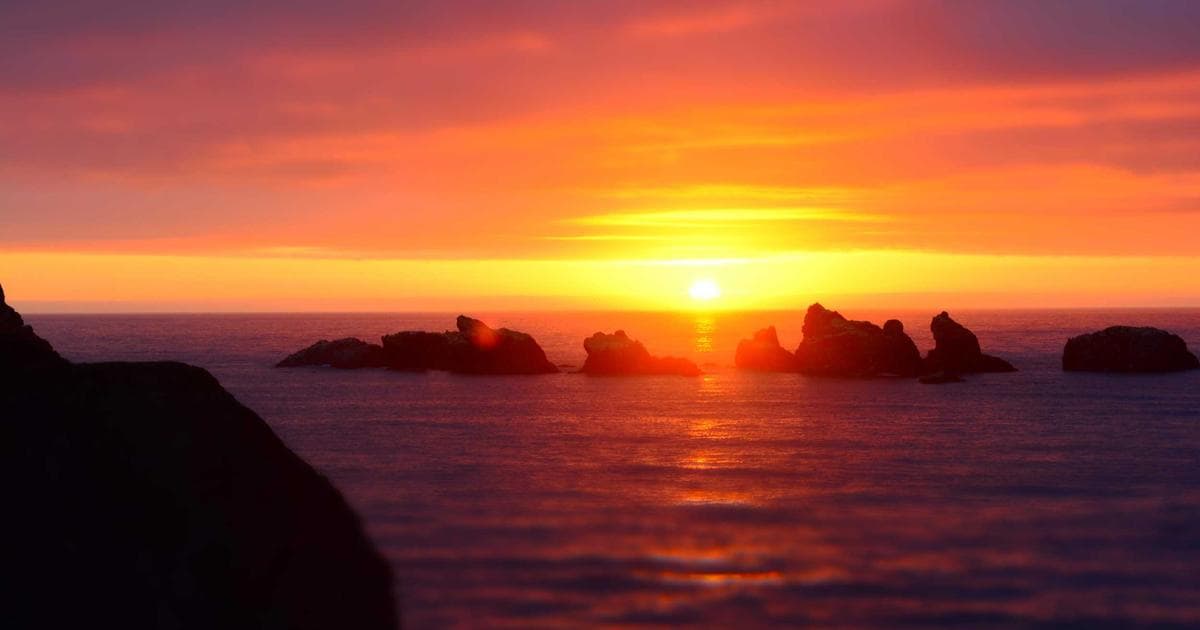
Luang Prabang Laos: The UNESCO World Heritage City Adventure Guide
Categories
Tags
Luang Prabang Laos: The UNESCO World Heritage City Adventure Guide
Standing on the banks of the Mekong River at dawn, watching saffron-robed monks in silent procession through Luang Prabang's misty streets, I witnessed a living heritage that has continued unchanged for centuries. This UNESCO World Heritage city isn't just Laos's cultural heart—it's one of Southeast Asia's most remarkably preserved gems, where French colonial architecture blends seamlessly with golden Buddhist temples, and ancient traditions thrive alongside modern life. After 20 years documenting Laos's cultural heritage, I'm still captivated by Luang Prabang's unique fusion of Theravada Buddhism, Lao tradition, and French colonial influence, all set against the stunning backdrop of mountains and rivers.
Quick Facts at a Glance
- Location: Northern Laos, 200km north of Vientiane
- UNESCO Status: Inscribed in 1995 as World Heritage Site
- Population: Approximately 50,000 residents
- Elevation: 300 meters (984 feet) above sea level
- Climate: Tropical monsoon, mild year-round temperatures
- Duration: 4-5 days recommended for comprehensive experience
- Difficulty: Easy (good infrastructure, English widely spoken)
- Best Months: November-March (dry season, pleasant temperatures)
- Average Cost: $800-$1,500 per person (5 days)
- Temperature: 15°C-28°C (59°F-82°F) during cool season
- Monk Population: Over 1,500 monks in city's monasteries
- Temples: 33 Buddhist temples (wats) within UNESCO zone
- Access: International airport, river boat from Thailand
Why Visit Luang Prabang?
Luang Prabang represents one of the best-preserved cities in Southeast Asia—a living museum where ancient traditions continue uninterrupted. Since its inscription as a UNESCO World Heritage Site in 1995, it has become the gold standard for cultural heritage preservation while maintaining authentic daily life.
What Makes Luang Prabang Extraordinary:
- UNESCO World Heritage: Exceptionally preserved example of traditional Lao urban architecture
- Living Buddhist Tradition: Daily monk alms ceremony unchanged for centuries
- Colonial Heritage: Best-preserved French colonial architecture in Southeast Asia
- Natural Beauty: Located on peninsula between Mekong and Nam Khan rivers
- Cultural Immersion: Authentic Lao culture, not tourism-centered
- Temple Architecture: 33 well-preserved Buddhist temples from various periods
- Nearby Nature: Kuang Si Waterfalls, Pak Ou Caves, elephant sanctuaries
- Gastronomy: Unique Lao cuisine with French influences
- Cultural Events: Pi Mai (Lao New Year) and traditional festivals
- Spiritual Atmosphere: Peaceful, meditative environment perfect for reflection
Understanding Luang Prabang's Heritage
The City's Historical Significance
Luang Prabang was the royal capital of the Kingdom of Lane Xang (Land of a Million Elephants) from 1353-1560 AD:
| Period | Historical Development |
|---|---|
| 1353-1560 | Royal capital of Lane Xang Kingdom |
| 1560-1707 | Religious center after capital moved to Vientiane |
| 1707-1946 | Regional capital during various periods |
| 1893-1954 | French colonial period |
| 1975-Present | UNESCO protection and tourism development |
Architectural Fusion
Luang Prabang's unique architecture combines:
1. Traditional Lao Architecture:
- Raised wooden houses on stilts
- Steeply pitched roofs with decorative finials
- Natural materials (teak, bamboo, thatch)
- Open verandas and elevated living areas
- Intricate wood carvings and ornamental details
2. Buddhist Temple Architecture:
- Golden stupas and prayer halls
- Lotus motif decorations
- Multi-tiered roofs with golden finials
- Courtyard layouts with Buddha statues
- Intricate murals and bas-reliefs
3. French Colonial Influence:
- Stucco facades with wooden shutters
- Balconies and wrought iron details
- High ceilings and spacious layouts
- Pastel colors and Mediterranean influences
- Combined with Lao design elements
Buddhist Monastic Tradition
Monastic Life:
- Over 1,500 monks reside in city's temples
- Monks aged from young novices to elderly elders
- Daily alms collection (tak bat) at dawn
- Temple-based education for many young men
- Deep spiritual and educational role in society
The Alms Ceremony:
- Time: 5:30-6:30 AM daily
- Procession: Monks walk silently through streets
- Offerings: Sticky rice, fruits, sweets from locals
- Tradition: Unbroken for 700+ years
- Significance: Core Buddhist merit-making practice
Perfect 5-Day Luang Prabang Cultural Heritage Adventure
Day 1: Arrival and City Exploration
Welcome to Luang Prabang:
- Morning: Arrival at Luang Prabang International Airport (LPQ)
- Mid-Morning: Transfer to hotel in UNESCO heritage zone
- Late Morning: Brief city orientation and rest
- Afternoon: Explore main street (Sisavangvong Road)
- Late Afternoon: Visit Mount Phousi for sunset
- Evening: Welcome dinner at local restaurant
- Night: Evening stroll through illuminated temples
- Accommodation: Boutique hotel in heritage zone
Mount Phousi Exploration:
Mount Phousi Highlights:
1. Climb 328 steps to summit (100m elevation gain)
2. Golden stupa (That Chomsi) at top
3. Panoramic views of entire city and rivers
4. Multiple smaller temples along the climb
5. Best sunset viewpoint in Luang Prabang
6. 360-degree views of temples, rivers, and mountains
7. Photography paradise during golden hour
8. Cultural significance as city's spiritual center
Day 1 Temple Visit: Wat Xieng Thong
- History: Built 1560, oldest temple in city
- Significance: Royal temple, coronation site for kings
- Architecture: Classic Lao temple design
- Features: Golden tree of life mosaic, royal funeral carriage
- Highlights: Intricate mosaics, golden walls, peaceful courtyards
- Duration: 1-2 hours
Day 2: Temple Circuit and Alms Ceremony
Dawn Alms Ceremony:
- 4:30 AM: Wake up and prepare for alms giving
- 5:00 AM: Position along main procession route
- 5:30 AM: Watch silent monk procession (do not disturb with flash)
- 6:00 AM: Return to hotel for breakfast
- Morning: Rest after early wake-up
Alms Ceremony Etiquette:
- Dress modestly (covered shoulders and knees)
- Remain silent throughout ceremony
- Do not use flash photography
- Maintain respectful distance from monks
- Observe without interfering
- Follow local customs if participating
Morning Temple Circuit:
Visit 5-6 temples representing different architectural periods:
1. Wat Mai (New Monastery)
- Era: 18th century
- Features: Elaborate golden facade, five-tiered roof
- Highlights: Golden reliefs depicting Ramayana epic
- Significance: Active temple with daily ceremonies
- Duration: 45 minutes
2. Wat Wisunalat
- Era: 16th century
- Features: One of oldest temples, massive sim (prayer hall)
- Highlights: Ancient wooden columns, Buddha statues
- Significance: Important pilgrimage site
- Duration: 45 minutes
3. Wat Aham
- Era: 19th century
- Features: Unique combination temple-royal residence
- Highlights: Ancient Buddha images, royal quarters
- Significance: Historical royal family temple
- Duration: 30 minutes
4. Wat That Luang
- Era: 19th century
- Features: Large stupa with golden spire
- Highlights: Royal crematorium, ancient Buddha images
- Significance: Site of royal funeral ceremonies
- Duration: 45 minutes
5. Wat Saen
- Era: 18th century
- Features: Peaceful temple with ancient Buddha
- Highlights: Ancient Buddha statue, serene atmosphere
- Significance: Important meditation temple
- Duration: 30 minutes
Afternoon: Traditional Arts and Crafts
- Late Morning: Return to hotel, rest
- Afternoon: Visit Traditional Arts and Ethnology Centre
- Late Afternoon: Explore local craft workshops
- Early Evening: Sunset at temple or riverside
- Evening: Traditional Lao dinner
- Night: Evening market visit
- Accommodation: Luang Prabang hotel
Traditional Arts Centre:
- Museum exhibits on Lao ethnic groups
- Traditional costumes, tools, and artifacts
- Information on diverse Lao cultures
- Educational displays on traditional crafts
- Duration: 1-2 hours
Day 3: Kuang Si Waterfalls and Nature Experience
Waterfall Adventure:
- 7:30 AM: Breakfast and departure
- 8:00 AM: 45-minute drive to Kuang Si Waterfalls
- 9:00 AM: Arrive at waterfalls
- Morning: Explore lower pools and waterfalls
- Midday: Hike to upper waterfalls
- Late Morning: Swim in natural pools (if desired)
- Noon: Picnic lunch at falls
- Afternoon: Visit bear rescue center
- Late Afternoon: Return to Luang Prabang
- Evening: Dinner and rest
- Night: Free evening
- Accommodation: Luang Prabang hotel
Kuang Si Waterfalls:
- Distance: 29km south of Luang Prabang
- Height: Main waterfall 60 meters (197 feet)
- Features: Multi-tiered waterfall system
- Natural Pools: Crystal clear pools for swimming
- Hiking: Walking trail through forest
- Wildlife: Possible sightings of butterflies, birds
- Duration: 3-4 hours total
Tat Kuang Si Bear Rescue Centre:
- Purpose: Rescue Asiatic black bears from poaching
- Facility: Semi-natural habitat enclosures
- Education: Information on bear conservation
- Duration: 30-45 minutes
- Entry: Included with waterfall ticket
Afternoon: Cooking Class or Pottery Workshop
Option 1: Lao Cooking Class
- Learn traditional Lao recipes
- Visit local market for ingredients
- Hands-on cooking instruction
- Enjoy prepared dishes
- Duration: 3-4 hours
Option 2: Pottery Workshop
- Traditional pottery techniques
- Create your own piece
- Learn about local pottery traditions
- Duration: 2-3 hours
Day 4: Pak Ou Caves and River Journey
Mekong River Adventure:
- 7:00 AM: Breakfast and boat pickup
- 7:30 AM: Depart upstream by traditional long-tail boat
- 8:30 AM: Stop at whisky village (optional)
- 9:30 AM: Arrive at Pak Ou Caves
- Morning: Explore caves and Buddha images
- Noon: Lunch on boat or riverside
- Afternoon: Return journey downstream
- 3:00 PM: Stop at traditional weaving village
- 4:00 PM: Return to Luang Prabang
- Evening: Dinner and cultural show
- Night: Free evening
- Accommodation: Luang Prabang hotel
Pak Ou Caves:
- Distance: 25km upstream from Luang Prabang
- Caves: Two main caves (Tham Ting and Tham Phum)
- Significance: Buddhist pilgrimage site for centuries
- Buddha Images: Thousands of Buddha statues (4,000+)
- Access: Only by boat (Mekong River)
- History: 1,400+ years of worship
- Duration: 1-2 hours
Cave Features:
- Lower Cave (Tham Ting): Accessible, numerous Buddha images
- Upper Cave (Tham Phum): Requires climbing, more extensive collection
- Buddha Variety: Different sizes, poses, materials
- Atmosphere: Spiritual, ancient, mystical
- Lighting: Natural light in lower cave, bring flashlight
Traditional Weaving Village:
- Village Name: Ban Xang Hai
- Craft: Traditional silk weaving
- Demonstration: Watch weavers at work
- Products: Scarves, textiles, clothing
- Support: Direct purchase supports local community
- Duration: 30-45 minutes
Day 5: Royal Palace Museum and Departure
Royal Heritage:
- Morning: Visit Royal Palace Museum (Haw Kham)
- Late Morning: Last temple visits or shopping
- Noon: Farewell lunch
- Early Afternoon: Transfer to airport
- Afternoon: Depart Luang Prabang
Royal Palace Museum (Haw Kham):
- History: Built 1904 for King Sisavang Vong
- Period: Royal residence until 1975
- Architecture: French colonial with Lao elements
- Highlights: Royal throne room, king's bedroom, crown jewels
- Significance: Best example of royal Lao life
- Duration: 1-2 hours
- Restrictions: No photography inside
Museum Highlights:
- King Sisavang Vong's throne room
- Royal bedrooms and living quarters
- Crown jewels and royal regalia
- Artifacts from royal period
- French colonial furniture and decor
- Historical photographs
- Religious artifacts and Buddha images
Essential Experiences and Activities
Dawn Alms Ceremony
Understanding the Tradition:
The alms ceremony (tak bat) is one of Southeast Asia's most moving spiritual experiences:
- Time: Daily 5:30-6:30 AM
- Participants: Hundreds of monks from temples throughout city
- Procession: Silent walking meditation through streets
- Offerings: Sticky rice prepared by locals
- Purpose: Monks' daily food, laypeople's merit-making
- Unbroken: Practiced continuously for 700+ years
Observer Guidelines:
- Arrive by 5:30 AM for best viewing
- Dress modestly (covered shoulders and knees)
- Remain silent throughout
- No flash photography
- Maintain respectful distance
- Observe without interfering
- If participating, follow local customs exactly
Temple Visits and Architecture
Must-Visit Temples:
- Wat Xieng Thong (1560)
- Oldest temple, royal temple
- Tree of Life mosaic
- Royal funeral carriage
- Classic Lao architecture
- Wat Mai (18th century)
- Elaborate golden facade
- Ramayana reliefs
- Five-tiered roof
- Active ceremonies
- Wat Wisunalat (16th century)
- Ancient wooden construction
- Massive prayer hall
- Historic Buddha images
- Wat That Luang (19th century)
- Large stupa
- Royal crematorium
- Golden spire
- Wat Aham (19th century)
- Temple-royal residence
- Ancient Buddha images
- Royal family temple
Nature Excursions
Kuang Si Waterfalls:
- Multi-tiered waterfall system
- Swimming in natural pools
- Bear rescue center
- Hiking trails through forest
- Perfect day trip from city
Pak Ou Caves:
- Ancient Buddhist cave temple
- 4,000+ Buddha images
- River boat journey
- Spiritual pilgrimage site
Optional Nature Experiences:
- Tad Sae Waterfall: Smaller, less visited
- Elephant Sanctuary: Ethical elephant encounters
- Ban Phanom Village: Traditional village experience
- Mount Phousi: Sunset viewpoint (city center)
Photography Guide
Best Photography Locations
1. Dawn Alms Ceremony:
- Time: 5:30-6:30 AM
- Location: Main procession route (Sisavangvong Road)
- Tips: No flash, use available light, respect silence
- Best Shots: Monk silhouettes, rice offerings, misty streets
2. Mount Phousi Sunset:
- Time: 5:00-6:30 PM (varies by season)
- Location: Summit of Mount Phousi
- Tips: Arrive early for best spot, bring wide-angle lens
- Best Shots: Panoramic city views, temple silhouettes, river reflections
3. Temple Architecture:
- Time: Morning or late afternoon (best light)
- Locations: All temples throughout city
- Tips: Wide-angle for exteriors, detail shots of carvings
- Best Shots: Golden stupas, ornate roofs, Buddha statues, courtyards
4. Kuang Si Waterfalls:
- Time: Morning (best light, fewer people)
- Location: 29km south of city
- Tips: Polarizer for water, tripod for long exposures
- Best Shots: Multi-tiered falls, swimming pools, rainforest details
5. Pak Ou Caves:
- Time: Morning boat journey
- Location: 25km upstream on Mekong
- Tips: Bring flashlight for cave interiors
- Best Shots: Buddha image galleries, cave interiors, river journey
Recommended Equipment
For Temples and Architecture:
- Camera body with good dynamic range
- Wide-angle lens (16-35mm)
- Standard zoom (24-70mm)
- Tripod for low-light temple interiors
- Polarizing filter
For Nature and Landscapes:
- Wide-angle lens for waterfalls
- Telephoto for details and wildlife
- Neutral density filters for waterfalls
- Tripod (essential for long exposures)
- Waterproof camera cover
Packing List for Luang Prabang
Clothing
Cultural Respect:
- Long-sleeved shirts (3-4)
- Long pants or skirts (3-4)
- Lightweight jacket for cool mornings/evenings
- Comfortable walking shoes (essential for temple visits)
- Sandals (for casual wear)
- Modest clothing for temple visits (covered shoulders and knees)
Weather-Appropriate:
- Lightweight, breathable fabrics (cotton, linen)
- Layers for temperature variation
- Rain jacket (especially May-October)
- Sun hat or cap
- Swimwear (for waterfalls)
- Quick-dry towel
Essential Items
Travel Essentials:
- Passport and visa requirements (check current)
- Travel insurance documentation
- Cash (Laos kip) - ATMs available but limited
- Credit cards (accepted in some establishments)
- Power adapter (Laos uses European-style plugs)
Health and Comfort:
- Sunscreen (high SPF)
- Insect repellent (DEET recommended)
- Personal medications
- Hand sanitizer
- Reusable water bottle
- Comfortable day bag
- Tissues or wet wipes
Photography Equipment
For Serious Photographers:
- Camera body and lenses
- Tripod
- Extra batteries
- Memory cards
- Camera cleaning supplies
- Rain cover
For Casual Photographers:
- Smartphone with good camera
- Portable charger
- Waterproof phone case
Health and Safety Considerations
Health Preparations
Recommended Vaccinations:
- Hepatitis A and B
- Typhoid
- Japanese encephalitis (consider for extended stays)
- Routine vaccinations (MMR, DPT, flu shot)
- Consult with travel medicine specialist 4-6 weeks before travel
Food and Water Safety:
- Drink bottled water only (avoid tap water)
- Eat at busy restaurants with high turnover
- Avoid street food if sensitive stomach
- Peel fruits and vegetables yourself
- Consider probiotics for gut health
Common Health Issues
Heat and Sun:
- Stay hydrated
- Use sunscreen regularly
- Wear hats and lightweight clothing
- Seek shade during peak sun
- Heat exhaustion awareness
Insect Bites:
- Use mosquito repellent (especially dawn/dusk)
- Wear long sleeves and pants
- Consider malaria prophylaxis for rural areas
- Keep accommodation rooms screened
Safety Considerations
General Safety:
- Luang Prabang is very safe
- Violent crime is rare
- Petty theft can occur (normal precautions)
- Natural hazards: slippery temple steps, river currents
- Traffic: Watch for motorbikes when crossing streets
Temple Etiquette:
- Remove shoes before entering temples
- Dress modestly (covered shoulders and knees)
- Point feet away from Buddha statues
- Keep voice low inside temples
- Ask permission before photographing monks
- Respect worshipers during ceremonies
Cost Breakdown: Luang Prabang Adventure
Estimated Costs for 5-Day Experience
Budget Option ($800-$1,000):
- Flights: $200-$400 (regional)
- Accommodation: Budget guesthouses: $150 ($30/night)
- Food: Local restaurants: $200 ($40/day)
- Transportation: Tuk-tuks and local transport: $100
- Activities: Temples (most free), some activities: $150
- Miscellaneous: Tips, souvenirs, contingencies: $100
Mid-Range Option ($1,000-$1,500):
- Flights: Regional flights: $300-$500
- Accommodation: Boutique hotels: $300-$400 ($60-80/night)
- Food: Mix of local and nicer restaurants: $300 ($60/day)
- Transportation: Private transfers and boat: $200
- Activities: All activities, workshops: $250
- Miscellaneous: Tips, souvenirs, contingencies: $150
Premium Option ($1,500-$2,000+):
- Flights: Premium connections: $500-$700
- Accommodation: Luxury heritage hotels: $600-$800 ($120-160/night)
- Food: Fine dining and special experiences: $400 ($80/day)
- Transportation: Private car/driver with guide: $300
- Activities: Premium experiences and private tours: $400
- Miscellaneous: Premium experiences, tips, souvenirs: $200
Additional Costs:
- Visa fees (varies by nationality)
- Travel insurance: $50-$100
- Cooking classes or workshops: $30-$50
- Massage and spa treatments: $20-$40
- Souvenirs and handicrafts: $100-$300
Getting to Luang Prabang
Travel Logistics
Getting to Luang Prabang:
International Flight Options:
- Direct from Bangkok (Thai Airways, Lao Airlines)
- From Vientiane (Lao Airlines)
- From Chiang Mai (Lao Airlines)
- From Hanoi (Lao Airlines)
- From Siem Reap (Lao Airlines)
Luang Prabang International Airport (LPQ):
- Modern international airport
- Visa on arrival available for many nationalities
- Airport transfers available ($10-15 to city)
- Currency exchange available
Overland Options:
From Thailand:
- Huay Xai: Slow boat down Mekong (2 days)
- Chiang Rai: Bus to border + boat
- Vientiane: Bus (10-12 hours) or train (new rail link)
River Journey (Huay Xai to Luang Prabang):
- Slow Boat: 2 days, overnight in Pak Beng
- Experience: Classic Mekong journey, scenic
- Cost: $30-50 (including food)
- Duration: 2 days 1 night
- Accommodation: Basic guesthouse in Pak Beng
Visa Requirements
Visa on Arrival:
- Available for most nationalities
- Cost: $30-50 (varies by nationality)
- Requirements: Passport with 6 months validity, passport photo
- Duration: 30 days (can be extended)
- Process: 15-30 minutes at airport/land border
E-Visa:
- Apply online before travel
- Faster processing at airport
- Valid for 60 days from issue
Cultural and Historical Context
Lao Buddhist Tradition
Theravada Buddhism:
- Dominant religion in Laos
- Monastic tradition central to society
- Daily alms ceremony key practice
- Temple-based education system
- Meditation and mindfulness central
Monk Life Cycle:
- Young men often spend time as monks
- Temples provide education for many
- Monks respected highly in society
- Daily routine: alms, chanting, meditation
- Temple as community center
French Colonial Influence
Colonial Period (1893-1954):
- Part of French Indochina
- French architecture blended with Lao traditions
- French cuisine influences (baguettes, coffee, pâté)
- Education and administration systems
- Cultural exchange and fusion
Architecture:
- Stucco facades with wooden details
- Balconies and shutters
- Pastel colors (yellow, cream, blue)
- Mediterranean influences adapted to tropical climate
- Combined with Lao design elements
Traditional Lao Culture
Art and Crafts:
- Silk weaving (traditional patterns)
- Wood carving (temple details, furniture)
- Silverwork (temple decorations)
- Pottery (traditional techniques)
- Painting (temple murals)
Cuisine:
- Sticky rice (khao niaow) - Lao staple
- Laap (minced meat salad)
- Tam mak hung (green papaya salad)
- Khao soi (noodle soup)
- Or lam (Lao stew)
- French influences (baguettes, coffee)
Festivals:
- Pi Mai: Lao New Year (April)
- Boun Awk Phansa: End of Buddhist Lent (October)
- Boun That Luang: Temple festival (November)
- Boun Bang Fai: Rocket festival (May)
- Boun Ok Phansa: Boat racing festival (October)
Choosing Your Luang Prabang Experience
Experience Options
1. Cultural Heritage Focus (4-5 Days)
- Temple visits and architecture
- Dawn alms ceremony
- Royal Palace Museum
- Traditional arts and crafts
- Duration: 4-5 days
- Cost: $800-$1,200
2. Nature and Adventure Focus (5-6 Days)
- Kuang Si Waterfalls
- Pak Ou Caves by boat
- Elephant sanctuary (ethical)
- Village visits and trekking
- Duration: 5-6 days
- Cost: $1,000-$1,500
3. Comprehensive Experience (6-7 Days)
- All cultural sites
- Nature excursions
- Cooking class or workshop
- Night market shopping
- Day trip to surrounding areas
- Duration: 6-7 days
- Cost: $1,200-$1,800
4. Slow Travel/Retreat (7-14 Days)
- Extended temple visits
- Meditation sessions
- Cooking classes
- Daily cultural immersion
- Extended nature exploration
- Duration: 7-14 days
- Cost: $1,500-$3,000+
Tour Provider Selection
Essential Questions to Ask:
- Experience and Knowledge:
- How long have you been operating in Luang Prabang?
- What are your guides' qualifications?
- Are they local or expatriate?
- What's your connection to local community?
- Services Included:
- What's included in your packages?
- What type of accommodations?
- Are meals included?
- What transportation provided?
- Ethical Practices:
- Do you support local communities?
- How do you ensure ethical elephant encounters?
- Do you employ local guides and staff?
- What conservation initiatives do you support?
- Customization:
- Can you customize itineraries?
- What are your group sizes?
- Can you accommodate special interests?
- How flexible are your schedules?
Best Time to Visit
Seasonal Considerations
Dry Season (November-April):
- Best Overall: November-March
- Weather: Cool, dry, pleasant (15°C-28°C)
- Advantages: Comfortable temperatures, less rain
- Crowds: Peak tourist season
- Cost: Higher prices
- Recommendation: Best time for most travelers
Rainy Season (May-October):
- Weather: Hot, humid, wet (25°C-32°C)
- Advantages: Lush landscapes, fewer tourists
- Disadvantages: Heavy rain, potential flooding
- Crowds: Fewer tourists
- Cost: Lower prices
- Recommendation: For budget travelers seeking authentic experience
Festival Seasons:
- Pi Mai (Lao New Year): April 13-15
- Water festival celebrations
- Temple ceremonies
- Most important cultural event
- Crowded but authentic
- Boun That Luang: November
- Major temple festival
- Processions and ceremonies
- Cultural performances
Final Thoughts & Planning Tips
Why Luang Prabang Changes You
Luang Prabang offers one of the most authentic cultural experiences in Southeast Asia—a place where ancient traditions continue unchanged in the modern world. Watching the silent monk alms ceremony at dawn, exploring golden temples that have stood for centuries, experiencing the fusion of Lao and French cultures, and witnessing daily life that has maintained its character for generations, you gain perspective on what's truly important in a rapidly changing world.
The city's UNESCO World Heritage status has preserved not just buildings but a way of life. The peaceful, spiritual atmosphere encourages reflection and mindfulness. The combination of cultural immersion, natural beauty, and authentic experiences creates memories that transform how you view Southeast Asia and its cultural heritage.
Best Planning Tips
Book Early:
- Peak season (November-March): Book accommodations early
- Heritage hotels have limited capacity
- Popular activities (cooking classes) book out
- Recommended: 2-3 months before travel
Prepare Culturally:
- Learn basic Lao phrases (kop jai, sabaidee)
- Research Buddhist etiquette
- Understand temple visit protocols
- Dress modestly for temple visits
- Be respectful of monks and religious practices
Pack Appropriately:
- Lightweight, breathable fabrics
- Modest clothing for temples
- Comfortable walking shoes
- Rain jacket (especially May-October)
- Sun protection (hat, sunscreen)
Embrace the Pace:
- Luang Prabang is slow and peaceful
- Don't rush temple visits
- Take time for reflection
- Enjoy the spiritual atmosphere
- Disconnect from technology when possible
Making the Most of Your Experience
Before Your Trip:
- Research Lao culture and Buddhism
- Learn temple etiquette
- Practice basic Lao phrases
- Prepare for early wake-ups (alms ceremony)
- Read about UNESCO heritage preservation
During Your Visit:
- Attend dawn alms ceremony (it's moving)
- Visit temples slowly and mindfully
- Try local cuisine (sticky rice, laap)
- Explore beyond main tourist areas
- Support local artisans and workshops
- Take time for reflection and meditation
After Your Trip:
- Share experiences respectfully
- Support Lao conservation efforts
- Stay connected with people you met
- Consider extended exploration of Laos
- Share cultural insights with others
Conclusion
Luang Prabang represents one of Southeast Asia's most extraordinary destinations—a UNESCO World Heritage city where ancient traditions continue unchanged, where Buddhist temples stand alongside French colonial architecture, where the Mekong River flows past ancient royal palaces, and where spiritual peace permeates daily life.
Whether you're a cultural heritage enthusiast, spiritual seeker, nature lover, or simply someone seeking an authentic Southeast Asian experience away from mass tourism, Luang Prabang delivers insights into a way of life that has survived centuries of change.
The combination of remarkably preserved architecture, living Buddhist tradition, natural beauty, and authentic cultural immersion creates an experience impossible to find elsewhere. As modern development pressures heritage sites worldwide, places like Luang Prabang become increasingly rare and precious.
The dawn alms ceremony, golden temples, Mekong River, and spiritual peace of Luang Prabang await you. Isn't it time you experienced this UNESCO World Heritage treasure for yourself?
Have you visited Luang Prabang or other UNESCO World Heritage cities? Share your experiences and questions in the comments below!
Adventure Knit Editorial
Destination research compiled and fact-checked by the Adventure Knit editorial team from published sources, operator itineraries, and official tourism boards. Spot something out of date? Tell us at hello@adventureknit.com.
Related Stories
 Guatemala
Antigua Guatemala: The Colonial City Adventure Guide
Expert guide to Antigua Guatemala. UNESCO World Heritage colonial city, volcano hiking, Spanish architecture, coffee plantations, and cultural immersion in Guatemala's historic capital.
 Argentina
Iguazu Falls Argentina Brazil: The Ultimate Waterfall System Adventure Guide
Expert guide to Iguazu Falls Argentina Brazil. Devil's Throat, Garganta del Diablo, boat tours, rainforest adventures, and South America's most spectacular waterfall system.
 Italy
ItalyAmalfi Coast Italy: The Ultimate Scenic Coastal Drive Guide
Expert guide to Amalfi Coast Italy. Positano cliffs, Amalfi town, Ravello gardens, Path of the Gods, and Italy's most spectacular coastal drive.
Enjoyed this article?
Explore more stories from our adventures around the world