
Machu Picchu Peru: Complete Lost City Guide
Categories
Tags
Machu Picchu: The Lost City That Was Never Really Lost
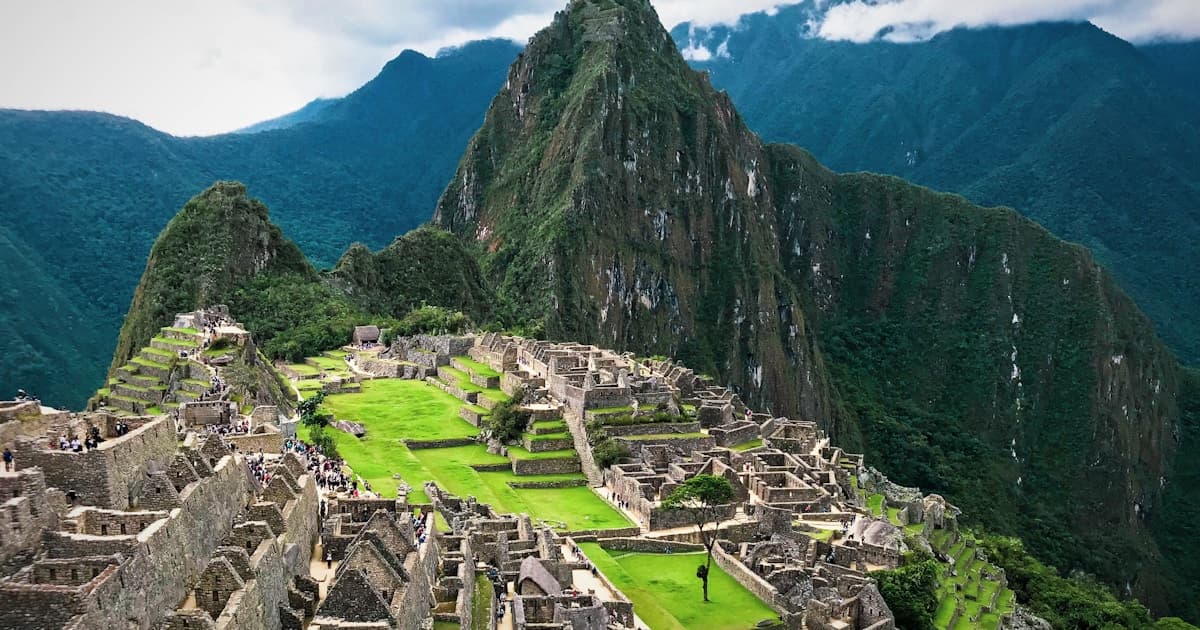
The moment you emerge from the Sun Gate after four days trekking the Inca Trail and see Machu Picchu bathed in sunrise light, clouds swirling through the ruins—that's when 18 years of guiding these mountains still gives me chills. This 15th-century Inca citadel perched at 2,430m in the Andes was never actually "lost" to locals (we always knew it was here!), but its rediscovery to the world in 1911 revealed one of humanity's greatest architectural achievements. Let me show you how to experience this wonder properly.
Quick Facts at a Glance
- Altitude: 2,430m (7,970 ft) - Cusco is higher at 3,400m!
- Best Time: May-September (dry season)
- Tickets: MUST book 2-6 months ahead (limited daily capacity)
- Getting There: Train from Cusco/Sacred Valley or Inca Trail trek
- Entry Times: Circuit 1 or 2, 6AM-2PM slots
- Average Cost: $500-2,000 depending on route chosen
- Recommended Duration: 3-5 days (including Cusco acclimatization)
- UNESCO: World Heritage Site since 1983
Why Visit Machu Picchu?
- Wonder of the World: New 7 Wonders (2007)
- Inca Engineering: Precision stonework, no mortar, earthquake-proof
- Dramatic Setting: Between two peaks, surrounded by cloud forest
- Spiritual Energy: Sacred site, astronomical alignments
- Inca Trail: One of world's best multi-day treks
- Biodiversity: 450+ bird species, spectacled bears, orchids
- Ancient Mystery: Purpose still debated (royal estate? Religious site?)
Booking Machu Picchu Tickets (CRITICAL!)
New Rules (IMPORTANT!)
Daily Capacity: 4,500 visitors (was 2,500, increased 2024)
Three Circuits:
- Circuit 1 (Classic postcard view): Upper terraces, Guard House
- Circuit 2 (Most complete): All main areas except Guard House
- Circuit 3 (Lower route): Temple sector, less panoramic
Entry Times:
- Circuit 1&2: Every hour 6AM-2PM
- Circuit 3: 6AM-4PM
No Re-entry: Once you leave, can't return same day
How to Book
1. Official Website (RECOMMENDED):
- machupicchu.gob.pe
- Book 2-6 months ahead (high season)
- $47 entry only
- +$22 for Huayna Picchu mountain
- +$22 for Machu Picchu Mountain
- Pay online (credit card)
2. Through Tour Operator:
- They book for you
- Slightly more expensive
- Easier for non-Spanish speakers
- Helpful if sold out (they have allocations)
3. Last Minute (Risky!):
- Tickets released 24 hours before if canceled
- Check website at midnight
- Not reliable high season
What to Book
Machu Picchu Entry ($47): Basic access +Huayna Picchu ($69 total): Steep 1-hour climb, stunning views, LIMITED to 200/day +Machu Picchu Mountain ($69 total): Alternative peak, longer but less steep, 400/day
Book Circuit 1 or 2 for classic views!
Getting to Machu Picchu
Option 1: Classic Inca Trail (4D/3N) ⭐ MOST EPIC
What: 42km ancient Inca stone path to Machu Picchu Cost: $600-800 (budget) to $1,500-2,500 (luxury) Difficulty: Moderate to challenging Altitude: Max 4,215m at Dead Woman's Pass
Day 1: Cusco → Km 82 → Wayllabamba Camp (3,000m)
- 12km hike
- Gentle introduction
- Camp in Sacred Valley
Day 2: Wayllabamba → Dead Woman's Pass (4,215m) → Pacaymayo (3,600m) ⭐ HARDEST DAY
- 12km, 1,200m ascent
- Highest point of trek
- Incredible views
- Exhausting but worth it!
Day 3: Pacaymayo → Runkurakay → Wiñay Wayna (2,680m)
- 16km through cloud forest
- Multiple Inca ruins
- Beautiful orchids
- Longest day
Day 4: Wiñay Wayna → Sun Gate → Machu Picchu → Aguas Calientes
- 4km final push
- Arrive 6AM at Sun Gate
- First sunrise view of Machu Picchu ⭐ MAGICAL
- Explore citadel 3-4 hours
- Train back to Cusco
Booking:
- BOOK 6 MONTHS AHEAD! (500 permits/day, sells out!)
- Government requires licensed tour company
- Cannot do independently
- Porters carry 7kg (cooking/tents)
- You carry daypack only
What's Included:
- Licensed guide
- Porters
- Meals (excellent!)
- Camping equipment
- Entrance fees
- Train back
Tips:
- Tip porters/guides (S/150-200 porters, S/250-300 guide)
- Train in advance (hills, altitude)
- Acclimatize in Cusco 2-3 days first!
- Walking poles helpful
Option 2: Train (Easiest)
Routes:
Peru Rail/Inca Rail (Ollantaytambo → Aguas Calientes):
- Expedition: $65-80 one-way (budget)
- Vistadome: $100-120 (panoramic windows)
- Luxury: $500+ (Hiram Bingham)
- 1.5-2 hours scenic journey
- Alongside Urubamba River
- Book weeks ahead!
From Cusco: Must go to Ollantaytambo first (2 hours)
Aguas Calientes → Machu Picchu:
- Bus: $12 each way, 25 min
- Hike: Free, 1.5 hours uphill (steep!)
Cost Total:
- Round-trip train: $130-240
- Bus: $24
- Entry: $47-69
- Total: $200-350 minimum
Best for: Limited time, families, not trekkers
Option 3: Alternative Treks
Salkantay Trek (5D/4N):
- More challenging than Inca Trail
- Higher altitude (4,650m pass!)
- More dramatic scenery
- $300-500
- Ends with train to MP
- No permit needed (book 1 month ahead)
Lares Trek (4D/3N):
- Cultural focus
- Andean villages, hot springs
- Lower altitude
- $400-600
- Ends with train to MP
Short Inca Trail (2D/1N):
- Last 12km of Classic Trail
- $450-700
- Good compromise
- Still needs permit (book 2-3 months ahead)
Best 5-Day Itinerary (Cusco + Machu Picchu)
Day 1: Cusco Arrival & Acclimatization
Morning:
- Arrive Cusco (3,400m altitude!)
- Check into hotel
- REST: Altitude sickness prevention
- Light walking only
Afternoon:
- Plaza de Armas stroll
- Cusco Cathedral
- Coca tea (helps altitude)
- Early dinner
Evening:
- Sleep early
- Avoid alcohol first night
- Drink lots of water
Altitude Tips:
- Cusco HIGHER than Machu Picchu!
- Give body 24-48 hours to adjust
- Symptoms: Headache, nausea, fatigue, shortness of breath
- Coca tea, coca leaves, altitude pills (Diamox)
- Don't rush!
Day 2: Sacred Valley Tour
Morning (9:00-1:00):
- Pisac Market (Sunday, Tuesday, Thursday best)
- Local handicrafts
- Andean textiles
- Lower altitude (2,970m) = good acclimatization
- Pisac Ruins
- Terraced hillside fortress
- 1 hour climb
- Great views
Lunch: Sacred Valley restaurant (buffet typical)
Afternoon (2:00-6:00):
- Ollantaytambo Fortress ⭐
- Living Inca town
- Massive terraces
- Train to Aguas Calientes leaves from here
- 1-2 hours exploration
Evening:
- Take train to Aguas Calientes (7-8 PM)
- Or stay Ollantaytambo (cheaper)
- Early bed (4:30 AM wake-up!)
Day 3: Machu Picchu! ⭐⭐⭐
4:30 AM: Wake up, quick breakfast
5:00 AM: Bus queue (long line!)
- Buses run 5:30AM-3:30PM
- First buses get there for sunrise
- 25-min winding road
5:30-6:00 AM: Arrive Machu Picchu
- Enter on your Circuit time
- Sunrise over ruins ⭐ BEST TIME
- Mist clearing from valleys
- Fewer people
6:00-10:00 AM: Explore Citadel
- Main Plaza (center of city)
- Temple of the Sun (perfect stonework)
- Intihuatana Stone (astronomical clock)
- Temple of the 3 Windows
- Agricultural Terraces
- Guard House (classic photo angle)
Optional Hike (if booked):
- Huayna Picchu: 7AM or 10AM slot, 1 hour up, 45 min down, 200 people/day, STEEP ladder sections, incredible views
- Machu Picchu Mountain: 7AM or 9AM, 1.5 hour up, less steep, bigger summit, 400 people/day
12:00 PM: Lunch in Aguas Calientes
- Town below (30 min walk down or bus)
- Restaurants touristy but OK
Afternoon:
- Train back to Ollantaytambo (4-6 PM)
- Van to Cusco (2 hours)
- Arrive 8-9 PM
Evening: Celebration dinner in Cusco!
Day 4: More Cusco (If Time)
Morning:
- Sacsayhuaman (massive stones!)
- 15 min from Cusco
- Inca fortress
- Stones weigh 200 tons
- How did they move them?!
- Q'enqo, Puka Pukara, Tambomachay
- Nearby Inca sites
- Combined ticket (S/70 = $18)
Afternoon:
- San Pedro Market (local)
- San Blas (artisan quarter)
- Souvenir shopping
Day 5: Departure or Rainbow Mountain
Option A: Fly home from Cusco
Option B: Rainbow Mountain (Vinicunca)
- Full day tour (3AM start!)
- 5,200m altitude (very high!)
- Colored mineral mountains
- 2-hour hike from parking
- Only if already acclimatized!
- $30-50
- Stunning but HARD
What to Pack for Machu Picchu
Essential Items
Clothing (Layers!):
- Moisture-wicking base layers
- Fleece/insulated jacket
- Rain jacket (even dry season)
- Convertible pants
- Hat (sun + warmth)
- Gloves (early morning cold)
- Underwear, socks (5-7 days if trekking)
Footwear:
- Broken-in hiking boots (waterproof)
- Camp shoes/sandals (if trekking)
- Gaiters (optional, wet season)
Gear:
- Daypack (25-35L)
- Water bottle (2L capacity)
- Headlamp (with extra batteries)
- Trekking poles (helpful!)
- Sleeping bag (if budget trek - they provide but often low quality)
- Camera + extra batteries (cold drains them)
Health & Hygiene:
- Altitude sickness meds (Diamox - get prescription)
- Sunscreen SPF 50+ (high altitude = strong sun!)
- Insect repellent (DEET 30%+)
- Toilet paper (always!)
- Hand sanitizer
- Blister treatment
- Personal medications
Documents:
- Passport (required for entry!)
- Student ID (if under 25 = 50% discount!)
- Train tickets (printed)
- Machu Picchu ticket (printed)
- Travel insurance
Optional:
- Snacks (trail mix, energy bars)
- Electrolyte tablets
- Dry bags (protect electronics)
- Binoculars (bird watching)
What NOT to Bring
❌ Drones (illegal at Machu Picchu!) ❌ Tripods (not allowed) ❌ Large backpacks (25L max in citadel) ❌ Food/drinks (water only in transparent bottle) ❌ Umbrellas (walking sticks OK) ❌ Heels/sandals (seriously, people try...)
Cusco: Your Base City
Where to Stay
San Blas (Artisan Quarter): ⭐ BEST AREA
- Bohemian, cafes, galleries
- Steep hills (good altitude training!)
- Wild Rover Hostel: S/40-60 ($11-16) dorms, party hostel
- Mama Simona: S/200-300 ($53-80), boutique B&B
Plaza de Armas (Center):
- Most convenient
- Can be noisy
- Pariwana Hostel: S/50-70 ($13-19), social
- JW Marriott: S/800+ ($213+), luxury
San Cristobal (Quieter):
- Views over city
- Less central
- Good value
What to Eat in Cusco
Cuy (Guinea Pig): S/50-80
- Traditional Andean delicacy
- Roasted whole
- Tastes like chicken (gamey)
- Try once!
Alpaca Steak: S/40-60
- Lean red meat
- Healthier than beef
- Delicious!
Lomo Saltado: S/25-35
- Stir-fried beef, tomatoes, fries
- Most popular Peruvian dish
Ceviche: S/30-45
- Raw fish, citrus marinade
- Coastal dish (far from coast here though!)
Pisco Sour: S/15-25
- National cocktail
- Pisco brandy, lime, egg white
- Avoid first day (alcohol + altitude = bad!)
Where to Eat:
- Mercado San Pedro: Cheap local food S/10-15
- Pachapapa (San Blas): Traditional S/40-60
- Chicha (by Gastón Acurio): Upscale Peruvian S/80-120
- Green Point: Vegetarian/vegan S/25-40
Altitude Sickness Prevention
Acclimatization Strategy
Day 1-2 in Cusco (3,400m):
- REST first day
- Light walking only
- No alcohol
- Drink 3-4L water/day
- Coca tea constantly
- Early bed
Day 3+: Ready for activities
Symptoms:
- Headache
- Nausea
- Fatigue
- Shortness of breath
- Insomnia
- Loss of appetite
Treatment:
- Coca tea (legal in Peru!)
- Coca leaves (chew or tablets)
- Diamox (prescription, 125-250mg/day)
- Ibuprofen (for headaches)
- Oxygen (hotels/pharmacies have)
- Descend if severe
Prevention:
- Ascend gradually
- Stay hydrated
- Avoid alcohol first 48 hours
- Light meals
- Don't overexert
- "Climb high, sleep low"
Serious Symptoms (GET HELP!):
- Confusion
- Can't walk straight
- Severe headache
- Coughing pink foam
- These = altitude pulmonary/cerebral edema = LIFE THREATENING
- Descend IMMEDIATELY + hospital
Best Time to Visit
Dry Season (May-Sept) ⭐ BEST
Weather:
- Clear days, cold nights
- 15-20°C days, 0-5°C nights
- Minimal rain
Pros:
- Best trail conditions
- Clear views
- Sunrise success high
- All trails open
Cons:
- Peak crowds
- Most expensive
- Inca Trail books out 6 months ahead
Best months: May, June, September (less crowded than July-Aug)
Shoulder Season (April, October)
Weather: More rain but manageable
Pros:
- Fewer crowds
- 20% cheaper
- Greener landscapes
- Easier booking
Cons:
- Some rainy days
- Muddy trails
- Cloud risk
Wet Season (Nov-March) ❌ AVOID
Weather: Heavy rain daily
Pros:
- Cheapest
- Empty
- Very green
Cons:
- Inca Trail CLOSED in February (maintenance)
- Muddy, slippery
- Clouds obscure views
- Landslide risk
- Uncomfortable
Only visit if: Budget priority, OK with rain/clouds
Money-Saving Tips
- Book train in advance: 30% cheaper
- Take bus from Cusco to Hidroeléctrica (S/25), walk tracks to Aguas Calientes (3-4 hours) = Save $120 on train!
- Student discount: 50% off Machu Picchu if under 25 (bring ISIC card)
- Eat at San Pedro Market: S/10-15 vs S/40-60 restaurants
- Stay in Cusco, day trip to Machu Picchu (vs overnight Aguas Calientes)
- Salkantay Trek cheaper than Inca Trail: $300-500 vs $600-800
- Group tours cheaper than private: 50% less
- Book direct with agencies in Cusco: 20% cheaper than online
- Hike up to Machu Picchu: Free vs $24 bus (but steep 1.5 hours!)
- Visit Rainbow Mountain: $30-50 vs $150 private
Budget Breakdown:
- Backpacker: $60-100/day (hostel, market food, bus/hike)
- Mid-Range: $150-250/day (hotel, restaurants, train, tours)
- Luxury: $400+/day (5-star, fine dining, Hiram Bingham train)
Common Mistakes to Avoid
- Not acclimatizing: Going straight to Machu Picchu from Lima = altitude sickness
- Booking last minute: Inca Trail books out 6 months ahead!
- Wrong season: February Inca Trail closed, wet season miserable
- Not printing tickets: Need physical tickets for Machu Picchu entry
- Forgetting passport: Required for entry (they check!)
- Overpacking: Porter limits if trekking
- Drinking altitude first night: Alcohol + altitude = terrible
- Underestimating difficulty: Train in advance!
- Skipping Sacred Valley: Great acclimatization, beautiful sites
- Not tipping: Porters/guides work hard, expect tips
Final Thoughts
Standing at the Sun Gate at 6 AM after four days of trekking, watching the sunrise illuminate Huayna Picchu, mist swirling through the ruins below—after 18 years, this moment still stops my heart. Machu Picchu isn't just stones and terraces. It's the journey to get there. The altitude that tests you. The ancient path your feet follow. The connection to the Inca who walked here 600 years ago.
My advice? Do the Inca Trail if you're physically able. Train for it. Respect the altitude. Book way ahead. And when you finally see those ruins from the Sun Gate, let yourself cry. Everyone does, even tough mountain guides like me.
Just please, please acclimatize in Cusco first. Trust me—I've carried too many people down from Dead Woman's Pass who rushed it.
Ready to trek to Machu Picchu? Check out our Inca Trail Classic Trek or explore more Peru travel guides.
About the Author: Carlos Gutierrez was born in Cusco and has been leading Inca Trail expeditions for 18 years. As a Quechua speaker and Andean history specialist, he brings deep cultural knowledge to every trek. Follow his mountain adventures on Instagram @incatrailwithcarlos.
Adventure Knit Editorial
Destination research compiled and fact-checked by the Adventure Knit editorial team from published sources, operator itineraries, and official tourism boards. Spot something out of date? Tell us at hello@adventureknit.com.
Related Stories
 Peru
PeruLima Peru: Ultimate City of Kings Travel Guide
Complete Lima travel guide covering Plaza Mayor, Barranco, Historic Center, and Peruvian cuisine. Expert tips for your perfect South American adventure.
 Cambodia
Angkor Wat Cambodia: Complete Temple Complex Guide
Ultimate Angkor Wat guide with temple routes, sunrise tips, Siem Reap base, and avoiding crowds. Expert 3-day itinerary included.
 Nepal
NepalEverest Base Camp Trek: Complete Insider Guide
Expert guide to EBC trek with 15+ years experience. Detailed itinerary, altitude tips, costs, and local insights for your adventure.
Enjoyed this article?
Explore more stories from our adventures around the world