
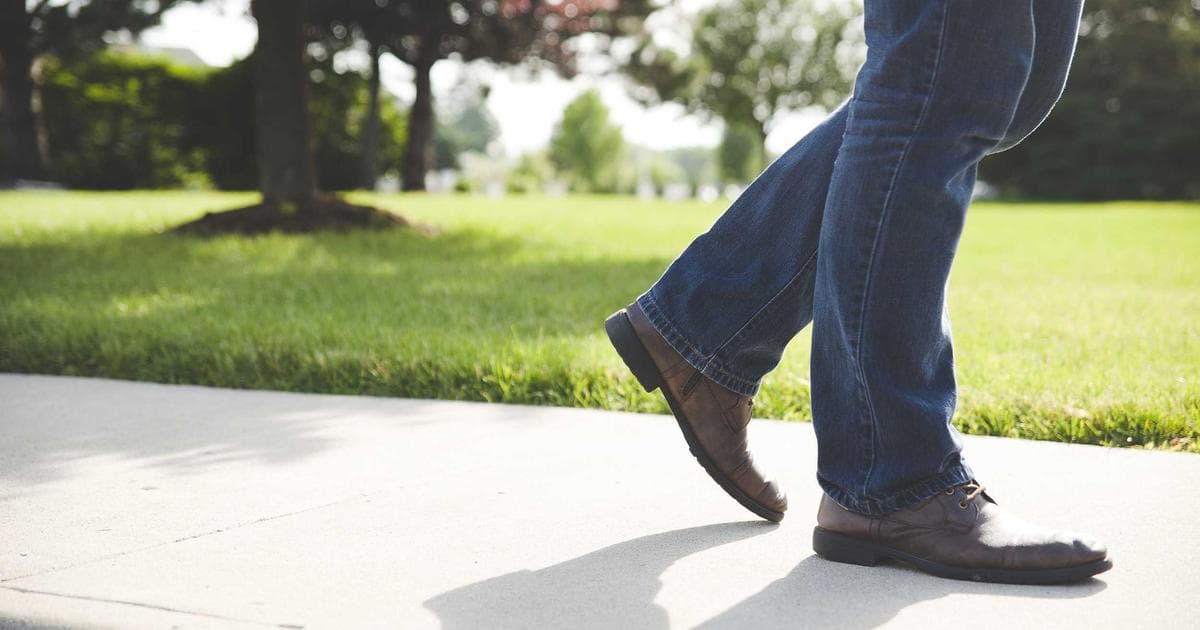
Thimphu, Bhutan: The Ultimate Travel Guide to the World's Most Unique Capital City
Tags
Thimphu, Bhutan: The Ultimate Travel Guide to the World's Most Unique Capital City
Nestled in the heart of the majestic Himalayas, Thimphu stands as one of the world's most extraordinary and remote capital cities. As the political and cultural heart of Bhutan, Thimphu offers visitors a rare glimpse into a kingdom that has successfully preserved its ancient Buddhist traditions while carefully embracing modernity. Unlike any other capital on Earth, Thimphu maintains its unique character through the absence of traffic lights (replaced by traffic policemen using traditional hand gestures), traditional architecture laws, and the kingdom's groundbreaking philosophy of Gross National Happiness. This comprehensive guide will help you navigate Thimphu's enchanting streets, sacred sites, and cultural treasures while respecting the deeply spiritual traditions that define this Himalayan jewel.
Quick Facts
- Population: 115,000
- Elevation: 2,248 meters (7,375 feet) above sea level
- Currency: Bhutanese Ngultrum (BTN), pegged to Indian Rupee
- Language: Dzongkha (official), English widely spoken
- Best Time to Visit: March to May (spring) and September to November (autumn)
- Time Zone: UTC+6
- Emergency Numbers: 110 (Police), 112 (Ambulance)
- Electricity: 230V, Types D, F, G plugs
- Tap Water: Not safe to drink - stick to bottled or boiled water
- Visa: Required for most nationalities (must be arranged through licensed tour operator)
3-Day Thimphu Itinerary
Day 1: Cultural Heart & Sacred Sites
Morning (8:00-12:00)
- Begin at the majestic Tashichho Dzong, the seat of Bhutan's government
- Witness the morning prayers and observe monks in their daily rituals
- Visit the National Memorial Chorten, the most revered religious monument in Thimphu
- Walk through the beautiful gardens surrounding the chorten
Afternoon (13:00-17:00)
- Lunch at a traditional Bhutanese restaurant for ema datshi (chili cheese)
- Visit the Changangkha Lhakhang, the oldest temple in Thimphu
- Explore the National Library to see ancient Buddhist manuscripts
- Stroll through the Motithang Takin Preserve to see Bhutan's national animal
Evening (18:00-21:00)
- Sunset at the Buddha Dordenma statue, one of the largest Buddha statues in the world
- Dinner at a local restaurant with traditional Bhutanese cuisine
- Evening walk through Thimphu's bustling streets to experience local life
Day 2: Art, Culture & Day Trip
Morning (8:00-12:00)
- Visit the Institute for Zorig Chusum (School of Traditional Arts)
- Watch artisans creating thangkas, paintings, and wood carvings
- Explore the Folk Heritage Museum to see traditional Bhutanese rural life
- Walk through the Textile Museum to see Bhutan's famous weaving traditions
Afternoon (13:00-17:00)
- Lunch at a farm-to-table restaurant
- Drive to Tango Cheri Monastery (45 minutes from Thimphu)
- Hike to the monastery and explore its sacred caves and temples
- Visit the Cheri Goemba meditation center
Evening (18:00-21:00)
- Return to Thimphu and visit the weekend market (if visiting Fri-Sun)
- Dinner at a restaurant serving dishes from different Bhutanese regions
- Evening meditation or visit a local lhakhang (temple)
Day 3: Traditional Bhutan & Panoramic Views
Morning (8:00-12:00)
- Visit the Simtokha Dzong, the oldest dzong in Bhutan (6 km from Thimphu)
- Explore the massive fortress and its intricate wood carvings
- Drive to the Dochula Pass for breathtaking Himalayan views
- Visit the 108 chortens (stupas) commemorating Bhutanese soldiers
Afternoon (13:00-17:00)
- Picnic lunch with mountain views at Dochula
- Visit the Royal Botanical Park at Lamperi
- Return to Thimphu and explore the Handicrafts Emporium for souvenirs
- Visit the National Postal Museum to see Bhutan's famous stamp collection
Evening (18:00-21:00)
- Farewell dinner with traditional Bhutanese hot stone bath experience
- Final visit to the Buddha Dordenma at night for illuminated views
- Reflection at the National Memorial Chorten
Top 30 Attractions in Thimphu
Religious & Sacred Sites
- Tashichho Dzong - The most important dzong in Bhutan, housing the throne room and government offices. Open 9:00-17:00, closed in winter (Nov-Feb). Free entry, dress modestly.
- Buddha Dordenma Statue - 51-meter bronze statue overlooking Thimphu valley, housing 125,000 smaller Buddha statues. Free access, open 24/7. Best visited at sunrise or sunset.
- National Memorial Chorten - The most sacred religious monument in Thimphu, built in memory of the third king. Free entry, open 8:00-19:00. Circumambulate clockwise for blessings.
- Changangkha Lhakhang - Oldest temple in Thimphu (12th century), popular for naming ceremonies. Free entry, open 8:00-18:00. Offers panoramic valley views.
- Tango Cheri Monastery - Sacred meditation retreat founded in the 13th century, accessible via scenic hike. Free entry, open 9:00-17:00. 45-minute drive + 30-minute hike.
- Simtokha Dzong - Oldest dzong in Bhutan (1629), featuring intricate wood carvings and mandalas. Entry: 500 BTN, open 9:00-17:00. 6 km from Thimphu.
- Dechenphug Lhakhang - Sacred temple dedicated to Yeshe Gonpo, protector deity. Free entry, open 8:00-17:00. Important pilgrimage site.
- Phajoding Goemba - Meditation retreat above Thimphu with ancient meditation caves. Free entry, open 9:00-17:00. 3-4 hour hike required.
Museums & Cultural Institutions
- National Library of Bhutan - Houses ancient Buddhist manuscripts and the world's largest book. Entry: 300 BTN, open 9:00-17:00 Mon-Fri.
- Institute for Zorig Chusum - School of the 13 traditional arts, watch artisans at work. Entry: 200 BTN, open 9:00-17:00 Mon-Fri.
- Folk Heritage Museum - Traditional 19th-century Bhutanese house showcasing rural life. Entry: 300 BTN, open 10:00-16:30.
- Textile Museum - Exhibition of Bhutan's rich textile traditions and weaving techniques. Entry: 200 BTN, open 9:00-17:00 Mon-Sat.
- National Postal Museum - Display of Bhutan's famous innovative stamps, including 3D and gold stamps. Entry: 200 BTN, open 9:00-17:00.
- Simply Bhutan Museum - Interactive museum showcasing Bhutanese culture and traditions. Entry: 500 BTN, open 9:00-17:00.
- National Museum of Bhutan (Trongsa) - Located in Trongsa (135 km from Thimphu), worth the day trip. Entry: 300 BTN, open 9:00-17:00.
Parks & Natural Attractions
- Motithang Takin Preserve - Wildlife reserve featuring Bhutan's national animal, the takin. Entry: 300 BTN, open 9:00-16:00.
- Dochula Pass - Mountain pass (3,100m) with 108 chortens and spectacular Himalayan views. Free access, open 24/7. 45-minute drive from Thimphu.
- Royal Botanical Park (Lamperi) - 47-acre botanical garden with Himalayan flora. Entry: 200 BTN, open 9:00-17:00. Near Dochula Pass.
- Changangkha Forest - Sacred forest above Changangkha Lhakhang, great for hiking. Free access, open 24/7.
- Thimphu Riverside - Scenic walking paths along the Thimphu Chhu river. Free access, open 24/7.
Traditional Architecture & Government Buildings
- Clock Tower Square - Landmark tower with traditional architecture in the heart of Thimphu. Free access, open 24/7.
- National Assembly Hall - Modern building with traditional Bhutanese architecture. Exterior viewing only, tours by appointment.
- Supreme Court of Bhutan - Beautiful traditional building housing Bhutan's judiciary. Exterior viewing only.
- Coronation Park - Park commemorating the coronation of the fifth king. Free access, open 6:00-21:00.
- Trashi Chhoe Dzong - Alternative name for Tashichho Dzong, meaning "Fortress of the Glorious Religion."
Markets & Shopping
- Weekend Market (Centenary Farmers Market) - Bustling market where farmers from across Bhutan sell produce. Open Fri-Sun 6:00-20:00. Free entry.
- Handicrafts Emporium - Government-run shop with authentic Bhutanese handicrafts. Open 9:00-18:00 Mon-Sun.
- Local Handicraft Bazaar - Weekend market (Sat-Sun) with local artisans. Open 9:00-18:00.
- Chang Lam Street - Shopping street with souvenirs, textiles, and local goods. Open 9:00-20:00.
- Norzin Lam - Main shopping street with shops, cafes, and bookstores. Open 9:00-21:00.
Thimphu Food Guide
Traditional Bhutanese Dishes to Try
Ema Datshi - The national dish of Bhutan, spicy chili peppers cooked in cheese sauce. A must-try for adventurous eaters. Available at most restaurants (200-400 BTN).
Momos - Tibetan-style dumplings filled with meat or vegetables, steamed or fried. Popular snack or meal (150-300 BTN per plate).
Phaksha Paa - Spicy pork dish with chilies and radishes (250-400 BTN).
Jasha Maroo - Spicy chicken curry with vegetables (250-400 BTN).
Kewa Datshi - Potatoes cooked in cheese sauce, milder alternative to ema datshi (200-350 BTN).
Hoentoe - Buckwheat dumplings with cheese and spinach, Bhutanese specialty (250-400 BTN).
Goen Hogay - Cucumber salad with cheese and spices (150-250 BTN).
Suja - Traditional Bhutanese butter tea, salty and rich (50-100 BTN).
Zow Shungo - Rice mixed with leftover vegetables and chilies (150-250 BTN).
Best Restaurants by Area
Norzin Lam/Central Area
- Bhutan Kitchen: Traditional Bhutanese cuisine (300-600 BTN)
- Folk Tales Restaurant: Local dishes with cultural atmosphere (350-700 BTN)
- Karma's Coffee: Coffee and light meals (150-300 BTN)
Chang Lam Area
- Ambrosia Restaurant: Bhutanese and international cuisine (400-800 BTN)
- The Seasons: Upscale dining with Bhutanese specialties (500-1000 BTN)
- Seasons Cafe: Coffee, pastries, and light meals (200-400 BTN)
Near Tashichho Dzong
- Hotel Druk Restaurant: Traditional dishes with dzong views (350-700 BTN)
- Takin Cafe: Casual dining with local specialties (250-500 BTN)
Budget Options
- Local Momo Stalls: Throughout the city, momos (150-250 BTN)
- Street Food: Chang Lam area, various snacks (100-200 BTN)
- Hotel Cafeterias: Set lunch menus (200-400 BTN)
Drinks & Beverages
Traditional Drinks
- Suja: Butter tea, traditional Bhutanese beverage (50-100 BTN)
- Ara: Local distilled spirit, strong (varies by establishment)
- Chhaang: Mild fermented rice/maize beer (150-300 BTN)
- Local Beer: Druk 11000 and Red Panda (200-400 BTN)
Coffee Culture
- Thimphu has a growing coffee scene
- Karma's Coffee: Specialty coffee (100-200 BTN)
- Various cafes throughout the city (80-180 BTN)
Where to Eat
- Traditional Experience: Eat at restaurants with local families for authentic home cooking
- Street Food: Try momo stalls and local vendors on Chang Lam
- High-End: The Seasons, Karma's Kitchen for upscale Bhutanese cuisine
Getting Around Thimphu
Walking
Thimphu is very walkable, especially in the city center and around major attractions.
- Best Walking Areas: Norzin Lam, Chang Lam, around Tashichho Dzong
- Walking Times: Most attractions within 15-30 minutes of each other
- Challenges: Hilly terrain, thin air at altitude
- Tips: Take it slow, stay hydrated, dress in layers
Taxis
Taxis are the most convenient way to get around Thimphu.
- Rates: Fixed rates within city (100-300 BTN depending on distance)
- Hailing: Can be hailed on street or call taxi stands
- Payment: Cash only
- Tips: Negotiate price before starting journey, though most drivers use fixed rates
Private Vehicle/Tour
Most visitors travel with private vehicles arranged through tour operators.
- Cost: Included in tour package for international visitors
- Benefits: Driver/guide included, flexible schedule
- Requirements: Must be arranged through licensed Bhutanese tour operator
Public Transportation
Limited public bus service exists but is not practical for tourists.
- Buses: Connect major areas but infrequent
- Cost: Very cheap (10-30 BTN)
- Practicality: Not recommended for tourists due to language barriers and routes
Intercity Transportation
From Paro Airport
- Distance: 55 km (1.5 hours drive)
- Transport: Arranged through tour operator (included in package)
- Scenic Route: Beautiful mountain drive along Wang Chhu river
To Other Destinations
- Punakha: 76 km (3 hours) via Dochula Pass
- Paro: 55 km (1.5 hours)
- Wangdue Phodrang: 90 km (3 hours)
- Trongsa: 135 km (5 hours)
Accommodation Guide
Budget (Under 4000 BTN/night)
Guesthouses & Homestays
- Bhutan Homestay: Family-run accommodation with traditional experience (2000-3500 BTN)
- Tandin's Homestay: Local family hospitality (2500-3500 BTN)
- Mountain View Guesthouse: Simple rooms with views (3000-4000 BTN)
Budget Hotels
- Hotel Pedling: Basic but comfortable (3000-4000 BTN)
- Hotel Druk: Budget option with central location (3500-4500 BTN)
- Hotel Khamsum: Clean, no-frills accommodation (3000-4000 BTN)
Mid-Range (4000-8000 BTN/night)
Boutique Hotels
- Gakyil Hotel: Traditional design, modern amenities (4500-6500 BTN)
- Hotel Kisa: Boutique hotel with garden (5000-7000 BTN)
- Bhutan Suites: Modern hotel with traditional touches (5500-7500 BTN)
Comfort Hotels
- Hotel Thimphu Tower: Central location, good facilities (5000-7000 BTN)
- Jumolhari Hotel: Established hotel with views (4500-6500 BTN)
- Hotel Riverview: Scenic location along river (5500-8000 BTN)
Luxury (8000+ BTN/night)
High-End Hotels
- Taj Tashi: International luxury hotel, 5-star (15000-25000 BTN)
- Le Méridien Thimphu: Modern luxury (12000-20000 BTN)
- Terma Linca Resort & Spa: Luxury resort with spa (10000-18000 BTN)
Premium Properties
- Zhiwa Ling Heritage: Traditional architecture, modern luxury (12000-22000 BTN)
- Pemako Thimphu: Boutique luxury (10000-18000 BTN)
- Six Senses Thimphu: Ultra-luxury with wellness focus (20000-40000 BTN)
By Area
Norzin Lam/Center - Most convenient for sightseeing, restaurants, and shopping Near Tashichho Dzong - Peaceful area with dzong views, walking distance to attractions Riverside - Scenic locations, quieter, some hotels have river views Near Buddha Dordenma - Elevated location with views, requires transportation to center
Cultural Etiquette & Tips
Religious Etiquette
Visiting Monasteries & Dzongs
- Dress modestly: cover shoulders and knees, remove shoes before entering temples
- Walk clockwise around stupas and temples
- Keep voice low and respectful atmosphere
- Ask permission before photographing religious ceremonies or monks
- Don't touch religious objects or statues
- Don't point feet at Buddha images or lamas (feet are considered lowest part of body)
Circumambulation
- Always walk clockwise around stupas, chortens, and temples
- Spin prayer wheels clockwise
- Recite "Om Mani Padme Hum" while walking for blessings
Social Customs
Greetings
- "Kuzuzangpo la" is the formal greeting
- "Tashi Delek" is commonly used for good wishes
- Slightly bow head when greeting elders or lamas
- Handshakes are acceptable but not traditional
Behavior in Public
- Keep voices low in public places
- Public displays of affection are frowned upon
- Don't touch heads of others (sacred)
- Use right hand or both hands when giving/receiving
Dining Etiquette
- Wash hands before eating (many places don't use utensils)
- Eat with right hand or use provided utensils
- Leave a small amount of food to show abundance
- Don't point with chopsticks or eating utensils
Gross National Happiness Philosophy
Understanding GNH
- Bhutan measures progress by Gross National Happiness, not GDP
- Four pillars: Sustainable development, environmental conservation, cultural preservation, good governance
- Respect this philosophy in interactions and discussions
- Be mindful of your environmental impact
Photography Guidelines
- Always ask permission before photographing people, especially monks
- No photography inside temples (generally prohibited)
- Some dzongs have specific photography restrictions
- Pay commercial photography fees if applicable
- Be respectful during religious ceremonies
Dress Code
For Visitors
- Men: Collared shirts, long pants
- Women: Long skirts or pants, modest tops
- Required when visiting dzongs and monasteries
- Traditional Bhutanese dress (gho for men, kira for women) appreciated but not required
Weather-Appropriate Clothing
- Layer clothing: Thimphu's weather changes quickly
- Bring warm clothes even in summer (nights can be cold)
- Rain gear needed during monsoon season (June-September)
- Comfortable walking shoes essential
Responsible Tourism
Support Local Communities
- Buy handicrafts directly from artisans
- Eat at local restaurants and cafes
- Hire local guides
- Stay in locally-owned accommodations
Environmental Respect
- Minimize plastic use (Bhutan is working to be plastic-free)
- Don't litter, respect clean environment
- Support conservation efforts
- Use filtered water instead of plastic bottles
Cultural Preservation
- Respect traditional customs and practices
- Don't commercialize sacred sites
- Support traditional arts and crafts
- Learn about Bhutan's unique culture
Shopping Guide
Traditional Handicrafts
Textiles
- Kira: Traditional women's woven dress (8000-25000 BTN)
- Gho: Traditional men's woven garment (7000-20000 BTN)
- Tego: Traditional Bhutanese boots (3000-8000 BTN)
- Woven bags: Handmade bags with traditional patterns (500-2000 BTN)
Thangkas
- Painted Buddhist scrolls (5000-50000 BTN)
- Quality varies greatly, buy from reputable sources
- Some require export permits for high-value items
Wood Carvings
- Masks (2000-10000 BTN)
- Decorative boxes (1000-5000 BTN)
- Religious statues (prices vary widely)
Metalwork
- Chopper: Ritual instrument (2000-15000 BTN)
- Bells: Temple bells (1000-10000 BTN)
- Jewelry: Silver and traditional pieces (1000-20000 BTN)
Souvenirs to Buy
Authentic Bhutanese Items
- Bhutanese stamps: Famous worldwide (50-5000 BTN)
- Incense: Made from natural ingredients (200-1000 BTN)
- Dzi beads: Precious agate stones (prices vary greatly)
- Chili products: Spicy local chilies (100-500 BTN)
- Honey: Pure Himalayan honey (300-1000 BTN)
Handicrafts
- Bamboo products: Baskets, mats (200-1500 BTN)
- Paper products: Handmade paper items (100-1000 BTN)
- Wooden bowls: Traditional eating vessels (500-3000 BTN)
- Prayer wheels: Small to large (500-10000 BTN)
Art & Books
- Buddhist art: Paintings and prints (500-5000 BTN)
- Books on Bhutan: Local publications (300-1500 BTN)
- Music CDs: Traditional and contemporary (200-800 BTN)
Shopping Areas
Handicrafts Emporium
- Government-run, authentic quality
- Fixed prices
- Wide selection of traditional crafts
- Open 9:00-18:00
Weekend Market (Sat-Sun)
- Local artisans and farmers
- Bargaining possible
- Fresh produce and local products
- Authentic local atmosphere
Norzin Lam
- Tourist shops and boutiques
- Mix of quality and tourist items
- Convenient location
- Open 9:00-20:00
Shopping Tips
- Quality: Buy from reputable sources, especially for expensive items
- Bargaining: Acceptable in markets, not in government stores
- Permits: Some items may require export permits for high-value religious objects
- Payment: Cash preferred, credit cards accepted in upscale shops
- Customs: Check customs regulations for exporting certain items
Seasonal Information
Spring (March-May)
Best Season to Visit
- Pleasant temperatures (10-20°C)
- Flowers in bloom, rhododendrons in mountains
- Clear mountain views
- Many cultural festivals
Pros
- Perfect weather for trekking and sightseeing
- Beautiful landscapes
- Festival season (Paro Tsechu in March/April)
- Good visibility of Himalayas
Cons
- More tourists than other seasons
- Higher prices
- Accommodation should be booked in advance
Summer (June-August)
Monsoon Season
- Rainy, cloudy, humid (15-25°C)
- Lush green landscapes
- Fewer tourists
- Lower prices
Pros
- Beautiful green scenery
- Waterfalls at their best
- Fewer crowds
- Better prices
Cons
- Frequent rain, cloudy conditions
- Poor mountain visibility
- Leeches in forests
- Some trekking trails challenging
Autumn (September-November)
Best Season to Visit
- Clear, dry, pleasant weather (10-20°C)
- Excellent mountain views
- Harvest season
- Major festival season (Thimphu Tsechu in September/October)
Pros
- Perfect weather for all activities
- Clear mountain views
- Cultural festivals
- Pleasant temperatures
Cons
- Peak tourist season
- Highest prices
- Accommodation must be booked well in advance
Winter (December-February)
Cold Season
- Cold, dry, sunny (0-10°C)
- Clear mountain views
- Fewest tourists
- Lowest prices
Pros
- Crisp, clear days
- Excellent mountain visibility
- No crowds
- Best prices
Cons
- Very cold at night
- Some higher-altitude areas inaccessible
- Some accommodations and restaurants closed
- Very cold mornings
Monthly Highlights
January: Cold, clear, winter festivals February: Still cold, but warming up, Losar (Buddhist New Year) March: Spring begins, rhododendron season, Paro Tsechu April: Beautiful weather, peak spring season May: Warm, pleasant, start of tourist season June: Monsoon begins, green landscapes July: Peak monsoon, lush but wet August: End of monsoon, still some rain September: Clear skies, Thimphu Tsechu October: Perfect weather, peak season, Dasain festival November: Clear, pleasant, autumn colors December: Winter begins, clear views, fewer tourists
Practical Information
Health & Safety
Altitude Sickness
- Thimphu at 2,248m: mild risk
- Take it easy first day, stay hydrated
- Avoid alcohol and heavy meals first day
- Consider Diamox (consult doctor)
Medical Care
- JDWNRH Hospital: Main hospital in Thimphu
- Travel clinics available
- Pharmacies well-stocked
- Travel insurance essential
Vaccinations
- Routine vaccines (measles, tetanus, etc.)
- Hepatitis A
- Typhoid
- Japanese encephalitis (if visiting rural areas)
- Consult travel doctor 4-6 weeks before travel
Safety
- Bhutan is very safe with low crime rate
- Exercise normal precautions
- Respect local customs and laws
- Emergency numbers: 110 (Police), 112 (Ambulance)
Money & Currency
Currency: Bhutanese Ngultrum (BTN)
- Pegged to Indian Rupee (1 INR = 1 BTN)
- Indian Rupees accepted everywhere
- US Dollars accepted in some places
- ATMs available but limited
- Credit cards accepted in upscale establishments
Daily Minimum Spend (for international visitors)
- Government Tariff: $100-200 USD per day (includes accommodation, meals, guide, transport)
- Daily Minimum Package: Currently $100 USD/day for most of year
- Surcharge: Groups of 1-2 people: $40/day surcharge each
- Independent Travel: Not permitted for most nationalities
What's Included in Minimum Package
- Accommodation (3-star)
- All meals
- Licensed Bhutanese guide
- Internal transportation
- Camping equipment and fees (for treks)
- 35% government royalty fee
Connectivity
SIM Cards
- Bhutan Telecom and Tashi Cell offer services
- Available at airport and Thimphu
- Data plans available
- Coverage good in Thimphu, limited in rural areas
Internet
- Most hotels and restaurants have Wi-Fi
- Internet cafes available in Thimphu
- Generally good connectivity in Thimphu
- Social media may be restricted at times
Communication
- Dzongkha official, English widely spoken
- Learning basic Dzongkha phrases appreciated
- Guides translate as needed
- Good mobile network in Thimphu
Entry Requirements
Visa
- Required for most nationalities
- Must be arranged through licensed Bhutanese tour operator
- Cannot obtain visa on arrival
- Tour operator applies on your behalf
- Tour confirmation needed for visa approval
Visa Process
- Book through licensed Bhutanese tour operator
- Pay full tour package in advance
- Tour operator applies for visa
- Visa clearance sent to you
- Visa stamped on arrival in Bhutan
Required Documents
- Passport valid 6+ months beyond stay
- Completed visa application form
- Passport photos
- Tour confirmation and payment proof
Customs Regulations
- No import/export of tobacco products (heavily taxed)
- Some religious objects may require export permits
- Antiquities restricted
- Declare expensive items on arrival
Day Trips from Thimphu
Punakha Valley
Distance: 76 km (3 hours) via Dochula Pass Highlights: Punakha Dzong (most beautiful dzong), Chimi Lhakhang (Fertility Temple), hot springs Activities: Dzong visit, temple visits, scenic valley drives Best Time: March-May, September-November Why Go: Ancient capital, beautiful dzong, warmer climate
Paro Valley
Distance: 55 km (1.5 hours) Highlights: Tiger's Nest Monastery (Taktsang Palphug), Paro Dzong, National Museum Activities: Tiger's Nest hike, dzong visits, museum tour Best Time: March-May, September-November Why Go: Tiger's Nest is Bhutan's most iconic site
Dochula Pass
Distance: 30 km (45 minutes) Highlights: 108 chortens, Himalayan views, Royal Botanical Park Activities: Scenic views, photography, botanical garden visit Best Time: Clear weather for mountain views Why Go: Spectacular panoramic Himalayan views
Haa Valley
Distance: 110 km (3-4 hours) Highlights: Unspoiled valley, traditional lifestyle, temples Activities: Valley exploration, temple visits, nature walks Best Time: Spring and autumn Why Go: Remote, authentic Bhutanese valley
Wangdue Phodrang
Distance: 90 km (3 hours) Highlights: Wangdue Dzong, traditional villages, nature Activities: Dzong visit, village tours, scenic drives Best Time: March-May, September-November Why Go: Traditional rural Bhutan
Gangtey Valley (Phobjikha)
Distance: 135 km (5 hours) Highlights: Black-necked cranes (winter), Gangtey Monastery, glacial valley Activities: Crane viewing (Nov-Mar), monastery visit, valley walks Best Time: Winter for cranes, spring/autumn for general visit Why Go: Beautiful valley, rare wildlife
Money-Saving Tips
Tour Package Savings
- Group Travel: Groups of 3+ avoid $40/person surcharge
- Off-Peak Season: Some operators offer discounts in summer
- ** Longer Duration**: Negotiate better rates for longer stays
- Local Operators: Book directly with Bhutanese tour operators
Accommodation
- Homestays: Cheaper than hotels, authentic experience
- Guesthouses: Budget alternative to hotels
- Shared Accommodation: If traveling in groups
Food & Drink
- Local Restaurants: Cheaper than hotel restaurants
- Street Food: Momos and local snacks
- Set Lunches: Many restaurants offer cheaper set menus
Activities
- Free Attractions: Many temples and dzongs are free to visit
- Self-Guided: Some areas can be explored without guide (with permission)
- Nature Walks: Many scenic walks are free
- Local Markets: Free to explore, great cultural experience
Shopping
- Buy Direct from Artisans: Avoid middleman markups
- Local Markets: Better prices than tourist shops
- Quality over Quantity: Buy fewer, higher-quality items
General Tips
- Negotiate: Bargain at markets (respectfully)
- Avoid Tourist Traps: Be wary of overpriced souvenirs
- Local Guides: Sometimes cheaper than arranged guides for extra activities
- Walking: Many attractions walkable in Thimphu center
Final Tips for Your Thimphu Adventure
- Book through licensed operator: This is mandatory for most nationalities
- Pack for all weather: Thimphu's weather can change quickly
- Respect the culture: Bhutan's traditions are precious and unique
- Learn basic Dzongkha: "Kuzuzangpo la" goes a long way
- Stay flexible: Mountain weather can affect plans
- Embrace the pace: Life in Bhutan moves at its own rhythm
- Support local economy: Buy handicrafts directly from artisans
- Visit during festivals: Thimphu Tsechu is unforgettable
- Take time to meditate: Experience Bhutan's spiritual heritage
- Disconnect from technology: Embrace the mindful Bhutanese way of life
Thimphu offers travelers a unique glimpse into a culture that has successfully preserved its ancient traditions while navigating the modern world. As the only capital in the world without traffic lights, where the philosophy of Gross National Happiness guides national policy, Thimphu represents an alternative vision of progress that values spiritual well-being alongside material development. Whether you're circumambulating sacred stupas at dawn, marveling at Himalayan vistas from Dochula Pass, or simply sipping butter tea with local families, Thimphu will touch your spirit and stay with you long after you leave the Land of the Thunder Dragon. Come with an open heart, respect for tradition, and prepare to be transformed by this extraordinary Himalayan kingdom.
Adventure Knit Editorial
Destination research compiled and fact-checked by the Adventure Knit editorial team from published sources, operator itineraries, and official tourism boards. Spot something out of date? Tell us at hello@adventureknit.com.
Related Stories
Ashgabat, Turkmenistan: The Ultimate Travel Guide to Central Asia's Marble City
Discover Ashgabat, Turkmenistan's futuristic capital of white marble and grand monuments. Explore Soviet-era architecture, desert landscapes, Turkmen traditions, and one of the world's most unique cities in this Central Asian destination.
Asunción, Paraguay: The Ultimate Travel Guide to South America's Hidden Capital
Discover Asunción, Paraguay's charming capital known for its colonial heritage, riverside location, and warm Paraguayan hospitality. Explore historic neighborhoods, vibrant markets, and authentic Latin American culture in this underrated South American destination.
Bishkek, Kyrgyzstan: The Ultimate Travel Guide to Central Asia's Hidden Gem
Discover Bishkek, Kyrgyzstan's vibrant capital where Soviet architecture meets nomadic traditions. Explore bustling bazaars, stunning mountain scenery, and authentic Central Asian culture in this underrated travel destination.
Enjoyed this article?
Explore more stories from our adventures around the world