
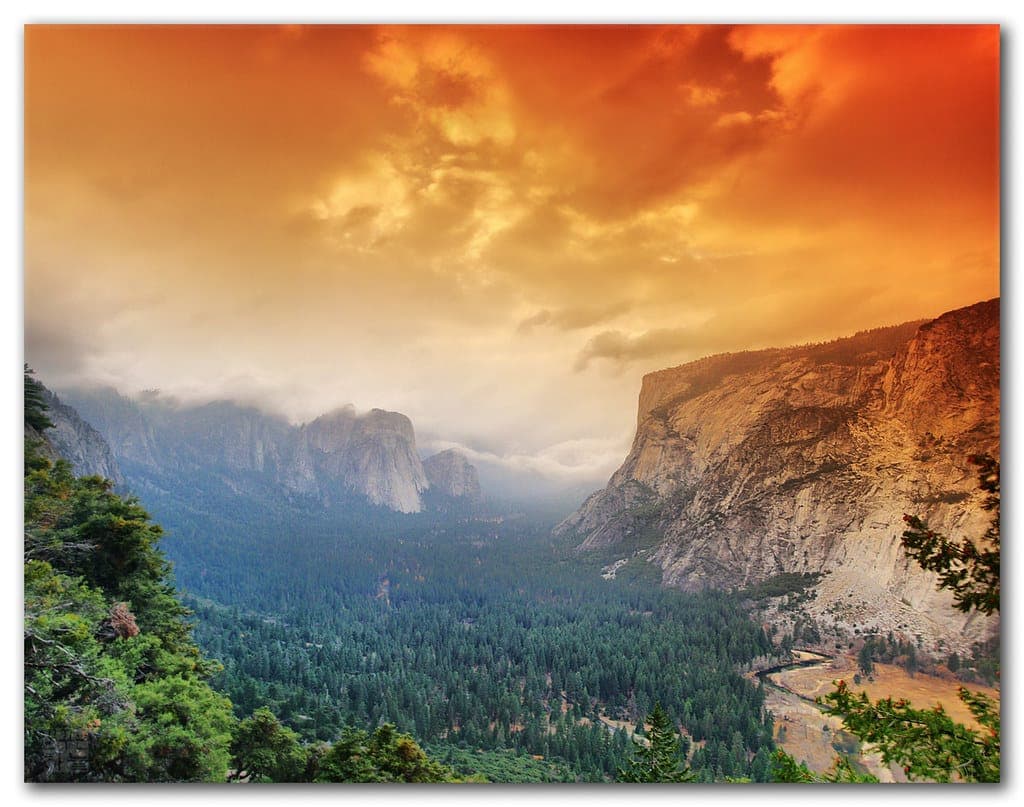
Yosemite National Park USA: The Ultimate Sierra Nevada Granite Valley Hiking Guide
Categories
Tags
Yosemite National Park is a glacially carved granite valley in California's Sierra Nevada, a UNESCO World Heritage Site famous for El Capitan's 3,000-foot face, Half Dome, Yosemite Falls, and the giant sequoias of Mariposa Grove. Plan 4-5 days for a comprehensive visit; the best windows are May-June for peak waterfall flow and September-October for clear weather and fewer crowds. A 5-day trip typically costs 2,000 to 4,000 dollars per person, and park entry is 35 dollars per vehicle.
Yosemite National Park USA: The Ultimate Sierra Nevada Granite Valley Hiking Guide
Standing in the meadow below El Capitan at dawn, watching first light touch the sheer granite face rising 3,000 feet above the valley floor, I'm overwhelmed by the scale and beauty of this granite masterpiece. The morning silence is broken only by the distant roar of Yosemite Falls and the occasional call of a peregrine falcon soaring overhead. This isn't just a national park—it's a geologic wonderland where glaciers carved a U-shaped valley, leaving behind towering granite walls that have inspired climbers and nature lovers for generations. After 16 years studying and guiding through Yosemite's granite formations, I'm still discovering new details in the rock faces and finding new perspectives on this iconic landscape.
Quick Facts at a Glance
- Location: Sierra Nevada, California (Mariposa, Tuolumne, and Madera counties)
- National Park Size: 1,169 mi² (3,027 km²)
- Key Granite Formations: El Capitan (3,000ft/900m), Half Dome (8,842ft/2,694m), Sentinel Rock
- Yosemite Valley: U-shaped glacial valley, 7 miles long, 1 mile wide
- Highest Point: Mount Lyell (13,114ft/3,997m)
- Duration: 4-5 days recommended for comprehensive experience
- Difficulty: Moderate (valley floor) to challenging (half dome cables, high country)
- Best Months: May-June (waterfalls high), September-October (clear weather, fewer crowds)
- Average Cost: $2,000-$5,000 per person
- Temperature: Valley floor: 30°C-35°C (86°F-95°F) day, 10°C-15°C (50°F-59°F) night
- Unique Feature: World's largest exposed granite monoliths
- UNESCO Status: World Heritage Site since 1984
- Famous For: Rock climbing, big wall routes, Ansel Adams photography
Why Visit Yosemite?
Yosemite represents one of the world's most iconic national parks—a place where glaciers carved a spectacular granite valley, leaving behind some of the most impressive rock formations on Earth. From the challenge of climbing Half Dome's cables to standing beneath the massive face of El Capitan, from the ancient silence of Mariposa Grove to the thundering power of Yosemite Falls, Yosemite offers experiences that are both physically demanding and deeply inspiring. The combination of accessible valley floor, world-class climbing, and pristine wilderness creates an adventure destination that's unmatched in North America.
What Makes Yosemite Extraordinary:
- El Capitan: World's largest granite monolith by face area, climber's dream
- Half Dome: Iconic granite dome, famous cable route to summit
- Yosemite Falls: North America's tallest waterfall (by volume)
- Mariposa Grove: Ancient giant sequoias, some of Earth's largest living things
- U-Shaped Valley: Spectacular glacial valley carved by ancient glaciers
- Climbing Mecca: World-class traditional and aid climbing routes
- Photography Heritage: Ansel Adams made Yosemite famous through his images
- Diverse Ecosystem: From valley floor oak forests to high alpine meadows
Understanding Yosemite's Geological Wonder
The Glacial Valley Formation
Geological History
- Age: Granites formed ~100 million years ago, valley carved ~1-10 million years ago
- Formation: Sierra Nevada batholith uplifted, then glaciers carved U-shaped valley
- Process: Glaciers moved down valley, deepening it and steepening walls
- Result: Classic glacial U-shaped valley with sheer granite walls
Granite Monoliths
- El Capitan: 3,000ft (900m) vertical granite face, world's largest by face area
- Half Dome: 8,842ft (2,694m) granite dome, distinct shape
- Sentinel Rock: Cathedral Spires, dramatic valley entrance landmark
- Royal Arches: Natural granite arches above valley
- Three Brothers: Three granite peaks near El Capitan
Key Park Regions
Yosemite Valley
- Description: Main tourist area, 7 miles long by 1 mile wide
- Elevation: ~4,000ft (1,200m) at valley floor
- Key Features: El Capitan, Half Dome, Yosemite Falls, Yosemite Village
- Accessibility: Most developed area, shuttle service available
- Best For: First-time visitors, photographers, rock climbers
Tuolumne Meadows
- Description: High alpine meadows along Tioga Road
- Elevation: ~8,600ft (2,600m) at meadows
- Key Features: Lembert Dome, Tuolumne River, high alpine scenery
- Accessibility: Via Tioga Road (seasonal, closes in winter)
- Best For: Hikers, campers, high country enthusiasts
Wawona
- Description: Southern park area, Mariposa Grove giant sequoias
- Elevation: ~4,000ft (1,200m) at grove
- Key Features: Grizzly Giant, California Tunnel Tree, Wawona Hotel
- Accessibility: Via Wawona Road, south park entrance
- Best For: Sequoia lovers, photographers, campers
Perfect 5-Day Yosemite Adventure Itinerary
Day 1: Arrival & Valley Discovery
Morning: Arrival in Yosemite
- Fly into Fresno Yosemite International Airport (FAT) or San Jose (SJC) (3-4 hours drive)
- Transfer to Yosemite Valley (1.5-2 hours from Fresno, 4-5 hours from San Jose)
- Check into Yosemite Valley lodge or campsite
- Rest and recover from travel
- Orientation about Yosemite's features and safety procedures
- Bear safety briefing (critical in Yosemite!)
Afternoon: Yosemite Valley Loop
- Drive through Yosemite Valley (one-way loop road)
- Stops at key viewpoints: Tunnel View, Valley View, Bridalveil Fall
- Visit Yosemite Village visitor center
- Short walk to Yosemite Falls
- First impressions of granite walls
- Photograph El Capitan and Half Dome from valley floor
Evening: El Capitan Meadow
- Walk to El Capitan Meadow (classic view of El Capitan face)
- Watch climbers on El Capitan (through binoculars if available)
- Sunset photography of El Capitan (light hitting west face)
- Dinner at Yosemite Valley restaurant
- Evening briefing about next day's Half Dome hike
- Early night rest (critical for early Half Dome start)
Stay: Yosemite Valley lodge or campsite Highlight: First views of Yosemite Valley's granite walls
Day 2: Half Dome Sunrise Hike
Very Early Morning: Half Dome Ascent
- Wake Up: 4:00 AM (extremely early for 14-16 mile hike!)
- Light Breakfast: 4:30 AM
- Departure: 5:00 AM from trailhead (shuttle to Happy Isles)
- Hike Begins: Start on John Muir Trail
- Sunrise Goal: Reach summit by sunrise (if physically possible)
- Duration: 10-14 hours total hiking time including ascent
- Elevation Gain: 4,800ft (1,463m) from valley floor
- Challenge: Last 400ft (120m) via cable system (intimidating but doable)
Morning: Half Dome Ascent
- Hiking: Mist Trail to Vernal Fall (first 3 miles)
- Break: Vernal Fall (rest, water refill)
- Continue: Nevada Fall to Little Yosemite Valley (next 2 miles)
- Break: Little Yosemite Valley (snack, water refill)
- Final Push: Sub Dome (steep granite slabs to shoulder)
- Cable Section: Famous cable-assisted ascent (take time!)
- Summit: Spectacular 360° views of Yosemite Valley and High Sierra
- Achievement: Standing on top of Half Dome!
Afternoon: Descent
- Descent Route: Same route down (take time, cable section busy going down)
- Breaks: Little Yosemite Valley, Nevada Fall, Vernal Fall
- Hiking: Return via John Muir Trail (total 14-16 miles)
- Physical Challenge: Exhausting but rewarding descent
Evening: Recovery Dinner
- Return to Yosemite Valley
- Celebration dinner at restaurant
- Share Half Dome experience stories
- Early night rest (critical recovery day)
Stay: Yosemite Valley lodge or campsite (second night) Highlight: Standing on top of Half Dome at sunrise, incredible views
Day 3: Glacier Point Road & Tuolumne Meadows
Morning: Glacier Point Drive
- Drive through Yosemite Valley to Glacier Point Road
- Sentinel Dome: Stop at Sentinel Dome view (classic valley perspective)
- Tunnel View: Historic viewpoint with valley first view
- Olmsted Point: Panoramic valley view
- Washburn Point: El Capitan and Glacier Point views
Mid-Morning: Glacier Point Hike
- Hike: Glacier Point trail (0.7 miles one way)
- Duration: 1-2 hours round trip
- Views: Spectacular views of Half Dome, Nevada Fall, and Clouds Rest
- Photography: Classic Yosemite Valley panorama
- Geology: Learn about glacial valley formation
Afternoon: Tioga Road to Tuolumne Meadows
- Drive on Tioga Road (high country road, seasonal)
- Olmsted Point: Another classic viewpoint from road
- Tenaya Lake: Beautiful high alpine lake
- Tuolumne Meadows: Subalpine meadows with river views
- Lembert Dome: Iconic granite dome seen from meadows
- High Country: Experience Yosemite's pristine wilderness above valley floor
Evening: High Country Return
- Drive back to Yosemite Valley on Tioga Road
- Stop at additional viewpoints along way
- Sunset photography of high country
- Dinner at Yosemite Valley restaurant
- Rest and recover from high country day
Stay: Yosemite Valley lodge or campsite (third night) Highlight: Exploring Yosemite's high country and pristine wilderness
Day 4: Yosemite Falls & Mariposa Grove
Morning: Yosemite Falls Hike
- Hike: Valley Loop Trail to Yosemite Falls (easy 1-mile loop)
- Lower Fall: View impressive lower cascade
- Bridalveil Fall: See where waterfalls split
- Viewpoints: Cook's Meadow, Stoneman Meadow
- Duration: 2-3 hours exploring falls area
- Photography: Waterfall photography with morning light
Mid-Morning: Mariposa Grove
- Drive or shuttle to Wawona area (south park)
- Grizzly Giant: Largest living thing by volume (estimated 2,700 tons)
- California Tunnel Tree: Famous tunnel through fallen giant sequoia
- Mariposa Grove: Walk among ancient giant sequoias
- Fallen Monarchs: Massive downed sequoias in grove
- Duration: 2-3 hours exploring grove
- Photography: Sequoia forest photography with light beams
Afternoon: Valley Exploration
- Return to Yosemite Valley
- Yosemite Museum: Visit historic museum (Ansel Adams gallery)
- Ahwahneechee: Traditional village (replica Native American village)
- Valley Floor Walking: Easy walks along valley floor
- El Capitan Meadow: Different lighting for photography
- Shopping: Souvenirs at Yosemite Village
Evening: Final Yosemite Views
- Tunnel View Sunset: Watch sunset from historic viewpoint
- Photography: Classic sunset photography of valley
- Reflection: Share Yosemite experiences
- Farewell dinner: Last Yosemite Valley dinner
- Pack for departure
Stay: Yosemite Valley lodge or campsite (fourth night) Highlight: Combining granite monoliths, waterfalls, and ancient trees
Day 5: Final Exploration & Departure
Morning: Final Yosemite Exploration
- Option 1: Additional short hike if energy allows (Mirror Lake, Sentinel Dome)
- Option 2: Final photography at favorite viewpoints
- Option 3: Relaxation and enjoying valley atmosphere
- Option 4: Shopping for final souvenirs
- Duration: 2-4 hours final activities
Midday: Departure
- Transfer from Yosemite Valley to airport (1.5-5 hours)
- Final Yosemite Valley views along way
- Flight out of Fresno or San Jose
- Memories of incredible Yosemite adventure complete!
Departure: International flights or continued USA travels Memories: Unforgettable Sierra Nevada granite valley adventure complete! Achievement: Experienced Yosemite's iconic granite monoliths, waterfalls, and ancient forests
Yosemite's Top Experiences
El Capitan
The Granite Monolith
- Height: 3,000ft (900m) vertical face
- Climbing: World-famous big wall climbing routes
- Viewing: El Capitan Meadow (classic valley view), Valley Loop
- Photography: Sunset on west face (golden light)
- Climbers: Watch climbers ascending massive face (binoculars helpful)
Best For
- Rock Climbers: Big wall traditional and aid climbing
- Photographers: Dramatic light on granite face
- Nature Lovers: Appreciating geological scale
- Adventure Seekers: Watching climbers ascend
Half Dome
The Iconic Dome
- Height: 8,842ft (2,694m)
- Shape: Distinctive granite dome, looks like cut in half
- Famous Route: Cable route to summit (non-technical but strenuous)
- Hiking: 14-16 miles round trip from valley
- Views: Spectacular 360° views from summit
Half Dome Cable Route
- Description: Cables installed on shoulder slabs for final ascent
- Experience: Thrilling but intimidating climb (vertical exposure)
- Duration: Last 400ft (120m) takes 1-2 hours
- Safety: Use cables properly, watch step placement, don't rush
- Permits: No permits required (day use)
Best For
- Hikers Seeking Challenge: Famous and achievable summit
- Photographers: Incredible views from summit
- Adventure Seekers: Thrilling cable ascent
- Yosemite Veterans: Iconic Yosemite experience
Yosemite Falls
The Waterfall
- Height: 2,425ft (739m) total drop
- Sections: Upper Fall (1,430ft), Middle Fall (675ft), Lower Fall (320ft)
- Volume: Highest by volume in North America
- Best Viewing: Valley Loop Trail, Cook's Meadow, Stoneman Meadow
- Season: Highest flow in late spring (May-June)
Photography Tips
- Time: Early morning or late afternoon (avoid harsh midday light)
- Settings: Fast shutter (1/500+) for water motion
- Composition: Include foreground elements (trees, river)
- Rainbow: Possible in morning mist (rare but magical)
Mariposa Grove
The Ancient Forest
- Grizzly Giant: Largest living thing by volume (estimated 2,700 tons)
- California Tunnel Tree: Famous tunnel through massive fallen sequoia
- Age: Trees up to 3,000 years old
- Size: Some of Earth's largest living things
- Atmosphere: Ancient, quiet cathedral-like forest
Best Experiences
- Grizzly Giant: Stand beneath massive tree (perspective)
- Tunnel Tree: Walk through famous tunnel
- Fallen Monarchs: Massive downed sequoias creating new life
- Photography: Light beams through ancient forest
Getting to Yosemite
Flight Options
Fresno Yosemite International Airport (FAT)
- Distance: 60 miles (97 km) to Yosemite Valley (1.5-2 hours)
- Airlines: United, American (from major hubs), Alaska (seasonal)
- Connections: From San Francisco, Los Angeles, Las Vegas, Denver
- Flight Time: 1-2 hours from major western hubs
- Cost: $200-$500 each way depending on origin
- Advantage: Closest commercial airport to park
San Jose International Airport (SJC)
- Distance: 170 miles (270 km) to Yosemite Valley (4-5 hours)
- Airlines: All major carriers
- Connections: More flight options, lower prices
- Flight Time: 1-2 hours from major western hubs
- Cost: $150-$400 each way depending on origin
- Advantage: More flight options and lower prices
Driving Tips
- Rental Car: Most flexible option for Yosemite
- Drive Time: 4-5 hours from San Francisco Bay Area
- Routes: CA-120 (north entrance), CA-140 (south entrance via Wawona)
- Winter Chains: Required during winter months (November-March)
- Gas: Available in park but expensive (fill up outside)
Ground Transport
Yosemite Valley Shuttle
- Service: Free valley shuttle service (year-round)
- Routes: Valley Floor Tour, El Capitan, Tuolumne Meadows (summer only)
- Benefit: Avoid parking hassles in valley
- Schedule: Regular service throughout day
Driving Within Park
- Valley Loop: One-way road (traffic flows one direction)
- Glacier Point Road: Scenic road to high country (seasonal)
- Tioga Road: High country road (seasonal, closes winter)
- Wawona Road: Southern park entrance road
- Parking: Limited in valley, especially summer
Yosemite Weather & Seasonal Guide
Spring (April-June)
Conditions
- Temperature: 15°C-25°C (59°F-77°F) valley, 5°C-15°C (41°F-59°F) high country
- Rainfall: Moderate, increasing in late spring
- Waterfalls: Highest flow of year (snowmelt)
- Wildflowers: Peak bloom in May-June
- Crowds: Increasing, peak in late spring
Best For
- Waterfalls: Spectacular flow during snowmelt
- Wildflowers: Beautiful spring bloom
- Photography: Waterfalls with wildflowers
- Hiking: Pleasant temperatures, waterfalls at peak flow
Crowds
- Peak: May-June (Memorial Day and weekends)
- Book Early: Accommodation and campsites fill quickly
Summer (July-August)
Conditions
- Temperature: 25°C-35°C (77°F-95°F) valley, 10°C-20°C (50°F-68°F) high country
- Rainfall: Occasional afternoon thunderstorms
- Waterfalls: Decreasing flow, but still impressive
- Crowds: Peak tourism season
Best For
- Rock Climbing: Dry rock conditions
- Half Dome: Popular hike (start very early!)
- High Country: Tioga Road open, alpine meadows accessible
- Photography: Clear summer days
Challenges
- Heat: Valley floor very hot in midday
- Crowds: Very busy in valley
- Thunderstorms: Afternoon storms can be dangerous
- Bugs: Mosquitoes active near water
Fall (September-November)
Conditions
- Temperature: 15°C-25°C (59°F-77°F) valley, 5°C-15°C (41°F-59°F) high country
- Rainfall: Decreasing, generally clear
- Waterfalls: Lower flow, but still beautiful
- Fall Colors: Beautiful autumn foliage in October
- Crowds: Decreasing after summer peak
Best For
- Photography: Fall colors, clear light, fewer crowds
- Climbing: Ideal conditions on granite
- Hiking: Pleasant temperatures, fewer crowds
- Overall Experience: Best weather and conditions
Crowds
- Moderate: September busy, October-November quieter
- Book: 2-4 weeks ahead sufficient
Winter (December-March)
Conditions
- Temperature: 5°C-15°C (41°F-59°F) valley, below freezing high country
- Snow: Significant snow at higher elevations
- Road Closures: Glacier Point and Tioga Roads closed for winter
- Waterfalls: Frozen or reduced flow
- Crowds: Lowest of year
Best For
- Winter Photography: Snow on granite monoliths
- Winter Hiking: Valley floor hiking possible
- Peaceful Valley: Fewer crowds, quiet atmosphere
- Ice Climbing: Popular activity on frozen waterfalls
Challenges
- Road Access: Limited access to high country
- Cold: Very cold conditions, especially at elevation
- Short Days: Limited daylight hours
Essential Packing List for Yosemite
Clothing
Layering System Essential
Base Layer
- Moisture-wicking underwear: 7-10 pairs
- Synthetic or merino wool tops: 3-4
- Thermal bottoms: 2 pairs (merino wool or synthetic)
Mid Layer
- Fleece jacket or pullover: 1-2
- Light sweater: 1
- Long pants: 2-3 (convertible useful)
Outer Layer
- Waterproof jacket: Essential! (afternoon thunderstorms possible)
- Rain pants: Essential for rainy conditions
- Insulated jacket: For cool evenings and high country
- Windbreaker: Useful for exposed viewpoints
Extremities
- Warm hat or beanie: 1 (for high country and cool evenings)
- Sun hat: 1 (for valley floor sun)
- Gloves: 1 pair (for cool mornings and high country)
Footwear
- Comfortable hiking shoes: 1 pair (well-broken in)
- Hiking boots: Optional for high country or Half Dome
- Camp shoes/sandals: For campsite wear
- Hiking socks: 4-5 pairs (wool or synthetic)
Equipment
Day Pack
- Small backpack: 20-30L capacity
- Rain cover: Essential for summer thunderstorms
- Comfortable straps: For all-day hikes
- Organization: Keep essentials accessible
Climbing Equipment (if attempting Half Dome cables)
- Gloves: Thin rubber-palmed gloves (essential for cables!)
- Harness: Optional (most people don't use but provides security)
- Water: 2-3 liters (critical for long hike)
- Snacks: Energy bars, nuts, dried fruit
- Headlamp: For early morning start
Camping Gear (if camping)
- Tent: Appropriate for conditions
- Sleeping bag: Rated for temperatures (can freeze at high country)
- Sleeping pad: Insulating pad
- Bear canister: Required in Yosemite!
- Food storage: Bear boxes available
Photography Equipment
Camera Body
- DSLR or mirrorless preferred
- Good dynamic range for landscapes
- Weather sealing: Helpful for changing mountain weather
- Extra body: Optional but recommended
Lenses
- Wide-angle: 16-35mm (landscapes, granite walls)
- Standard zoom: 24-70mm (versatile)
- Telephoto: 70-200mm or 100-400mm (details, climbers)
Accessories
- Extra batteries: 3-4 (cold drains them)
- Memory cards: 2-3 (64GB+ each)
- Tripod: Essential for sharp landscapes
- Lens cleaning kit: Dust everywhere
- Rain cover: For summer thunderstorms
Personal Items
Health & Safety
- Personal medications: Adequate supply
- First aid kit: Comprehensive supplies
- Sunscreen: High SPF, essential for valley floor sun
- Lip balm with SPF: 2-3 tubes
- Insect repellent: Mosquitoes active near water
- Bear spray: Highly recommended in Yosemite!
Bear Safety Gear
- Bear canister: Required for food storage (if camping)
- Bear spray: Carry for hiking (know how to use!)
- Bear bags: Optional but helpful
Miscellaneous
- Reusable water bottle: 2-3 liters capacity
- Flashlight: With extra batteries
- Power bank: Portable charger
- Travel adapter: Type A/B (USA uses these)
- Cash: US dollars in various denominations
Choosing Your Yosemite Experience
Valley vs. High Country
Yosemite Valley
- Advantages: Most accessible, developed infrastructure, variety of activities
- Best For: First-time visitors, photographers, rock climbers
- Accommodation: Wide range from campsites to luxury lodges
- Ease: Easy access, shuttle service available
High Country
- Advantages: Pristine wilderness, fewer crowds, alpine scenery
- Best For: Campers, hikers, nature lovers
- Accommodation: Camping only (Tuolumne Meadows, White Wolf)
- Challenge: Requires driving on winding roads, self-sufficiency
Recommendation: Most first-time visitors stay in valley, experienced visitors explore high country
Camping vs. Lodging
Camping
- Advantages: Immersive nature experience, lower cost, connection to outdoors
- Disadvantages: Bear safety requirements, basic facilities, weather exposure
- Cost: $35-50 per night (campsites), reservations essential
Lodging
- Advantages: Comfort, convenience, amenities, weather protection
- Disadvantages: Higher cost, less immersion
- Cost: $200-500 per night (valley lodges), book early
Recommendation: Mix camping and lodging for complete experience
Activity Focus
Rock Climbing
- Options: Traditional climbing, big wall aid, bouldering
- Best For: Climbers, adventure seekers
- Difficulty: Moderate to extreme depending on route
Hiking
- Options: Valley floor walks, Half Dome challenge, high country exploration
- Best For: Hikers, nature lovers, photographers
- Difficulty: Easy to challenging depending on trail
Photography
- Options: Landscape photography, wildlife photography, night sky
- Best For: Photographers, nature enthusiasts
- Difficulty: Moderate (requires skill and equipment)
Recommendation: Choose focus based on interests and experience level
Yosemite Photography Guide
Best Photography Locations
Yosemite Valley Viewpoints
- Tunnel View: Historic first view of valley (classic Ansel Adams viewpoint)
- Valley View: Panoramic valley view
- Olmsted Point: Classic valley perspective
- Sentinel Dome: Iconic valley entrance landmark view
- Bridalveil Fall: Viewpoint where waterfalls split
El Capitan
- El Capitan Meadow: Classic view of granite face
- Valley Loop Trail: Different perspectives along loop
- Tunnel View: El Capitan from historic viewpoint
- Best Time: Sunset (golden light on west face)
Half Dome
- Summit Views: Spectacular 360° views (requires hike!)
- Valley Views: Half Dome from valley (Sentinel Dome, Washburn Point)
- Best Time: Sunrise (from valley) or golden hour
Tuolumne Meadows
- Lembert Dome: Iconic granite dome seen from meadows
- Tuolumne River: River and meadow views
- Tenaya Lake: Beautiful alpine lake reflections
- Best Time: Sunrise and sunset (alpenglow light)
Camera Settings
Landscapes
Mode: Aperture Priority
Aperture: f/8-f/16 for depth of field
Shutter speed: Tripod recommended or fast enough for handheld
ISO: 100-400 for best quality
Focus: Manual focus for precision
Sunrise/Sunset
Mode: Aperture Priority or Shutter Priority
Shutter speed: Fast enough for handheld or tripod
Aperture: f/8-f/16 for landscapes, f/4-f/5.6 for sun
ISO: Auto, keep low
Focus: Single-point autofocus
Waterfalls
Mode: Shutter Priority
Shutter speed: 1/500+ for water motion
Aperture: f/8-f/16 for depth of field
ISO: Auto, adjust for conditions
Focus: Single-point autofocus
Budget Breakdown: Yosemite Adventure
5-Day Yosemite Adventure ($2,000-$4,000)
Included
- Park entrance: $35 per vehicle (7-day pass available)
- Accommodation: 4 nights (camping $150-$200, lodging $600-$1,000)
- Meals: $300-$600 (depending on style)
- Transportation: Rental car $200-$400, gas $100-$150
- Activities: Hiking and photography (free)
- Bear canister rental: $5-10 per night (if camping)
Not Included
- International flights: $300-$800 to/from Fresno or San Jose
- Climbing gear: Bring your own
- Photography equipment: Bring your own
- Travel insurance: $100-$200
- Tips: $50-$100
- Alcohol: Not included usually
- Personal expenses: $100-$300
- Souvenirs: $50-$150
Total: $2,800-$4,700+
Cost-Saving Tips
- Travel Shoulder Season: April-May, September-October (great weather, fewer crowds)
- Camp Instead of Lodge: Significant savings, more immersive
- Cook Some Meals: Campsites allow cooking
- Book Early: Campsites fill up to 5 months ahead for popular sites
- Share Costs: Group camping reduces per-person costs
- Avoid Peak Season: July-August (most expensive and crowded)
Health & Safety in Yosemite
Bear Safety
Yosemite Black Bears
- Presence: Black bears common in Yosemite
- Behavior: Generally shy but can be dangerous with food
- Food Storage: Required use of bear canisters (available throughout park)
- Bear Encounters: Stay calm, don't run, back away slowly
- Bear Spray: Highly recommended for hiking (know how to use!)
Bear Spray Use
- Know How to Use: Practice before hiking
- Carry Accessible: Keep bear spray accessible (not buried in pack)
- Know Range: Bear spray range ~30 feet (9 meters)
- When to Use: Only if bear charges or approaches aggressively
- Don't Play Hero: Avoid bear encounters, use prevention
Rockfall Safety
Granite Walls
- Risk: Rockfall danger in Yosemite, especially in Yosemite Valley
- Avoid Danger Zones: Stay away from vertical walls
- Watch for Falling Rocks: Especially during or after rain or freeze-thaw
- Don't Hike Below Walls: Avoid areas directly below tall walls
Weather Safety
Afternoon Thunderstorms
- Risk: Lightning and sudden weather changes
- Seek Shelter: Get below treeline or into buildings during storms
- Avoid Exposed Areas: Ridge tops and exposed viewpoints during storms
- Plan Ahead: Check weather forecasts before hiking
Heat Safety
- Hydration: Drink plenty of water (2-3 liters daily minimum)
- Seek Shade: Especially during midday heat in valley
- Protect Skin: High SPF sunscreen, hat, sunglasses
- Know Limits: Heat exhaustion can be dangerous
Cultural & Historical Significance
Native American Heritage
Ahwahneechee
- History: Replicated Native American village in Yosemite Valley
- Culture: Represents traditional Miwok people
- Significance: Connection between native people and landscape
- Experience: Learn about traditional life and culture
Cultural Experiences
- Village Visit: Walk through Ahwahneechee
- Educational Programs: Ranger talks about Native American heritage
- Traditional Crafts: Native American crafts and demonstrations
Conservation History
National Park Establishment
- History: Yosemite established 1890 (third US national park)
- Conservation: Early conservation movement inspired by Yosemite's beauty
- Protection: National Park Service protection for over 130 years
- Success: Preservation of spectacular landscape and ecosystems
Modern Conservation
- Challenges: Climate change affects glaciers and ecosystems
- Visitor Pressure: Managing over 4 million annual visitors
- Bear Management: Successful bear and human coexistence program
- Ecosystem Recovery: Restoration of native species and habitats
Final Thoughts & Planning Tips
Why Yosemite is Worth Every Effort
Yosemite offers one of the world's most extraordinary natural destinations—a place where glaciers carved spectacular granite valley, where ancient forests harbor giant sequoias, and where world-class climbing meets pristine wilderness. The combination of accessible valley floor, challenging high country, and iconic granite monoliths creates an adventure experience that's both visually stunning and deeply inspiring.
Whether you're a climber seeking big wall challenges, a hiker attempting the Half Dome cables, a photographer chasing golden light on El Capitan, or someone simply wanting to experience one of North America's most beautiful national parks, Yosemite will exceed your expectations and create memories that last a lifetime.
Best Planning Tips
- Book Early: Campsites and lodges fill months ahead, especially summer
- Bear Safety: Learn and practice bear safety (critical in Yosemite!)
- Know Your Limits: Half Dome is strenuous, don't underestimate
- Prepare for Weather: Mountain weather changes rapidly, pack accordingly
- Respect Nature: Stay on trails, practice Leave No Trace
- Practice Photography: Prepare equipment and techniques beforehand
- Be Bear Aware: Always store food properly and carry bear spray
- Explore High Country: Don't limit yourself to Yosemite Valley
When to Book
- Peak Season (May-September): Campsites 5 months ahead, lodges 3-6 months ahead
- Shoulder Season (April, October-November): Campsites 1-3 months ahead, lodges 1-2 months ahead
- Winter (December-March): Campsites 1-2 months ahead, lodges 1-2 months ahead
- Half Dome Permits: No permits required (day use), but start early
Making the Most of Your Experience
- Start Early: Beat crowds to popular viewpoints and Half Dome trailhead
- Practice Bear Safety: Always store food properly and carry bear spray
- Take Your Time: Don't rush, appreciate the scale and beauty
- Explore Beyond Valley: Discover high country and pristine wilderness
- Practice Photography: Prepare equipment and techniques beforehand
- Stay Flexible: Weather and crowds may change plans
- Support Conservation: Park fees support preservation efforts
- Share Your Experience: Inspire others to protect this geological wonder
Conclusion
Yosemite represents one of Earth's most extraordinary geological wonders—a place where glaciers carved a spectacular U-shaped valley, where ancient forests harbor some of Earth's largest living things, and where world-class climbing meets pristine wilderness. The combination of dramatic granite monoliths, beautiful waterfalls, ancient forests, and rich conservation history creates an experience that's both visually stunning and deeply inspiring.
The park's status as a UNESCO World Heritage Site and its protection by the National Park Service for over 130 years demonstrates how important geological and natural features can be preserved while providing transformative experiences for visitors. By visiting Yosemite responsibly and supporting conservation efforts, you help ensure this incredible landscape remains pristine for future generations.
Whether you're a rock climber seeking big wall challenges, a hiker attempting the Half Dome cables, a photographer chasing perfect light on El Capitan, or someone seeking one of North America's most beautiful national parks, Yosemite will exceed your expectations and create memories that last a lifetime.
Ready to experience the Sierra Nevada's granite masterpiece? Explore our Yosemite National Park adventure packages or contact us for personalized advice from our Yosemite specialists.
About the Author: Dr. Thomas Sterling is a geologist and Yosemite specialist with 16 years studying the Sierra Nevada granite formations. He's a senior advisor to the National Park Service and director of the Yosemite Conservation Association. Follow his geological exploration and climbing conservation work on Instagram @thomas_sterling_yosemite.
Frequently Asked Questions
Half Dome is a strenuous 14-16 mile round-trip day hike with about 4,800 feet of elevation gain from the valley floor, taking 10-14 hours. The route climbs the Mist Trail past Vernal and Nevada Falls to Little Yosemite Valley, then up Sub Dome to the famous cable section, where the final 400 feet on steep granite takes 1-2 hours. Start around 5 AM, carry 2-3 liters of water, and bring thin rubber-palmed gloves for the cables.
May and June bring the highest waterfall flow from snowmelt plus peak wildflowers, while September and October offer clear weather, fall colors, ideal climbing conditions, and fewer crowds. Summer is hot on the valley floor at up to 35 C with peak crowds and afternoon thunderstorms. In winter, Glacier Point and Tioga Roads close, waterfalls freeze or shrink, and the valley is at its quietest.
Fresno Yosemite International Airport is the closest commercial airport, about 60 miles and 1.5-2 hours from Yosemite Valley, while San Jose offers more flight options but a 4-5 hour drive. A rental car is the most flexible option; the drive from the San Francisco Bay Area takes 4-5 hours, and tire chains are required in winter months. Inside the valley, a free year-round shuttle helps you avoid limited parking.
A 5-day trip runs roughly 2,000 to 4,000 dollars per person, including the 35 dollar per-vehicle park entrance, four nights of accommodation, meals, and a rental car with gas. Camping at 35-50 dollars per night is far cheaper than valley lodges at 200-500 dollars per night, but campsites can book up to 5 months ahead in peak season. Hiking and photography are free once you are in the park.
Yes, black bears are common in Yosemite and food storage rules are strictly enforced: campers must use bear canisters, and bear boxes are provided in the park. If you encounter a bear, stay calm, do not run, and back away slowly; bear spray is highly recommended for hiking and has a range of about 30 feet. Bears are generally shy but become dangerous when they associate people with food.
The essential stops are Tunnel View, the historic viewpoint made famous by Ansel Adams; El Capitan Meadow, where you can watch climbers on the 3,000-foot granite face; and Yosemite Falls, whose three tiers drop a combined 2,425 feet. Add Glacier Point Road for views of Half Dome and Nevada Fall, Mariposa Grove for the Grizzly Giant sequoia, and Tuolumne Meadows via seasonal Tioga Road for high alpine scenery.
Adventure Knit Editorial
Destination research compiled and fact-checked by the Adventure Knit editorial team from published sources, operator itineraries, and official tourism boards. Spot something out of date? Tell us at hello@adventureknit.com.
Related Stories
 Canada
Banff National Park Canada: Rocky Mountain Wilderness Paradise
Expert guide to Banff National Park Canada. Rocky Mountains, Lake Louise, Moraine Lake, grizzly bears, glacier hikes, and Canadian Rockies adventure.
 United States
Grand Canyon USA: The Ultimate Colorado River Canyon Hiking Guide
Expert guide to Grand Canyon USA. South Rim, North Rim, inner canyon hiking, Colorado River rafting, Havasu Falls, and America's most iconic canyon adventure.
 United States
Snowboarding Aspen USA: Ultimate Mountain Adventure Guide
Experience world-class snowboarding in Aspen, Colorado - America's premier ski resort with four mountains, legendary powder, and exceptional terrain parks
Enjoyed this article?
Explore more stories from our adventures around the world