
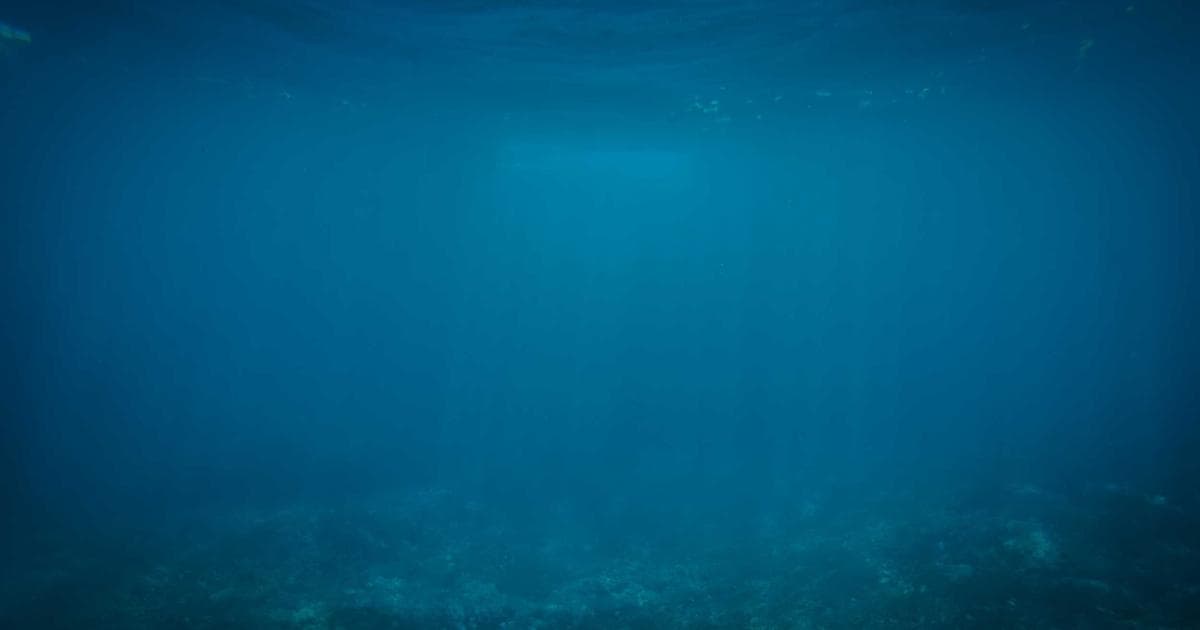
Galapagos Islands Adventure: Wildlife Paradise Complete Guide
Categories
Tags
Galapagos Islands Adventure: The Wildlife Paradise Complete Guide
Imagine snorkeling alongside sea lions that want to play, walking past giant tortoises that have lived for over 100 years, and observing blue-footed boobies performing their famous courtship dance—all within hours of each other. The Galapagos Islands aren't just a destination; they're a living laboratory of evolution where wildlife has no fear of humans. After 15 years of studying and guiding in these enchanted islands, I'm still discovering new wonders every single day.
Quick Facts at a Glance
- Location: 600 miles west of mainland Ecuador
- Islands: 13 major islands, 6 smaller islands, 107 islets
- Duration: 7-14 days recommended for comprehensive experience
- Difficulty: Moderate (island hopping, water activities)
- Best Months: December-May (warmer), June-November (cooler, more active wildlife)
- Average Cost: $3,500-$7,500 per person (depending on cruise vs. land-based)
- Temperature: 70°F-84°F (21°C-29°C) year-round
- Wildlife: 25% of species found nowhere else on Earth
Why Visit the Galapagos Islands?
The Galapagos Islands inspired Charles Darwin's theory of evolution by natural selection, and for good reason. This archipelago represents one of Earth's most unique ecosystems, where species evolved in isolation to create wildlife found nowhere else.
What Makes Galapagos Extraordinary:
- Endemic Species: Over 2,900 species, 25% found only here
- Fearless Wildlife: Animals unafraid of human presence
- Living Laboratory: Real-world examples of evolution
- Marine Paradise: World-class snorkeling and diving
- Conservation Success: Model for sustainable tourism
- Volcanic Landscapes: Dramatic geology and young islands
- Educational Experience: Learn about evolution and conservation
Understanding Galapagos' Major Islands
Santa Cruz (Central Hub)
- Why Go: Main town, easy access, diverse wildlife
- Best For: First-time visitors, families, land-based trips
- Key Spots: Charles Darwin Research Station, Tortuga Bay, Los Gemelos
- Wildlife: Giant tortoises, marine iguanas, sea lions, blue-footed boobies
- Accommodation: Most options, from budget to luxury
- Access: Airport (Baltra), ferry connections to other islands
San Cristóbal (Capital Island)
- Why Go: Sea lion capital, excellent snorkeling, history
- Best For: Wildlife enthusiasts, snorkelers, history buffs
- Key Spots: Interpretation Center, Kicker Rock, La Lobería
- Wildlife: Large sea lion colonies, frigatebirds, sea turtles
- Accommodation: Good variety, relaxed atmosphere
- Access: Airport, ferry connections
Isabela (Largest Island)
- Why Go: Volcanoes, unique wildlife, fewer tourists
- Best For: Adventure seekers, wildlife photographers, hikers
- Key Spots: Sierra Negra Volcano, Los Túneles, Wall of Tears
- Wildlife: Penguins (only penguins north of equator!), flamingos, giant tortoises
- Accommodation: Limited options, but growing
- Access: Flights from mainland Ecuador, ferry from Santa Cruz
Fernandina (Westernmost)
- Why Go: Most pristine, recent volcanic activity, unique wildlife
- Best For: Serious wildlife enthusiasts, expedition cruises
- Key Spots: Punta Espinosa, marine iguana colonies
- Wildlife: Flightless cormorants, marine iguanas, Galapagos penguins
- Access: Cruise ships only (no land-based access)
- Note: Most recent volcanic activity (2009, 2018)
Bartolomé (Iconic Views)
- Why Go: Most photographed landscape, Pinnacle Rock
- Best For: Photographers, first-time visitors
- Key Spots: Pinnacle Rock, Sullivan Bay
- Wildlife: Penguins, sea lions, snorkeling opportunities
- Access: Cruise ships or day tours from Santa Cruz
- Activities: Hiking, snorkeling, photography
Perfect 10-Day Galapagos Adventure Itinerary
Day 1: Arrive Santa Cruz & Puerto Ayora Exploration
- Morning: Fly from Quito/Guayaquil to Baltra Airport
- Transfer: Public bus + ferry to Puerto Ayora (Santa Cruz)
- Afternoon: Charles Darwin Research Center visit
- Learn about conservation programs
- See giant tortoise breeding center
- Meet Lonesome George's relatives
- Evening: Explore Puerto Ayora
- Visit Fishermen's Pier (sea lions!)
- Sample fresh seafood at local restaurants
- Sunset at Tortuga Bay beach
- Stay: Hotel in Puerto Ayora
- Highlight: First encounters with fearless wildlife
Day 2: Giant Tortoises in the Highlands
- Morning: Transfer to Santa Cruz Highlands
- Activity: Visit private giant tortoise reserve
- See wild tortoises in natural habitat
- Some over 100 years old!
- Observe their gentle, slow behavior
- Lunch: Local farm-to-table restaurant
- Afternoon: Visit Los Gemelos (Twin Craters)
- Walk through endemic Scalesia forest
- Spot Darwin's finches
- Visit lava tubes
- Evening: Return to Puerto Ayora
- Stay: Hotel in Puerto Ayora
- Highlight: Seeing giant tortoises in the wild
Day 3: Bay Tour & snorkeling Adventures
- Morning: Bay tour with multiple stops
- Stops:
- La Lobería (sea lion colony)
- Playa de los Perros (marine iguanas)
- Punta Estrada (blue-footed boobies)
- Afternoon: Snorkeling at Playa Grietas
- Colorful tropical fish
- Possible sea turtles and rays
- Crystal clear waters
- Evening: Free time in Puerto Ayora
- Stay: Hotel in Puerto Ayora
- Highlight: Swimming with sea lions
Day 4: Transfer to Isabela Island
- Morning: Fast ferry to Isabela Island (2 hours)
- Check-in: Hotel in Puerto Villamil
- Afternoon: Concha de Perla snorkeling
- Easy mangrove lagoon
- Sea lions and turtles
- Beginner-friendly snorkeling
- Evening: Sunset at Puerto Villamil beach
- Relax and explore the small town
- Stay: Hotel in Puerto Villamil
- Highlight: Arrival in paradise
Day 5: Sierra Negra Volcano Hike
- Morning: Hike Sierra Negra Volcano
- Second largest crater in the world (6 miles diameter!)
- Active volcano (last eruption 2018)
- Spectacular lunar-like landscapes
- Duration: 5-6 hours round trip
- Difficulty: Moderate to challenging
- Lunch: Box lunch on volcano rim
- Afternoon: Visit Volcán Chico (if time/energy permits)
- Evening: Relax in Puerto Villamil
- Stay: Hotel in Puerto Villamil
- Highlight: Walking in active volcanic crater
Day 6: Los Túneles Snorkeling Expedition
- Morning: Early departure to Los Túneles
- Boat ride through lava tunnels and arches
- One of Galapagos' best snorkeling spots
- Snorkeling: 2-3 hours
- Sea turtles (many!)
- White-tipped reef sharks
- Seahorses and octopus
- Colorful fish everywhere
- Lunch: On boat
- Afternoon: Visit nearby mangroves
- Bird watching
- Spot more marine life
- Evening: Return to Puerto Villamil
- Stay: Hotel in Puerto Villamil
- Highlight: Best snorkeling in Galapagos
Day 7: Wall of Tears & Wetlands
- Morning: Visit Wall of Tears
- Historical site from penal colony era
- Learn about human history of Galapagos
- Hike through volcanic landscapes
- Afternoon: Isabela Wetlands exploration
- Flamingo lagoons
- Bird watching
- Visit breeding center for tortoises
- Evening: Beach time at Puerto Villamil
- Stay: Hotel in Puerto Villamil
- Highlight: Understanding Galapagos history
Day 8: Return to Santa Cruz & Tortuga Bay
- Morning: Ferry back to Santa Cruz
- Afternoon: Tortuga Bay (must-visit!)
- Walk or bike to beach (45 minutes)
- Pristine white sand beach
- Marine iguana colony
- Possible sharks in shallow water
- Swimming and relaxing
- Evening: Farewell dinner in Puerto Ayora
- Stay: Hotel in Puerto Ayora
- Highlight: One of the world's most beautiful beaches
Day 9: Day Tour to Bartolomé Island
- Morning: Boat transfer to Bartolomé
- Hike: Climb to Pinnacle Rock viewpoint
- 374 wooden steps
- Spectacular panoramic views
- Iconic Galapagos landscape
- Afternoon: Snorkeling at Bartolomé
- Chance to see penguins!
- Sea lions and rays
- Excellent visibility
- Evening: Return to Santa Cruz
- Stay: Hotel in Puerto Ayora
- Highlight: Iconic Galapagos views and penguins
Day 10: Departure Day
- Morning: Last breakfast in Galapagos
- Souvenir shopping: Support local artisans
- Transfer: Ferry to Baltra + bus to airport
- Flight: Return to mainland Ecuador
- Memories: Unforgettable Galapagos adventure complete!
Galapagos' Top Wildlife Experiences
Giant Tortoises
Where to See Them
- Santa Cruz Highlands: Wild tortoises roaming freely
- Isabela Breeding Center: Babies and juveniles
- Charles Darwin Research Center: Conservation program
- **San Cristóbot: Wild tortoise reserve
Fascinating Facts
- Lifespan: 100+ years in wild
- Can survive 1 year without food or water
- Different shell shapes on different islands
- Galapagos named after them (galápago = tortoise in Spanish)
Photography Tips
- Be patient (they move slowly!)
- Early morning light is best
- Focus on their ancient eyes
- Include landscape for scale
Marine Iguanas
Unique Adaptations
- Only seafaring lizards in the world
- Can dive up to 30 feet deep
- Shrink during food shortages (bone reabsorption)
- "Sneeze" salt from specialized glands
Best Viewing
- Fernandina: Largest colonies (hundreds at once!)
- Santa Cruz: Smaller groups
- Isabela: Various locations
- **San Cristóbot: Beach locations
Photography Tips
- Black bodies need exposure compensation (+1 to +2)
- Early morning for dramatic light
- Capture them "sneezing" salt
- Include red/orange coloring during breeding
Blue-Footed Boobies
Courtship Dance
- Male lifts bright blue feet high
- Shows off to potential mates
- Whistles and points skyward
- Female responds if impressed
Best Viewing
- North Seymour: Excellent for courtship
- Santa Cruz: Various locations
- Isabela: Colonies on coast
- Bartolomé: Nesting pairs
Photography Tips
- Focus on bright blue feet
- Capture mid-dance (fast shutter speed)
- Early morning or late afternoon light
- Get low angle for better perspective
Sea Lions
Playful Interactions
- Love to play with snorkelers
- Surf waves at beaches
- Pups are especially curious
- Mothers protective but generally tolerant
Best Viewing
- **San Cristóbot: La Lobería (largest colony)
- Santa Cruz: Fishermen's Pier
- Isabela: Concha de Perla
- Bartolomé: Beach colony
Snorkeling Tips
- Let them approach you
- Don't try to touch
- Enjoy the underwater acrobatics
- Move slowly to not scare them
Galapagos Penguins
Unique Facts
- Only penguins north of equator
- Smallest penguin species
- Can survive in warm water
- Endemic to Galapagos
Best Viewing
- Isabela: Port Villamil and nearby
- Fernandina: Punta Espinosa
- Bartolomé: Swimming near shore
- Sombrero Chino: Small colony
Photography Tips
- Fast shutter speed for swimming
- Capture them porpoising
- Underwater shots with waterproof camera
- Early morning best activity
Galapagos Marine Life & Snorkeling Guide
Top Snorkeling Sites
Kicker Rock (San Cristóbot)
- Depth: 20-100 feet
- Highlights: Sharks (hammerheads!), rays, sea turtles
- Skill level: Intermediate
- Best time: Early morning
Los Túneles (Isabela)
- Depth: 10-40 feet
- Highlights: Sea turtles, seahorses, octopus
- Skill level: Beginner to intermediate
- Best time: Any time (weather dependent)
Devil's Crown (Floreana)
- Depth: 10-40 feet
- Highlights: Coral reefs, tropical fish, sharks
- Skill level: Intermediate (some currents)
- Best time: Calm days
Concha de Perla (Isabela)
- Depth: 5-15 feet
- Highlights: Sea lions, rays, reef fish
- Skill level: Beginner
- Best time: Any time
Punta Vicente Roca (Isabela)
- Depth: 20-60 feet
- Highlights: Sea horses, penguins, sunfish
- Skill level: Intermediate
- Best time: Calm seas
Common Marine Species
Fish Species
- King Angelfish (yellow and blue)
- Pacific Creolefish (orange-red)
- Parrotfish (colorful, diverse)
- Damselfish (small, territorial)
- Surgeonfish (distinctive scalpel spines)
Larger Marine Life
- Green sea turtles (very common)
- White-tipped reef sharks (docile)
- Manta rays (majestic, seasonal)
- Eagle rays (graceful flyers)
- Galapagos sharks (rare but possible)
Invertebrates
- Sea stars (various colors and sizes)
- Sea urchins (purple and red)
- Octopus (camouflage experts)
- Sea cucumbers (abundant)
Galapagos Weather & Seasonal Guide
Warm Season (December-May)
- Temperature: 70°F-84°F (21°C-29°C)
- Water Temperature: 70°F-76°F (21°C-24°C)
- Conditions: Calmer seas, occasional rain
- Wildlife: Land species more active
- Marine Life: Good visibility
- Advantages: Warmer water and air
- Best For: Snorkeling without wetsuits
Cool Season (June-November)
- Temperature: 65°F-72°F (18°C-22°C)
- Water Temperature: 62°F-68°F (17°C-20°C)
- Conditions: Cooler, drier, occasional mist (garúa)
- Wildlife: Marine species more active
- Marine Life: Best visibility
- Advantages: Cooler weather, more active marine life
- Best For: Diving, serious snorkeling
Monthly Breakdown
January
- Peak warm season
- Green landscapes
- Marine iguana nesting
- Good all-around conditions
February
- Warmest month
- Flamingo nesting
- Sea lion pup births
- Excellent snorkeling
March
- Still warm
- Turtle nesting season
- Marine life active
- Good for photography
April
- Transition month
- Beginning of cooler weather
- Wildlife active
- Good balance
May
- Excellent overall month
- Whale shark season starts
- Bird courtship displays
- Recommended
June
- Beginning of cool season
- Whale shark sightings
- Penguins nesting
- Good for marine life
July
- Cooler weather
- Whale shark peak season
- Sea lions mating
- Popular month
August
- Peak whale shark season
- Cooler temperatures
- Marine life very active
- Best for diving
September
- Cool and dry
- Sea lion pups learning to swim
- Good bird watching
- Less crowded
October
- Transition to warmer
- Still good marine activity
- Flamingo chicks
- Good value month
November
- Weather warming
- Baby sea lions
- Good all-around conditions
- Excellent photography
December
- Warm season beginning
- Giant tortoise eggs hatching
- Great snorkeling
- Popular month
Choosing Your Galapagos Experience
Cruise vs. Land-Based
Cruise Advantages
- Visit more islands (especially western ones)
- No packing/unpacking
- All meals and activities included
- Expert naturalist guides on board
- Wake up in new locations daily
- Access to remote islands
Cruise Disadvantages
- More expensive
- Confined to ship schedule
- Less freedom and flexibility
- Sea sickness possible
- Limited time at each location
- Can feel rushed
Land-Based Advantages
- More freedom and flexibility
- Less expensive
- Experience local culture
- Can extend stays at favorite spots
- No sea sickness
- More intimate island experience
- Support local communities
Land-Based Disadvantages
- Can't visit all islands (Fernandina, Genovesa, etc.)
- Need to pack/unpack for transfers
- More logistics to manage
- Some excellent sites not accessible
Cruise Options
Small Ships (16-20 passengers)
- Most intimate experience
- Better landing access
- More flexible itinerary
- Higher cost per person
- Book well in advance
Medium Ships (40-48 passengers)
- Good balance of comfort and access
- Reasonable prices
- Multiple naturalists
- Moderate size
- Popular choice
Large Ships (90-100 passengers)
- More amenities and comfort
- Lower cost per person
- More stability in rough seas
- Less landing flexibility
- Can feel crowded
Luxury Ships
- Highest comfort level
- Excellent food and service
- Private facilities
- Premium pricing
- Special itineraries available
Essential Packing List for Galapagos
Clothing
Tops
- Lightweight, breathable shirts: 5-7
- Long-sleeve rash guards: 2 (for sun protection)
- Light jacket/sweater: 1-2 (evenings can be cool)
- Rain jacket/windbreaker: 1 (for cool season)
Bottoms
- Lightweight shorts: 3-4
- Lightweight long pants: 1-2 (for hiking, evenings)
- Swimwear: 2-3 sets
Footwear
- Water shoes/sandals: 1 pair (essential!)
- Hiking shoes: 1 pair (for volcano hikes)
- Flip-flops: 1 pair (for beach, boat)
- Comfortable walking shoes: 1 pair
Sun Protection
- Sunscreen: High SPF (50+), reef-safe
- Sunglasses: Polarized, with strap
- Hat: Wide-brimmed, secure strap
- Lip balm with SPF: 2-3 tubes
Water Gear
- Snorkel mask: Well-fitting, prescription if needed
- Snorkel: Comfortable mouthpiece
- Fins: For better propulsion
- Wetsuit: 3mm shorty (cool season)
- Waterproof phone case: For photos
Camera & Electronics
- Camera: Waterproof or with housing
- Extra batteries: 3-4 (cold drains them)
- Memory cards: 2-3 (64GB+ each)
- Waterproof bag/dry bag: For boat trips
- Power bank: Portable charger
- Travel adapter: Ecuador uses Type A/B (same as US)
Health & Personal Items
- Seasickness medication: Even if you think you don't need it
- Motion sickness bands: Alternative to medication
- Basic first aid kit: Bandaids, antiseptic, pain relievers
- Prescription medications: Enough for trip + extras
- Insect repellent: Some insects, especially highlands
- Toiletries: Reef-safe shampoo, biodegradable soap
Miscellaneous
- Reusable water bottle: Refill with purified water
- Backpack: Waterproof or with rain cover
- Binoculars: Essential for wildlife spotting
- Snorkel vest: For extra buoyancy (optional)
- Dry bag: For keeping gear dry
- Journal/notebook: For recording sightings
Galapagos Conservation & Responsible Tourism
The Galapagos National Park Rules
Visitor Guidelines
- Stay on marked trails at all times
- Maintain 6-foot distance from wildlife
- Do not feed animals (it's harmful!)
- Do not remove any natural objects
- Do not introduce foreign species
- Follow guide instructions at all times
- Flash photography prohibited near wildlife
- No drones without special permit
Biosecurity Measures
- Check luggage for seeds/insects before departure
- Declare all food items on arrival
- Clean shoes before and after each island visit
- No fruit or vegetables between islands
- Support quarantine efforts
- Report any unusual sightings
Conservation Challenges
Invasive Species
- Introduced plants outcompeting natives
- Feral cats and dogs threatening wildlife
- Insects affecting native species
- Human impact on fragile ecosystems
Climate Change
- Rising ocean temperatures
- Coral bleaching events
- Changing weather patterns
- Impacts on marine food webs
Over-tourism
- Pressure on visitor sites
- Need for sustainable management
- Balancing access and protection
- Supporting local communities
How You Can Help
Choose Responsible Operators
- Licensed tour companies
- Certified naturalist guides
- Sustainable practices
- Local community support
Follow Park Rules
- Strict adherence to guidelines
- Respect wildlife distances
- Stay on trails
- Leave no trace
Support Conservation
- Visit Charles Darwin Research Center
- Donate to conservation programs
- Learn about the challenges
- Spread awareness
Respect Local Culture
- Support local businesses
- Learn about island communities
- Be a responsible visitor
- Take memories, leave only footprints
Galapagos Photography Guide
Best Wildlife Photography Tips
General Principles
- Patience is key - wait for natural behavior
- Early morning and late afternoon light is best
- Use a telephoto lens for safety and detail
- Get down low for eye-level shots
- Focus on unique behaviors
- Respect wildlife distances
Camera Settings
- Wildlife: Shutter priority (1/1000+ for moving subjects)
- Landscapes: Aperture priority (f/8-f/11 for depth of field)
- Marine life: Higher ISO for underwater shots
- Low light: Increase ISO, use wider aperture
- Birds in flight: Continuous autofocus, fast shutter speed
Equipment Recommendations
- Lenses: 70-200mm or 100-400mm for wildlife
- Wide-angle: 16-35mm for landscapes and underwater
- Underwater housing: Essential for marine shots
- Tripod: Helpful for landscapes and low light
- Filters: Polarizing filter reduces glare
Best Photography Locations
Tortuga Bay (Santa Cruz)
- Iconic beach scenes
- Marine iguanas
- Sunrise/sunset light
- Wide-angle landscapes
Pinnacle Rock (Bartolomé)
- Most photographed spot in Galapagos
- Dramatic volcanic landscapes
- Panoramic views
- Classic Galapagos image
Los Túneles (Isabela)
- Underwater marine life
- Sea turtle close-ups
- Unique lava formations
- Snorkeling photos
Kicker Rock (San Cristóbot)
- Dramatic rock formation
- Shark encounters
- Blue water contrasts
- Aerial shots from boat
Charles Darwin Research Center
- Giant tortoise portraits
- Conservation storytelling
- Educational images
- Baby tortoises
Post-Processing Tips
Wildlife Photos
- Enhance natural colors without over-saturating
- Sharpen details in eyes and feathers
- Remove minor distractions
- Maintain natural look
Landscape Photos
- Boost contrast slightly
- Enhance skies
- Straighten horizons
- Adjust exposure for balanced image
Underwater Photos
- Correct blue color cast
- Reduce backscatter
- Enhance subject clarity
- Adjust white balance
Budget Breakdown: Galapagos Adventure
Land-Based Experience ($3,500-$5,500)
What's Included
- Hotels (7-9 nights)
- Daily breakfast
- Airport transfers
- Ferry tickets between islands
- Local tours and activities
- National Park entrance fee ($100)
- Transit control card ($20)
Additional Costs
- Flights to/from Ecuador ($500-$1,000)
- Galapagos flights ($400-$600)
- Meals (lunches/dinners): $50-$100/day
- Snorkeling gear rental ($30/day)
- Optional tours ($100-$200 each)
- Souvenirs ($100-$300)
Total: $4,500-$7,500
Cruise Experience ($5,000-$10,000+)
What's Included
- Ship cabin (7-14 nights)
- All meals
- Naturalist guide
- Zodiac excursions
- Snorkeling equipment
- National Park entrance fee
- Airport transfers in Galapagos
Additional Costs
- Flights to/from Ecuador ($500-$1,000)
- Galapagos flights ($400-$600)
- Travel insurance ($150-$300)
- Crew tips (recommended $10-15/day)
- Alcoholic beverages
- Souvenirs ($100-$300)
- Optional extras (kayaking, diving, etc.)
Total: $6,000-$12,000+
Cost-Saving Tips
- Travel Shoulder Season: April, May, September, October
- Land-Based: Generally 30-50% cheaper than cruises
- Book Early: Early booking discounts available
- Stay Longer: Longer trips often better value per day
- Group Tours: Small group tours can be economical
- Compare Operators: Prices vary significantly
Health & Safety in Galapagos
Common Health Considerations
Sun Exposure
- Ecuador is on the equator - UV radiation is intense
- Apply sunscreen every 2 hours
- Wear protective clothing and hat
- Stay hydrated
- Seek shade during peak hours
Dehydration
- Hot sun and salt water increase risk
- Drink 2-3 liters of water daily
- Avoid excessive alcohol
- Eat water-rich fruits
- Monitor urine color (should be light yellow)
Motion Sickness
- Common on boat transfers and cruises
- Take medication before boarding
- Choose larger, more stable boats
- Stay on deck if possible
- Focus on horizon
- Consider motion sickness bands
Insect Bites
- Some mosquitoes and other insects, especially evenings
- Use insect repellent with DEET
- Wear long sleeves and pants at dawn/dusk
- Stay in accommodations with screens or AC
- Use bed nets if provided
Safety Guidelines
Water Activities
- Always snorkel with a buddy
- Never touch marine life
- Be aware of currents
- Follow guide instructions
- Know your limits
- Use flotation if unsure
Wildlife Interactions
- Maintain recommended distances
- Never feed animals
- Don't block animal paths
- Be especially careful with sea lions (males can be aggressive)
- Respect nesting sites
- Follow naturalist guidance
Hiking Safety
- Stay on marked trails
- Wear appropriate footwear
- Carry water
- Be careful on volcanic terrain
- Watch for loose rocks
- Don't underestimate distances
Final Thoughts & Planning Tips
Why Galapagos is Worth Every Penny
The Galapagos Islands offer a once-in-a-lifetime opportunity to witness evolution in action and experience wildlife found nowhere else on Earth. The combination of unique species, pristine environments, and educational value makes it worth the investment and effort to visit.
Best Planning Tips
- Book Early: Popular dates fill 6-12 months ahead
- Choose Wisely: Cruise vs. land-based based on your preferences
- Research Operators: Read reviews, check certifications
- Prepare Physically: Some hiking and snorkeling required
- Pack Smart: Sun protection and water gear are essential
- Be Flexible: Weather and wildlife are unpredictable
- Respect Rules: Follow all park guidelines strictly
- Learn Before You Go: Read about Darwin and evolution
When to Book
- Peak Season: December-January, June-August: Book 9-12 months ahead
- Shoulder Season: April-May, September-November: Book 6-9 months ahead
- Last Minute: Sometimes deals 2-3 months before (limited availability)
Making the Most of Your Experience
- Engage with Naturalists: Learn from certified guides
- Practice Photography: Wildlife photography here is exceptional
- Keep a Journal: Your sightings and experiences
- Connect with Fellow Travelers: Share the wonder
- Take Time to Observe: Put down the camera sometimes
- Support Conservation: Learn about ongoing efforts
Conclusion
The Galapagos Islands represent one of Earth's most special places—a living laboratory where evolution unfolds before your eyes and wildlife has no fear of humans. Whether you're snorkeling with sea lions, walking among giant tortoises, or watching blue-footed boobies perform their courtship dance, every moment in Galapagos is magical.
The islands' unique combination of endemic species, dramatic volcanic landscapes, and rich scientific history creates an experience that's both educational and awe-inspiring. As a model for sustainable tourism and conservation, Galapagos shows how responsible travel can support environmental protection while providing unforgettable experiences.
Ready to start your Galapagos adventure? Explore our Galapagos Islands adventure packages or contact us for personalized advice from our Galapagos specialists.
About the Author: Dr. Sofia Rivera is a marine biologist and Galapagos conservation specialist with 15 years studying the unique ecosystems of the Galapagos Islands. She's a certified naturalist guide and affiliate of the Charles Darwin Research Center. Follow her marine conservation work on Instagram @sofiariveramarine.
Adventure Knit Editorial
Destination research compiled and fact-checked by the Adventure Knit editorial team from published sources, operator itineraries, and official tourism boards. Spot something out of date? Tell us at hello@adventureknit.com.
Related Stories
 Indonesia
Raja Ampat Indonesia: World's Most Biodiverse Marine Paradise
Ultimate guide to Raja Ampat Indonesia. World-class diving, pristine coral reefs, manta rays, whale sharks, and hidden islands in Indonesia's crown jewel.
 Ecuador
Galapagos Ecuador: The Ultimate Archipelago Wildlife Evolution Guide
Expert guide to Galapagos Ecuador. Giant tortoises, marine iguanas, blue-footed boobies, Darwin's inspiration, and Ecuador's premier archipelago adventure.
 South Africa
Night Safaris in Kruger: What You Actually See After Dark
A practical guide to night drives in Kruger National Park: how the ranger-led drives from rest camps work, the nocturnal animals you can realistically expect, spotlight etiquette, and how to book one into a safari.
Enjoyed this article?
Explore more stories from our adventures around the world